The Definitive Guide: Best Paint Colors for Living Rooms with Grey Furniture
So, you’ve got grey furniture in your living room. Maybe it’s a sleek charcoal sofa, a plush dove grey sectional, or a chic set of upholstered armchairs. Grey furniture is a fantastic choice – it’s versatile, modern, and undeniably stylish. But here’s the kicker: staring at all that beautiful grey can leave you scratching your head when it comes to paint colors. What will truly make it pop? What will create that cozy, inviting vibe you crave without feeling cold or sterile?
Trust me, you’re not alone. Choosing the perfect paint color to complement grey furniture is one of the most common design dilemmas out there. The good news? Grey is a fantastic canvas, and with the right approach, you can create a living room that feels cohesive, sophisticated, and perfectly ‘you’.
Forget the endless scrolling and the overwhelming options. I’m here to give you a clear, actionable roadmap to selecting the best paint color for your living room with grey furniture. We’re going to break down the nuances, explore stunning palettes, and ensure your final choice feels absolutely right.
The Foundation: Unpacking Your Grey Furniture’s Undertones
Before we even dip a brush, we need to talk about your grey. Yes, ‘grey’ isn’t just one color. It’s a spectrum, and understanding its underlying tone is the single most important step in choosing a complementary wall color. Get this wrong, and even the most beautiful paint can clash. Get it right, and your room sings.
How do you spot an undertone? Look closely at your furniture in different lights, especially next to a pure white piece of paper. Do you see hints of blue, green, or even purple? That’s a cool grey. Does it lean more towards beige, yellow, or even brown? That’s a warm grey. Still unsure? Hold up different fabric swatches (or paint chips) that are distinctly cool (like a clear blue) and distinctly warm (like a true beige). One will naturally harmonize better.
Cool Grey Furniture: Crisp, Modern, and Calming
If your grey furniture has discernible blue, green, or even purple undertones, it’s a cool grey. Think slate, charcoal, or light silver. These grays evoke a sense of calm, modernity, and often feel crisp and clean.
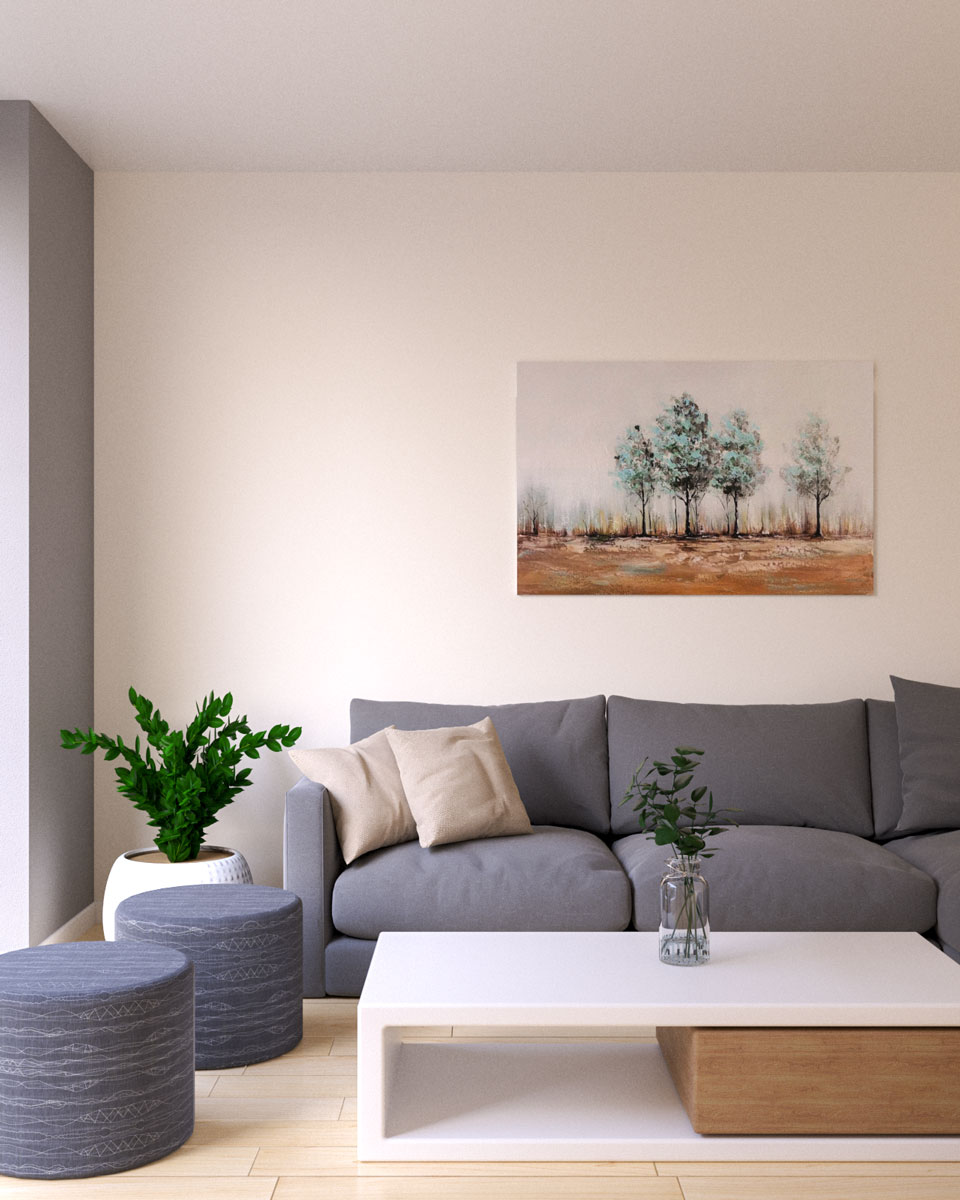
When pairing with cool grey furniture, you generally have two paths: embrace the coolness with other cool tones for a serene, cohesive look, or introduce warm colors to create a beautiful, balancing contrast.
Warm Grey Furniture: Cozy, Earthy, and Inviting
Does your grey furniture lean towards beige, brown, or even a subtle yellow? Then you’ve got a warm grey, often called ‘greige’ (a blend of grey and beige) or ‘taupe’ (grey with brown/purple undertones). Warm grays are inherently cozier, more inviting, and can prevent a room from feeling too sterile or cold.
With warm grey furniture, you can lean into other warm tones for a harmonious, earthy feel, or introduce cooler, cleaner colors to provide a refreshing contrast without making the room feel chilly.
Paint Color Categories: Your Palette for a Stunning Living Room
Now that you’re an expert in grey undertones, let’s dive into the most effective paint color categories. Remember, the goal is not just to pick a color you like, but one that actively enhances your grey furniture and the overall ambiance of your living room.
Serene Neutrals: The Timeless & Versatile Choice
Neutrals are never boring when chosen correctly. They provide a sophisticated backdrop that allows your furniture, art, and accessories to shine. They’re also incredibly versatile, allowing you to easily change your accent colors with the seasons or your mood.
- Crisp Whites: For brightness and sharp contrast. Perfect for creating an airy, minimalist, or gallery-like feel.
- Creamy Off-Whites & Beiges: For softness, warmth, and a more inviting atmosphere than a stark white. They add a gentle glow.
- Greiges & Taupes: The ultimate chameleon colors. These can pick up on the warm undertones in your grey furniture or introduce a subtle warmth if your furniture is cool, creating a sophisticated monochromatic scheme.
| Neutral Paint Color | Best With Grey Furniture Undertone | Effect/Vibe Created | Best Paint Finish |
|---|---|---|---|
| Crisp White (e.g., Chantilly Lace, Pure White) | Cool or Warm Grey | Clean, bright, modern, high contrast. Makes the room feel expansive. | Eggshell or Matte |
| Creamy Off-White (e.g., Swiss Coffee, Navajo White) | Cool or Warm Grey | Soft, inviting, adds warmth and richness without being overtly colored. | Eggshell or Satin |
| Light Greige (e.g., Agreeable Gray, Revere Pewter) | Warm Grey (harmonizes) or Cool Grey (subtle warmth) | Sophisticated, chameleon-like, creates a seamless, grounded feel. | Matte or Eggshell |
| Soft Taupe (e.g., Accessible Beige, Manchester Tan) | Warm Grey | Earthy, cozy, adds depth and a natural, organic feel. | Eggshell or Matte |
Soothing Blues & Greens: Bringing Nature’s Calm Indoors
Blues and greens are naturally calming and universally loved. They connect us to nature – the sky, the ocean, lush forests – making them ideal for creating a tranquil and relaxing living space. They pair beautifully with grey, especially cool grays, by enhancing their serene qualities.
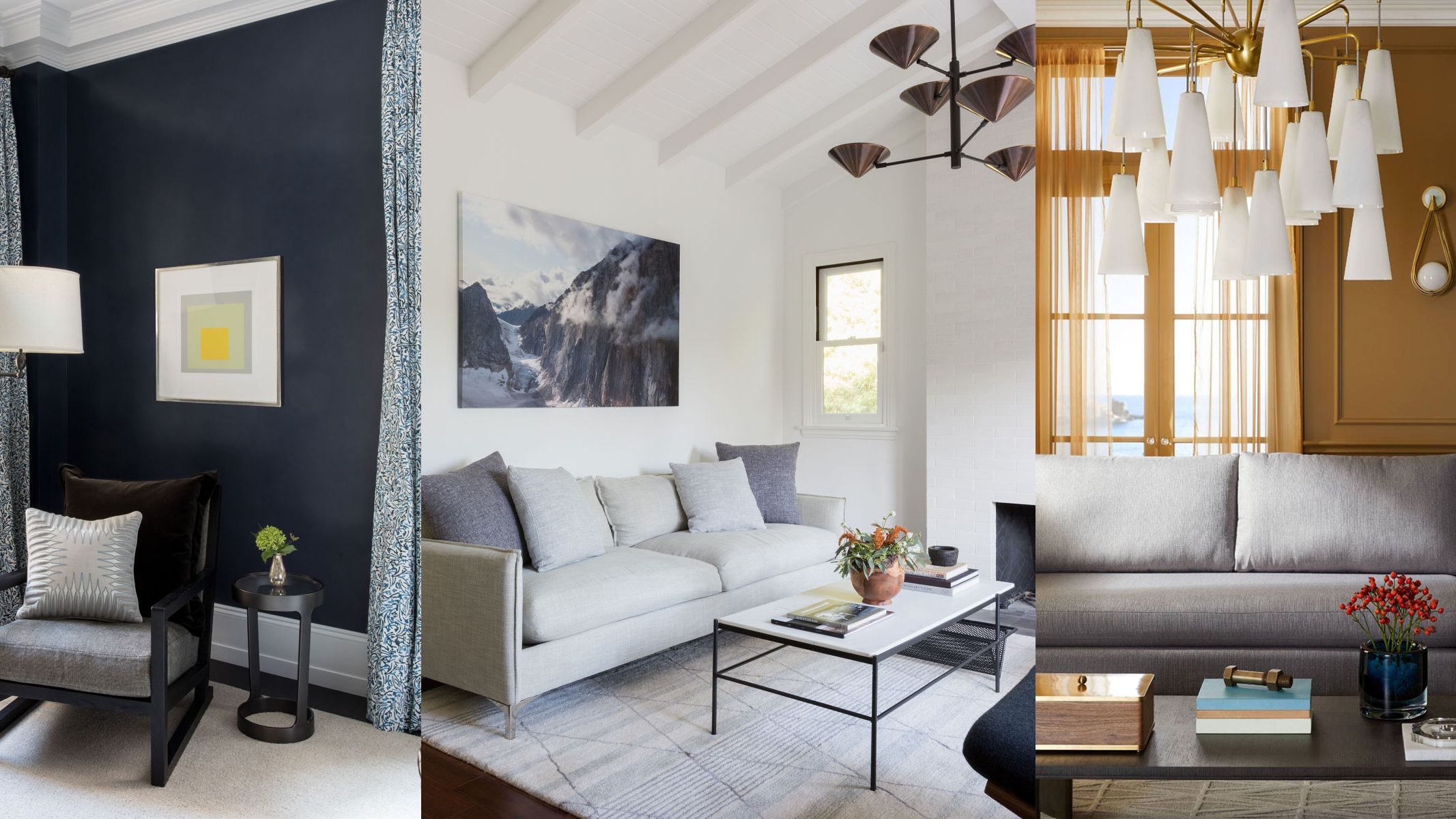
- Pale & Sky Blues: For an airy, expansive feel. They’re refreshing and can make a room feel larger and brighter.
- Deep Navies & Teal: For drama, sophistication, and depth. These rich hues can make a cool grey feel incredibly elegant.
- Sage & Olive Greens: For an organic, earthy comfort. They are grounding and bring a natural softness to the room.
- Mint & Aqua: For a fresh, lively touch that’s still wonderfully serene. Great for a light, playful feel.
| Blue/Green Paint Color | Best With Grey Furniture Undertone | Effect/Vibe Created | Best Paint Finish |
|---|---|---|---|
| Pale Blue (e.g., Palladian Blue, Light Blue) | Cool Grey (harmonizes) or Warm Grey (subtle contrast) | Light, airy, serene, expansive. Promotes relaxation. | Eggshell or Satin |
| Deep Navy (e.g., Hale Navy, Naval) | Cool Grey (sophisticated match) or Warm Grey (bold contrast) | Dramatic, luxurious, formal, grounding. Makes grey feel richer. | Matte or Eggshell |
| Sage Green (e.g., Sage Green, Sea Salt) | Warm Grey (earthy harmony) or Cool Grey (soft balance) | Organic, calming, natural, promotes well-being. | Matte or Eggshell |
| Muted Teal (e.g., Stormy Sky, Watery) | Cool Grey | Rich, sophisticated, creates depth and a focal point. | Eggshell or Pearl |
Inviting Warm Hues: Infusing Coziness and Energy
To combat any perception of grey being cold, warm paint colors are your secret weapon. They inject life, coziness, and a welcoming ambiance into your living room. When paired with cool grey furniture, they create a dynamic and balanced contrast. With warm grey furniture, they amplify the existing warmth for a truly enveloping feel.
- Soft Pinks & Blushes: For understated elegance, warmth, and a touch of modern femininity. Think dusty rose, not bubblegum.
- Muted Terracottas & Rusts: For bohemian warmth, depth, and an earthy, grounded feel. They’re rich without being overwhelming.
- Golden Yellows & Mustards (Accents/Subtle): For a pop of cheer and brightness. Use sparingly for walls, or consider a very muted, soft gold.
- Warm Browns & Chocolates (Subtle/Rich): For grounded sophistication and a sense of enduring comfort. Excellent with warm greys.
| Warm Paint Color | Best With Grey Furniture Undertone | Effect/Vibe Created | Best Paint Finish |
|---|---|---|---|
| Soft Blush/Dusty Pink (e.g., Pink Ground, Intimate White) | Cool Grey (elegant contrast) or Warm Grey (subtle enhancement) | Gentle, sophisticated, inviting, adds a touch of softness. | Matte or Eggshell |
| Muted Terracotta (e.g., Canyon Dusk, Moroccan Red) | Cool Grey (bohemian contrast) or Warm Grey (rich harmony) | Earthy, warm, grounded, creates a cozy and unique feel. | Matte or Eggshell |
| Soft Golden Yellow (e.g., Hawthorne Yellow, Gentle Cream) | Cool Grey (bright contrast) or Warm Grey (enhanced warmth) | Cheerful, energetic, sunny, adds an optimistic glow. | Eggshell or Satin |
| Warm Brown (e.g., Urbane Bronze, Sherwin-Williams) | Warm Grey | Rich, sophisticated, grounding, creates a luxurious and secure feeling. | Matte or Eggshell |
Beyond Color: Critical Factors for Choosing Your Perfect Shade
Choosing a color isn’t just about what looks good on a swatch. It’s about how that color lives and breathes in your specific space. Ignoring these elements is a recipe for disappointment.
The Dance of Light: Natural & Artificial Illumination
Light is the ultimate chameleon for paint. A color can look entirely different from morning to night, or from one wall to another. Rooms with abundant natural light can handle deeper, bolder colors without feeling cramped, while those with limited light often benefit from lighter, brighter shades to maximize illumination.
- North-facing rooms: Often receive cooler, indirect light. Warm paint colors (creams, soft yellows, blushes) can counteract the chill, while cool colors (blues, greens) can enhance the serene, moody vibe.
- South-facing rooms: Bathed in warm, direct light. Almost any color works here! Cool colors will feel crisp and refreshing, while warm colors will feel even more vibrant.
- East-facing rooms: Get bright, warm morning light, which turns cooler in the afternoon. Consider colors that perform well in both warm and cool light, like versatile greiges or balanced blues.
- West-facing rooms: Receive warm, intense afternoon light. Cool colors can be very refreshing here, while warm colors might feel too intense.
Room Dimensions & Layout: Making Spaces Feel Right
Color has a powerful psychological effect on how we perceive space:
- Small rooms: Lighter colors tend to make a space feel more open and expansive. Darker colors can create a cozy, intimate ‘jewel box’ effect, but use them thoughtfully.
- Large rooms: Can handle bolder, darker colors without feeling overwhelmed. You can use deep hues to define zones or create a sense of luxurious enclosure.
- Open-concept living: Consider how the chosen color flows into adjacent spaces. A cohesive palette or carefully chosen complementary colors will maintain visual harmony.
The Power of Sheen: Understanding Paint Finishes
The finish (or sheen) of your paint dramatically impacts its appearance and durability. It’s not just about color; it’s about texture and light reflection.
- Matte/Flat: Absorbs light, creating a velvety, sophisticated look. Best for walls with imperfections as it hides them well. Less durable, harder to clean.
- Eggshell/Satin: Offers a subtle glow and is more durable and washable than matte. It’s the most common choice for living room walls – a perfect balance of beauty and practicality.
- Semi-Gloss/Gloss: Highly reflective, very durable, and easy to clean. Best for trim, doors, and cabinets, not typically for entire living room walls unless you’re making a very bold, modern statement.
Harmonizing with Existing Decor & Personal Style
Your grey furniture is a given, but what else is in the room? Your rugs, curtains, artwork, and existing decorative pieces all play a role. The paint color should tie these elements together, not fight them. Think about your personal style: Do you lean modern, traditional, bohemian, minimalist? Your paint color should reflect that. This is your home, after all!
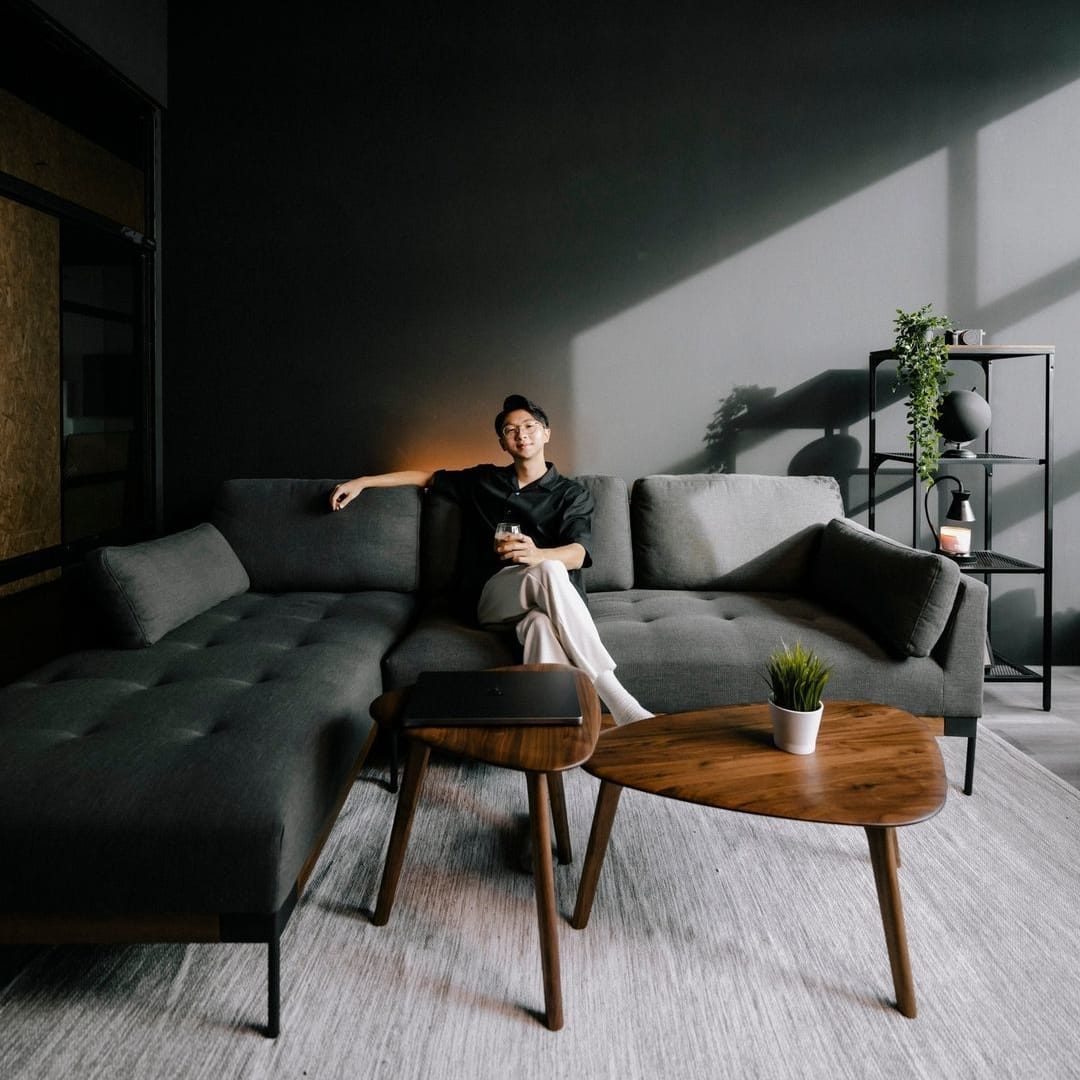
Your Painting Journey: Essential Tips for Success
Armed with knowledge, you’re almost ready. But before you commit to gallons of paint, here are some non-negotiable tips from a designer’s playbook:
The Imperative of Sampling
I cannot stress this enough: always, always, always sample your paint colors. Purchase small pots (pint-sized samples) of your top 2-3 choices. Paint large swatches (at least 2’x2′) directly on a few different walls in your living room, especially walls with different light exposures. Do NOT rely on tiny paint chips, no matter how appealing they look in the store. Those chips are deceiving.
Observing Your Samples Throughout the Day
Once your samples are on the wall, live with them for a few days. Observe them:
- In natural daylight: Morning, midday, and evening.
- Under artificial light: With your lamps and overhead lights on, as they’ll change the color perception.
- Next to your grey furniture: How does it truly interact?
- With your existing decor: Does it harmonize with your rug, cushions, and artwork?
This process will reveal how the color truly performs in your unique environment, saving you from a costly mistake.
Don’t Forget Your Trim and Ceiling
The trim (baseboards, crown molding, door frames) and ceiling are crucial for a polished look. Often, a crisp white (matching the lightest shade in your wall color or a true bright white) is chosen for trim to provide definition. For ceilings, a flat white is common, but don’t shy away from painting it a lighter version of your wall color for a more enveloping, sophisticated feel, especially in rooms with higher ceilings.
Consider the Emotional Impact of Color
Think about how you want your living room to feel. Do you want it to be a calming sanctuary after a long day? A vibrant space for entertaining? The psychological impact of color is real. Blues and greens are calming, yellows are energizing, reds are stimulating, and neutrals are grounding. Choose a color that resonates with the mood you’re trying to achieve.
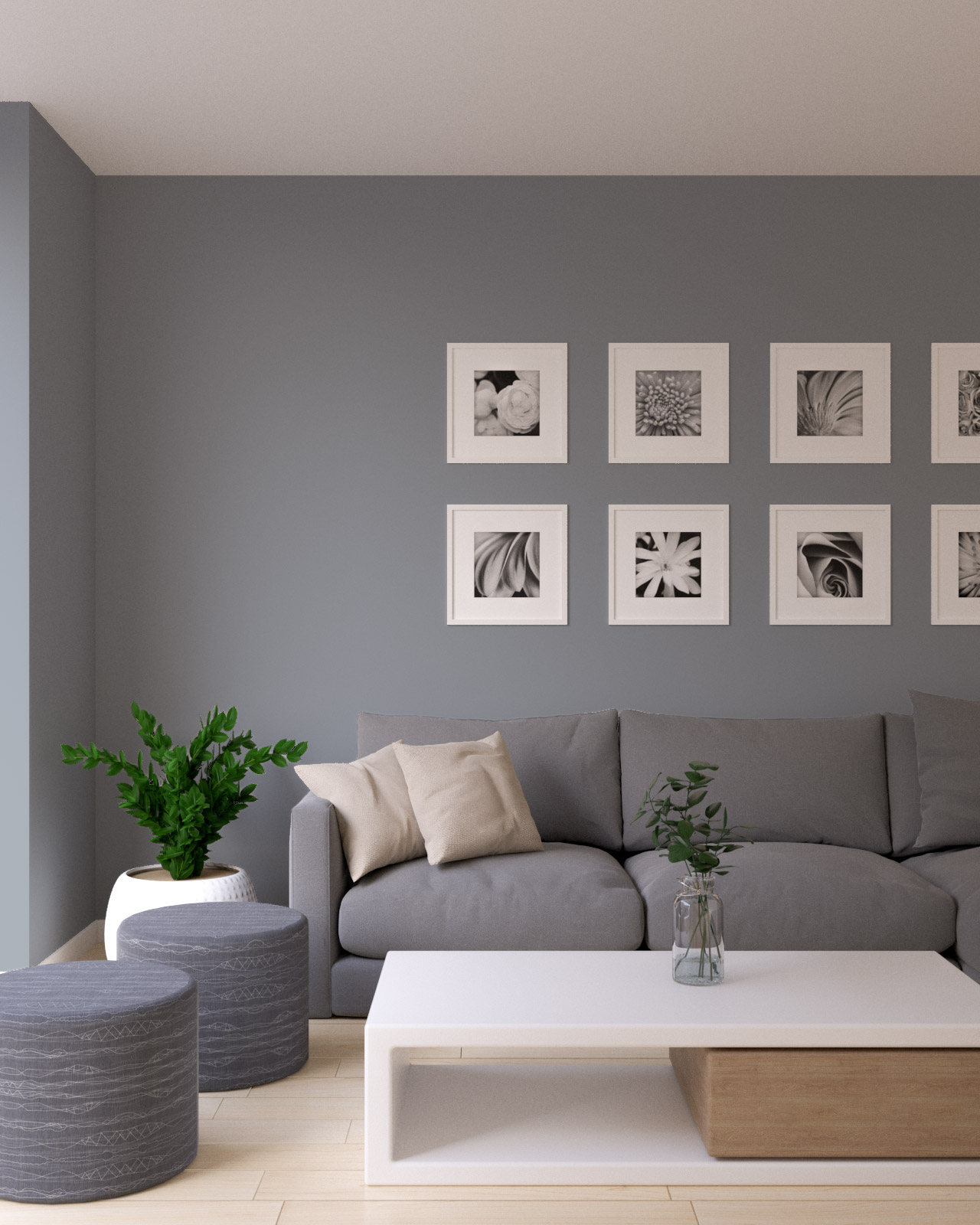
Elevate Your Living Room: Design Principles for Grey Furniture
Once your walls are painted, the design journey isn’t over. Here’s how to take your living room from ‘nice’ to ‘wow’ with grey furniture as your anchor.
Layering Textures for Depth and Interest
Grey furniture provides a fantastic neutral base for layering. Introduce varied textures to prevent the room from feeling flat:
- Plush rugs: A shag rug, a natural jute, or a patterned wool rug can define the space and add warmth.
- Textured throw pillows: Velvet, linen, faux fur, chunky knits – mix them up!
- Cozy blankets: A cashmere throw or a chunky knit blanket draped over your sofa adds instant invitation.
- Wooden elements: A live-edge coffee table, wooden picture frames, or a sculptural floor lamp.
Strategic Accent Colors through Accessories
This is where you can have fun and infuse your personality without committing to a whole wall color. Use accessories to introduce complementary or contrasting accent colors:
- Artwork: Choose pieces that pick up on your wall color or introduce a bold complementary hue.
- Decorative objects: Vases, sculptures, candles.
- Greenery: Plants are a living accent color and bring undeniable life to any room.
- Books: Arrange them by color for a sophisticated, subtle accent.
Thoughtful Lighting Design for Ambiance
Good lighting can completely transform a room, making colors appear richer and spaces feel more inviting. Aim for a mix of lighting sources:
- Ambient lighting: Overhead fixtures for general illumination.
- Task lighting: Floor lamps or table lamps for reading.
- Accent lighting: Picture lights or spotlights to highlight artwork or architectural features.
Using dimmers is key to adjusting the mood from bright and functional to cozy and intimate.
Incorporating Natural Elements
To keep a grey-anchored room from feeling cold, always bring in natural elements. This could be:
:strip_icc()/grey-furniture-e1f9a98e-fd3c30db563a4e118378fcdec84ba12e.jpg "20 Gray Color Schemes that Showcase the Timeless Neutral")
- Wood: In furniture, flooring, or decorative objects.
- Stone: A stone fireplace, concrete planters, or marble accents.
- Plants: Large potted plants, small succulents, or fresh flowers.
- Natural fibers: Linen curtains, jute rugs, cotton throws.
By thoughtfully considering your grey furniture’s undertones, exploring a range of paint colors, and layering in textures and thoughtful accents, you can create a living room that is not only stylish but also deeply comfortable and reflective of your unique aesthetic. Don’t be afraid to trust your instincts and enjoy the process of transforming your space!
Frequently Asked Questions
What colors should you avoid painting with grey furniture?
Generally, avoid highly saturated or very muddy colors that clash with your specific grey’s undertones. For instance, a very ‘dirty’ yellow or a sickly green might make a cool grey feel dingy. Also, be cautious with overly bright, primary colors on all walls unless you’re intentionally going for a very bold, eclectic look, as they can overwhelm the calming presence of grey furniture. The key is balance and understanding your grey’s undertone.
Does grey furniture make a living room look cold?
Grey furniture itself doesn’t inherently make a room cold, but it can contribute to a cooler feeling if not balanced. To prevent a cold ambiance, pair cool grey furniture with warm paint colors (like creamy whites, soft blushes, or muted greens) and incorporate warm textures (wood, knit fabrics, brass accents), strategic lighting, and cozy accessories. Warm grey (greige) furniture naturally feels cozier and less prone to feeling cold.
Should living room walls be lighter or darker than grey furniture?
There’s no single rule, as both lighter and darker walls can work beautifully. Lighter walls (whites, light greiges, pale blues) create contrast, making grey furniture pop and the room feel airy and spacious. Darker walls (deep navies, charcoal, rich greens) create a moody, sophisticated, and intimate atmosphere, often making the grey furniture feel part of a luxurious, cohesive design. It depends on the mood and scale you want to achieve.
What accent colors pair well with a grey living room?
Grey is incredibly versatile for accents! Popular choices include mustard yellow (for a pop of warmth), deep teal or emerald green (for sophistication), blush pink or dusty rose (for softness and warmth), rich rust or terracotta (for an earthy, bohemian touch), and classic navy blue (for a timeless, elegant contrast). Metallics like brass or copper also add a luxurious accent.
How do I choose between a warm grey and a cool grey paint for my walls?
First, identify the undertone of your grey furniture. If you want a harmonious, cohesive look, choose a wall paint with similar undertones (e.g., cool grey walls with cool grey furniture, or warm greige walls with warm greige furniture). If you want contrast, pair cool grey furniture with warm wall colors (like soft beige or blush) to add warmth, or warm grey furniture with cooler wall colors (like a pale blue) to add freshness. Always sample the paint on your walls to see how it looks in your room’s unique lighting.
What kind of lighting works best with grey living room furniture?
Layered lighting is key. Combine ambient (overhead), task (reading lamps), and accent lighting (to highlight art) to create depth and warmth. Choose bulbs with a ‘warm white’ (2700K-3000K) color temperature to prevent the room from feeling cold, especially if your grey furniture has cool undertones. Dimmers are also highly recommended to adjust the mood throughout the day and evening.