Beyond Beige: The Definitive Guide to Calm Bedroom Paint Colors for Adults
Let’s be real: your bedroom isn’t just a place to sleep. It’s your sanctuary, your escape, the quiet canvas where you recharge after a relentless day. If you’ve been staring at sterile white walls, a questionable previous tenant’s choice, or a color that just doesn’t feel & ;you& ; anymore, you know the struggle. You crave calm, sophistication, and a space that truly supports your well-being as an adult.
But with endless paint swatches and fleeting trends, how do you find that perfect hue that whispers peace, not shouts chaos? How do you choose a color that feels mature, not childish, and creates a genuine oasis for restful sleep and quiet contemplation? That’s exactly what we’re tackling here. Forget generic lists; this is your deep dive into creating an adult bedroom that’s effortlessly calm, beautifully sophisticated, and uniquely yours.
Why Your Bedroom Color Matters More Than You Think (Beyond Just & ;Pretty& 😉
You might think paint is just paint, but in your bedroom, it’s a foundational element influencing your mood, sleep quality, and overall sense of peace. For adults, this impact is profound.
The Science of Serenity: How Color Influences Mood and Sleep
It’s not just anecdotal; science backs this up. Colors are powerful non-verbal communicators that stimulate our brains and bodies. Warm colors (reds, oranges, bright yellows) can elevate heart rate and stimulate activity, which is fantastic for a living room, but disastrous for a sleep space. Conversely, cool colors (blues, greens) are known to lower blood pressure, slow respiration, and create a sense of tranquility.
- Blues are consistently rated as the most calming color, often associated with stability and peace. They can even trick your brain into thinking it’s cooler, aiding sleep.
- Greens connect us to nature, evoking feelings of balance, growth, and relaxation. They provide a sense of security and harmony.
- Neutrals (grays, creams, whites) offer a subtle backdrop that allows the mind to relax without sensory overload, promoting clarity and order.
Choosing a calm color isn’t just about aesthetics; it’s a strategic move for better sleep, reduced stress, and improved daily well-being.
Adulting Your Walls: What & ;Calm& ; Means for Mature Spaces
For an adult bedroom, & ;calm& ; means more than just & ;light.& ; It means:
- Sophistication: Avoiding overly bright, primary, or saccharine pastel shades that can feel childish. We’re looking for muted, desaturated, and nuanced tones.
- Timelessness: Choosing colors that won’t feel dated in a year. Classic, elegant hues provide longevity.
- Versatility: A good calm color should allow for changing decor, bedding, and accessories without requiring a full repaint.
- Depth: Even light colors can have depth through complex undertones that add richness and interest without being overwhelming.
This isn’t about avoiding color; it’s about selecting it with intention and a grown-up sensibility.
The Core Palette: Timeless Calm Bedroom Colors for Adults
Let’s dive into the specific color families that consistently deliver adult-level calm and sophistication.
Serene Blues: The Ultimate Stress-Reliever
Blue is the undisputed champion of calm. It’s like a deep, cleansing breath for your brain. For adults, think beyond basic baby blue. We’re talking nuanced, desaturated, and slightly complex blues.
- Dusty Blues: These blues often have a touch of gray or even purple, making them feel grounded and mature. They evoke the vastness of a cloudy sky or distant mountains.
- Muted Teal/Blue-Green: Leaning into green, these colors offer a sophisticated blend of blue’s calm and green’s natural harmony. They can feel luxurious and incredibly soothing.
- Deep, Inky Blues (Used Thoughtfully): While this guide focuses on lighter hues, a very deep, rich blue (like a midnight or navy with gray undertones) can create an incredibly cozy, den-like sanctuary, especially in a master bedroom. It’s about enveloping you in calm, not stimulating you.
Why they work for adults: They promote relaxation, lower heart rate, and are associated with feelings of trust and stability. They provide a sophisticated backdrop that pairs beautifully with natural wood, crisp whites, and metallic accents.
Complementary colors: Crisp white, soft gray, warm wood tones, brass, muted gold, cream.
Tranquil Greens: Nature’s Embrace for Restful Sleep
Greens connect us to the natural world, bringing a sense of balance and renewal indoors. For a calm adult bedroom, think soft, earthy, and muted greens, not vibrant or lime tones.
- Sage Green: This is a quintessential calm color. Its grayish undertones prevent it from feeling too bright, offering a sophisticated, organic vibe. It’s incredibly versatile.
- Moss Green/Eucalyptus: Deeper and earthier than sage, these greens feel grounded and connected to nature. They provide a slightly richer calm.
- Pale Mint/Pistachio (Muted): When sufficiently desaturated and leaning towards gray, a pale mint can be incredibly refreshing and airy, without being juvenile.
Why they work for adults: Greens reduce anxiety and promote feelings of peace and security. They are reminiscent of serene landscapes, fostering a restorative environment.
Complementary colors: Cream, warm white, natural wood, deep brown, charcoal gray, blush pink (subtly).
Sophisticated Grays: Modern Calm with a Grown-Up Edge
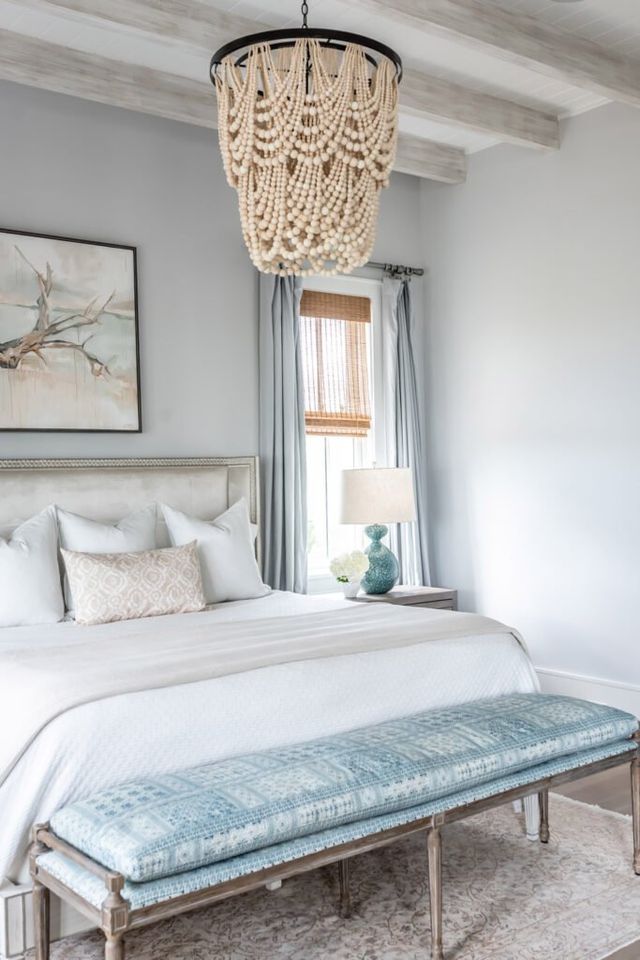
Gray has shed its reputation for being & ;boring& ; and emerged as a powerhouse of modern calm. The key is choosing the right gray, one with subtle undertones that prevent it from feeling cold or sterile.
:max_bytes(150000):strip_icc()/tranquil-yet-sophisticated-bedroom-paint-colors-350800-hero-fad897b742b049669237b47231236dce.jpg "14 Best Bedroom Paint Colors for a Relaxing Space")
- Warm Grays (Greige): A beautiful blend of gray and beige, greige offers the best of both worlds & ; the versatility of gray with the warmth of beige. It’s incredibly inviting and sophisticated.
- Soft Charcoal: A deeper, richer gray can create an incredibly luxurious and cocooning effect. It feels protective and private, especially in rooms with ample natural light.
- Blue-Grays/Green-Grays: These grays infuse a hint of color, adding complexity and specific calming properties. A blue-gray feels serene; a green-gray feels organic.
Why they work for adults: Grays are incredibly versatile, providing a neutral backdrop for any decor style. They represent balance and composure, perfect for a modern, calm aesthetic. The right gray can feel incredibly chic and understated.
Complementary colors: White, black, deep wood, mustard yellow, silver, gold, blush, soft blue.
Warm Neutrals (Beyond Basic Beige): Cozy Comfort and Understated Elegance
If you’re looking for subtle comfort without a dominant color, warm neutrals are your friends. But ditch the builders’ beige. We’re talking refined, nuanced hues.
- Creamy Whites/Off-Whites: These aren’t stark. They have subtle yellow, pink, or even taupe undertones that prevent them from feeling cold, making a room feel soft, airy, and inviting.
- Soft Taupe: A more defined version of greige, taupe has a lovely earthy quality. It’s grounded, warm, and sophisticated without being too dark.
- Muted Khaki/Linen: These colors bring a natural, relaxed feel. They’re often seen in spa-like environments and convey understated elegance.
Why they work for adults: They create a timeless, comforting envelope. They are highly adaptable, allowing textures and furniture to shine, and provide a sense of expansive calm without being visually demanding.
Complementary colors: Almost anything! Especially natural wood, woven textures, black, deep green, terracotta.
Whisper Whites: The Clean Canvas of Calm
A pure, crisp white can be too stark for a bedroom, but the right white & ; a & ;whisper& ; white & ; creates an ethereal, serene, and incredibly clean environment. It& ;s all about the undertone.
- Warm Whites: These have a hint of yellow, pink, or beige, making them feel soft and inviting rather than cold. They glow with natural light.
- Greige-Whites: A whisper of gray or beige in a white can add depth and prevent it from feeling stark, creating a very sophisticated, gallery-like calm.
- Off-Whites with a Green/Blue Tint: Subtly cool undertones can make a white feel incredibly fresh and airy, perfect for a bright, serene space.
Why they work for adults: Whites provide a spacious, uncluttered feel, promoting mental clarity and a sense of fresh beginnings. They are the ultimate versatile backdrop for a mindful, minimalist aesthetic or for showcasing art and texture.
Complementary colors: All colors work! Especially natural textures, wood, black, gray, and any subtle accent color.
Subtle Earth Tones & Muted Pinks/Blushes: Unexpected Pathways to Peace
Don’t be afraid to venture slightly beyond the traditional cool-toned palette. Certain earth tones and muted pinks can be incredibly calming and sophisticated.
- Soft Terracotta/Muted Clay: These earthy, grounding tones bring warmth and a connection to the natural world without being overpowering. Think muted, not fiery.
- Dusty Rose/Muted Blush: When mixed with gray or beige, pink transforms into a sophisticated, gentle hue that’s incredibly soothing and elegant. It adds a touch of subtle warmth and softness without being saccharine.
- Warm Plaster Tones: These are often a blend of muted beige, soft pink, and subtle orange, creating a textured, organic, and deeply calming feel.
Why they work for adults: They offer a unique, comforting warmth that promotes relaxation. The muted nature ensures they feel mature and inviting, not overwhelming. They’re excellent for creating a unique, personal sanctuary.
Complementary colors: Warm whites, deep greens, charcoal, natural wood, gold accents, cream.
Navigating the Nuances: Choosing YOUR Perfect Calm Color
Choosing paint isn’t a one-size-fits-all affair. Your personal space has unique characteristics that demand consideration.
Understanding Undertones: The Secret to a Harmonious Hue
This is where many people go wrong. An undertone is the subtle color that peeks through a main color. It’s why two & ;grays& ; can look completely different & ; one might have a blue undertone, making it cool, while another has a green undertone, making it earthy. A gray with a purple undertone can feel very different again.
- Warm Undertones (red, yellow, orange): These make colors feel cozier and more inviting. Think creamy whites, greiges with a beige lean, or greens with a yellow base.
- Cool Undertones (blue, green, purple): These make colors feel fresher, crisper, and more expansive. Think blue-grays, cool whites, or greens with a blue base.
Always consider your existing furniture, flooring, and textiles. If your sofa has a warm beige tone, a cool blue-gray wall might clash rather than calm. Harmony is key.
The Power of Light: How Natural and Artificial Light Transforms Color
Light is the ultimate chameleon for paint color. What looks perfect in the store can look completely different on your wall.
:strip_icc()/WhalesTail-3473099bd2224e18adc7553f9cd5b09d.jpg "25 Calming Bedroom Paint Colors for a Restful Retreat")
- North-facing rooms: Receive cooler, bluish light. Warm paint colors can help balance this out, or a cool color might appear even colder.
- South-facing rooms: Bathed in warm, golden light throughout the day. Almost any color will look great, but cool colors can feel particularly vibrant.
- East-facing rooms: Get bright, warm light in the morning, which shifts to cooler light later. Consider colors that perform well in both.
- West-facing rooms: Receive warm, intense light in the afternoon/evening. Colors can appear more saturated.
- Artificial Light: Incandescent bulbs cast a warm, yellowish glow; fluorescents are cool and blue; LEDs vary depending on their Kelvin temperature (warm white vs. cool white). Test your paint swatches with your actual light fixtures on.
Room Size & Ceiling Height: Maximizing Space with Color
Color can trick the eye, making a room feel larger or cozier.
- Small rooms: Lighter, cooler colors (pale blues, greens, whites) tend to make a room feel more expansive and airy. Using the same light color on the ceiling can also visually lift it.
- Large rooms: Can handle slightly deeper or richer tones (like a soft charcoal or a deeper sage) which can make the space feel more intimate and inviting, preventing it from feeling cavernous.
- Low ceilings: Keep walls and ceilings lighter or use a monochromatic scheme to create an illusion of height.
Harmonizing with Existing Decor: Furniture, Flooring, and Textiles
Your paint color shouldn’t exist in a vacuum. It needs to play nicely with your big-ticket items:
- Furniture: Does your headboard have warm wood tones or a cool gray fabric? Choose a paint that complements these existing elements.
- Flooring: Light carpets, dark wood, or patterned rugs will all interact differently with your wall color.
- Textiles: Your curtains, bedding, and throws are significant blocks of color and texture. Pick a wall color that either grounds them or allows them to pop subtly.
Think of your room as a whole composition. The paint is the background music; it sets the mood but shouldn’t overpower the vocals.
Paint Finish Matters: From Matte Serenity to Eggshell Softness
The sheen of your paint affects how light reflects off the walls, and thus, how calm your color appears.
- Flat/Matte: Offers the most sophisticated, velvety look. It absorbs light, making colors appear richer and hiding imperfections. Ideal for a truly calm, low-glare bedroom. Less durable for high-traffic areas, but perfect for a bedroom.
- Eggshell/Satin: Has a slight sheen, making it more durable and easier to clean than matte. It’s a popular choice for bedrooms, offering a soft glow without being reflective.
- Semi-Gloss/Gloss: Too shiny for walls in a calm bedroom. Best reserved for trim and doors.
For adult bedrooms, matte or eggshell finishes are almost always the superior choice for promoting a sense of calm and sophistication.
Your & ;Calm Color Compass& ;: A Comparative Guide
To help you narrow down your choices, here’s a comparative look at our top calm adult bedroom paint color families:
| Color Family | Mood Evoked | Best for Room Size | Ideal Lighting | Common Undertones | Complementary Accents |
|---|---|---|---|---|---|
| Serene Blues | Tranquil, Stable, Refreshing | Small to Large (especially dusty/muted) | All types, especially good in sunny rooms | Gray, Green, Purple | Whites, Creams, Warm Woods, Brass, Silver |
| Tranquil Greens | Balanced, Harmonious, Restorative | Small to Large (especially sage/eucalyptus) | North-facing, natural light | Gray, Yellow, Blue | Whites, Creams, Dark Woods, Earth Tones |
| Sophisticated Grays | Modern, Composed, Versatile | Small to Large (warm grays for small) | All types, adjust undertone to light | Blue, Green, Purple, Brown (Greige) | Black, White, Metals, Rich Textures |
| Warm Neutrals | Cozy, Grounded, Understated | Small to Large (excellent for any size) | All types, enhances natural warmth | Yellow, Pink, Gray (Greige), Orange | Natural Woods, Wovens, Black, Deep Colors |
| Whisper Whites | Airy, Clean, Expansive | Small to Large (makes small rooms feel bigger) | All types, reflects light beautifully | Yellow, Gray, Pink, Blue | Any color, any texture (the ultimate canvas) |
| Subtle Earth Tones & Muted Blushes | Warm, Grounding, Intimate | Medium to Large (can cozy up large rooms) | Soft, diffused light (avoids harshness) | Brown, Gray, Peach, Red | Greens, Browns, Cream, Black, Gold |
Testing & Application: Confident Color Choices for Your Sanctuary
You’ve done the research, narrowed down your choices. Now, the crucial step: putting it to the test.
The Swatch Strategy: Why Small Samples Lie
Those tiny paint chips are a starting point, not the finish line. Paint colors look drastically different on a large wall than on a small card. Here’s how to truly test:
- Buy Sample Pots: Invest in 3-5 of your top contenders.
- Paint Large Swatches: Don’t just paint a small square. Paint large areas (at least 2’x2′) on at least two different walls in your bedroom. This allows you to see how the color interacts with varying light and shadows.
- Observe Throughout the Day: Live with the colors for a few days. See how they change from morning light, midday, twilight, and under your artificial bedroom lighting.
- Consider Adjacent Colors: How does the sample look next to your trim, door frames, or existing flooring?
- Prime First: If your current wall color is dark or strong, prime the swatch area with white paint first for a truer representation of the new color.
Painting with Purpose: Tips for a Flawless Finish
Once you’ve made your final decision, a good paint job makes all the difference in achieving that calm, sophisticated look.
- Preparation is Key: Clean walls, fill holes, sand smooth. Use painter’s tape for crisp lines.
- Primer Power: Don’t skip primer, especially if you’re going from a dark color to light, or if you’re dealing with new drywall. It ensures even absorption and a true color.
- Quality Tools: Good brushes and rollers make the job easier and the finish smoother.
- Two Coats (Minimum): Most colors require at least two coats for full, even coverage.
- Ventilate: Always ensure good ventilation, especially when painting a bedroom, for health and faster drying.
Beyond the Walls: Creating a Holistic Calm Bedroom Environment
Your wall color is the foundation, but a truly calm adult sanctuary is a symphony of elements.
Intentional Decor: Minimizing Clutter, Maximizing Comfort
Clutter is visual noise. For a calm adult space, embrace intentionality.
- Declutter Ruthlessly: Only keep items that serve a purpose or bring you joy. Everything else creates stress.
- Thoughtful Storage: Utilize attractive baskets, closed cabinetry, and under-bed storage to hide necessities.
- Meaningful Objects: Curate a few pieces of art, personal photos, or cherished objects that evoke peace, rather than filling every surface.
Lighting the Way to Rest: Softness Over Brightness
Harsh overhead lighting is the enemy of calm. Layer your lighting for maximum serenity.
- Dimmers: A must-have for overhead lights.
- Bedside Lamps: Provide warm, localized light for reading.
- Accent Lighting: A small floor lamp or indirect LED strip can add a gentle glow.
- Warm Bulbs: Opt for bulbs with a lower Kelvin temperature (2700K-3000K) for a cozy, inviting glow.
Textiles and Textures: Adding Layers of Serenity
The tactile experience of your bedroom is just as important as the visual. Embrace soft, luxurious textures.
- Bedding: Invest in high-quality, comfortable sheets, a plush duvet, and soft pillows.
- Rugs: A soft rug underfoot adds warmth, reduces noise, and defines the space.
- Curtains: Blackout curtains provide ultimate darkness for sleep, while sheer panels can soften natural light during the day.
- Throw Blankets & Pillows: Add layers of comfort and visual interest, choosing textures like wool, linen, or faux fur.
Final Thoughts: Your Adult Oasis Awaits
Choosing the perfect calm bedroom paint color for adults isn’t just about picking a pretty shade; it’s about crafting an intentional environment that supports your well-being. It’s about recognizing that as adults, our spaces should reflect our desire for peace, sophistication, and restorative rest.
By understanding the psychology of color, the nuances of undertones and light, and embracing a holistic approach to your bedroom design, you’re not just painting walls & ; you’re investing in your serenity. So go ahead, trust your instincts, test those swatches, and create the adult oasis you truly deserve. Your calmer, more restful self will thank you.
”
}
{ “content”: “
Beyond Beige: The Definitive Guide to Calm Bedroom Paint Colors for Adults
Let’s be real: your bedroom isn’t just a place to sleep. It’s your sanctuary, your escape, the quiet canvas where you recharge after a relentless day. If you’ve been staring at sterile white walls, a questionable previous tenant’s choice, or a color that just doesn’t feel & ;you& ; anymore, you know the struggle. You crave calm, sophistication, and a space that truly supports your well-being as an adult.
But with endless paint swatches and fleeting trends, how do you find that perfect hue that whispers peace, not shouts chaos? How do you choose a color that feels mature, not childish, and creates a genuine oasis for restful sleep and quiet contemplation? That’s exactly what we’re tackling here. Forget generic lists; this is your deep dive into creating an adult bedroom that’s effortlessly calm, beautifully sophisticated, and uniquely yours.
Why Your Bedroom Color Matters More Than You Think (Beyond Just & ;Pretty& 😉
You might think paint is just paint, but in your bedroom, it’s a foundational element influencing your mood, sleep quality, and overall sense of peace. For adults, this impact is profound.
The Science of Serenity: How Color Influences Mood and Sleep
It’s not just anecdotal; science backs this up. Colors are powerful non-verbal communicators that stimulate our brains and bodies. Warm colors (reds, oranges, bright yellows) can elevate heart rate and stimulate activity, which is fantastic for a living room, but disastrous for a sleep space. Conversely, cool colors (blues, greens) are known to lower blood pressure, slow respiration, and create a sense of tranquility.
- Blues are consistently rated as the most calming color, often associated with stability and peace. They can even trick your brain into thinking it’s cooler, aiding sleep.
- Greens connect us to nature, evoking feelings of balance, growth, and relaxation. They provide a sense of security and harmony.
- Neutrals (grays, creams, whites) offer a subtle backdrop that allows the mind to relax without sensory overload, promoting clarity and order.
Choosing a calm color isn’t just about aesthetics; it’s a strategic move for better sleep, reduced stress, and improved daily well-being.
Adulting Your Walls: What & ;Calm& ; Means for Mature Spaces
For an adult bedroom, & ;calm& ; means more than just & ;light.& ; It means:
- Sophistication: Avoiding overly bright, primary, or saccharine pastel shades that can feel childish. We’re looking for muted, desaturated, and nuanced tones.
- Timelessness: Choosing colors that won’t feel dated in a year. Classic, elegant hues provide longevity.
- Versatility: A good calm color should allow for changing decor, bedding, and accessories without requiring a full repaint.
- Depth: Even light colors can have depth through complex undertones that add richness and interest without being overwhelming.
This isn’t about avoiding color; it’s about selecting it with intention and a grown-up sensibility.
The Core Palette: Timeless Calm Bedroom Colors for Adults
Let’s dive into the specific color families that consistently deliver adult-level calm and sophistication.
Serene Blues: The Ultimate Stress-Reliever
Blue is the undisputed champion of calm. It’s like a deep, cleansing breath for your brain. For adults, think beyond basic baby blue. We’re talking nuanced, desaturated, and slightly complex blues.
- Dusty Blues: These blues often have a touch of gray or even purple, making them feel grounded and mature. They evoke the vastness of a cloudy sky or distant mountains.
- Muted Teal/Blue-Green: Leaning into green, these colors offer a sophisticated blend of blue’s calm and green’s natural harmony. They can feel luxurious and incredibly soothing.
- Deep, Inky Blues (Used Thoughtfully): While this guide focuses on lighter hues, a very deep, rich blue (like a midnight or navy with gray undertones) can create an incredibly cozy, den-like sanctuary, especially in a master bedroom. It’s about enveloping you in calm, not stimulating you.
Why they work for adults: They promote relaxation, lower heart rate, and are associated with feelings of trust and stability. They provide a sophisticated backdrop that pairs beautifully with natural wood, crisp whites, and metallic accents.
Complementary colors: Crisp white, soft gray, warm wood tones, brass, muted gold, cream.
Tranquil Greens: Nature’s Embrace for Restful Sleep
Greens connect us to the natural world, bringing a sense of balance and renewal indoors. For a calm adult bedroom, think soft, earthy, and muted greens, not vibrant or lime tones.
- Sage Green: This is a quintessential calm color. Its grayish undertones prevent it from feeling too bright, offering a sophisticated, organic vibe. It’s incredibly versatile.
- Moss Green/Eucalyptus: Deeper and earthier than sage, these greens feel grounded and connected to nature. They provide a slightly richer calm.
- Pale Mint/Pistachio (Muted): When sufficiently desaturated and leaning towards gray, a pale mint can be incredibly refreshing and airy, without being juvenile.
Why they work for adults: Greens reduce anxiety and promote feelings of peace and security. They are reminiscent of serene landscapes, fostering a restorative environment.
Complementary colors: Cream, warm white, natural wood, deep brown, charcoal gray, blush pink (subtly).
Sophisticated Grays: Modern Calm with a Grown-Up Edge
Gray has shed its reputation for being & ;boring& ; and emerged as a powerhouse of modern calm. The key is choosing the right gray, one with subtle undertones that prevent it from feeling cold or sterile.
:strip_icc()/JetStream814-e85aa25624124da2a51aa16be0d25c8d.jpg "25 Calming Bedroom Paint Colors for a Restful Retreat")
- Warm Grays (Greige): A beautiful blend of gray and beige, greige offers the best of both worlds & ; the versatility of gray with the warmth of beige. It’s incredibly inviting and sophisticated.
- Soft Charcoal: A deeper, richer gray can create an incredibly luxurious and cocooning effect. It feels protective and private, especially in rooms with ample natural light.
- Blue-Grays/Green-Grays: These grays infuse a hint of color, adding complexity and specific calming properties. A blue-gray feels serene; a green-gray feels organic.
Why they work for adults: Grays are incredibly versatile, providing a neutral backdrop for any decor style. They represent balance and composure, perfect for a modern, calm aesthetic. The right gray can feel incredibly chic and understated.
Complementary colors: White, black, deep wood, mustard yellow, silver, gold, blush, soft blue.
Warm Neutrals (Beyond Basic Beige): Cozy Comfort and Understated Elegance
If you’re looking for subtle comfort without a dominant color, warm neutrals are your friends. But ditch the builders’ beige. We’re talking refined, nuanced hues.
- Creamy Whites/Off-Whites: These aren’t stark. They have subtle yellow, pink, or even taupe undertones that prevent them from feeling cold, making a room feel soft, airy, and inviting.
- Soft Taupe: A more defined version of greige, taupe has a lovely earthy quality. It’s grounded, warm, and sophisticated without being too dark.
- Muted Khaki/Linen: These colors bring a natural, relaxed feel. They’re often seen in spa-like environments and convey understated elegance.
Why they work for adults: They create a timeless, comforting envelope. They are highly adaptable, allowing textures and furniture to shine, and provide a sense of expansive calm without being visually demanding.
Complementary colors: Almost anything! Especially natural wood, woven textures, black, deep green, terracotta.
Whisper Whites: The Clean Canvas of Calm
A pure, crisp white can be too stark for a bedroom, but the right white & ; a & ;whisper& ; white & ; creates an ethereal, serene, and incredibly clean environment. It& ;s all about the undertone.
- Warm Whites: These have a hint of yellow, pink, or beige, making them feel soft and inviting rather than cold. They glow with natural light.
- Greige-Whites: A whisper of gray or beige in a white can add depth and prevent it from feeling stark, creating a very sophisticated, gallery-like calm.
- Off-Whites with a Green/Blue Tint: Subtly cool undertones can make a white feel incredibly fresh and airy, perfect for a bright, serene space.
Why they work for adults: Whites provide a spacious, uncluttered feel, promoting mental clarity and a sense of fresh beginnings. They are the ultimate versatile backdrop for a mindful, minimalist aesthetic or for showcasing art and texture.
Complementary colors: All colors work! Especially natural textures, wood, black, gray, and any subtle accent color.
Subtle Earth Tones & Muted Pinks/Blushes: Unexpected Pathways to Peace
Don’t be afraid to venture slightly beyond the traditional cool-toned palette. Certain earth tones and muted pinks can be incredibly calming and sophisticated.
- Soft Terracotta/Muted Clay: These earthy, grounding tones bring warmth and a connection to the natural world without being overpowering. Think muted, not fiery.
- Dusty Rose/Muted Blush: When mixed with gray or beige, pink transforms into a sophisticated, gentle hue that’s incredibly soothing and elegant. It adds a touch of subtle warmth and softness without being saccharine.
- Warm Plaster Tones: These are often a blend of muted beige, soft pink, and subtle orange, creating a textured, organic, and deeply calming feel.
Why they work for adults: They offer a unique, comforting warmth that promotes relaxation. The muted nature ensures they feel mature and inviting, not overwhelming. They’re excellent for creating a unique, personal sanctuary.
Complementary colors: Warm whites, deep greens, charcoal, natural wood, gold accents, cream.
Navigating the Nuances: Choosing YOUR Perfect Calm Color
Choosing paint isn’t a one-size-fits-all affair. Your personal space has unique characteristics that demand consideration.
Understanding Undertones: The Secret to a Harmonious Hue
This is where many people go wrong. An undertone is the subtle color that peeks through a main color. It’s why two & ;grays& ; can look completely different & ; one might have a blue undertone, making it cool, while another has a green undertone, making it earthy. A gray with a purple undertone can feel very different again.
- Warm Undertones (red, yellow, orange): These make colors feel cozier and more inviting. Think creamy whites, greiges with a beige lean, or greens with a yellow base.
- Cool Undertones (blue, green, purple): These make colors feel fresher, crisper, and more expansive. Think blue-grays, cool whites, or greens with a blue base.
Always consider your existing furniture, flooring, and textiles. If your sofa has a warm beige tone, a cool blue-gray wall might clash rather than calm. Harmony is key.
The Power of Light: How Natural and Artificial Light Transforms Color
Light is the ultimate chameleon for paint color. What looks perfect in the store can look completely different on your wall.
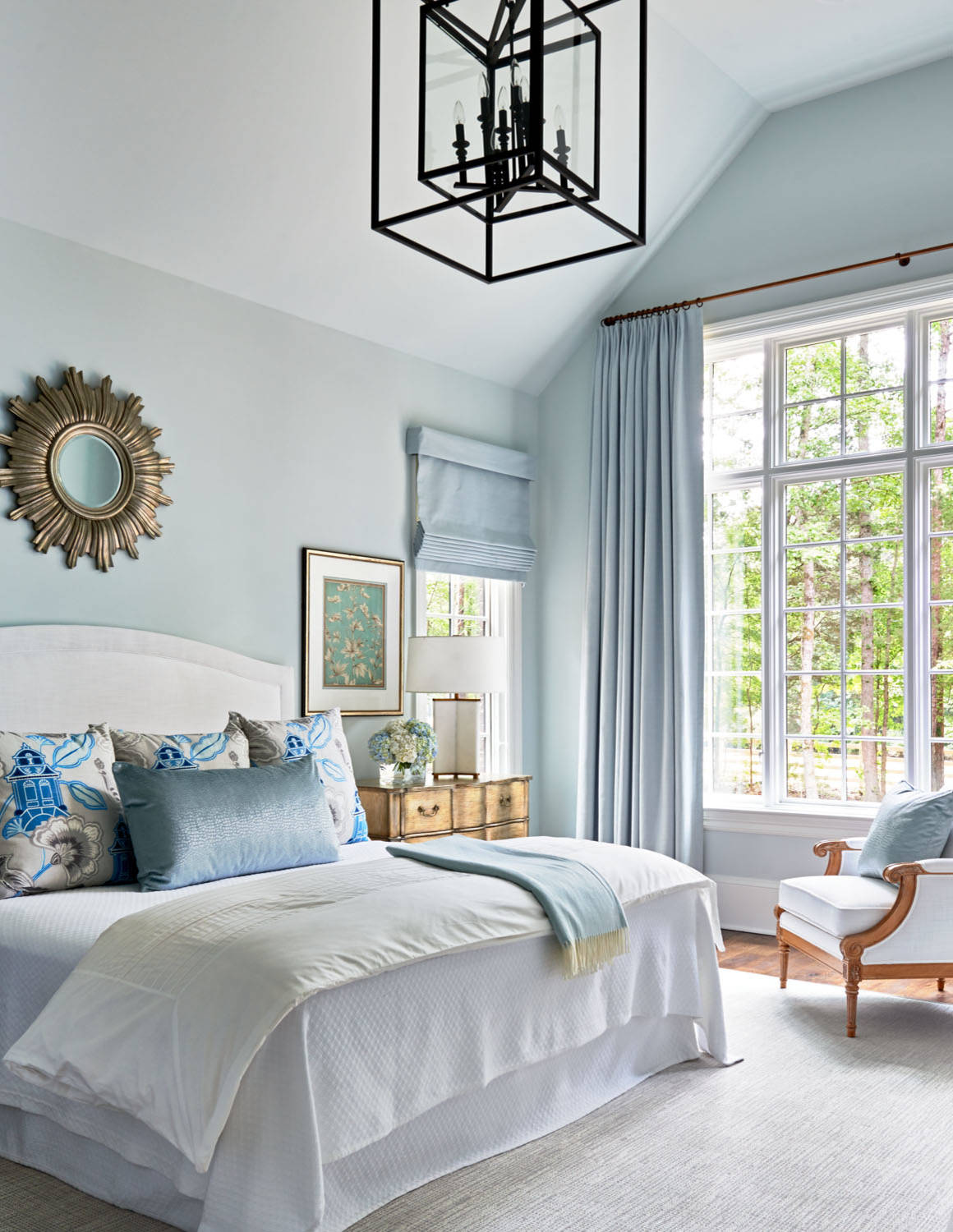
- North-facing rooms: Receive cooler, bluish light. Warm paint colors can help balance this out, or a cool color might appear even colder.
- South-facing rooms: Bathed in warm, golden light throughout the day. Almost any color will look great, but cool colors can feel particularly vibrant.
- East-facing rooms: Get bright, warm light in the morning, which shifts to cooler light later. Consider colors that perform well in both.
- West-facing rooms: Receive warm, intense light in the afternoon/evening. Colors can appear more saturated.
- Artificial Light: Incandescent bulbs cast a warm, yellowish glow; fluorescents are cool and blue; LEDs vary depending on their Kelvin temperature (warm white vs. cool white). Test your paint swatches with your actual light fixtures on.
Room Size & Ceiling Height: Maximizing Space with Color
Color can trick the eye, making a room feel larger or cozier.
- Small rooms: Lighter, cooler colors (pale blues, greens, whites) tend to make a room feel more expansive and airy. Using the same light color on the ceiling can also visually lift it.
- Large rooms: Can handle slightly deeper or richer tones (like a soft charcoal or a deeper sage) which can make the space feel more intimate and inviting, preventing it from feeling cavernous.
- Low ceilings: Keep walls and ceilings lighter or use a monochromatic scheme to create an illusion of height.
Harmonizing with Existing Decor: Furniture, Flooring, and Textiles
Your paint color shouldn’t exist in a vacuum. It needs to play nicely with your big-ticket items:
- Furniture: Does your headboard have warm wood tones or a cool gray fabric? Choose a paint that complements these existing elements.
- Flooring: Light carpets, dark wood, or patterned rugs will all interact differently with your wall color.
- Textiles: Your curtains, bedding, and throws are significant blocks of color and texture. Pick a wall color that either grounds them or allows them to pop subtly.
Think of your room as a whole composition. The paint is the background music; it sets the mood but shouldn’t overpower the vocals.
Paint Finish Matters: From Matte Serenity to Eggshell Softness
The sheen of your paint affects how light reflects off the walls, and thus, how calm your color appears.
- Flat/Matte: Offers the most sophisticated, velvety look. It absorbs light, making colors appear richer and hiding imperfections. Ideal for a truly calm, low-glare bedroom. Less durable for high-traffic areas, but perfect for a bedroom.
- Eggshell/Satin: Has a slight sheen, making it more durable and easier to clean than matte. It’s a popular choice for bedrooms, offering a soft glow without being reflective.
- Semi-Gloss/Gloss: Too shiny for walls in a calm bedroom. Best reserved for trim and doors.
For adult bedrooms, matte or eggshell finishes are almost always the superior choice for promoting a sense of calm and sophistication.
Your & ;Calm Color Compass& ;: A Comparative Guide
To help you narrow down your choices, here’s a comparative look at our top calm adult bedroom paint color families:
| Color Family | Mood Evoked | Best for Room Size | Ideal Lighting | Common Undertones | Complementary Accents |
|---|---|---|---|---|---|
| Serene Blues | Tranquil, Stable, Refreshing | Small to Large (especially dusty/muted) | All types, especially good in sunny rooms | Gray, Green, Purple | Whites, Creams, Warm Woods, Brass, Silver |
| Tranquil Greens | Balanced, Harmonious, Restorative | Small to Large (especially sage/eucalyptus) | North-facing, natural light | Gray, Yellow, Blue | Whites, Creams, Dark Woods, Earth Tones |
| Sophisticated Grays | Modern, Composed, Versatile | Small to Large (warm grays for small) | All types, adjust undertone to light | Blue, Green, Purple, Brown (Greige) | Black, White, Metals, Rich Textures |
| Warm Neutrals | Cozy, Grounded, Understated | Small to Large (excellent for any size) | All types, enhances natural warmth | Yellow, Pink, Gray (Greige), Orange | Natural Woods, Wovens, Black, Deep Colors |
| Whisper Whites | Airy, Clean, Expansive | Small to Large (makes small rooms feel bigger) | All types, reflects light beautifully | Yellow, Gray, Pink, Blue | Any color, any texture (the ultimate canvas) |
| Subtle Earth Tones & Muted Blushes | Warm, Grounding, Intimate | Medium to Large (can cozy up large rooms) | Soft, diffused light (avoids harshness) | Brown, Gray, Peach, Red | Greens, Browns, Cream, Black, Gold |
Testing & Application: Confident Color Choices for Your Sanctuary
You’ve done the research, narrowed down your choices. Now, the crucial step: putting it to the test.
The Swatch Strategy: Why Small Samples Lie
Those tiny paint chips are a starting point, not the finish line. Paint colors look drastically different on a large wall than on a small card. Here’s how to truly test:
- Buy Sample Pots: Invest in 3-5 of your top contenders.
- Paint Large Swatches: Don’t just paint a small square. Paint large areas (at least 2’x2′) on at least two different walls in your bedroom. This allows you to see how the color interacts with varying light and shadows.
- Observe Throughout the Day: Live with the colors for a few days. See how they change from morning light, midday, twilight, and under your artificial bedroom lighting.
- Consider Adjacent Colors: How does the sample look next to your trim, door frames, or existing flooring?
- Prime First: If your current wall color is dark or strong, prime the swatch area with white paint first for a truer representation of the new color.
Painting with Purpose: Tips for a Flawless Finish
Once you’ve made your final decision, a good paint job makes all the difference in achieving that calm, sophisticated look.
- Preparation is Key: Clean walls, fill holes, sand smooth. Use painter’s tape for crisp lines.
- Primer Power: Don’t skip primer, especially if you’re going from a dark color to light, or if you’re dealing with new drywall. It ensures even absorption and a true color.
- Quality Tools: Good brushes and rollers make the job easier and the finish smoother.
- Two Coats (Minimum): Most colors require at least two coats for full, even coverage.
- Ventilate: Always ensure good ventilation, especially when painting a bedroom, for health and faster drying.
Beyond the Walls: Creating a Holistic Calm Bedroom Environment
Your wall color is the foundation, but a truly calm adult sanctuary is a symphony of elements.
Intentional Decor: Minimizing Clutter, Maximizing Comfort
Clutter is visual noise. For a calm adult space, embrace intentionality.
- Declutter Ruthlessly: Only keep items that serve a purpose or bring you joy. Everything else creates stress.
- Thoughtful Storage: Utilize attractive baskets, closed cabinetry, and under-bed storage to hide necessities.
- Meaningful Objects: Curate a few pieces of art, personal photos, or cherished objects that evoke peace, rather than filling every surface.
Lighting the Way to Rest: Softness Over Brightness
Harsh overhead lighting is the enemy of calm. Layer your lighting for maximum serenity.
- Dimmers: A must-have for overhead lights.
- Bedside Lamps: Provide warm, localized light for reading.
- Accent Lighting: A small floor lamp or indirect LED strip can add a gentle glow.
- Warm Bulbs: Opt for bulbs with a lower Kelvin temperature (2700K-3000K) for a cozy, inviting glow.
Textiles and Textures: Adding Layers of Serenity
The tactile experience of your bedroom is just as important as the visual. Embrace soft, luxurious textures.
- Bedding: Invest in high-quality, comfortable sheets, a plush duvet, and soft pillows.
- Rugs: A soft rug underfoot adds warmth, reduces noise, and defines the space.
- Curtains: Blackout curtains provide ultimate darkness for sleep, while sheer panels can soften natural light during the day.
- Throw Blankets & Pillows: Add layers of comfort and visual interest, choosing textures like wool, linen, or faux fur.
Final Thoughts: Your Adult Oasis Awaits
Choosing the perfect calm bedroom paint color for adults isn’t just about picking a pretty shade; it’s about crafting an intentional environment that supports your well-being. It’s about recognizing that as adults, our spaces should reflect our desire for peace, sophistication, and restorative rest.
By understanding the psychology of color, the nuances of undertones and light, and embracing a holistic approach to your bedroom design, you’re not just painting walls & ; you’re investing in your serenity. So go ahead, trust your instincts, test those swatches, and create the adult oasis you truly deserve. Your calmer, more restful self will thank you.