Beyond the Hype: The Definitive Guide to Best Interior Paint Colors for Nigerian Homes (and Why They Work)
Choosing the perfect paint color for your home is a big decision, and when that home is in Nigeria, the stakes feel even higher. You’re not just picking a shade; you’re blending aesthetics with climate, culture, and practical living. If you’re an investor eyeing the vibrant Nigerian real estate market, a member of the diaspora connecting with your roots, or simply fascinated by global design, understanding the best interior paint colors for Nigerian homes is crucial. You want a space that feels right, looks stunning, and stands the test of time.
Forget generic lists. This isn’t about fleeting trends; it’s about deep dives into colors that truly resonate within the Nigerian context. We’ll explore why certain hues thrive, how they interact with Nigeria’s unique environment, and give you the actionable insights you need to make informed choices. Get ready to transform your understanding of color in Nigerian interiors.
Understanding the Canvas: What Makes Nigerian Homes Unique?
Before we even dip a brush, let’s appreciate the distinct characteristics of Nigerian homes. These aren’t just walls; they’re canvases shaped by environment, tradition, and modern aspiration.
Climate Considerations: Heat, Humidity, and Dust
Nigeria’s climate plays a huge role in paint choice. We’re talking about significant heat, often high humidity, and in many regions, dust. This isn’t just about comfort; it impacts how colors look and how durable your paint needs to be.
- Heat Absorption: Darker colors absorb more heat, which can make interiors feel warmer. Lighter colors reflect sunlight, helping to keep rooms cooler – a major advantage in a tropical climate.
- Humidity & Mildew: High humidity can encourage mildew growth. Quality paints with anti-fungal properties are essential, and colors that hide minor discoloration better can be a practical choice.
- Dust & Wear: Dust is an inevitable part of living in many Nigerian urban and rural areas. Easily washable, durable finishes are your best friend, and colors that don’t immediately show every speck can save you headaches.
Architectural Styles: From Traditional to Modern Urban
Nigerian architecture is a fascinating blend. You’ll find everything from traditional compounds with earthy tones to sprawling contemporary mansions and compact urban apartments. The style of your home significantly influences which colors will feel authentic and harmonious.
- Traditional & Colonial: Often feature more muted, earthy tones, or classic whites and creams that complement intricate woodwork and natural materials.
- Contemporary & Urban: Embrace bolder statements, sleek neutrals, or vibrant accent walls that align with minimalist or modern maximalist aesthetics.
Cultural Significance of Color: Beyond Aesthetics
Color in Nigeria isn’t just about what looks good; it often carries cultural weight, symbolizing joy, prosperity, or peace. While modern preferences are diverse, there’s an inherent appreciation for vibrancy and warmth that often influences choices, even in subtle ways. Colors can evoke feelings of hospitality, energy, or serenity, all deeply valued in Nigerian culture.
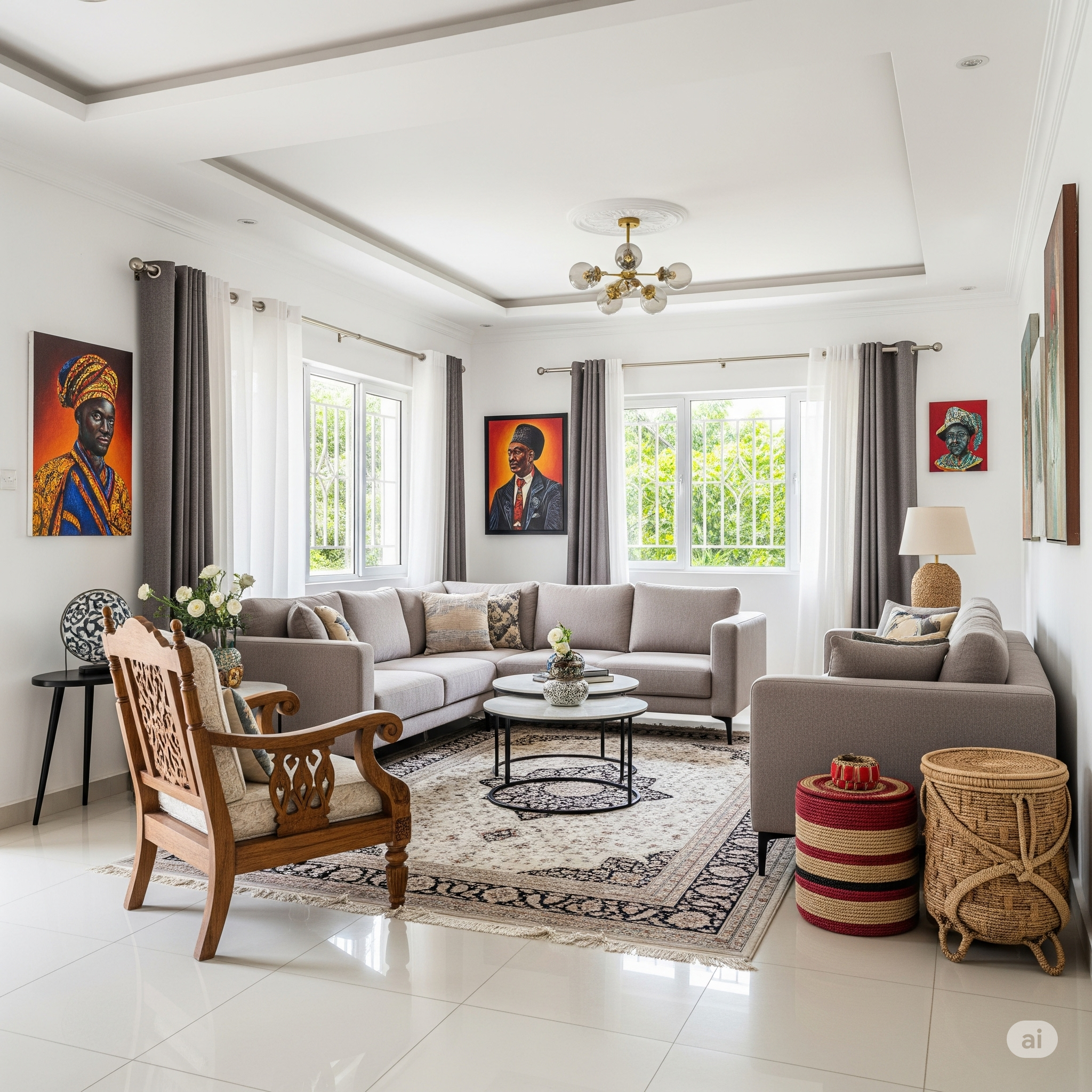
The Top 6 “Go-To” Paint Colors for Nigerian Interiors (and Their Impact)
Now, let’s dive into the shades that truly shine in Nigerian homes. These aren’t just beautiful; they’re practical, versatile, and culturally resonant. Here’s a breakdown:
| Color Category | Why it Works in Nigeria | Psychological Impact | Best Rooms | Considerations |
|---|---|---|---|---|
| Cream White & Off-Whites | Reflects light, keeps rooms cooler, hides dust better than stark white, versatile base. | Clean, expansive, peaceful, sophisticated. | Living Rooms, Bedrooms, Hallways, Kitchens. | Pair with warm lighting to avoid sterility. |
| Warm Beige & Taupe | Earthy tones resonate with natural landscapes, warm but not heat-absorbing, elegant. | Comforting, grounding, inviting, timeless. | Living Rooms, Dining Areas, Master Bedrooms. | Ensure good lighting to prevent flatness; works well with natural wood accents. |
| Sophisticated Grey | Modern appeal, versatile, provides a contemporary backdrop, hides minor imperfections. | Calm, elegant, modern, balanced. | Living Rooms, Offices, Bedrooms, Accent Walls. | Choose warmer greys (greige) to avoid coldness; use with vibrant decor for contrast. |
| Serene Blues | Evokes sky/sea, cooling effect, refreshing feel, popular in tropical aesthetics. | Calm, tranquil, expansive, soothing. | Bedrooms, Bathrooms, Studies, Living Rooms (lighter shades). | Balance with warm neutrals; deep blues need ample light to avoid feeling small. |
| Lush Greens (Sage, Olive) | Connects to nature, calming, fresh, works well with natural light. | Harmony, growth, freshness, tranquility. | Bedrooms, Living Rooms, Dining Areas, Offices. | Pair with earthy tones or gold accents for sophistication; avoid overly bright greens. |
| Vibrant Accents (Terracotta, Sunny Yellow, Deep Red) | Infuses energy and cultural vibrancy, reflective of local artistry, creates focal points. | Energetic, joyful, welcoming, passionate. | Accent Walls, Dining Nooks, Kitchens, Children’s Rooms. | Use sparingly to avoid overwhelming; balance with neutral main colors. |
Cream White & Off-Whites: The Versatile Foundation
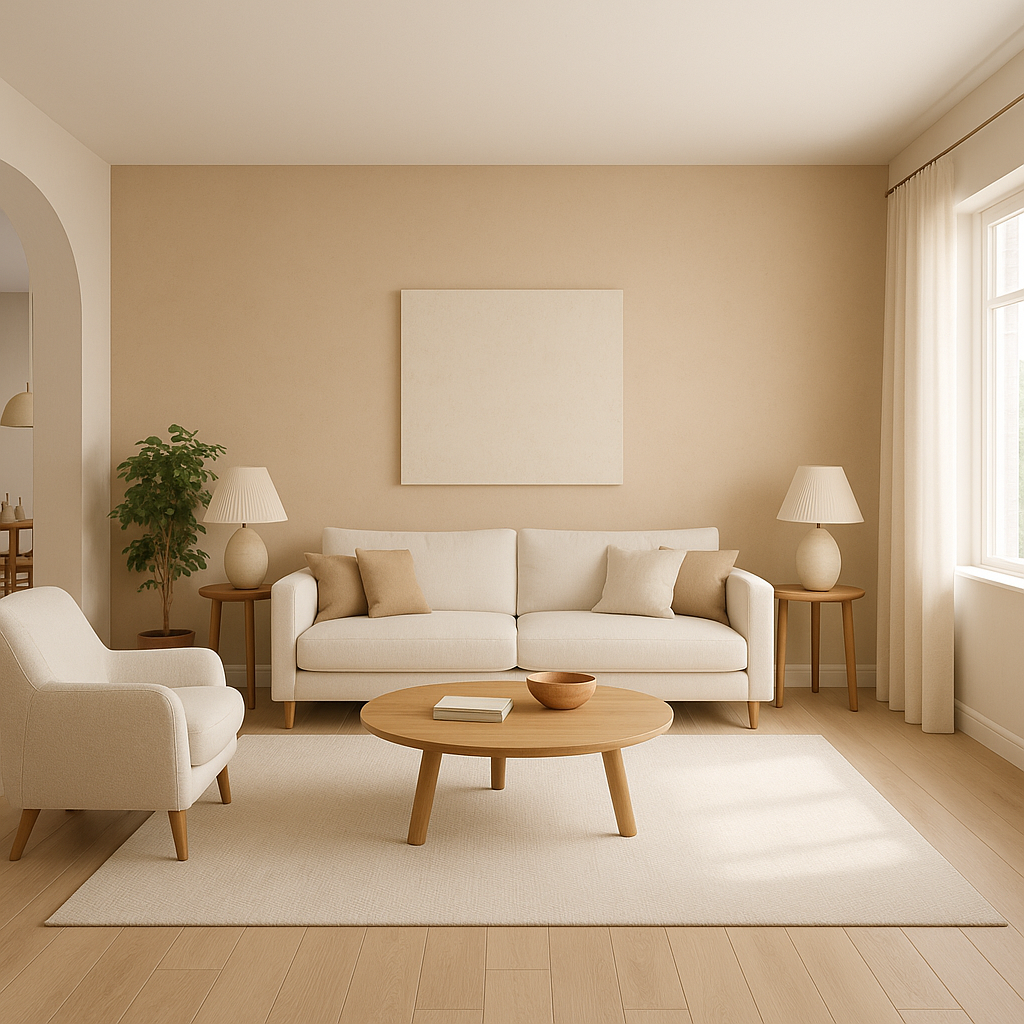
Forget boring. Cream white, ivory, and soft off-whites are the unsung heroes of Nigerian interiors. They’re not just ‘safe’; they’re smart. They reflect natural light beautifully, making rooms feel larger and brighter – a huge plus in any climate, especially one with strong sunlight. They also help keep interiors cooler by absorbing less heat than darker shades. Plus, they offer a clean, sophisticated backdrop that allows your furniture, art, and decor (perhaps vibrant Nigerian textiles or artwork) to truly pop. Unlike stark white, off-whites are more forgiving with dust and minor scuffs, which is a practical consideration.
Warm Beige & Taupe: Earthy Elegance and Serenity
For those seeking warmth without the brightness of white, warm beige and taupe are stellar choices. These colors are deeply grounding, connecting your home to the natural, earthy tones often found in the Nigerian landscape. They exude a quiet elegance and create a cozy, inviting atmosphere. Taupe, a mix of grey and brown, offers a modern twist on classic beige, making it incredibly versatile for both contemporary and traditional settings. They pair beautifully with rich woods, brass accents, and a wide array of fabric textures, offering a canvas that feels both luxurious and comfortable.
Sophisticated Grey: Modernity Meets Practicality
Grey has moved far beyond being just a ‘neutral.’ In Nigeria, a sophisticated grey can instantly elevate a space, lending it a contemporary and chic vibe. Opt for warmer greys (often called ‘greige’) to avoid a cold feel, especially in rooms that don’t get abundant natural light. Grey provides an excellent backdrop for showcasing colorful decor and artwork, allowing these elements to stand out. It’s also remarkably practical, as it tends to hide everyday dust and wear more effectively than lighter shades, making it a low-maintenance yet stylish option for busy homes.
Serene Blues: Bringing the Sky & Sea Indoors
Nothing says ‘cool and calm’ quite like blue. In Nigeria’s tropical climate, lighter shades of blue (think sky blue, dusty blue, or serene aqua) can create an illusion of coolness and expansiveness, making rooms feel more refreshing and open. Deeper blues, like royal blue or sapphire, can be used as accent walls to add a touch of drama and sophistication, evoking the vastness of the ocean. Blue is inherently soothing, making it a perfect choice for bedrooms or any space where tranquility is desired. It pairs wonderfully with whites, creams, and natural wood tones.
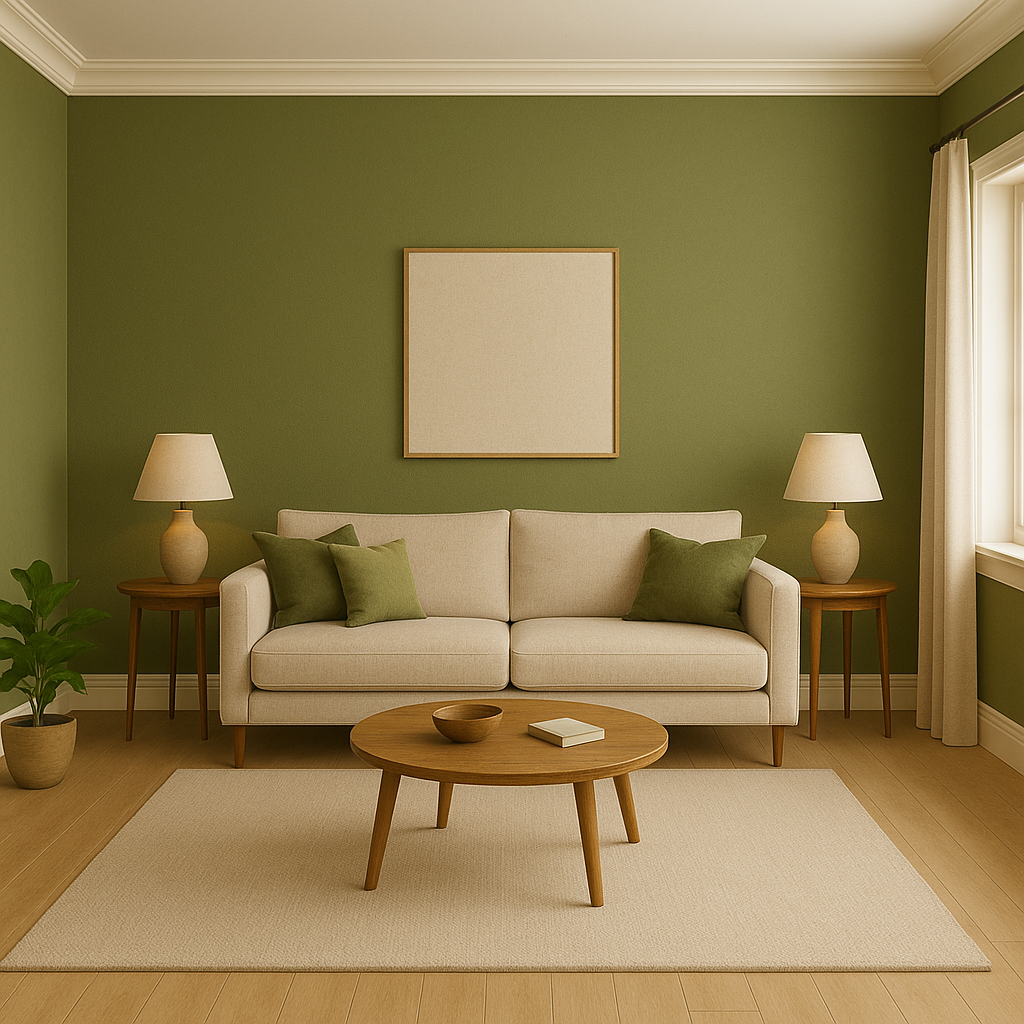
Lush Greens (Sage, Olive): Nature’s Tranquility
Embrace the lushness of nature with shades of green. Sage green and olive green are particularly popular, offering a sophisticated take on nature-inspired palettes. These greens bring a sense of calm, renewal, and harmony indoors, creating a peaceful sanctuary. They work exceptionally well in natural light, shifting subtly throughout the day. Greens are fantastic for blurring the lines between indoor and outdoor spaces, creating a seamless flow that feels organic and relaxing. They complement wooden furniture, woven textures, and metallic accents beautifully.
Vibrant Accents (Terracotta, Sunny Yellow, Deep Red): Infusing Energy
While neutrals form the backbone, vibrant accent colors are where Nigerian homes truly express their spirit. Think terracotta, reminiscent of traditional pottery and sun-baked earth, or sunny yellows that radiate joy and hospitality. Deep reds or rich oranges can be used sparingly to create focal points, injecting warmth and passion into a space. These colors are best used on accent walls, in alcoves, or for specific features like a fireplace. They bring life and energy, reflecting the dynamic culture and love for celebrations inherent in Nigerian society. When combined with a neutral base, these accents create a balanced yet exciting interior.
Room-by-Room Color Psychology & Practical Application
The best color for a room isn’t just about personal preference; it’s about function, light, and desired mood. Let’s break down choices for each area of your Nigerian home.
Living Room: Welcoming Guests and Defining Style
Your living room is often the first impression. Here, you want colors that are inviting, versatile, and reflect your personal style while being broadly appealing.
- Best Bets: Cream White, Warm Beige, Light Grey. These create a spacious, elegant, and welcoming atmosphere. They’re perfect backdrops for showcasing vibrant Nigerian art, textiles, and rich wooden furniture.
- Accent Ideas: A single wall in a Serene Blue, Olive Green, or even a bold Terracotta can add character without overwhelming the space.
- Consider: How much natural light does the room get? Brighter colors maximize light; deeper accents work well in well-lit areas.
Bedrooms: Creating Sanctuaries of Rest
Bedrooms should be havens of peace and relaxation. The goal here is tranquility and comfort.
- Best Bets: Serene Blues (especially lighter shades), Sage Green, Warm Taupe, Soft Cream White. These colors are known for their calming effects, promoting restful sleep.
- Accent Ideas: A subtle feature wall behind the bed in a slightly deeper shade of your chosen color, or a soft, muted pattern.
- Consider: Your preferred sleeping environment. Do you like it dark and cozy or light and airy? This will guide your intensity of color.
Kitchens & Dining Areas: Appetite and Atmosphere
These are often high-traffic, functional spaces. Colors here should be clean, stimulating (for dining), and easy to maintain.
- Best Bets: Crisp Cream White, Light Grey, or even a cheerful Sunny Yellow (especially in dining areas). Whites and light greys promote a sense of hygiene and spaciousness.
- Accent Ideas: A splash of Mustard Yellow or a bold Deep Red as an accent in the dining area can stimulate conversation and appetite.
- Consider: The material of your kitchen cabinets and countertops. Choose colors that complement these fixed elements. Durability and ease of cleaning are paramount.
Bathrooms: Freshness and Functionality
Bathrooms need to feel clean, fresh, and often, a little spa-like.
- Best Bets: Crisp White, Aqua Blue, Seafoam Green, or light Grey. These shades evoke cleanliness and tranquility.
- Accent Ideas: A dark, sophisticated Charcoal or Navy Blue on a single wall can add a touch of luxury, particularly in a larger bathroom.
- Consider: The size of the bathroom. Lighter colors will make smaller bathrooms feel larger.
Children’s Rooms: Playfulness and Growth
Children’s rooms are places for creativity, play, and rest. Balance vibrant energy with soothing elements.
- Best Bets: Soft Sky Blue, Peachy Pink, Light Green, or Sunny Yellow (used in moderation). These colors are cheerful and stimulate imagination.
- Accent Ideas: A feature wall with a mural or bold geometric patterns using brighter versions of these colors.
- Consider: The child’s age and preferences. While vibrant colors are fun, ensure there are also calming elements for sleep. Washable paints are a non-negotiable here!
Choosing Your Perfect Palette: Key Considerations for Nigerian Homes
Beyond the specific colors, mastering the art of paint selection involves several crucial factors unique to or particularly important in Nigeria.
Lighting is King: Natural vs. Artificial Light
The way light interacts with your chosen paint color can dramatically alter its appearance. Nigerian homes often benefit from abundant natural sunlight, which can make colors appear brighter and more intense. However, artificial lighting (fluorescent, LED, warm or cool bulbs) will cast different hues.
- Natural Light: South-facing rooms get warm, bright light all day. North-facing rooms get cooler, consistent light. East-facing rooms get morning sun; West-facing rooms get intense afternoon light. Test colors in different parts of the room at different times of day.
- Artificial Light: Warm-toned bulbs (yellowish) will bring out the warmth in paints, while cool-toned bulbs (bluish) will make colors appear cooler.
Room Size & Layout: Expanding Small Spaces
Color is a powerful tool for manipulating perception of space.
- Small Rooms: Lighter, cooler colors (e.g., light blues, off-whites, pastels) make small rooms feel larger and more open by reflecting light.
- Large Rooms: Deeper, warmer colors (e.g., rich beige, olive green, even an accent of terracotta) can make vast spaces feel cozier and more intimate, preventing them from feeling cavernous.
- Low Ceilings: Painting ceilings a lighter color than the walls can create the illusion of height.
Furniture & Decor: Harmonizing Elements
Your paint color shouldn’t exist in a vacuum. It’s the backdrop to your life and your belongings. Consider your existing furniture, artwork, rugs, and curtains.
- Contrast vs. Harmony: Do you want the walls to blend seamlessly with your decor, creating a harmonious flow, or do you want them to provide a striking contrast that makes your decor pop?
- Wood Tones: Many Nigerian homes feature rich dark wood furniture. Lighter, neutral walls beautifully complement these, allowing the wood to be the star.
The Role of Sheen: Matte, Satin, or Gloss?
The finish, or sheen, of your paint isn’t just aesthetic; it affects durability and maintenance, especially relevant in Nigeria’s climate.
- Matte/Flat: Provides a sophisticated, non-reflective finish that hides wall imperfections well. However, it’s less durable and harder to clean, making it less ideal for high-traffic areas or homes with young children.
- Eggshell/Satin: Offers a soft, subtle sheen, more durable and washable than matte. Excellent for living rooms, bedrooms, and hallways. This is often a great balance for Nigerian homes.
- Semi-Gloss/Gloss: Highly durable, reflective, and very easy to clean. Best for kitchens, bathrooms, doors, and trim where moisture and frequent cleaning are concerns. The high sheen can highlight wall imperfections, so good prep is essential.
Durability & Maintenance: Practicality for Busy Homes
In homes with active families, especially in environments where dust or humidity are factors, choosing durable, washable paint is paramount. Invest in good quality paint brands that offer resistance to fading, mildew, and easy wipe-down capabilities. It will save you time, money, and frustration in the long run.
Testing, Testing: The Importance of Swatches
Never, ever choose a paint color from a tiny swatch in a store. Colors look different on large surfaces and under various lighting conditions. Buy sample pots and paint large swatches (at least 2×2 feet) directly onto your walls. Observe them throughout the day and night to see how the color truly behaves before making your final decision.
Beyond the Walls: The Resale Value Angle in Nigeria
If you’re an investor or planning to sell your property in Nigeria down the line, your paint choices can impact resale value. While personal taste is important, a strategic approach can yield better returns.
Neutrality for Broad Appeal
For selling, neutrals are your best friend. Think cream white, light beige, and soft greys. These colors appeal to the widest range of potential buyers, allowing them to easily envision their own furniture and style within the space. Bold or highly personalized colors, while fantastic for living in, can be a turn-off for buyers who don’t share your exact taste, potentially reducing your buyer pool or requiring them to repaint immediately.
Cleanliness & Maintenance Perception
Freshly painted walls, regardless of color, immediately convey that a home is well-maintained and cared for. Durable, easy-to-clean paints in appealing shades suggest less future work for the buyer, enhancing perceived value.
Avoiding Common Paint Color Mistakes in Nigeria
Even with the best intentions, it’s easy to stumble. Here are pitfalls to avoid:
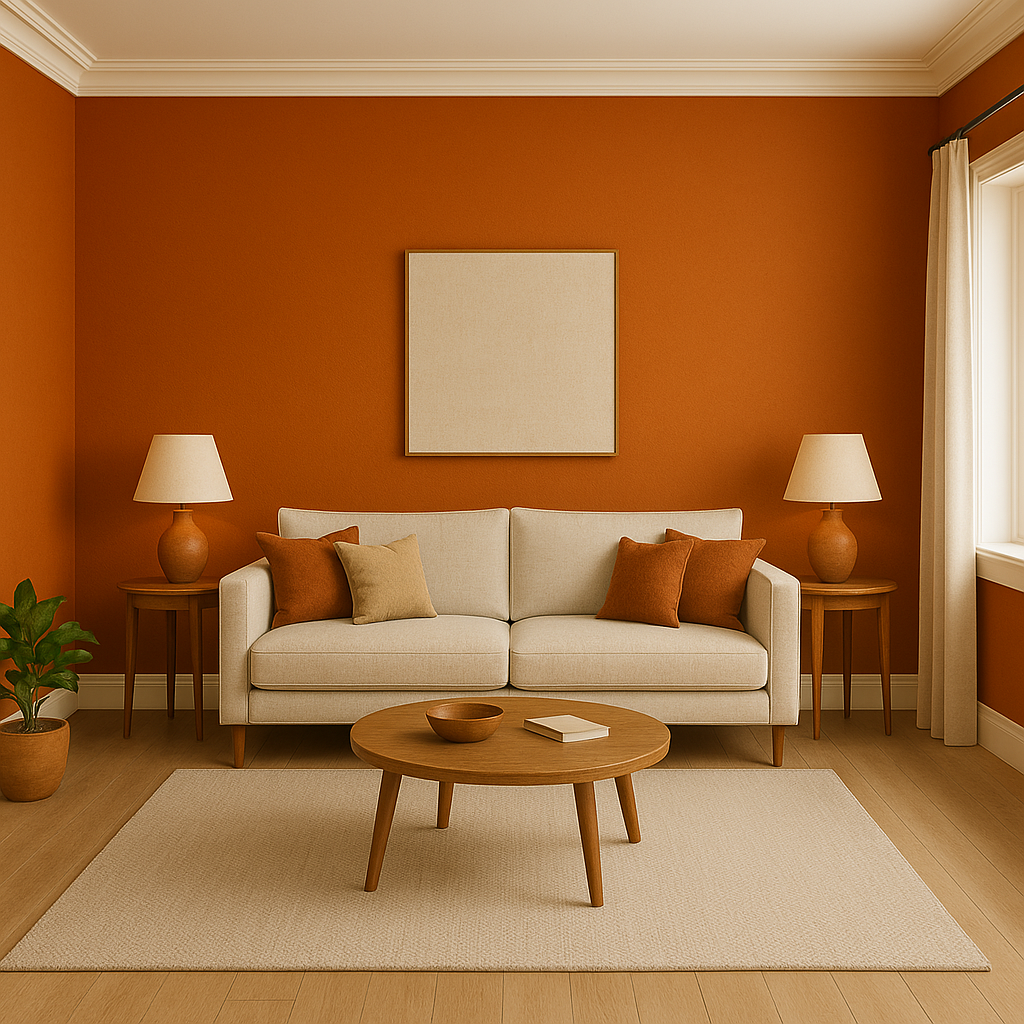
- Overlooking Climate Impact: Choosing a beautiful dark color that looks great in a temperate climate but will make your Nigerian home uncomfortably hot.
- Ignoring Local Aesthetic Preferences: While global trends are influential, completely disregarding the local appreciation for warmth, vibrancy, and hospitality can make a home feel out of place.
- Underestimating Paint Quality: Opting for cheaper, low-quality paints that fade quickly, peel in humidity, or are impossible to clean. This is a false economy.
- Not Testing Colors: Relying solely on a small swatch. This is the biggest and most common mistake, leading to costly repaints.
- Failing to Consider Flow: Painting each room a completely different, unrelated color can make a home feel disjointed. Aim for a cohesive palette, even if colors vary from room to room.
Your Vibrant Nigerian Home Awaits
Choosing the best interior paint colors for your home in Nigeria is an exciting journey that blends practicality, cultural appreciation, and personal expression. By understanding the climate, architectural nuances, and the psychological impact of color, you’re now equipped to make choices that are not only beautiful but truly functional and resonant. Whether you lean towards the serene elegance of cream and beige, the modern appeal of grey, the calming embrace of blues and greens, or the vibrant energy of accent colors, remember that the most important thing is creating a space that feels like home to you. So go ahead, grab those swatches, and paint your masterpiece!
Frequently Asked Questions
What are the most popular neutral paint colors for Nigerian homes?
The most popular neutral paint colors for Nigerian homes include Cream White, Off-White, Warm Beige, Taupe, and sophisticated Greys (especially ‘greige’). These shades are highly versatile, reflect natural light to keep interiors cooler, and provide an elegant backdrop that complements diverse decor and artwork.
How does Nigeria’s climate influence interior paint choices?
Nigeria’s climate, characterized by heat, humidity, and dust, significantly influences paint choices. Lighter colors are preferred as they reflect sunlight and help keep rooms cooler. Durable, washable paints with anti-fungal properties are essential to combat humidity-induced mildew and make maintenance easier against dust and daily wear.
Are vibrant colors suitable for Nigerian interiors?
Yes, vibrant colors are definitely suitable and often celebrated in Nigerian interiors! However, they are typically best used as accent colors on a single wall, in alcoves, or for specific features. Hues like terracotta, sunny yellow, or deep red can infuse energy and cultural vibrancy when balanced with a neutral main palette, preventing the space from feeling overwhelming.
What paint finishes are best for different rooms in a Nigerian house?
For Nigerian homes, a balance of finishes works best. Eggshell or satin finishes are ideal for living rooms, bedrooms, and hallways due to their durability and washability. Semi-gloss or gloss paints are recommended for high-moisture areas like kitchens and bathrooms, as well as for doors and trim, due to their superior cleanability and moisture resistance.
Should I consider resale value when choosing paint colors in Nigeria?
Absolutely. If you plan to sell your property in Nigeria, choosing neutral paint colors like cream white, light beige, or soft greys can significantly impact resale value. These universal shades appeal to a broader range of potential buyers, allowing them to easily visualize their own style in the home, which can expedite sales and potentially increase offer prices.
How important is testing paint swatches before painting in Nigeria?
Testing paint swatches is critically important, especially in Nigeria’s unique lighting conditions. Colors can look drastically different on a small swatch compared to a large wall, and their appearance changes throughout the day with varying natural light and under different artificial lighting. Always paint large test patches and observe them for 24-48 hours before committing to a color.