How to Brighten Dim Spaces: The Best Paint Colors for Rooms with Little Natural Light
Ever walk into a room and it just… feels heavy? Dingy, even? You know the kind – the one with limited windows, an awkward orientation, or perhaps it’s just tucked away from the sun’s glorious embrace. If you’re struggling with a room that feels perpetually dim, you’re not alone. And you’re in the right place, because the solution often starts, quite literally, with a fresh coat of paint.
Choosing the right paint color for a room with little natural light isn’t about simply picking the lightest shade. Oh no, it’s a nuanced art, a strategic play of light reflection, undertones, and psychology. Done right, you can transform a dreary cavern into an inviting, airy haven. Done wrong, and you might end up with a sterile, cold, or even muddier space. Let’s make sure you get it right.
The Core Challenge: Why Low Light Rooms Feel Dingy (And What Paint Can Do)
Our eyes perceive color based on how light bounces off surfaces. In a room starved of natural light, there’s simply less light to reflect. This can make colors appear darker, duller, and sometimes completely different from how they look on a paint chip in a brightly lit store.
Understanding Light Reflectance Value (LRV)
This is your secret weapon. LRV, or Light Reflectance Value, is a measurement of how much light a color reflects. It’s a scale from 0% (absolute black, absorbing all light) to 100% (pure white, reflecting all light). For dim rooms, you generally want colors with a higher LRV (above 60-70 is often recommended), but it’s not the only factor. A very high LRV white can sometimes feel stark without enough light to warm it up.
The Tricky Business of Undertones
Every color has an undertone – a subtle hint of another color (like yellow, blue, red, or gray) that becomes more apparent in different lighting conditions. In low-light rooms, these undertones can be exaggerated. A paint that looks like a beautiful crisp gray in bright light might reveal a surprising purple or green undertone in a dim room. This is why testing is crucial (more on that later!).
The Best Paint Color Categories for Low Light Rooms (with Specific Recommendations!)
Forget the idea that you’re stuck with just white. While whites are powerful, a spectrum of hues can work wonders. Here are the top categories and specific shades that shine in dim spaces:
1. Warm Whites & Off-Whites: The Illuminators
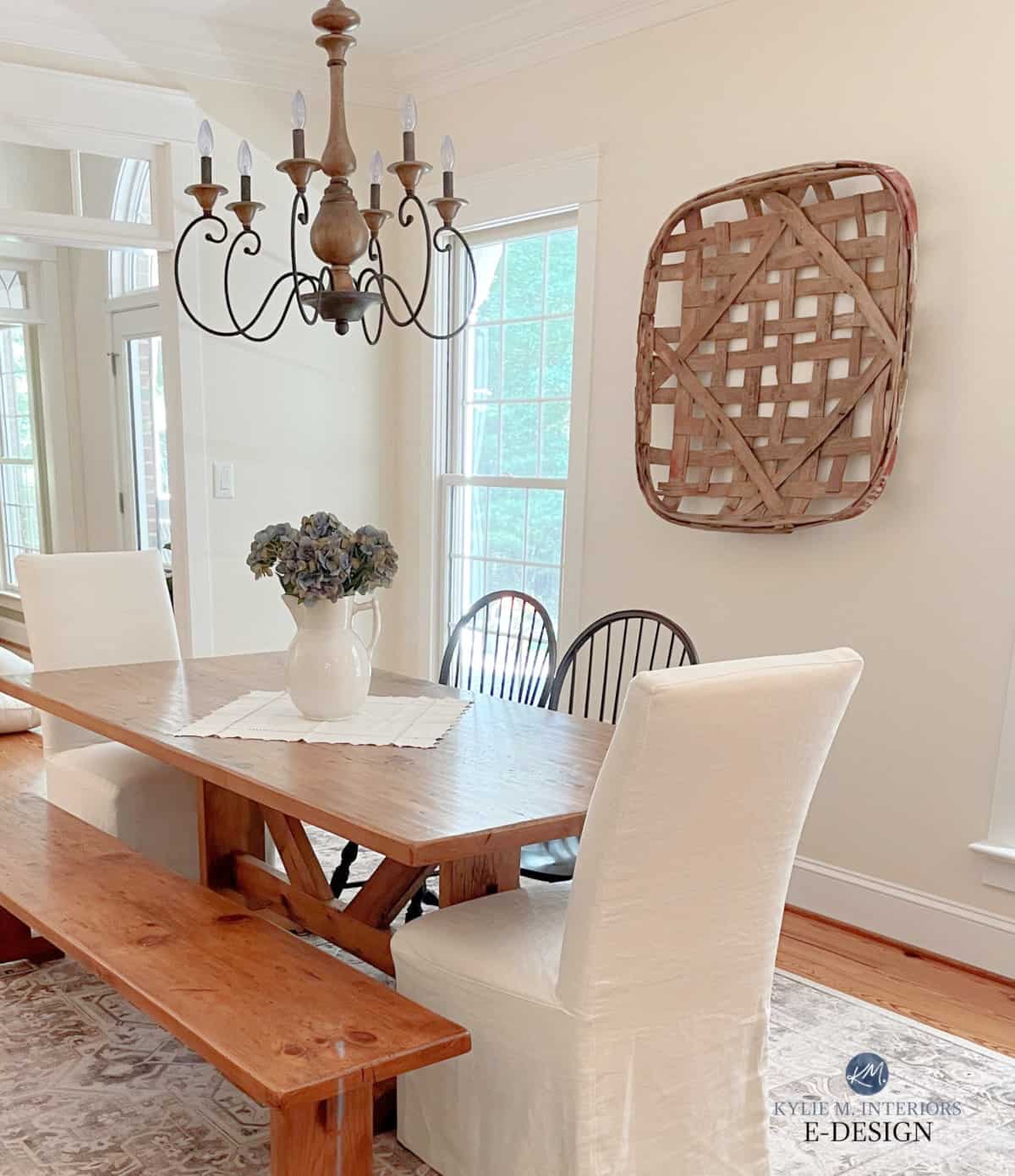
Warm whites are often the first port of call for low-light rooms, and for good reason. They reflect light beautifully without feeling cold or sterile. The trick is to choose whites with warm undertones – think hints of yellow, beige, or even a touch of pink. These undertones mimic natural sunlight, creating an inviting glow even when the sun isn’t cooperating.
- Why they work: Maximize light reflection while adding warmth. They prevent a room from feeling clinical.
- Avoid: Stark, cool whites with blue or gray undertones, as these can make a dim room feel even colder and unweltering.
Recommended Shades:
- Sherwin-Williams Alabaster (SW 7008): A soft, inviting off-white with a creamy, warm undertone. It’s incredibly versatile and one of the most popular whites for a reason. LRV: 82.
- Benjamin Moore Swiss Coffee (OC-45): A beautiful, creamy off-white with subtle yellow and gray undertones. It’s warm without being overtly yellow, making it incredibly popular. LRV: 81.9.
- Behr Whisper White (N-C-10): A delicate, soft white that offers warmth without being too yellow. It’s a great base for many styles. LRV: 86.
2. Soft Greiges & Light Grays: The Modern Brighteners
Greige (a blend of gray and beige) and light grays can bring sophistication and a contemporary feel. The key here is to select shades that have a warm undertone (leaning more beige or yellow-gray) or a very subtle green/blue that reads as neutral, not cold. They offer a slightly more substantial look than white but still reflect plenty of light.
- Why they work: Provide a sophisticated neutral backdrop that still feels light and airy. They prevent the room from feeling washed out.
- Avoid: Grays with strong blue or purple undertones, which can turn icy and oppressive in the absence of natural light.
Recommended Shades:
- Benjamin Moore Edgecomb Gray (HC-173): A perennial favorite greige. It’s warm, incredibly adaptable, and truly shines in low light, picking up subtle variations throughout the day. LRV: 63.88.
- Sherwin-Williams Accessible Beige (SW 7036): A truly warm greige that leans more beige but has enough gray to keep it sophisticated. It’s a fantastic choice for creating a cozy, yet bright atmosphere. LRV: 58.
- Behr Pale Oak (PPU05-09): A beautiful, soft greige that has a subtle warmth and sophistication. It’s a very popular choice for living spaces. LRV: 69.
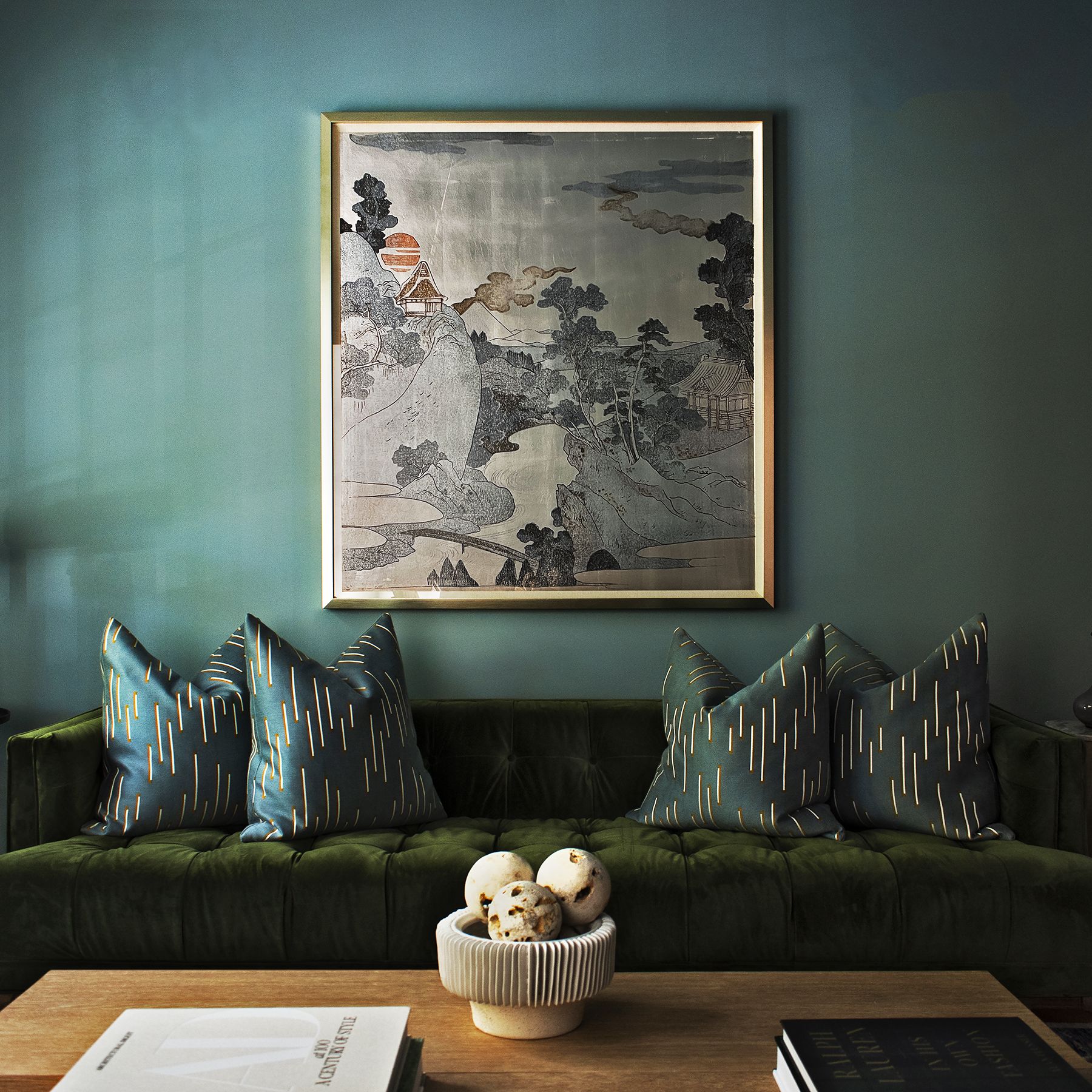
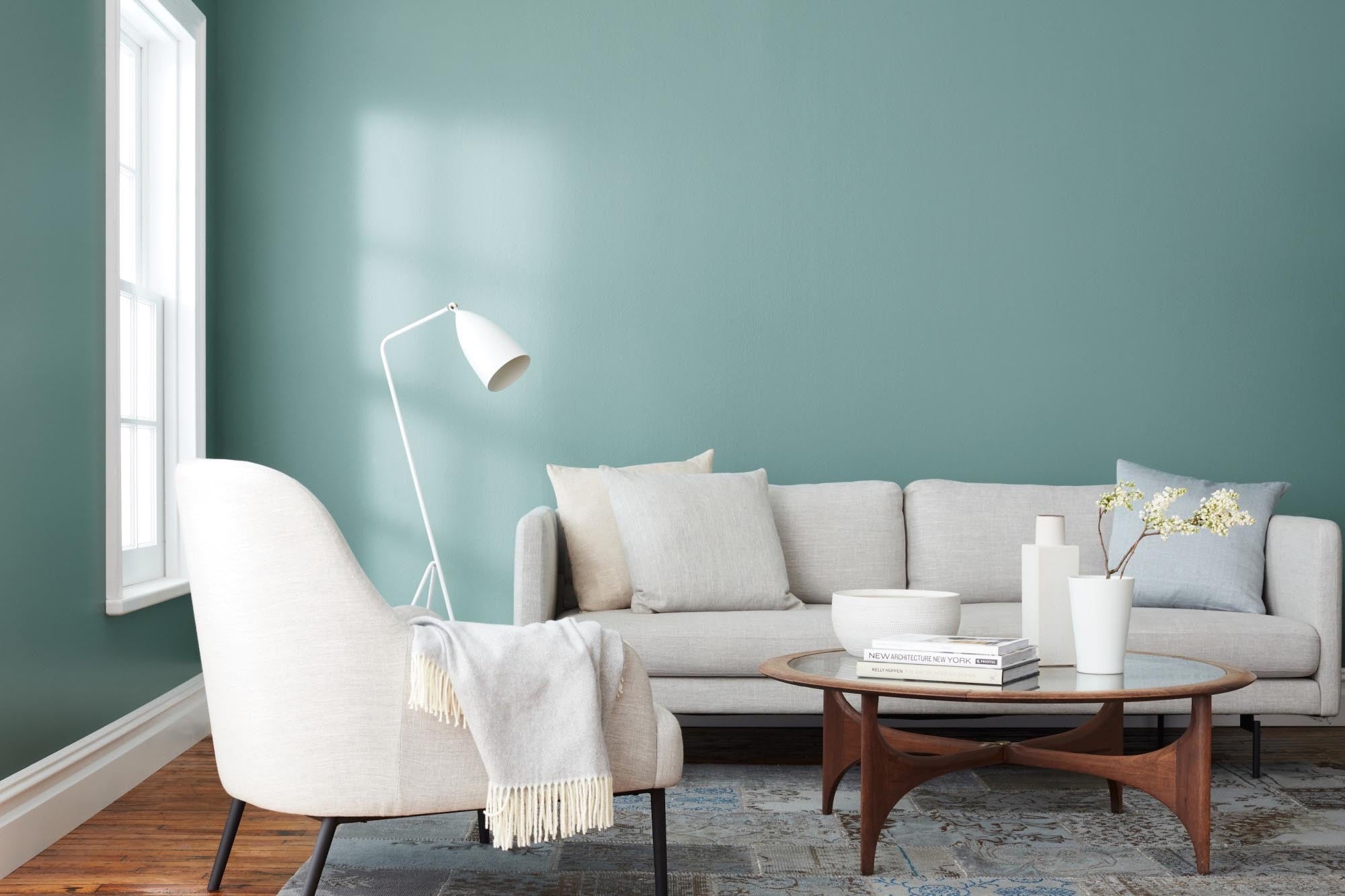
3. Pale Blues & Greens: The Serene Expanders
Don’t dismiss cool colors entirely! Very pale blues and greens, especially those with a hint of gray, can create an illusion of depth and openness, making a small, dim room feel larger and more expansive. Think of the sky or subtle foliage – colors associated with vastness. They can bring a breath of fresh air into a stuffy space.
- Why they work: Create a sense of calm, openness, and can trick the eye into perceiving more space.
- Avoid: Deep, saturated blues or greens, which will absorb light and make the room feel smaller and darker.
Recommended Shades:
- Benjamin Moore Sea Salt (CSP-95): A soft, muted green-blue-gray that is incredibly tranquil and light-reflecting. It adapts beautifully to different light. LRV: 63.
- Sherwin-Williams Rainwashed (SW 6211): A serene, very pale blue-green that brings a spa-like tranquility and lightness to a room. LRV: 59.
- Behr Light Drizzle (N470-1): A very gentle, airy blue with subtle gray undertones that keeps it from being too saccharine, perfect for brightening. LRV: 71.
4. Gentle Yellows & Creams: The Sunlight Mimics
If you crave actual sunlight but rarely get it, strategically chosen light yellows and creams can be your best friends. These colors are inherently cheerful and can genuinely simulate the warmth and glow of natural light. The key is to keep them pale and not too saturated, otherwise they can quickly become overwhelming or sickly.
- Why they work: Infuse rooms with a sense of warmth, energy, and the illusion of sunshine.
- Avoid: Bright, primary yellows or overly golden tones, which can look harsh or dated in dim light.
Recommended Shades:
- Benjamin Moore Hawthorne Yellow (HC-4): A soft, sophisticated yellow that’s mellow and creamy, rather than aggressive. It feels historical and warm. LRV: 60.
- Sherwin-Williams Napery (SW 6393): As mentioned by Redditors, a beautiful soft cream to buttery yellow. It shifts beautifully and adds significant warmth. LRV: 66.
- Behr Creamy Mushroom (PPU4-10): A warm, inviting cream with subtle beige undertones that’s incredibly versatile and brightens without being stark. LRV: 76.
5. Light Pastels: A Touch of Soft Color
Think soft pinks, lavenders, or even very pale peaches. These delicate hues can introduce a gentle pop of color while still reflecting a good amount of light. The key is to select muted, desaturated versions that won’t overwhelm a dim space.
- Why they work: Add personality and softness without making the room feel smaller or darker.
- Avoid: Anything too vibrant or candy-colored, which will fall flat or look artificial in low light.
Recommended Shades:
- Benjamin Moore First Light (2102-70): A delicate, ethereal pink that is subtle and soft, providing warmth and a contemporary feel. LRV: 76.
- Sherwin-Williams Light Lavender (SW 6813): A very pale, almost white lavender that offers a calming, brightening effect without being overwhelming. LRV: 66.
- Behr Soft Focus (760C-1): A muted, gentle lavender that adds a touch of color and sophistication, reflecting light well. LRV: 76.
6. Embracing the Dark: When a Moody Hue Works
This is the wildcard, a counter-intuitive but powerful strategy. Sometimes, fighting the darkness is futile. Instead, you can lean into it. A deep, rich, saturated color (like a dark green, navy blue, or even charcoal) in a low-light room can create a dramatically cozy, intimate, and sophisticated atmosphere. This works best when paired with ample artificial lighting and reflective accents.
- Why they work: Creates a distinct mood, coziness, and a sense of drama. It can make a room feel intentional and luxurious.
- When to use: For studies, formal dining rooms, bedrooms where coziness is paramount, or rooms where you want to embrace intimacy rather than brightness.
Recommended Shades:
- Benjamin Moore Hale Navy (HC-154): A timeless, deep navy that feels rich and enveloping. LRV: 8.44.
- Sherwin-Williams Forestwood (SW 7741): A beautiful, deep, muted green that brings the outdoors in with a sophisticated touch. LRV: 15.
- Behr Graphic Charcoal (N500-6): A sophisticated dark gray that can create a dramatic backdrop. LRV: 8.
Here’s a quick overview of some top picks:
| Color Category | Recommended Paint Color | Brand & Code | Approx. LRV | Effect in Low Light |
|---|---|---|---|---|
| Warm White | Alabaster | Sherwin-Williams SW 7008 | 82 | Soft, creamy glow, maximum reflection. |
| Warm White | Swiss Coffee | Benjamin Moore OC-45 | 81.9 | Inviting, slightly warmer than pure white. |
| Soft Greige | Edgecomb Gray | Benjamin Moore HC-173 | 63.88 | Sophisticated neutral, feels light & airy. |
| Warm Greige | Accessible Beige | Sherwin-Williams SW 7036 | 58 | Cozy, earthy warmth without being dark. |
| Pale Blue/Green | Sea Salt | Benjamin Moore CSP-95 | 63 | Tranquil, expansive, spa-like. |
| Gentle Yellow | Hawthorne Yellow | Benjamin Moore HC-4 | 60 | Subtle sunshine, cheerful and inviting. |
| Pale Pastel | First Light | Benjamin Moore 2102-70 | 76 | Soft, ethereal warmth, modern and gentle. |
| Moody Dark | Hale Navy | Benjamin Moore HC-154 | 8.44 | Cozy, intimate, sophisticated drama. |
Beyond Color: Paint Finishes That Maximize Light
It’s not just the color, but also the sheen, or finish, of your paint that plays a critical role in how light is reflected. Different finishes have different reflective qualities, impacting the overall brightness and feel of your room.
The Power of Sheen: Flat vs. Eggshell vs. Satin
- Flat/Matte: Absorbs the most light, creating a very soft, non-reflective look. It hides imperfections well but is less durable and harder to clean. Not ideal for maximizing light in a dim room.
- Eggshell: Offers a slight sheen, similar to an eggshell. It’s more reflective than flat, more durable, and easier to clean. A popular choice for living areas.
- Satin: Has a noticeable sheen, reflecting more light than eggshell. It’s very durable and washable, making it suitable for high-traffic areas like kitchens and bathrooms. In a low-light room, it can add a subtle glow.
- Semi-Gloss/High-Gloss: Highly reflective, creating a very shiny, almost mirror-like finish. While they reflect a lot of light, they also highlight every imperfection. Best reserved for trim, doors, or accent pieces rather than entire walls in a dim room, as they can feel overwhelming.
For walls in a low-light room, an eggshell or satin finish is usually your best bet. They offer a good balance of light reflection, durability, and a pleasing aesthetic without being overly shiny or highlighting every wall imperfection.
:max_bytes(150000):strip_icc()/paint-colors-for-dark-rooms-yellow-getty-0323-2000-4f775737f9b24feeabf06161269e2ae2.jpg "The Best Paint Colors for Dark Rooms")
| Paint Sheen | Reflectivity in Low Light | Durability & Cleanability | Best Use for Dim Rooms |
|---|---|---|---|
| Flat/Matte | Low | Low; difficult to clean | Ceilings (to recede); not ideal for walls. |
| Eggshell | Medium | Medium; good for general use. | Most wall surfaces in low-light rooms. |
| Satin | Medium-High | High; easy to clean. | Walls in higher-traffic areas; subtle glow. |
| Semi-Gloss/High-Gloss | Very High | Very High; very easy to clean. | Trim, doors, cabinetry; not whole walls. |
Expert Strategies to Amp Up Brightness (Even After Painting!)
Painting is a huge step, but it’s just one piece of the puzzle. To truly transform a dim room, integrate these design tactics:
The Magic of Mirrors
This is arguably the most effective non-paint strategy. Place large mirrors strategically opposite windows or light sources (even artificial ones) to literally multiply the light in the room. A beautifully framed mirror can reflect light deep into previously dark corners.
Smart Lighting Design (Layers of Light)
Relying on a single overhead light in a dim room is a rookie mistake. Embrace a layered lighting approach:
- Ambient Lighting: General illumination (ceiling fixtures, recessed lights).
- Task Lighting: Focused light for activities (reading lamps, under-cabinet lights).
- Accent Lighting: Highlights features (wall sconces, picture lights).
Use bulbs with a higher Kelvin temperature (around 3000K-3500K for a warm but clear light, or even 4000K for a crisp, daylight feel) to compensate for lack of natural light. Dimmers are your friend!
Declutter & Keep it Minimalist
A cluttered room feels heavier and absorbs light. By decluttering and opting for a more minimalist approach, you create clear sightlines and allow what little light there is to travel further and bounce more freely.
Choose Light-Colored Furnishings & Fabrics
Just like your walls, dark furniture, heavy drapes, and deeply colored rugs will absorb light. Opt for lighter-colored upholstery, sheer or light-colored curtains, and rugs that complement your bright walls. Introduce texture for interest rather than relying on heavy patterns or dark colors.
Choosing Your Perfect Shade: A Step-by-Step Guide
Ready to commit? Here’s how to navigate the final decision-making process:
:max_bytes(150000):strip_icc()/Normandy_Blue_for_Megan_Molten-2000-7c40fd3f24d64fa8a438c619ec493953.jpg "12 Paint Colors That Will Make Small Rooms Feel Bigger")
1. Assess Your Room’s Unique Light Quality (Even if Minimal)
Even a little light matters. Is your window facing north (cooler, consistent light), south (bright, warm light), east (morning light), or west (afternoon/evening light)? A north-facing room, for instance, will benefit from warmer paint undertones to counteract the cool light it receives.
2. Consider Existing Elements (Flooring, Furniture)
Your paint color needs to harmonize with what’s already there. Do you have warm-toned hardwood floors or cool-toned tiles? What’s the dominant color in your upholstery or art? Take these fixed elements into account when selecting samples.
3. Test, Test, Test (Large Swatches are Key!)
This cannot be stressed enough. Buy sample pots of your top 2-3 choices. Paint large swatches (at least 2×2 feet) directly on different walls in the room. Don’t rely on tiny paint chips or even just one wall.
4. Observe Throughout the Day (and Night)
Watch how the colors change. Does that beautiful greige turn muddy at dusk? Does the warm white suddenly look too yellow under artificial light? Natural light shifts, as does your reliance on artificial light. See how your samples perform in all conditions before making a final decision.
Common Pitfalls to Avoid When Painting a Dim Room
Steer clear of these common mistakes to ensure your dim room transformation is a success:
Don’t Go Too Stark White
While the instinct is to pick the brightest white, a pure, cool white without enough natural light can feel clinical, cold, or even blue. It lacks the warmth needed to create an inviting atmosphere. Always opt for whites with warm undertones.
Beware of Cold Undertones
Grays, blues, and even some whites can have strong cool undertones (blue, purple, green). In a room that already lacks warmth from natural light, these can make the space feel unwelcoming, chilly, or even depressing. Always check how undertones appear in your specific lighting conditions.
Overlooking Sheen
As discussed, the paint finish is crucial. Using a flat or matte finish in a low-light room will absorb even more light, working against your goal of brightening the space. Choose eggshell or satin for optimal light reflection and practicality.
Transforming a room with little natural light can feel daunting, but with the right paint color and strategic design choices, you can create a space that feels bright, airy, and utterly inviting. It’s about understanding light, embracing undertones, and making informed decisions that will make you fall in love with your dimmest room all over again.
Frequently Asked Questions
What is LRV and why is it important for low-light rooms?
LRV stands for Light Reflectance Value, a scale from 0% (pure black) to 100% (pure white) indicating how much light a color reflects. For low-light rooms, colors with a higher LRV (typically above 60-70) are generally recommended because they help bounce light around the room, making it feel brighter and more spacious. However, balance with undertones is crucial to avoid a sterile feel.
Should I always use white paint in a room with little natural light?
Not necessarily pure white. While warm whites and off-whites are excellent choices because of their high LRV and ability to mimic natural sunlight, stark, cool whites can often feel cold or clinical in dim settings. It’s important to choose whites with warm undertones (like yellow or beige) to create an inviting glow. Other light colors like soft greiges, pale blues, and gentle yellows can also be highly effective.
Do dark colors ever work in rooms with minimal light?
Yes, surprisingly, dark colors can work, but it’s a strategic choice to embrace the dimness rather than fight it. Deep, rich hues like navy, forest green, or charcoal can create a dramatically cozy, intimate, and sophisticated atmosphere. This approach is best for rooms where you desire a moody, intentional feel rather than one of bright spaciousness, and it pairs well with layered artificial lighting and reflective accents.
What paint finish reflects the most light?
High-gloss and semi-gloss finishes reflect the most light due to their highly shiny surface. However, they also highlight every wall imperfection and can be overwhelming on entire walls. For a good balance of light reflection and practicality on walls in a low-light room, an eggshell or satin finish is usually recommended. These provide a noticeable sheen that bounces light without being overly stark or drawing attention to flaws.
How do I choose the right undertone for my paint color in a dim room?
Undertones are crucial in low-light rooms because they can be exaggerated. Generally, for a dim room, you want to lean towards warm undertones (yellow, orange, red, beige) in your chosen paint color to counteract the lack of natural warmth. Cool undertones (blue, purple, green) can make a dim room feel colder. Always test large paint swatches on multiple walls and observe them throughout the day and under artificial light to see how the undertones appear.
Besides paint, what else can I do to brighten a dark room?
Beyond paint, several strategies can significantly brighten a dim room: 1. Mirrors: Strategically place large mirrors opposite windows or light sources to multiply light. 2. Layered Lighting: Use a combination of ambient, task, and accent lighting with appropriate bulb temperatures. 3. Light Furnishings: Opt for lighter-colored furniture, rugs, and sheer curtains. 4. Declutter: A minimalist space allows light to travel further and bounce more freely.