The Definitive Guide to Choosing the Best Paint Color for Rooms with White Furniture
So, you’ve got white furniture. Maybe it’s a crisp white dresser in the bedroom, a comfortable cream sofa in the living room, or a set of sleek white dining chairs. White furniture is an absolute design MVP: timeless, versatile, and instantly brightens any space. It’s a clean slate, a blank canvas… and sometimes, that’s where the challenge begins. You stare at those pristine pieces and wonder: what wall color will truly make them pop, create the right mood, and tie the whole room together?
You’re not alone. Choosing the perfect paint color to complement white furniture can feel overwhelming. Do you go bold? Stay neutral? What about undertones? And how does lighting play into it? As an expert content strategist and interior design enthusiast, I’m here to tell you: it’s less about finding a single ‘best’ color and more about understanding the principles that guide your choice. And don’t worry, I’m going to give you plenty of specific color recommendations too!
Why White Furniture is a Design Superpower (And Your Canvas)
Before we dive into color palettes, let’s appreciate why white furniture is so beloved:
- Versatility: It literally goes with everything. Seriously. Every color on the spectrum can work with white.
- Brightness: White reflects light, making rooms feel larger, airier, and more open.
- Timelessness: It never goes out of style. You won’t regret investing in white pieces.
- Clean Aesthetic: It inherently feels fresh, clean, and modern, even in traditional settings.
- Layering Potential: It’s a perfect base for layering textures, patterns, and pops of color through accessories.
But this superpower comes with a responsibility: the walls around it need to define its personality. White furniture can feel stark or serene, modern or farmhouse, depending entirely on the paint color you choose.
The Core Principle: Understanding Undertones (Your Secret Weapon)
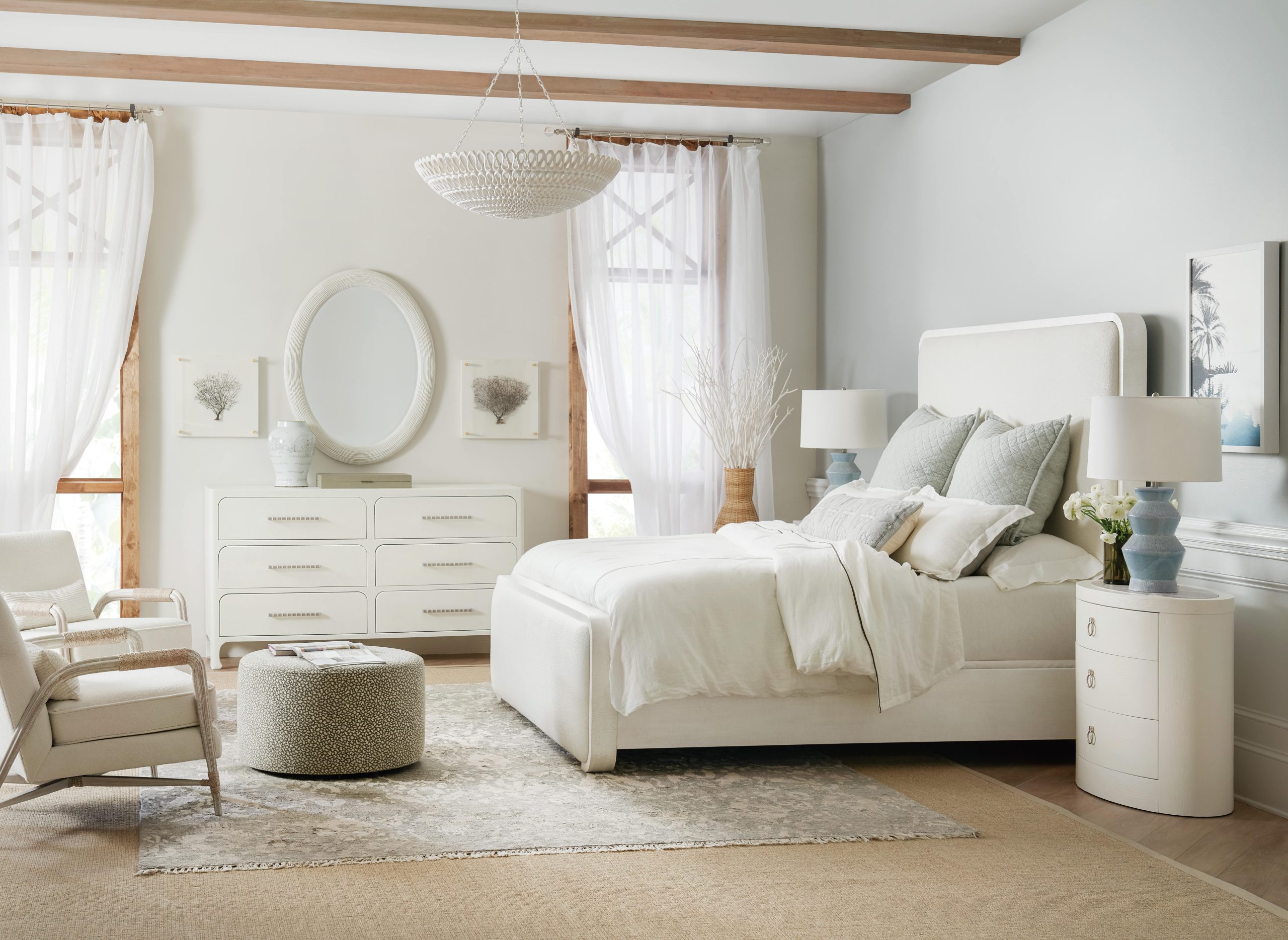
This is where many people get tripped up, but it’s the most crucial concept to master. Every white isn’t just ‘white.’ It has an undertone – a subtle hint of another color that gives it warmth or coolness.
- Warm White Furniture: These whites have yellow, pink, brown, or red undertones. Think creamy whites, off-whites, or whites with a beige tint. They feel softer, more inviting, and traditional.
- Cool White Furniture: These whites have blue, gray, or green undertones. They tend to look crisper, cleaner, and more contemporary. Think stark white, pure white, or whites with a hint of icy blue.
Your goal is to either complement or contrast these undertones with your wall color. Matching warm undertones on furniture with warm wall colors creates a harmonious, cohesive look. Pairing cool furniture with cool walls achieves a similar effect. But contrasting them (e.g., warm white furniture with a cool gray wall) can add sophisticated depth, as long as the contrast is intentional and balanced.
Your White Furniture, Your Vibe: Matching Wall Colors to Mood & Style
Let’s break down the most effective color families and how they interact with white furniture to create specific moods and styles.
Serene & Spacious: Embracing Light Neutrals
Light neutrals are the go-to for a reason: they create an effortlessly calm and expansive atmosphere. They allow your white furniture to feel bright without being stark, creating a sophisticated backdrop.

- Soft Grays: A perennial favorite. Grays can be cool (blue undertones) or warm (beige/greige undertones). They offer a crisp, modern feel, especially lighter grays like Benjamin Moore‘s Revere Pewter HC-172 or Sherwin-Williams’ Agreeable Gray SW 7029. These help ground white furniture, offering gentle contrast without overwhelming the space.
- Warm Greiges/Beiges: These colors bridge the gap between gray and beige, offering warmth without leaning too yellow. Sherwin-Williams’ Accessible Beige SW 7036 or Benjamin Moore’s Classic Gray OC-23 are phenomenal choices. They create a cozy, inviting feel that pairs beautifully with warm white furniture, evoking a subtle, earthy elegance.
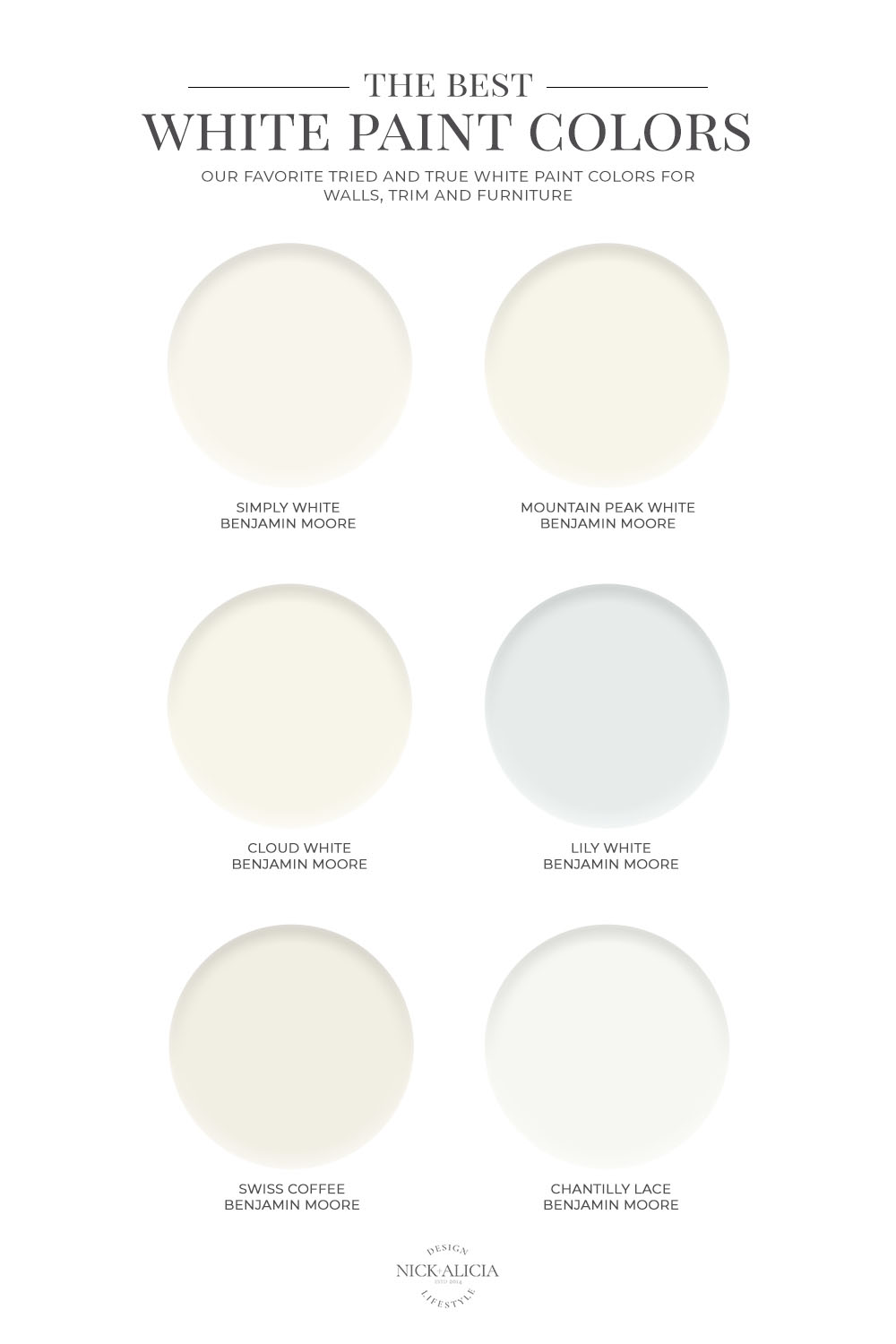
- Creamy Whites: Yes, you can paint your walls a different shade of white! A creamy white wall color, like Sherwin-Williams’ Alabaster SW 7008 or Benjamin Moore’s Swiss Coffee OC-45, creates a monochromatic, ethereal look. This approach is fantastic for small spaces, or when you want the focus to be entirely on texture and natural light. It’s sophisticated and supremely calm.
Cool & Calm: Diving into Blues and Greens
If you’re aiming for a tranquil, refreshing, or coastal-inspired retreat, blues and greens are your best friends. They naturally harmonize with the crispness of white furniture.
- Pastel Blues: Think soft, sky-like blues. Benjamin Moore’s Palladian Blue HC-144 or Sherwin-Williams’ Light French Gray SW 0055 (which leans more blue-gray) are perfect. They create a serene, airy feel, ideal for bedrooms, nurseries, or any space where relaxation is key. They pair beautifully with both warm and cool white furniture, offering a gentle, inviting contrast.
- Muted Greens: From sage to seafoam, muted greens bring the outdoors in, creating a sense of peace and natural harmony. Sherwin-Williams’ Sea Salt SW 6204 is a classic for a reason – it’s a chameleon color that shifts between green, blue, and gray depending on the light. Benjamin Moore’s Healing Aloe 1562 offers a similar soothing vibe. These colors feel fresh and organic next to white furniture, perfect for a spa-like bathroom or a restful bedroom.
- Aqua/Teal Accents: For a touch more vibrancy without losing the calm, consider an accent wall in a soft aqua or teal. These colors evoke water and sky, injecting a playful yet soothing energy that brightens white furniture and creates a focal point.
Cozy & Inviting: The Warmth of Earth Tones & Soft Yellows
To inject warmth, comfort, and an organic touch, look to earth tones and gentle yellows. These colors make white furniture feel less stark and more integrated into a natural, inviting environment.
- Terracottas/Muted Pinks: These aren’t your grandmother’s pinks! Think dusty rose, blush, or a soft, faded terracotta. Benjamin Moore’s First Light 2102-70 (a delicate, airy pink) or Sherwin-Williams’ Malted Milk SW 6057 (a light, warm blush) can create an incredibly chic, sophisticated, and warm backdrop for white furniture, adding a touch of romance or bohemian flair.
- Soft Yellows: A very light, buttery yellow can make a room feel sunny and cheerful without being overpowering. It’s important to choose a yellow that isn’t too saturated or bright. Think Benjamin Moore’s Hawthorne Yellow HC-4 diluted (or just a very pale shade of it) or Sherwin-Williams’ Roman Column SW 7562. These hues create a welcoming, happy atmosphere, especially lovely in living rooms or kitchens with white cabinetry.
Bold & Dramatic: Making a Statement with Darker Hues
Don’t shy away from drama! Darker wall colors can make white furniture truly pop, creating sophisticated contrast and an intimate, luxurious feel. This approach is perfect for injecting personality and depth.
- Deep Grays: A charcoal or deep slate gray instantly elevates white furniture to a new level of sophistication. Benjamin Moore’s Chelsea Gray HC-165 or Sherwin-Williams’ Peppercorn SW 7674 offer a powerful, grounding presence. They work beautifully in modern, industrial, or even traditional settings, making white pieces appear even crisper and more defined.
- Navy Blues: Classic, elegant, and surprisingly versatile, navy blue walls (like Benjamin Moore’s Hale Navy HC-154 or Sherwin-Williams’ Naval SW 6244) provide a rich, luxurious backdrop. White furniture against navy feels timeless and preppy, yet incredibly chic. It creates a cozy, enveloping atmosphere, perfect for a study, a dramatic bedroom, or an inviting living room.
- Forest Greens: For a touch of natural opulence, a deep forest or emerald green can be breathtaking. Benjamin Moore’s Salamander 2050-10 or Sherwin-Williams’ Evergreen Fog SW 9130 (which is more muted) offer a rich, organic feel. These colors are fantastic for creating a moody, sophisticated space, making white furniture stand out with striking contrast.
Beyond Color: Practical Considerations for Your White Furniture Room
Color isn’t the only factor. How you apply it and what else is in the room significantly impacts the final result.
Room Size & Light
The physical characteristics of your room are paramount:
- Small Rooms: Lighter, cooler colors will make the room feel more expansive and airy. Think pale grays, blues, or creamy whites. Darker colors can work on an accent wall to add depth without overwhelming.
- Large Rooms: You have more freedom! Darker colors can create a cozy, intimate feel, while light colors maintain an open, grand aesthetic.
- Natural Light:
- North-facing rooms: Tend to get cooler, indirect light. Warm paint colors (creams, soft yellows, warm grays) can counteract this and make the room feel more inviting.
- South-facing rooms: Receive bright, warm light all day. Most colors look good here, but cool colors (blues, cool grays, greens) can balance the intensity of the light.
- East-facing rooms: Get bright, warm light in the morning, which fades to cooler light in the afternoon. Colors can appear differently throughout the day.
- West-facing rooms: Get cooler morning light and intense, warm afternoon light. Consider how the color shifts with the sun’s movement.
- Artificial Light: The temperature of your light bulbs (warm white vs. cool white) will significantly impact how paint colors appear. Always test paint samples with your actual lighting conditions.
Flooring & Textiles
Don’t forget the other major surfaces in your room:
- Flooring: The color and material of your floors (dark hardwood, light carpet, patterned rug) will influence your wall color choice. A dark floor can ground a light wall and white furniture, while a light floor will enhance an airy feel.
- Rugs, Curtains, Pillows: These are your opportunities to introduce secondary colors, patterns, and textures that tie the wall color to the white furniture. They can soften a stark contrast or reinforce a harmonious palette.
Design Style
Your chosen aesthetic should guide your color decisions:
- Scandinavian/Modern Minimalist: Think crisp whites, light grays, muted blues, and natural wood tones.
- Coastal: Soft blues, greens, sandy beiges, and bright whites.
- Farmhouse: Warm grays, off-whites, soft blues, and subtle greens.
- Boho: Earthy tones, muted terracotta, dusty pinks, and deep greens, often with textured white furniture.
- Traditional/Classic: Deeper grays, navy blues, rich greens, or sophisticated warm neutrals.
The Role of Trim & Ceiling Color
Often overlooked, trim and ceiling colors are critical:

- Classic White Trim: A clean white trim (like Benjamin Moore’s Chantilly Lace OC-65 or Sherwin-Williams’ Pure White SW 7005) provides a crisp border, making your wall color pop and your white furniture feel connected.
- Matching Trim to Walls: For a contemporary, seamless look, paint the trim the same color as the walls. This creates a cozy, enveloping feel.
- Ceiling Color: Generally, keeping ceilings white (or a very light version of the wall color) helps a room feel taller and more open.
Your Decision-Making Toolkit: A Step-by-Step Guide to Choosing Your Paint
Ready to make a decision? Here’s my foolproof process:
- Assess Your Furniture’s Undertone: Look closely at your white furniture. Is it a stark, cool white? Or does it lean creamy, beige, or slightly gray? Knowing this is your starting point.
- Define Your Desired Mood: What feeling do you want to evoke in the room? Calm and serene? Energetic and vibrant? Cozy and intimate? This will narrow down your color family choices significantly.
- Consider Room Characteristics: Take into account the room’s size, the amount and direction of natural light, and your existing flooring.
- Gather Inspiration: Create a mood board on Pinterest or tear pages from magazines. See what colors repeatedly catch your eye with white furniture.
- Select a Few Top Contenders: Based on your undertone analysis, desired mood, and room characteristics, pick 3-5 paint colors you’re seriously considering.
- Test, Test, Test! (This is Non-Negotiable): Buy paint samples (small pots) of your top choices. Paint large swatches (at least 2×2 feet) on several walls in the room. Don’t just paint on a small card – the wall’s texture and surrounding light change things.
- Observe Throughout the Day: Look at your painted swatches at different times of day – morning, noon, evening – and under both natural and artificial light. Colors change dramatically! What looks perfect at noon might be too dark or too cool at night.
- Trust Your Gut (and Your Eyes): After observing, one color will likely stand out. Go with the one that feels right and truly enhances your white furniture and desired mood.
Recommended Paint Colors for White Furniture (Our Top Picks)
To help you get started, here are some of my all-time favorite paint colors that beautifully complement white furniture, based on various moods and styles:
| Color Name (Brand & Code) | Color Family | Undertone | Mood Created | Best For (Room Type/Style) |
|---|---|---|---|---|
| Sherwin-Williams Agreeable Gray SW 7029 | Greige | Warm (greige) | Calm, Versatile, Welcoming | Living Rooms, Bedrooms, Open Concepts, Modern Farmhouse |
| Benjamin Moore Revere Pewter HC-172 | Greige | Warm (greige) | Sophisticated, Balanced, Grounded | Living Rooms, Dining Rooms, Traditional, Transitional |
| Sherwin-Williams Sea Salt SW 6204 | Muted Green/Blue | Cool (green/blue) | Serene, Coastal, Spa-like | Bedrooms, Bathrooms, Coastal, Relaxed |
| Benjamin Moore Palladian Blue HC-144 | Blue-Green | Cool (blue/green) | Tranquil, Airy, Fresh | Bedrooms, Nurseries, Sunrooms, Traditional, Elegant |
| Sherwin-Williams Alabaster SW 7008 | Creamy White | Warm (yellow/beige) | Soft, Ethereal, Inviting | Any Room, Monochromatic, Farmhouse, Cozy |
| Benjamin Moore Hale Navy HC-154 | Navy Blue | Cool (gray/blue) | Dramatic, Sophisticated, Cozy | Accent Walls, Studies, Bedrooms, Traditional, Modern |
| Benjamin Moore Chelsea Gray HC-165 | Deep Gray | Warm (green/beige) | Grounding, Elegant, Urban | Living Rooms, Dining Rooms, Accent Walls, Modern, Industrial |
| Benjamin Moore First Light 2102-70 | Soft Pink | Warm (pink/peach) | Romantic, Gentle, Modern Feminine | Bedrooms, Nurseries, Chic Living Rooms |
The Best White Paint for White Furniture (If You’re Painting the Furniture Itself)
While this guide focuses on wall colors for rooms with white furniture, I often get asked about the best white paint *for* the furniture itself. If you’re refinishing a piece, the same undertone principles apply. Your choice depends on the look you’re going for:
- For a soft, inviting white: Sherwin-Williams’ Creamy SW 7012 is a fantastic choice. It has a subtle yellow undertone that prevents it from looking stark, perfect for a cozy, farmhouse, or traditional feel. Benjamin Moore’s Simply White OC-117 is another excellent, slightly brighter warm white.
- For a crisp, clean white: Benjamin Moore’s Chantilly Lace OC-65 or Sherwin-Williams’ Pure White SW 7005 are popular designer favorites. These have minimal undertones, making them appear very bright and modern. They’re great for contemporary, minimalist, or high-contrast looks.
- For a slightly muted, aged white: Look for whites with a touch of gray or beige, like Benjamin Moore’s White Dove OC-17. This creates a softer, more historical feel without looking dingy.
Always use a high-quality furniture paint or cabinet paint for durability, and consider the sheen (satin or semi-gloss for furniture is often preferred for easy cleaning).
:max_bytes(150000):strip_icc()/bedroom-paint-color-ideas-2000-fb11fb605d4142f1813ea930e2a1ad48.jpg "Home Decor Experts' 7 Best Bedroom Paint Colors")
Ultimately, your white furniture is a true asset. With the right wall color, you can transform your space, highlighting its beauty and creating the perfect atmosphere for your home. Don’t be afraid to experiment, trust your instincts, and enjoy the process of bringing your vision to life!
Frequently Asked Questions
What are the best neutral paint colors to complement white furniture?
For a serene and versatile backdrop, consider soft greiges like Sherwin-Williams Agreeable Gray (SW 7029) or Benjamin Moore Revere Pewter (HC-172). Light, creamy whites such as Sherwin-Williams Alabaster (SW 7008) also create a sophisticated monochromatic look, while warm beiges offer a cozy, inviting feel.
How do I choose between warm and cool paint colors for a room with white furniture?
First, identify your white furniture’s undertone (warm with yellow/pink, or cool with blue/gray). For harmony, pair warm white furniture with warm wall colors (e.g., creamy beige, soft yellow) or cool white furniture with cool wall colors (e.g., pale blue, cool gray). For intentional contrast, try warm white furniture against a cool gray wall, or cool white furniture with a muted pink, ensuring balance with accessories.
Can I use dark paint colors with white furniture?
Absolutely! Dark paint colors create a dramatic, sophisticated, and intimate feel, making white furniture pop beautifully. Consider deep grays like Benjamin Moore Chelsea Gray (HC-165), classic navy blues such as Benjamin Moore Hale Navy (HC-154), or rich forest greens. These work exceptionally well for accent walls, bedrooms, or studies, adding depth and elegance.
Does room lighting affect how paint colors look with white furniture?
Yes, significantly! Natural light (north, south, east, west-facing rooms) changes a color’s appearance throughout the day. North-facing rooms, for example, have cooler light, making warm colors more inviting. Artificial light (warm vs. cool bulbs) also impacts perception. Always test paint samples on your walls and observe them at different times and under various lighting conditions before committing.
What accent colors work well with white furniture and neutral walls?
With white furniture and neutral walls, your options are limitless. Introduce accent colors through textiles (rugs, pillows, throws), artwork, and decorative objects. Popular choices include muted blues and greens for a calming effect, vibrant yellows or corals for a pop of energy, or rich jewel tones like emerald or sapphire for sophistication. Natural wood tones and metallic accents also add warmth and texture.
What’s the best white paint if I’m painting the furniture itself?
For painting furniture, consider Sherwin-Williams Creamy (SW 7012) or Benjamin Moore Simply White (OC-117) for a softer, warmer look. For a crisp, modern white, Benjamin Moore Chantilly Lace (OC-65) or Sherwin-Williams Pure White (SW 7005) are excellent choices with minimal undertones. Always use a durable furniture or cabinet paint in a satin or semi-gloss finish for longevity and easy cleaning.