Your Ultimate Guide to Sky Blue Bedroom Wall Paint Design
Dreaming of a bedroom that feels like a tranquil escape? A space where stress melts away the moment you step inside? Look up. That expansive, calming feeling of a clear sky can be brought right into your home with the right shade of sky blue wall paint. It’s more than just a trend; it’s a timeless choice, offering a profound sense of calmness and clarity.
But choosing the ‘right’ sky blue isn’t always as straightforward as it seems. From subtle undertones to the way natural light dances across your walls, every detail impacts the final feel. This isn’t just about picking a color; it’s about crafting an experience. In this ultimate guide, we’ll dive deep into selecting your perfect sky blue, exploring innovative design ideas, harmonizing with complementary decor, and giving you all the expert insights you need to create your own serene sanctuary.
Why Sky Blue Belongs in Your Bedroom: Beyond Just a Pretty Color
Let’s dive into why sky blue is such a powerful choice for your personal haven. It’s more than just aesthetics; it’s about atmosphere, well-being, and creating a space that genuinely nurtures you, making it the perfect backdrop for rest and rejuvenation.
The Psychology of Serenity: How Blue Affects Sleep & Mood
It’s not just a feeling – there’s science behind the serenity of blue. Studies have shown that exposure to certain shades of blue light can actually slow heart rate and lower blood pressure, making it an ideal color for environments where relaxation is key. Sky blue specifically evokes images of open skies and calm waters, which are universally associated with peace and tranquility. In your bedroom, this translates to reduced anxiety, a sense of spaciousness, and an environment that actively promotes restorative sleep. It’s about creating a visual lullaby for your mind.
Making Small Spaces Feel Expansive
One of the most remarkable qualities of lighter paint colors, especially sky blue, is their ability to manipulate perception. Light colors reflect light, effectively pushing walls visually outwards. A soft sky blue, with its inherent airiness, creates an illusion of depth and openness. This makes even the coziest bedroom feel more expansive, less confined, and wonderfully breathable. If you’re contending with a smaller footprint, sky blue is your secret weapon for making the room feel larger than it is.
Versatility for Any Style
Whether your taste leans towards minimalist chic, rustic farmhouse, coastal charm, or sophisticated modern, sky blue adapts with remarkable grace. It doesn’t dominate; it supports. It acts as a serene, unwavering backdrop, allowing your furniture, textiles, and artwork to either pop with contrast or blend seamlessly into a cohesive, tranquil scheme. This foundational versatility means your sky blue bedroom can evolve with your changing tastes without needing a complete overhaul.
Finding Your Perfect Sky Blue: Navigating Undertones and Light
This is where many enthusiastic DIYers go wrong. A sky blue that looks perfect on a tiny paint chip can look entirely different once it’s spread across your wall. Why? The subtle interplay of undertones and the unique lighting conditions of your room. Let’s demystify it to help you make a confident choice.
Cool vs. Warm Undertones: The Subtle Difference
Even within the spectrum of "sky blue," there are crucial variations. Blue paints can lean subtly towards green (creating a cooler tone) or towards grey or purple (creating a warmer or more muted tone). Understanding this distinction is paramount:

- Cooler Sky Blues: These shades often have a hint of green or teal. They feel crisp, refreshing, and invigorating, much like a clear, bright summer sky or tranquil ocean waters. They bring a very clean and vibrant energy.
- Warmer Sky Blues: These carry faint whispers of grey, purple, or even a touch of yellow. They appear softer, more muted, and can feel incredibly cozy and sophisticated. Think of the sky at dawn or dusk, with its more nuanced palette. They reduce the potential "coldness" some associate with blue.
How do you spot them? Always compare potential shades against a pure white background or another known blue to highlight these subtle leanings. Trust your eye, but also trust how it makes you feel.
| Undertone Type | Description | Bedroom Feel | Best Paired With |
|---|---|---|---|
| Cool (Green/Teal) | Crisp, refreshing, often reminiscent of a clear summer sky or ocean. | Vibrant, invigorating, clean. Can feel slightly cooler. | Pure whites, cool greys, silver, light wood, botanical greens. |
| Warm (Grey/Purple) | Softer, muted, often with a hint of lavender or soft grey. Evokes dawn/dusk skies. | Cozy, comforting, sophisticated, slightly more subdued. | Off-whites, warm greys, cream, gold, dark wood, blush pinks. |
| Neutral (Pure Blue) | A balanced blue, with minimal lean towards green or purple. Harder to find. | Universally calming, adaptable, classic. | Most colors, depending on intensity. Very flexible. |
The Dance of Natural Light: North, South, East, West Facing Rooms
The direction your bedroom faces – and thus the quality of natural light it receives – is one of the most critical factors influencing how any paint color, especially sky blue, will appear. This isn’t just theory; it’s the difference between loving and regretting your choice:
- North-Facing Rooms: Receive cooler, softer light throughout the day, often with a subtle blue-grey cast. A pure sky blue might appear too cold or washed out here. Consider a sky blue with slightly warmer undertones (grey, purple) to balance the cool light, or a slightly deeper shade to add definition.
- South-Facing Rooms: Bathed in abundant, warm, and intense light all day. Sky blue here will appear brightest and most vibrant. You can lean into cooler sky blues to temper the warmth, or embrace a pure, crisp shade for maximum impact.
- East-Facing Rooms: Enjoy warm, bright morning light, which then fades to a cooler, softer light by afternoon. A sky blue will look cheerful and invigorating in the morning, then transition to a more muted tone later. A balanced "neutral" sky blue often works well, adapting to both extremes.
- West-Facing Rooms: Receive cooler light in the morning, followed by intense, warm, and often fiery light in the late afternoon and evening. This can make sky blue appear quite dynamic. A slightly muted or "greige-blue" can handle the dramatic shifts well, preventing it from looking overly intense during sunset hours.
Room Size & Ceiling Height: Tailoring Your Shade
Your room’s dimensions also play a role in selecting the ideal sky blue:
- Small Rooms: Opt for lighter, more ethereal sky blues. These shades excel at reflecting light and visually expanding the space, making it feel less claustrophobic and more airy.
- Large Rooms: Can gracefully handle slightly deeper, richer sky blues without feeling overwhelmed. These stronger shades can create a more enveloping, cozy, and sophisticated atmosphere, allowing you to play with more intensity.
- Ceilings: Don’t forget the fifth wall! Painting the ceiling a very light tint of your sky blue wall color, or even a shade lighter, can create a seamless, cohesive look and the illusion of greater height, making the room feel like one continuous, tranquil space.
The Essential Swatch Test: Don’t Skip This Step!
I cannot stress this enough: never decide on a paint color from a tiny chip. Those chips are designed to showcase the color in ideal lighting, not in your unique home. Your essential steps:
- Buy Sample Pots: Invest in 2-3 sample pots of your favorite sky blue contenders, ensuring they represent different undertones or intensities.
- Paint Large Swatches: On at least two different walls (especially if they receive different light), paint large swatches – at least 2×2 feet. Don’t just do one small patch; you need to see the color in context.
- Live with Them: Observe these swatches at different times of day (morning, noon, evening) and under both natural and artificial light (lamps, overheads). How does it look when the sun is streaming in? How does it look with your bedside lamp on?
- Consider Existing Elements: See how the color interacts with your flooring, existing furniture, and textiles. Does it clash? Does it complement?
This step is your most valuable insurance against paint regret. Trust me, it’s worth the small investment of time and money.
Sky Blue Wall Paint Design Ideas: Beyond a Single Color
Sky blue is far too versatile and beautiful to be confined to just solid, uniform walls. Let’s explore creative "designs" that add personality, depth, and a touch of sophistication to your bedroom, transforming it from a simple painted room into a thoughtfully designed sanctuary.
The Classic Solid Wall: Elegance in Simplicity
There’s a reason the solid wall remains a perennial favorite: it creates a cohesive, immersive feel that allows the color itself to be the star. For sky blue, this approach delivers immediate tranquility and elegance. It’s perfect for:
- Minimalist Spaces: Where simplicity and clean lines are paramount.
- Traditional Settings: Providing a calming backdrop for classic furniture and decor.
- Modern Aesthetics: Offering a serene canvas that allows bold artwork or contemporary furniture to shine.
A solid sky blue wall provides an uninterrupted visual flow, enveloping the room in its soothing embrace.
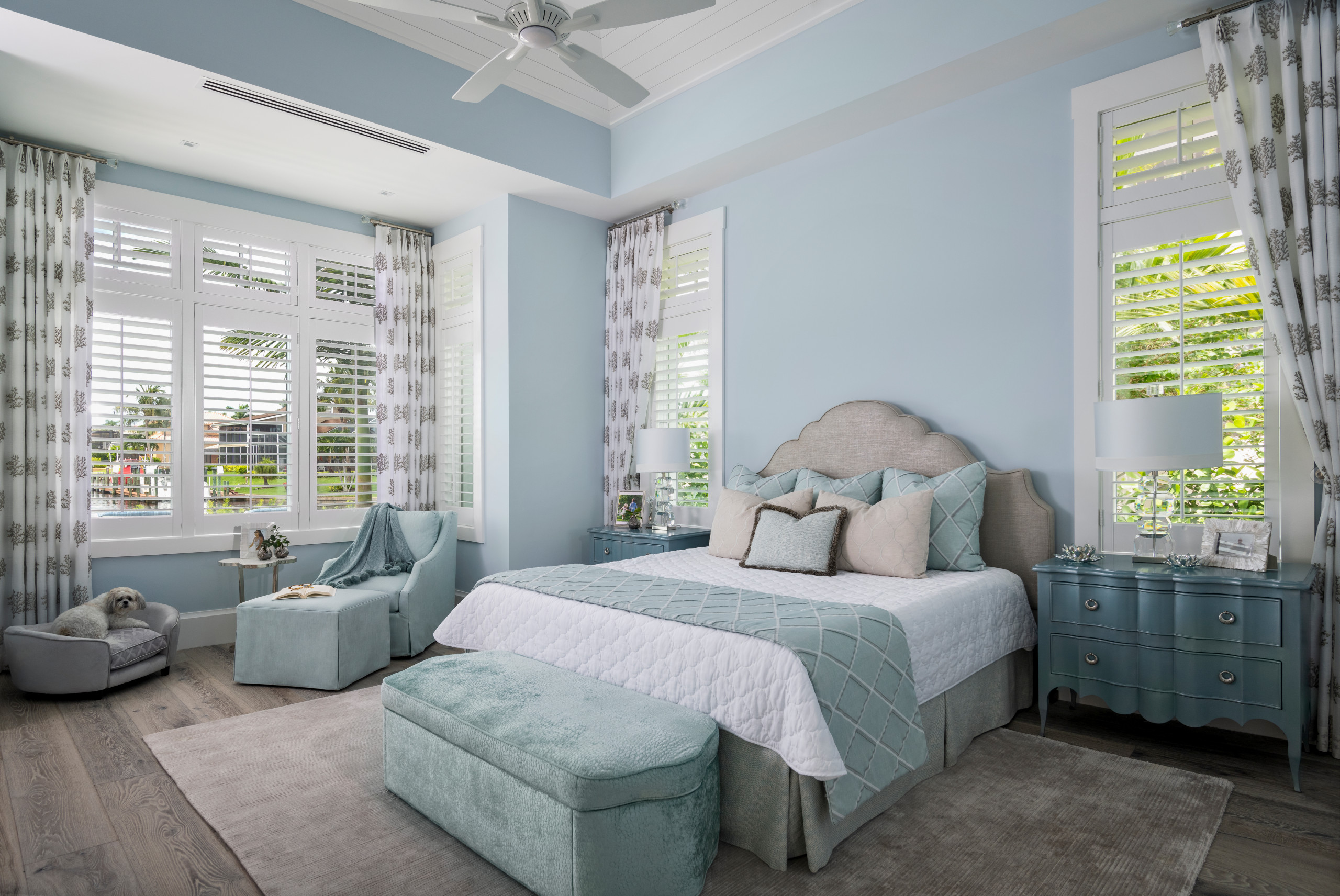
Accent Walls: Creating Focus and Depth
An accent wall is a powerful tool to introduce visual interest without overwhelming the entire space. For a sky blue bedroom, consider:
- Behind the Bed: Painting the wall behind your headboard in a slightly deeper sky blue, or a sky blue with a subtle pattern, immediately anchors the bed and creates a stunning focal point. This draws the eye and gives the room a sense of purpose.
- Geometric Patterns: Use painter’s tape to create bold, clean geometric shapes (chevrons, stripes, interlocking rectangles) on one wall. You can paint these in varying shades of sky blue – from light to slightly deeper – or combine sky blue with a crisp white or soft grey for a modern, artistic flair.
- Two-Tone Accent: Paint the bottom two-thirds of an accent wall in sky blue and the top third in a complementary neutral like off-white or light grey. This can visually lower a high ceiling for a cozier feel or add architectural interest.
Two-Tone & Ombre Effects: Adding Artistic Flair
For those who love a bit of artistic expression, two-tone and ombre effects can elevate your sky blue bedroom to a whole new level:
- Two-Tone Walls: Beyond accent walls, consider painting the bottom half of all walls in sky blue and the top half in white or a lighter complementary shade. A crisp horizontal line (perhaps with a thin border or chair rail) creates distinct visual interest, can make ceilings appear higher, and allows you to play with two colors without commitment.
- Ombre Effects: This is a more advanced technique but delivers a truly breathtaking, ethereal result. An ombre wall features a gradient effect, typically fading from a deeper sky blue at the bottom of the wall to a lighter, almost white, shade near the ceiling. This creates a soft, cloud-like transition that is incredibly calming and unique. It requires careful blending, but the payoff is a dreamy, artistic statement.
Textured Finishes: From Matte to Venetian Plaster
The finish of your paint can add another layer of design interest, even with a solid color. Beyond standard flat or eggshell, consider options that introduce subtle texture:
- Matte Finish: Offers a velvety, light-absorbing surface that gives sky blue a rich, sophisticated depth. It enhances the "softness" of the color.
- Suede/Chalk Paint Finishes: Some specialty paints offer a tactile, slightly textured appearance that adds a luxurious, lived-in feel to the walls, giving sky blue a rustic or European charm.
- Faux Venetian Plaster: While more intensive, a faux Venetian plaster technique can introduce subtle marbling and depth, transforming a flat sky blue wall into something with incredible visual texture and old-world elegance. This is for the truly adventurous and design-savvy.
Complementary Colors & Decor: What Pairs Best with Sky Blue?
Once your sky blue walls are set, the real fun begins: building a harmonious decor scheme that amplifies your vision. The right complementary colors and decor elements can transform your room from merely "blue" to a truly enchanting sanctuary.
Neutral Harmony: White, Grey, Beige, and Cream
The classic pairing – and for good reason. Neutrals provide a grounding effect and allow sky blue to truly shine:
- Crisp White: For trim, bedding, or sheer curtains, crisp white enhances the purity and brightness of sky blue, creating a fresh, clean, and airy aesthetic. It’s the epitome of coastal or minimalist serenity.
- Soft Greys: Introducing soft greys through rugs, upholstery, or accent pillows adds sophistication and a contemporary edge. Grey and sky blue create a serene, almost contemplative atmosphere that feels very chic.
- Warm Beiges and Creams: These introduce much-needed warmth, preventing the room from feeling too cool. Creamy off-whites, sandy beiges, or even light natural linen textures pair beautifully with sky blue, evoking a rustic, coastal, or even bohemian vibe. They add a comforting depth.
Earthy Grounding: Wood Tones & Greenery
To deepen the connection to nature and add organic warmth, look to natural elements:
- Natural Wood Tones: Furniture in light oak, warm walnut, or even rustic pine brings an organic, grounding quality. Wood tones introduce texture and prevent the room from feeling overly sterile. Consider a beautiful wooden bed frame, nightstands, or a dresser to add visual weight and warmth.
- Greenery: Potted plants (real or high-quality faux) are essential. They infuse life, purify the air, and perfectly complement sky blue, mimicking the natural pairing of sky and foliage. Think of leafy fiddle-leaf figs, delicate ferns, or even trailing ivy to add softness.
Pop of Contrast: Coral, Yellow, and Metallics
For a touch of personality and vibrancy, introduce small accents in contrasting colors:
- Soft Coral or Blush Pink: These offer a gentle, unexpected warmth that beautifully offsets the cool blue. Use them sparingly in accent pillows, a throw blanket, or a piece of decorative art for a playful yet sophisticated touch.
- Muted Yellows: A pale daffodil, a soft butter yellow, or even a goldenrod can provide a cheerful counterpoint, reminiscent of sun and sky. Use in small doses for warmth and optimism, perhaps in a lamp base or a framed print.
- Gold or Brass Metallics: For a touch of luxury and glamor, gold or brass accents (lamp bases, mirror frames, decorative objects) introduce rich warmth. If you prefer a cooler, more contemporary feel, silver or chrome metallics will enhance the blue’s crispness.
| Complementary Color | Effect with Sky Blue | Ideal For Style | Where to Use |
|---|---|---|---|
| Crisp White | Clean, fresh, airy, enhances blue’s brightness. | Minimalist, Coastal, Contemporary. | Trim, bedding, sheer curtains, furniture. |
| Soft Grey | Sophisticated, muted, urban chic, calming. | Modern, Scandinavian, Transitional. | Upholstery, rugs, throw pillows, accent furniture. |
| Warm Beige/Cream | Cozy, natural, inviting, balances cool blue. | Bohemian, Rustic, Traditional. | Linens, textured throws, area rugs, raw wood furniture. |
| Natural Wood Tones | Grounding, organic, adds warmth and texture. | Mid-Century Modern, Scandinavian, Coastal. | Bed frames, nightstands, dressers, flooring. |
| Blush Pink/Soft Coral | Playful, warm, gentle contrast, romantic. | Bohemian, Feminine, Eclectic. | Accent pillows, small decorative items, floral arrangements. |
| Gold/Brass | Luxurious, elegant, adds a touch of glamour. | Art Deco, Glam, Traditional. | Light fixtures, mirror frames, decorative accents, hardware. |
Choosing the Right Paint Finish for Bedrooms
The paint finish isn’t just about how shiny your walls are; it’s about durability, how light reflects off the surface, and how easily you can maintain your beautiful new sky blue walls. For bedrooms, where comfort and aesthetics often take precedence over high traffic, certain finishes are preferable.
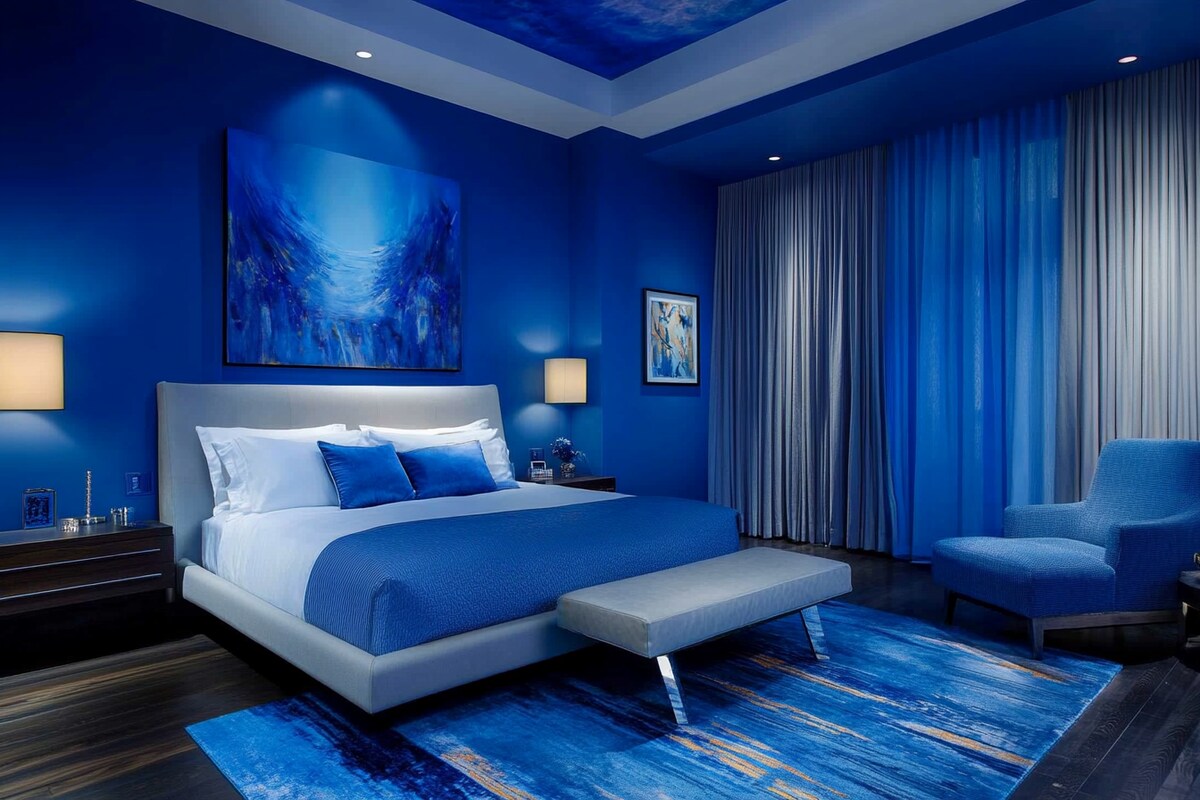
Matte/Flat: Softness and Hiding Imperfections
Matte (or flat) paint has virtually no sheen, meaning it absorbs light rather than reflecting it. This creates a wonderfully rich, velvety, and sophisticated look that enhances the softness and depth of sky blue. It’s excellent for:
- Hiding Imperfections: Its non-reflective surface masterfully conceals minor wall imperfections, bumps, and dents.
- Creating Ambiance: The lack of sheen makes it perfect for creating a soft, cocoon-like atmosphere – ideal for a serene bedroom.
However: Matte finishes are less durable and harder to clean than shinier paints. They can scuff easily and show marks, so they are best suited for low-traffic adult bedrooms.
Eggshell/Satin: Durability Meets Subtle Sheen
These are often the sweet spot for bedrooms, offering a balance between aesthetics and practicality:
- Eggshell: As the name suggests, it has a very low, subtle luster, reminiscent of an eggshell. It offers a soft glow that reflects a small amount of light, making colors appear richer without being overly shiny. It’s more durable and easier to clean than flat paint, making it a very popular choice for bedrooms.
- Satin: A bit shinier than eggshell, satin has a smooth, pearl-like sheen. It’s highly durable and very easy to clean, making it a good choice for children’s bedrooms or areas where walls might get touched more frequently.
Both eggshell and satin finishes allow sky blue to retain its calming qualities while offering better protection and easier maintenance.
Semi-Gloss/Gloss: For Trim and Accent Elements
Semi-gloss and gloss paints have significant sheen, making them highly reflective, very durable, and exceptionally easy to clean. While these qualities are great, they are generally too reflective for entire bedroom walls, as they can create an overly bright or harsh environment. Instead, reserve these finishes for:
- Trim and Doors: Semi-gloss is perfect for baseboards, crown molding, window frames, and doors. The contrast in sheen provides crisp definition against your matte or eggshell sky blue walls.
- Accent Furniture: If you’re repainting an old dresser or a nightstand in a complementary color, a semi-gloss finish can give it a polished, fresh look.
Using a higher sheen on trim helps to "frame" your sky blue walls, highlighting their beauty while adding a touch of sophisticated contrast.
| Finish Type | Sheen Level | Durability | Best For | Pros | Cons |
|---|---|---|---|---|---|
| Matte/Flat | None | Low | Adult Bedrooms, Ceilings | Sophisticated, hides imperfections, absorbs light for soft look. | Hard to clean, scuffs easily, shows marks. |
| Eggshell | Low sheen, soft glow | Medium | Most Bedrooms, Walls | Subtle sheen, more durable, easier to clean than flat. | Still shows some imperfections if walls aren’t perfect. |
| Satin | Medium sheen, smooth | Medium-High | Kids’ Bedrooms, High-Touch Walls | Very durable, easy to clean, good for active spaces. | Can highlight wall imperfections, more reflective. |
| Semi-Gloss | High sheen, reflective | High | Trim, Doors, Cabinets | Extremely durable, very easy to clean, adds definition. | Too reflective for entire walls, shows every imperfection. |
Bringing Your Sky Blue Bedroom to Life: Decor & Styling Tips
The walls are just the beginning. To truly complete your sky blue sanctuary, you need to layer in textiles, select the right furniture, and master the art of lighting and accessories. These elements work in concert to amplify your sky blue vision and create a cohesive, comforting space.
Textiles & Linens: Layers of Comfort
Textiles are crucial for adding warmth, texture, and softness to your bedroom:

- Layering is Key: Think beyond just a duvet. Layer a soft cotton or linen duvet cover in white, cream, or a soft grey with a chunky knit throw blanket in a complementary color (perhaps a pale blush or a muted yellow).
- Pillows: Mix and match decorative pillows in various textures – velvet, silk, faux fur, or woven cotton – to add visual interest and tactile comfort. Use accent colors here for subtle pops.
- Curtains: Sheer white or off-white curtains will allow natural light to filter through, enhancing the airy feel. For more privacy or light control, consider linen drapes in a neutral tone, or even a sky blue a shade lighter or darker than your walls for a monochromatic look.
Furniture Choices: Light Woods, White, or Dark Contrasts
Your furniture can either blend seamlessly or provide a striking contrast:
- Light Wood Furniture: Pieces made from birch, maple, or light oak perfectly complement the airy, natural feel of sky blue. They keep the room feeling bright and open.
- White Furniture: For a crisp, clean, and classic coastal look, white furniture (bed frames, nightstands, dressers) creates a beautiful contrast that makes the sky blue walls pop.
- Darker Woods or Contrasting Colors: For a touch of sophistication and grounding, consider a few pieces in darker woods (walnut, mahogany) or even a rich navy or black. These provide a pleasing contrast and add visual weight to the room.
Lighting the Sky: Ambient, Task, and Accent
Layered lighting is essential for creating the right mood at any time of day:
- Ambient Lighting: This is your general room illumination (a central ceiling fixture, recessed lighting). Ensure it’s dimmable for flexibility.
- Task Lighting: Crucial for specific activities. Bedside lamps are perfect for reading, while a desk lamp is needed for a workspace.
- Accent Lighting: Use smaller, strategically placed lamps or sconces to highlight artwork, architectural features, or simply to create a cozy glow.
Crucially, opt for warm light bulbs (2700K-3000K). The gentle yellow tint of warm light will beautifully balance the cool tones of sky blue, preventing the room from feeling stark and creating a comforting, inviting glow.
Artwork & Mirrors: Reflecting Style
These are your final touches for personalization and visual impact:
- Artwork: Choose pieces that either complement the sky blue (e.g., landscapes with natural greens and browns, abstract art with warm undertones) or provide a subtle contrast. A gallery wall with various sizes and styles can add dynamic interest.
- Mirrors: Mirrors are fantastic for reflecting light, making the room feel larger and brighter. A large, ornate mirror with a gold or silver frame can act as a stunning focal point, while a collection of smaller mirrors can add sparkle and depth.
Avoiding Common Sky Blue Painting Mistakes
A little foresight and attention to detail can prevent a lot of frustration and ensure your sky blue bedroom turns out exactly as you envision. Don’t fall victim to these common pitfalls.
Not Testing Swatches
This cannot be stressed enough. Skipping the swatch test (as detailed earlier) is the number one cause of paint regret. The way a color looks in a store, online, or on a tiny chip – even on your neighbor’s wall – is completely different from how it will appear in your unique room, under your specific lighting conditions, and alongside your existing furniture. Invest the time; it’s worth it.
Ignoring Existing Elements
Before committing to a shade, take a critical look at your bedroom’s permanent fixtures: your flooring (carpet, wood, tile), existing large furniture pieces (bed frame, dresser), and even your window treatments. Your chosen sky blue should harmonize with these elements, not clash. A cool sky blue might feel jarring with warm-toned cherry wood floors, for instance, unless you intentionally balance it with other warm accents.
Overlooking Ceiling Color
Often, people automatically paint ceilings stark white. While this is a classic choice, a very crisp white ceiling can sometimes feel disconnected from softer sky blue walls. Consider painting your ceiling a very light tint of your wall color (perhaps 10-25% of the pigment) or a soft, warm off-white. This creates a seamless, more enveloping feel, making the room feel taller and more cohesive, like a continuous stretch of sky.

Forgetting the Finish
As we discussed, the paint finish is more than just an aesthetic choice; it’s a functional one. Using a high-sheen paint (like semi-gloss) on all walls will not only make the room too reflective but also highlight every single imperfection on your drywall. Conversely, choosing a matte finish for a child’s bedroom might look beautiful initially but will prove impractical when it comes to cleaning up marks and scuffs. Always match the paint finish to the function of the space and your desired aesthetic.
Your sky blue bedroom is within reach. It’s a sanctuary, a canvas for your dreams, and a testament to the power of thoughtful design. By understanding the nuances of undertones, experimenting with creative design ideas, carefully selecting complementary decor, and avoiding common pitfalls, you can craft a space that not only looks beautiful but genuinely feels like a peaceful, restorative escape. Embrace the tranquility, personalize every detail, and create your own slice of sky-inspired heaven.
Frequently Asked Questions
What are the best sky blue paint colors for a bedroom?
The ‘best’ sky blue depends on your room’s light and desired mood. Look for shades with slight grey undertones for a muted, sophisticated feel, or subtle green undertones for a crisp, fresh look. Brands like Benjamin Moore’s ‘Soft Sky’ or Farrow & Ball’s ‘Lulworth Blue’ are popular starting points, but always test swatches in your own room to see how they truly appear.
Does sky blue make a room feel cold?
Sky blue can sometimes feel cool, especially in north-facing rooms with cool natural light. To counteract this, choose sky blue shades with warmer undertones (hints of grey or lavender), and balance the room with warm-toned decor like natural wood furniture, creamy textiles, gold accents, and warm-toned lighting (2700K-3000K light bulbs).
What colors go well with sky blue bedroom walls?
Sky blue pairs beautifully with a range of colors. For a serene look, combine it with crisp whites, soft greys, and warm beiges or creams. For natural warmth, introduce natural wood tones and lush green plants. For a touch of contrast, consider small accents of blush pink, soft coral, muted yellows, or metallic finishes like gold or brass.
Should all walls be sky blue, or is an accent wall better?
Both options work well! Painting all walls in sky blue creates an immersive, cohesive, and tranquil sanctuary. An accent wall, typically behind the bed, allows you to introduce a deeper shade of sky blue, a subtle pattern, or a two-tone effect without overwhelming the entire space. It’s a great way to create a focal point and add visual interest.
What paint finish is best for a sky blue bedroom?
For bedrooms, a matte or eggshell finish is generally recommended. Matte paint offers a soft, velvety look that absorbs light and hides imperfections, creating a sophisticated, calm ambiance. Eggshell has a slight sheen, making it more durable and easier to clean while still providing a soft glow. Avoid semi-gloss or gloss on entire walls, as they are too reflective for a relaxing bedroom environment.
How does natural light affect sky blue paint?
Natural light significantly impacts how sky blue appears. North-facing rooms receive cool light, making blue feel colder; south-facing rooms get warm, bright light, making blue appear more vibrant. East-facing rooms have warm morning light, while west-facing rooms get warm afternoon light. Always test large swatches on different walls at various times of day to see how the specific shade reacts in your room.
Can sky blue be used in a small bedroom?
Absolutely! Sky blue, especially lighter shades, is an excellent choice for small bedrooms. Its airy quality reflects light and visually expands the space, making the room feel more open, larger, and less confined. Pair it with crisp white trim and minimalist decor to maximize the expansive effect.