The Ultimate Guide to Light Green Paint Colors for Your Living Room
Dreaming of a living room that feels fresh, serene, and effortlessly stylish? You’ve landed in the right spot. Light green paint colors for a living room aren’t just a trend; they’re a timeless design choice that brings the tranquility of nature indoors, creating an inviting and harmonious atmosphere. But with a dizzying array of shades, undertones, and brands, how do you choose ‘the one’?
As an expert in color strategy and interior design, I’ve seen firsthand the transformative power of light green. It’s a chameleon, capable of adapting to almost any style, light condition, and existing decor. The trick is understanding its nuances and how it interacts with your unique space. In this comprehensive guide, we’ll dive deep into everything you need to know to confidently select the perfect light green for your living room, turning it into the sanctuary you’ve always envisioned.
Why Light Green is the Perfect Choice for a Living Room
So, why light green? Beyond its aesthetic appeal, this particular hue offers a multitude of benefits that make it ideal for the heart of your home.
- Serenity and Calm: Green is universally recognized for its calming properties. Lighter shades amplify this effect, promoting relaxation and peace – exactly what you want in a living room where you unwind and connect.
- Versatility and Adaptability: Unlike some bolder colors, light green acts as a sophisticated neutral. It pairs beautifully with a vast spectrum of colors, from crisp whites and warm grays to deep blues and vibrant corals. This makes it incredibly easy to refresh your decor over time without repainting.
- Connection to Nature: In an increasingly digital world, bringing elements of nature indoors is paramount for well-being. Light green evokes lush landscapes, fresh foliage, and open spaces, fostering a sense of connection to the natural world right within your home.
- Timeless Appeal: While specific shades may ebb and flow in popularity, green, particularly light green, never truly goes out of style. It’s a classic choice that feels both current and enduring.
Understanding Light Green: Undertones and How They Impact Your Living Room
Here’s where many people get tripped up. Light green isn’t just ‘green’; it’s a complex blend of pigments that carry subtle undertones. These undertones are critical because they dictate how the color will truly appear in your living room, influencing its warmth, coolness, and overall mood.
Green-Blue Undertones: Cool and Refreshing
Think of the cool, clear waters of a tropical lagoon or the faint misty green of distant mountains. Light greens with blue undertones tend to be crisp, airy, and calming. They can make a room feel more expansive and bright. These shades often lean towards mint, seafoam, or aqua-green. They are fantastic for rooms that get a lot of warm, direct sunlight, as the blue helps to balance and cool down the light.

Green-Yellow Undertones: Warm and Inviting
Imagine freshly cut grass in spring or the soft glow of a mossy forest floor. Light greens with yellow undertones are inherently warm and inviting. They create a cozy, optimistic, and welcoming atmosphere. These shades often appear as muted chartreuse, olive-green, or soft spring green. They work wonderfully in north-facing rooms that tend to feel colder, bringing a much-needed warmth and brightness.
Green-Gray Undertones: Sophisticated and Neutral
Picture the tranquil shade of eucalyptus leaves or a weathered sage bush. Light greens with gray undertones are the ultimate sophisticated neutrals. They are muted, earthy, and incredibly versatile, offering a calming backdrop without being overtly green. These shades are excellent for creating a contemporary, minimalist, or transitional aesthetic. They are incredibly forgiving with different lighting conditions and pair well with a wide range of other colors and textures.
The Importance of Light: Natural vs. Artificial
Light is the ultimate designer in your living room. A paint color can look completely different from the swatch on the wall versus under your living room’s actual lighting conditions.
- Natural Light:
- North-facing rooms tend to have cooler, bluer light. Warm light greens (yellow undertones) can help counteract this coolness.
- South-facing rooms receive abundant, warm light throughout the day. Cool light greens (blue undertones) can help temper this warmth and prevent the room from feeling too hot.
- East-facing rooms get bright, warm morning light, which turns cooler in the afternoon.
- West-facing rooms have cooler morning light and intense, warm afternoon light.
- Artificial Light: The type of light bulbs you use (warm white, cool white, daylight) will also significantly impact your paint color. Always test samples under both natural and artificial light.
Choosing Your Perfect Light Green: Factors to Consider
Beyond undertones, several practical factors will guide you to the ideal light green for your living room.
Room Size and Layout: Expanding Small Spaces
Light colors, by nature, recede, making a space feel larger and more open. Light green is no exception. If your living room is on the smaller side, opt for very pale, ethereal greens, especially those with cooler, blue-gray undertones. Avoid anything too saturated or with strong yellow undertones, which can sometimes make a small room feel cozier but also slightly smaller. Painting the ceiling a slightly lighter shade or the same color can also blur the lines and enhance the sense of space.
:strip_icc()/green-walls-geometric-plant-artworks-76976496-4d7a637ee95043fd8bb26dcbad353044.jpg "The Top Green Paint Colors Designers Swear By")
Natural Light Exposure: North, South, East, West-Facing Rooms
As discussed, your room’s orientation is paramount. A light green with cool, blue undertones might feel icy in a north-facing room, while a warm, yellow-green could become too vibrant in a south-facing room. Always test your chosen samples on multiple walls to see how they behave throughout the day.
Existing Furniture and Decor: Harmonizing with What You Have
Unless you’re planning a complete overhaul, your new paint color needs to complement your existing furniture, artwork, and textiles. Take stock of the dominant colors and wood tones in your living room. For example:
- If you have warm-toned woods (oak, cherry) or brown leather furniture, a light green with yellow or gray undertones will typically harmonize better.
- If your furniture is mostly cool-toned (grays, blues, modern black metal), a light green with blue or strong gray undertones will integrate seamlessly.
Your Personal Style: Modern, Traditional, Boho, Farmhouse
Your paint color should reflect your personal aesthetic:
- Modern/Minimalist: Look for clean, crisp light greens, often with strong gray or blue undertones, like a pale sage or a soft seafoam.
- Traditional/Classic: Muted, historical greens, often with earthy yellow or warm gray undertones, such as a delicate olive or soft fern.
- Boho/Eclectic: More vibrant, yet still light, greens with prominent yellow undertones can add a playful, organic touch.
- Farmhouse/Rustic: Dusty sage greens, often with significant gray undertones, perfectly capture that lived-in, natural feel.
Paint Finish Matters: Sheen for Durability and Look
The sheen (or finish) you choose dramatically impacts how a light green color appears and performs in your living room:
- Flat/Matte: Offers a sophisticated, non-reflective look that conceals imperfections. Ideal for low-traffic areas but less durable and harder to clean.
- Eggshell/Satin: The most popular choice for living rooms. Offers a soft, subtle sheen, good durability, and is easier to clean than flat.
- Semi-Gloss: Higher sheen, very durable and washable. Often used for trim, doors, or accent walls, but can be too reflective for entire living room walls.
For most living rooms, an eggshell or satin finish strikes the perfect balance between aesthetics and practicality.
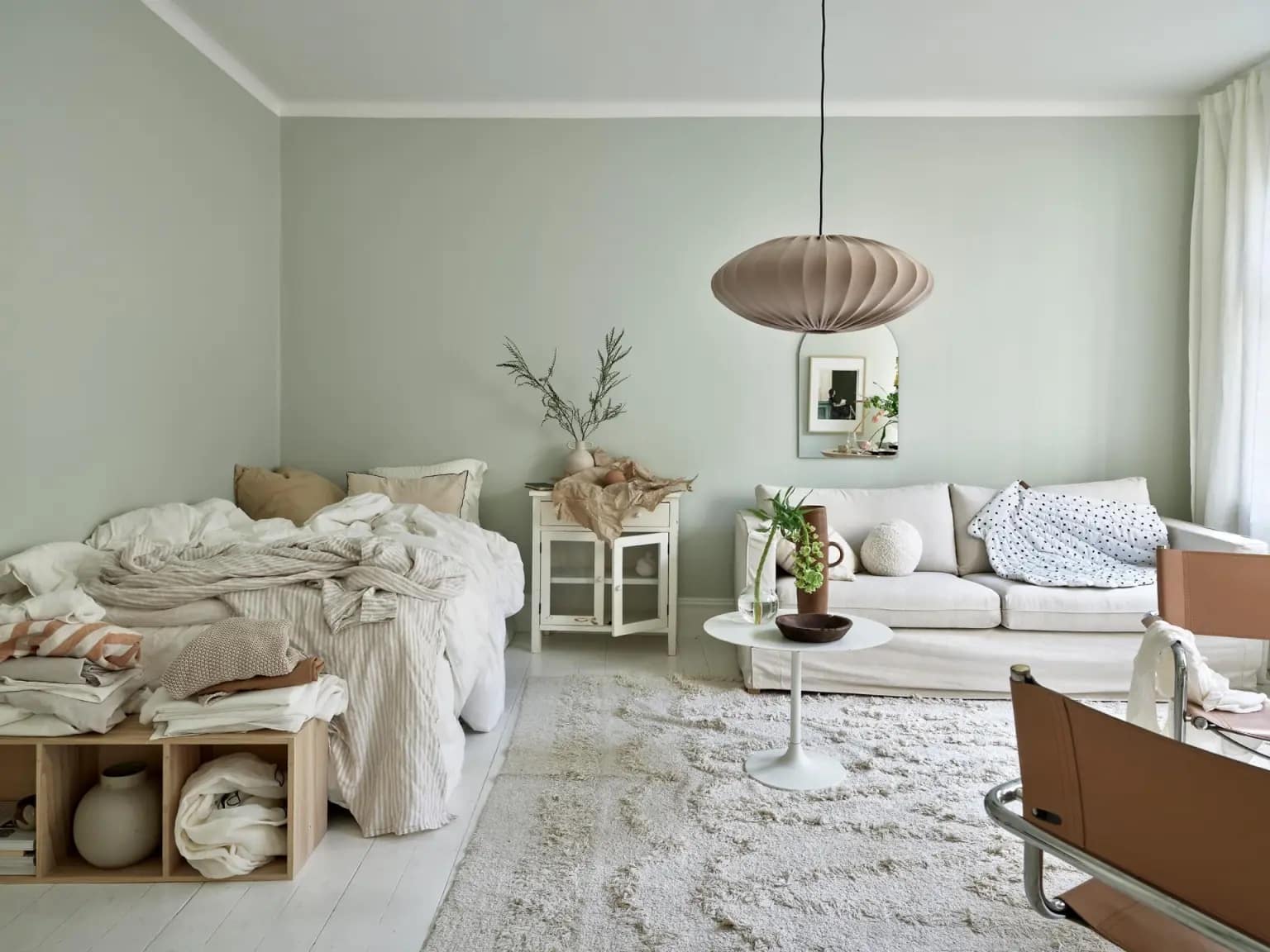
Curated List: Top Light Green Paint Colors for Living Rooms
Now for the exciting part! Here’s a curated selection of some of the most beautiful and versatile light green paint colors from popular brands, each with its unique character and ideal application.
Benjamin Moore
- Soft Fern (2144-40): As its name suggests, this is a beautiful, muted light green with distinct yellow undertones. It’s warm, organic, and incredibly inviting, making it perfect for creating a cozy yet fresh living room. It pairs beautifully with creamy whites, warm wood tones, and even soft blues.
- Palladian Blue (HC-144): While its name emphasizes blue, this iconic Benjamin Moore color often reads as a stunning light blue-green with soft gray undertones. It’s airy, serene, and sophisticated, making a room feel expansive and tranquil. Excellent for spaces needing a touch of cool elegance.
- Sage Mountain (1488): A lovely light sage with noticeable gray undertones, Sage Mountain offers a refined and earthy feel. It’s calming and grounding without being too dark, an ideal backdrop for a contemporary or farmhouse aesthetic. Works well with natural textures and off-whites.
- October Mist (1495): Benjamin Moore’s Color of the Year 2022, October Mist is a gently shaded sage, a soft, harmonious green that works beautifully as a neutral. It has prominent gray undertones, making it sophisticated and adaptable, and it pairs well with a wide range of decor styles.
Sherwin-Williams
- Sea Salt (SW 6204): One of Sherwin-Williams’ most beloved colors, Sea Salt is a soft, ethereal blue-green-gray. It’s incredibly chameleon-like, appearing more green, blue, or gray depending on the light. It’s soothing, coastal-inspired, and perfect for a tranquil living room, especially those with good natural light.
- Contented (SW 6191): A light, warm sage green with subtle yellow-gray undertones. Contented lives up to its name, creating a peaceful and harmonious environment. It’s sophisticated yet approachable, making it a fantastic choice for traditional or transitional living rooms.
- Quietude (SW 6212): Similar to Sea Salt but slightly more saturated, Quietude is a beautiful blue-green with a touch more depth. It evokes a sense of calm and retreat, ideal for a living room where relaxation is key. Pairs well with crisp whites and darker wood tones.
Farrow & Ball
- Cromarty (No. 285): A gentle, muted green that feels incredibly soft and sophisticated. Cromarty has subtle blue-gray undertones, making it feel very serene and almost atmospheric. It’s perfect for creating a quiet, understated elegance in a living room.
- Mizzle (No. 266): A versatile, muted green-gray that draws inspiration from the misty West Country weather. Mizzle has a warm, earthy feel without being overtly green, making it a wonderful ‘chameleon’ neutral for traditional or contemporary spaces seeking understated sophistication.
Behr
- Zen (H420-E): A very pale, almost whisper-light green with slight gray undertones. Zen is fresh, clean, and incredibly calming, making it an excellent choice for modern living rooms or those aiming for a minimalist, airy feel. It works well to make smaller spaces feel larger.
- Back To Nature (S340-4): Behr’s 2020 Color of the Year, Back To Nature is a soft, grassy green that evokes the restorative power of the outdoors. It has warm, slightly yellow undertones, making it feel grounded and inviting, perfect for creating a cozy, natural living space.
| Brand | Color Name | Primary Undertone | Vibe & Character | Ideal Living Room Pairing |
|---|---|---|---|---|
| Benjamin Moore | Soft Fern (2144-40) | Yellow | Warm, organic, inviting. | Creamy whites, natural wood, blush pinks. |
| Benjamin Moore | Palladian Blue (HC-144) | Blue-Gray | Airy, serene, sophisticated. | Crisp white trim, dark woods, linen textures. |
| Benjamin Moore | October Mist (1495) | Gray | Soft, harmonious, adaptable neutral. | Terra cotta, warm grays, deep blues. |
| Sherwin-Williams | Sea Salt (SW 6204) | Blue-Gray | Chameleon, coastal, tranquil. | Pure whites, light woods, natural fibers. |
| Sherwin-Williams | Contented (SW 6191) | Yellow-Gray | Peaceful, traditional, earthy. | Warm off-whites, brown leather, muted patterns. |
| Farrow & Ball | Cromarty (No. 285) | Blue-Gray | Gentle, muted, atmospheric. | Elegant whites, antique furniture, subtle metallics. |
| Behr | Zen (H420-E) | Gray | Clean, airy, modern, expansive. | Crisp whites, sleek furniture, pops of black. |
Styling Your Light Green Living Room: Complementary Colors and Decor
Choosing the right paint color is only half the battle. To truly bring your light green living room to life, consider how you’ll furnish and accessorize it.
Pairing with Neutrals: Whites, Creams, Grays, Tans
This is your foundation. Light green walls create a beautiful backdrop for a variety of neutrals:
- Crisp Whites: For a fresh, modern, and clean look. Think white trim, white linen curtains, or white ceramic accents.
- Soft Creams/Off-Whites: To add warmth and soften the contrast, creating a cozier, more traditional feel.
- Warm Grays/Greiges: These provide a sophisticated, muted contrast that keeps the space feeling calm and contemporary.
- Earthy Tans/Beiges: For a natural, organic, and grounding palette, especially effective with light greens that have yellow or gray undertones.
Adding Pops of Color: Deep Blues, Corals, Terra Cottas, Golds
Light green is an excellent partner for bolder accent colors:
- Deep Blues (Navy, Indigo): Creates a classic, sophisticated contrast, especially with greens that have blue undertones. Think throw pillows, an accent chair, or art.
- Warm Pinks/Corals: Adds a playful, energetic, and surprisingly chic touch. This unexpected pairing brings vibrancy without overwhelming the serene green.
- Terra Cottas/Rust: Enhances the earthy, natural feel, particularly with warmer or gray-green shades. Introduce through pottery, throws, or decorative objects.
- Mustard Yellows/Golds: Can inject warmth and richness, creating a luxurious and inviting atmosphere.
Furniture and Textiles: Wood Tones, Upholstery Choices, Textures
- Wood Tones: Light to medium woods (birch, natural oak) complement most light greens beautifully for a fresh, Scandinavian-inspired look. Darker woods (walnut, mahogany) can add depth and traditional elegance.
- Upholstery: Consider natural fabrics like linen, cotton, or wool in neutral shades. For a pop, velvet in a jewel tone (like sapphire or amethyst) can look stunning against a light green wall.
- Textures: Incorporate a variety of textures – a chunky knit throw, a jute rug, velvet cushions, a smooth ceramic vase – to add interest and depth to your living room without introducing more colors.
Metallics and Accents: Brass, Chrome, Natural Elements (Plants!)
- Brass/Gold: Adds warmth and a touch of luxury, particularly effective with warmer light greens or those with gray undertones.
- Chrome/Silver: Creates a crisp, modern contrast, perfect for cooler light greens.
- Black Accents: A few carefully placed black accents (picture frames, lamp bases, a small side table) can ground the room and add a touch of modern sophistication.
- The Power of Plants: You’ve brought nature in with your paint, now amplify it! Live plants are the ultimate accessory for a light green living room, adding vibrancy, texture, and improving air quality.
The Sampling Process: Don’t Skip This Crucial Step
I cannot stress this enough: DO NOT SKIP SAMPLES! A tiny swatch in a store will never tell you the full story of how a color will behave in your home. Paint samples are your best friend in this journey.
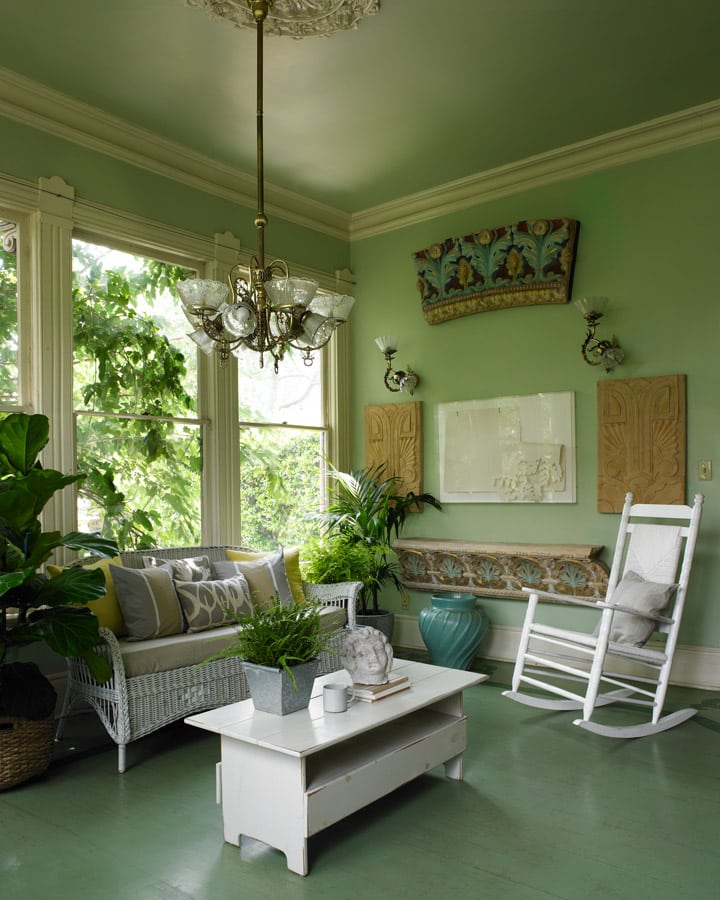
- Buy Several Samples: Choose 3-5 of your top contender light green shades.
- Paint Large Swatches: Apply two coats of each sample onto large poster boards (at least 18×24 inches), leaving a white border around each. Do not paint directly on your wall yet, as existing wall color can skew your perception.
- Place Samples on Different Walls: Move the poster boards around your living room. Observe them on walls that receive different amounts and types of light throughout the day.
- Observe at Different Times: Look at the samples in the morning, midday, and evening. Notice how natural light changes them.
- Check Under Artificial Light: Turn on your living room lights in the evening to see how they affect the color.
- Consider with Existing Elements: Hold your samples up against your sofa, rug, or curtains to see how they interact.
Live with the samples for a few days before making your final decision. This step is a small investment that prevents big regrets.
Embrace the Green!
Choosing a light green paint color for your living room is an exciting journey toward creating a space that feels fresh, calm, and utterly inviting. By understanding undertones, considering your room’s unique characteristics, and diligently sampling, you’re not just picking a color; you’re crafting an experience.
Whether you lean towards the cool serenity of a blue-green, the warm embrace of a yellow-green, or the sophisticated neutrality of a gray-green, you’re investing in a timeless palette that will bring joy and tranquility to your home for years to come. Now, go forth and paint that perfect living room!
Frequently Asked Questions
What undertones should I look for in a light green paint for my living room?
Light green paint can have blue, yellow, or gray undertones. Blue undertones create a cool, refreshing, and expansive feel; yellow undertones offer warmth, coziness, and an inviting atmosphere; and gray undertones provide a sophisticated, muted, and versatile neutral look. Your choice should depend on your desired mood and how natural light impacts your room.
Does light green paint make a living room feel bigger?
Yes, generally, lighter paint colors tend to make a room feel larger and more open, as they reflect more light and make walls appear to recede. Very pale light greens, especially those with cooler blue or gray undertones, are particularly effective at expanding the sense of space in a living room.
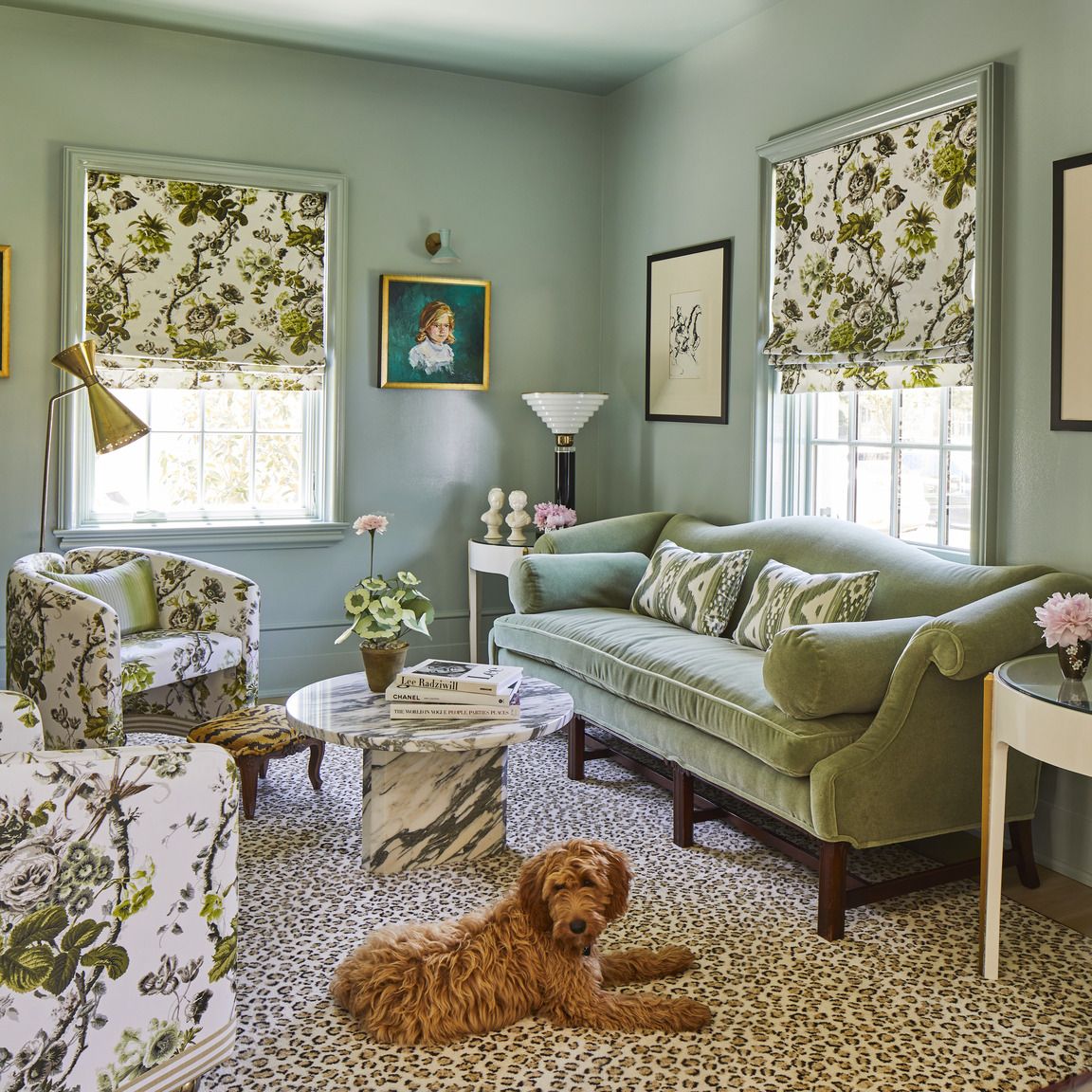
What colors pair best with light green living room walls?
Light green is incredibly versatile. It pairs beautifully with classic neutrals like crisp whites, soft creams, warm grays, and earthy tans. For accent colors, consider deep blues (navy, indigo), warm pinks or corals, terra cottas, or rich golds to add pops of vibrancy and depth.
Should I use a warm or cool light green for my living room?
The choice between warm (yellow undertones) and cool (blue undertones) light green depends on your room’s natural light and desired ambiance. Warm greens can brighten north-facing rooms that tend to feel cold, making them cozier. Cool greens can temper the intense light in south-facing rooms, making them feel more serene. Always test samples to see how they perform in your specific lighting.
What paint finish is best for a living room?
For most living rooms, an eggshell or satin finish is ideal. These finishes offer a soft, subtle sheen, good durability, and are easier to clean than a flat or matte finish. They strike a perfect balance between aesthetic appeal and practicality for a high-traffic area like a living room.
How do I test light green paint colors effectively before committing?
To effectively test colors, buy several large peel-and-stick samples or paint large swatches onto poster boards. Place these on different walls in your living room and observe them throughout the day under both natural and artificial light. See how they interact with your existing furniture and decor. Live with the samples for a few days before making a final decision.
Can light green paint work with modern decor?
Absolutely! Light green, especially shades with strong gray or subtle blue undertones like a pale sage or soft seafoam, works wonderfully with modern and minimalist decor. It provides a clean, fresh, and sophisticated backdrop that complements sleek furniture, geometric patterns, and metallic accents beautifully.