The Definitive Guide to the Best Bedroom Paint Colours for 2026: Design Your Sanctuary
Your bedroom isn’t just a room; it’s your sanctuary, your refuge from the daily grind, and the backdrop to your most restorative moments. And few things impact the feel of that space more profoundly than the colour on its walls. As we look ahead to 2026, the trends aren’t just about what’s ‘new’ – they’re about creating spaces that truly nurture us. Forget fleeting fads; we’re diving deep into the shades that will define tranquility, sophistication, and genuine comfort for years to come.
Choosing the right bedroom paint colour can feel daunting. Will it feel outdated next year? Will it genuinely help me relax? That’s why I’ve distilled the upcoming trends, expert insights, and psychological impacts to give you a clear, confident path to selecting the perfect palette for your personal oasis. Ready to transform your sleep space?
Why 2026 is Redefining Bedroom Aesthetics: Beyond Just Trends
The year 2026 isn’t just bringing new paint swatches; it’s ushering in a fundamental shift in how we approach our personal spaces, especially the bedroom. We’re moving away from merely decorative choices towards intentional design that prioritizes well-being.
The Shift Towards Wellness & Serenity
After years of rapid change and digital overwhelm, there’s a collective yearning for calm. Our homes, particularly our bedrooms, are becoming crucial havens for rest and mental restoration. This means paint colours are chosen not just for their aesthetic appeal, but for their ability to evoke feelings of peace, grounding, and comfort. We’re seeing a strong pull towards colours that mimic nature – soft, atmospheric tones that soothe the mind and encourage deep relaxation. Think of it as colour therapy for your soul, integrated right into your walls.
Sustainability and Thoughtful Choices
Another significant driver for 2026 trends is a growing awareness of environmental impact and the desire for thoughtful consumption. This translates into an appreciation for timeless palettes that won’t need re-painting every other year. It also means an increased demand for paints with low VOC (Volatile Organic Compounds) formulations, promoting healthier indoor air quality. When you choose a colour now, you’re not just thinking about how it looks, but how it feels to live with, and how it aligns with a more conscious lifestyle.
Unveiling the Top Bedroom Paint Colour Trends for 2026
Forget the bright, cool tones of yesteryear. 2026 is all about enveloping shades that bring a sense of groundedness and gentle sophistication. Here’s a breakdown of the palettes that will dominate:

Serene Neutrals & Earth Tones: The Foundation of Calm
Neutrals in 2026 are anything but boring. They’re rich, nuanced, and imbued with a warmth that makes a bedroom feel like a comforting embrace. These are the workhorses of a tranquil design, providing a versatile backdrop for any decor style.
- Warm Whites & Creams: Moving beyond stark, cool-toned whites, we’re embracing creamy, slightly yellow-tinged whites like Dutch Boy’s ‘Melodious Ivory’ or Sherwin-Williams’ ‘Creamy’. These shades reflect light beautifully while adding a much-needed layer of warmth and softness, making your bedroom feel expansive yet cozy.
- Greige & Taupe: The perfect blend of grey and beige, ‘greige’ offers sophistication without feeling cold. Valspar’s ‘Neutral Ground’ exemplifies this, providing a sophisticated backdrop. Taupes, with their deeper brown undertones, offer similar versatility and depth.
- Muted Khakis & Desert Sands: Think ‘Universal Khaki‘ by Sherwin-Williams or rich, sandy beiges. These colours draw inspiration from natural landscapes, offering an earthy, grounding presence that promotes stability and calm.
- Soft Blush & Terracotta Accents: While not a full wall colour for everyone, soft, dusty blushes (like Clare’s ‘Subrosa’ for a romantic touch) and muted terracotta shades can introduce warmth and a touch of subtle vibrancy without overwhelming. They pair beautifully with deeper neutrals.
Here’s a snapshot of top neutral and earth-tone picks:
| Colour Name (Example) | Associated Brand(s) | Dominant Mood Impact | Complementary Styles |
|---|---|---|---|
| Melodious Ivory | Dutch Boy | Warm, Expansive, Gentle | Minimalist, Scandinavian, Modern Farmhouse |
| Neutral Ground | HGTV Home by Sherwin-Williams | Sophisticated, Grounding, Versatile | Contemporary, Transitional, Organic Modern |
| Universal Khaki | HGTV Home by Sherwin-Williams | Earthy, Stable, Welcoming | Bohemian, Industrial, Mediterranean |
| Dirty Chai | Clare | Cozy, Maximalist, Inviting | Eclectic, Vintage, Hygge |
| Reddened Earth | HGTV Home by Sherwin-Williams | Warm, Anchoring, Natural | Southwestern, Rustic, Global-Inspired |
Restorative Greens: Bringing Nature Indoors
Greens continue their reign, but 2026 brings a focus on deeper, more muted, and inherently soothing variations. These aren’t the cool-toned, almost minty greens of the past, but rich, organic shades that feel like a breath of fresh air.
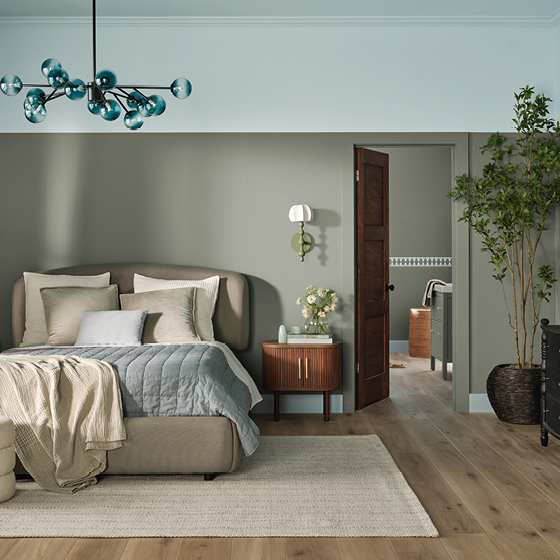
- Whisper Greens & Sage: Think the gentle, desaturated greens that whisper rather than shout. Good Housekeeping notes these ‘whisper greens’ for their atmospheric qualities. Valspar’s ‘Warm Eucalyptus’ perfectly captures this trend – a naturally restorative sage that brings the tranquility of a spa into your bedroom.
- Deep Forest & Moss: For those seeking more depth, deeper greens evoke the lushness of a dense forest. These rich hues can create an incredibly cocooning and sophisticated atmosphere, particularly when paired with natural wood tones and soft lighting.
Green, in its more subdued forms, is renowned for its calming effect, promoting feelings of balance and harmony. It’s the perfect choice for a room where you unwind and recharge.
Calming Blues: The Classic Soothing Palette Endures
Blue remains a perennial favourite for bedrooms, but 2026 sees a shift towards richer, dustier, and more nuanced tones. Forget bright, primary blues; think sophisticated depth.
- Muted Blues & Slate: Benjamin Moore’s ‘Silhouette AF-655’, their 2026 Color of the Year, is an elegant, deep blue-grey that lends incredible style and grace. These muted blues offer the classic calming effect of blue without feeling cold or sterile.
- Deep Navy & Inky Shades: When used strategically, deep navies and inky blues can create a surprisingly cozy and luxurious bedroom. They recede, making a room feel larger and more enveloping at the same time. Paired with warm lighting and textures, they become a sophisticated backdrop for relaxation.
- Dusty Periwinkle: A softer, slightly warmer take on blue, a dusty periwinkle introduces a subtle romanticism and dreaminess without being overly saccharine. It’s an unexpected touch that feels both fresh and timeless.
These blues are perfect for creating a sense of peace and stability, helping to lower heart rate and calm the mind, making them ideal for promoting restful sleep.
:max_bytes(150000):strip_icc()/gallery-39-c82dbdc4919047bd92f68addfd08e7db.jpg "7 Bedroom Paint Color Trends You'll See Everywhere in 2026")
Warm & Subtle Hues: Adding a Touch of Comfort
For those who love a touch of colour but want to maintain a restful atmosphere, 2026 offers beautiful, gentle warm tones that feel like a soft hug.
- Soft Blushes & Rose Tones: As mentioned with Clare’s ‘Subrosa’, these aren’t vibrant pinks, but rather desaturated, earthy rose tones. They introduce a subtle warmth and softness, fostering a sense of comfort and intimacy.
- Muted Peach & Apricot: Think delicate, sun-kissed shades that bring a gentle glow to a room. These work wonderfully in spaces that need a boost of warmth, creating an uplifting yet serene environment.
- Warm Clay & Cordovan: Sherwin-Williams’ ‘Cordovan’ is an excellent example of a rich, warm brown with red undertones. Jane-athome also highlights warm tones like ‘burgundy, deep wine, beige, blush, tan, and cream’ for coziness. These deeper, muted terracotta and clay colours create a grounded, almost primitive sense of warmth and security, perfect for a cozy retreat.
These colours, when chosen in their muted forms, are incredibly inviting and can make a bedroom feel exceptionally welcoming and private.
The “New” Dark & Moody: Elegant Depth
Embracing the dark side can be incredibly sophisticated for a bedroom in 2026, but it’s all about execution and nuance. This isn’t about stark, cold darks, but rich, enveloping ones.
- Deep Charcoals & Slate Greys: Think of a colour like Clare’s ‘Blackish’ – a deep, rich charcoal with undertones that prevent it from feeling too harsh. These colours create a dramatic, cocooning effect that can be incredibly conducive to sleep and relaxation, especially when paired with soft lighting and luxurious textures.
- Rich Burgundy & Deep Wine: While The Spruce warns against bright burgundy, Jane-athome notes deep wine and burgundy as warm, cozy tones. The key distinction is depth and saturation. A rich, earthy burgundy or deep wine, far from bright, can add a sophisticated, opulent warmth that feels incredibly inviting and intimate in a bedroom.
Using these deeper shades requires thoughtful lighting and complementary elements to ensure the space feels luxurious and comfortable, not oppressive. They are ideal for creating a truly unique and sophisticated sleep sanctuary.
Colours to Reconsider for Your 2026 Bedroom: The Evolving Palette
While personal preference always reigns supreme, certain colours are seeing their popularity wane in bedroom design as we head into 2026. This isn’t about being ‘bad’ colours, but rather a reflection of the larger shift towards softer, more restorative aesthetics.
Moving Beyond Overtly Brights & Cool-Toned Whites
The trend is decidedly away from anything that feels jarring or overly stimulating. This includes:
- Bubblegum Pink & Bright Red: While vibrant colours have their place, their stimulating nature isn’t ideal for a room meant for rest. These shades can raise energy levels rather than calm them, making relaxation difficult.
- Chartreuse & Overtly Saturated Greens: Remember the ‘cool-toned green’ that The Spruce advised against? This refers to greens that lack the earthy, muted quality, leaning instead towards a more artificial or intense hue that can feel less natural and therefore less calming.
- Bright, Cool-Toned Whites: While white is a classic, the trend is moving away from stark, almost clinical whites with strong blue undertones. These can feel cold and unwelcoming in a bedroom, lacking the warmth and softness desired for a cozy space.
The Shift from Saturated to Subdued
In essence, the overarching theme is a rejection of anything that feels too artificial, too stimulating, or too stark. The focus is on natural, desaturated, and warm tones that promote a sense of calm and well-being. If a colour makes your heart race, it’s probably not ideal for your 2026 bedroom sanctuary.
Choosing Your Perfect Shade: A Human-Centric Approach
Selecting the ‘best’ colour isn’t just about trends; it’s about what truly resonates with *you and your space. Here’s how to make an informed, personal decision:
Consider Your Room’s Natural Light
This is perhaps the most critical factor. Paint colours look dramatically different in various lighting conditions.
- North-facing rooms: Tend to receive cooler, indirect light. Warm colours (creamy whites, blushes, warm greys) will help balance this.
- South-facing rooms: Bathed in warm, bright light. Can handle cooler tones (muted blues, greens) without feeling cold, or embrace warmer tones for an even cozier feel.
- East-facing rooms: Get bright, warm morning light, then cooler light in the afternoon. Consider colours that look good in both (soft neutrals, gentle blues/greens).
- West-facing rooms: Receive warm, intense afternoon light. Can make cool colours appear vibrant and warm colours feel intense.
Room Size and Paint Finish (Matte, Eggshell, Satin)
- Room Size: Lighter colours generally make a room feel larger and more open. Darker colours can make a large room feel cozier and more intimate, or a small room feel like a sophisticated jewel box, particularly with high ceilings.
- Paint Finish (Sheen):
- Matte/Flat: Absorbs light, hides imperfections, creates a velvety, sophisticated look. Ideal for low-traffic areas like bedrooms.
- Eggshell/Satin: Offers a subtle sheen, more durable, and easier to clean than matte. A good choice for slightly more active bedrooms or if you prefer a slight glow.
- Semi-Gloss/Gloss: Highly reflective, very durable. Generally too shiny for bedroom walls but great for trim and doors.
The Psychology of Colour: Matching Mood to Hue
Each colour subtly influences our emotions and state of mind. For a bedroom, focus on colours that promote the feelings you desire:
- Blues & Greens: Promote calmness, tranquility, peace, and can aid sleep.
- Warm Neutrals (Creams, Taupes, Soft Greys): Create a sense of balance, stability, comfort, and quiet sophistication.
- Soft Blushes & Warm Clays: Evoke warmth, comfort, intimacy, and a gentle romance.
- Deep Hues (Charcoal, Navy, Deep Wine): Can create a sense of drama, luxury, coziness, and profound rest when balanced correctly.
Complementary Decor & Furnishings: The Whole Picture
Your wall colour isn’t isolated. Consider how it interacts with your existing furniture, bedding, curtains, and artwork. A paint colour should enhance, not clash with, these elements. Create a cohesive palette by picking out undertones from your existing pieces and finding paint colours that harmonize. Natural wood tones, soft linens, and metallic accents often pair beautifully with the trending colours of 2026.
Testing is Key: Swatches and Samplers
Never, ever choose a paint colour from a tiny chip. Purchase sample pots and paint large swatches (at least 2×2 feet) directly onto your walls, on different walls in the room. Observe them at different times of day – morning, midday, evening, and under artificial light. This is the only way to truly understand how a colour will behave in your unique space.

Beyond the Brush: Enhancing Your Bedroom Sanctuary
Paint is a powerful starting point, but it’s just one element of creating your ideal bedroom. Thoughtful design goes further:
Lighting Strategies
Layer your lighting! Incorporate ambient lighting (ceiling fixture), task lighting (bedside lamps for reading), and accent lighting (mood lighting, perhaps dimmable wall sconces). Warm-toned bulbs are essential for a cozy bedroom, especially with the cool light from screens being so prevalent.
Texture and Textiles
Introduce softness and depth with a variety of textures. Think plush rugs, linen bedding, velvet cushions, chunky knit throws, and woven baskets. These elements add visual interest and tactile comfort, making the room feel more inviting and luxurious.
Personal Touches and Art
Finally, infuse your personality into the space. Choose artwork that speaks to you, display cherished photographs, or incorporate plants for a touch of living green. These personal elements transform a beautifully painted room into your unique sanctuary.
Pro Tips for Painting Your Bedroom Like an Expert
Even the ‘best’ paint colour won’t look its best without proper application. Here are some expert tips to ensure a flawless finish:
Preparation is Paramount
- Clear the Room: Remove all furniture if possible, or move it to the center and cover thoroughly.
- Clean Walls: Wash walls with a mild detergent solution to remove dust, grime, and oils. Rinse well and let dry completely.
- Repair Imperfections: Fill any holes or cracks with spackle, sand smooth, and wipe clean.
- Tape & Drape: Use high-quality painter’s tape on trim, baseboards, and window frames. Use drop cloths to protect floors.
- Prime: If you’re going from a very dark to a very light colour, or if your walls are unevenly porous, a good primer will ensure even colour absorption and a durable finish.
The Right Tools for the Job
- Quality Brushes & Rollers: Invest in good quality brushes for cutting in (along edges) and rollers for walls. They hold more paint and provide a smoother finish.
- Extension Pole: Save your back and get even coverage on ceilings and high walls.
- Paint Tray & Liner: Make cleanup easier.
- Stepladder: Essential for reaching high spots safely.
Sustainable Paint Choices (Low VOCs)
As mentioned, 2026 emphasizes thoughtful choices. Opt for low or zero-VOC paints. These formulations significantly reduce the release of harmful chemicals into your home’s air, contributing to a healthier environment both during and after painting. Many major brands now offer excellent low-VOC options with no compromise on colour quality or durability.
:max_bytes(150000):strip_icc()/HGTV-Home-Sherwin-Williams-bedroom-cc5dfa07a2fa411f8a1965198425dcd4.jpg "3 Paint Colors That Will Dominate 2026, According to HGTV ...")
Your Bedroom, Your Oasis: Making an Informed Decision
The best bedroom paint colours for 2026 are those that resonate with a deeper need for comfort, calm, and connection to nature. They move beyond superficial trends to offer true longevity and contribute to your overall well-being. By understanding the shift towards serene neutrals, restorative greens, calming blues, and warm, subtle hues – and consciously moving away from overly bright or cool-toned extremes – you’re well-equipped to create a bedroom that not only looks beautiful but feels* incredible.
Take your time, trust your intuition, and remember that your bedroom is your personal retreat. Choose colours that whisper peace, invite rest, and reflect the very best version of your sanctuary. Happy painting!
Frequently Asked Questions
What are the most popular bedroom paint colours for 2026?
For 2026, the most popular bedroom paint colours are serene neutrals (warm whites, greiges, muted khakis), restorative greens (whisper greens, sage), calming blues (muted blues, slate, dusty periwinkle), and warm, subtle hues (soft blushes, muted peach, warm clay). The emphasis is on natural, desaturated tones that promote calm and well-being.
Which colours should I avoid painting my bedroom in 2026?
In 2026, it’s advised to move away from overly stimulating colours like bubblegum pink, bright red, chartreuse, or very bright, cool-toned whites. These colours can increase energy levels or feel sterile, rather than fostering the desired restful and serene bedroom environment.
How do I choose the right paint colour for a small bedroom?
For a small bedroom, lighter colours typically make the space feel larger and more open. Warm whites, soft greiges, or light muted blues and greens are excellent choices. However, a deep, enveloping colour like a rich charcoal or navy can also create a cozy, sophisticated ‘jewel box’ effect, particularly if well-lit and balanced with lighter textures.
Does natural light affect my paint colour choice?
Absolutely. Natural light significantly impacts how a paint colour appears. North-facing rooms with cooler light benefit from warmer colours, while south-facing rooms with abundant warm light can carry cooler tones well. Always test paint swatches on your walls and observe them throughout the day to see how they change.
Are low VOC paints important for bedrooms?
Yes, opting for low or zero-VOC (Volatile Organic Compounds) paints is highly recommended for bedrooms. These paints release fewer harmful chemicals into the air, contributing to healthier indoor air quality and a safer sleep environment. Many major paint brands now offer excellent low-VOC options without compromising on quality.
How can colour psychology help me choose a bedroom paint?
Colour psychology suggests that different hues evoke specific emotions. For a bedroom, focus on colours associated with relaxation and peace: blues and greens for tranquility, warm neutrals for comfort and stability, and soft blushes or muted clays for warmth and intimacy. Avoid overly stimulating colours that could disrupt sleep.
Should I use a matte or satin finish for my bedroom walls?
For bedroom walls, a matte or flat finish is generally preferred. It absorbs light, hides imperfections, and creates a soft, velvety, sophisticated look ideal for a restful space. Eggshell or satin finishes offer a subtle sheen and are more durable/washable, making them suitable if you need a slightly tougher surface, but matte is usually the go-to for bedrooms.