The Definitive Guide to Choosing the Best Pale Blue for Your Bedroom
Dreaming of a bedroom that feels like a tranquil escape? A space where stress melts away the moment you step in, leaving you refreshed and ready for restful sleep? If so, you’re likely considering pale blue. It’s a classic for a reason, but picking the best pale blue for your bedroom is more nuanced than grabbing the first swatch you see. You need a shade that truly sings with your light, your decor, and your desired mood.
Many just list colors. We’re going to do better. This isn’t just a list; it’s your personal guide to navigating the beautiful, subtle world of pale blues. We’ll show you how to identify the perfect hue, understand its undertones, and pair it with elements that create the serene sanctuary you deserve. Let’s dive in.
Why Pale Blue is the Undisputed Champion for Bedrooms
There’s a reason designers and homeowners consistently turn to pale blue for private sanctuaries. It’s rooted deeply in color psychology and practical application:
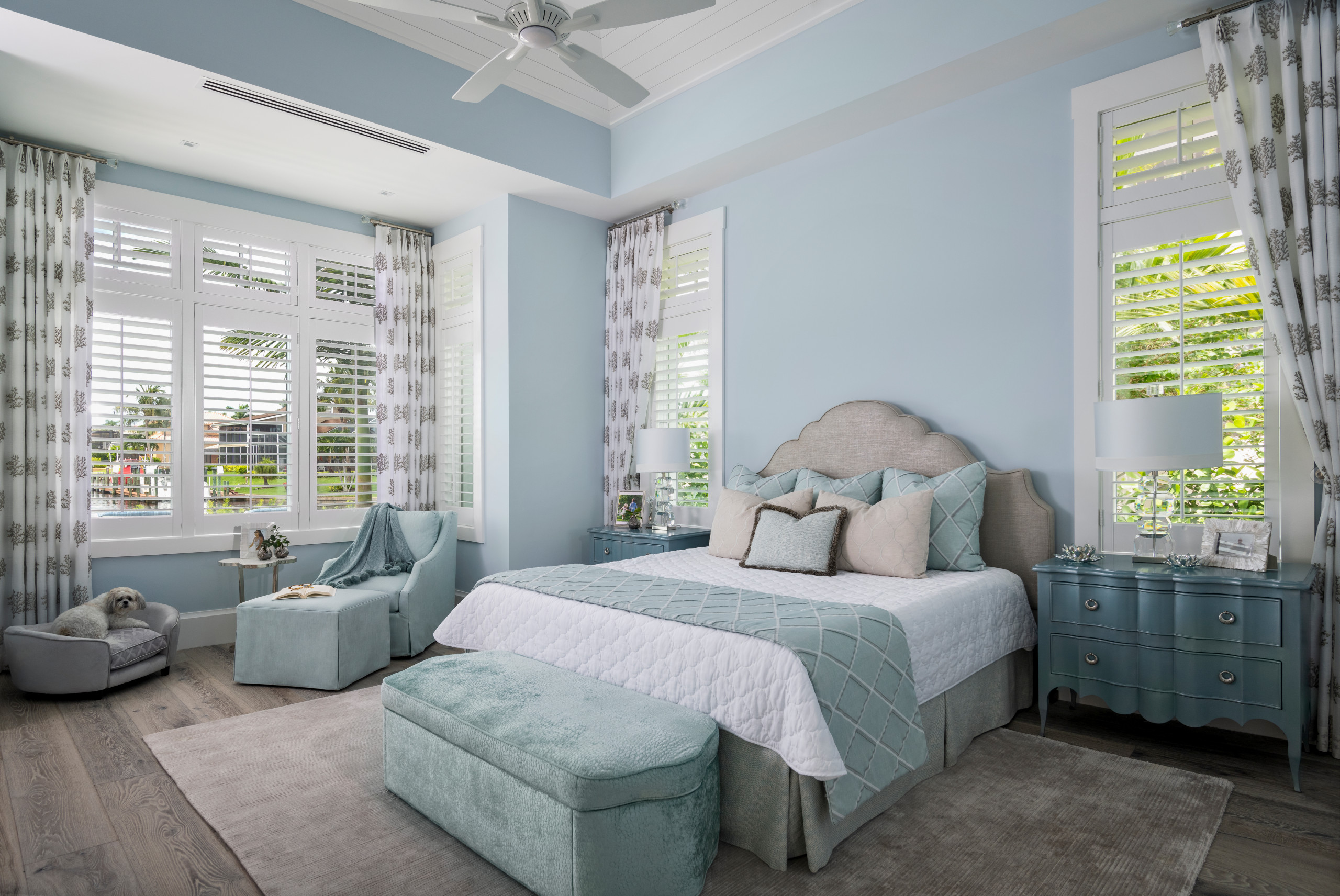
- Calm and Serenity: Mimicking the vastness of the sky and the gentle rhythm of the ocean, pale blue inherently promotes feelings of peace and tranquility. It’s the ultimate color for unwinding after a long day.
- Promotes Better Sleep: Studies suggest that blue light (in its natural, soothing form, not from screens!) can lower heart rate and blood pressure, creating an ideal environment for restful sleep.
- Versatile and Timeless: Unlike trend-driven colors, pale blue possesses a timeless elegance. It adapts beautifully to various design styles, from modern minimalist to cozy farmhouse, ensuring your bedroom won’t feel dated in a few years.
- Expands Small Spaces: Lighter shades of blue recede visually, making smaller rooms feel more open and airy. This can be a game-changer for compact bedrooms.
- Creates a ‘Clean’ Feel: Associated with cleanliness and freshness, pale blue can make a room feel inherently tidy and inviting.
Decoding Pale Blue: Understanding Undertones is Key
Here’s the secret to choosing a pale blue that doesn’t just sit on your walls, but truly enhances your space: undertones. These subtle hints of other colors within the blue dictate its personality and how it interacts with light and other elements in your room. Ignore them at your peril!
Blue-Gray Undertones: Sophisticated & Muted
These blues have a significant amount of gray mixed in, which softens their intensity and gives them a more sophisticated, almost atmospheric quality. They feel modern, grounded, and incredibly versatile.
- Vibe: Understated elegance, contemporary, calm, adaptable.
- Why it works for bedrooms: The gray mutes the blue, preventing it from feeling too stark or cold. It creates a cocoon-like effect that’s perfect for relaxation.
- Examples: Benjamin Moore Gray Owl (can read blue-gray), Sherwin-Williams Niebla Azul, Farrow & Ball Skylight.
Blue-Green Undertones: Serene & Spa-Like
When blue meets green, you get a refreshing, often coastal-inspired hue. These blues tend to be warmer and more inviting than pure blues, evoking images of sea glass and gentle waves.
:max_bytes(150000):strip_icc()/AJ_1150_0298copy-91ea6327686844c0a0261f46697d42e5.jpg "30 Light Blue Paint Colors")
- Vibe: Tranquil, natural, refreshing, spa-like, slightly invigorating yet calming.
- Why it works for bedrooms: The hint of green adds a touch of warmth and an organic feel, making the room feel connected to nature. It’s particularly excellent for creating a restorative sanctuary.
- Examples: Benjamin Moore Palladian Blue, Sherwin-Williams Rainwashed, Benjamin Moore Woodlawn Blue.
“True” Pale Blue Undertones: Crisp & Classic
These are your pure, unadulterated pale blues – light, airy, and straightforward. They often have a slight crispness that makes a room feel fresh and expansive. They can sometimes lean towards a very subtle violet if not careful, but generally feel clean.
- Vibe: Classic, airy, clean, refreshing, traditional.
- Why it works for bedrooms: For those who love a straightforward, traditional blue that feels undeniably fresh and light. They make a room feel brighter and more open.
- Examples: Benjamin Moore Ocean Air, Sherwin-Williams Upward, Sherwin-Williams Hinting Blue.
Blue-Purple Undertones: Whimsical & Ethereal
These pale blues have just a whisper of violet, giving them a soft, dreamy, and sometimes slightly whimsical quality. They are less common but can create a truly unique and ethereal atmosphere.
- Vibe: Dreamy, soft, feminine, romantic, unique.
- Why it works for bedrooms: The purple notes add a layer of softness and warmth that makes the blue feel less sterile and more enveloping.
- Examples: Benjamin Moore Whispering Spring (can lean very subtle lilac-blue).
Top Contenders: Our Expert-Picked Pale Blues for Bedrooms
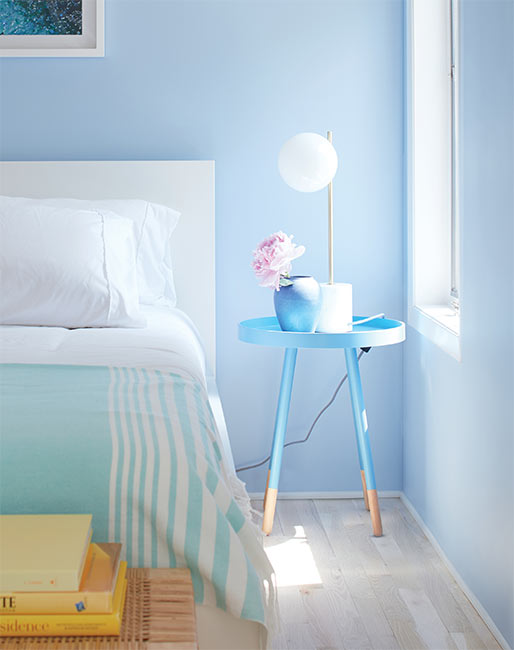
Now that you understand the crucial role of undertones, let’s explore some of the most beloved and effective pale blue paint colors for bedrooms. We’ve curated this list to give you a range of options, highlighting what makes each one special. Remember, viewing swatches in your own home under different lighting conditions is paramount!
| Paint Name | Brand | Primary Undertone | Ideal Room Light | Mood/Vibe | Best Paired With |
|---|---|---|---|---|---|
| Palladian Blue (HC-144) | Benjamin Moore | Blue-Green | Any, but shines in South/West-facing rooms | Spa-like, coastal, refreshing, airy | Warm whites, natural wood, linen, brass |
| Rainwashed (SW 6211) | Sherwin-Williams | Blue-Green-Gray | All directions, especially North-facing | Soft, comforting, sophisticated, tranquil | Cream, light gray, dark wood, silver accents |
| Woodlawn Blue (HC-147) | Benjamin Moore | Blue-Green | Good in North/East, lovely in South light | Historic, calming, gentle, refined | Crisp white trim, dark cherry, patterned textiles |
| Tradewind (SW 6218) | Sherwin-Williams | Blue-Gray-Green | Versatile, excels in natural light | Clean, inviting, slightly coastal, fresh | White, beige, light oak, woven textures |
| Ocean Air (2123-50) | Benjamin Moore | True Blue (very subtle gray) | South/West-facing rooms with warm light | Pure, ethereal, bright, classic | Cool whites, silver, glass, minimalist decor |
| Skylight (No.205) | Farrow & Ball | Blue-Gray | Any, adapts well to changing light | Sophisticated, muted, atmospheric, soft | Crisp white, dark wood, antique brass, velvet |
| Niebla Azul (SW 9137) | Sherwin-Williams | Dusty Blue-Gray | North-facing, or rooms needing coziness | Serene, dusty, enveloping, calm | Rich creams, natural textures, warm metals |
| Good Jeans | Clare Paint | True Blue (with a hint of gray) | Bright, well-lit rooms | Comfortable, classic, relaxed, clean | White, light woods, terracotta, denim textures |
Remember, these are starting points. The real magic happens when you bring these samples home.
Matching Your Pale Blue to Your Bedroom’s Unique Personality
Your bedroom isn’t a blank canvas in a showroom; it’s a unique space with its own light, size, and existing elements. Here’s how to tailor your pale blue choice to fit like a glove.
Considering Natural Light: The Game Changer
The direction your bedroom windows face dramatically impacts how any color appears. This is probably the single most important factor after undertones.
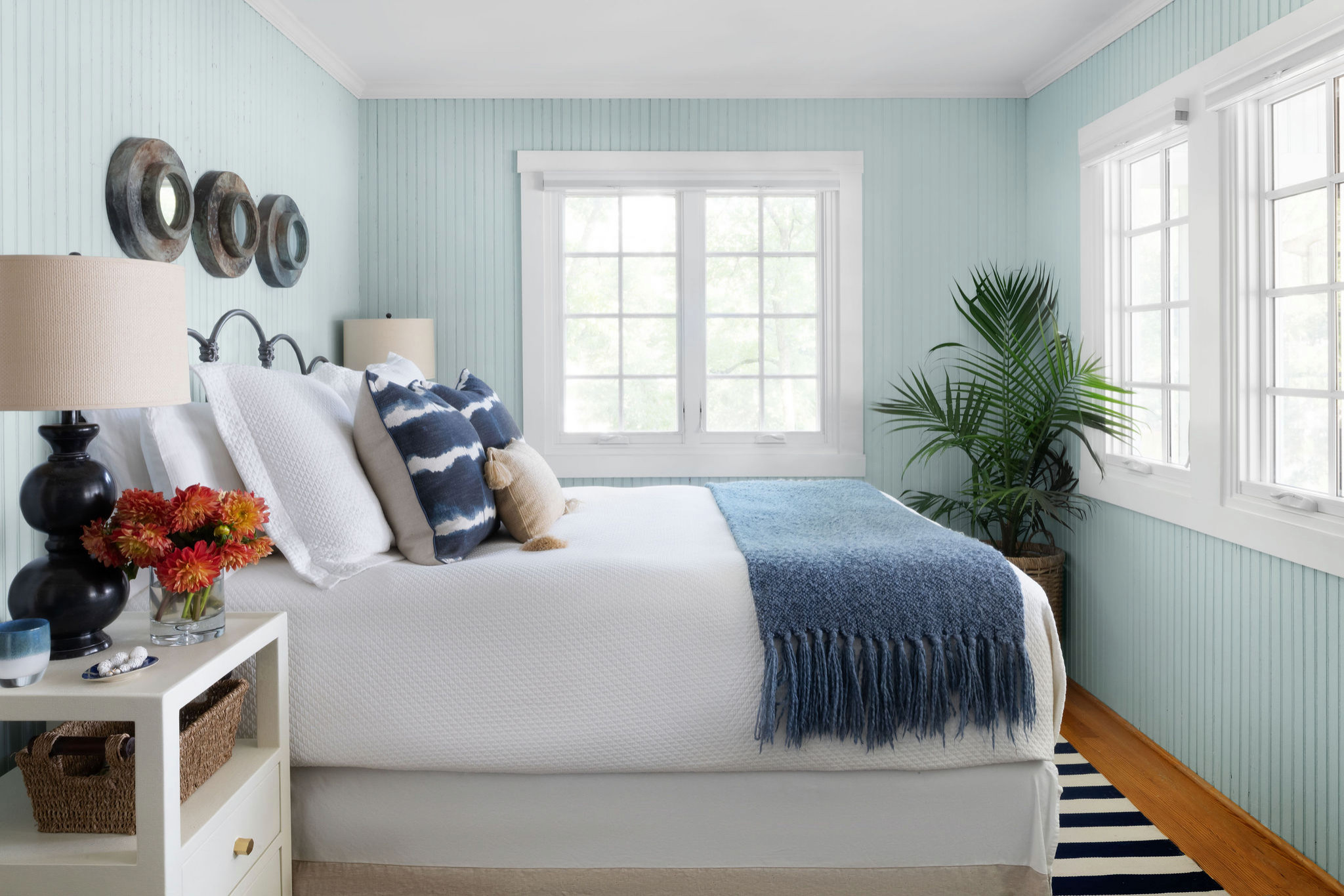
- North-Facing Rooms (Cool, Blue Light): These rooms receive indirect light that can make colors appear cooler. To prevent your pale blue from feeling icy, lean towards shades with blue-green or blue-gray undertones. These hints of warmth or gray will balance the cool natural light.
- South-Facing Rooms (Warm, Bright Light): Blessed with abundant warm light throughout the day, these rooms can handle almost any pale blue. Crisp true blues will pop, while blue-gray or blue-green options will feel incredibly soft and serene.
- East-Facing Rooms (Morning Sun, Cool Afternoon): East-facing rooms get bright, warm light in the morning, which shifts to cooler light later in the day. A balanced blue-green or true pale blue works well, feeling fresh in the morning and maintaining calm as the light changes.
- West-Facing Rooms (Intense Afternoon/Evening Sun): These rooms get hot, strong light in the afternoon, which then softens into beautiful evening glows. A muted blue-gray can help temper the intensity of the late-day sun, creating a calming transition.
Room Size and Ceiling Height: Creating an Illusion
- Making Small Rooms Feel Bigger: Pale blues, being light and cool, naturally recede, making walls feel further away. This optical illusion makes smaller bedrooms appear more spacious and airy.
- Cohesive Expansiveness: For an even grander sense of space, consider painting your ceiling the same pale blue as your walls, or a slightly lighter tint. This blurs the line where the wall ends and the ceiling begins, creating a seamless, enveloping effect.
- High Ceilings: If you have high ceilings and want a cozier feel, a slightly deeper pale blue or a uniform color on walls and ceiling can help bring the perceived height down, making the room feel more intimate.
Desired Mood: Beyond Just “Calm”
- Spa-like Retreat: Opt for blue-green pale blues (e.g., Palladian Blue, Rainwashed). Pair with natural textures, white linens, and minimal decor.
- Modern & Sophisticated: Choose a blue-gray (e.g., Skylight, Niebla Azul). Complement with sleek furniture, crisp whites, and metallic accents.
- Classic & Airy: A true pale blue (e.g., Ocean Air, Good Jeans) will give you that timeless, fresh bedroom feel. Pair with traditional white trim, light wood furniture, and soft cottons.
- Whimsical & Dreamy: If you want a subtle, unique touch, explore pale blues with blue-purple undertones. Combine with delicate patterns, soft lighting, and perhaps a touch of blush or lavender.
The Art of Pairing: What Works Best with Pale Blue
Your pale blue walls are the backdrop; now it’s time to bring the room to life. Thoughtful pairing of furniture, textiles, and accents will elevate your bedroom from merely painted to beautifully designed.
Complementary Colors: Building a Harmonious Palette
While pale blue is incredibly versatile, certain colors enhance its beauty and solidify your desired mood:
- Neutrals (Your Best Friends):
- Crisp White: For a classic, clean, and airy look. Ideal for trim, bedding, and foundational pieces.
- Cream/Off-White: A warmer alternative to white, softening the blue and adding a cozy, inviting feel.
- Light Gray: Creates a sophisticated, modern, and serene palette. Works beautifully with blue-gray pale blues.
- Beige/Linen: Brings in natural warmth and texture, perfect for a relaxed, organic feel.
- Warm Accents (To Prevent Coldness):
- Soft Coral or Blush Pink: A gentle contrast that adds warmth, romance, and a touch of femininity. Think throw pillows or a small art piece.
- Muted Gold or Brass: Instantly elevates the space, adding a touch of luxury and warmth through hardware, lighting fixtures, or decorative objects.
- Natural Wood Tones: Whether it’s light oak, rustic pine, or rich walnut, wood introduces organic warmth and texture that perfectly grounds a pale blue room.
- Contrasting Depth (Used Sparingly):
- Deep Navy: A few accents can add a sophisticated punch and anchor the pale blue without overpowering it.
- Charcoal Gray: Similar to navy, a touch of charcoal can add modern depth and drama.
Furniture & Textiles: Texture and Comfort
- Furniture:
- Light Woods: Oak, maple, birch, or even whitewashed pieces keep the room feeling bright and airy.
- White Painted Furniture: Classic and clean, it enhances the freshness of pale blue.
- Upholstered Pieces: Headboards or accent chairs in linen, cotton, or a performance fabric in a neutral shade (gray, cream) add softness and comfort.
- Textiles:
- Natural Fibers: Think linen sheets, cotton duvets, cashmere throws. These add softness, texture, and breathability.
- Subtle Patterns: Gentle stripes, delicate botanicals, or muted geometric patterns in complementary colors will add interest without overwhelming the serene blue.
- Layers: Don’t underestimate the power of layered bedding, curtains, and rugs to create a cozy, inviting feel.
Lighting: Setting the Mood Right
- Warm Light Bulbs: Crucial! Use bulbs with a color temperature between 2700K (warm white) and 3000K (soft white). This prevents pale blue from appearing cold or stark, especially in north-facing rooms. Avoid anything above 4000K (cool white).
- Layered Lighting: Combine ambient light (ceiling fixture), task lighting (bedside lamps), and accent lighting (decorative lamps, wall sconces) to create depth and allow for different moods.
- Natural Light Maximization: Keep window treatments simple. Sheer white or linen curtains allow maximum natural light to filter through, enhancing the airy feel.
Finishes & Sheen: The Subtle Difference
The finish of your paint can drastically change its appearance and durability.
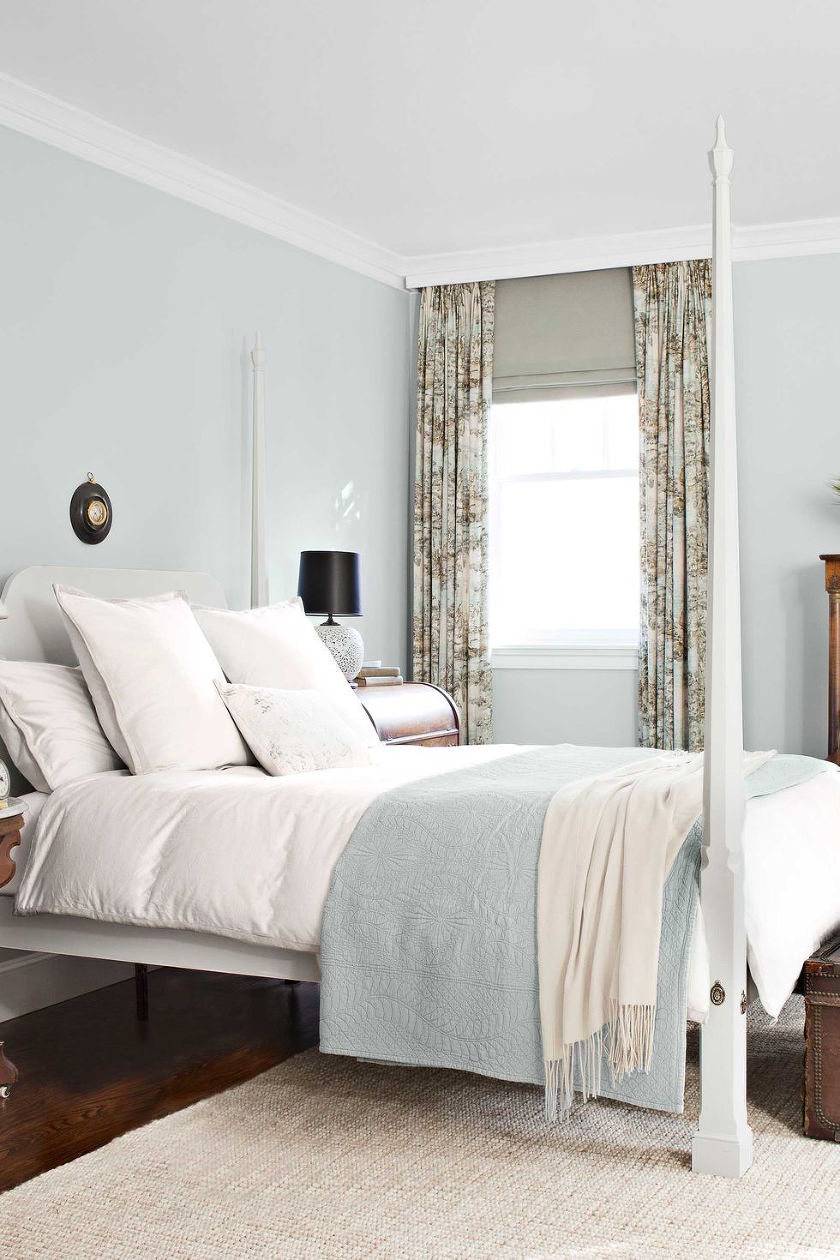
- Walls: Matte or Eggshell. For bedrooms, a matte or eggshell finish is generally preferred. They offer a soft, velvety look that absorbs light, making the color appear richer and more soothing. They also help hide minor wall imperfections.
- Trim: Satin or Semi-Gloss. For doors, window frames, and baseboards, a satin or semi-gloss finish provides durability and a subtle contrast, highlighting architectural details. The slight sheen is also easier to clean.
Your Pale Blue Bedroom: Practical Tips for Success
Choosing the color is half the battle; ensuring it looks perfect in your home is the other. Here are actionable tips to guarantee a successful paint project.
Always Sample, Sample, Sample!
I cannot stress this enough. What looks perfect on a tiny swatch in a store will look entirely different on a large wall in your bedroom. Here’s how to do it right:
- Buy Sample Pots: Invest in sample pots of your top 2-3 pale blue choices.
- Paint Large Swatches: Don’t just dab a tiny bit. Paint at least 2ft x 2ft squares on multiple walls in your bedroom. Better yet, paint them on large white poster boards that you can move around.
- Observe in Different Lights: Watch how the colors change throughout the day – morning, noon, evening, and with artificial light. Pay attention to how the undertones reveal themselves.
- Live with It: Leave the samples up for a few days. You’ll be surprised how your initial preference might shift.
Test with Existing Elements
Before committing, hold your paint samples up against your existing furniture, bedding, flooring, and window treatments. Do they clash? Do they harmonize? This step is crucial for ensuring a cohesive look.
Consider the “Fifth Wall”
Your ceiling is often overlooked, but it’s a huge surface. Painting it a very light tint of your wall color or even the same pale blue can create a truly enveloping, sophisticated space, making the room feel taller and more cohesive. Alternatively, a crisp white ceiling can make the walls pop.
Prep is Everything
Even the best paint color will look subpar on poorly prepared walls. Clean your walls thoroughly, patch any holes or imperfections, and use a good quality primer, especially if you’re covering a dark color or if your walls are unevenly porous. This ensures true color adhesion and an even finish.
Beyond the Paint Can: Elevating Your Pale Blue Sanctuary
Once your walls are beautifully painted, the real fun begins – decorating! Here’s how to add the finishing touches that transform your pale blue bedroom into a true sanctuary.
- Incorporate Greenery: Living plants (like a snake plant, ZZ plant, or pothos) bring life, natural texture, and a pop of vibrant green that complements pale blue beautifully. Plus, many are air purifiers!
- Layer Textures: A variety of textures prevents a pale blue room from feeling flat. Think a chunky knit throw, a plush rug, soft linen curtains, and a mix of pillow materials.
- Personal Touches: This is your space. Display meaningful artwork, cherished photographs, or unique decorative objects. These personal elements add character and make the room truly yours.
- Strategic Mirrors: A well-placed mirror can reflect natural light and the pale blue walls, making the room feel even larger and brighter.
Conclusion: Embrace the Serenity of Pale Blue
Choosing the best pale blue for your bedroom is a journey of understanding light, undertones, and your personal style. It’s not about finding a single “perfect” shade, but rather finding the perfect shade for you. By leveraging the psychology of blue, understanding its subtle nuances, and thoughtfully pairing it with complementary elements, you can create a bedroom that isn’t just painted, but truly designed – a serene, restorative haven where you can relax, recharge, and sleep soundly. Go forth, sample boldly, and enjoy the calm that awaits!