How to Paint a Room with Vaulted Ceilings: Your Definitive DIY Guide
Those soaring vaulted ceilings? Majestic, yes. A pain to paint? Often. But I’m here to tell you it’s absolutely doable, and you don’t need to be a seasoned pro (or hire one for a fortune) to transform your space. Painting a room with vaulted ceilings might seem intimidating, but with the right planning, tools, and techniques, you can achieve a stunning, professional-looking finish that elevates your entire home. Let’s tackle this beast together.
Why Painting Vaulted Ceilings is a Different Beast (And How to Tame It)
Unlike flat ceilings or standard walls, vaulted ceilings introduce a few unique wrinkles that demand a different approach. Ignoring these can lead to frustration, uneven finishes, and even safety hazards.
The Unique Challenges:
- Extreme Height: Accessing the highest points safely is paramount.
- Tricky Angles: Maintaining straight lines and even coverage on sloping surfaces requires precision.
- Light Play: The way natural and artificial light hits a vaulted ceiling can exaggerate imperfections if the paint isn’t applied flawlessly.
- Physical Strain: Working overhead for extended periods is tiring and demanding.
The Immense Reward:
Despite the challenges, a freshly painted vaulted ceiling can dramatically impact your room. It can:
- Brighten a dim space.
- Make a room feel even larger and more open.
- Highlight architectural features.
- Update the overall aesthetic and feel of your home.
Phase 1: The Strategic Blueprint – Planning & Preparation
Success in painting vaulted ceilings is 90% preparation. Skimping on this phase will haunt you later, I promise.
Step 1: Understand Your Vaulted Ceiling’s Anatomy
Not all vaulted ceilings are created equal. Identifying your specific type will inform your tool choices and painting strategy.
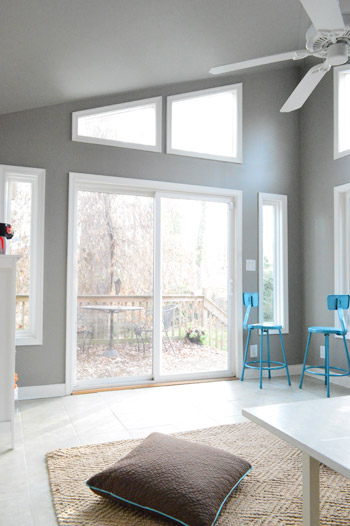
- The Pure Vault (Cathedral): These slope continuously from the walls up to a central peak, forming an inverted ‘V’ or ‘A’. They often lack a flat top section.
- Vault with a Flat Peak: Here, the walls slope upward but meet a horizontal, flat ceiling section at the very top. This is a common design, often seen in living rooms.
- Complex Vaults: This includes tray ceilings (where the center section is higher and recessed), coffered ceilings (featuring a grid of recessed panels), or multi-faceted designs with varying angles.
Step 2: The Right Paint & Finish for High Impact
Your paint choice, especially the sheen, is critical for vaulted ceilings. It dictates how light reflects, how flaws appear, and how durable the surface will be.
Color: Light vs. Dark – What Works Where?
- Lighter Colors (Whites, Off-Whites, Light Grays, Pastels): These are classics for a reason. They reflect light, making the room feel more expansive and airy. They’re excellent for emphasizing height.
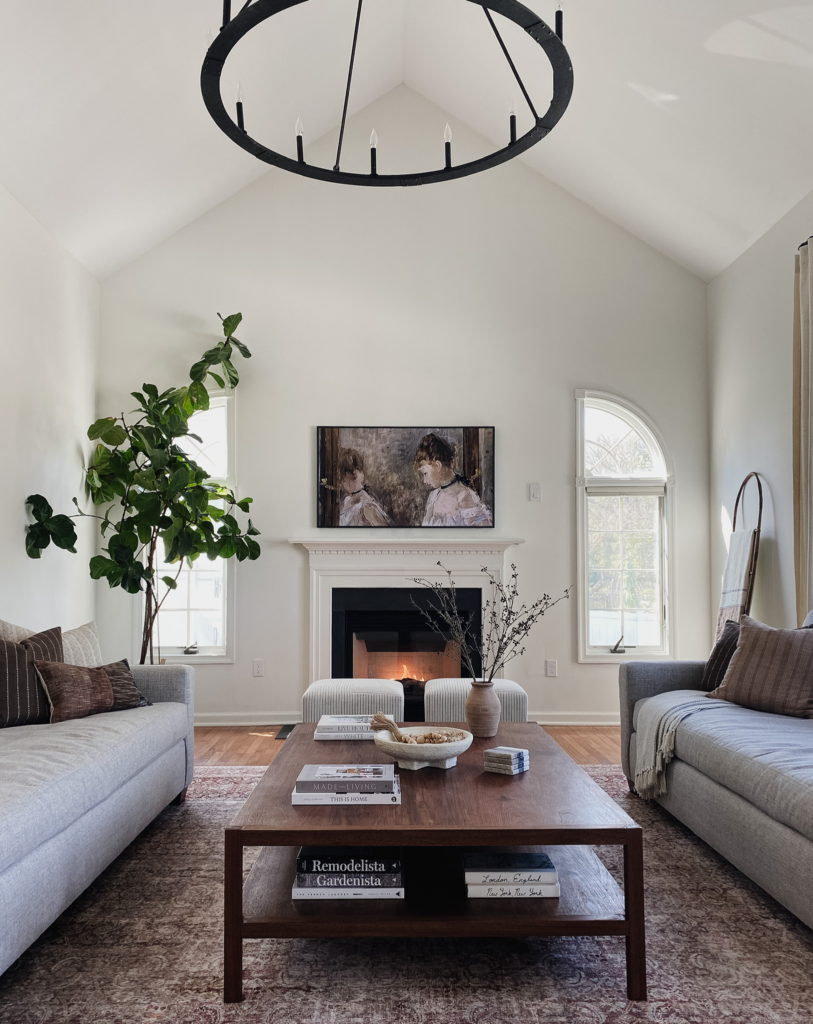
- Matching Walls to Ceiling: Painting the ceiling the same color as the walls can create a seamless, enveloping feel, blurring the lines and making the space feel more cohesive, especially in smaller rooms or where you want a cozy vibe.
- Darker Colors: A bold choice! Darker hues can make a vaulted ceiling feel more intimate and dramatic. However, they can also absorb light, making the room feel smaller, so use them thoughtfully in larger spaces or with ample natural light. They also tend to show imperfections more readily.
Sheen Selection: Minimize Flaws, Maximize Beauty.
This is where many DIY painters go wrong with vaulted ceilings. The high angle and varied light exposure mean that too much sheen can highlight every tiny imperfection. Here’s a quick guide:
| Paint Finish | Sheen Level | Pros for Vaulted Ceilings | Cons for Vaulted Ceilings | Recommended Use |
|---|---|---|---|---|
| Flat | No-sheen | Excellent at hiding surface imperfections; provides a soft, elegant look; absorbs light beautifully. | Least durable; difficult to clean; can show ‘flashing’ (uneven sheen) if applied poorly. | Most common choice for ceilings; ideal for disguising minor flaws. |
| Matte | Very low sheen | Similar to flat but slightly more durable; good at hiding flaws while offering a touch more richness. | Still not highly washable; can still show some flashing. | A good compromise if you want more depth than flat without noticeable shine. |
| Eggshell | Low sheen (slight luster) | More durable and washable than flat/matte; offers a subtle glow without being distracting. | Will reveal more surface imperfections than flat/matte; careful application needed to avoid roller marks. | Acceptable for walls, but generally too much sheen for most vaulted ceilings, unless perfectly smooth. |
| Satin | Medium sheen (noticeable luster) | Very durable and washable; good for high-traffic areas. | Will highlight every imperfection on a ceiling; difficult to apply without showing lap marks or streaks. | Generally not recommended for vaulted ceilings due to its high reflectivity and tendency to show flaws. |
Expert Insight: For most vaulted ceilings, a flat or matte finish is your safest and most aesthetically pleasing bet. They absorb light and minimize the appearance of minor imperfections, which are notoriously difficult to spot and fix on a high, angled surface.
Step 3: Arm Yourself: Essential Tools & Non-Negotiable Safety Gear
This isn’t a job for your standard step stool. You’ll need specialized equipment to reach those heights safely and effectively.
High-Reach Heroes:
- Extension Poles: Your absolute best friend. Get a sturdy, telescoping pole that extends to at least 8-12 feet. This will allow you to reach most vaulted areas while keeping your feet on a safe platform.
- Specialty Rollers: A good quality roller frame and covers are essential. Consider a larger 18-inch roller for efficiency on wide, flat sections (if you have them) and smaller 9-inch rollers for the angled parts.
- Paint Sprayer (Optional/Pro-Level): While incredibly fast and efficient for large, smooth surfaces, sprayers have a steep learning curve, require extensive masking, and are usually overkill for a single room DIY project. I’ll focus on roller/brush techniques, but it’s good to know they exist.
The Ascent Arsenal:
Safety here is non-negotiable. Don’t cheap out or cut corners.
- A-Frame Ladder: Good for reaching mid-height sections and cutting in along edges. Ensure it’s tall enough to comfortably reach your working area when fully open.
- Multi-Position Ladder: Highly versatile, these can be used as A-frames, extension ladders, or even as scaffolding bases. A fantastic investment.
- Extension Ladder: If you need to reach extreme heights from the floor, an extension ladder is necessary. Always have a spotter and ensure it’s properly secured.
- Scaffolding (DIY Alternatives): For truly high or complex vaults, scaffolding offers the most stable and safest platform. You can rent scaffolding towers. For DIY alternatives, consider sturdy, wide planks spanning between two equally sturdy A-frame ladders (ensure they’re rated for this use and locked open), or work platforms. Always ensure your setup is stable, level, and rated for your weight plus paint/tools.
Safety First:
- Safety Goggles: Protect your eyes from drips and splatters.
- Work Gloves: Keep hands clean and provide a better grip.
- Dust Mask/Respirator: Essential for sanding and protecting against paint fumes, especially in poorly ventilated spaces.
- Non-Slip Footwear: Crucial for stability on ladders and platforms.
- Spotter: For extension ladders and complex scaffolding setups, a second pair of eyes and hands is invaluable.
Prep Provisions:
- Drop Cloths: Heavy-duty canvas or plastic sheeting to protect floors and furniture.
- Painter’s Tape: High-quality tape (e.g., FrogTape for crisp lines, delicate surface tape for wallpaper/fresh paint) is essential for masking trim, windows, and creating sharp cut-in lines.
- Spackle & Sandpaper: For repairing holes and cracks.
- Primer: Especially important for color changes or uneven surfaces.
- Cleaning Supplies: Degreaser, sponges, buckets for wall prep.
Table: High-Reach Tools for Vaulted Ceilings
| Tool | Best Use for Vaulted Ceilings | Pro Tip |
|---|---|---|
| Telescoping Extension Pole | Rolling large sections of vaulted ceiling, extending brushes for cutting in. | Choose a sturdy, fiberglass or aluminum pole. Test its full extension stability before starting. |
| Angled Paint Brush | Cutting in crisp lines where walls meet angles, or around beams. | A 2.5-inch angled sash brush offers excellent control. Don’t overload it with paint. |
| 9-inch Roller & Frame | Main application for most vaulted surfaces. | Attach securely to your extension pole. Use a high-quality roller cover (nap size matters!). |
| A-Frame Ladder | Reaching lower-to-mid height angles for cutting in and detail work. | Ensure it’s fully open and locked. Place on a stable, level surface. Never stand on the very top step. |
| Multi-Position Ladder / Work Platform | Versatile for various heights and creating stable, wider work areas. | Great for moving along a longer wall section. Always read the weight limits and safety instructions. |
| Paint Edger Tool | Quickly cutting in along straight lines (e.g., where ceiling meets a flat wall section). | Can save time, but practice first. May not be ideal for very acute angles. |
Step 4: Transform Your Room into a Painting Zone
Before any paint touches a surface, the room needs to be prepped like a surgical suite.
- Clear It Out: Remove all furniture, decor, wall hangings, and light fixtures if possible. If large furniture can’t be removed, push it to the center of the room and cover it completely with plastic sheeting.
- Cleanse & Repair: This is crucial! Vaulted ceilings can collect dust, cobwebs, and even kitchen grease. Use a duster with an extension pole, then wash the entire surface with a mild detergent solution (like TSP substitute) and rinse thoroughly. Patch any cracks, holes, or imperfections with spackle and sand smooth. Dust from sanding will need to be wiped clean.
- Masking Mastery: This will save you headaches. Apply high-quality painter’s tape along all edges where the ceiling meets walls (if painting a different color), trim, window frames, and around light fixture bases. Press the tape firmly to prevent bleed-through. Cover your floors completely with heavy-duty drop cloths, extending them right up to the baseboards.
- Prime Time: Don’t skip primer, especially if you’re making a drastic color change (dark to light or vice versa), painting over stains, or covering newly repaired areas. Primer provides a consistent base for your paint, improving adhesion and ensuring a more even final color. You can get primers tinted to be closer to your final paint color, which reduces the number of topcoats needed.
Phase 2: The Art of Application – Painting Your Vaulted Oasis
With a solid plan and all your gear ready, it’s time to bring your vision to life. Remember, patience and steady hands are your best tools here.
Step 5: The “Cut-In” Challenge: Edges, Corners, & Peaks
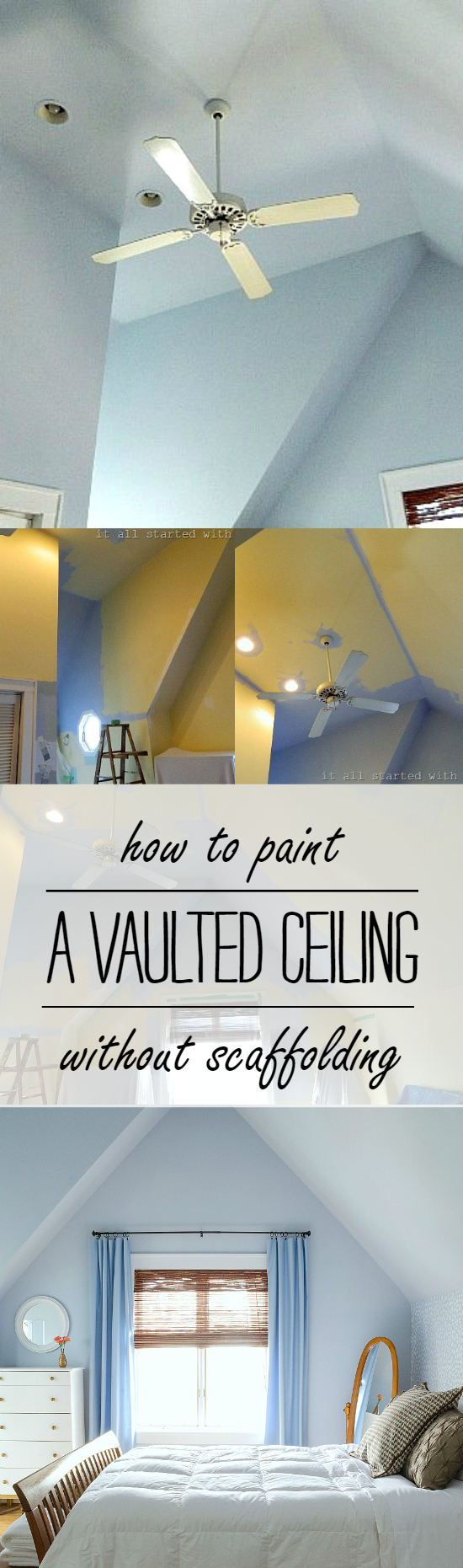
Cutting in is the meticulous process of painting along edges with a brush before rolling the larger areas. On vaulted ceilings, this is even more critical due to the angles.
- From the Top Down: Always start painting at the highest point of your ceiling. This prevents drips from marring already-painted lower sections. Begin by cutting in along the very peak.
- Brushwork Brilliance: Use your angled brush and a steady hand. Load about one-third of the bristles with paint, wipe off any excess, and gently apply, letting the angle of the brush guide your line.
- Tape Tactics: If you’ve taped off a crisp line where a wall color meets the ceiling, paint slightly onto the tape for a perfect seal. You’ll pull the tape off later.
- Work in Sections: Cut in one manageable section (e.g., one angled plane) before moving to roll it, ensuring your wet edges overlap.
Step 6: Rolling the Vaulted Expanses
Now for the main event! This is where your extension pole becomes indispensable.
- Extension Pole Etiquette: Attach your roller securely to the pole. Hold the pole with both hands, using your body weight to guide the roller rather than just your arm strength. This reduces fatigue and ensures more even pressure.
- Roller Nap Know-How: For smooth or lightly textured ceilings, a 3/8-inch or 1/2-inch nap roller cover is usually ideal. For heavier textures, you might need a 3/4-inch nap to get paint into all the crevices.
- The “W” Technique: Load your roller evenly in a paint tray. Apply paint using a “W” or “M” pattern, then fill in the gaps without lifting the roller. Work in 3×3 or 4×4 foot sections. This technique helps ensure even coverage and minimizes lap marks.
- Maintain a Wet Edge: This is crucial for avoiding streaks and uneven finishes. Always roll into a previously painted, still-wet section. Don’t let a section dry completely before continuing to the next.
- Dealing with Awkward Angles: For very tight angles or areas where a full-size roller won’t fit, you may need to switch to a smaller 4-inch roller or even use your brush to blend.
Step 7: Special Considerations for Different Vaulted Styles
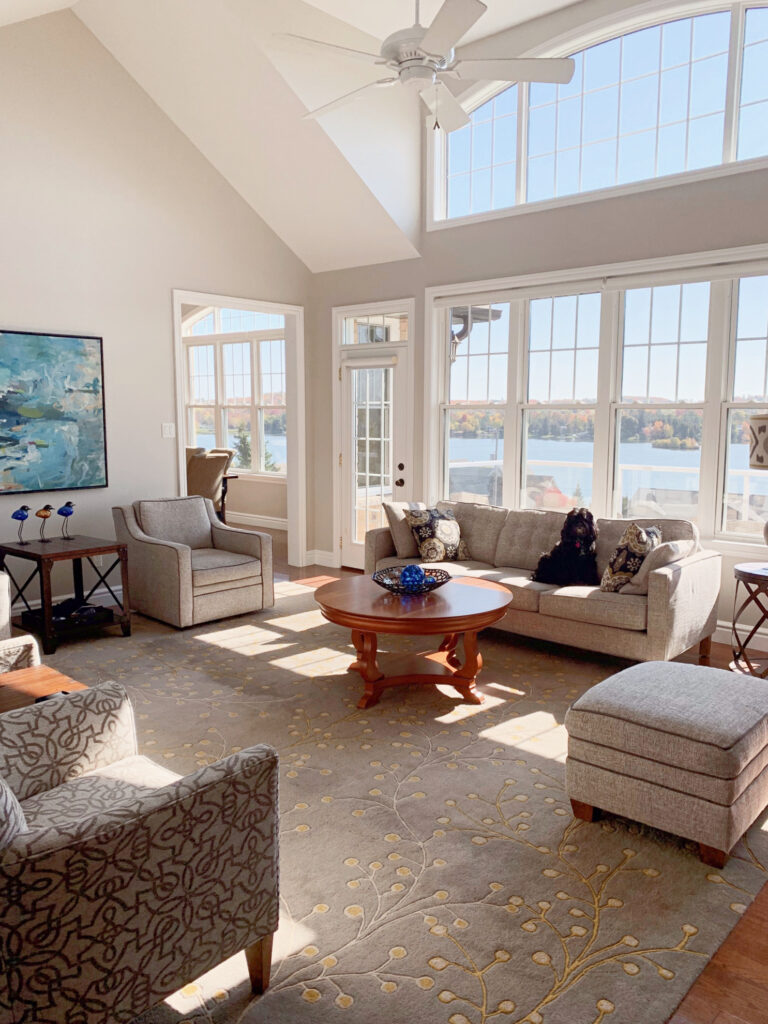
- Painting a Flat Peak: If your vaulted ceiling has a horizontal, flat section at the top, treat this area like a standard flat ceiling. Cut in its edges first, then roll with your extension pole. Ensure smooth transitions where the angled sections meet the flat.
- Seamless Wall-to-Ceiling Transitions: If you’re painting your vaulted ceiling and walls the same color, you don’t need to tape off the line. Just paint directly from wall to ceiling in a continuous motion, ensuring a smooth blend. If you’re using different colors, rely on your carefully applied painter’s tape to get that sharp division.
- Beams & Trusses: Exposed beams or trusses can be a design feature or a hindrance.
- To Paint or Not to Paint: If you want them to recede, paint them the same color as the ceiling. If you want them to stand out, paint them a contrasting color or keep them natural wood (ensuring they are sealed/finished appropriately).
- Technique: If painting, use a brush to meticulously cut around the beams first, then roll the larger ceiling sections. Be extra careful with drips.
Step 8: The Second Coat & Beyond: Patience Pays Off
Rarely does one coat suffice, especially with color changes or high-quality paint. Always apply at least two coats.
- Waiting for Proper Dry Time: Read your paint can’s instructions carefully. Most paints recommend waiting 2-4 hours between coats, but humidity and temperature can affect this. Painting too soon will pull up the previous coat and create a mess.
- Inspecting for Missed Spots: After the first coat dries, step back and examine the ceiling from various angles and lighting conditions. Use a flashlight if needed to spot any thin areas or missed spots.
- Repeat the Process: Follow the same cut-in and rolling technique for your second coat.
Phase 3: The Grand Finale – Finishing Strong & Troubleshooting
You’re almost there! The last steps involve cleaning up and addressing any minor issues.

Step 9: The Reveal: Clean-Up & Inspection
- Peeling Tape Carefully: Once the final coat is dry to the touch (but not fully cured), slowly and carefully peel off all painter’s tape. Pull it at a 45-degree angle away from the painted surface for the cleanest lines. If you wait until the paint is completely hard, it might peel off with the tape.
- Touching Up Minor Imperfections: Using a small artist’s brush, gently touch up any tiny areas where paint might have bled or where coverage is thin.
- Cleaning Tools: Clean your brushes and roller covers immediately with warm, soapy water (for latex/water-based paints). Store them properly for future use.
- Final Inspection: Once everything is dry, place furniture back, and enjoy your beautifully transformed room!
Common Vaulted Ceiling Painting Hurdles (And Their Solutions)
- Problem: Streaks & Flashing (Uneven Sheen):
- Cause: Uneven application, not maintaining a wet edge, painting in varying temperatures.
- Solution: Ensure even roller pressure. Work quickly to keep a wet edge. Use a high-quality, flat-finish ceiling paint. If persistent, apply a thin, even third coat.
- Problem: Drips & Splatters:
- Cause: Overloading brush/roller, rushed work, not wiping excess paint.
- Solution: Don’t overload. Tap your brush or roll off excess paint in the tray. Work methodically. Always wear safety goggles!
- Problem: Neck & Arm Fatigue:
- Cause: Working overhead for long periods.
- Solution: Take frequent breaks. Stretch your neck and shoulders. Use lightweight extension poles. Consider a painting vest or harness for support if you’re doing extensive work.
When to Call in the Big Guns (A Professional Painter)
While DIY is empowering, sometimes a project is just too big, too complex, or too risky. Consider hiring a pro if:
- Your ceilings are exceptionally high (over 15-20 feet) and require specialized scaffolding you’re not comfortable with.
- The ceiling has intricate architectural details (e.g., highly decorative coffering, complex crown molding) that demand expert precision.
- You have severe physical limitations or fear of heights.
- You simply don’t have the time or patience for such a demanding project.
Hiring a pro brings expertise, specialized equipment, and often, insurance. Here’s a quick look at the trade-offs:
Table: DIY vs. Pro Painting for Vaulted Ceilings: A Cost-Benefit Snapshot
| Aspect | DIY Painting | Professional Painting |
|---|---|---|
| Upfront Cost | Lower (materials & tool rental only) | Higher (labor, materials, equipment) |
| Time Investment | Significant (planning, prep, painting, cleanup) | Minimal for homeowner (scheduling, oversight) |
| Skill & Experience | Requires learning & practice, risk of imperfections. | Guaranteed expertise, high-quality finish. |
| Safety | Homeowner’s responsibility; higher risk of injury. | Professional equipment & trained crews; insured. |
| Convenience | Requires significant disruption to daily life. | Minimal disruption, quicker project completion. |
Final Thoughts
Painting a room with vaulted ceilings is a challenging but incredibly rewarding DIY project. By understanding the unique demands of these spaces, carefully planning your approach, investing in the right tools and safety gear, and executing with patience, you can achieve a stunning transformation. Step back, admire your handiwork, and enjoy your beautifully refreshed space. You earned it!
Frequently Asked Questions
What is the best type of paint finish for vaulted ceilings?
For most vaulted ceilings, a flat or matte paint finish is highly recommended. These finishes absorb light, which helps to hide minor imperfections, roller marks, and surface variations that can be exaggerated by the angles and lighting of a vaulted space. Avoid high-sheen paints like satin or semi-gloss, as they tend to highlight every flaw.
What essential tools do I need to paint high vaulted ceilings?
You’ll need a sturdy telescoping extension pole for your roller, high-quality angled paint brushes for cutting in, a reliable ladder (A-frame, multi-position, or extension depending on height), safety goggles, non-slip footwear, and drop cloths. For very high or complex ceilings, consider renting scaffolding or a stable work platform for enhanced safety and stability.
Should I paint vaulted ceilings the same color as the walls?
It depends on the desired effect. Painting the ceiling the same color as the walls can create a seamless, enveloping, and cohesive feel, making the room appear larger or more intimate. If you prefer to emphasize the architectural height or create a distinct boundary, a lighter, contrasting color for the ceiling can work well.
How do I safely reach the highest points of a vaulted ceiling?
Safety is paramount. Use a sturdy extension pole with your roller/brush to reach as much as possible from the floor or a stable ladder. For higher sections, invest in a multi-position ladder, an extension ladder (with a spotter and proper bracing), or rent scaffolding. Never overreach or stand on the top step of a ladder.
How do I avoid streaks and uneven finishes on a vaulted ceiling?
To avoid streaks and flashing (uneven sheen), ensure you apply paint evenly, maintain a ‘wet edge’ by working in manageable sections and overlapping while the paint is still wet, and use consistent roller pressure. Apply at least two thin coats rather than one thick one. Using a high-quality, flat-finish ceiling paint specifically designed for ceilings can also help.
Is it worth hiring a professional to paint vaulted ceilings?
Hiring a professional is often worth it for extremely high ceilings (over 15-20 feet), complex architectural details, or if you lack the time, tools, or physical ability for the demanding work. Professionals have the right equipment, experience, and insurance to ensure a high-quality, safe, and efficient job, though it comes at a higher cost than DIY.
How do I prepare a vaulted ceiling before painting?
Thorough preparation is key. Clear the room of furniture and decor, or cover items completely. Clean the entire ceiling surface to remove dust, cobwebs, and grease. Repair any cracks or holes with spackle and sand smooth. Apply painter’s tape to protect trim and adjacent walls, and lay down heavy-duty drop cloths to protect floors. Finally, apply a primer, especially for significant color changes or over repairs.