How Much Does It Really Cost to Paint a Room DIY? Your Definitive Budget Guide
Dreaming of a fresh new look for a room in your home? You’re not alone. Painting is one of the most popular DIY home improvement projects, and for good reason! It’s transformative, satisfying, and seems straightforward enough, right? But before you grab that brush and dive in, a crucial question pops up: how much does it actually cost to paint a room yourself?
Many online guides focus heavily on professional painting costs, leaving DIY enthusiasts guessing about the true out-of-pocket expense for doing it themselves. We’re here to change that. I’m going to break down every single cost, from the obvious gallons of paint to the often-forgotten prep materials, so you can budget accurately and avoid nasty surprises.
The Short Answer: How Much to Paint a Room DIY?
Alright, let’s get right to it. On average, you can expect to spend anywhere from $100 to $500 to paint a standard-sized room yourself. This wide range accounts for several key factors:

- Room Size: A small bathroom will cost significantly less than a large living room.
- Paint Quality: Budget-friendly paint costs less, but premium paints offer better coverage, durability, and a richer finish.
- Prep Work Needed: Are your walls pristine, or do they need extensive patching and sanding?
- Existing Tools: Do you need to buy everything from scratch, or do you already own some brushes, rollers, and drop cloths?
This estimate assumes you’re painting walls and perhaps some trim. If you’re tackling ceilings, doors, or complex architectural features, expect the cost (and time!) to climb. Let’s dig deeper into where that money goes.
Breaking Down the DIY Paint Project: What You Actually Need & What It Costs
Thinking about DIY painting means thinking beyond just the paint can. A successful, professional-looking finish requires a whole arsenal of supplies. Here’s a comprehensive look at the categories and what you can expect to spend.
Paint (The Star of the Show)
This is usually the biggest chunk of your budget, and where quality really matters. The price per gallon varies wildly based on brand, finish, and specific features (e.g., low-VOC, mold resistance, paint-and-primer-in-one).

- Budget-Friendly Paint: $20 – $35 per gallon. Often requires more coats, less durable.
- Mid-Range Paint: $35 – $60 per gallon. Good balance of quality, coverage, and durability. Often a solid choice for most DIYers.
- Premium Paint: $60 – $100+ per gallon. Excellent coverage (often one coat is enough), highly durable, rich colors, and advanced features. Worth it for high-traffic areas or specific desired effects.
Calculating How Much Paint You Need: A general rule of thumb is that one gallon of paint covers approximately 350-400 square feet with one coat. Most rooms require two coats for optimal coverage, especially if you’re changing colors dramatically. To calculate: (Wall Length + Wall Width) x 2 x Ceiling Height = Total Square Footage. Divide that by 350 (for two coats, effectively 700 sq ft per gallon but allowing for two coats) to get gallons needed, then round up. Always err on the side of having a little extra for touch-ups.
Primer: Is It Always Necessary?
Not always, but often highly recommended, and sometimes essential. Primer helps paint adhere better, blocks stains, covers dark colors, and ensures a uniform finish. It typically costs $20 – $40 per gallon.
- Use Primer if: You’re painting over a dark color with a light one, covering stains (water, smoke), painting new drywall, or transitioning from oil-based to water-based paint.
- Skip Primer if: You’re painting over a similar, light color with good quality paint-and-primer-in-one, and the walls are in excellent condition.
Prep Supplies (Often Overlooked, Always Crucial)
Skimping on prep is the fastest way to a disappointing finish. These items are non-negotiable for a professional look.
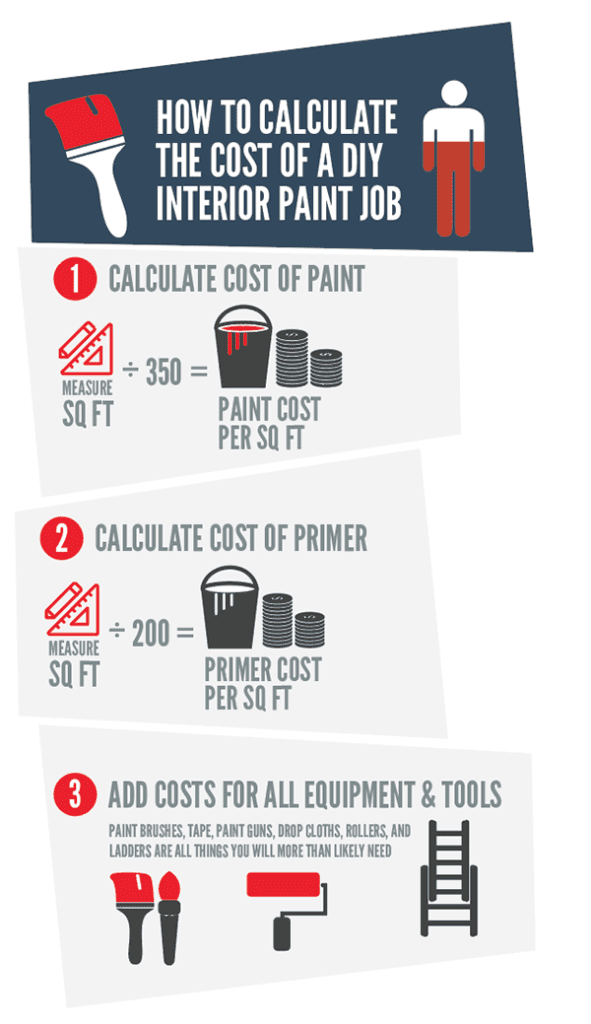
- Painter’s Tape: Crucial for crisp lines. Don’t buy the cheapest stuff; it often bleeds. A good quality roll costs $5 – $15. You might need 2-4 rolls depending on the room.
- Drop Cloths/Plastic Sheeting: Protect your floors and furniture. Canvas drop cloths are reusable and absorb drips better ($15 – $40 each). Plastic sheeting is cheaper and disposable ($5 – $15 per roll). You’ll need enough to cover the entire floor.
- Spackle/Putty & Sandpaper: For filling nail holes and minor imperfections. Spackle costs $5 – $10, sandpaper/sanding block $5 – $10.
- Cleaning Supplies: A TSP (trisodium phosphate) substitute or general purpose cleaner to degrease walls ($5 – $15), sponges, rags.
- Caulk: For sealing gaps around trim and baseboards for a seamless look. A tube costs $3 – $8.
Application Tools (Brushes, Rollers, & Beyond)
The right tools make the job easier and the finish better. Investing in decent quality here pays off.
- Brushes: You’ll need a good angled brush for cutting in edges (2-2.5 inches is versatile). Quality brushes range from $8 – $25 each. Have at least two on hand.
- Roller Frames & Covers: A sturdy roller frame ($10 – $20) is essential. Roller covers (naps) come in different thicknesses for different surfaces. Buy a multi-pack of mid-grade covers (e.g., 3/8 inch nap for smooth walls) for $15 – $30 for a pack of 3-6. You’ll likely use 2-3 per room.
- Paint Trays & Liners: A sturdy metal or plastic tray ($5 – $10). Liners make cleanup a breeze and extend tray life ($5 – $10 for a pack of 5).
- Extension Pole: A must-have for rolling walls and ceilings without breaking your back. $15 – $30.
Safety & Convenience (Don’t Skip These!)
Protect yourself and make the job smoother.
- Gloves: Protect your hands. Disposable gloves are cheap ($5 – $10 for a box).
- Safety Glasses: Especially when scraping or painting ceilings ($5 – $15).
- Mask: For sanding or using strong-smelling paints/cleaners ($5 – $10 for a pack).
- Stepladder or Step Stool: Crucial for reaching high spots safely ($20 – $50, or use one you own).
- Utility Knife: For opening caulk, cutting tape, etc. ($5 – $15).
Table: Comprehensive DIY Painting Supplies & Estimated Costs
Here’s a breakdown of common supplies with cost estimates for different quality levels. Remember, these are general ranges, and prices can vary by retailer and brand.

| Supply Item | Budget-Friendly (Approx. Total) | Mid-Range (Approx. Total) | Premium (Approx. Total) |
|---|---|---|---|
| Paint (2 gallons for typical room) | $40 – $70 | $70 – $120 | $120 – $200+ |
| Primer (1 gallon, if needed) | $20 – $30 | $30 – $40 | $40 – $50+ |
| Painter’s Tape (2-3 rolls) | $10 – $15 | $15 – $30 | $20 – $40 |
| Drop Cloths/Sheeting | $10 – $25 | $25 – $50 | $40 – $70+ |
| Spackle & Sandpaper | $10 – $15 | $10 – $15 | $10 – $15 |
| Cleaning Supplies | $5 – $10 | $5 – $15 | $10 – $20 |
| Caulk (1-2 tubes) | $6 – $10 | $8 – $16 | $10 – $20 |
| Brushes (2-3 good ones) | $15 – $25 | $25 – $50 | $40 – $75+ |
| Roller Frame & Covers (pack) | $20 – $30 | $30 – $50 | $40 – $70+ |
| Paint Trays & Liners | $10 – $15 | $10 – $20 | $15 – $25 |
| Extension Pole | $15 – $20 | $20 – $30 | $25 – $40 |
| Safety Gear (gloves, glasses, mask) | $10 – $15 | $10 – $20 | $15 – $25 |
| TOTAL ESTIMATE (Assuming all new tools) | $171 – $275 | $219 – $426 | $335 – $630+ |
Important Note: If you already own some of these tools (like a stepladder, extension pole, or good quality brushes), your initial investment will be significantly lower. These totals represent buying everything from scratch.
Cost by Room Size: Tailoring Your DIY Painting Budget
The size of your room is a primary determinant of your total cost, mainly due to the amount of paint and primer required, and to a lesser extent, the number of roller covers and tape you’ll go through. These estimates assume you’re buying mid-range paint and new (mid-range) supplies.
- Small Room (e.g., Half-Bath, Small Closet, Accent Wall): Roughly 50-70 square feet of wall space (10×7 ft wall).
- Paint: 1 gallon (maybe even a quart for an accent wall)
- Total DIY Cost: $75 – $150 (assuming you have some basic tools already, or minimal new purchases)
- Medium Room (e.g., Bedroom, Dining Room, Home Office): Approximately 250-400 square feet of wall space (e.g., 10×12 ft or 12×14 ft room with 8 ft ceilings).
- Paint: 2 gallons
- Total DIY Cost: $150 – $350
- Large Room (e.g., Living Room, Master Bedroom, Open Concept Area): 400-600+ square feet of wall space (e.g., 15×20 ft room with 8-9 ft ceilings).
- Paint: 3-4 gallons
- Total DIY Cost: $300 – $500+
These ranges include paint, primer (if needed), painter’s tape, drop cloths, brushes, rollers, and basic prep materials. Remember, these are estimates; your actual costs may vary.

Table: Estimated DIY Painting Costs by Room Size (Mid-Range Supplies)
| Room Size (Typical Dimensions) | Approx. Wall Sq. Ft. | Paint Needed (Gallons, 2 Coats) | Estimated DIY Cost (Excluding existing tools) |
|---|---|---|---|
| Small (e.g., 8×10 ft bedroom, 8 ft ceilings) | ~288 sq ft | 2 | $150 – $250 |
| Medium (e.g., 12×14 ft bedroom, 8 ft ceilings) | ~416 sq ft | 2-3 | $250 – $400 |
| Large (e.g., 15×20 ft living room, 8 ft ceilings) | ~560 sq ft | 3-4 | $350 – $600+ |
| Very Large/Open Concept (e.g., large great room) | 600+ sq ft | 4+ | $500 – $800+ |
Beyond the Basics: Factors That Inflate or Reduce Your DIY Bill
While the basic supplies are a fixed cost, several variables can push your DIY painting budget up or down.
- Condition of Walls: If your walls have significant damage (large holes, cracks, peeling paint, stubborn stains), you’ll need more prep materials like wood filler, joint compound, heavy-duty primer, and more sandpaper. This adds both material cost and considerable time. Extensive repairs could add $20 – $100+ to your materials bill.
- Number of Coats: While two coats are standard, a dramatic color change (e.g., dark to light), using very thin paint, or poor application technique might necessitate three or even four coats. Each additional coat means more paint, more time, and potentially more roller covers.
- Paint Type & Finish: Specialty paints like mildew-resistant bathroom paint, zero-VOC options, or highly durable acrylic-urethanes (for trim) often cost more per gallon. Glossier finishes (satin, semi-gloss, high-gloss) tend to show imperfections more, demanding extra prep.
- Trim & Ceilings: If you’re painting trim and ceilings, these are separate projects from walls. They require different paint (often a different sheen and color), more painter’s tape, smaller brushes, and extra time. Budget an additional $50 – $150+ for these areas, primarily for extra paint and specific tools.
- Existing Tools: This is where savvy DIYers save big. If you already own good quality brushes, roller frames, an extension pole, drop cloths, or a stepladder, you can shave anywhere from $50 to $200+ off your initial expenses.
- Time is Money: The Hidden Cost of DIY: While not a direct monetary cost, your time has value. Painting a room properly can take anywhere from a full weekend to several days, depending on size and prep. If you value your weekend at, say, $200 a day, then a two-day project effectively costs you $400 in lost leisure or earning potential. This isn’t usually factored into “DIY cost” but is an important consideration for many.
Smart Savings: How to Reduce Your DIY Painting Costs Without Sacrificing Quality
You want a great-looking room without breaking the bank. Here’s how to be smart with your DIY painting budget.
- Buy Paint During Sales: Major holidays (Memorial Day, Labor Day, Black Friday) are prime times for paint sales at big box stores and dedicated paint retailers. Sign up for newsletters to get alerts.
- Choose Mid-Range Paint Wisely: Unless you have specific durability needs, a good quality mid-range paint often provides excellent coverage and finish. Don’t go for the absolute cheapest; you’ll likely spend more in time and extra coats.
- Invest in Reusable Tools (and Clean Them!): Good quality brushes and roller frames can last for years if properly cleaned and stored. This is a one-time investment that saves money on future projects. Roller covers, however, are often best disposed of after a project or two, especially with dark colors.
- Thorough Prep Prevents Redos: Skimping on cleaning, patching, or taping might save you an hour upfront, but a messy finish, peeling paint, or stained floors will cost you more in frustration, touch-ups, or even completely redoing sections. Do it right the first time!
- Borrow or Rent Equipment: Need a specialized tool like an airless paint sprayer for a large, complex project? Instead of buying, see if you can borrow one from a friend or rent one from a home improvement store.
- Proper Paint Storage: Seal your paint cans tightly and store them in a temperature-controlled environment. This keeps leftover paint fresh for touch-ups, preventing you from needing to buy a new can just for a small repair.
- Utilize Paint Samples: Don’t guess on color. Buy small sample pots ($5 – $10 each) and paint swatches on your wall. It’s a small upfront cost that prevents buying gallons of the wrong color.
DIY vs. Pro: When It Might Be Worth Hiring Help
While this guide is all about DIY costs, it’s important to acknowledge when a professional painter might be a better investment. Typically, hiring a pro costs $300 – $1,000+ per room, depending on size, location, and complexity. This covers labor, paint, and all materials.
Consider hiring a professional if:
- Time is Scarce: You simply don’t have the several days required for proper prep and painting.
- Complex Surfaces: Very high ceilings, intricate crown molding, or numerous architectural details can be challenging and time-consuming for a novice.
- Extensive Damage: If your walls require significant repair (e.g., plaster repair, major drywall patching), a pro might do it faster and better.
- Perfection is Key: While you can achieve a great DIY finish, a professional painter brings years of experience, specialized tools, and an eye for detail that can lead to a flawless result.
- Large Projects: Painting an entire house or multiple rooms can quickly become overwhelming for one person.
The DIY route saves money primarily on labor. If your time is valuable or the project is intimidating, that labor cost might be well worth it.
Your DIY Painting Budget Checklist
Ready to plan your project? Use this checklist to build your personalized budget:
- Measure Your Room: Calculate the total wall square footage to determine how much paint and primer you’ll need. Don’t forget ceilings and trim if you’re painting those too.
- Assess Wall Condition: Do you have many holes, cracks, or stains? Factor in extra time and materials for repair.
- Inventory Existing Tools: What do you already own that’s in good condition? Deduct these from your shopping list.
- Choose Paint & Primer Quality: Decide if you’re going budget, mid-range, or premium. This will significantly impact your cost.
- Make a Detailed Shopping List: Go through all the categories: paint, primer, tape, drop cloths, spackle, brushes, rollers, trays, extension pole, cleaning supplies, safety gear.
- Get Price Quotes: Check prices at a few different stores (home improvement chains, local paint shops, online) for your chosen products.
- Add a Contingency: Always add 10-15% to your budget for unexpected costs or extra materials you might need. Trust me, it happens!
- Factor in Time: Realistically estimate how many hours or days the project will take.
Painting a room yourself is a rewarding endeavor that can save you a significant amount compared to hiring a professional. By meticulously planning your budget and understanding all the potential costs, you’ll be well-equipped to tackle your next home transformation with confidence and a beautifully finished room to show for it.