Let’s be honest: when you think about refreshing your home, interior doors are probably the last thing on your mind. They’re often an afterthought, condemned to a life of bland, builder-grade white. But what if I told you these silent workhorses are actually a massive, untapped canvas just waiting to inject personality, define spaces, and elevate your entire home’s aesthetic?
It’s true. Painting your interior doors is one of the most cost-effective, high-impact DIY projects you can tackle. Forget the boring, the predictable, the utterly forgettable. It’s time to unlock their potential and give them the attention they deserve. And trust me, once you see the difference, you’ll wonder why you waited so long.
Unlock Your Home’s Potential: Transformative Paint Ideas for Interior Doors
Why Your Interior Doors Deserve a Splash of Color (More Than Just “Because”)
Before we dive into the rainbow of possibilities, let’s talk about why painting your interior doors isn’t just a fun project, but a strategic design move.
Instant Impact & Personality
A fresh coat of paint, especially in an unexpected hue, can instantly transform a room. It adds a layer of depth and visual interest that plain white just can’t achieve. Think of your doors as giant pieces of art that you can change whenever the mood strikes. They’re a perfect way to express your unique style without committing to an entire wall color.
Cost-Effective Transformation
Compared to renovating a kitchen or even repainting a whole room, giving your doors a makeover is incredibly budget-friendly. A quart or gallon of good quality paint, a brush, and a roller are all you need to create a significant visual change. It’s a low-investment, high-return project.
Defining Spaces & Flow
Doors aren’t just for privacy; they guide the eye and delineate spaces. By painting them, you can subtly (or not-so-subtly) define the transition between rooms, create a sense of cohesion, or even introduce an element of surprise. A darker door leading to a cozy bedroom, a vibrant door for a kid’s playroom – they tell a story and enhance the flow of your home.
Hiding Imperfections & Adding Value
Older doors often come with dings, scratches, and wear. A fresh, durable coat of paint can make them look brand new, extending their life and saving you the cost of replacement. Furthermore, a cohesive and thoughtful design scheme, which includes painted doors, can significantly boost your home’s perceived value and appeal.
Choosing Your Door’s Perfect Hue: A Guide to Color Psychology & Style
Selecting the right color is crucial. It’s not just about what you like, but how it integrates with your existing décor and the mood you want to create.
Understanding Your Home’s Aesthetic
- Modern/Minimalist: Think sleek, clean lines. Matte black, dark charcoal gray, or even a crisp off-white can complement this style beautifully.
- Traditional/Classic: Rich, deep tones like navy blue, forest green, or even a classic cream or greige work well.
- Farmhouse/Rustic: Soft, muted colors, earthy greens, warm grays, or even a distressed look.
- Eclectic/Bohemian: This is where you can truly go wild! Jewel tones, vibrant blues, or unexpected pops of coral.
Harmonizing with Wall Colors & Trim
This is where many people get stuck. Your doors don’t exist in a vacuum. Consider how they interact with the surrounding walls and trim.
- Matching Walls: Painting your doors the same color as your walls creates a seamless, expansive feel. It makes small rooms appear larger and can be incredibly chic in a monochrome scheme.
- Contrasting Trim: If your walls are light and your trim is white, a dark or bold door creates a striking contrast that feels intentional and sophisticated.
- Matching Trim: Painting your doors the same color as your trim (often white) creates a cohesive, classic look. This is a safe bet but can still be elevated with the right shade of white or off-white.
- What About Wood Trim? This is a common dilemma. If you have beautiful, unpainted wood trim, you have a few options:
- Embrace the Contrast: Paint your doors a color that complements the wood tone – deep greens, warm grays, or even black can look stunning with natural wood.
- Monochromatic Wood: If your doors are also wood, you could stain them to match, but for painted doors, aim for a harmonious blend.
- Paint the Trim Too: The most dramatic change, but certainly an option if you want to modernize and unify.
Considering Natural Light & Room Size
Darker doors can feel dramatic and cozy in a large, well-lit space, but might make a small, dim room feel smaller. Conversely, lighter colors can brighten and open up a space. Always test paint swatches on your door in different lighting conditions throughout the day before committing.
Personal Expression: What’s Your Door’s Story?
Ultimately, your home is an extension of you. Do you want your doors to be a calming presence, a bold statement, or a playful surprise? Let your personality guide your choices.
Ditching the Drab: Inspiring Paint Ideas for Every Interior Door
Ready for some serious inspiration? Here are diverse ideas to get your creative juices flowing.
Bold & Dramatic Statements
For those who aren’t afraid to make an impact, these colors add instant gravitas and sophistication.
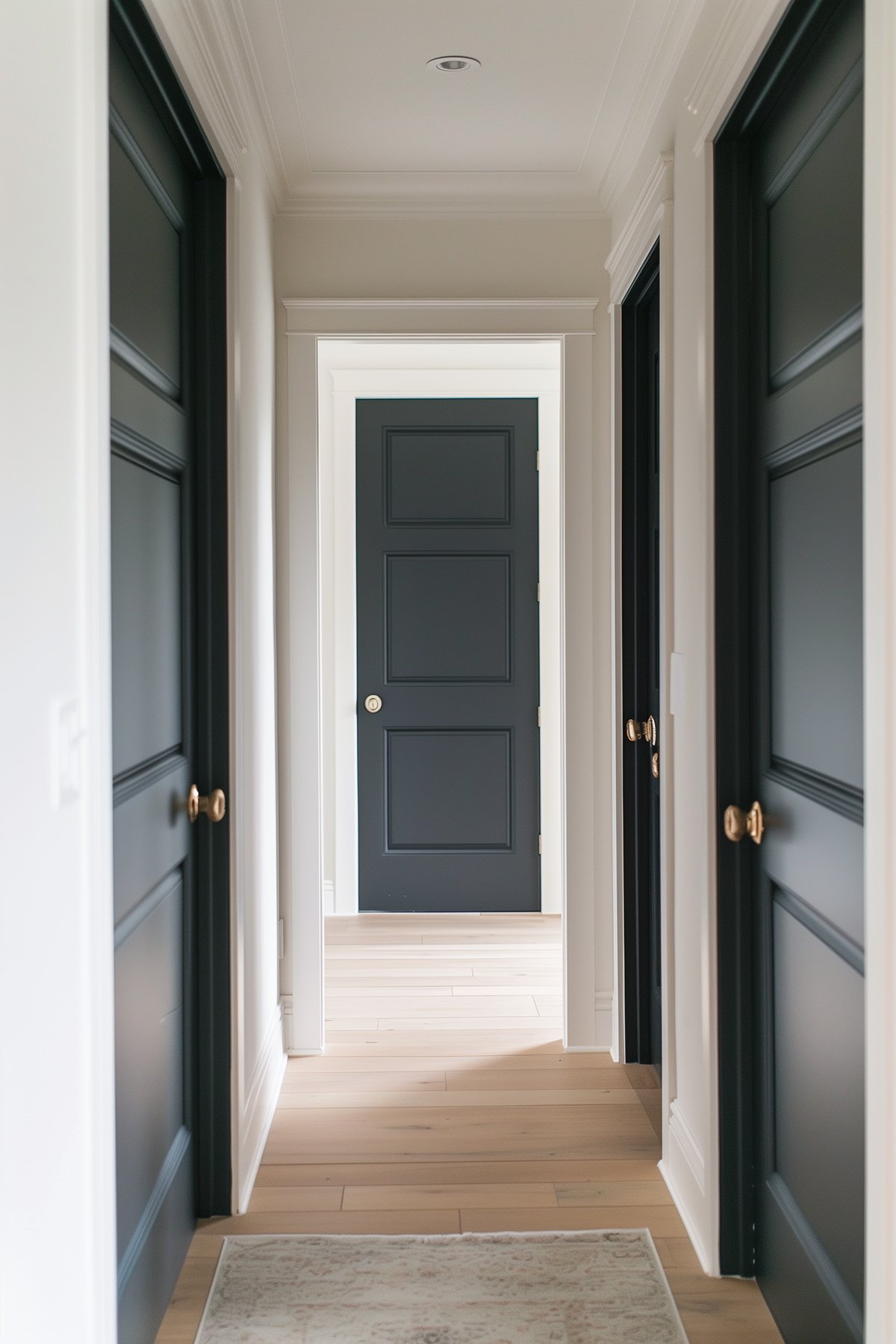
- Matte Black / Charcoal Gray: The quintessential modern choice. A black or dark gray door against white walls and trim creates a stunning, graphic contrast. It’s chic, edgy, and surprisingly versatile. Use a matte or satin finish for a sophisticated look.
- Deep Navy / Forest Green: These rich, saturated hues evoke a sense of calm and luxury. Deep navy pairs beautifully with warm wood tones or crisp whites. Forest green brings the outdoors in, creating a serene, earthy vibe.
- Rich Jewel Tones (Emerald, Sapphire, Ruby): For the truly adventurous, a door painted in a vibrant emerald green, a regal sapphire blue, or a passionate ruby red can be an incredible focal point. These work best when the surrounding walls are neutral, allowing the door to truly shine.
Subtle Sophistication & Timeless Elegance
If you prefer a more understated approach, these colors offer warmth, serenity, and enduring style.
- Warm Grays & Greiges: Move over, cool gray! Warm grays (with brown or beige undertones) and greiges (a mix of gray and beige) offer a sophisticated, cozy alternative to stark white. They blend beautifully with a variety of décor styles and feel incredibly inviting.
- Soft Blues & Greens (e.g., Muted Sage, Dusty Blue): These colors are known for their calming properties. A muted sage green can add a touch of natural tranquility, while a dusty blue feels serene and timeless, perfect for bedrooms or bathrooms.
- Creamy Off-Whites (beyond basic white): If you love the idea of white doors but want more warmth, explore creamy off-whites, alabasters, or ivories. These shades add depth and softness without sacrificing the brightness of white, often making a space feel more inviting than a stark, cool white.
Playful Pops & Unexpected Delights
Sometimes, a door is the perfect place to inject a dose of fun and personality without overwhelming a room.
- Sunny Yellows & Vibrant Corals: Imagine a laundry room door in a cheerful sunflower yellow, or a playroom entrance in a lively coral. These unexpected colors bring energy and joy to often overlooked spaces.
- Pastels (Blush Pink, Mint Green): Soft pastels aren’t just for nurseries. A blush pink door can add a touch of feminine elegance to a dressing room or a guest bedroom, while a mint green can feel fresh and retro-chic in a hallway.
- Two-Tone Doors: Get creative! Paint the inside of a door one color and the outside another, or paint the door panels a contrasting color to the frame. This adds incredible architectural interest and a bespoke feel.
Themed & Specialty Doors
Certain doors or rooms lend themselves perfectly to unique paint ideas.
- Barn Doors: Often a focal point, barn doors can be painted in a bold color to stand out, or a rustic tone to enhance their farmhouse charm. Consider a distressed finish for added character.
- Pocket Doors: Since these disappear into the wall, they offer an opportunity for a vibrant surprise when pulled out. A bright color can be a fun accent.
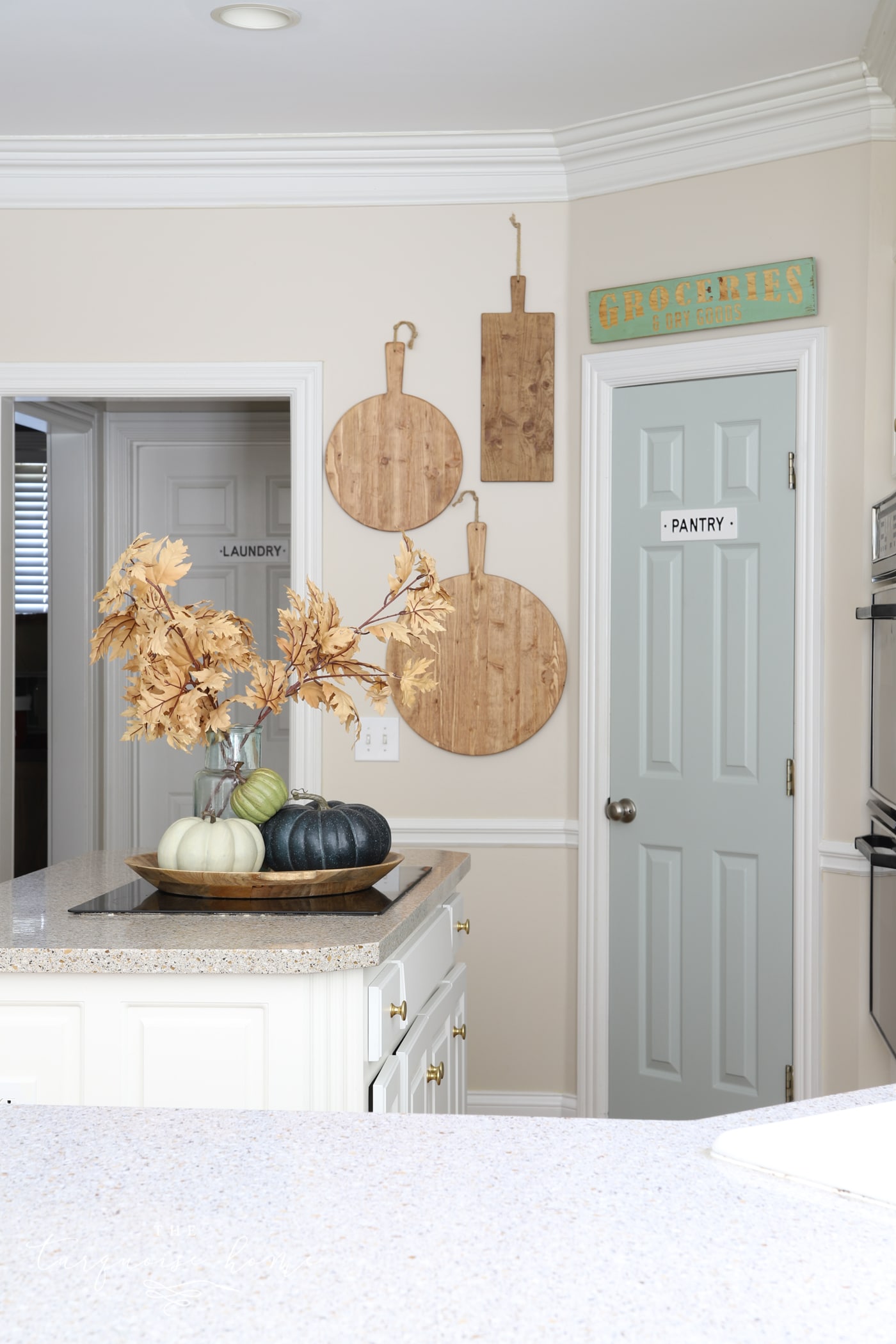
- Closet & Pantry Doors: These utility doors are perfect for a touch of whimsy. A chalkboard paint for a pantry door allows for grocery lists or daily menus. A bold color can make a simple closet door feel like a design element.
- Kids’ Rooms: This is where you can truly let imagination run wild! Bright primary colors, stripes, patterns, or even a door painted with chalkboard paint for endless drawing opportunities.
Beyond Color: Picking the Right Paint Type & Sheen for Durability
Color is just one piece of the puzzle. The type of paint and its finish (sheen) are critical for a durable, long-lasting, and easy-to-clean door.
Paint Type Matters: Acrylic Latex vs. Alkyd (Oil-Based)
For interior doors, you’ll generally be choosing between two main types:

- Acrylic Latex Paint: This is the modern go-to.
- Pros: Dries quickly (often recoatable in a few hours), easy soap and water cleanup, low odor, flexible, and resists cracking. It’s generally more environmentally friendly.
- Cons: Can sometimes show brush strokes more readily than oil-based, and might not be as hard-wearing as traditional alkyd in high-traffic areas without specific additives.
- Alkyd (Oil-Based) Paint: The traditional choice for trim and doors.
- Pros: Dries to a very hard, durable, smooth finish that is highly resistant to nicks and scuffs. Excellent for high-traffic areas.
- Cons: Long drying times (24+ hours between coats), strong fumes (requires good ventilation), and requires mineral spirits for cleanup. It also tends to yellow over time, especially in lighter colors.
My Recommendation: For most homeowners, a high-quality acrylic latex enamel specifically formulated for trim and doors is the best choice. Modern advancements have made these paints incredibly durable, washable, and easy to work with, combining the best of both worlds without the hassle of oil-based paints.
Sheen Selection: The Gloss Factor
The sheen (or finish) of your paint affects both appearance and durability. For interior doors, you want something that can withstand frequent touching and cleaning.
| Sheen | Appearance | Durability | Cleanability | Best Use for Doors |
|---|---|---|---|---|
| Flat (Matte) | No-sheen, absorbs light, hides imperfections well. | Least durable, scuffs easily. | Difficult to clean, marks often can’t be removed. | Generally NOT recommended for doors due to low durability and cleanability, unless for a specific high-design aesthetic with low traffic. |
| Eggshell | Very subtle, low sheen, like an eggshell. | Better than flat, but still relatively soft. | Fairly easy to wipe down gently. | Acceptable for low-traffic doors, offers a soft, modern look. |
| Satin | Smooth, velvety appearance with a noticeable sheen. | Good durability, resists scuffs and marks well. | Very easy to clean with a damp cloth. | Highly recommended for interior doors. Strikes a great balance between appearance and practicality. |
| Semi-Gloss | Higher reflectivity, creates a subtle shine. | Excellent durability, very hard-wearing. | Extremely easy to clean, highly washable. | Also highly recommended for interior doors and trim. Provides a traditional, clean, and very durable finish. |
| High-Gloss | Very shiny, highly reflective, mirror-like finish. | Most durable and hardest finish. | Easiest to clean, very scrubbable. | Great for a bold, modern, or high-glamour statement, but shows imperfections more readily. Not for everyone. |
My Recommendation: For interior doors, satin or semi-gloss finishes are your best bet. They offer excellent durability, are easy to clean, and provide a lovely, subtle sheen that enhances the door’s features without being overly reflective.
The Nitty-Gritty: Prepping Your Doors for a Flawless Finish
I know, I know. Prep work isn’t the glamorous part. But it’s absolutely non-negotiable for a professional-looking, long-lasting paint job. Skimp here, and you’ll regret it.
Clean Thoroughly
Doors accumulate dust, grime, and fingerprints. Use a degreaser (like TSP substitute) or a mild dish soap and water solution to thoroughly clean both sides of the door. Rinse with clean water and let it dry completely.
Remove Hardware (or Tape Carefully)
For the best results, always remove door knobs, hinges, and any other hardware. It’s faster and gives a much cleaner line than trying to tape around everything. If removal isn’t an option, use high-quality painter’s tape to meticulously cover all hardware.

Sand Lightly
A light sanding with 150-220 grit sandpaper will de-gloss the existing finish and create a “tooth” for the new paint to adhere to. This is crucial for durability. If your door has old, peeling paint, you’ll need to do more extensive sanding or stripping to get a smooth surface. Wipe away all dust with a tack cloth or damp rag.
Prime for Success (especially if changing color drastically or painting raw wood)
Primer isn’t always necessary if you’re painting over a similar color with good existing paint, but it’s a smart safety net. It’s essential if:
- You’re painting a dark door a light color (or vice versa).
- You’re painting raw wood.
- The existing finish is glossy or oil-based.
- There are any stains or odors you want to seal in.
A good quality stain-blocking primer will ensure true color, better adhesion, and a more uniform finish.
Tape Off
Even if you’re painting the door off its hinges, you’ll likely need to tape off the edges if it’s going against a different colored frame or wall. Use good quality painter’s tape and press firmly to create a crisp line.
Expert Tips for Painting Interior Doors Like a Pro
You’ve prepped, you’ve picked your color and sheen. Now for the actual painting!
Remove the Door (or Paint In Situ)
For the absolute best results, remove the door from its hinges and lay it flat on sawhorses. This allows you to paint both sides and all edges evenly without drips or runs, and avoids painting in awkward positions. If you can’t remove it, you can paint it in place, but be extra careful with drips and masking.

Brushes vs. Rollers: Which to Use Where
- Rollers: Use a small foam roller or a 4-inch mini-roller with a smooth nap cover for flat surfaces (like flush doors or large panels) to get a smooth, even finish quickly.
- Brushes: A high-quality angled brush (2-2.5 inches) is indispensable for cutting in around panels, edges, and corners. For paneled doors, use the brush to get into all the recessed areas first, then roll the flat sections.
Pro Tip: For paneled doors, always paint the recessed panels first, then the horizontal rails, and finally the vertical stiles.
Multiple Thin Coats Beat One Thick One
This is probably the most common mistake DIYers make. Applying one thick coat of paint often leads to drips, uneven coverage, and a longer drying time. Instead, apply two to three thin, even coats, allowing ample drying time between each. This results in a much smoother, more durable, and professional finish.
Allow Ample Drying Time
Just because paint feels dry to the touch doesn’t mean it’s fully cured. Always follow the manufacturer’s recommendations for recoat times and especially for when you can rehang or close the door. Rushing this step can lead to sticky doors, marred paint, and frustration.
Painting One Side Only? The Etiquette.
Yes, you absolutely can paint one side of a door a different color from the other! This is a fantastic way to introduce a pop of color into a specific room without affecting the overall aesthetic of a hallway or adjoining space. The general rule of thumb is to paint the edge of the door that swings into the room with the color of that room. So, if your bedroom door opens inwards, and you paint the inside of it blue, the edge that faces the bedroom when the door is open should also be blue. The other edge and the outside of the door would match the hallway or outer room.
Common Mistakes to Avoid When Painting Interior Doors
Steer clear of these common pitfalls to ensure your door painting project is a success.
- Skipping Prep Work: As discussed, this is the foundation. Neglecting cleaning, sanding, or hardware removal will lead to a subpar finish.
- Not Using Primer When Needed: If you’re going from dark to light, painting raw wood, or dealing with existing stains, primer is your best friend. Don’t skip it.
- Choosing the Wrong Sheen: Flat paint on a door is a recipe for disaster. Opt for satin or semi-gloss for durability and cleanability.
- Applying Too Much Paint at Once: This leads to unsightly drips and a messy, uneven finish. Patience and thin coats are key.
- Ignoring Drying Times: Prematurely closing a door or rehanging it can cause the paint to peel or stick, ruining your hard work.
Conclusion: Your Doors, Reimagined.
Your interior doors are far more than mere functional necessities. They’re silent canvases, offering an incredible opportunity to infuse your home with personality, create visual intrigue, and elevate your overall design. From dramatic matte black statements to cheerful pastel surprises, the possibilities are endless.
By understanding the impact of color, choosing the right paint type and sheen, and dedicating a little time to proper preparation, you can transform these often-overlooked elements into true design highlights. So, go ahead. Pick up that brush, embrace the color, and let your interior doors tell a new, more vibrant story.