How Much Paint For A Room Calculator: Your Definitive Guide to Flawless Coverage
Picture this: You’re midway through painting your living room, feeling great, then BAM! You run out of paint. Or maybe you’re staring at three unused gallons, wondering if you just wasted money. Sound familiar? It’s a common DIY dilemma, and it’s why understanding “how much paint for a room” isn’t just about throwing numbers into an online calculator – it’s about smart planning.
Most paint brands offer handy online calculators, which are fantastic tools. But what if you want to understand the *why behind the numbers? What if you’re on-site without internet access? Or what if your room has quirks that a generic calculator might miss? That’s where this guide comes in. We’re going to demystify the process, break down the exact steps to calculate your paint needs manually, and reveal all the hidden factors that can change your paint quantity.
By the end of this, you’ll not only know exactly how much paint to buy, but you’ll also feel confident tackling any painting project, big or small, without the stress of running out or overspending. Let’s ditch the guesswork and get this done right!
Ditch the Guesswork: The Simple Paint Calculation Formula
Before we dive into the nitty-gritty measurements, let’s look at the core formula that every paint calculator uses. It’s surprisingly simple, and once you grasp it, you’ll be a paint-calculating pro.
Here’s the basic equation:
(Total Wall Square Footage + Ceiling Square Footage) / Paint Coverage Per Gallon = Gallons Needed (per coat)
We’ll multiply that final number by the number of coats you plan to apply. Don’t worry, we’ll walk through each part of this formula step-by-step.
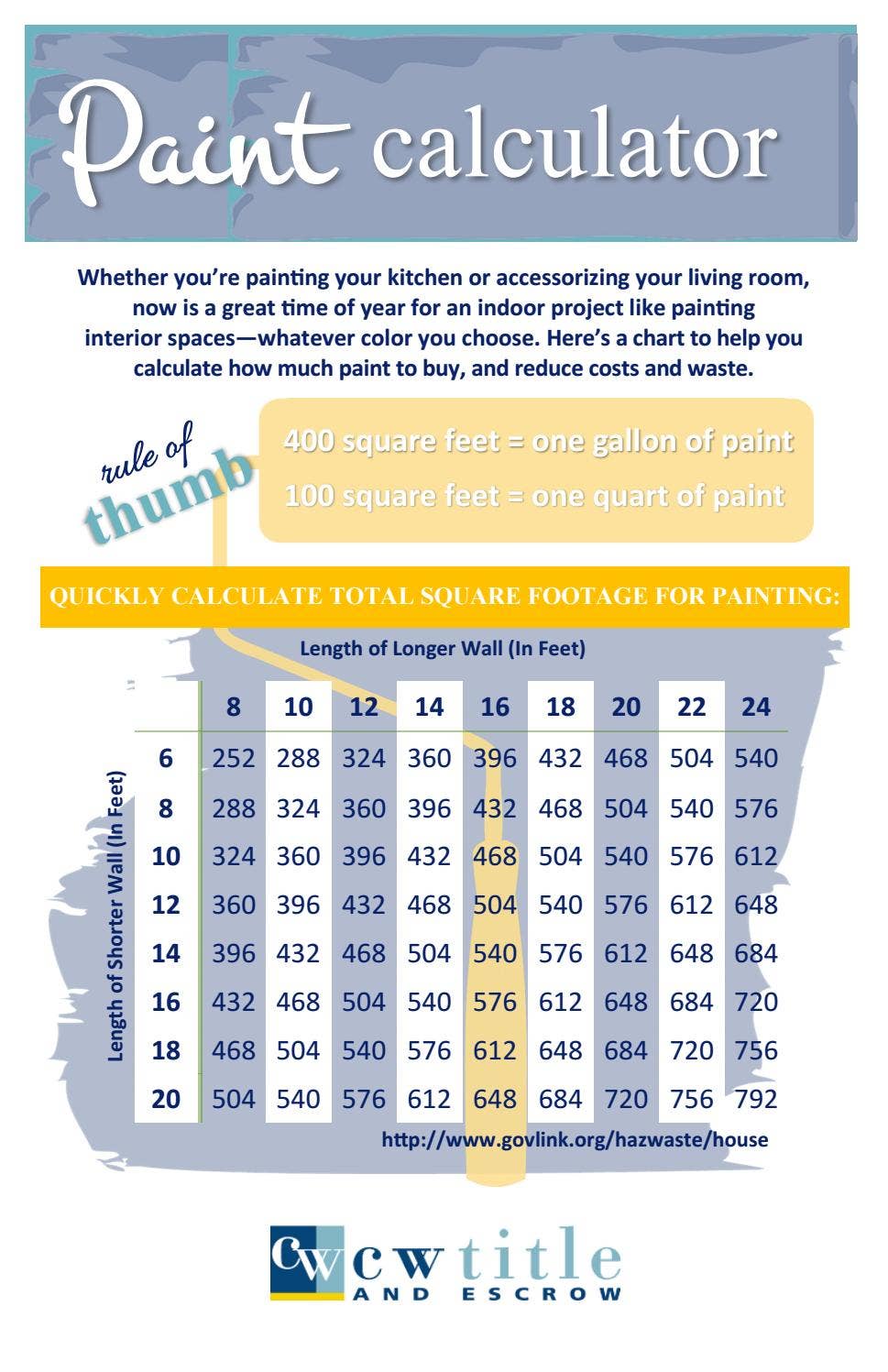
Step-by-Step: Calculate Your Room’s Paint Needs Manually (No App Required!)
Grab a tape measure, a pencil, and some paper. This hands-on method ensures accuracy and helps you visualize your project.
Step 1: Measure Your Walls (The Foundation)
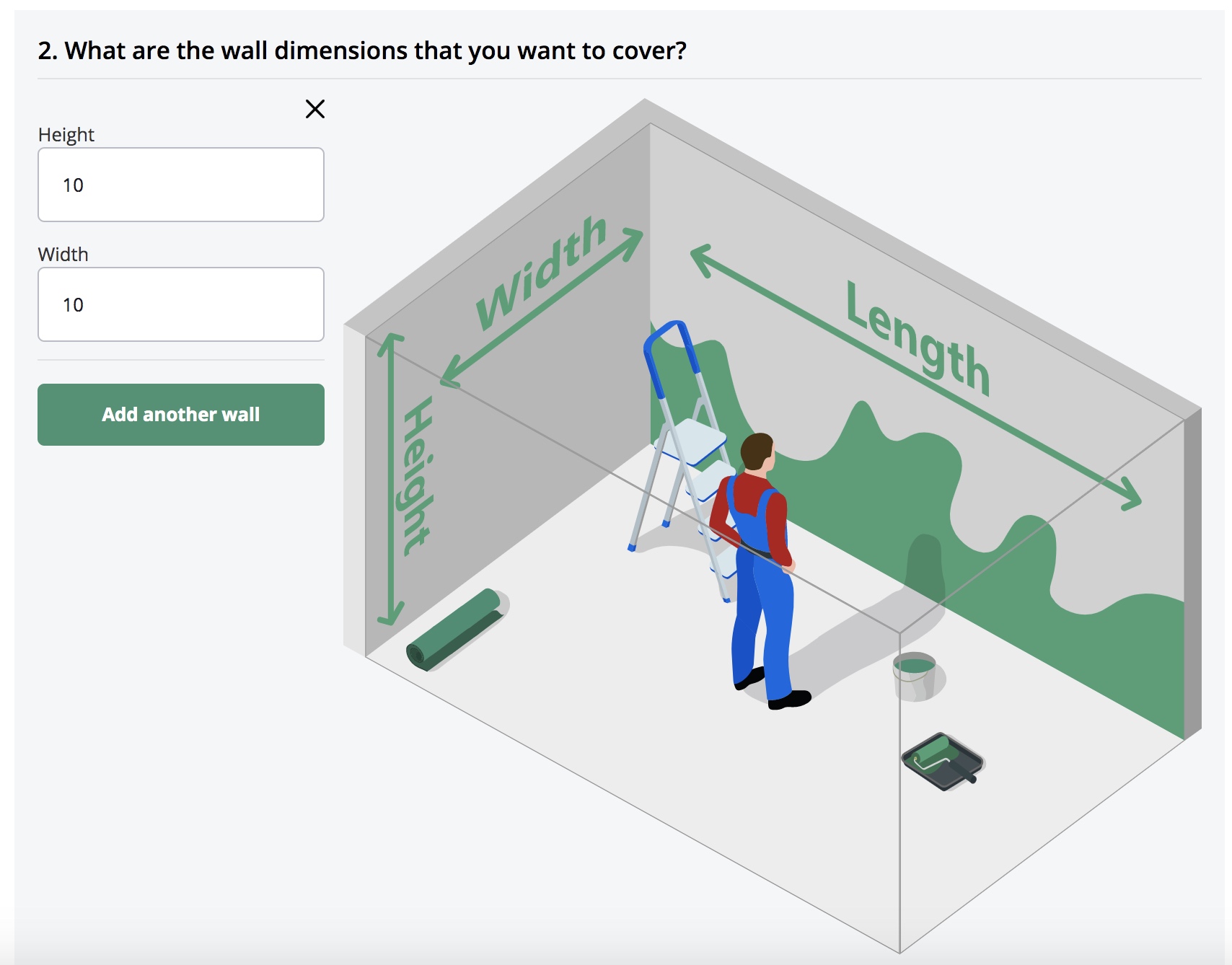
This is where most of your paint will go, so accuracy is key. You need two main dimensions for each wall: its width (or length) and its height.
- Measure the Width of Each Wall: Go around the room and measure the width of each wall from corner to corner.
- Measure the Height of the Room: Measure from the floor to the ceiling. This measurement will likely be consistent for all walls, unless you have a vaulted ceiling.
- Calculate Each Wall’s Square Footage: Multiply the wall’s width by the room’s height. For example, a 12-foot wide wall in an 8-foot high room is 12 ft x 8 ft = 96 square feet.
- Sum Up for Total Wall Square Footage: Add the square footage of all your walls together.
Pro Tip: Don’t assume all walls are exactly the same width. A few inches here or there can add up!
Step 2: Account for Doors & Windows (Subtracting the Unpainted)
You’re not painting the glass in your windows or the panels of your doors, right? So, subtract these areas from your total wall square footage. This step is often skipped by beginners but can save you a surprising amount of paint.
- Measure Each Door: A standard interior door is usually around 3 feet wide by 7 feet high (21 sq ft). Measure yours if it differs.
- Measure Each Window: Measure the entire frame, not just the glass.
- Calculate Square Footage for Each: Multiply width by height for each door and window.
- Sum Up and Subtract: Add all these individual square footages together and subtract the total from your overall wall square footage.
For quick estimates, assume a standard door is 21 sq ft, and a standard window is about 15 sq ft.
Step 3: Don’t Forget the Ceiling (If You’re Painting It!)
Painting the ceiling can dramatically brighten a room, but it requires its own paint calculation.
- Measure Room Length: Measure the longest side of your room.
- Measure Room Width: Measure the shortest side of your room.
- Calculate Ceiling Square Footage: Multiply the room’s length by its width. For instance, a 12-foot by 10-foot room has a 120 sq ft ceiling.
Step 4: Add Up for Total Paintable Surface Area
Now, combine your refined wall square footage (after subtracting doors and windows) with your ceiling square footage. This gives you the total area you intend to cover with paint for one coat.
Total Paintable Area = (Total Wall Sq Ft – Doors & Windows Sq Ft) + Ceiling Sq Ft
Step 5: Understand Paint Coverage (The Magic Number)
This is the critical variable that tells you how many square feet a single gallon of paint can cover. It’s usually listed on the paint can label.
Most paints cover between 350 to 400 square feet per gallon, per coat. However, this can vary based on the type of paint, its quality, and the surface you’re painting. Premium paints often have better coverage.
| Paint Type / Surface | Approx. Sq Ft Per Gallon | Notes |
|---|---|---|
| Standard Latex Paint | 350 – 400 | Good quality, average coverage. |
| Premium/High-Quality Paint | 400 – 450+ | Often thicker, better hide, may require fewer coats. |
| Primer | 200 – 300 | Can vary widely; check label. Porous surfaces reduce coverage. |
| Textured/Porous Surfaces | 250 – 300 | Drywall, unpainted wood, plaster. Absorb more paint. |
Step 6: Factor in Coats (The Real Game Changer)
Almost every paint job requires two coats for optimal color depth, durability, and a smooth finish. There are exceptions, like repainting a similar light color with high-quality paint, where one coat might suffice. But for a noticeable color change, especially from dark to light, or for a flawless finish, plan for two coats.
Simply multiply your total paintable area by the number of coats you plan to apply (usually 2).
Step 7: Do the Math! (The Big Reveal)
Now, let’s bring it all together with an example:
- Room Size: 12 ft x 10 ft with 8 ft ceilings
- Walls: (12+10+12+10) ft = 44 ft total perimeter. 44 ft x 8 ft (height) = 352 sq ft.
- Doors/Windows: Let’s say one door (21 sq ft) and two standard windows (2 x 15 sq ft = 30 sq ft). Total to subtract: 51 sq ft.
- Adjusted Wall Area: 352 sq ft – 51 sq ft = 301 sq ft.
- Ceiling: 12 ft x 10 ft = 120 sq ft.
- Total Paintable Area (one coat): 301 sq ft (walls) + 120 sq ft (ceiling) = 421 sq ft.
- Number of Coats: 2 (for good coverage). So, 421 sq ft x 2 coats = 842 sq ft total coverage needed.
- Paint Coverage Per Gallon: Let’s use an average of 350 sq ft/gallon.
- Gallons Needed: 842 sq ft / 350 sq ft/gallon = 2.41 gallons.
Since you can’t buy 0.41 of a gallon, you’d round up and buy 3 gallons of paint for this room, ensuring you have enough for touch-ups. Always round up!
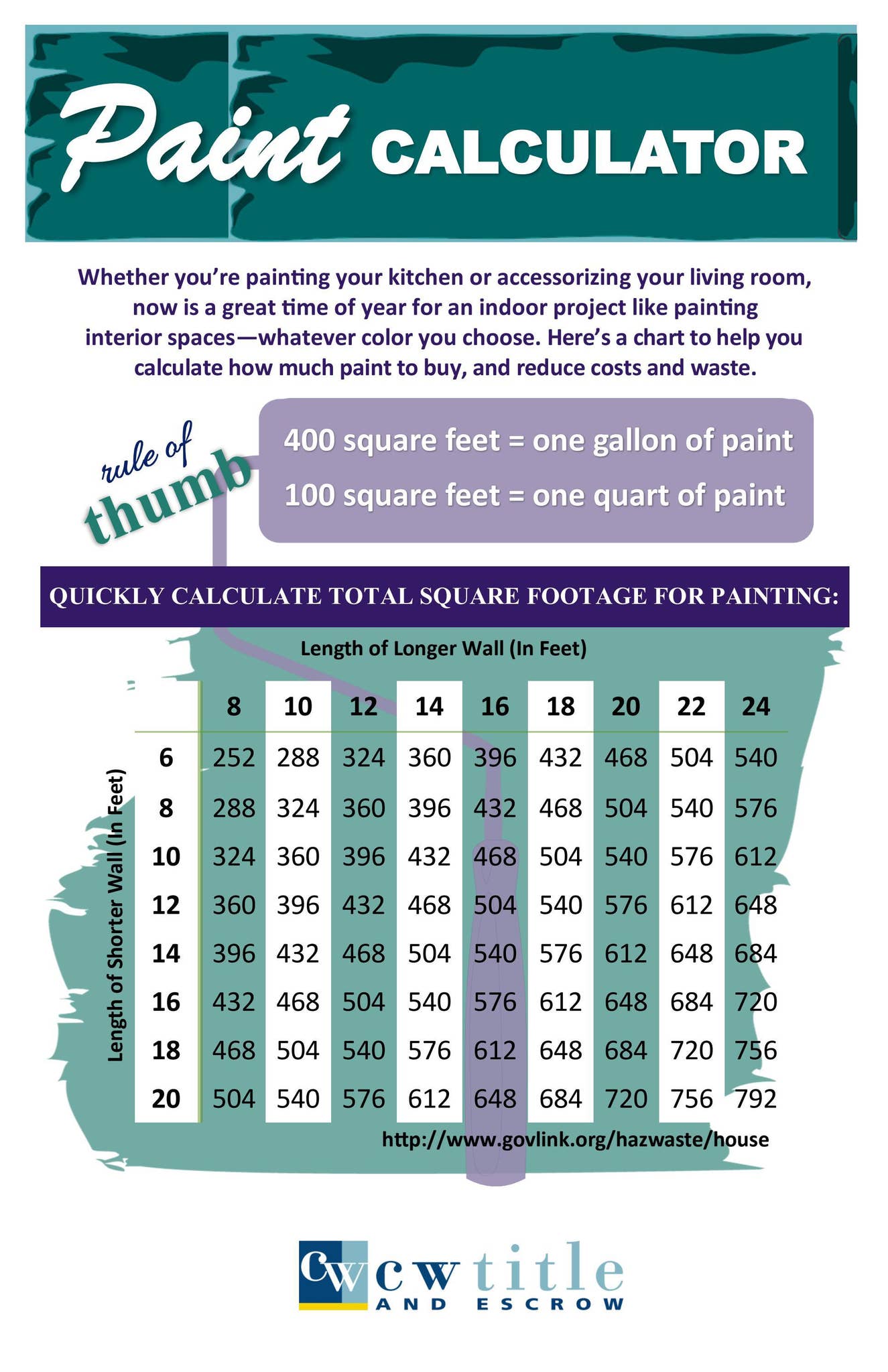
Beyond the Walls: Don’t Forget These Painting Elements
A room isn’t just four walls. Here’s how to calculate paint for those often-overlooked areas.
Ceilings: A Separate Calculation
We covered the basic ceiling area above (room length x width). Ceiling paint often comes in a flat finish to hide imperfections and minimize glare. If you’re painting the ceiling a different color or with a different paint type than the walls, make sure to calculate its needs separately.
Trim, Baseboards, and Crown Molding: The Details Matter
Trim adds polish, but it also requires paint! Trim is typically measured in linear feet, not square feet.
- Measure Total Linear Feet: Go around the room and measure the length of all baseboards, door frames, and window frames. Add them together.
- Estimate Paint Needed: A general rule of thumb is that one gallon of trim paint covers approximately 400 linear feet with two coats. However, trim paint often comes in quarts. A quart typically covers about 100-125 linear feet.
For our example 12×10 ft room with an 8 ft ceiling, let’s assume 44 linear feet of baseboard (perimeter) + 2x(3+7) linear feet for door frame (perimeter of door, 3ft wide and 7ft tall on each side = 20ft) + 2x(5+3) linear feet for window frames (let’s say 5ft wide and 3ft tall = 16ft) = ~80 linear feet. One quart would likely be plenty.
Doors & Windows: Frames and Sashes
While you subtracted the area of doors and windows from your wall calculation, you might be painting the frames or even the doors themselves (if they’re flush panel doors and not trim). If painting the entire door, treat it like a small wall, measuring its dimensions (both sides!) and calculating square footage. For window sashes, it’s often easier to estimate: a quart typically covers several windows’ worth of sashes.
Key Factors That Skyrocket or Shrink Your Paint Needs
Simply plugging numbers into a calculator isn’t enough. These crucial factors can significantly impact how much paint you truly need.
Surface Type & Condition: The Thirsty Walls
The surface you’re painting is perhaps the biggest variable:
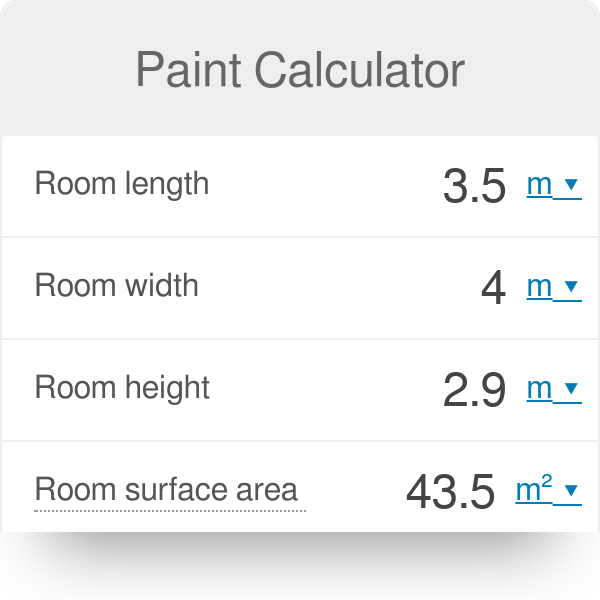
- New Drywall or Unpainted Plaster: These surfaces are incredibly porous and will drink* up paint. You’ll definitely need a primer coat (more on that below) and possibly more paint for your first actual color coat. Expect lower coverage per gallon.
- Previously Painted Walls (Similar Color, Good Condition): If the existing paint is a similar color and in good, non-glossy condition, your new paint will adhere well, and coverage will be efficient, likely needing only two coats.
- Previously Painted Walls (Glossy Finish): Glossy surfaces don’t provide good adhesion. You’ll need to sand them lightly or use a deglossing primer to ensure your new paint sticks, potentially impacting coverage.
- Textured Walls (e.g., Popcorn Ceilings, Stucco): The increased surface area and unevenness of textured surfaces mean they require significantly more paint. Factor in at least 25-50% more paint than for smooth walls.
Color Change: From Dark to Light (or Vice Versa)
This is a major paint devourer!
- Going from Dark to Light: Prepare for at least two, and possibly three, coats of your new lighter color. A tinted primer (tinted to a similar shade as your new paint) can be a lifesaver here, reducing the number of topcoats needed.
- Going from Light to Dark: This is generally easier, often achieving good coverage in two coats. However, sometimes a primer will still help achieve the truest color.
Paint Type & Finish: Not All Paint is Created Equal
Different paints have different properties:
- Paint + Primer in One: While convenient, these are best for minor color changes or already primed surfaces. For drastic color shifts or very porous surfaces, a separate dedicated primer is still often superior. They don’t magically cover in one coat for all situations.
- Premium Paints: Higher quality paints often have better “hide” and can provide excellent coverage, sometimes needing fewer coats or achieving stated coverage rates more reliably.
- Sheen (Flat, Eggshell, Satin, Semi-Gloss, Gloss): Generally, flatter finishes hide imperfections better but can be less durable. Glossier finishes are more durable and reflective. The sheen itself doesn’t drastically alter coverage, but surface prep might.
Tools & Application Method: Roller vs. Brush vs. Sprayer
- Rollers: Most common for walls. Different nap sizes are for different textures (shorter nap for smooth, longer nap for textured).
- Brushes: Used for cutting in edges, trim, and small areas. Can lead to slightly more paint use in some cases due to overlap.
- Sprayers: Can be very efficient in coverage but often result in more overspray and waste if not used carefully, especially outdoors or in unmasked areas. Factor in a little extra paint if spraying.
Primer: Your Secret Weapon for Better Coverage & Results
Think of primer as the foundation for your paint. It creates a uniform surface, ensures better adhesion, and helps your topcoat perform its best. You might be tempted to skip it, but in many cases, primer actually saves you money and effort by reducing the number of finish coats needed.
When is primer essential?
- New Drywall or Bare Wood: These surfaces are highly absorbent. Primer seals them, preventing the paint from soaking in unevenly and looking splotchy.
- Drastic Color Change: Especially going from dark to light. A white or tinted primer blocks the old color, allowing your new, lighter color to pop in fewer coats.
- Stains or Odors: Primers are excellent at blocking water stains, smoke, crayon marks, and odors from pets or tobacco. Look for a stain-blocking or odor-sealing primer.
- Repainting Glossy Surfaces: Primer provides a dull, grippy surface for new paint to adhere to, even over old glossy paint, without extensive sanding.
- Patchwork: If you’ve patched holes or cracks, those areas will absorb paint differently than the surrounding wall. A quick prime over the patches creates a consistent base.
How much primer do I need?
Generally, you’ll need about the same amount of primer as you would for your first coat of paint. So, if you calculated needing 2.4 gallons for two coats, you’d likely need about 1.2 gallons for one coat of primer. Round up to the nearest gallon or quart.
Real-World Examples: How Much Paint for Common Room Sizes?
To give you a quick cheat sheet, here are some estimates for common room sizes, assuming two coats of paint and an 8-foot ceiling. Remember to adjust for extra doors, windows, or highly textured walls!

| Room Dimensions (L x W) | Approx. Wall Sq Footage (Net) | Approx. Ceiling Sq Footage | Estimated Gallons (Walls + Ceiling) | Recommended Gallons to Buy |
|---|---|---|---|---|
| 10 ft x 10 ft | 280 sq ft | 100 sq ft | 2.2 – 2.5 | 3 gallons |
| 12 ft x 10 ft | 304 sq ft | 120 sq ft | 2.4 – 2.8 | 3 gallons |
| 12 ft x 12 ft | 336 sq ft | 144 sq ft | 2.7 – 3.1 | 3-4 gallons |
| 15 ft x 12 ft | 384 sq ft | 180 sq ft | 3.2 – 3.7 | 4 gallons |
| 15 ft x 15 ft | 448 sq ft | 225 sq ft | 3.8 – 4.4 | 4-5 gallons |
Note: These estimates factor in subtracting one standard door and one standard window. If your room has more openings or very unique features, do the manual calculation for precise results.
Avoid the Pitfalls: Common Paint Calculation Mistakes
Even with the best intentions, it’s easy to make mistakes. Watch out for these common missteps:
- Forgetting Ceilings and Trim: These areas are often overlooked in initial calculations, leading to unexpected trips back to the store.
- Ignoring Surface Porosity: Painting over raw drywall or plaster requires significantly more paint (or primer) than painting over a previously painted, smooth surface.
- Underestimating Coats: Many assume one coat is enough, especially with “paint + primer in one” products. Two coats are almost always recommended for durability and true color.
- Not Subtracting Openings: While a small window might not seem like much, multiple doors and windows add up, and failing to subtract them wastes paint and money.
- Rounding Down: Always round up to the next full gallon (or quart). It’s far better to have a little extra for touch-ups than to run out mid-project.
- Ignoring Color Changes: Drastic color changes (especially dark to light) almost always need more coats and often a primer, which wasn’t accounted for in a basic area calculation.
Smart Buying & Storage Tips
You’ve done the math, now let’s make sure you handle your paint like a pro.
- Buy a Little Extra: Even with precise calculations, it’s smart to buy a little more than you think you’ll need. This ensures you have enough for touch-ups down the line, as well as accounting for any unexpected drips or re-dos. A half-gallon or a quart extra is often sufficient.
- Keep the Receipt: Most paint stores have a return policy for unopened, un-tinted paint. Tinted paint is usually non-refundable.
- Proper Storage: Store leftover paint in a cool, dry place away from extreme temperatures (like a garage in summer or winter). Ensure the lid is sealed tightly. Placing a layer of plastic wrap over the opening before sealing the lid can help prevent air from getting in and forming a skin.
- Mix Gallons: If you’re using multiple gallons of the same color, especially if they were tinted at different times, consider “boxing” them. Pour all gallons into a larger bucket and stir them together. This ensures perfect color consistency across your entire project.
When to Call a Pro: Is DIY Always Best?
While calculating paint for a room is a great DIY skill, sometimes hiring a professional painter is the smarter choice. Consider a pro if:
- Complex Rooms: High ceilings, intricate trim work, or unusual architectural features can be challenging and time-consuming for amateurs.
- Lack of Time or Experience: If your schedule is tight or you’re simply not confident in your painting skills, a pro can save you stress and deliver a flawless finish faster.
- Specialty Finishes: If you’re dreaming of faux finishes, murals, or complex patterns, a professional’s expertise is invaluable.
- Large Projects: Painting an entire house, interior or exterior, can be a massive undertaking that pros are equipped to handle efficiently.
Professional painters typically include paint calculation in their quotes, ensuring they buy just the right amount, saving you the headache and potential waste.
Ready to Roll?
You’re now equipped with all the knowledge to accurately calculate how much paint you need for any room. No more panicked trips to the paint store mid-project, no more wasted gallons. By understanding the simple formula, factoring in all variables, and planning ahead, you’re set to achieve a beautifully painted space with confidence and efficiency. Go forth and transform your room!