The Definitive Guide to Bedroom Paint Colors for Light Wood Floors
You’ve invested in those beautiful, bright light wood floors for your bedroom. Maybe it’s a chic blonde maple, a classic natural oak, or a breezy whitewashed pine. They bring a wonderful sense of openness, modernity, and warmth to your space. Now comes the exciting (and sometimes daunting) part: choosing the perfect paint color for your bedroom walls.
Picking the right wall color isn’t just about aesthetics; it’s about crafting a sanctuary. Your bedroom is where you unwind, recharge, and begin each day. The right paint color, paired with your light wood floors, can amplify these feelings, creating a cohesive, personal, and utterly inviting retreat.
Forget generic lists. This guide dives deep into the ‘why’ behind the ‘what,’ empowering you to make an informed, confident decision that transforms your bedroom into precisely what you envision. Let’s get started.
Why Light Wood Floors Are a Bedroom Decor Dream (And a Color Challenge)
Light wood floors are having a major moment – and for good reason. They are incredibly versatile and inherently beautiful, but their very strengths can present a unique challenge when it comes to wall colors.
The Undeniable Benefits
- Brightness & Airiness: Light floors reflect natural light, making your bedroom feel larger, more open, and brighter. This is a huge win for smaller spaces or rooms with limited windows.
- Modern & Timeless Appeal: They offer a fresh, contemporary foundation that can lean minimalist, Scandinavian, coastal, or even farmhouse chic. They don’t lock you into a single style.
- Natural Warmth: Even cool-toned light woods retain a certain organic warmth that synthetic flooring often lacks, bringing a cozy, earthy feel.
- Versatility: Think of light wood floors as a neutral canvas. They can truly pair with almost any color, from crisp whites to deep, dramatic hues.
Understanding Your Floor’s Undertones: Crucial for Paint Pairing
This is arguably the most critical step. Your light wood floors aren’t just ‘light’; they have subtle undertones that dictate which paint colors will sing and which will clash. Just like in makeup, undertones are everything in design.
- Cool Undertones: Your floors might have hints of gray, white, or even a very subtle blue. Think whitewashed oak, gray-stained pine, or some lighter ash woods. These floors often look crisp and contemporary.
- Warm Undertones: This is common in natural maple, blonde oak, light pine, or even some bamboo. You’ll see hints of yellow, orange, or gold. These floors radiate a cozy, inviting warmth.
- Neutral Undertones: Some floors strike a beautiful balance, leaning neither distinctly cool nor warm. They might have a mix of soft beige or taupe. These are the easiest to pair with a wide range of paint colors.
How to Spot Them: Look at your floors in different lighting throughout the day. Place a pure white sheet of paper or a gray sample next to them. Do they pull yellow, orange, or gray? This exercise will reveal their true colors.

The Art of Pairing: Principles for Success
Choosing bedroom paint isn’t a shot in the dark; it’s a strategic decision based on core design principles. Let’s break down the factors that influence your final choice.
Harmony vs. Contrast: Your Design Philosophy
Before you even look at a color swatch, decide what mood you want to create:
- Harmony (Seamless & Serene): If you want a tranquil, cohesive, and visually expansive bedroom, you’ll choose paint colors that closely match or softly complement your floor’s undertones. Think soft whites, light grays, or muted pastels. This creates a peaceful flow.
- Contrast (Dramatic & Dynamic): If you crave a bedroom with more personality, depth, and a clear focal point, choose colors that provide a noticeable contrast. Darker blues, greens, or even charcoals can make your light floors pop and add sophisticated drama. This approach requires more intentionality but yields stunning results.
The Power of Light: How Natural and Artificial Light Transforms Color
This is often overlooked, but it’s paramount. The same paint color can look drastically different in various lighting conditions:
- North-Facing Rooms: Tend to have cooler, somewhat darker light. Colors can appear more muted or slightly grayed out. Embrace warmer tones to counteract this or lean into cool tones for an even crisper feel.
- South-Facing Rooms: Bathed in warm, bright light throughout the day. Almost any color will look vibrant here. Be careful with already warm colors, as they might appear too yellow or intense.
- East-Facing Rooms: Get bright, warm morning light, which turns cooler and darker in the afternoon.
- West-Facing Rooms: Receive warm, intense afternoon and evening light. Colors can appear very saturated.
- Artificial Lighting: The type of bulbs you use (warm white, cool white, daylight) will also significantly impact how your paint color appears at night. Always test samples with your actual lighting.
Room Size & Mood: How Colors Influence Perception and Feeling
Color has a profound psychological effect. Tailor your choice to your bedroom’s dimensions and the atmosphere you desire:
- Small Bedrooms: Lighter, airier colors are generally recommended to make the space feel larger and more open. Soft whites, pale blues, and light grays are excellent choices.
- Large Bedrooms: You have more freedom! Deeper, more saturated colors can create a cozy, intimate, or luxurious feel without making the room feel cramped. Consider a bold accent wall or wrap the room in a rich hue.
- Desired Mood:
- Serene & Restful: Muted blues, greens, soft grays, warm whites.
- Romantic & Elegant: Blush pinks, subtle lavenders, creamy off-whites.
- Cozy & Grounding: Deeper greens, warm greiges, or even a bold charcoal accent.
- Bright & Cheerful: Soft yellows, crisp whites, light blues.
Considering Existing Elements: Furniture, Bedding, Decor
Your walls aren’t a blank slate in a vacuum. Take stock of your bedroom’s existing elements:
- Furniture: Do you have dark wood furniture that needs balancing? Or light, upholstered pieces that demand a deeper wall color for contrast?
- Bedding & Textiles: These are often the largest blocks of color in a bedroom. Choose a wall color that complements or harmonizes with your bedding and curtains.
- Artwork & Accessories: If you have cherished art pieces, select a wall color that makes them shine without competing.
Top Bedroom Paint Color Categories for Light Wood Floors (with Specific Examples)
Let’s dive into the most effective paint color categories and specific shades that perfectly complement light wood floors. Remember to consider your floor’s undertones as you explore these options.
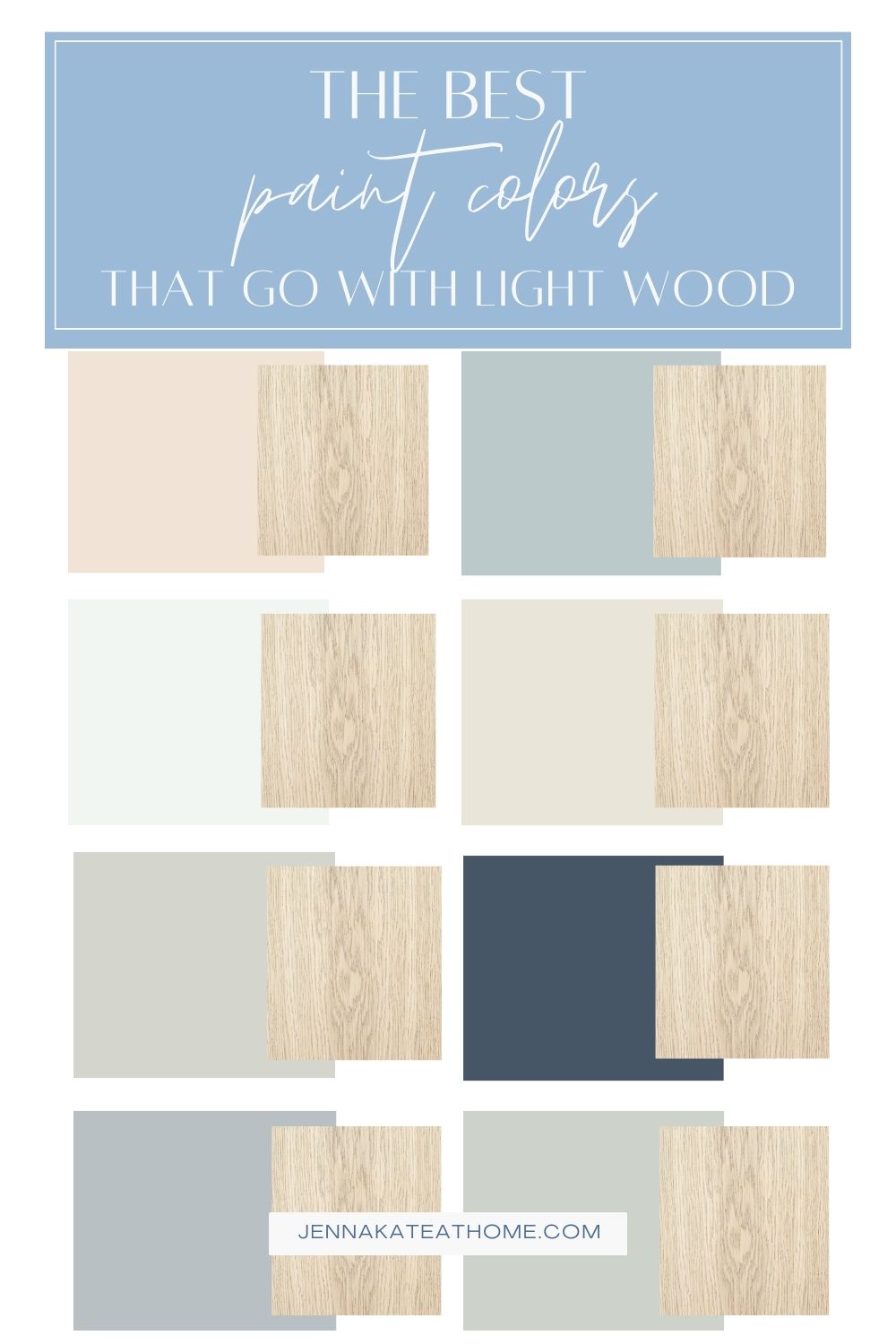
| Paint Color Category | Specific Shade Example | Brand | Common Undertone | Best For | Why it Works with Light Wood Floors |
|---|---|---|---|---|---|
| Serene Neutrals | White Dove OC-17 | Benjamin Moore | Soft Warm White | Bright, airy, versatile, expands space. | Offers a sophisticated, slightly creamy backdrop that prevents sterile starkness, enhancing the natural warmth of light wood without competing. |
| Serene Neutrals | Revere Pewter HC-172 | Benjamin Moore | Warm Greige | Sophisticated, grounding, balanced spaces. | Its perfect balance of gray and beige creates a rich, complex neutral that feels grounding and elegant, contrasting beautifully with lighter floors. |
| Serene Neutrals | Agreeable Gray SW 7031 | Sherwin Williams | Warm Greige | Cozy, modern, versatile. | A warmer gray that bridges the gap between traditional and modern, providing a soft, comforting envelope for the bedroom that still lets light floors shine. |
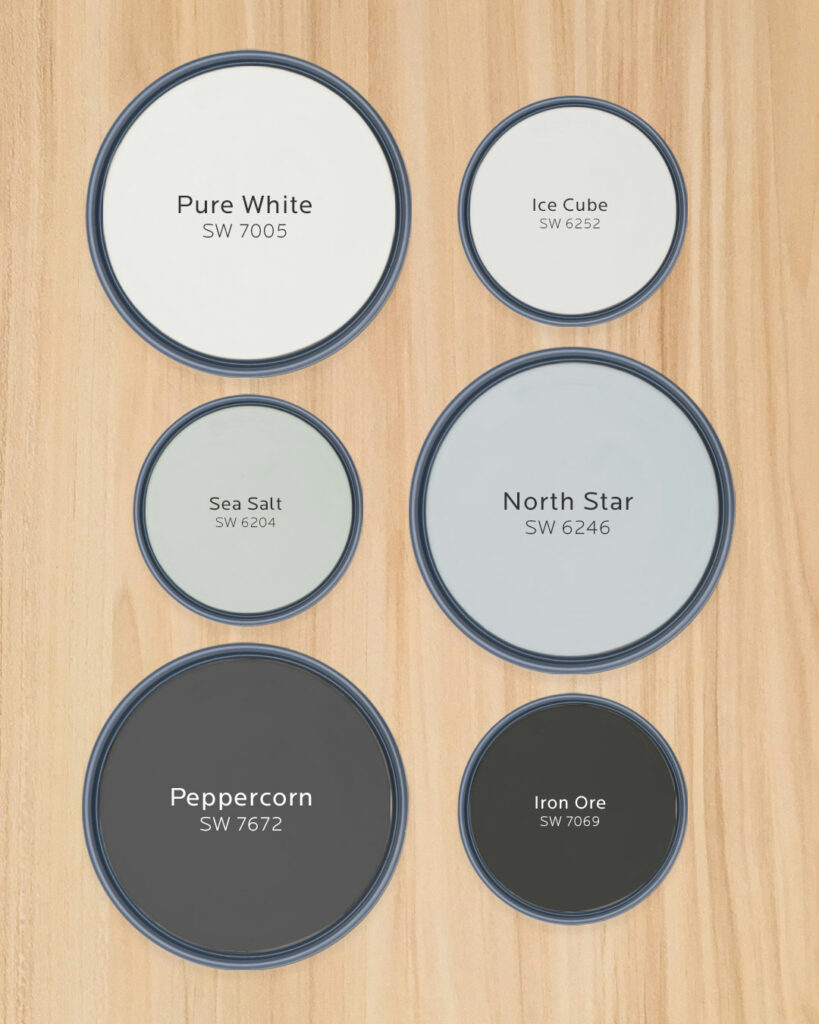
| Soothing Blues & Greens | Sea Salt SW 6204 | Sherwin Williams | Cool Green-Gray | Calming, spa-like, restful atmosphere. | Its subtle, chameleon-like quality makes it soothing. It provides a gentle, cool contrast to warm light wood, evoking a natural, airy feel. |
| Soothing Blues & Greens | Palladian Blue HC-144 | Benjamin Moore | Cool Blue-Green | Relaxing, fresh, coastal feel. | A beautiful, complex hue that introduces a soft, refreshing coolness, creating a harmonious balance with the inherent warmth or neutrality of light wood. |
| Gentle Pastels & Soft Hues | First Light 2102-70 | Benjamin Moore | Soft Pink | Romantic, subtle warmth, sophisticated. | A delicate, optimistic pink that adds a touch of understated romance and softness, beautifully enhancing the brightness of light wood floors without being overtly feminine. |
| Bold & Dramatic Accents | Hale Navy HC-154 | Benjamin Moore | Deep Blue | Dramatic, cozy (accent wall), luxurious. | Creates a stunning, sophisticated contrast. The deep, rich blue grounds the room and allows the lightness of the floors to truly pop, adding depth and luxury. |
| Bold & Dramatic Accents | Evergreen Fog SW 9130 | Sherwin Williams | Muted Green-Gray | Earthy, tranquil, sophisticated. | A grounding, organic green that brings the outdoors in. Its muted tone provides a beautiful, soft contrast, making light floors feel even more natural and inviting. |
Serene Neutrals: The Foundation of Calm
Neutrals are never boring when chosen correctly. They provide a sophisticated, versatile backdrop that allows your light wood floors and other decor elements to truly shine.
- Soft Whites (Crisp, Warm Off-Whites): These are classics for a reason. They keep the bedroom feeling expansive, clean, and incredibly airy. Choose a white with a subtle warm undertone (like Benjamin Moore’s White Dove or Sherwin Williams’ Pure White) to prevent it from feeling too stark, especially if your floors have warm undertones. For floors with cooler undertones, a crisper white like Benjamin Moore’s Chantilly Lace can enhance that fresh feel.
- Greiges & Warm Grays: The perfect blend of gray and beige, greiges offer warmth without being overtly beige, and sophistication without being too cold. Benjamin Moore’s Revere Pewter or Sherwin Williams’ Agreeable Gray are incredibly popular for their chameleon-like ability to adapt to different lighting and undertones. They provide a lovely grounding effect against light wood.
- Light Tans & Creams: If your light wood floors lean very warm (like a blonde maple), light tans and creamy whites can create a soft, inviting cocoon. Benjamin Moore’s Maritime White or Sherwin Williams’ Accessible Beige offer understated warmth and an organic feel, making the bedroom feel exceptionally cozy.
Soothing Blues & Greens: Nature’s Embrace
There’s a reason these colors are perpetually recommended for bedrooms: they promote relaxation and tranquility. They offer a beautiful cool contrast to warm light wood, or a harmonious continuation for cooler-toned floors.
- Muted Blues (Dusty, Sky, Teal): Soft, dusty blues like Benjamin Moore’s Palladian Blue or Sherwin Williams’ Sea Salt (which has green undertones) are incredibly calming. They evoke the sky and sea, making the room feel peaceful and open. For a slightly more sophisticated touch, a muted teal can add a bit more depth without losing the serene quality.
- Sage & Moss Greens: These earthy greens bring the outdoors in, creating a natural, grounding atmosphere. Sherwin Williams’ Evergreen Fog (their 2022 Color of the Year) or Farrow & Ball’s Vert de Terre offer a beautiful, organic feel. They pair wonderfully with warm light wood floors, enhancing their natural beauty.
Gentle Pastels & Soft Hues: A Touch of Whimsy
Don’t dismiss pastels! When chosen carefully, they add a sophisticated playfulness or a touch of romantic elegance to a bedroom, especially with light wood floors.
- Blush Pinks & Lavenders: Benjamin Moore’s First Light (a delicate pink) or Farrow & Ball’s Peignoir (a sophisticated gray-pink) can create a romantic, soft, and inviting space. These tones pair beautifully with both warm and cool light woods, adding a unique warmth that isn’t yellow-based. Light lavenders can also be incredibly soothing and elegant.
- Light Yellows (Buttery, Pale): A very pale, buttery yellow can bring cheerful warmth without being overwhelming. Think of a diluted Benjamin Moore Hawthorne Yellow or Sherwin Williams Creamy. These work best with warm light wood floors, enhancing their sun-kissed appeal.
Bold & Dramatic Accents: Making a Statement (Feature Wall or Large Room)
For those who love a bit of drama or have a larger bedroom that can handle more saturation, bold colors can create stunning contrast and intimacy.
- Deep Navy or Charcoal: A rich navy like Benjamin Moore’s Hale Navy or a sophisticated charcoal can provide a striking contrast to light wood floors. Used on an accent wall (behind the bed, perhaps) or even throughout a larger room, these colors create a sense of depth, luxury, and coziness, making the light floors appear even brighter.
- Rich Emerald Green or Terracotta: If you’re feeling adventurous, an opulent emerald green (like Farrow & Ball’s Studio Green) or a warm terracotta/burnt orange (Benjamin Moore’s Adobe Orange) can be incredibly grounding and luxurious. These jewel tones or earthy shades create a high-impact space that feels both unique and inviting, especially when contrasted with the simplicity of light wood floors.
The Critical Step: Sampling & Testing Colors
You wouldn’t buy a car without a test drive, right? The same logic applies to paint colors. This step is non-negotiable for success.
Why Swatches Are Your Best Friend
Tiny paint chips are great for narrowing down choices, but they are insufficient for final decisions. Paint large swatches (at least 2’x2′) directly onto your walls or onto large poster boards that you can move around the room.
- Paint Large Samples: Don’t skimp! Two coats will give you the truest representation of the color.
- Observe in Different Lights: Watch how the color changes throughout the day – morning, afternoon, evening. How does it look under natural light? How does it look with your artificial bedroom lighting?
- Consider All Walls: Observe the color on walls facing different directions, as lighting variations will be pronounced.
- Next to Your Floors: Most importantly, observe the samples next to your light wood floors to see how the undertones interact.
Living With the Color
Don’t make an instant decision. Live with your chosen swatches for at least 24-48 hours. Let your eye adjust. See how they make you feel in the morning, afternoon, and evening. This patience will save you from potential repaint headaches.
Don’t Forget the Finish: Sheen Matters in the Bedroom
The paint’s finish (sheen) plays a significant role in how the color appears and how practical it is for a bedroom environment.
Matte/Flat
This finish absorbs light, offering the least sheen. It’s incredibly forgiving, hiding minor wall imperfections beautifully, and creating a soft, sophisticated look. It’s a popular choice for bedrooms due to its elegant, velvety appearance, but it’s less durable and harder to clean than higher sheens.
Eggshell/Satin
These are often the sweet spot for bedrooms. They offer a subtle, low-level sheen that is more durable and easier to clean than flat paint, making them ideal for high-traffic areas or homes with kids/pets. They still provide a beautiful depth of color without being overly reflective.
Semi-Gloss/Gloss
Highly reflective and very durable, these finishes are typically reserved for trim, doors, or cabinetry, not usually for entire bedroom walls. They can highlight imperfections and create too much shine for a restful space.
Recommendation: For most bedrooms, an eggshell or satin finish strikes the perfect balance between aesthetics, durability, and practicality, complementing light wood floors without competing for attention.
Common Mistakes to Avoid
Even with the best intentions, it’s easy to stumble. Here are some pitfalls to steer clear of:
- Ignoring Undertones: We’ve hammered this home for a reason. A cool gray paint with a warm yellow-toned light wood floor can create an unintentional clash.
- Choosing Paint Based on a Tiny Swatch: The small sample in the store or online rarely tells the full story. Always, always swatch.
- Overlooking Lighting: A color you love in one room might look entirely different in your bedroom due to varying light conditions.
- Too Much ‘Matchy-Matchy’: While harmony is good, aiming for an exact match between walls and floors (especially with neutrals) can make a room feel bland or one-dimensional. Seek subtle contrast or complementary tones instead.
- Forgetting About Existing Decor: Your paint choice needs to live in harmony with your furniture, bedding, and artwork. Don’t choose a wall color that makes everything else look ‘off.’
Bringing It All Together: Your Personalized Color Journey
Choosing the perfect bedroom paint color for your light wood floors is a journey, not a sprint. Start by understanding your floor’s unique undertones, then consider the mood you want to create, the amount of natural light your room receives, and your existing furnishings.
Armed with this knowledge, explore the color categories that resonate with you – whether it’s the serene calm of neutrals, the natural embrace of blues and greens, the gentle touch of pastels, or the dramatic statement of a bold accent. Remember to always sample generously and observe how the colors interact with your light wood floors and your room’s unique conditions.
Ultimately, your bedroom should be a reflection of you – a space where you feel utterly comfortable and at peace. Trust your instincts, embrace the process, and soon you’ll be waking up in a beautifully colored sanctuary that perfectly complements your gorgeous light wood floors.
Final Thoughts
Light wood floors are a fantastic foundation for any bedroom. They offer versatility and brightness, paving the way for a myriad of design possibilities. By thoughtfully considering undertones, lighting, and your desired aesthetic, you can select a paint color that not only enhances your floors but transforms your entire bedroom into a personal haven. Happy painting!
Frequently Asked Questions
What is the best paint color for a bedroom with light wood floors?
The ‘best’ color depends on your desired mood and your floor’s undertones. For a serene feel, consider soft whites (like Benjamin Moore White Dove) or warm greiges (Sherwin Williams Agreeable Gray). For a calming effect, muted blues (Benjamin Moore Palladian Blue) or sage greens (Sherwin Williams Sea Salt) work wonderfully. Always consider if your floors have warm, cool, or neutral undertones to ensure harmony.
Should wall paint match the undertone of light wood floors?
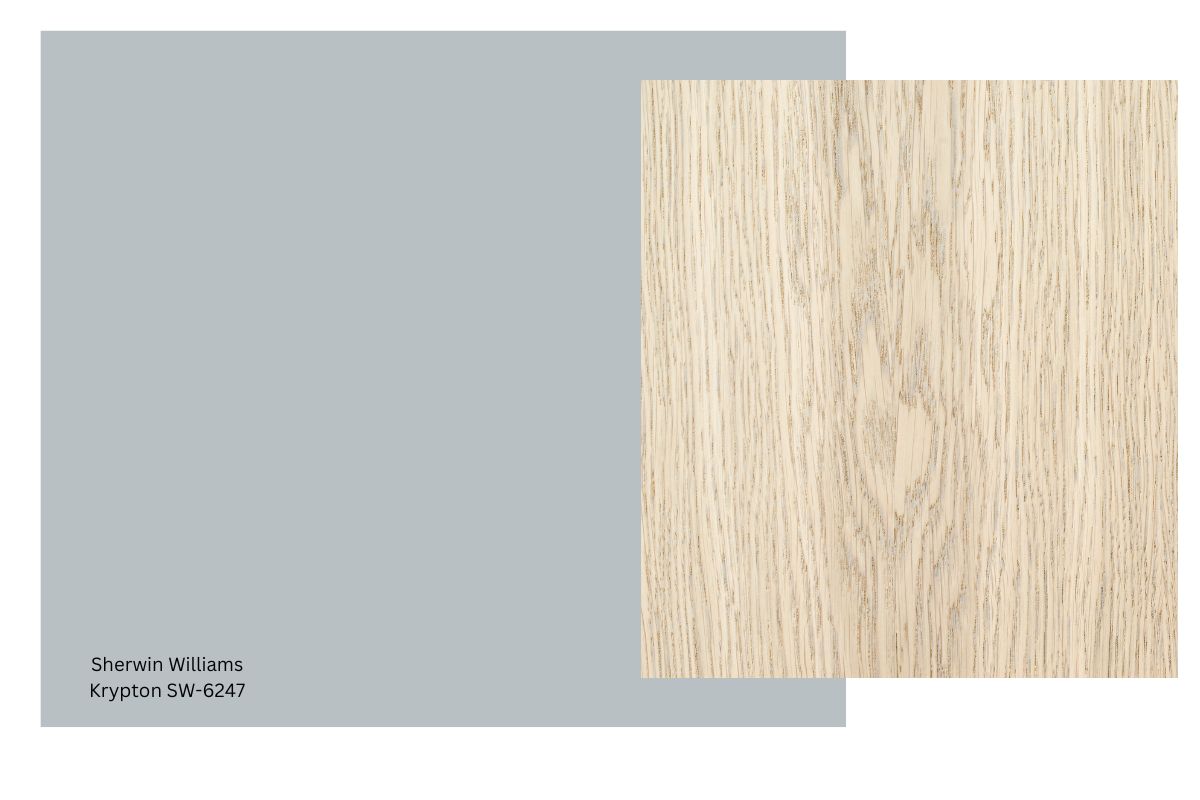
Not necessarily match, but it should definitely complement. If your floors have warm undertones (yellow/orange), you can either choose warm paint colors to create harmony or cool paint colors (blues, greens) to create a beautiful, balanced contrast. If your floors have cool undertones (gray/white), cool paint colors will enhance that crispness, while warmer tones can soften the overall look.
Do light wood floors make a bedroom look bigger?
Yes, absolutely! Light wood floors reflect natural light, which helps to visually expand a space, making a bedroom feel larger, brighter, and more open. Pairing them with light wall colors further enhances this effect.
Can I use dark paint colors with light wood floors in a bedroom?
Yes, and it can be stunning! Dark paint colors like deep navy (Benjamin Moore Hale Navy) or charcoal create a dramatic, luxurious contrast with light wood floors. This pairing adds depth and sophistication and can make the light floors pop. It’s often best used in larger bedrooms or on an accent wall to maintain a cozy, rather than cavernous, feel.
What paint finish is best for bedroom walls with light wood floors?
For bedrooms, an eggshell or satin finish is generally recommended. These finishes offer a subtle, low sheen that hides minor imperfections better than glossier options, while also being more durable and easier to clean than a flat or matte finish. They create a soft, inviting look that complements the natural beauty of light wood floors.
How do I test paint colors to ensure they work with my light wood floors?
Always test paint colors by painting large swatches (at least 2’x2′) directly onto your walls or on large poster boards. Observe these samples next to your light wood floors throughout the day and night to see how natural and artificial light affects the color. This helps you understand how the paint’s undertones interact with your floor’s undertones in your specific room.