How to Repaint a Bedroom: Your Definitive Guide to a Flawless Finish (and Better Sleep!)
Your bedroom isn’t just another room; it’s your personal sanctuary. It’s where you start and end your day, where you relax, recharge, and sleep. So, when it’s time for a refresh, repainting your bedroom is more than just a cosmetic upgrade – it’s an opportunity to transform your entire sleep environment and daily mood.
But let’s be honest, painting can feel daunting. All those steps, the tools, the potential for drips and mistakes. Most guides treat painting a bedroom like any other room, but your sleeping space demands a nuanced approach. You need more than just instructions; you need a blueprint tailored to creating a peaceful, healthy, and beautifully refreshed haven. That’s exactly what you’ll find here.
I’m going to walk you through every single step, from picking the perfect low-VOC paint that won’t disrupt your sleep to the pro-level techniques that guarantee crisp lines and a durable finish. Forget generic advice; we’re focusing on making your bedroom repaint project smooth, successful, and stress-free.
Phase 1: Planning Your Bedroom Paint Project
Why Repainting Your Bedroom is More Than Just a Color Change
Think beyond just a new color. A fresh coat of paint in your bedroom has a profound impact:
- Mood & Psychology: Colors evoke emotions. A calming blue can promote relaxation, while a soft green can connect you with nature. For a bedroom, you’re not just choosing a hue; you’re crafting an atmosphere conducive to rest and tranquility.
- Air Quality: This is HUGE for bedrooms. Traditional paints can release Volatile Organic Compounds (VOCs) into the air for months, impacting your sleep and health. Opting for low-VOC or zero-VOC paints is a smart, health-conscious choice for your most personal space.
- Personal Sanctuary: Your bedroom should feel like a retreat. A new paint job allows you to infuse your personality and create a space that truly feels like *yours*, enhancing overall well-being.
Choosing the Perfect Bedroom Color & Finish
This is where the fun begins, but also where thoughtful decisions are made.
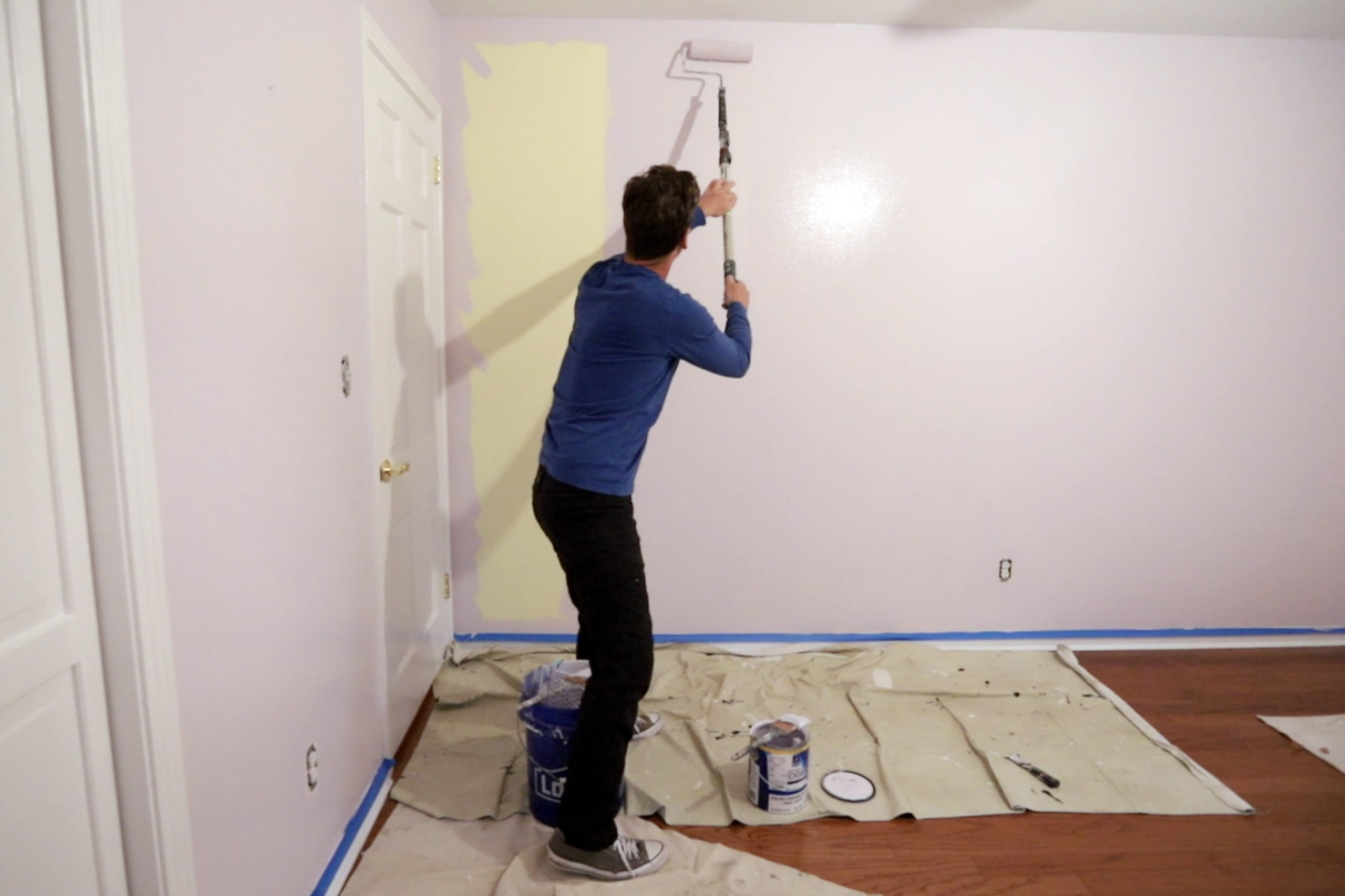
Color Psychology for Bedrooms
Consider the mood you want to create:
- Calming & Relaxing: Soft blues, greens, grays, and warm whites. These colors promote serenity and can aid sleep.
- Cozy & Intimate: Deeper jewel tones, muted earthy tones, or even a deep navy can create a luxurious, enveloping feel.
- Bright & Airy: Light neutrals, pastels, and soft yellows can make a small room feel larger and more open.
Pro Tip: Pay attention to your room’s natural light. A north-facing room might benefit from warmer tones, while a south-facing room can handle cooler shades.
Testing Colors: Why Swatching is Crucial
Never pick a color from a tiny chip! Paint large swatches (at least 2’x2′) on a few walls in your bedroom. Observe them at different times of day – morning, afternoon, and evening – and under both natural and artificial light. The color will change dramatically.
Understanding Paint Finishes (Sheens)
The finish (or sheen) of your paint dictates its appearance, durability, and how easy it is to clean. For bedrooms, most people opt for a lower sheen for a softer, more sophisticated look.
| Finish | Appearance | Durability/Cleanability | Best Use in Bedroom |
|---|---|---|---|
| Flat/Matte | No sheen, absorbs light, hides imperfections well. | Least durable, difficult to clean, susceptible to scuffs. | Ceilings, adult bedrooms with minimal traffic or touching. Provides a luxurious, velvety look. |
| Eggshell | Very subtle sheen, like an eggshell. More forgiving than flat. | Fairly durable, moderately easy to wipe clean. | Most popular choice for bedroom walls. Offers a soft look with better durability. |
| Satin | Noticeable sheen, often described as ‘lustrous’. | Highly durable, very easy to clean. | Children’s bedrooms, high-traffic areas, trim, doors, windows. Can be too shiny for all walls in an adult bedroom. |
| Semi-Gloss | High sheen, very reflective. | Extremely durable and scrubbable. | Trim, doors, window frames, baseboards. Rarely used on entire walls in a bedroom. |
Paint Quality & Type: Low-VOC for Your Bedroom
This is non-negotiable for a bedroom. Look for paints labeled Low-VOC or Zero-VOC. These paints contain fewer (or no) harmful chemicals that off-gas into the air, making your bedroom a healthier place to sleep. Many modern paints also offer primer-in-one formulations, which can save a step, especially if you’re not making a drastic color change.
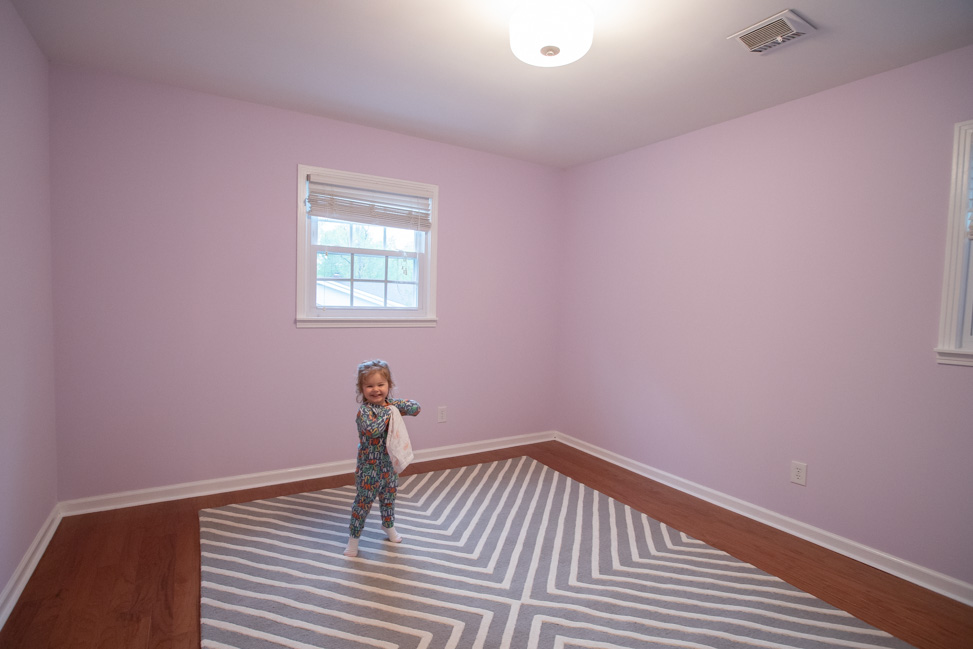
Essential Tools & Materials Checklist
Don’t start painting until you have everything you need. A quick trip to the hardware store for forgotten items can derail your momentum.
- Paint & Primer: As chosen above. Calculate how much you’ll need (see next section).
- Painter’s Tape: Good quality, blue painter’s tape (FrogTape or 3M Delicate Surfaces are popular).
- Drop Cloths: Canvas is best as it absorbs spills and is reusable. Plastic works but can be slippery.
- Brushes: An angled sash brush (2-2.5 inches) for ‘cutting in’ around edges and trim. A smaller detail brush.
- Rollers: Roller frame and appropriate nap rollers for your paint type and wall texture (3/8″ nap is standard for smooth walls).
- Paint Trays & Liners: Liners make cleanup a breeze.
- Extension Pole: For your roller, saves your back and ensures even coverage.
- Spackle & Putty Knife: For filling holes and cracks.
- Sandpaper/Sanding Sponge: Fine-grit (120-220) for smoothing patched areas.
- Cleaning Supplies: TSP (trisodium phosphate) substitute or mild detergent, sponges, buckets.
- Screwdrivers: For removing switch plates and outlet covers.
- Utility Knife: For scoring old caulk or wallpaper.
- Rags/Wipes: For quick cleanups.
- Ladder/Step Stool: To reach high spots safely.
- Safety Gear: Gloves, eye protection, respirator (even with low-VOC paint, ventilation is key).
Pro Tip: Invest in quality tools. They make the job easier, give a better finish, and last longer. Cheap brushes and rollers shed bristles and leave streaks.
Budgeting & Time Allocation: What to Expect
Understanding the financial and time commitment upfront helps manage expectations and stress. These are general estimates for a standard 10×12 ft bedroom with 8ft ceilings, assuming you’re doing the work yourself.
| Category | Estimated Cost Range (USD) | Estimated Time |
|---|---|---|
| Paint (2 coats, low-VOC) | $70 – $150 per gallon (typically 1-2 gallons needed) | N/A |
| Primer (if needed) | $30 – $60 per gallon (typically 1 gallon) | N/A |
| Supplies (brushes, rollers, tape, drop cloths, spackle, etc.) | $75 – $150 (initial investment, many items reusable) | N/A |
| Total Material Cost Estimate | $175 – $360 | N/A |
| Prep Work (clearing, cleaning, repairing, taping) | N/A | 4 – 8 hours |
| Priming (if needed, including drying) | N/A | 2 – 4 hours |
| Painting (2 coats, including drying time between coats) | N/A | 6 – 12 hours |
| Cleanup & Reassembly | N/A | 2 – 4 hours |
| Total Time Estimate | N/A | 14 – 28 hours (spread over 2-3 days) |
Phase 2: Mastering the Prep Work (The Key to a Professional Finish)
This is arguably the most critical phase. Professional painters often spend more time on prep than on painting itself. Skimping here guarantees a less-than-stellar result.
Emptying & Protecting Your Bedroom Space
- Clear Everything Out: Remove all furniture, wall decor, curtains, curtain rods, light switch plates, and outlet covers. Unscrew any nails or picture hangers.
- Move Furniture: If you can’t remove large items like beds, move them to the center of the room and cover them completely with plastic sheeting or old sheets. Tape the plastic down to secure it.
- Floor Protection: Lay down canvas drop cloths over your entire floor. Canvas is better than plastic for floors as it absorbs drips, prevents slips, and is more durable. Tape the edges of the drop cloths to the baseboards.
- Dust Control: Close off the room as much as possible to prevent dust from spreading.
Cleaning & Repairing Your Walls
You wouldn’t paint on a dirty canvas, so don’t paint on dirty walls!

- Dusting: Use a duster with an extension pole or a vacuum cleaner with a brush attachment to remove all dust, cobwebs, and loose debris from walls, ceilings, and trim.
- Washing Walls: Mix a mild detergent (like dish soap) or a TSP substitute with warm water. Using a sponge, wipe down all surfaces. For heavily soiled areas (e.g., near light switches or headboards), a stronger clean might be needed. Rinse thoroughly with clean water and let the walls dry completely. This removes grease, grime, and oils that can prevent paint adhesion.
- Filling Holes & Cracks: For small nail holes, use a lightweight spackle. For larger holes or cracks, you might need drywall compound. Apply with a putty knife, slightly overfilling the hole.
- Sanding Smooth: Once the spackle/compound is completely dry, use fine-grit sandpaper (120-220 grit) or a sanding sponge to sand the patched areas smooth and flush with the wall. Wipe away sanding dust with a damp cloth.
- Dealing with Existing Wallpaper: If you have wallpaper, it’s almost always best to remove it. Painting over wallpaper can lead to bubbling, peeling, and a less-than-smooth finish. If removal isn’t an option, use a quality oil-based primer specifically designed to seal wallpaper.
Pro Tip: Don’t underestimate cleaning. Any residue on the walls can compromise paint adhesion, leading to peeling or an uneven finish later on.
Taping & Masking Like a Pro
Achieving crisp lines is a hallmark of a professional-looking paint job. Quality painter’s tape is your best friend here.
- Choose the Right Tape: Blue painter’s tape is standard. If you have delicate surfaces or freshly painted adjacent walls, opt for a low-tack, delicate surface tape.
- Apply Firmly: Apply tape along the edges of your baseboards, door frames, window frames, and where the wall meets the ceiling. Press down firmly with your finger or a putty knife to create a tight seal and prevent paint bleed.
- Overlap: Slightly overlap tape pieces to ensure no gaps.
- Around Fixtures: For light fixtures or intricate areas you couldn’t remove, tape carefully around them.
Phase 3: Priming for Perfection
Primer creates a uniform surface for your paint, improving adhesion, color vibrancy, and durability. It’s an often-skipped step that can make or break your final result.
Do You Always Need Primer?
While some paints are marketed as ‘paint and primer in one,’ a dedicated primer is often beneficial, especially for a bedroom.
- YES, if:
- You’re making a drastic color change (e.g., dark to light).
- You’re covering stains (water, smoke, grease) – use a stain-blocking primer.
- You’re painting over glossy paint or a slick surface.
- You have new drywall or repaired patches (they absorb paint differently).
- You’ve removed wallpaper and exposed bare drywall or adhesive residue.
- NO (maybe), if:
- You’re painting over the same color or a very similar shade, and the existing paint is in good condition with a matte or eggshell finish.
- You’re using a high-quality ‘paint and primer in one’ product AND the conditions above don’t apply.
Applying Primer Evenly
- Stir Thoroughly: Mix your primer well before use.
- Cut In First: Just like with paint, use your angled brush to ‘cut in’ a band of primer (2-3 inches wide) around all edges, corners, and along taped areas.
- Roll the Walls: Pour primer into your paint tray. Load your roller evenly and apply primer to the walls using a ‘W’ or ‘M’ pattern. Roll vertically, overlapping slightly with each stroke to ensure consistent coverage.
- Consistent Coverage: Don’t try to get full opacity with primer; just aim for even coverage.
- Drying Time: Allow the primer to dry completely according to the manufacturer’s instructions, usually 1-4 hours. Good ventilation is key.
Phase 4: The Art of Painting Your Bedroom Walls
Now for the satisfying part! With proper prep, this phase will be much smoother.
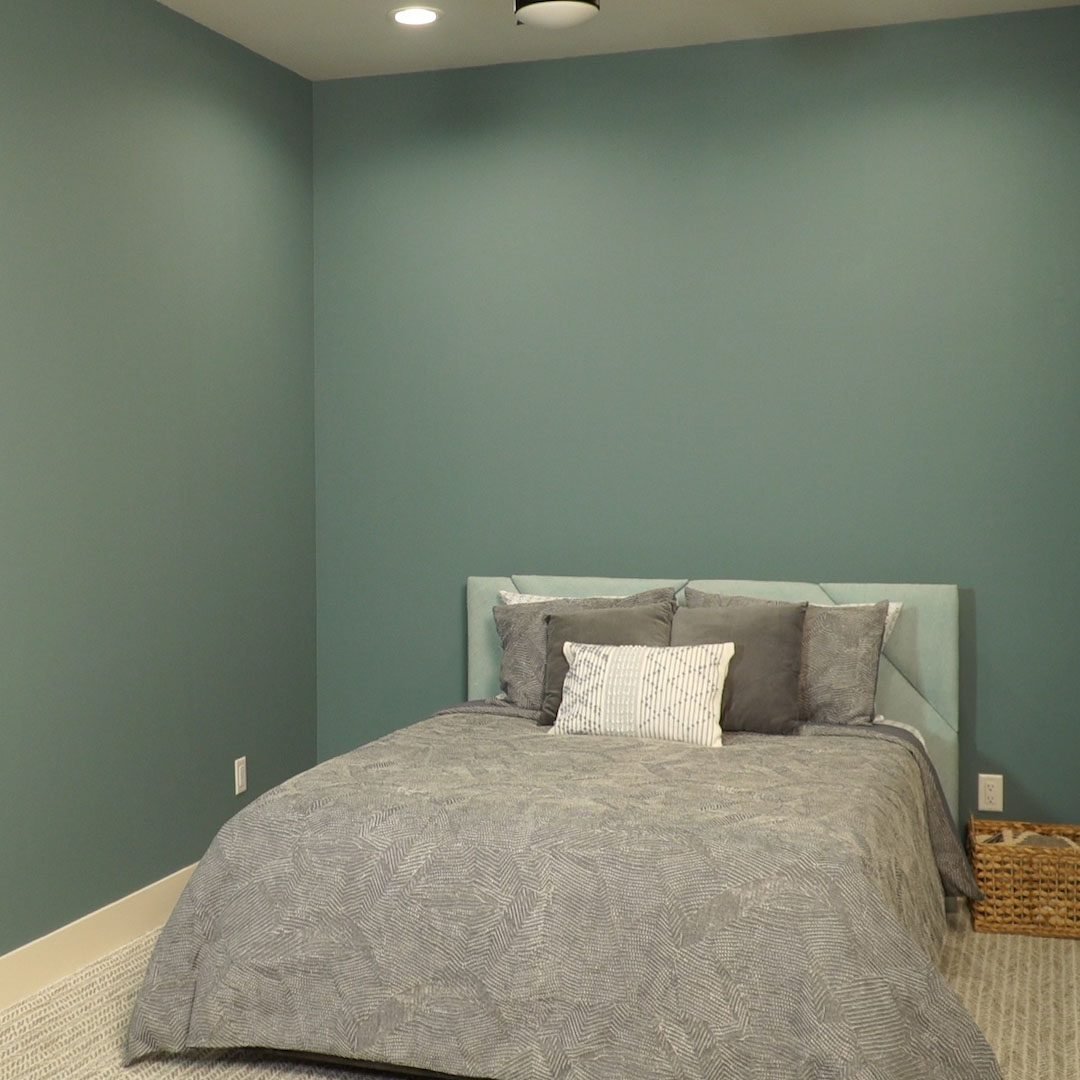
Mixing & Pouring Your Paint
- Stir, Don’t Shake: Thoroughly stir your paint with a paint stirrer. Shaking can introduce air bubbles.
- Pour Smartly: Pour a manageable amount of paint into your tray. Don’t fill it to the brim. Using a tray liner makes cleanup easier.
Cutting In: Edges and Corners
This technique defines your room’s lines and ensures a clean finish.
- Load Your Brush: Dip your angled sash brush about one-third of the way into the paint. Tap off excess on the side of the can or tray. Don’t wipe it clean, you want paint on both sides of the brush.
- Ceiling Line: Start a few inches away from the ceiling line, then gently guide the bristles towards the tape or ceiling, creating a clean, straight line. Work in 2-3 foot sections.
- Corners: Paint into the corner, working from top to bottom.
- Trim & Windows: Carefully cut in around all taped trim, window frames, and door frames.
- Feather the Edges: As you finish a section of cutting in, lightly drag your brush away from the line into the main wall area. This creates a feathered edge that blends seamlessly with the roller application.
Rolling the Walls: Achieving Smooth Coverage
- Roller Nap Selection: Use a 3/8-inch nap roller for most smooth interior walls. Longer naps are for textured surfaces.
- Load Evenly: Roll your roller in the paint tray until it’s saturated but not dripping. Use the ribbed part of the tray to remove excess.
- The ‘W’ or ‘M’ Method: Start rolling in a top corner. Apply paint to the wall in a large ‘W’ or ‘M’ pattern without lifting the roller. Then, fill in the W/M by rolling vertically, overlapping your strokes.
- Maintain a Wet Edge: Always work from a wet edge. This means your new roller strokes should slightly overlap the previously painted area before it dries. This prevents lap marks.
- Consistent Pressure: Apply even, moderate pressure. Don’t press too hard, as this can squeeze paint out the sides of the roller.
- Two Coats: Almost always necessary for a rich, even color, especially if you’re making a significant color change or want maximum durability. Allow each coat to dry completely (check manufacturer’s instructions, typically 2-4 hours) before applying the next.
Painting the Trim (Optional: After Walls or Before?)
There’s a debate on whether to paint trim before or after walls. I recommend painting walls first.
- Walls First (Recommended): Paint your walls, letting your roller get close to the trim without worrying too much about perfection. Once the walls are dry, tape off the walls along the trim, then paint the trim. This allows you to get perfectly crisp lines on your trim.
- Trim First: If you paint trim first, you’ll then have to tape off the trim perfectly before painting the walls, which can be harder to do without scuffing the fresh trim paint.
Use your angled brush for trim. Apply two thin coats for a durable, smooth finish. Satin or semi-gloss are ideal for trim durability.
Ceiling Last? Or First? (The Great Debate)
General consensus among pros: paint the ceiling first.
- If you paint walls first, any drips or splatters on the ceiling will be a nightmare to clean without messing up your fresh wall paint.
- Painting the ceiling first allows you to be a little less precise near the ceiling line on the walls, as you’ll be cutting in the wall color over the edge of the ceiling paint anyway.
Use a flat or matte ceiling paint, often a dedicated ceiling white, as it hides imperfections and absorbs light, making ceilings appear taller.
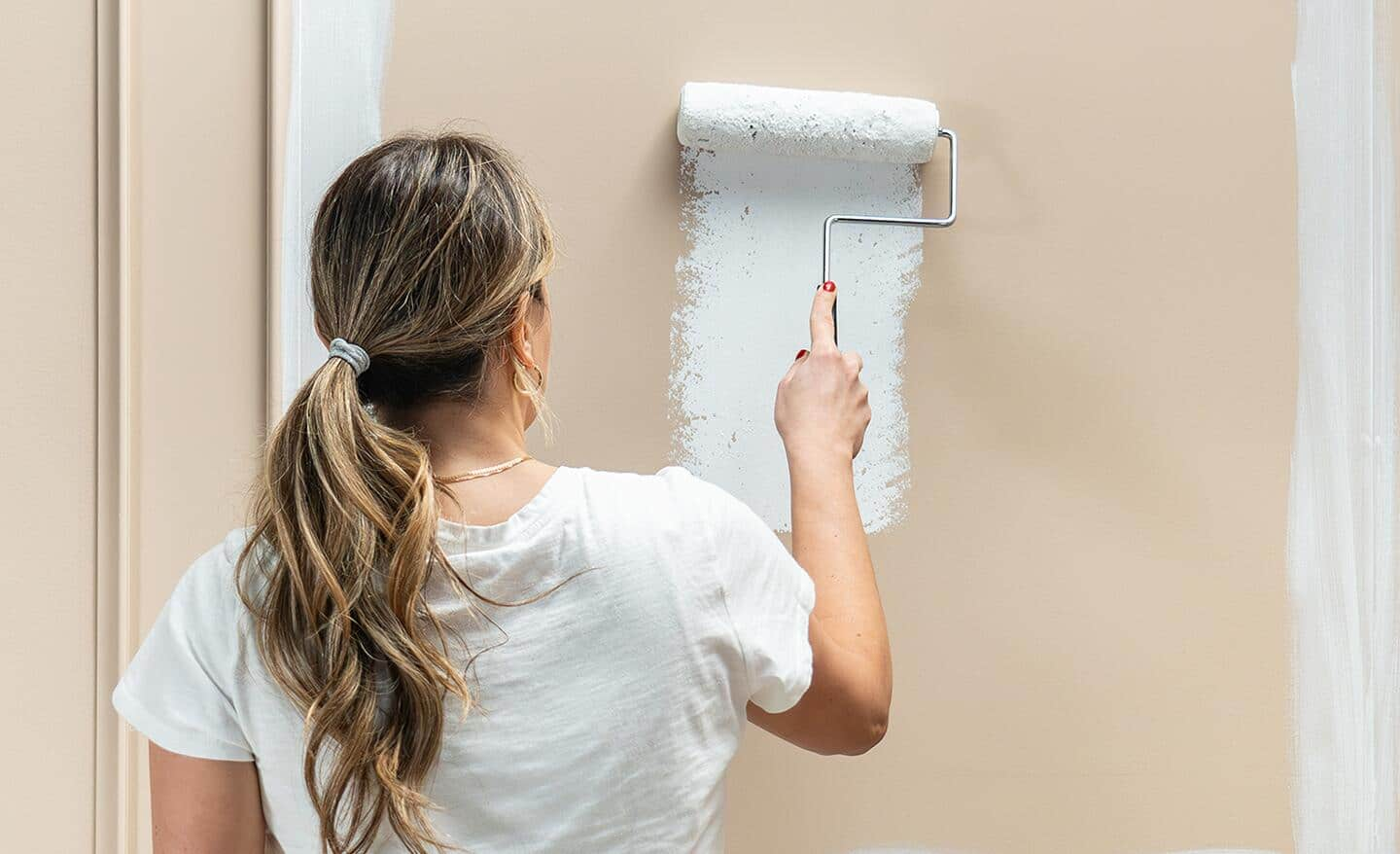
Phase 5: The Finishing Touches & Cleanup
You’re almost there! These final steps ensure your hard work results in a pristine bedroom.
Removing Painter’s Tape
Timing is everything for crisp lines.
- Wet Paint: For the absolute sharpest lines, remove the tape when the paint is still slightly wet (but not dripping). This allows the paint to separate cleanly from the tape.
- Fully Dry Paint: If the paint has fully dried, score along the edge of the tape with a utility knife before peeling. This prevents the dried paint from peeling off with the tape, especially if the paint created a film over the tape.
- Pull at an Angle: Pull the tape back slowly, at a 45-degree angle, away from the freshly painted surface.
Inspection & Touch-Ups
Step back and admire your work. Look for:
- Missed spots or thin areas.
- Uneven paint texture.
- Drips or runs.
- Lines that aren’t perfectly straight.
Use a small brush for touch-ups. For runs, let them dry completely, then gently sand smooth and repaint. For storage, tightly seal leftover paint in its original can. Flip it upside down for a moment to create an airtight seal, then store in a cool, dry place. Label the can with the room, date, and color name.
Cleaning Your Tools
Proper cleaning extends the life of your tools.
- Brushes: Scrape off excess paint, then wash thoroughly with warm, soapy water until the water runs clear. Use a wire brush or comb to get paint out of the bristles. Hang brushes to dry, bristles down, to help them retain their shape.
- Rollers: Scrape off excess paint with a 5-in-1 tool. Rinse thoroughly under warm water until clean. Stand them upright to dry.
- Trays: If you used liners, simply discard them. Otherwise, wash trays thoroughly with soap and water.
- Disposal: Never pour paint down drains. Dispose of paint waste according to local regulations.
Reassembling Your Bedroom Sanctuary
Patience is a virtue here. While paint may be dry to the touch in hours, it can take several days or even weeks to fully ‘cure’ and reach its maximum durability. Avoid bumping or scuffing the walls during this period.
- Ventilate: Keep windows open for a few days to help with the curing process and to air out any lingering paint odors, even with low-VOC paints.
- Replace Fixtures: Once fully dry, replace all light switch plates, outlet covers, and light fixtures.
- Return Furniture & Decor: Carefully move furniture back into place. Rehang curtains and wall art.
- Enjoy! Your refreshed bedroom is ready for relaxation.
Common Bedroom Painting Mistakes to Avoid
Bypass these pitfalls for a smoother project:
- Skipping Prep Work: This is the cardinal sin. Dirty walls, unrepaired holes, or poorly taped edges will glaringly show through your new paint.
- Using Cheap Tools: Flimsy brushes shed bristles, poor quality rollers leave texture, and cheap tape bleeds. Invest a little more for a lot better result.
- Not Taping Properly: Rushing tape application or not pressing it down firmly leads to fuzzy lines and frustration.
- Applying Paint Too Thick/Thin: Too thick leads to drips and uneven drying. Too thin requires too many coats and poor coverage. Aim for even, moderate application.
- Not Letting Coats Dry: Painting a second coat before the first is fully dry can lift the first coat, create uneven texture, and lead to a blotchy finish.
- Painting in Bad Conditions: Extremely high humidity can prevent paint from drying properly. Very low temperatures can also affect paint performance. Aim for moderate temperatures and humidity.
- Ignoring Low-VOC for Bedrooms: Prioritize your health and sleep. Don’t compromise on low-VOC paint for your bedroom.
- Forgetting to Stir Paint: Pigments can settle at the bottom. Not stirring means inconsistent color.
Repainting your bedroom is a rewarding DIY project that can dramatically enhance your living space and well-being. By following this comprehensive guide, embracing thorough preparation, and paying attention to the details, you’ll achieve a professional-looking finish and create the tranquil sanctuary you deserve. Happy painting!
”
}