So, you’ve got beautiful, solid dark brown furniture in your bedroom. Maybe it’s a cherished antique, a modern solid wood piece, or a contemporary set that you absolutely love. Dark brown furniture brings an undeniable sense of warmth, elegance, and timelessness to a space. But let’s be honest, it can also feel a bit… heavy. Or perhaps you’re worried about your room looking like a cave.
I hear you. The challenge isn’t the furniture itself, it’s finding the perfect color scheme to complement it, making your bedroom feel like a harmonious retreat rather than a dark, overwhelming space. This isn’t about ditching your beloved pieces; it’s about transforming your entire room to perfectly showcase them. And I’m here to show you exactly how to do it, turning that visual weight into grounded sophistication.
Unlocking Your Bedroom’s Potential: The Definitive Guide to Color Schemes with Dark Brown Furniture
The Foundation: Understanding Dark Brown’s Personality
Before we dive into swatches and palettes, let’s understand why dark brown furniture can be a bit of a decor puzzle. Its richness, while luxurious, naturally absorbs light. This means a room filled with dark brown pieces can quickly feel smaller, heavier, and less inviting if not balanced with the right colors and textures. Think of your dark brown furniture as the anchor, the grounding element in your design.
The key is to create contrast, balance, and visual interest. We want to lift the space, add layers of personality, and ensure your bedroom feels exactly how it should: a calming, beautiful sanctuary. Understanding color psychology in the bedroom is crucial here. Certain colors evoke specific feelings – serenity, energy, warmth, or coolness. Our goal is to pair these psychological impacts with the physical presence of your dark brown furniture.
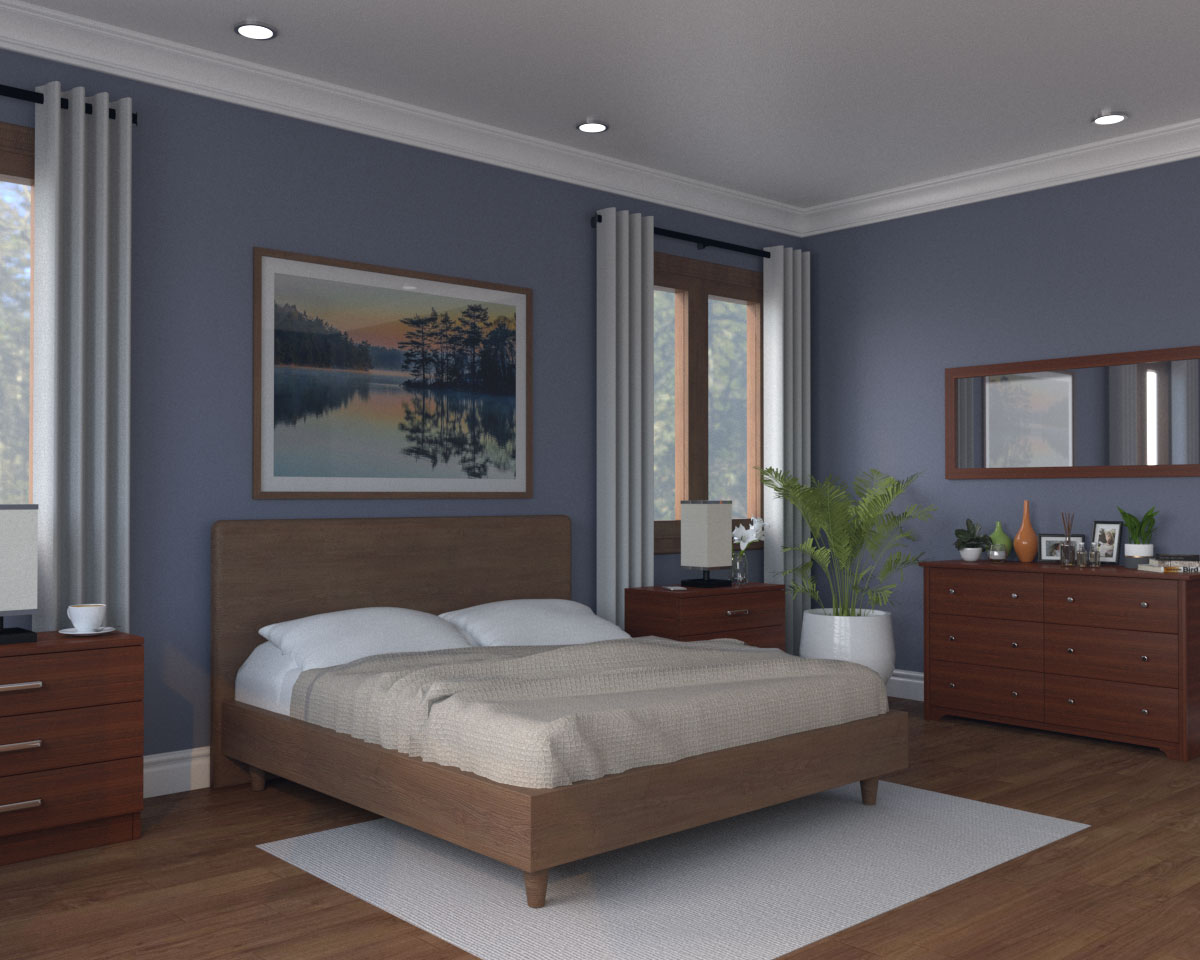
Your Wall Color Canvas: Transforming Your Dark Brown Bedroom
The walls are your largest canvas, setting the entire mood. This is where you can make the biggest impact in balancing out your dark brown furniture. Let’s explore some powerful approaches.
Light & Airy Schemes: Creating Space and Serenity
This is often the go-to strategy for a reason: it works! Light wall colors reflect light, instantly making a room feel larger, brighter, and more open. They act as a soft backdrop, allowing your dark furniture to stand out without dominating.
- Creamy Whites & Off-Whites: These are classics for a reason. They offer a crisp, clean contrast that feels both fresh and inviting. Think of a warm, buttery off-white rather than a stark, cold white to maintain a cozy feel. They prevent the room from feeling sterile while providing maximum brightness.
- Soft Greys: For a more contemporary and sophisticated vibe, soft greys are excellent. A light silver-grey or a warm dove grey provides a subtle contrast that feels modern and elegant. Greys with a slightly blue or green undertone can add an extra layer of serenity.
- Pale Blues & Greens: If you crave a connection to nature and ultimate tranquility, pale blues (like sky blue or an icy blue) and soft greens (such as mint or a very light sage) are perfect. They bring a serene, airy quality that beautifully complements the earthiness of dark brown.
- Soft Pastels (Blush, Pale Yellow): For a touch of gentle warmth and subtle charm, consider very pale pastels. A whisper of blush pink can add a feminine, romantic touch, while a pale butter yellow can infuse a delicate sunlit glow, making the room feel cheerfully cozy without being overly bright.
| Wall Color Type | Effect with Dark Brown Furniture | Best For | Pro Tip |
|---|---|---|---|
| Creamy Whites & Off-Whites | Expansive, fresh, crisp, clean contrast. | Small rooms, modern aesthetics, desire for brightness. | Choose a warm undertone to avoid sterility; layer with textured whites. |
| Soft Greys | Sophisticated, modern, calming, subtle contrast. | Contemporary homes, achieving a serene retreat. | Look for greys with blue or green undertones for added depth and coolness. |
| Pale Blues & Greens | Tranquil, airy, nature-inspired, serene. | Relaxing sanctuaries, coastal or cottage styles. | Pair with natural textures like linen and wood for a cohesive feel. |
| Soft Pastels | Gentle, charming, subtly warm, romantic. | Feminine styles, nurseries, adding soft character. | Keep the pastel very muted to ensure it doesn’t overwhelm the space. |
Warm & Inviting Schemes: Embracing Cozy Comfort
If your goal is a cozy, cocoon-like bedroom, warm colors are your allies. They embrace the richness of dark brown furniture, creating a deeply inviting and grounding atmosphere.
- Warm Beiges & Tans: These earth tones are naturals with dark brown, creating a seamless, organic feel. Think of sandy beiges, camel tones, or a deep mushroom taupe. They offer warmth without making the room feel too dark, especially if you opt for lighter shades.
- Deep Greens (Sage, Olive, Forest): From the calming subtlety of sage to the luxurious depth of forest green, these hues beautifully echo nature. They create a sophisticated, grounding backdrop that feels both serene and stylish. Olive green, in particular, has a beautiful vintage appeal that complements dark wood.
- Terracotta & Rust Tones: For a touch of Bohemian flair or Mediterranean warmth, these sun-baked hues are unexpectedly stunning with dark brown. They bring an artisanal, earthy richness that is both vibrant and grounding. Use them to create a bold yet cozy statement.
- Deep Blues (Navy, Teal, Cadet Blue): Don’t shy away from rich blues. Navy provides a classic, sophisticated backdrop, while teal introduces a touch of vibrancy and jewel-toned luxury. Cadet blue offers a slightly softer, yet still deep, option that can feel incredibly calming and regal when paired with dark brown.
| Wall Color Type | Effect with Dark Brown Furniture | Best For | Pro Tip |
|---|---|---|---|
| Warm Beiges & Tans | Earthy, comforting, natural, harmonious. | Traditional, rustic, or natural aesthetics; creating warmth. | Vary shades with lighter bedding to prevent a monochromatic overload. |
| Deep Greens | Sophisticated, grounding, serene, luxurious. | Bohemian, classic, or nature-inspired spaces. | Introduce metallic accents (gold/brass) to elevate the look. |
| Terracotta & Rust Tones | Vibrant, earthy, bohemian, unique character. | Eclectic, global, or highly personalized designs. | Use sparingly or as an accent wall to avoid overwhelming. |
| Deep Blues | Calming, luxurious, classic, sophisticated. | Elegant, masculine, or serene master bedrooms. | Ensure ample lighting to prevent the room from feeling too dim. |
Bold & Dramatic Schemes: Making a Statement
Who says dark brown furniture can’t be part of a dramatic, high-impact scheme? With careful planning, you can create a truly memorable bedroom. The trick is to embrace the moodiness, not fight it.

- Charcoal Greys & Deep Plums: These hues offer a sophisticated, moody backdrop that feels incredibly chic. Charcoal grey creates a strong, contemporary contrast, while deep plums or aubergine can introduce an opulent, romantic feel. The dark walls allow the dark brown furniture to blend, creating a cohesive, enveloping effect rather than a stark contrast.
- Black Accent Walls: This is for the truly brave! A single black accent wall can provide incredible depth and drama, making your dark brown headboard pop with a sleek, modern edge. It’s a powerful statement that requires balancing with plenty of light-colored bedding and metallic accents.
- Rich Jewel Tones (Emerald, Sapphire): For an ultra-luxurious and vibrant look, consider rich jewel tones. An emerald green accent wall or sapphire blue bedding can create a stunning visual feast. These saturated colors add energy and opulence, making your dark brown furniture feel even more regal.
Layering for Depth: Beyond the Walls
Wall color is the foundation, but the magic happens when you layer in other elements. This is where you inject personality and transform a simple room into a rich, multi-dimensional space.
Bedding & Textiles: The Heart of Comfort
Your bed is the focal point of the bedroom, and its textiles are crucial. This is your chance to introduce softness, texture, and additional pops of color.
- Complementary vs. Contrasting: If your walls are light, you might opt for bedding that contrasts with the furniture (e.g., crisp white, light grey, or a soft pastel). If your walls are dark, lighter bedding becomes essential to lift the space and create a welcoming invitation. Consider layering different shades within the same color family for subtle depth.
- Texture is Key: Don’t underestimate the power of touch. Linen, velvet, knitted throws, faux fur, or silk can add incredible richness and softness. These textures break up the visual weight of the dark furniture and invite you to relax.
- Pattern Play: Introduce patterns through throw pillows, a duvet cover, or a bed skirt. Geometric patterns, subtle stripes, or botanical prints in your chosen color palette can add visual interest without overwhelming the space. Just ensure the patterns aren’t too busy or clashing with each other.
Area Rugs: Defining Your Zone
An area rug can literally anchor your design, define your sleeping zone, and significantly impact the overall feel of the room.
- Lightening the Load: A light-colored rug (think cream, pale grey, or a muted natural fiber rug like jute) under your dark brown bed is one of the most effective ways to lift the visual weight of the furniture. It creates a soft island that grounds the bed while opening up the floor space.
- Pattern & Texture: Don’t shy away from patterned rugs, especially if your walls are solid. A subtle geometric pattern or a distressed oriental rug in muted tones can add character and warmth. Consider plush textures for ultimate comfort underfoot.
- Size & Placement: Ensure your rug is large enough to extend at least 18-24 inches beyond the sides of your bed. This makes the room feel more luxurious and proportionate.
Curtains & Window Treatments: Framing the Light
Window treatments serve both functional and aesthetic purposes. They can soften harsh lines, control light, and add another layer of color and texture.
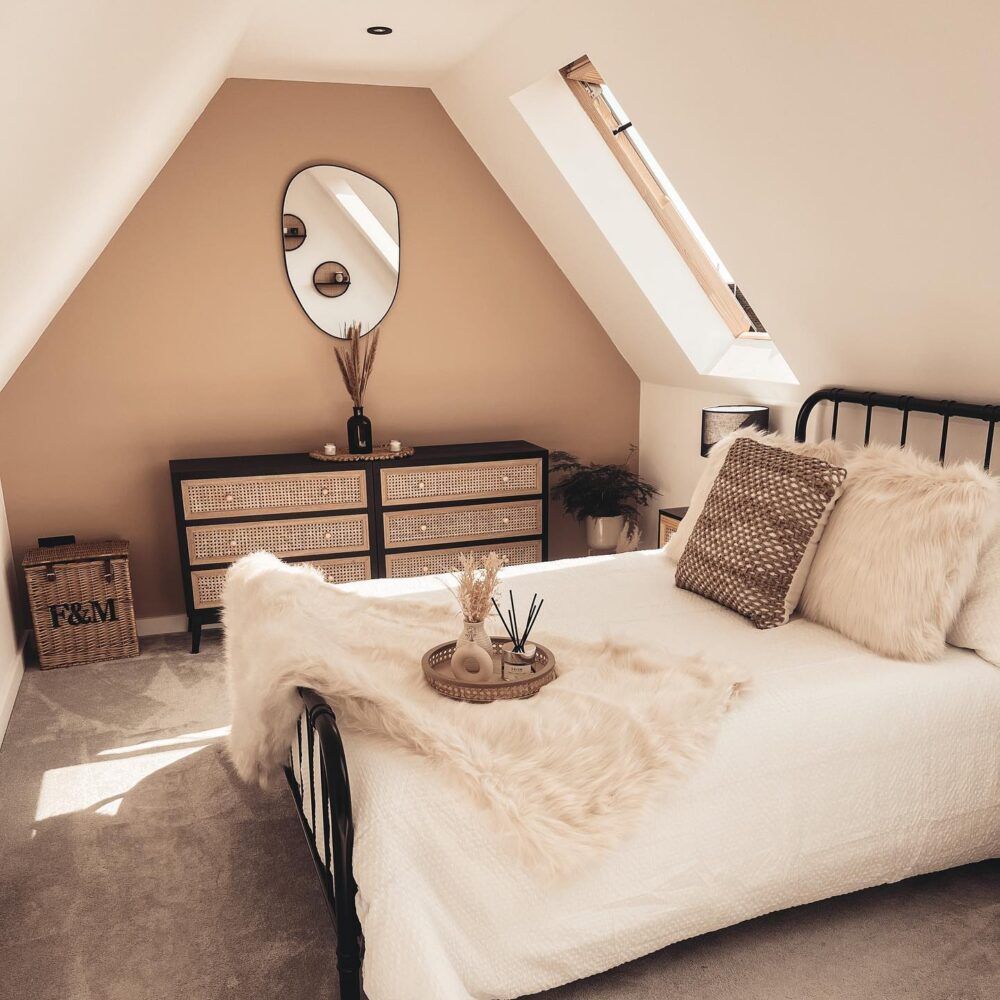
- Material and Opacity: Sheer curtains can maximize natural light and maintain an airy feel, especially good with light wall schemes. For more privacy or light control, opt for lined drapes. Velvet or heavy linen drapes can add a luxurious touch and complement a cozier, darker scheme.
- Color Choice: Choose curtains that either blend seamlessly with your wall color (for a cohesive, expansive look) or offer a gentle contrast that ties into your bedding or accent colors. Avoid curtains that are too dark or heavy if your goal is to lighten the room.
Art, Decor & Accessories: The Finishing Touches
This is where you truly personalize your space and tie all your chosen colors together.
- Strategic Color Pops: Use smaller decorative items like vases, lamps, decorative pillows, or ceramic objects to introduce accent colors. A vibrant emerald green vase, a collection of azure blue books, or a striking piece of abstract art can inject personality and energy.
- Metallics: Metallics are fantastic for adding sparkle and light reflection. Gold and brass tones introduce warmth and luxury, while silver and chrome lean more modern and sleek. Incorporate them through lamp bases, picture frames, mirrors, or decorative sculptures.
- Greenery: Never underestimate the power of live plants. They bring natural color, life, and a sense of freshness to any bedroom, beautifully contrasting with dark brown furniture.
The Power of Light: Illuminating Your Dark Brown Bedroom
Lighting is arguably the most critical element when designing around dark brown furniture. It can make or break your scheme, influencing how colors appear and how the room feels.
- Maximizing Natural Light: Keep windows unobstructed as much as possible. Use lighter window treatments that can be easily opened or pulled back during the day. Mirrors placed strategically opposite windows can also help bounce light around the room.
- Layered Artificial Lighting: Don’t rely on a single overhead light. Implement a layered lighting scheme:
- Ambient lighting: A central ceiling fixture or recessed lights for overall illumination.
- Task lighting: Bedside lamps for reading, a desk lamp if applicable.
- Accent lighting: Wall sconces, picture lights, or dimmable floor lamps to highlight features and create mood.
The goal is to eliminate dark corners and create a warm glow.
- Color Temperature of Bulbs: Pay attention to Kelvin (K) ratings. For a warm, inviting bedroom, opt for bulbs in the 2700K to 3000K range (warm white). Cooler temperatures (4000K+) can make a cozy room feel sterile.
Design Styles That Shine with Dark Brown Furniture
Dark brown furniture is incredibly versatile and can adapt to many aesthetic preferences. Here’s how to tailor your color scheme to specific design styles:
| Design Style | Core Aesthetic | Recommended Color Palette | Key Accessories |
|---|---|---|---|
| Modern Minimalist | Clean lines, uncluttered, functional beauty. | Crisp whites, light greys, charcoal, black accents. | Geometric art, chrome/black metals, simple lamps, white linens. |
| Bohemian Chic | Eclectic, relaxed, global influences, rich textures. | Terracotta, sage green, mustard yellow, deep teal, creamy whites. | Woven rugs, macrame, plants, rattan, eclectic art, patterned throws. |
| Classic Traditional | Timeless elegance, rich details, formal balance. | Deep blues (navy), emerald green, warm cream, burgundy, gold accents. | Ornate mirrors, velvet textiles, classic lamps, framed prints, heavy drapes. |
| Farmhouse Rustic | Warm, cozy, natural materials, lived-in feel. | Warm whites, soft greys, sage green, pale blue, natural wood tones. | Shiplap, plaid patterns, distressed metals, woven baskets, fresh flowers. |
| Industrial Loft | Raw materials, exposed elements, urban edge. | Concrete grey, brick red, black, white, muted blues/greens. | Metal accents, exposed bulbs, distressed leather, abstract art. |
| Scandinavian Serene | Light, functional, minimalist, connection to nature. | Pure whites, light greys, pale wood, dusty pink, soft blues/greens. | Simple textiles, clean lines, ceramic vases, minimal art, natural light. |
Troubleshooting & Pro Tips for Perfecting Your Palette
Designing a bedroom is an art, but there are some practical tips that can save you headaches and ensure a stunning result.

- Consider Room Size & Natural Light: Smaller rooms or those with limited natural light will benefit most from lighter wall colors to maximize brightness. Larger rooms with ample light can handle bolder or darker schemes more easily.
- Always Test Swatches (Large Ones!): This is perhaps the most important tip. Paint large swatches (at least 2’x2′) directly on your walls and live with them for a few days. Observe how the color changes throughout the day with different natural and artificial light. Colors look drastically different on a tiny chip than they do on a full wall.
- Harmony with Adjoining Spaces: Think about how your bedroom connects to hallways or other rooms. While your bedroom can have its own distinct personality, some visual flow, perhaps through a shared accent color or a complementary palette, will make your home feel cohesive.
- Personal Preference is Paramount: Ultimately, this is *your* sanctuary. Choose colors that make you feel happy, relaxed, and at peace. Don’t chase trends if they don’t resonate with you. Your comfort and enjoyment of the space are what truly matter.
- Don’t Forget the Ceiling!: While often painted white, the ceiling can be an extension of your color scheme. A very pale shade of your wall color or even a slightly darker hue can create an enveloping, cozy effect. A crisp white ceiling, on the other hand, will always make the room feel taller.
Refreshing Your Space: Quick Impact Updates
Even if a full repaint isn’t in the cards, you can still dramatically impact your bedroom’s color scheme and feel.
- Paint is Your Most Powerful Tool: Even just painting one accent wall can completely change the room’s dynamic, introducing a bold color without the commitment of painting the entire space.
- Upgrade Bedding & Throws: New sheets, a duvet cover, and a collection of throw pillows are relatively inexpensive ways to introduce new colors, patterns, and textures.
- Add New Artwork & Mirrors: A large piece of art with a vibrant color palette can become a focal point, drawing the eye away from heavy furniture. Mirrors reflect light and create the illusion of more space.
- Introduce Plants: Greenery adds instant life and a pop of natural color that beautifully contrasts with dark brown.
- Declutter and Rearrange: Sometimes, simply removing visual clutter and strategically rearranging your furniture can make a room feel lighter and more intentional.
Your dark brown bedroom furniture is a timeless investment. By understanding how to properly balance its visual weight with thoughtful color schemes, strategic layering, and intelligent lighting, you can transform your bedroom into a personalized haven that truly reflects your style. Embrace the richness, play with contrast, and create a space you’ll love waking up in every single day.
Frequently Asked Questions
What colors make dark brown furniture look less heavy?
Light and bright colors are excellent for making dark brown furniture feel less heavy. Creamy whites, soft greys, pale blues, and light greens reflect light, creating a sense of spaciousness and airiness that contrasts beautifully with the furniture’s depth. Soft pastels like blush pink or pale yellow can also introduce a delicate lift.
Can I use dark wall colors with dark brown furniture?
Yes, absolutely! While it can create a moody and dramatic effect, it requires careful planning. Dark wall colors like charcoal grey, deep navy, or rich forest green can create an enveloping, luxurious atmosphere. To prevent the room from feeling too dim or overwhelming, ensure ample layered lighting (natural and artificial), and balance with lighter bedding, rugs, and metallic accents to add contrast and sparkle.
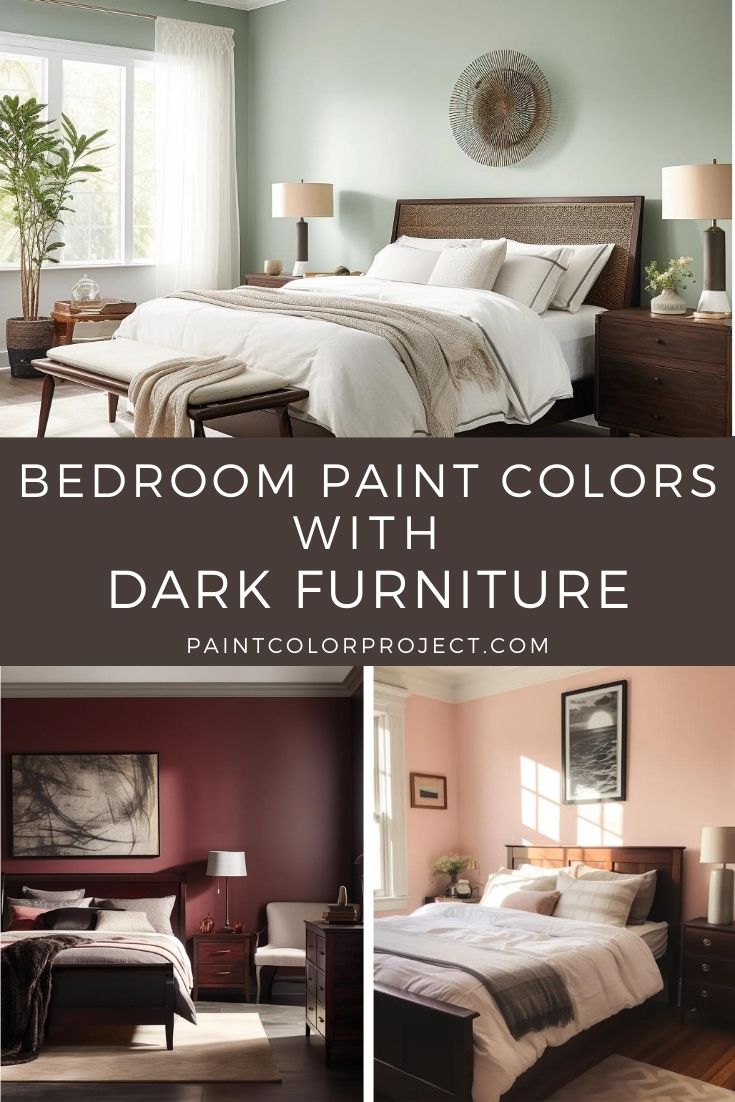
What accent colors pair best with dark brown furniture?
Accent colors can add vibrancy and personality. For a modern look, consider bold jewel tones like emerald green, sapphire blue, or mustard yellow. For a softer touch, blush pink, pale coral, or terracotta work beautifully. Metallics like gold, brass, or copper add warmth and sophistication, while silver and chrome lean more contemporary. Natural greenery also provides a fresh, vibrant pop.
How do I choose bedding colors for a bedroom with dark brown furniture?
Bedding is key for balancing dark brown furniture. If your walls are light, you can choose bedding that contrasts subtly with the furniture (e.g., crisp white, light grey, or a soft pattern). If your walls are dark, lighter bedding becomes essential to lift the space and create a welcoming focal point. Consider layering different textures and shades within your chosen color palette for added depth.
Should my rug be light or dark with dark brown furniture?
A light-colored area rug is highly recommended when pairing with dark brown furniture. It acts as a visual ‘island’ that grounds the furniture while preventing the floor from looking too heavy or dark. Opt for creams, pale greys, muted natural fibers like jute, or a rug with a subtle pattern that incorporates lighter tones. This creates a soft contrast and brightens the overall space.
What lighting works best with a dark brown furniture scheme?
Layered lighting is crucial. Maximize natural light with minimal window coverings. For artificial light, combine ambient (overhead), task (bedside lamps), and accent (sconces, floor lamps) lighting. Choose bulbs with a warm color temperature (2700K-3000K) to create an inviting glow and prevent the room from feeling cold. Dimmers are also excellent for adjusting the mood.
Can I use patterns with dark brown furniture?
Yes, patterns can add wonderful visual interest! Introduce them through bedding (duvet covers, throw pillows), area rugs, curtains, or artwork. Just ensure the patterns are harmonious with your overall color scheme. Subtle geometrics, botanical prints, or classic stripes can work well. The key is balance – if your furniture is ornate, opt for simpler patterns; if your furniture is sleek, you can be bolder with patterns.