The Ultimate Guide to Soft Blue Paint for a Serene Bedroom Retreat
Are you dreaming of a bedroom that feels like a tranquil escape? A space where stress melts away, and sleep comes easily? If so, you’re not alone. Many of us yearn for a personal sanctuary, and the right paint color is the single most powerful tool to achieve it.
Enter: soft blue paint. It’s more than just a trend; it’s a timeless choice, consistently ranked among the top colors for bedrooms. But with countless shades, undertones, and finishes, how do you pick the perfect soft blue for your unique space? That’s exactly what we’re here to unravel. Forget endless swatches and decision fatigue. This guide will arm you with the knowledge and confidence to transform your bedroom into the serene retreat you deserve.
Understanding “Soft Blue”: More Than Just a Color
Before we dive into specific shades, let’s understand what makes a blue “soft” and why it’s so ideal for a bedroom environment.
The Psychology of Soft Blue: Calm, Clarity, and Rest
Blue, universally, is associated with the sky and ocean – vast, calming, and stable. In its softer iterations, this connection intensifies. Research in color psychology consistently shows that soft blues promote feelings of:
- Serenity and Tranquility: It lowers heart rate and breathing, creating a peaceful atmosphere conducive to rest.
- Clarity and Focus: While calming, it also offers a sense of mental spaciousness, ideal for unwinding.
- Reliability and Trust: It’s a color that feels dependable and stable, enhancing feelings of security.
- Better Sleep: By reducing visual stimulation and promoting calm, soft blue can actually improve sleep quality.
This powerful psychological impact makes soft blue an unparalleled choice for a bedroom, a space dedicated to rejuvenation.
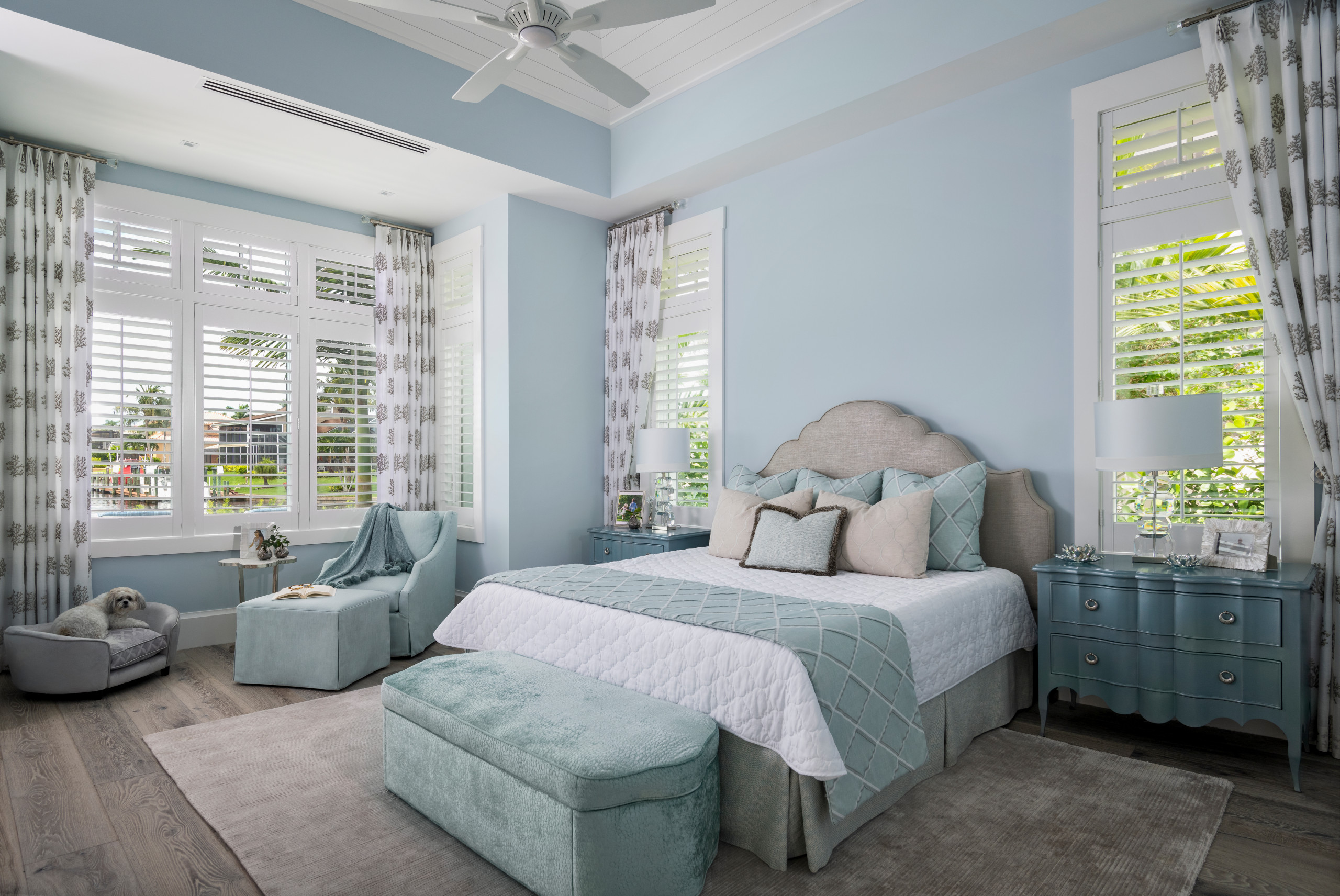
What Makes a Blue “Soft”? Undertones, Saturation, and Light Reflectance Value (LRV)
“Soft” isn’t just about being light; it’s about being muted, nuanced, and easy on the eyes. Here’s what contributes to a blue’s softness:
- Undertones: This is perhaps the most critical element. A soft blue will rarely be a pure, vibrant blue. Instead, it will have subtle infusions of other colors:
- Gray Undertones: These are the most common in soft blues, muting the intensity and creating a sophisticated, often slightly cool, feel. Think of a cloudy sky.
- Green Undertones: These blues lean towards a spa-like, tranquil vibe. They often feel more organic and slightly warmer, like shallow ocean water or eucalyptus.
- Purple/Violet Undertones: Less common but present, these add a touch of romance or regal elegance, making the blue feel a bit deeper and more complex without being dark.
- Saturation: Soft blues have low saturation. They aren’t bright or primary. Instead, they are toned down, diluted, or desaturated, making them less stimulating and more restful.
- Light Reflectance Value (LRV): LRV is a number (0-100) indicating how much light a color reflects. For a truly “soft” blue, you’ll typically be looking at LRV values in the range of 45-75. Too high, and it might feel washed out; too low, and it starts to lose its “softness” and become moodier. A higher LRV means more light reflection, making a room feel brighter and larger.
How to Choose Your Perfect Soft Blue Shade: A Step-by-Step Approach
Don’t just pick a color from a photo! Your room’s unique conditions will heavily influence how any paint color appears. Here’s a systematic way to narrow down your choices.
Step 1: Assess Your Room’s Lighting
Lighting is king. A color can look entirely different from morning to evening, and from one room to another.
- North-Facing Rooms: These rooms tend to get cooler, indirect light. Soft blues with a hint of green or even a very subtle purple undertone can help prevent the room from feeling too cold. Avoid blues with strong gray undertones here if you want to keep warmth.
- South-Facing Rooms: Bathed in warm, bright light throughout the day, these rooms can handle cooler blues with gray undertones without feeling chilly.
- East-Facing Rooms: Enjoy bright, warm morning light, which then fades to cooler light in the afternoon. A balanced soft blue (e.g., blue-gray or blue-green) often works well here.
- West-Facing Rooms: Get bright, warm afternoon and evening light. A soft blue can provide a lovely counterpoint to the golden hour light, feeling fresh and airy.
- Artificial Lighting: Pay attention to your light bulbs. “Warm white” (2700K-3000K) bulbs will bring out warmer undertones, while “cool white” or “daylight” (4000K+) bulbs will emphasize cooler tones.
Step 2: Consider Your Room’s Existing Elements & Style
Your paint color shouldn’t exist in a vacuum. It needs to harmonize with:
- Flooring: Are your floors warm wood tones, cool gray carpet, or something else?
- Furniture: Do you have dark wood, painted white pieces, upholstered headboards?
- Textiles: What colors are in your bedding, curtains, or rugs?
- Overall Aesthetic: Do you lean coastal, farmhouse, minimalist, traditional, or modern? A soft blue can fit many styles, but the right undertone will seal the deal. For example, a blue with more gray feels more modern/minimalist, while a blue with green feels more coastal/boho.
Step 3: Embrace the Undertone: Gray, Green, or Purple?
This is where the magic happens. Once you understand undertones, you’ll stop being frustrated by colors that look “wrong” in your home.
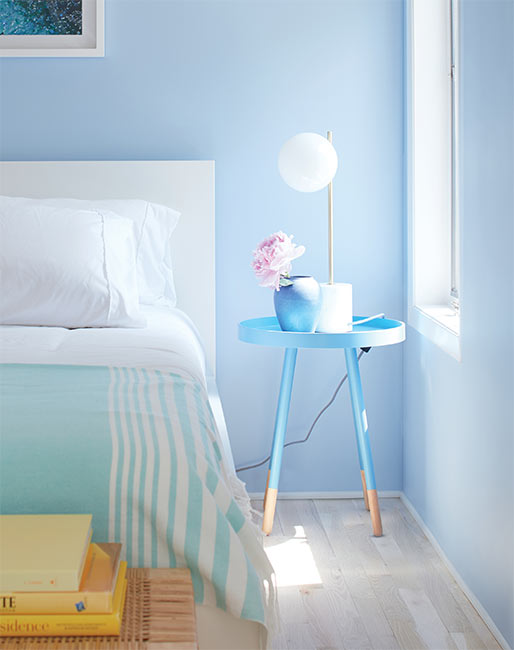
- Soft Blue-Greys: These are incredibly versatile and popular. They offer a sophisticated, muted blue that isn’t too juvenile or overwhelming. They are perfect for creating a truly tranquil and spa-like atmosphere. They can range from cooler, almost silver-blues, to warmer, muddier tones.
- Soft Blue-Greens: Often called “seafoam” or “robin’s egg” blues, these shades bring a sense of nature and organic calm. They feel fresh and inviting and can be slightly more vibrant than pure blue-greys, without losing their softness. Think of a relaxed beach house vibe.
- Soft Blue-Purples (or Periwinkle): These are rarer but beautiful. They add a touch of whimsy and depth. They can feel more romantic or even slightly luxurious. Be careful not to go too saturated, or it loses its “softness.”
Step 4: The Power of Sampling: Don’t Skip This!
This is arguably the most crucial step. Never, ever, choose a paint color based solely on a small chip or an online image. What you see on a screen or a tiny swatch will always look different on a large wall in your home.
- Buy Sample Pots: Invest in 3-5 of your favorite soft blue contenders.
- Paint Large Swatches: Apply two coats of each sample onto poster boards (not directly on your wall, as the existing color can skew perception).
- Observe Throughout the Day: Place these poster boards on different walls in your bedroom and observe them at various times – morning, noon, and night. See how they react to natural light and your artificial lighting.
- Compare & Contrast: See how they look next to your trim, furniture, and bedding. Do any undertones become too prominent or disappear entirely?
Top Picks: Popular Soft Blue Paint Colors for Bedrooms (With Details!)
To get you started, here’s a curated list of some highly-regarded soft blue paints known for their bedroom-friendly qualities. Remember to sample them in your own space!
| Paint Name | Brand | Approx. LRV | Key Undertone(s) | Ideal Use / Vibe |
|---|---|---|---|---|
| Palladian Blue HC-144 | Benjamin Moore | 60.35 | Green-Gray | A classic, spa-like blue-green-gray. Exceptionally calming and fresh. Works beautifully in most light conditions. |
| Sea Salt SW 6204 | Sherwin-Williams | 63.34 | Green-Gray | Extremely popular, chameleon-like color that shifts between blue, green, and gray depending on light. Ultra-soothing. |
| Quiet Moments 1563 | Benjamin Moore | 58.08 | Green-Gray | Deeper than Palladian Blue, offering more color without losing softness. Great for a grounded, serene feel. |
| Tradewind SW 6218 | Sherwin-Williams | 61 | Blue-Green-Gray | A refreshing, slightly more blue-forward option than Sea Salt, but still beautifully muted. Evokes clear skies. |
| Borrowed Light No.235 | Farrow & Ball | 67 | Pale Blue-Gray | An ethereal, almost magical pale blue that brightens and expands a room. Perfect for a delicate, airy feel. |
| Hinting Blue SW 6519 | Sherwin-Williams | 71 | Soft Blue-Gray | A very light, cool-leaning blue with just a touch of gray, making it incredibly subtle and versatile, almost a neutral. |
| Woodlawn Blue HC-147 | Benjamin Moore | 59.94 | Blue-Green-Gray | A historical color that feels both classic and fresh. Offers a delightful balance of blue and green, very inviting. |
This table is a starting point, not the end-all-be-all. The beauty of soft blue is its incredible diversity!
Beyond the Walls: Complementary Colors & Design Pairings
A beautiful paint color is just one piece of the puzzle. To create a truly cohesive and serene bedroom, consider how your soft blue walls will interact with other elements.
Perfect Partners: Trim Colors That Enhance Soft Blue
The right trim color can make your soft blue sing. Here are the best choices:
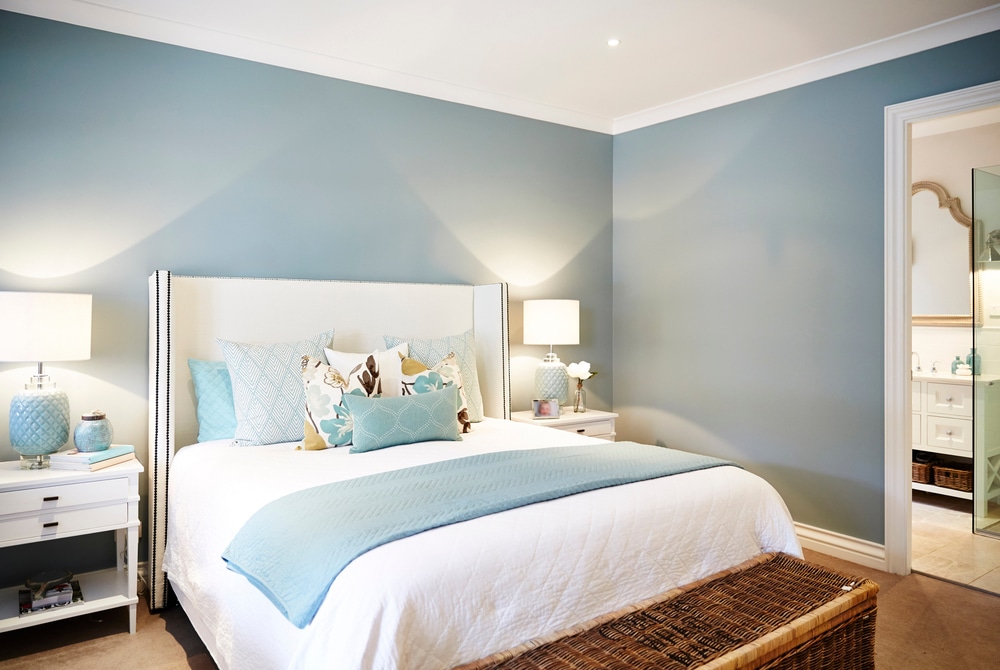
- Crisp White: The most classic pairing. A clean, bright white trim (like Benjamin Moore’s Decorator’s White or Sherwin-Williams’ Extra White) creates a striking contrast that makes the blue pop and look even fresher.
- Soft Off-Whites: For a gentler, more seamless transition, choose an off-white with subtle warm undertones (like Benjamin Moore’s Swiss Coffee or Sherwin-Williams’ Alabaster). This creates a softer, more integrated look.
- Light Greige: A very pale greige (a mix of gray and beige) on trim can offer a sophisticated, muted contrast that blends beautifully, especially with blue-gray wall colors, for a modern minimalist feel.
Furniture & Textiles: Creating a Cohesive Look
Ground your soft blue walls with thoughtful furniture and textile choices.
- Natural Woods: Light to medium-toned natural woods (oak, maple, birch) bring warmth and organic texture, preventing the room from feeling too cool. Darker woods (walnut, mahogany) offer a sophisticated contrast.
- Upholstered Pieces: Consider a headboard or accent chair in a soft neutral linen, a creamy boucle, or even a subtle pattern that incorporates your blue or a complementary shade.
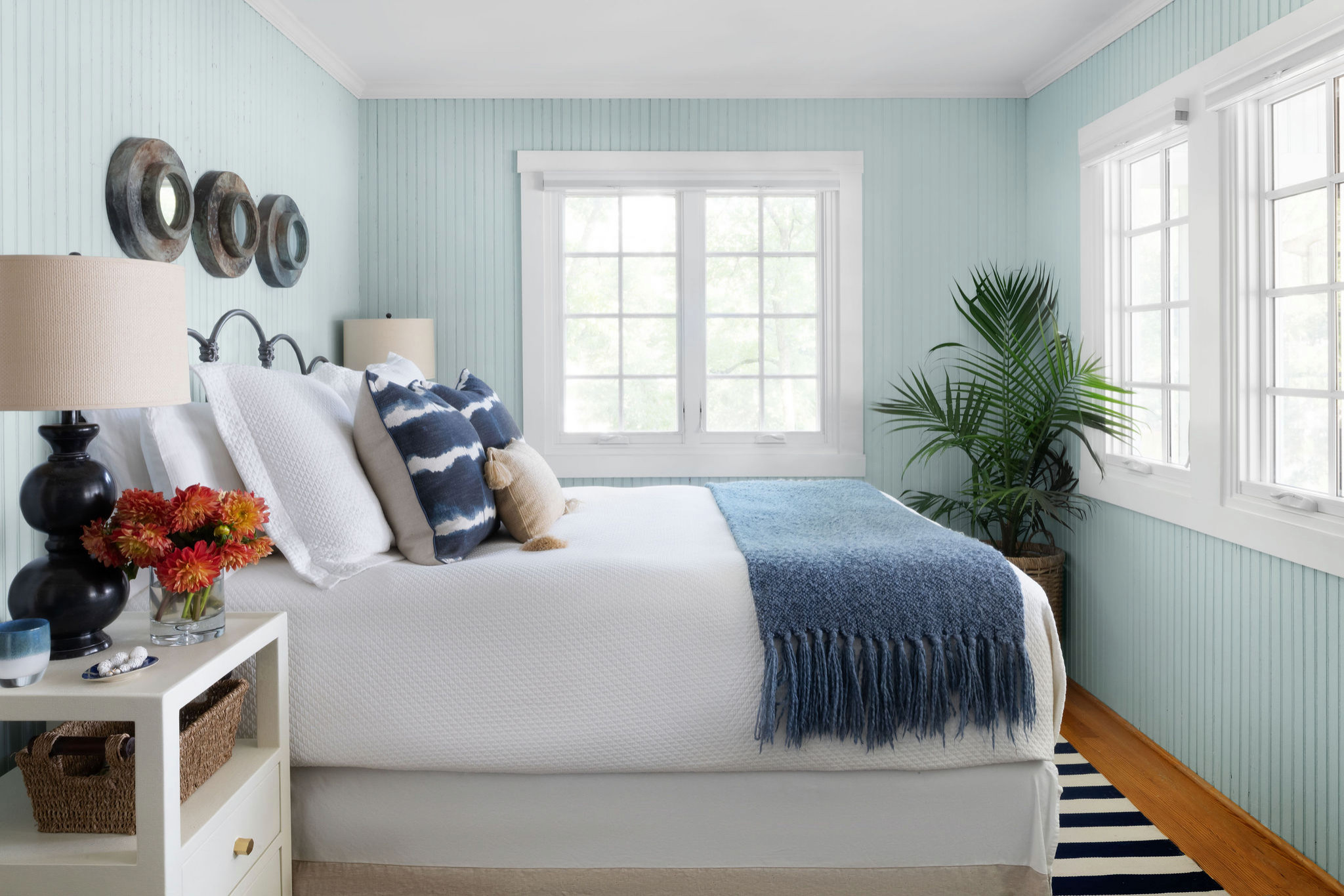
- Bedding: Layering is key! Opt for bedding in crisp whites, warm creams, soft grays, or even a deeper navy for contrast. Introduce texture with knitted throws, linen sheets, or chunky blankets.
- Rugs: A jute rug adds natural warmth and texture. A plush rug in a light neutral or subtle pattern can add comfort and define the sleeping area.
Accent Colors That Pop (or Soothe)
While soft blue is serene, a few well-placed accent colors can elevate the entire space without sacrificing tranquility.
- Warm Gold/Brass: Think picture frames, lamp bases, or decorative objects. The warmth of gold contrasts beautifully with cool blue, adding a touch of elegance and glam.
- Soft Sage Green: For a deeply natural, calming palette, pair soft blue with muted sage greens. This creates a harmonious, biophilic design.
- Dusty Rose/Blush: A subtle pink adds a feminine, romantic touch and warmth. Use it sparingly in throw pillows, a small vase, or artwork.
- Coral/Terracotta (Minimalist Pop): For a bolder, yet still sophisticated contrast, small pops of soft coral or muted terracotta can inject energy without overwhelming the calm.
- Deep Navy/Charcoal: If your soft blue is very pale, a deep navy or charcoal in small doses (e.g., a throw blanket, an accent pillow) can add depth and sophistication.
The Finish Line: Choosing the Right Sheen for Your Bedroom Blue
The paint’s finish (sheen) dramatically impacts how the color appears and performs. For bedrooms, you generally want something that minimizes imperfections and offers a soft glow.
- Flat/Matte: Offers a luxurious, velvety look. It hides wall imperfections exceptionally well and absorbs light, making colors appear richer. However, it’s less durable and harder to clean, making it best for low-traffic areas like bedrooms.
- Eggshell: This is often the sweet spot for bedrooms. It has a slight sheen, making it more durable and washable than flat, while still offering a soft, subtle glow. It’s great at concealing minor imperfections.
- Satin: With a noticeable sheen, satin is more durable and easier to clean than eggshell. While suitable for bedrooms, some find it a bit too reflective for a truly soft, enveloping feel. It might be better for trim or high-traffic areas.
For a truly “soft” blue aesthetic, eggshell is usually the top recommendation, with flat/matte being an excellent choice if durability isn’t a primary concern.
Common Mistakes to Avoid When Painting with Soft Blue
Even with the perfect color, missteps can derail your serene vision. Here’s what to watch out for:
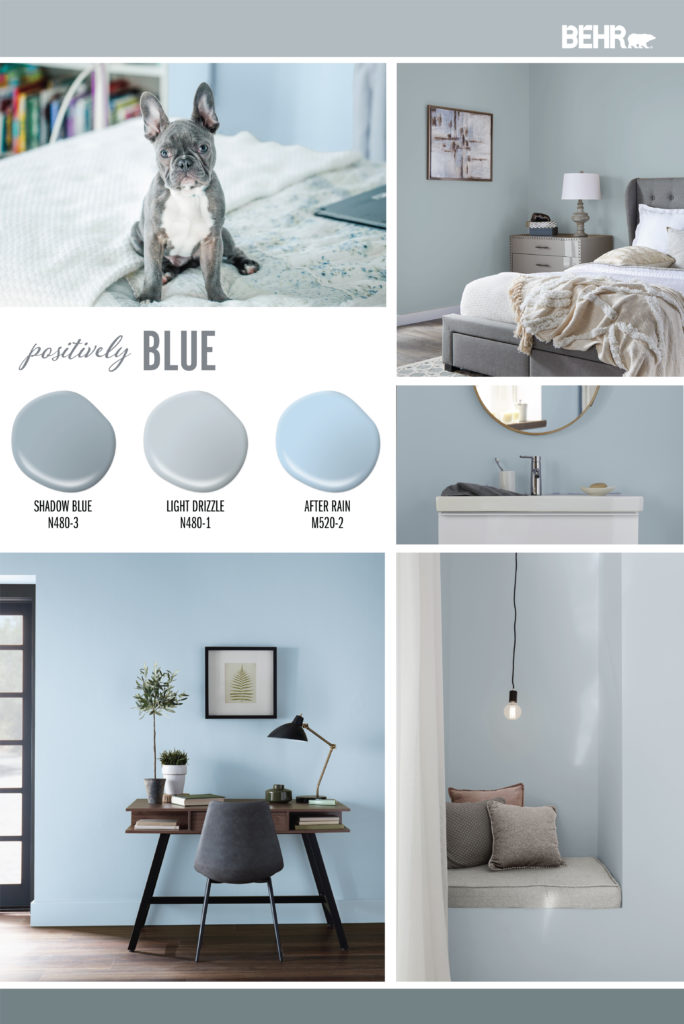
- Not Sampling (or Sampling Incorrectly): We cannot stress this enough. A tiny chip is misleading. Always use large swatches observed in your room’s unique lighting.
- Ignoring Undertones: Choosing a blue with a prominent cool gray undertone for a north-facing room can make it feel sterile. Similarly, a green undertone might clash if your existing decor has very specific warm reds.
- Choosing the Wrong Sheen: A high-gloss soft blue might reflect too much light, negating the calming effect.
- Forgetting Prep Work: A smooth, clean surface is crucial for any paint, but especially for lighter, softer colors where imperfections are more noticeable.
- Overlooking Lighting: Both natural and artificial lighting can drastically alter how your soft blue appears. Test, test, test!
- Too Many Competing Colors: Soft blue is meant to be serene. Avoid introducing too many strong, vibrant accent colors that fight for attention. Stick to a few thoughtful, muted complements.
DIY Painting Tips for a Professional Finish
Ready to roll up your sleeves? Achieving a professional-looking paint job is within reach with these tips:
- Prep is Key:
- Clean Walls: Wash walls with a mild detergent (like TSP substitute) and water, rinse thoroughly, and let dry completely.
- Patch & Sand: Fill any holes or cracks with spackle, sand smooth, and wipe away dust.
- Tape Meticulously: Use high-quality painter’s tape along trim, ceilings, and baseboards for crisp lines. Press it firmly.
- Protect Surfaces: Lay down drop cloths over floors and furniture.
- Quality Tools Matter:
- Brushes: Invest in good-quality angled brushes for cutting in.
- Rollers: Use a roller nap appropriate for your wall texture (e.g., 3/8″ for smooth walls, 1/2″ for textured).
- Paint Tray/Bucket: A large tray or a 5-gallon bucket with a grid simplifies rolling.
- Primer Considerations:
- If you’re painting over a dark color, or if your walls are unevenly patched, a good quality primer (tinted to your soft blue color) is essential for even coverage and truer color.
- Cutting In & Rolling Technique:
- Cut In First: Paint the edges (where walls meet ceiling, trim, and corners) with your brush first, typically in sections.
- Work in Sections: Don’t try to do an entire wall at once. Work in 3×3 or 4×4 foot sections.
- “W” or “M” Method: Load your roller evenly and apply paint in a “W” or “M” pattern, then fill it in with straight up-and-down strokes without lifting the roller.
- Maintain a Wet Edge: Always work back into wet paint to avoid lap marks.
- Two Coats are Standard: Most colors, especially lighter ones, require at least two coats for full, even coverage. Allow proper drying time between coats.
- Remove Tape While Wet: For the cleanest lines, carefully pull painter’s tape off at a 45-degree angle while the paint is still slightly wet.
Your Serene Blue Sanctuary Awaits
Choosing the perfect soft blue paint for your bedroom might seem like a small decision, but its impact is profound. It’s about crafting an environment that nurtures your soul, promotes restful sleep, and greets you with calm every morning. By understanding the nuances of undertones, light, and complementary elements, you’re not just picking a color; you’re designing a feeling.
Trust your instincts, take your time with samples, and embrace the journey. Your serene blue sanctuary is closer than you think. Now go forth and create the peaceful haven you deserve!
Frequently Asked Questions
What makes a blue paint color ‘soft’ for a bedroom?
A ‘soft’ blue typically refers to a muted, less saturated shade with subtle undertones of gray or green. These undertones prevent the blue from being too bright or primary, making it feel more tranquil and less stimulating. Soft blues also often have a moderate Light Reflectance Value (LRV) (typically 45-75), meaning they reflect a good amount of light without being stark, contributing to a calm and airy atmosphere.
Which undertone is best for a soft blue bedroom paint?
The ‘best’ undertone depends on your room’s lighting and desired mood. Blue-grays offer sophistication and a true tranquil feel, ideal for most rooms. Blue-greens evoke a spa-like, natural serenity and can feel slightly warmer. Blue-purples (periwinkle) add a touch of romance or whimsical depth. Always test samples to see how the undertone appears in your specific light.
Does soft blue paint make a bedroom feel cold?
Soft blue paint can lean cool, but it doesn’t have to feel cold. To avoid a chilly ambiance, especially in north-facing rooms, choose soft blues with noticeable green or warmer gray undertones. Balancing the blue with warm wood furniture, cozy textiles, and warm-toned lighting (2700K-3000K bulbs) will prevent the room from feeling cold and instead create a balanced, serene retreat.
What paint finish is recommended for a soft blue bedroom?
For bedrooms, an eggshell finish is highly recommended. It offers a subtle sheen that is more durable and washable than flat paint, while still providing a soft glow that minimizes imperfections. A flat or matte finish can also create a luxurious, velvety look and absorbs light for deeper color, but it’s less durable and harder to clean, making it best for low-traffic areas.
What colors pair well with soft blue bedroom walls?
Soft blue pairs beautifully with a range of colors. For trim, crisp whites or soft off-whites are classic. For furniture and textiles, consider natural woods, warm creams, light grays, or deeper navys. Accent colors like warm gold/brass, soft sage green, dusty rose/blush, or subtle coral can add interest and warmth without disrupting the calm, creating a cohesive and inviting space.
How important is sampling paint colors before painting?
Sampling paint colors is arguably the most critical step. Paint color chips or online images are often misleading. A color’s appearance changes drastically depending on your room’s natural and artificial light, time of day, and surrounding elements. Always paint large swatches on poster boards and observe them on different walls throughout several days to ensure you love the color in your specific environment before committing.
Can soft blue paint work in a small bedroom?
Absolutely! Soft blue paint, especially shades with a higher LRV (Light Reflectance Value, indicating more light reflection), can make a small bedroom feel more open, airy, and expansive. Its calming qualities are particularly beneficial in smaller spaces, helping them feel less claustrophobic and more serene. Pair it with light-colored furnishings and minimal clutter to maximize the effect.