Beyond White: The Definitive Guide to Choosing the Best Paint Color for Your Interior Doors
Let’s be honest: for most of us, interior doors are an afterthought. They’re usually just… white. Functional, yes, but rarely inspiring. Yet, what if I told you that a simple coat of paint on your interior doors could transform the entire feel of your home? It’s true! Your doors are not just barriers; they’re integral architectural elements, mood-setters, and often, overlooked opportunities for adding personality and sophistication.
Ditching the default white can feel daunting. Will it be too much? Will it clash? Will it look dated? These are valid concerns, but with the right guidance, choosing the perfect paint color for your interior doors can be one of the most impactful and budget-friendly design decisions you make. I’m here to walk you through the process, from selecting the ideal hue to picking the right paint type and sheen, ensuring your doors go from drab to fab.
Why Your Interior Door Color Matters More Than You Think
Before we dive into specific colors, let’s understand the profound impact your interior doors can have. Think of them as canvases waiting to contribute to your home’s narrative.
Setting the Tone: First Impressions
Every time you or a guest moves between rooms, your interior doors are noticed, even subconsciously. A thoughtfully painted door can create a sense of intrigue, welcome, or quiet elegance. It’s an opportunity to establish the mood of the room you’re entering or to provide a delightful visual break within a hallway.
Architectural Detail and Flow
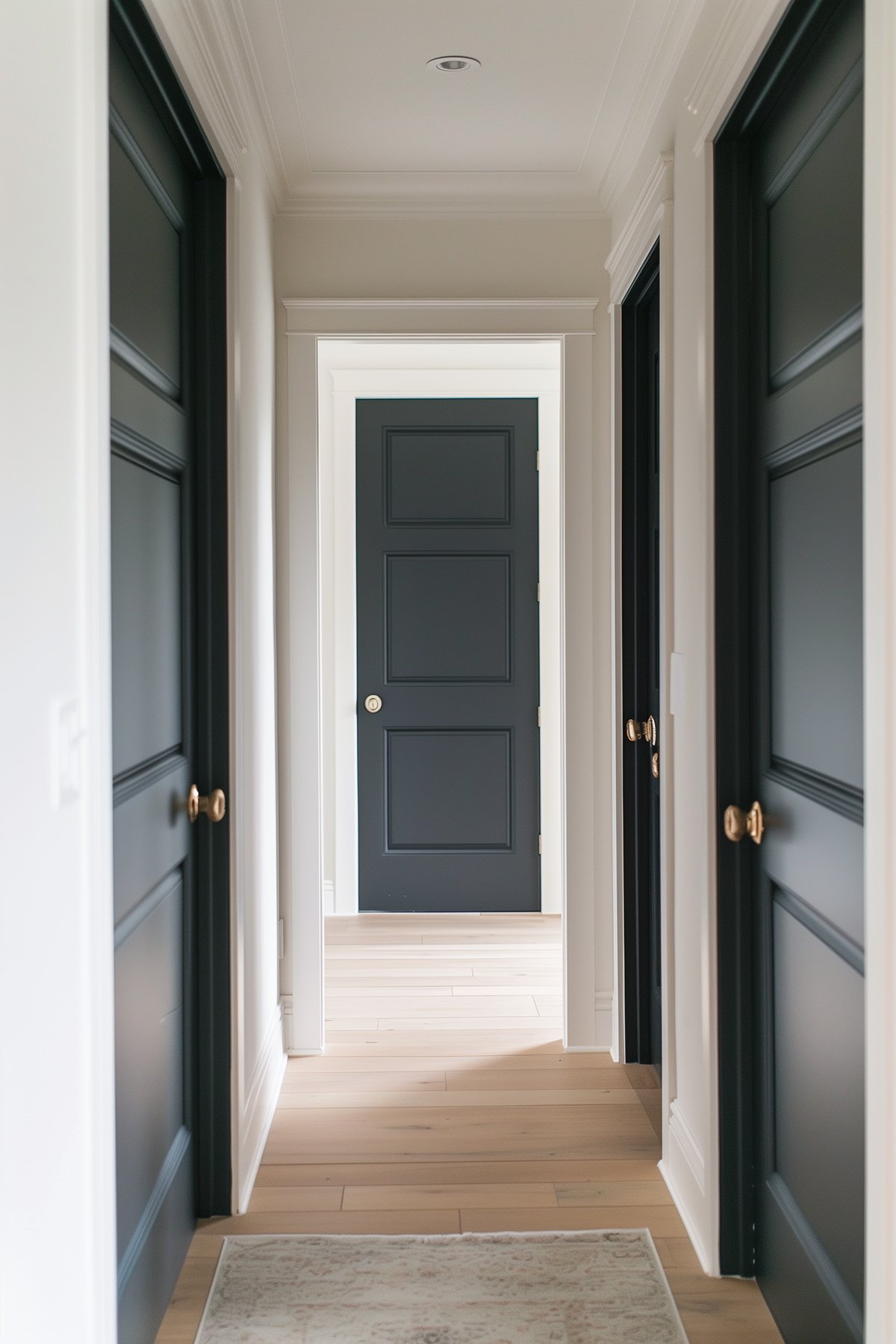
White doors often blend into white walls, effectively disappearing. While this can sometimes be the desired effect, it also means you’re missing a chance to highlight architectural features. Painting doors a contrasting or complementary color can define doorways, enhance trim, and create a sophisticated visual rhythm throughout your home. This is especially true if you have interesting paneling or unique door styles.
The Unexpected Pop of Personality
Feeling like your home needs a little something extra? A bold interior door can be that unexpected design moment. It’s a less committal way to introduce a strong color or a trending hue without painting an entire wall. It shows confidence and a keen eye for design, transforming a utilitarian object into a statement piece.
The Core Decision: Matching, Contrasting, or Blending?
The first step in choosing a door color is deciding on your overall aesthetic goal. Do you want your doors to stand out, blend in, or create a harmonious pairing with your existing trim?
The Classic Match: Doors & Trim
This is a timeless and elegant choice. Painting your doors the same color as your trim creates a cohesive, polished look. It frames each doorway beautifully and provides a sense of continuity. This approach works particularly well with darker, richer colors that can make a hallway feel more dramatic and luxurious, or with subtle neutrals that maintain an airy feel while adding depth.
The Bold Contrast: Making a Statement
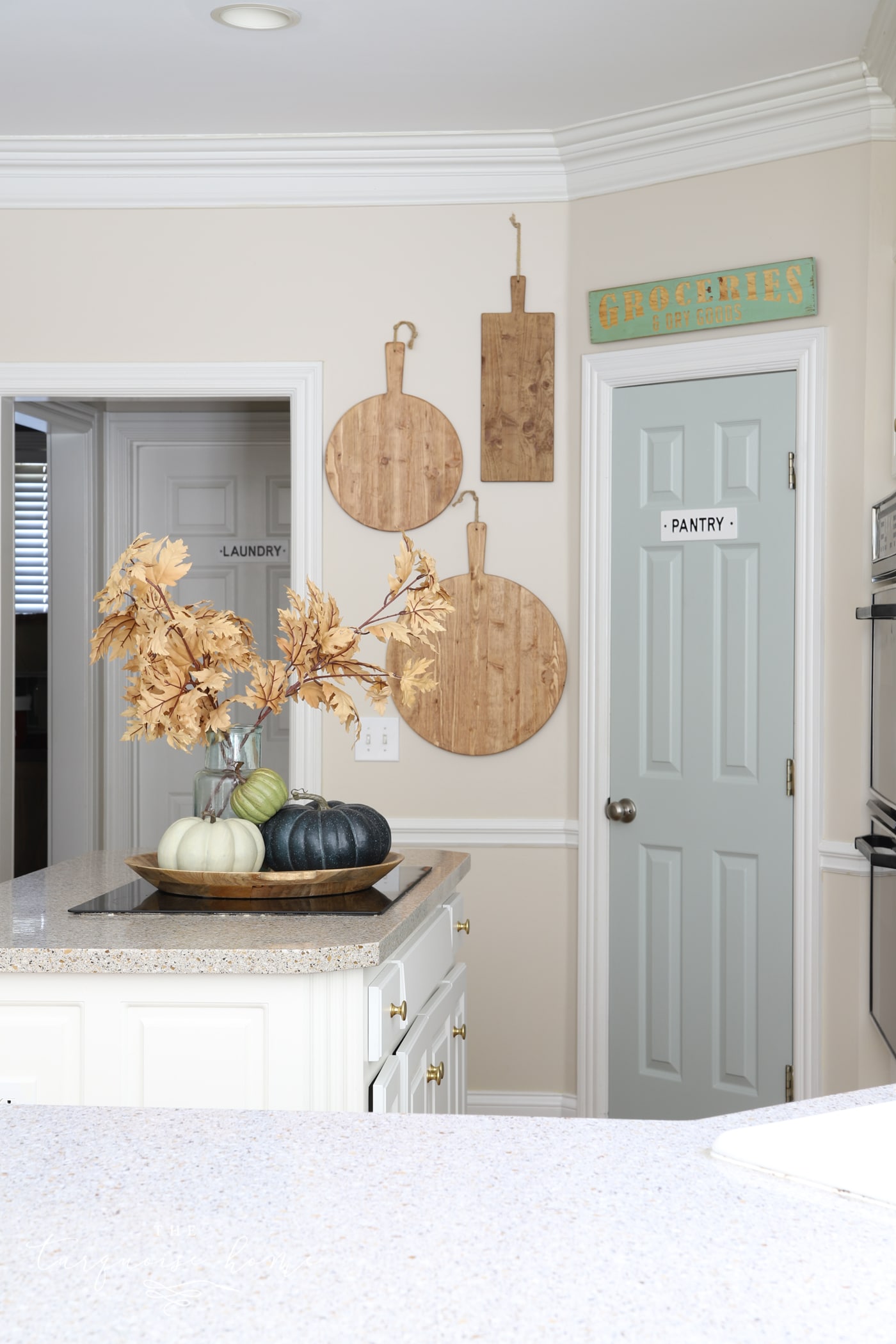
If you’re aiming for a wow factor, a contrasting door color is your friend. Imagine a crisp white wall with a rich charcoal or deep navy door – instant drama! This strategy works best when you want to draw attention to a specific door, perhaps leading to a home office, a pantry, or a powder room. It’s a way to infuse energy and unexpected charm into a space, creating clear visual demarcation.
Seamless Blending: Disappearing Doors
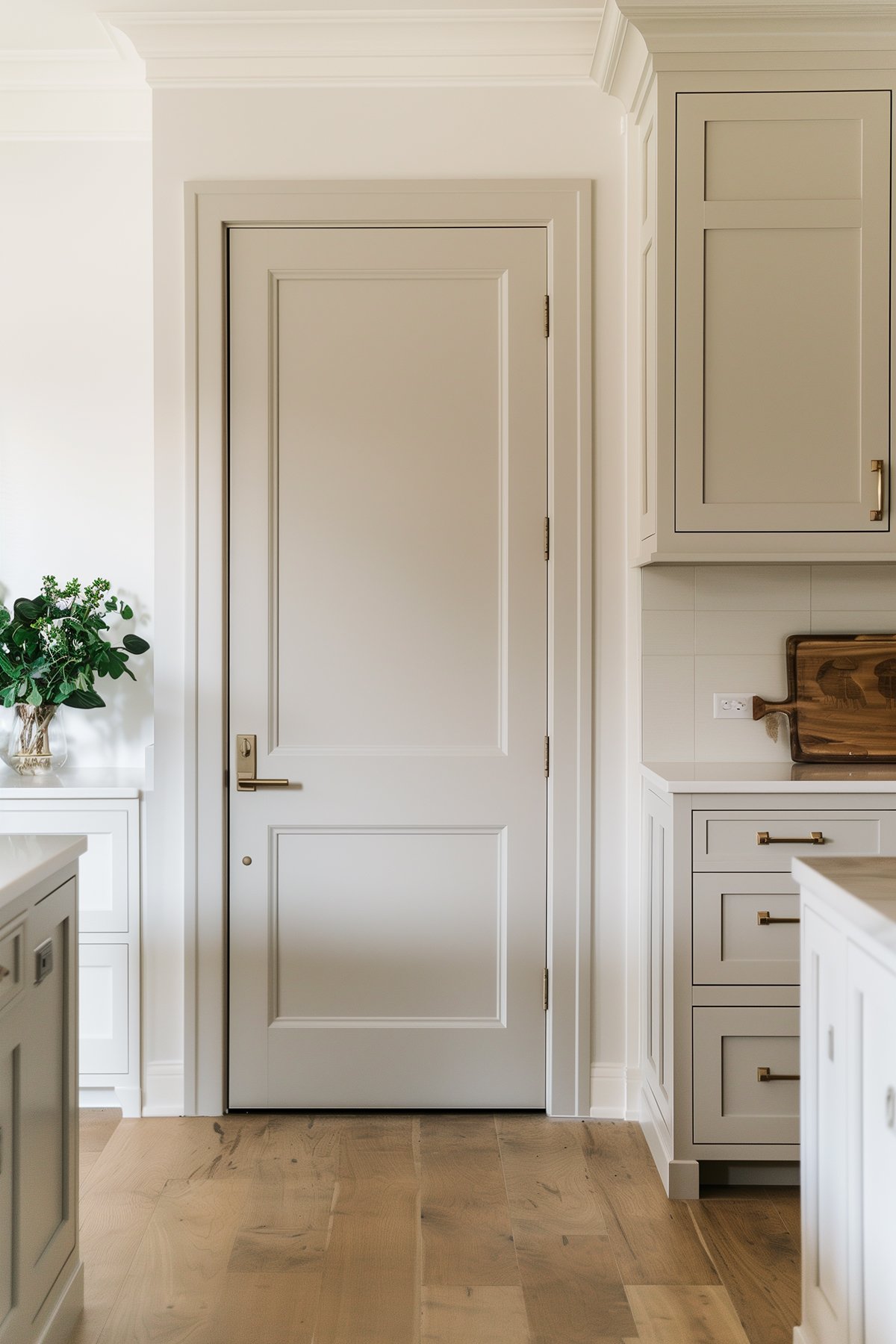
Sometimes, the goal isn’t to highlight the door but to make it recede. Painting your doors the exact same color as your walls can create a seamless, integrated look, often favored in minimalist designs or when you want to minimize visual interruptions in a small space. This is an excellent technique for closet doors or doors in busy areas where you want a clean, uncluttered aesthetic.
Unlocking the Best Paint Colors for Interior Doors: A Curated Palette
Now for the fun part: diving into the colors! I’ve curated a list based on popular designer choices and current trends, offering options for every style and mood.
The Timeless & Sophisticated Neutrals (Dark & Light)
Neutrals are never boring when done right. They offer versatility, elegance, and a grounding presence. Darker neutrals can provide drama and sophistication, while lighter neutrals maintain an airy, expansive feel with more interest than plain white.

- Sherwin Williams Tricorn Black (SW 6258): This is the quintessential black. It’s a true, deep black with very little undertone, making it incredibly versatile. It creates instant sophistication and a modern edge, especially striking against crisp white or warm wood tones. Think dramatic library doors or a chic bedroom entrance.
- Benjamin Moore Wrought Iron (2124-10): A softer alternative to pure black, Wrought Iron is a deep, charcoal gray with a hint of blue. It offers a moody, rich feel without being as stark as black. It pairs beautifully with light grays, blues, and natural textures.
- Sherwin Williams Iron Ore (SW 7069): A warm, deep charcoal with subtle green undertones. Iron Ore feels organic and grounded, less intense than Tricorn Black but still providing significant depth. It’s fantastic for a more earthy, contemporary feel.
- Benjamin Moore Kendall Charcoal (HC-166): A classic medium-dark gray, Kendall Charcoal is known for its versatility. It’s a sophisticated, balanced neutral that works well in almost any setting, offering a refined backdrop without being overwhelming.
- Sherwin Williams Urbane Bronze (SW 7048): Named the Sherwin-Williams Color of the Year in 2021, Urbane Bronze is a rich, warm, deep brown-gray. It feels incredibly grounding and organic, perfect for creating a cozy, sophisticated atmosphere. It’s a beautiful choice for a modern rustic or transitional home.
- Benjamin Moore Revere Pewter (HC-172): A beloved greige that leans slightly warmer, Revere Pewter is a fantastic light neutral that adds subtle depth without feeling dark. It’s an excellent choice if you want to move beyond white but keep things bright and airy.
- Benjamin Moore Pale Oak (OC-20): A very popular light greige/off-white that offers warmth and softness. It’s almost white but with enough pigment to add a sophisticated, creamy quality, making doors feel more substantial without contrasting too heavily.
| Color Name | Brand & Code | Undertone | Mood/Vibe | Ideal Pairing |
|---|---|---|---|---|
| Tricorn Black | SW 6258 | Pure Black | Modern, Sophisticated, Dramatic | Crisp Whites, Warm Woods, Metallics |
| Wrought Iron | BM 2124-10 | Deep Gray-Blue | Moody, Elegant, Subdued | Light Grays, Blues, Natural Fabrics |
| Iron Ore | SW 7069 | Warm Charcoal-Green | Organic, Grounded, Contemporary | Greens, Beiges, Earth Tones |
| Kendall Charcoal | BM HC-166 | Balanced Gray | Refined, Versatile, Classic | Almost Any Color, Especially Blues & Whites |
| Urbane Bronze | SW 7048 | Deep Brown-Gray | Grounding, Cozy, Sophisticated | Warm Whites, Deep Greens, Rust Tones |
| Revere Pewter | BM HC-172 | Warm Greige | Soft, Inviting, Versatile | Creams, Off-Whites, Blues, Greens |
| Pale Oak | BM OC-20 | Warm Greige/Off-White | Airy, Elegant, Subtle | Other Neutrals, Soft Pastels, Whites |
The Unexpected & Invigorating Bolds
Ready to make a statement? Bold colors on your interior doors can inject personality, energy, and a designer touch. These are often best used on select doors, not necessarily every single one in your home.
- Pops of Blue (Benjamin Moore Aegean Blue 2136-40, Wythe Blue HC-143): Blues are incredibly versatile. A rich, deep blue like Aegean Blue evokes a sense of calm sophistication, akin to denim or the sea. Lighter, more muted blues like Wythe Blue (a gorgeous green-blue-gray) offer a soothing, coastal, or vintage feel. Blues pair wonderfully with white, natural wood, and even metallics.
- Deep Greens (Benjamin Moore Bonsai CC-670, Sherwin Williams Bosc Pear SW 6429): Green doors can bring the outdoors in, creating a serene yet vibrant connection to nature. Deep, forest greens like Bonsai or olive tones like Bosc Pear feel earthy, sophisticated, and incredibly chic. They work beautifully in homes with natural elements, wood accents, and cream or beige walls.
- Warm & Earthy (Benjamin Moore Davenport Tan HC-76, Passion Fruit 2012-30): Don’t shy away from warmer tones! A rich, sophisticated tan like Davenport Tan can add incredible warmth and depth, especially in a traditional or transitional home. For a more adventurous, playful pop, Benjamin Moore’s Passion Fruit, a vibrant coral, can be a delightful surprise for a child’s room or a creative space.
| Color Name | Brand & Code | Vibe/Effect | Best Room Match | Styling Tip |
|---|---|---|---|---|
| Aegean Blue | BM 2136-40 | Calm, Sophisticated, Coastal | Living Rooms, Bathrooms, Bedrooms | Pair with brass hardware and crisp white trim. |
| Wythe Blue | BM HC-143 | Serene, Vintage, Elegant | Nurseries, Guest Rooms, Sunrooms | Enhance with natural wood tones and soft linen textiles. |
| Bonsai | BM CC-670 | Earthy, Luxurious, Grounded | Home Offices, Dining Rooms, Libraries | Complement with rich leathers and dark wood furniture. |
| Davenport Tan | BM HC-76 | Warm, Traditional, Inviting | Hallways, Living Spaces, Traditional Bedrooms | Create coziness with cream walls and textured rugs. |
| Passion Fruit | BM 2012-30 | Playful, Energetic, Creative | Kids’ Rooms, Creative Studios, Powder Rooms | Balance with crisp whites and light wood accents to avoid overwhelm. |
The Serene & Calming Pastels
For a softer, more ethereal touch, pastels can be incredibly charming. Think blush pinks, soft lavenders, or gentle sky blues. These work beautifully in nurseries, children’s rooms, or spaces where you want to evoke a dreamlike, tranquil atmosphere without sacrificing color. They add a whimsical yet sophisticated touch.
Beyond Color: Choosing the Right Paint Type and Sheen
Selecting the perfect hue is only half the battle. The type of paint and its finish (sheen) are equally critical for ensuring your doors not only look fantastic but also stand up to daily wear and tear.
The Best Paint Types for Interior Doors (Durability & Finish)
Interior doors are high-traffic areas. They get touched, bumped, and accumulate dirt. This means you need a paint that is durable, washable, and provides a smooth, hard finish.
- Alkyd/Urethane Enamels: These are the gold standard for interior doors and trim. They offer superior adhesion, exceptional durability, and a beautiful, hard, smooth finish that resists chipping and scrubbing. They dry to a harder, more cabinet-like finish than traditional latex paints. Some top recommendations include:n
- Benjamin Moore Advance Interior Paint: Widely praised by professionals for its flow, leveling, and durable finish. It’s a waterborne alkyd, meaning it cleans up with water but performs like an oil-based paint.
- Sherwin-Williams Emerald Urethane Trim Enamel: Another fantastic choice, offering excellent durability, adhesion, and a smooth finish. It’s also a water-based alkyd hybrid.
- Behr Urethane Alkyd Semi-Gloss Enamel: A more budget-friendly option found at home improvement stores, offering good performance and durability for the price.
- High-Quality Latex Paints: While not quite as hard as alkyd/urethane enamels, a premium-quality acrylic latex paint specifically formulated for trim and doors can be a good option if you prefer easier cleanup and faster dry times. Look for phrases like “durable,” “washable,” or “for trim and doors” on the label.
Decoding Paint Sheen: Which Finish is Right for Your Doors?
The sheen refers to how reflective the paint finish is. For interior doors, this is a crucial decision that impacts both aesthetics and practicality.
- Semi-Gloss: This is my go-to recommendation for interior doors. Semi-gloss offers a moderate to high sheen, making surfaces highly durable and very easy to clean. It reflects light beautifully, enhancing the architectural detail of your doors and giving them a crisp, finished look. It’s resistant to scuffs, fingerprints, and general wear.
- Satin: A step down from semi-gloss in terms of reflectivity, satin offers a softer, eggshell-like sheen. It’s still quite durable and washable, making it a good alternative if you prefer a less reflective surface but still need practicality. It provides a more subtle elegance.
- Matte/Flat: While popular for walls, flat or matte finishes are generally not recommended for interior doors. They are less durable, harder to clean, and tend to show fingerprints and scuffs more readily. The exception might be a very specific design choice for a door that sees minimal traffic, but it’s rare.
| Sheen Type | Reflectivity | Durability & Cleanability | Best Use Case | Pro Tip |
|---|---|---|---|---|
| Semi-Gloss | High Sheen | Excellent: Very durable, highly scrubbable. | Most popular and recommended for all interior doors and trim. | Highlights architectural details and is easiest to maintain. |
| Satin | Medium Sheen | Good: Durable and washable, softer look. | If you want less reflection but still need practical durability. | Pairs well with low-sheen walls for a cohesive look. |
| Matte/Flat | No/Low Sheen | Poor: Scuffs easily, difficult to clean. | Generally not recommended for interior doors. | Reserve for walls in low-traffic areas. |
Practical Considerations: Making Your Door Paint Project a Success
Beyond color and sheen, a few practical questions often arise when planning to paint your interior doors.
Do All Interior Doors Have to Be the Same Color?
Absolutely not! While consistency can create a cohesive flow, varying door colors can add character and define different zones within your home. For example, all doors in a hallway might be one color (e.g., black), but a child’s bedroom door could be a playful pastel, or a home office door a rich green. The key is to have a thoughtful strategy and ensure the colors you choose work well with the surrounding wall colors and overall decor.
Do Interior Doors Always Have to Match the Trim?
Again, no! While matching doors and trim is a classic and elegant choice, it’s not a rule. You can paint your doors one color (e.g., a bold blue) while keeping your trim white, or vice-versa. This creates a more contemporary or eclectic feel. Consider the visual weight you want to create: matching trim and door will look more traditional and cohesive, while contrasting elements will draw more attention and create distinct focal points.
Prepping Your Doors for a Flawless Finish
Good prep is 80% of a good paint job. Don’t skip these steps!
- Clean Thoroughly: Doors accumulate grime, fingerprints, and dust. Wash them down with a mild detergent (like TSP substitute) and water, then rinse thoroughly.
- Remove Hardware: Take off doorknobs, hinges, and any other hardware. This allows for a much cleaner, professional finish.
- Sand Lightly: A light sanding with 180-220 grit sandpaper will de-gloss the old finish and create a profile for the new paint to adhere to. Wipe away all dust.
- Prime (Crucial!): If you’re going from a dark color to light, or if your door is bare wood or a tricky surface (like previously painted high-gloss), a good primer is essential. It ensures better adhesion, truer color, and a more durable final finish. Use a quality stain-blocking primer if necessary.
The Importance of Test Swatches
Never commit to a color based solely on a paint chip. Colors look different in various lighting conditions and against your existing decor. Purchase small sample pots and paint large swatches directly on your door or on a piece of foam board taped to the door. Observe them throughout the day in different lights before making your final decision.
Common Mistakes to Avoid When Painting Interior Doors
Even experienced DIYers can make these blunders. Steer clear!
- Skipping Primer: As mentioned, primer creates a smooth, uniform surface for your topcoat and helps prevent bleed-through, especially when drastically changing colors or painting over dark stains.
- Inadequate Sanding: Failing to lightly sand between coats can lead to a bumpy, uneven finish. Dust nibs and imperfections will be glaringly obvious, especially with a semi-gloss sheen.
- Using the Wrong Sheen: Choosing flat paint for a high-traffic door is a recipe for disappointment. It won’t stand up to cleaning or daily wear.
- Painting Doors in Place: While tempting, painting doors while they’re still hung often leads to drips, uneven coverage around hinges, and potentially painting over hardware. Removing them and painting on sawhorses or a workbench yields far superior results.
- Not Enough Drying Time Between Coats: Rushing the process can lead to sticky doors, uneven drying, and an overall weaker finish. Always follow the manufacturer’s recommended drying times between coats.
Elevating Your Home’s Aesthetic: A Recap
Your interior doors are far more than just entry and exit points. They are powerful design elements, capable of injecting personality, defining spaces, and elevating the overall aesthetic of your home. By thoughtfully selecting not just the right color, but also the ideal paint type and sheen, you can transform these overlooked architectural details into sophisticated focal points.
So, take a deep breath, grab some paint samples, and dare to venture beyond white. Your home, and your doors, will thank you for it!