How to Paint Walls Like a Pro: The Definitive Guide to Flawless Finishes
Tired of patchy walls, uneven lines, and the tell-tale signs of a rushed DIY paint job? You know the feeling: you put in the effort, but the result just screams ‘amateur.’ What if I told you that achieving those crisp lines, smooth finishes, and vibrant colors that look like they belong in a magazine isn’t some secret reserved for professional painters?
It’s true. The difference between a good paint job and a great one often boils down to understanding the techniques, tools, and mindset of the pros. This isn’t about magic; it’s about method. I’m going to pull back the curtain and show you exactly how to transform your space with a finish so impeccable, your friends will swear you hired someone.
Why “Pro” Painting Isn’t Just for Pros Anymore
For too long, painting has been seen as either a quick weekend chore or a job best left to the experts. But there’s a growing movement of homeowners like you who want to tackle projects themselves, not just to save money, but to gain the satisfaction of a job well done. The ‘pro’ approach isn’t about having specialized hands; it’s about having specialized knowledge and the patience to apply it.
The Investment in Time vs. The Reward of Perfection
Let’s be honest: painting walls isn’t glamorous. It involves preparation, patience, and meticulous attention to detail. This is where most DIYers fall short. They rush the prep, skimp on quality materials, and cut corners on technique. Professionals understand that 80% of the job is preparation, and only 20% is actually applying paint. Investing that extra time upfront means less time correcting mistakes, fewer headaches, and a finish that lasts for years, not months.
Understanding the Professional Mindset
What sets a pro apart? It’s their approach. They see each wall not just as a surface to be covered, but as a canvas demanding respect. They anticipate problems, plan their workflow, and understand the science behind paint adhesion, drying times, and finishes. They don’t just paint; they craft. And by adopting this mindset, you can elevate your own work dramatically.
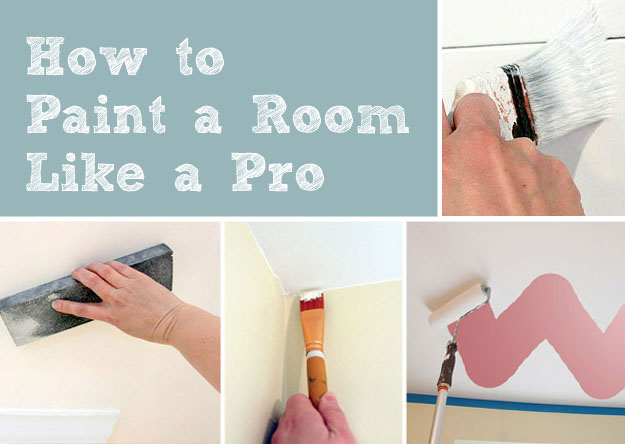
/learn-how-to-paint-a-room-like-a-pro-1822378-10-0490951aca854683b40d31d08fb70aa9.jpg "How to Paint a Room Like a Professional")
The Pro’s Arsenal: Tools and Materials That Make the Difference
You can’t expect professional results with subpar tools. Imagine a chef trying to create a gourmet meal with dull knives and cheap pans. It’s the same with painting. Professionals invest in quality because it directly impacts the final finish and makes the job easier and more efficient. Don’t fall for the trap of buying the cheapest brushes and rollers – it’s a false economy.
Beyond the Basics: Essential Tools for Precision
- High-Quality Brushes: Ditch the cheap multipacks. You need at least one good 2.5-inch angled sash brush for cutting in (trim, corners) and a smaller 1.5-inch brush for intricate detail. Look for brushes with synthetic bristles if you’re using latex (water-based) paint, as they hold their shape better.
- Rollers: Your choice of roller nap size is crucial. For smooth walls, a 3/8-inch nap is ideal. For lightly textured walls, a 1/2-inch nap works well. For heavily textured surfaces like stucco, you might go up to 3/4-inch. Always opt for a high-quality synthetic roller cover that won’t shed lint. An extension pole for your roller is non-negotiable for speed and even coverage, saving your back in the process.
- Painter’s Tape: Not all tapes are created equal. Invest in FrogTape or ScotchBlue Platinum for crisp lines. Standard blue painter’s tape can sometimes bleed.
- Drop Cloths: Forget flimsy plastic sheets. Professional painters use canvas drop cloths. They absorb spills, stay in place, and are reusable. Plastic sheets are slippery and allow paint to pool, creating hazards.
- Paint Pails and Grids: A 5-gallon bucket with a paint screen or grid is far superior to dipping your brush and roller directly into the paint can. It helps you load paint evenly and prevents contamination of your main paint supply.
- Utility Knife & Screwdriver: For removing switch plates, outlet covers, and scoring tape.
- Spackle & Sandpaper: Essential for wall repairs. Keep 120-grit and 220-grit sandpaper on hand.
- Caulk Gun & Paintable Caulk: For sealing gaps around trim, windows, and doors, creating a seamless look.
The Foundation: Choosing the Right Paint and Primer
The paint itself is more than just color; it’s a protective coating. Professionals understand the nuances of different paint types and finishes, selecting them based on the room’s function, desired durability, and aesthetic.
| Paint Finish | Durability | Light Reflection | Best Use | Pro Tip |
|---|---|---|---|---|
| Flat/Matte | Low | Very Low | Ceilings, Low-traffic areas, Hides imperfections | Ideal for ceilings to mask flaws and absorb light. |
| Eggshell | Medium | Low-Medium | Living rooms, Bedrooms, Dining rooms | Most popular choice for walls; good balance of durability and minimal sheen. |
| Satin | Medium-High | Medium | Kitchens, Bathrooms, High-traffic areas | Easier to clean than eggshell, slight sheen. Can highlight imperfections. |
| Semi-Gloss | High | High | Trim, Doors, Cabinets, High-moisture areas | Very durable and washable, but shows every imperfection. |
| High-Gloss | Very High | Very High | Furniture, Accent pieces, Doors | Highly reflective, extremely durable, but requires meticulous surface prep. |
Primer: The Unseen Hero. Don’t skip primer, especially if you’re painting over a dark color, going from gloss to flat, or painting new drywall. Primer does several crucial things:
- Adhesion: It helps the paint stick better, leading to a more durable finish.
- Coverage: It provides a uniform base, meaning fewer coats of expensive topcoat paint. Tint your primer close to your final paint color for optimal coverage.
- Stain Blocking: Essential for covering stains (water, smoke, grease) or odors.
- Sealing: It seals porous surfaces like new drywall or bare wood, preventing the topcoat from soaking in unevenly.
Masterful Preparation: The Unsung Hero of Professional Painting
This is where professionals earn their money, and where DIYers often rush or fail. Immaculate preparation is the single biggest factor determining whether your paint job looks professional or not. Skip this, and you’re building on a weak foundation.
Clear the Canvas: Room Protection & Disassembly
Before any paint can touch a wall, the room needs to be prepped. Think of it as creating a clean, safe workspace.
- Empty the Room (Ideally): If possible, remove all furniture. If not, consolidate it in the center of the room and cover it completely with canvas drop cloths.
- Protect Floors: Lay down canvas drop cloths across the entire floor. Extend them a few inches up the baseboards.
- Remove Fixtures: Take off all switch plates, outlet covers, light fixtures, and anything else mounted on the walls. Label them if necessary (e.g., ‘upper left outlet’). This avoids messy cut-ins and ensures a cleaner finish.
- Cover Non-Removable Items: Use painter’s tape and plastic sheeting to cover anything you can’t remove, like built-in shelving or intricate trim you’re not painting.
Wall Inspection & Repair: Erasing Imperfections
Paint won’t hide flaws; it often highlights them. This step is about creating a perfectly smooth surface.
- Clean Walls Thoroughly: This is non-negotiable. Walls collect dust, grime, and grease that will prevent paint from adhering properly. Use a mixture of warm water and a mild detergent (like TSP substitute or a degreaser for kitchens) or sugar soap. Wipe down all surfaces, then rinse with clean water, and allow to dry completely.
- Fill Holes & Cracks: Use a flexible spackle or joint compound to fill nail holes, small dents, and hairline cracks. For larger holes, you might need mesh tape first. Overfill slightly, then smooth with a putty knife.
- Sand Smooth: Once the spackle is dry, sand the patched areas flush with the wall using 120-grit sandpaper, then finish with 220-grit for a super smooth finish. Sand any rough spots or previous paint drips.
- Caulk Gaps: Inspect around window frames, door frames, and baseboards for gaps. Apply a thin bead of paintable acrylic latex caulk to these seams. Smooth with a wet finger or damp cloth immediately. This creates a clean, sealed edge for your paint.
- Dust Again: After all the sanding and caulking, give the walls another quick wipe-down or vacuum with a brush attachment to remove any dust.
Taping Like a Pro: Achieving Razor-Sharp Lines
Taping isn’t just sticking tape on. It’s about creating a perfect barrier.
- Clean Surface: Ensure the surface you’re taping (trim, ceiling, floor) is clean and dry for optimal adhesion.
- Press Firmly: Apply the tape in short sections, pressing down firmly with your finger or a putty knife to create a tight seal, preventing bleed-through.
- Overlap Corners: When taping around corners, slightly overlap the tape at the seam and then cut a neat 45-degree angle with a utility knife for a continuous seal.
- Remove Tape at the Right Time: This is crucial. Remove the tape when the paint is still slightly wet (but not tacky). If you wait until it’s fully dry, the paint can bond to the tape and peel off, leaving jagged edges. If it’s too wet, it can bleed. Aim for the ‘firm but not fully cured’ stage. Pull slowly at a 45-degree angle away from the freshly painted surface.
Technique is Everything: Applying Paint Like a Seasoned Veteran
With preparation complete, now comes the exciting part: applying paint. But even here, there’s a method to the madness. These techniques are designed for efficiency, even coverage, and a truly professional look.
Cutting In: The Art of Precision Edges
Cutting in is painting along edges, corners, and trim where the roller can’t reach. This is often the most intimidating part for DIYers, but with practice, it becomes second nature.
- Proper Brush Loading: Dip your angled sash brush about one-third to half of the way into the paint. Tap (don’t wipe) excess paint off one side against the edge of your pail. You want a good amount of paint, but not so much that it’s dripping.
- The Two-Pass Method:
- First Pass (Load and Glide): Hold the brush like a pencil, with your dominant hand close to the ferrule (metal band). Start about half an inch away from the edge you’re cutting in against. Apply a generous bead of paint, running parallel to the edge.
- Second Pass (Feather and Straighten): Without reloading, move the brush into the wet paint, then slowly draw it towards the edge, letting the bristles fan out slightly. Use a steady, light hand to create a clean, straight line. The key is to let the bristles do the work, not brute force.
- Work in Sections: Cut in one wall at a time, just slightly ahead of your rolling, to maintain a wet edge (more on this below).
- Freehand vs. Tape: While tape is great for beginners, true professionals often freehand with a steady hand. The secret is practice and using an excellent angled brush.
Rolling It Out: Smooth, Even, and Mark-Free Coverage
The roller is your workhorse. Using it correctly ensures an even, consistent finish without lap marks or streaks.
:max_bytes(150000):strip_icc()/SPR-paint-your-walls-like-a-pro-1104078-hero_92214-54c69fc8fd2e4f918a94b14b5c0792ad.jpg "How to Paint a Wall Like a Pro")
- Load the Roller Evenly: Roll your roller into the paint tray or screen, ensuring it’s saturated but not dripping. Roll it back and forth a few times to evenly distribute the paint.
- The “W” or “M” Technique: Start rolling about a foot or two from a corner. Don’t go straight up and down. Instead, paint a large “W” or “M” shape on the wall without lifting the roller. Then, fill in the shape by rolling vertically from top to bottom, slightly overlapping each stroke. This distributes paint evenly and avoids noticeable roller lines.
- Maintain a Wet Edge: Always work from unpainted areas into wet, freshly painted areas. This prevents lap marks, which occur when you apply new paint over paint that has already started to dry. Keep working quickly and methodically across the wall.
- Pressure Control: Use consistent, light-to-medium pressure. Don’t press too hard, as this can squeeze paint out the sides of the roller, causing runs and uneven thickness.
- Work Top-Down: Start rolling near the ceiling and work your way down towards the baseboard. This catches any drips or spatters as you go.
The Importance of Multiple Coats and Drying Times
Nearly every professional paint job involves at least two coats of paint (after primer). This is not just for color depth but also for durability and a truly uniform finish.
- Why Two Coats Minimum: The first coat provides foundational coverage, but often looks somewhat uneven or streaky. The second coat fills in any inconsistencies, deepens the color, and significantly enhances the durability and washability of the paint film.
- Respect Drying Times: Always follow the manufacturer’s recommendations for drying time between coats (usually 2-4 hours, but check the can). Rushing this step will lead to peeling, blistering, and an uneven finish. Ensure good ventilation to aid drying.
- Light Sanding (Optional but Pro-Level): For an ultra-smooth finish, some professionals lightly sand between coats with a fine-grit (220-grit or higher) sanding sponge or paper. This removes any minor imperfections or ‘nibs’ that may have dried in the first coat. Remember to wipe down dust before the next coat!
Painting Tricky Areas: Ceilings, Corners, and Trim
Professionals have a specific order and technique for these challenging spots.
- Ceilings First: If you’re painting the ceiling and walls, always paint the ceiling first. This way, any drips or splatters on the walls will be covered when you paint the walls.
- Corners: Use your angled brush for interior corners (where two walls meet). Paint one side of the corner about 2-3 inches out, then paint the adjacent side, overlapping slightly to blend.
- Trim: If painting trim a different color, tape it carefully after the walls are completely dry. If painting trim the same color or before the walls, paint the trim with your brush, being careful not to hit the wall.
The Professional’s Workflow: Speed and Efficiency
A professional paint job isn’t just about technique; it’s also about an organized, efficient workflow that minimizes errors and maximizes output. They don’t jump around haphazardly; they follow a systematic approach.
Order of Operations: What to Paint When
The standard professional painting sequence:
- Ceilings: If painting, always start here.
- Walls: After the ceiling is dry, move to the walls.
- Trim: Baseboards, door frames, window frames. Paint these after the walls are completely dry, either by carefully cutting in or using painter’s tape.
- Doors: Paint doors last, often removed and painted horizontally for a smoother finish.
Maintaining a Wet Edge: Your Best Friend Against Lap Marks
This cannot be stressed enough. Lap marks are the visible lines where fresh paint overlaps partially dried paint. Professionals are masters of maintaining a ‘wet edge.’ This means always connecting your fresh paint strokes to paint that is still wet and pliable. Work quickly and in logical sections, from top to bottom, and side to side, ensuring your roller always touches a wet section of paint as you move across the wall.
:max_bytes(150000):strip_icc()/Stocksy_txpdc39b9790by000_Medium_867684-5a958e10119fa80036fb82b6.jpg "How to Paint Interior Walls Like a Pro")
Cleaning and Storing Tools: Protecting Your Investment
Quality tools are an investment. Professionals clean their tools meticulously to extend their lifespan and ensure optimal performance for the next job.
- Brushes: Scrape off excess paint, then wash thoroughly with warm soapy water (for latex) or mineral spirits (for oil-based). Rinse until the water runs clear. Shape the bristles and hang to dry.
- Rollers: Scrape off excess paint with a 5-in-1 tool, then wash thoroughly. For temporary breaks, wrap rollers tightly in plastic wrap or put them in an airtight plastic bag to prevent drying.
- Store Paint Properly: Seal paint cans tightly. If stored for a long time, place plastic wrap over the opening before sealing the lid, then turn the can upside down for a few minutes to create an airtight seal.
Common DIY Mistakes Professionals Avoid (And How You Can Too)
Learning from mistakes is good, but learning from others’ mistakes is smarter. Here’s a quick comparison of common pitfalls and how professionals sidestep them.
| DIY Mistake | Professional Solution |
|---|---|
| Skipping prep work (cleaning, patching, sanding) | Meticulous cleaning, filling, sanding, and caulking ensures a perfectly smooth, ready-to-paint surface. |
| Using cheap tools (brushes, rollers, tape) | Investing in high-quality tools prevents streaks, roller lint, and fuzzy lines, leading to a smoother finish. |
| Not using primer or using the wrong type | Proper priming creates a uniform, adherent base, reducing topcoats needed and ensuring color consistency. |
| Ignoring drying times between coats | Allowing full drying ensures proper adhesion, prevents peeling, and allows for even second coat application. |
| Heavy roller pressure and uneven loading | Light, consistent pressure and even roller loading prevent drips, runs, and blotchy coverage. |
| Not maintaining a wet edge | Working quickly and methodically, always into wet paint, eliminates visible lap marks and streaking. |
| Pulling tape too late or too fast | Removing tape when paint is still slightly wet, at a slow 45-degree angle, yields razor-sharp, clean lines. |
The Final Polish: Inspection and Touch-Ups
Even professionals conduct a thorough final inspection. Once the paint is completely dry, examine your work under good lighting.
- Look for Imperfections: Check for any missed spots, drips, runs, or areas where the coverage isn’t quite uniform.
- Minor Touch-Ups: Use a small artist’s brush for tiny touch-ups. Be careful not to overwork the area, as fresh paint can look slightly different from dried paint.
- Remove Tape Carefully: If you haven’t already, remove all painter’s tape slowly and deliberately, pulling it away from the painted surface at a 45-degree angle.
- Reinstall Fixtures: Once everything is dry and pristine, reinstall switch plates, outlet covers, and light fixtures.
Ready to Transform Your Space?
Painting walls like a professional isn’t about innate talent; it’s about respecting the process, investing in the right tools, and meticulously applying proven techniques. It requires patience and attention to detail, but the reward is a truly transformative space that looks like it was done by an expert. You now have the blueprint. Go forth and paint with confidence!
Frequently Asked Questions
How long does it typically take a professional to paint a room?
For an average-sized room (10×12 feet) with standard ceiling height, a professional painter typically takes 1-2 full days for prep, priming (if needed), and two coats of paint. This timeframe allows for proper drying between coats and meticulous attention to detail. Larger rooms or those requiring extensive repairs will take longer.

Is it really necessary to use primer?
Yes, in most cases, using primer is highly recommended by professionals. It’s essential when painting over dark colors, painting new drywall, covering stains, switching from oil-based to water-based paint, or painting glossy surfaces. Primer improves paint adhesion, provides a uniform base for better color coverage, and seals porous surfaces, ultimately saving you time and paint.
What’s the best way to clean walls before painting?
Professionals clean walls thoroughly using a mixture of warm water and a mild detergent like TSP (trisodium phosphate) substitute or sugar soap. For kitchens or bathrooms with grease, a degreaser is best. Wipe down all surfaces, rinse with clean water, and allow them to dry completely before any patching or priming. This removes dust, dirt, and grease that could prevent proper paint adhesion.
How do I choose the right paint sheen for my walls?
The best paint sheen depends on the room’s function and your desired look. Flat/matte is great for ceilings and low-traffic areas as it hides imperfections. Eggshell is the most popular choice for walls, offering a subtle sheen and good durability. Satin is more durable and washable, ideal for kitchens and bathrooms. Semi-gloss and high-gloss are best for trim, doors, and cabinets due to their high durability and easy cleanability, but they highlight imperfections more.
Can I paint over wallpaper?
While it’s technically possible, professionals almost always recommend removing wallpaper before painting. Painting over wallpaper can lead to bubbling, peeling, and an uneven finish as the moisture from the paint can reactivate the wallpaper adhesive. If removal isn’t an option, you must seal the wallpaper with an oil-based primer or a specific wallpaper primer to prevent moisture penetration and ensure adhesion.
What’s the trick to getting perfectly straight paint lines?
The trick to perfectly straight lines involves three key elements: using a high-quality angled sash brush, proper brush loading, and the correct tape removal technique. When cutting in, load your brush about halfway, then use a steady hand to ‘feather’ the paint towards the edge. If using tape, press it down firmly to create a seal and remove it when the paint is still slightly wet but not tacky, pulling slowly at a 45-degree angle.
How do professionals avoid paint drips and runs?
Professionals avoid drips and runs by not overloading their brush or roller, applying paint in thin, even coats, and using consistent, moderate pressure. They also maintain a ‘wet edge’ by connecting fresh paint to still-wet areas, which prevents uneven build-up. Additionally, working from top to bottom allows them to catch any potential drips as they occur.