Bedroom Paint Ideas for Dark Furniture: Your Ultimate Guide to a Balanced & Beautiful Space
Let’s be real: you love your dark bedroom furniture. Maybe it’s a heirloom mahogany dresser, a sleek espresso bed frame, or a dramatic black lacquer nightstand. It’s sophisticated, it’s timeless, it’s elegant. But here’s the rub: sometimes, that beautiful dark furniture can make your bedroom feel… heavy. Oppressive, even. It sucks the light out of the room, leaving you with a space that feels more like a cave than a sanctuary.
You’re not alone. The challenge of pairing the perfect paint color with dark furniture is a common one. You want a room that feels balanced, inviting, and truly reflective of your style, not just a sea of dark wood. The good news? With the right paint choice, your dark furniture won’t just coexist with your walls; it will sing. It’s about creating a harmonious backdrop that allows your furniture to shine without overwhelming the space.
I’m here to tell you that transforming your bedroom from ‘drab and dark’ to ‘dynamic and delightful’ is entirely possible. This guide isn’t just a list of colors; it’s a strategic roadmap to choosing paint that elevates your dark furniture, enhances your room’s mood, and creates a space you’ll love waking up in every day. Let’s dive in.
The Core Challenge: Balancing Dark Furniture’s Visual Weight
Think of dark furniture as having significant visual weight. It anchors a room, provides gravitas, and often becomes the focal point. While this can be a powerful design statement, without thoughtful color pairing, it can also absorb light, make a room feel smaller, and create a somber atmosphere. Our goal isn’t to fight against the dark, but to find colors that either complement its depth or provide a refreshing contrast that brings balance and light into the space.
Understanding Your Dark Furniture
Before grabbing paint swatches, take a moment to really look at your furniture. Is it:

- Espresso or Walnut? These warm, deep browns can lean traditional or contemporary.
- Black Lacquer or Wrought Iron? These often have a modern, industrial, or glamorous feel.
- Mahogany or Cherry? These have reddish undertones, creating a classic, rich look.
- Rustic Dark Wood? Often has texture, visible grain, and an earthy appeal.
The undertones and style of your dark furniture will subtly influence which paint colors truly pop or perfectly blend. Also, consider your room’s size and how much natural light it receives. A small, dimly lit room with heavy dark furniture will benefit from a different approach than a large, sun-drenched space.
The Psychology of Color: Setting Your Bedroom’s Mood
Colors aren’t just pretty shades; they evoke feelings. In a bedroom, where rest and relaxation are paramount, choosing the right mood is crucial. With dark furniture, you have an incredible canvas to either amplify drama or introduce serenity. Are you aiming for a tranquil retreat, a chic and modern sanctuary, or a cozy, intimate den? Your paint color will be the primary driver of this emotional landscape.
Light & Bright: Colors That Lift & Expand (The Airiness Strategy)
This is often the most intuitive approach for dark furniture – bringing in light. These colors work to visually lighten the furniture, expand the perception of space, and create an airy, refreshing ambiance. They provide a beautiful contrast that prevents the room from feeling closed in.
Classic Whites & Off-Whites: Not All Whites Are Equal
Don’t dismiss white as ‘boring’! The right white can be a game-changer, acting as a crisp, clean canvas that makes dark furniture stand out in stunning relief. But remember, white isn’t just one color:
- Creamy Whites: Think of shades with subtle yellow or beige undertones (e.g., Benjamin Moore ‘White Dove’, Sherwin-Williams ‘Alabaster’). These are incredibly warming, softening the harshness of black or very dark brown furniture. They create a cozy, inviting atmosphere without feeling sterile.
- Cooler Whites: Whites with gray or blue undertones (e.g., Farrow & Ball ‘All White’, Benjamin Moore ‘Chantilly Lace’) offer a crisper, more modern contrast. They can make a room feel very clean and contemporary, especially paired with black or dark gray furniture.
- Greige: The ultimate chameleon, greige (a blend of gray and beige) is a wonderfully versatile neutral. It provides the warmth of beige and the sophistication of gray. With dark furniture, a light greige (e.g., Sherwin-Williams ‘Agreeable Gray’, Revere Pewter by Benjamin Moore) can create a soft, sophisticated backdrop that feels both modern and inviting. It’s an excellent choice for balancing the weight of dark pieces without going too stark.
Gentle Grays: From Subtle Whispers to Statement Silvers
Gray offers a spectrum of possibilities, from almost-white to deep charcoal. Light grays are incredibly effective with dark furniture, providing a sophisticated backdrop that’s less stark than pure white but equally effective at brightening a space.
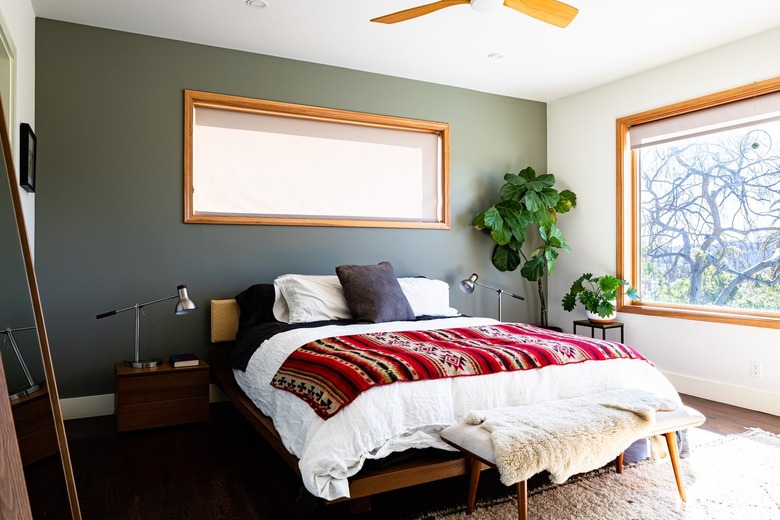
- Light Warm Grays: Shades with beige or yellow undertones (e.g., Benjamin Moore ‘Classic Gray’, Sherwin-Williams ‘Accessible Beige’ – a true greige that leans warm). These create a serene, grounded feel that’s incredibly versatile and pairs beautifully with warm dark woods like mahogany or walnut.
- Light Cool Grays: Grays with blue or green undertones (e.g., Farrow & Ball ‘Skimming Stone’, Benjamin Moore ‘Gray Owl’). These lend a contemporary, crisp, and calming vibe. They work exceptionally well with sleek, modern dark furniture like black lacquer or espresso.
Pale Blues & Greens: Nature’s Tranquil Hues
If you crave color but want to maintain a light, airy feel, look to nature. Pale blues and greens are inherently calming and expansive, making them ideal for bedrooms.
- Sky Blues: Soft, ethereal blues (e.g., Benjamin Moore ‘Palladian Blue’, Sherwin-Williams ‘Sea Salt’) evoke a sense of open skies and tranquility. They create a serene, dream-like atmosphere that contrasts beautifully with dark furniture, making it feel less heavy and more integrated into a peaceful landscape.
- Soft Sage Greens: Muted, earthy greens (e.g., Sherwin-Williams ‘Clary Sage’, Farrow & Ball ‘French Gray’) bring the outside in, fostering a sense of calm and well-being. They pair wonderfully with natural dark woods, enhancing their organic appeal.
- Aqua/Teal: A pale, muted aqua or teal can offer a refreshing, slightly playful pop of color that still feels tranquil. It introduces a subtle vibrancy that can lift a room with dark furniture without being overwhelming.
Sunny Pastels: A Hint of Color
For those who love a touch of gentle color, pastels can soften dark furniture and introduce warmth or subtle cheer.
- Blush Pinks: A very soft, barely-there pink (e.g., Benjamin Moore ‘First Light’, Farrow & Ball ‘Pink Ground’) can create a surprisingly sophisticated and warm glow, especially in a bedroom. It introduces a comforting, inviting feel that beautifully complements dark woods.
- Soft Yellows: Pale, buttery yellows (e.g., Sherwin-Williams ‘Daffodil’, Benjamin Moore ‘Man on the Moon’) can infuse a room with a gentle, sunny disposition. This works particularly well to lighten the mood of very traditional dark furniture, making the space feel more cheerful and less formal.
Deep & Dramatic: Colors That Embrace & Envelop (The Sophistication Strategy)
Sometimes, the best way to handle dark furniture is to lean into its depth, creating a sophisticated, enveloping, and often incredibly chic space. This strategy is about creating intimacy and drama, making the dark furniture feel perfectly at home within a moody, rich backdrop.
Rich Blues: From Navy to Midnight
Deep blues are the quintessential choice for a dramatic, yet serene, bedroom. They are incredibly grounding and sophisticated.
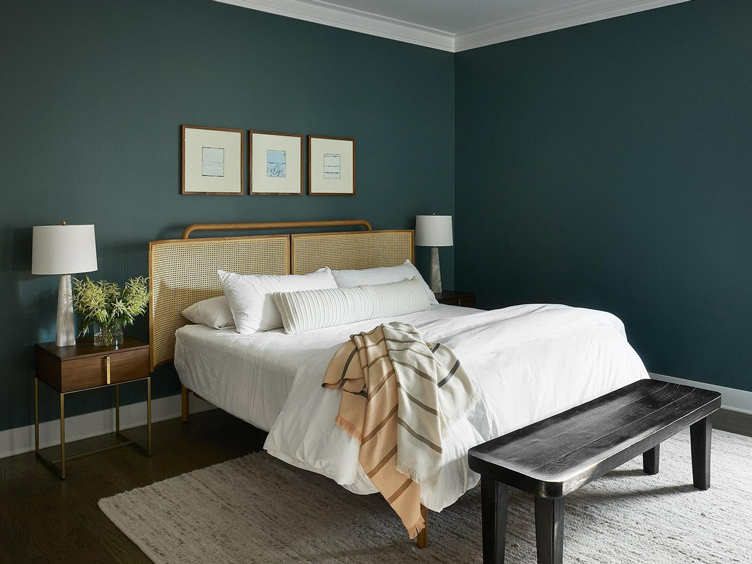
- Navy Blue: (e.g., Benjamin Moore ‘Hale Navy’, Sherwin-Williams ‘Naval’) A timeless classic. Navy walls with dark wood or black furniture create a luxurious, elegant, and deeply calming atmosphere. It’s a sophisticated pairing that feels both classic and modern.
- Midnight Blue: Even darker, verging on black, midnight blue creates an intense, intimate, and often ethereal feel. It’s a bold choice that truly envelops the room, making dark furniture blend beautifully for a cohesive, powerful statement.
Deep Greens: Forest, Emerald, & Hunter
Inspired by nature’s deepest hues, dark greens are having a major moment for their ability to create lush, luxurious, and calming spaces.

- Forest Green: (e.g., Sherwin-Williams ‘Shade Grown’, Farrow & Ball ‘Studio Green’) These deep, earthy greens offer a connection to nature, promoting peace and relaxation. They pair magnificently with dark wood furniture, creating a rich, organic, and sophisticated ambiance.
- Emerald or Hunter Green: Slightly brighter but still deep, these greens bring a touch of jewel-toned luxury. They can make a room feel grand and opulent, providing a stunning backdrop for dark, traditional pieces.
Charcoal & Dark Gray: Modern Edge with Depth
For a minimalist, urban, or ultra-chic aesthetic, deep grays are unbeatable. They create a powerful, contemporary backdrop.
- Charcoal Gray: (e.g., Sherwin-Williams ‘Peppercorn’, Benjamin Moore ‘Kendall Charcoal’) A striking alternative to black, charcoal offers depth and drama without the intensity. It makes dark furniture feel sleek and modern, creating a sophisticated and grounded space. This color choice can be incredibly chic, especially when paired with metallic accents.
- Deep Slate Gray: With hints of blue or purple, these grays offer a cooler, more mysterious depth. They work well to create a tranquil, contemplative mood, allowing dark furniture to recede slightly into the overall sophisticated palette.
Moody Purples & Berries: Luxurious & Unique
For those craving something truly unique and opulent, deep purples can create a jewel-box effect.
- Plum or Deep Lavender: These rich, saturated purples (e.g., Benjamin Moore ‘Shadow’, Farrow & Ball ‘Brinjal’) exude luxury and creativity. They provide an unexpected but incredibly beautiful backdrop for dark wood, making the room feel intimate, romantic, and uniquely yours.
The Power of Paint Finish: Sheen Matters!
The choice of paint sheen is just as critical as the color itself, especially in a bedroom with dark furniture. Sheen affects how light reflects off the walls, how durable the paint is, and the overall perception of the color.
| Sheen Level | Appearance & Light Reflection | Durability & Cleanability | Best Use with Dark Furniture |
|---|---|---|---|
| Flat/Matte | No sheen, absorbs light, hides imperfections. Very rich, velvety look. | Least durable, difficult to clean. Not ideal for high-traffic areas. | Creates a very sophisticated, deep backdrop for dark furniture, making colors appear richer. Perfect for a cozy, intimate bedroom where wall contact is minimal. |
| Eggshell | Slight, subtle sheen, like an eggshell. More reflective than flat, still hides flaws well. | More durable than flat, moderately cleanable. Good for general walls. | A popular choice for bedrooms. Offers a soft glow that subtly brightens, without being too reflective. Great for enhancing both light and dark color schemes with dark furniture. |
| Satin | Noticeable sheen, often described as a soft luster. Reflects more light, can show imperfections. | Very durable and easy to clean. Good for active areas. | Can add a touch of glamour and light reflection, especially with deeper wall colors or sleek dark furniture. Might be too shiny for some in a bedroom, but can work well for contrast. |
| Semi-Gloss | High sheen, very reflective and shiny. Highlights architectural details. | Most durable and easiest to clean. | Generally too reflective for main bedroom walls, especially with dark furniture where you want to minimize glare. Best reserved for trim, doors, or furniture itself to make them pop. |
Beyond the Walls: Integrating Other Elements
While paint is transformative, it’s part of a larger symphony. Consider these elements to complete your bedroom’s look:
- Lighting: This is paramount. With dark furniture, you need to be intentional about lighting. Maximize natural light with sheer curtains or by keeping windows unobstructed. Introduce multiple layers of artificial light: ambient (ceiling fixture), task (reading lamps), and accent (picture lights, up-lights). Warm light temperatures (2700K-3000K) are often best for bedrooms, creating a cozy glow.
- Textiles: Bedding, rugs, and curtains are your secret weapons. Light-colored bedding can instantly brighten a dark bed frame. A plush, light-toned rug can anchor the room and add softness. Sheer, light-colored curtains will maintain an airy feel, while heavier drapes in a complementary deep hue can add to the drama.
- Metallic Accents: Gold, brass, silver, or chrome hardware, lamps, and decorative objects can introduce sparkle and reflectivity, bouncing light around and breaking up the visual weight of dark furniture and walls.
- Artwork & Mirrors: Large artwork with a light background or a prominent mirror can add depth and draw the eye, preventing the room from feeling monolithic. Mirrors are particularly effective at amplifying light.
Your Step-by-Step Guide to Choosing the Perfect Bedroom Paint Color
Ready to choose? Follow these steps for a foolproof decision:
Step 1: Assess Your Furniture & Room
What are the undertones of your dark furniture? Is it warm (reddish/yellowish brown) or cool (grayish brown/black)? How much natural light does your room get? Is it small or large? These factors will guide your initial color direction.
Step 2: Define Your Desired Mood
Close your eyes and imagine your ideal bedroom. Is it serene and airy? Bold and dramatic? Cozy and inviting? This emotional goal is your compass.
Step 3: Explore Color Families
Based on your assessment and desired mood, start exploring. If you want light and airy, look at whites, light grays, pale blues/greens. If you want dramatic, dive into deep blues, greens, or charcoals. Don’t be afraid to pull inspiration from magazines or online galleries, but remember that colors look different in person.
Step 4: Test, Test, Test!
This is the most critical step. Purchase sample pots of your top 2-3 choices. Paint large swatches (at least 2’x2′) on different walls in your bedroom, not just a small spot. Observe them throughout the day and night under various lighting conditions. See how they interact with your dark furniture. Colors can drastically change depending on the light.
Step 5: Consider Sheen & Lighting
While testing, also visualize the sheen. Most bedrooms do well with flat or eggshell for a soft, inviting feel. Simultaneously, plan your lighting. Does the chosen paint color still work with your lamps on in the evening?

Expert Tips for a Flawless Finish
- Prep is Key: Don’t skimp on cleaning, sanding, and priming. A well-prepped wall makes all the difference in the final look and longevity of your paint job.
- Two Coats (Minimum): Especially when painting over a contrasting color or using a deeper hue, two coats of paint are almost always necessary to achieve the true color and even coverage.
- Don’t Forget the Ceiling: While often overlooked, painting your ceiling a soft white, a lighter shade of your wall color, or even a very pale blue can significantly impact the overall feel and perceived height of your room.
Conclusion: Your Bedroom, Reimagined
Choosing the right paint color for a bedroom with dark furniture is an art, but it’s an art you can master. By understanding your furniture, defining your desired mood, and strategically selecting colors and finishes, you can transform your bedroom into a balanced, beautiful, and utterly inviting sanctuary. No more heavy, dull spaces – just a harmonious room where your dark furniture truly shines. Go forth, experiment, and create the bedroom of your dreams!
Frequently Asked Questions
What paint color makes dark furniture look less heavy?
Light, airy colors such as creamy whites, soft greiges, pale blues, and gentle sage greens are excellent for making dark furniture feel less heavy. These shades provide a bright contrast that visually lifts the room, reflecting light and creating a more expansive, refreshing atmosphere.
Can I use dark paint colors with dark furniture?
Absolutely! Using dark paint colors like navy blue, deep forest green, or charcoal gray with dark furniture can create a sophisticated, dramatic, and intimate ‘jewel box’ effect. This strategy embraces the depth of the furniture, resulting in a cohesive and luxurious ambiance, especially effective in larger rooms or those with ample natural light.
How does lighting affect paint colors with dark furniture?
Lighting significantly impacts how paint colors and dark furniture appear. Natural light can reveal a paint color’s true undertones, while artificial light (especially warm-toned bulbs) can soften or enrich colors. With dark furniture, ample lighting—both natural and layered artificial sources—is crucial to prevent the room from feeling dim or cave-like. Test paint swatches under all lighting conditions.
What paint sheen is best for a bedroom with dark furniture?
For bedrooms with dark furniture, a flat or eggshell sheen is generally recommended. Flat paint provides a rich, velvety, and sophisticated look that absorbs light, making colors appear deeper and hiding imperfections. Eggshell offers a subtle sheen that’s slightly more durable and reflective, adding a soft glow without being too shiny. Avoid high-gloss sheens on main walls, which can create glare.
Should my trim be the same color as my walls with dark furniture?
You have options! Painting trim the same color as the walls (often in a slightly different sheen, like satin) creates a seamless, modern, and enveloping look that works well with dark furniture. Alternatively, painting trim in a crisp white or a lighter neutral can provide a classic contrast, defining architectural features and making the walls feel lighter, especially with darker wall colors.
How do I test paint colors effectively in my bedroom?
To test effectively, purchase sample pots of your top 2-3 paint choices. Paint large swatches (at least 2×2 feet) on multiple walls in your bedroom, as light varies throughout the room. Observe these swatches at different times of day (morning, afternoon, evening) and under both natural and artificial lighting conditions to see how they interact with your dark furniture before making a final decision.
Can wallpaper be used with dark furniture instead of paint?
Yes, absolutely! Wallpaper can be a fantastic alternative or complement to paint with dark furniture. A wallpaper with a light background and a subtle pattern can brighten the space, while a bold, textured, or deep-toned wallpaper can enhance the dramatic and luxurious feel. Ensure the pattern and scale complement your furniture and room size.