How Much Does It Really Cost To Paint A Room In The USA? Your Ultimate Guide
Thinking about a fresh coat of paint for a room in your home? It’s one of the quickest, most impactful ways to transform a space. But before you get lost in swatches of ‘Greige‘ and ‘Naval Blue,’ a crucial question inevitably pops up: How much will this actually cost me?
If you’ve started looking, you’ve probably seen wildly varying figures – from a couple of hundred dollars to well over a thousand for a single room. It’s enough to make your head spin! The truth is, there’s no single, simple answer because so many factors influence the final price tag. But don’t worry, I’m here to demystify it for you.
As someone who’s tackled countless paint projects (both DIY and hiring pros), I’ll walk you through everything you need to know. We’ll break down average costs across the USA, explore the hidden variables that drive prices up or down, and help you decide whether to grab a brush yourself or call in the cavalry. By the end of this guide, you’ll be equipped with the knowledge to budget wisely, get accurate quotes, and avoid any nasty surprises.
The Quick Answer: Average Room Painting Costs in the US
Let’s cut right to it. On average, you can expect to pay anywhere from $300 to $800 to professionally paint a standard-sized room (around 10×12 feet) in the United States. This typically includes walls, basic prep, and one to two coats of standard-quality paint. However, this is a broad average. Larger rooms, intricate details, premium paints, or significant prep work can easily push costs to $1,000 or even $2,000+ per room.
To give you a clearer picture, here’s a table outlining estimated professional painting costs for different room types:
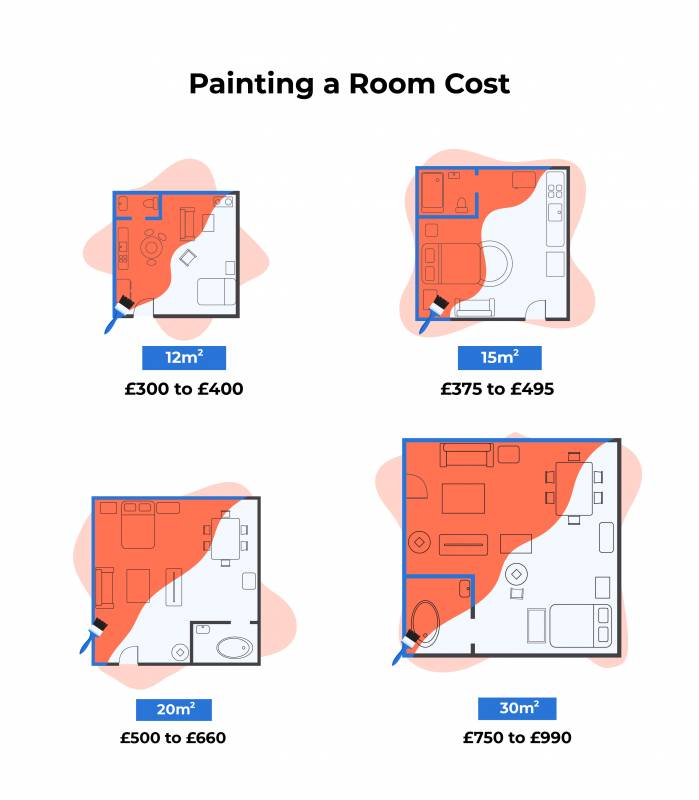
| Room Type | Average Size (sq ft) | Est. Professional Cost Range (USD) | Est. Duration |
|---|---|---|---|
| Small Bedroom/Office | 100-150 sq ft | $300 – $600 | 1 Day |
| Standard Bedroom | 120-200 sq ft | $400 – $800 | 1-2 Days |
| Living Room/Family Room | 200-400 sq ft | $600 – $1,200 | 1-2 Days |
| Kitchen | 100-200 sq ft (walls only) | $450 – $900 | 1-2 Days |
| Bathroom | 50-100 sq ft | $350 – $700 | 1 Day |
| Open Concept Area (Large) | 400+ sq ft | $1,000 – $2,500+ | 2-3+ Days |
Remember, these are estimates for walls only, assuming standard ceiling heights and minimal trim work. Additional services like painting ceilings, trim, or doors will add to these figures.
Factors That Significantly Impact Your Painting Bill
Why such a wide range? Because a lot goes into painting a room, and many variables can swing the price considerably. Understanding these factors is key to predicting your costs accurately.
Room Size and Complexity: It’s Not Just Square Footage
While square footage is a primary driver, it’s not the only measurement. A painter calculates the total surface area to be painted (walls, ceiling, trim) and factors in the complexity of the space:
- Floor Area vs. Wall Area: A 10×12 room might have 400 square feet of wall space (if 8ft ceilings) or more if ceilings are higher.
- Ceiling Height: Vaulted or extra-high ceilings require more paint, more labor, and often specialized equipment (ladders, scaffolding), which adds to the cost.
- Architectural Details: Crown molding, wainscoting, intricate trim, built-in shelving, or multiple windows and doors mean more meticulous masking and cutting in, increasing labor time significantly.
- Room Function: Bathrooms and kitchens, though often smaller, can be more complex due to fixtures, cabinetry, and the need for moisture-resistant paints.
Paint Quality & Type: The Hidden Cost Variable
The paint itself is a considerable portion of your material cost, and prices vary wildly based on quality and type. Don’t underestimate this! Choosing a cheap paint might seem like a saving, but it often means needing more coats, less durability, and a less attractive finish in the long run.
- Basic Paints ($20-$35/gallon): Entry-level options, often requiring more coats for good coverage, less durable. Fine for low-traffic areas or rental properties.
- Mid-Range Paints ($35-$60/gallon): Good balance of coverage, durability, and washability. A popular choice for most homeowners.
- Premium Paints ($60-$100+/gallon): Excellent coverage (often one-coat), superior durability, scrubbability, and often come with advanced features like low-VOC (Volatile Organic Compounds) for better air quality, stain resistance, or mildew inhibitors. Brands like Benjamin Moore Aura or Sherwin-Williams Emerald fall into this category.
Beyond quality, consider the finish (sheen):

- Flat/Matte: Hides imperfections well, no shine. Best for low-traffic areas or ceilings. Less durable.
- Eggshell/Satin: Slight sheen, more durable and washable than flat. Great for living rooms, bedrooms, dining rooms.
- Semi-Gloss/Gloss: High shine, extremely durable and easy to clean. Perfect for trim, doors, kitchens, and bathrooms.
Here’s a quick look at how paint costs can stack up:
| Paint Quality | Finish Options | Price Per Gallon (USD) | Key Benefit |
|---|---|---|---|
| Basic/Economy | Flat, Eggshell | $20 – $35 | Budget-friendly |
| Mid-Range | Flat, Eggshell, Satin, Semi-Gloss | $35 – $60 | Good balance of value & performance |
| Premium | All finishes, specialized options | $60 – $100+ | Superior durability, coverage, features |
The All-Important Prep Work: Don’t Skip It!
This is where many DIYers get tripped up, and where professionals earn their keep. Proper preparation is paramount for a lasting, beautiful finish.
- Cleaning: Walls need to be free of dirt, grease, and grime.
- Patching and Repair: Nail holes, cracks, dents, and imperfections need to be filled, sanded smooth, and sometimes primed. Extensive repairs (e.g., repairing drywall damage, removing wallpaper) will significantly increase labor costs.
- Sanding: Smooth surfaces ensure paint adhesion and a flawless look.
- Taping and Masking: Protecting floors, trim, windows, and light fixtures is a time-consuming but essential step.
- Priming: Necessary for new drywall, drastically color changes, stain blocking, or achieving optimal paint adhesion on difficult surfaces.
If your walls are in rough shape, expect the prep work to add a considerable amount to your quote. Some painters might charge an hourly rate for extensive repairs (e.g., $50-$100 per hour) or include a higher base rate for rooms needing more attention.
Labor Costs: Professional Expertise vs. DIY Sweat Equity
Labor is usually the largest component of a professional painting quote. Painters can charge by the hour, by the day, or a flat rate per project. Hourly rates for a skilled painter typically range from $40 to $80 per hour per painter, but this can vary based on location and experience. A painting crew will naturally cost more per hour but get the job done faster.
What are you paying for with professional labor? Efficiency, skill, tools, insurance, and quality. They know how to prep walls correctly, cut in sharp lines, apply paint evenly, and clean up thoroughly. This isn’t just about applying paint; it’s about delivering a professional finish that lasts.
Location, Location, Location: Regional Price Differences Across the US
Just like real estate, painting costs are influenced by where you live. Metropolitan areas and regions with a higher cost of living (e.g., New York City, San Francisco, Los Angeles, Boston, Seattle) will invariably have higher labor rates compared to rural areas or cities in the Midwest and Southern states. Always factor your local market into your budget.
Number of Colors & Specialty Finishes
Want an accent wall? Two-tone walls? Stripes? Geometric patterns? Each additional color means more precise masking, more careful cutting-in, and therefore, more labor. Specialty finishes like faux painting, murals, or limewash effects require specialized skills and significantly more time, escalating costs dramatically.
Current Room Condition & Existing Paint
The state of your walls before painting matters. Are you going from a dark color to a light one? That often means needing an extra coat or a specialized primer, increasing material and labor costs. Is there peeling paint or wallpaper to remove? Wallpaper removal, in particular, is a messy, time-consuming job that can add hundreds of dollars to a project.
DIY vs. Hiring a Pro: Which Route Saves You Money (and Sanity)?
This is the classic dilemma. Painting a room yourself can save you a significant amount on labor, but it demands your time, effort, and a certain level of skill. Hiring a professional offers convenience, expertise, and a guaranteed quality finish, but at a higher price point.
DIY Painting Costs: Beyond Just the Paint Can
If you decide to tackle the job yourself, your costs will primarily be for materials. While you save on labor, don’t forget the essential tools beyond just paint:

| Item | Quantity | Est. Cost Range (USD) |
|---|---|---|
| Paint (Mid-Range) | 2-3 Gallons | $70 – $180 |
| Primer (if needed) | 1 Gallon | $25 – $50 |
| Rollers & Roller Covers | 1-2 handles, 3-5 covers | $20 – $40 |
| Paint Brushes | 2-3 assorted sizes | $15 – $35 |
| Painter’s Tape | 2-3 rolls | $10 – $25 |
| Drop Cloths/Tarps | 2-3 reusable/disposable | $15 – $40 |
| Paint Trays & Liners | 1-2 trays, 5-10 liners | $10 – $20 |
| Spackle/Patching Compound | 1 small tub | $5 – $15 |
| Sandpaper/Sanding Block | Assorted grits | $5 – $10 |
| Cleaning Supplies | Sponge, bucket, mild cleaner | $5 – $15 |
| Total Estimated DIY Costs (excluding labor) | $180 – $430 | |
Beyond the monetary cost, consider your time. Painting a room properly, especially if you’re a beginner, can easily take 2-3 full days or several evenings/weekends. Are you prepared for the physical labor, the meticulous prep, and the potential for mistakes (drips, uneven coats, missed spots)?
Professional Painter Costs: What You’re Really Paying For
When you hire a professional, you’re investing in more than just their time. You’re paying for:
- Expertise & Experience: They know the best techniques, materials, and how to handle unexpected issues.
- Efficiency: Pros work faster and more precisely. A job that takes you a weekend might take them a day.
- Quality Finish: Crisp lines, smooth application, and proper prep mean a flawless, durable result.
- Tools & Equipment: They bring all the necessary specialized tools, including ladders, sprayers (if applicable), and quality brushes/rollers.
- Insurance: Reputable painters carry liability insurance, protecting you in case of accidents or damage.
- Warranty: Many professionals offer a warranty on their work.
- Convenience: You save your valuable time and energy.
Professional painters typically charge per room, by the square foot (for wall surface, not floor area), or a daily rate per painter. A general guideline for a single painter’s daily rate is $300-$800, depending on their skill level, location, and the complexity of the work.
The True Cost Comparison: DIY vs. Pro
For a standard bedroom (10×12 ft):
- DIY: Roughly $180-$430 in materials. Plus 16-24 hours of your time.
- Professional: Roughly $400-$800 for labor and materials. Takes 1-2 days.
If you have the time, patience, and a steady hand, DIY can save you hundreds. However, for complex rooms, high ceilings, or if your time is truly valuable, hiring a pro is often worth the investment for the peace of mind and superior finish.

How to Get Accurate Quotes and Avoid Surprises
Getting a fair price requires being an informed consumer. Here’s how to navigate the quoting process:
- Get Multiple Bids: Always contact at least three different painters. This gives you a range and helps identify outliers.
- Be Specific About Scope: Don’t just say “paint the bedroom.” Specify *what* you want painted: walls only, walls and ceiling, walls/ceiling/trim/doors. Mention any accent walls or special requests.
- Show Them the Room: A painter needs to see the room’s condition, ceiling height, and any existing damage to provide an accurate quote. Don’t expect a firm price over the phone.
- Ask for Itemized Quotes: A good quote will break down labor, materials, and prep work. This transparency helps you understand where your money is going.
- Discuss Paint Choice: Ask if their quote includes paint or if they expect you to provide it. If included, specify the brand, type, and sheen you prefer.
- Clarify Prep Work: Ask exactly what prep is included (patching small holes, sanding, cleaning, masking). If you have significant damage or wallpaper, ensure that’s addressed in the quote.
- Check References and Insurance: Ask for proof of liability insurance and worker’s compensation. Get references and check online reviews.
- Get Everything in Writing: A detailed written contract protects both you and the painter. It should clearly outline the scope of work, materials, timeline, and total cost.
Smart Strategies to Reduce Your Painting Costs
Even if you hire a professional, there are ways to keep costs down without sacrificing quality:
- Do Your Own Prep Work: This is the biggest money-saver! Move furniture to the center of the room, remove wall decor, patch small nail holes, clean the walls, and even tape off trim. Make the room painter-ready.
- Purchase Your Own Paint: Some painters prefer to buy paint at their contractor discount, but if you can find a good deal or have a specific premium paint in mind, purchasing it yourself can sometimes save money (just check with your painter first).
- Choose Simpler Colors/Schemes: Sticking to one or two colors for walls and trim minimizes labor for cutting in and masking.
- Paint During Off-Peak Seasons: Painters are often busier in spring and summer. You might get a better rate during the slower months of fall and winter.
- Consider Painting Only Walls: If your ceilings and trim are in good condition or white, consider just getting the walls painted. This significantly reduces the scope and cost.
- Ask About Cash Discounts: Some smaller contractors might offer a small discount for cash payments (though always ensure you still get a written invoice and contract).
Beyond the Walls: Other Painting Considerations
When budgeting, remember that painting a room often involves more than just the four walls:
- Ceilings: Usually a flat white, painting ceilings is extra work and cost, typically adding 20-30% to the room’s base price.
- Trim and Baseboards: Often painted in a semi-gloss white, this requires precision and adds labor.
- Doors and Window Frames: Similar to trim, these are detailed areas that add to the painting time. Each door can add $50-$150.
- Wallpaper Removal: This is a beast. Expect to pay an additional $1-$3 per square foot (or more for stubborn wallpaper) for removal before painting can even begin.
- Lead Paint Testing/Abatement: If your home was built before 1978, there’s a risk of lead-based paint. Testing can cost $200-$600, and abatement is a specialized, expensive process.
How Often Should You Repaint a Room?
The lifespan of a paint job depends on several factors:
- Traffic: High-traffic areas like hallways, living rooms, and kids’ rooms will need repainting more often (every 3-5 years).
- Moisture: Bathrooms and kitchens might show wear faster due to humidity and splatter, possibly needing a refresh every 2-4 years.
- Low-Traffic Areas: Guest bedrooms or formal dining rooms might look good for 5-10 years or even longer.
- Paint Quality: Higher-quality paints offer better durability and washability, extending the time between repaints.
- Personal Preference: Sometimes, you just want a change!
Ultimately, a well-prepped and professionally painted room using quality materials will stand the test of time much longer than a rushed DIY job with cheap paint.
Ready to Roll?
Painting a room is a fantastic way to refresh your home. By understanding the true costs involved – from paint quality and prep work to labor and regional differences – you can confidently budget for your project. Whether you decide to embrace the roller yourself or enlist a seasoned pro, an informed approach will ensure a smooth process and a beautiful, long-lasting result. Happy painting!