The Definitive Guide to Choosing the Best Gray Paint Color for Your Bedroom
Staring at dozens of gray paint swatches, feeling completely overwhelmed? You’re not alone. Choosing the “best” gray for your bedroom isn’t about picking a trendy color; it’s about finding a shade that transforms your personal sanctuary into the restful, beautiful space you crave. Gray, often misunderstood as sterile, is actually one of the most versatile and sophisticated colors you can choose for a bedroom. When done right, it can be calming, cozy, modern, or utterly timeless.
But here’s the secret: not all grays are created equal, especially when it comes to a room designed for relaxation and sleep. Your mission? To find a gray that harmonizes with your light, your style, and most importantly, your desire for a truly peaceful retreat. Let’s dive in and unlock the secrets to your perfect gray bedroom.
Why Gray is the Ultimate Bedroom Sanctuary Color
Gray has earned its reputation as a design staple for good reason. For a bedroom, its appeal goes even deeper, offering unique benefits that other colors often miss.
The Psychology of Gray for Sleep
When we talk about sleep, color psychology plays a significant role. Gray, in its purest form, represents neutrality, balance, and tranquility. It’s a color that doesn’t demand attention but rather provides a quiet backdrop, allowing the mind to unwind. Unlike vibrant colors that can stimulate, or stark whites that can feel sterile, a well-chosen gray offers a sense of stability and calm. It’s mature, sophisticated, and helps create an environment conducive to rest and introspection. Cooler grays can evoke a sense of serene quietude, while warmer grays can envelop you in a comforting hug, making it easier to drift off to sleep.
Versatility and Timeless Appeal
Perhaps gray’s greatest strength is its incredible versatility. It acts as a phenomenal foundation, allowing your furniture, artwork, and textiles to truly shine. Whether your style leans towards modern minimalism, cozy farmhouse, classic traditional, or eclectic bohemian, there’s a gray that will complement it perfectly. It pairs effortlessly with almost any other color, from soft pastels to vibrant jewel tones, giving you endless decorating possibilities that can evolve with your taste over time. And unlike fleeting trends, a quality gray endures, making your bedroom feel current and stylish for years to come without the need for frequent repainting.
Understanding Gray: More Than Just Black and White
If you think gray is just a mix of black and white, you’re missing the whole picture. The nuance of gray comes from its subtle infusions of other colors – what designers call “undertones.”
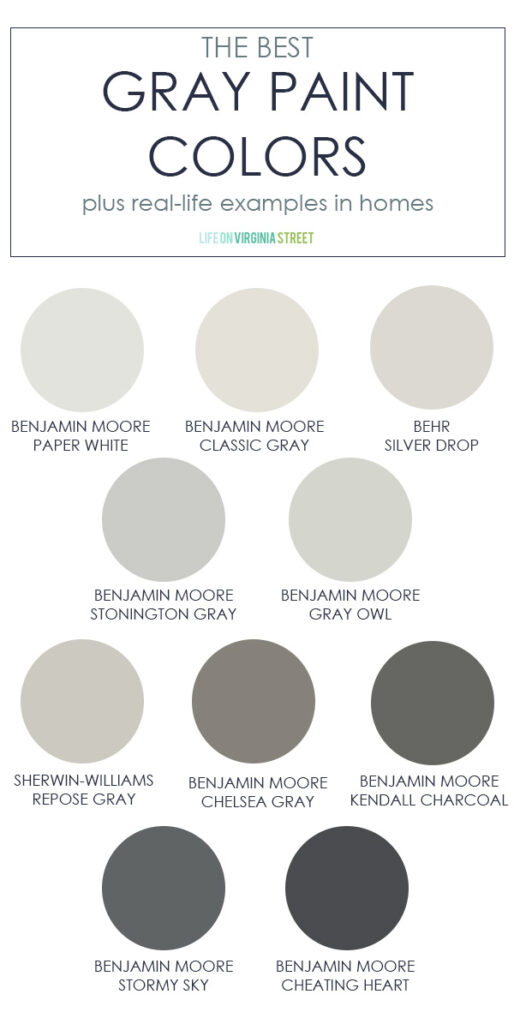
The Critical Role of Undertones (Blue, Green, Purple, Brown/Beige)
This is where many people get tripped up. A gray paint color isn’t purely gray; it has a hint of another color peeking through. These undertones drastically affect how the color appears on your wall and how it interacts with the rest of your room. Understanding them is paramount to avoiding a gray that feels cold, muddy, or even sickly.
- Blue-Grays: These grays lean towards the cool side. They create a very serene, calm, and sophisticated atmosphere, perfect for a tranquil bedroom. Think of a cloudy sky or a cool slate.
- Green-Grays: Often perceived as organic and grounding, green-grays can bring a natural, earthy feel to a bedroom. They tend to be very soothing and subtle, less stark than blue-grays.
- Purple-Grays: Rarer but captivating, purple undertones can add depth, luxury, and a touch of moody elegance. They can feel very cozy and rich, especially in darker shades.
- Brown-Grays (Greige) / Beige-Grays: These are your “warm grays.” They combine the sophistication of gray with the inviting warmth of beige or brown. Greiges are incredibly popular because they create a cozy, welcoming feel that still maintains neutrality. They bridge the gap between warm and cool, making them incredibly adaptable.
When selecting your gray, always consider the undertone, as it will dictate the overall mood and temperature of your bedroom.
Light Reflectance Value (LRV): Your Secret Weapon
Every paint color has an LRV, or Light Reflectance Value, which is a number (typically from 0 to 100) indicating how much light a color reflects. 0 is absolute black (no reflection), and 100 is pure white (maximum reflection).
- High LRV (above 60): These are lighter grays. They reflect a lot of light, making rooms feel more spacious, airy, and brighter. Ideal for smaller bedrooms or those with limited natural light.
- Medium LRV (30-60): These grays offer a good balance. They provide definition without making a room feel too dark, offering a comfortable, mid-tone richness.
- Low LRV (below 30): These are your darker, moodier grays. They absorb light, creating a dramatic, cozy, and enveloping feel. Best for larger rooms or bedrooms where you want to emphasize intimacy and warmth.
Understanding LRV is crucial for predicting how a gray will behave in your specific bedroom, especially for a space where light levels directly impact your comfort and mood.
How Natural Light Changes Everything (North, South, East, West)
The direction your bedroom windows face is a game-changer for gray paint colors. Natural light isn’t just about brightness; it’s about temperature and hue.
- North-Facing Rooms: These rooms receive cool, consistent light throughout the day. Grays here can appear even cooler, sometimes feeling a bit stark. Consider warmer grays (greiges) or grays with subtle green or beige undertones to balance the cool light and add warmth.
- South-Facing Rooms: Bathed in warm, bright light all day, these rooms can handle cooler grays beautifully. Blue-grays will feel balanced and serene, while warmer grays might appear overly beige or yellow.
- East-Facing Rooms: Get bright, warm light in the morning, then cooler light for the rest of the day. A balanced gray with subtle undertones (like a soft green-gray or a very mild blue-gray) works well here, appearing fresh in the morning and calm later.
- West-Facing Rooms: Experience cool light in the morning and intense, warm, often orange-tinged light in the afternoon/evening. Grays here can look very different throughout the day. A medium-tone gray with a balanced undertone (or even a gentle blue-gray) can be stunning when the warm afternoon light hits it, preventing it from looking too stark.
Always observe how different grays look in your room at various times of day before committing.
:max_bytes(150000):strip_icc()/shades-of-gray-on-your-bedroom-walls-350785-hero-01-55d5d26725fd4f58b8f60a16dec4519a.jpg "The 11 Best Gray Paint Colors for a Stylish Bedroom")
Your Roadmap to the Perfect Gray Bedroom
Ready to narrow down the thousands of gray options? Follow these practical steps.
Step 1: Assess Your Bedroom’s Light and Size
Grab a notebook and really look at your room. Is it bright or dim? What direction does the window face? Is the room large and sprawling, or small and cozy? Generally:
- Small rooms / Low light: Lean towards grays with higher LRV (lighter grays) to make the space feel more open and brighter.
- Large rooms / Abundant light: You have more flexibility. Darker grays can create a dramatic, luxurious cocoon. Lighter grays will maximize the airy feel.
- Cool light (North-facing): Consider warm grays (greiges) to prevent the room from feeling chilly.
- Warm light (South/West-facing): Cooler grays can be balanced beautifully by the light, creating a crisp, clean look.
Step 2: Consider Your Existing Furniture & Decor
Your paint choice isn’t in a vacuum. What color is your bedding? Your headboard? Your dresser? Your flooring? Gray is a neutral, but its undertones can clash if not considered. For example:
- If you have warm wood furniture (oak, cherry), a cool blue-gray might feel discordant. A warm greige or a green-gray would likely be more harmonious.
- If your bedding has cool tones (blues, greens), a blue-gray or a true gray will likely enhance that palette.
- If your flooring is very warm-toned (e.g., terracotta), you’ll want a gray that doesn’t fight against it – often a warmer gray or a neutral true gray.
The goal is cohesion, not competition.
Step 3: Test, Test, Test! (The Power of Swatches)
This is arguably the most crucial step. Never, ever judge a paint color by a tiny chip. Paint large swatches (at least 1’x1′ or even 2’x2′) on at least two different walls in your bedroom, preferably on foam boards you can move around. Observe them at different times of the day and night, with both natural and artificial light. See how they look against your furniture, flooring, and trim. This step will save you from costly repainting and ensure you love your final choice.
Top Contenders: The Best Gray Paint Colors for Bedrooms (With Detailed Analysis)
Based on popularity, versatility, and suitability for a bedroom environment, here are some of the most beloved gray paint colors. Remember, these will look different in every home!
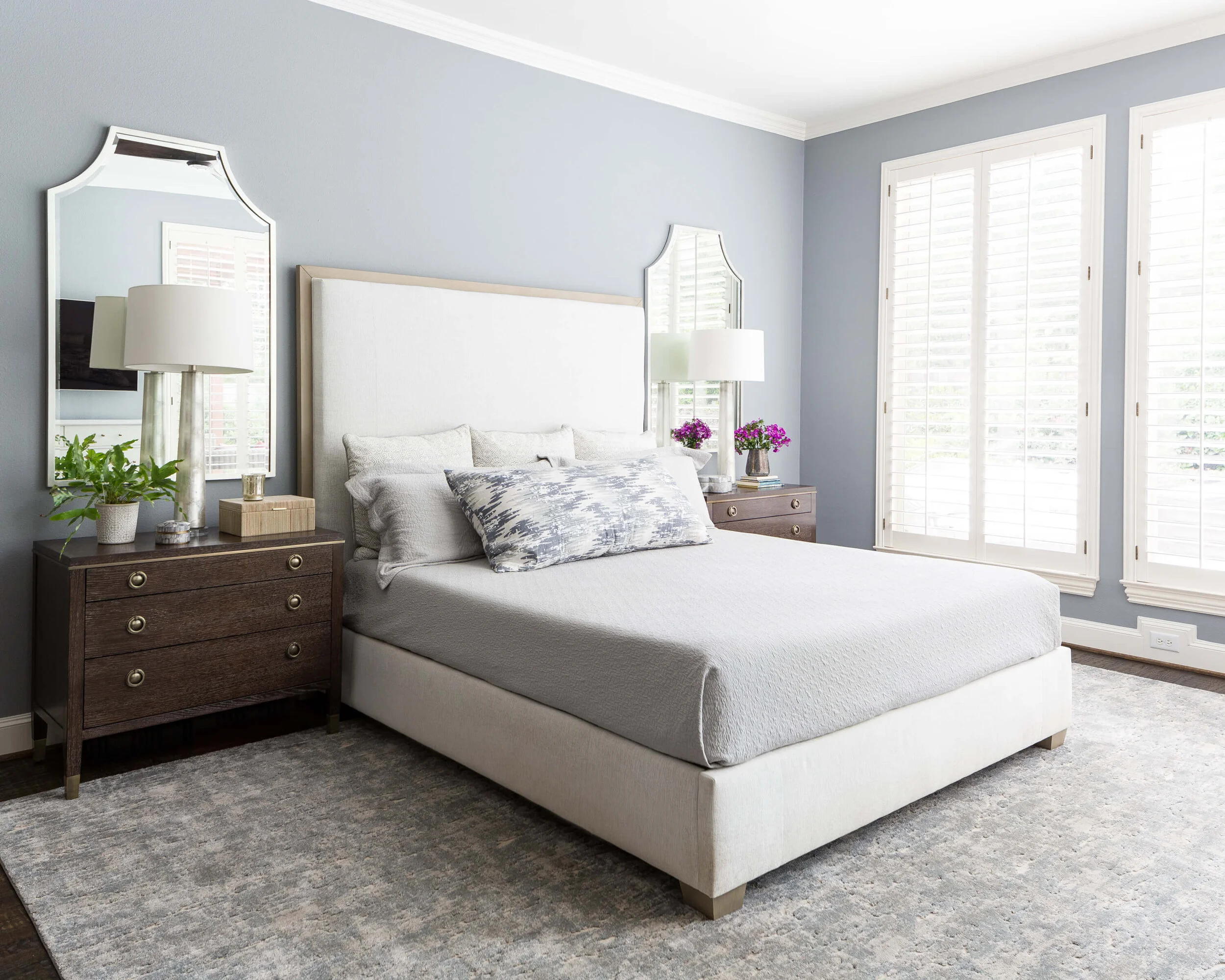
Soothing Blue-Grays: For a Serene Escape
These grays imbue a room with a calm, almost spa-like tranquility, perfect for a peaceful sleep sanctuary. They tend to feel crisp and clean.
- Benjamin Moore Gray Cashmere (2138-60): This is a soft, light gray with pronounced blue-green undertones. It’s incredibly calming and versatile, making a room feel airy and serene without being cold. It’s often recommended for master bedrooms due to its sophisticated, soothing quality. LRV: ~65.
- Sherwin-Williams Light French Gray (SW 0055): A slightly deeper, sophisticated gray with noticeable blue undertones, but it still maintains a beautiful neutrality. It feels very elegant and can create a slightly more cocooning effect than lighter blue-grays, without being too dark. LRV: ~53.
- Benjamin Moore Stonington Gray (HC-170): A classic, mid-tone gray with clear blue undertones. It’s clean, crisp, and can appear almost like a true gray in some lighting conditions, but the blue emerges to add that serene touch. Excellent for a coastal or modern bedroom aesthetic. LRV: ~59.
Calm Green-Grays: Bringing Nature Indoors
For those who desire a touch of nature’s tranquility, green-grays offer an organic, grounded feel. They are often incredibly soothing and less cool than blue-grays.
- Farrow & Ball Pavilion Gray (No.242): A truly understated and beautiful mid-gray with a gentle green undertone that prevents it from feeling cold. It’s soft, refined, and creates a sophisticated backdrop that feels very natural and harmonious. LRV: ~49.
- Benjamin Moore Gray Owl (OC-52): A hugely popular light gray that often presents with a very subtle green-blue undertone. It’s incredibly chameleon-like, adapting to light beautifully, making it feel fresh and light, yet grounding. It never feels stark. LRV: ~65.
- Sherwin-Williams Sea Salt (SW 6204): While often categorized as a blue-green, Sea Salt has enough gray in it to be considered for a serene gray bedroom. Its heavy gray influence keeps it muted and sophisticated, providing a watery, calming atmosphere perfect for relaxation. LRV: ~63.
Cozy Warm Grays (Greiges): The Best of Both Worlds
Greiges are the darlings of the design world for their ability to provide warmth without sacrificing sophistication. They’re perfect for creating a cozy, inviting bedroom.
- Sherwin-Williams Repose Gray (SW 7015): One of the most popular greiges, Repose Gray is a true chameleon. It has a beautiful balance of warm (brown/beige) and cool (gray/blue/green) undertones, making it incredibly versatile. It provides warmth without appearing yellow or overly beige, creating a comforting yet refined space. LRV: ~58.
- Benjamin Moore Edgecomb Gray (HC-173): A very popular light greige that leans distinctly warm with strong beige undertones. It’s soft, creamy, and creates an incredibly inviting and cozy atmosphere. It’s perfect for bedrooms that need to feel brighter and more welcoming. LRV: ~63.
- Sherwin-Williams Agreeable Gray (SW 7029): Another perennial favorite, Agreeable Gray is a slightly warmer greige than Repose Gray, with more noticeable beige undertones. It’s incredibly adaptable, providing warmth and softness without being too dark or too light. It truly lives up to its name. LRV: ~60.
True/Neutral Grays: Modern Simplicity
For those seeking a pure, unadulterated gray without strong color biases, these options offer clean, modern simplicity. They provide a crisp backdrop.
- Sherwin-Williams On the Rocks (SW 7671): A beautiful, light-to-mid-tone gray that aims for neutrality. It has very minimal undertones, making it a good choice if you want a straightforward gray. It can pick up very subtle cool hints in certain lights but generally maintains its pure gray essence. LRV: ~59.
- Benjamin Moore Classic Gray (OC-23): Don’t let the name fool you into thinking it’s a pure gray. Classic Gray is actually a very light, warm gray with a slight hint of green or beige, making it incredibly soft and inviting. It’s often used as an off-white because of its high LRV and subtle warmth, creating a serene, almost ethereal feel. LRV: ~75.
Bold & Dramatic Dark Grays: Making a Statement
For a truly luxurious, enveloping, and cozy bedroom, a dark gray can be a stunning choice. It creates intimacy and drama, perfect for a sophisticated retreat.
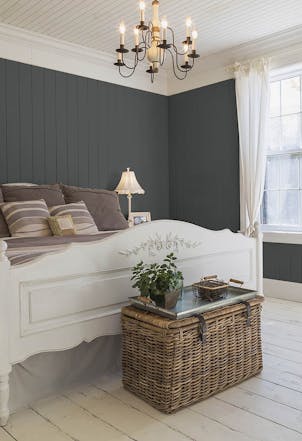
- Benjamin Moore Kendall Charcoal (HC-166): A rich, deep charcoal gray with a subtle green undertone that keeps it from looking cold or flat. It’s incredibly sophisticated and adds immense depth and coziness to a bedroom. Pair it with crisp white trim for a striking contrast. LRV: ~13.
- Sherwin-Williams Peppercorn (SW 7674): A dark, intense charcoal gray that can sometimes read as a very soft black. It has subtle cool undertones (sometimes blue, sometimes purple) that give it a sophisticated edge. Excellent for creating a moody, dramatic, and deeply comforting bedroom. LRV: ~10.
Comparison Table: Top Gray Bedroom Paints At A Glance
To help you compare, here’s a quick overview of some of the top gray paint colors discussed:
| Paint Color | Brand | LRV | Dominant Undertone | Ideal Bedroom Suitability |
|---|---|---|---|---|
| Gray Cashmere (2138-60) | Benjamin Moore | 65 | Blue-Green | Airy, serene, sophisticated; good for most lighting. |
| Repose Gray (SW 7015) | Sherwin-Williams | 58 | Balanced Greige (subtle blue/green/brown) | Warm, comforting, highly versatile; works almost anywhere. |
| Edgecomb Gray (HC-173) | Benjamin Moore | 63 | Warm Greige (beige) | Cozy, inviting, bright; great for north-facing rooms. |
| Gray Owl (OC-52) | Benjamin Moore | 65 | Subtle Green-Blue | Fresh, light, grounding; adapts well to varying light. |
| Stonington Gray (HC-170) | Benjamin Moore | 59 | Blue | Clean, crisp, serene; ideal for cool, sophisticated look. |
| Agreeable Gray (SW 7029) | Sherwin-Williams | 60 | Warm Greige (beige) | Soft, adaptable, broadly appealing; truly ‘agreeable’. |
| Kendall Charcoal (HC-166) | Benjamin Moore | 13 | Green-Brown | Dramatic, luxurious, cozy; perfect for intimate spaces. |
Pairing Your Perfect Gray: Beyond the Walls
Once you’ve chosen your ideal gray, the real fun begins: bringing the rest of your bedroom together.
Trim & Ceiling Colors
- Crisp White: This is the most popular choice and for good reason. A clean, bright white trim (like Benjamin Moore Chantilly Lace or Sherwin-Williams Extra White) provides a beautiful, sharp contrast against any gray, making the walls pop and creating a fresh, modern look.
- Off-White/Cream: For warmer grays (greiges) or if you want a softer, more traditional feel, an off-white with a slight warmth can be lovely, preventing starkness.
- Matching Gray: For a truly monochromatic, seamless, and contemporary look, you can paint the trim and ceiling a lighter or darker shade of the same gray, or even the exact same color, but usually in a different sheen (e.g., eggshell walls, satin trim).
- Ceilings: Generally, stick with a flat white ceiling. For darker grays, a slightly lighter tint of the wall color on the ceiling can create a sophisticated, enveloped feeling.
Furniture & Flooring
Gray is incredibly accommodating. It works beautifully with:
- Warm Woods: Cherry, oak, walnut furniture and flooring will bring warmth and richness, preventing cool grays from feeling too cold.
- Cool Woods & Whites: Light-washed woods, white furniture, or bleached floors will enhance the airy, modern feel of most grays, especially blue or true grays.
- Metals: Silver, chrome, and brushed nickel pair seamlessly with cool grays. Gold, brass, and copper add a touch of glam and warmth, contrasting beautifully with cool or dark grays.
- Upholstered Pieces: Linen, velvet, or woven textures in white, cream, charcoal, or even soft blues/greens will add depth and comfort.
Accent Colors & Textiles
This is where you inject your personality!
- Soothing Palettes: Soft blues, greens, and lavenders create an even more serene atmosphere, enhancing the calming qualities of gray. Think ocean-inspired or nature-inspired hues.
- Warm Pops: Mustard yellow, blush pink, coral, or terracotta can add cheerful warmth and a vibrant contrast, especially against cool grays.
- Rich & Deep: Navy, emerald green, burgundy, or even black accents can add sophistication and drama, particularly in bedrooms with darker gray walls.
- Textures: Don’t underestimate the power of texture! Plush rugs, knitted throws, velvet pillows, and linen curtains will make your gray bedroom feel incredibly luxurious and inviting, preventing it from appearing flat.
Common Mistakes to Avoid When Painting Your Bedroom Gray
- Ignoring Undertones: The biggest pitfall. A gray with a hidden green undertone can clash disastrously with your purple bedding. Always identify the undertone.
- Skipping Samples: As mentioned, tiny chips lie. Always paint large swatches and observe them throughout the day.
- Forgetting Your Lighting: Artificial light (warm or cool bulbs) will dramatically alter how gray appears. Test your samples with both natural and artificial light.
- Too Much Gray: While versatile, an all-gray room with no varying textures or complementary colors can feel monotonous. Add warmth, texture, and accent colors.
- Not Considering Sheen: For bedrooms, a flat or eggshell finish is generally preferred. They absorb light, hide imperfections, and create a soft, velvety look perfect for sleep. Avoid anything too glossy unless it’s for trim or specific accents.
Final Thoughts on Creating Your Gray Dream Bedroom
Choosing the best gray paint color for your bedroom doesn’t have to be a daunting task. By understanding the fundamentals of undertones, LRV, and the impact of light, you’re already leaps and bounds ahead. Remember to focus on creating a space that feels personal to you – a calm, beautiful haven where you can truly relax and recharge.
Embrace the testing process, trust your instincts, and don’t be afraid to step outside the box. Whether you opt for a serene blue-gray, a cozy greige, or a dramatic charcoal, your gray bedroom is waiting to become your favorite room in the house. Happy painting!
Frequently Asked Questions
What is the difference between warm gray and cool gray?
Warm grays, often called ‘greiges,’ have noticeable brown or beige undertones, making them feel cozy and inviting. Cool grays, on the other hand, have blue, green, or purple undertones, creating a more serene, crisp, and sophisticated atmosphere. The difference lies in their hidden color biases that affect the overall mood they set in a room.
:max_bytes(150000):strip_icc()/Gibbs-Ave-134-9b2a24f2bc9448d7800258c65c193aa2.jpeg "40 Blue-Gray Paint Colors to Inspire Your Next Reno")
How do I know what undertones a gray paint has?
To identify undertones, compare the gray swatch against a pure white background (like printer paper) or against other grays with known undertones. Look for subtle hints of color – a slight blue, green, purple, or brown. Also, observe the color in different lighting conditions throughout the day in the room you intend to paint, as light can reveal or mask undertones.
Should I choose a light or dark gray for my bedroom?
The choice depends on your desired mood and room specifics. Light grays (high LRV) make a bedroom feel more spacious, airy, and bright, ideal for smaller rooms or those with limited natural light. Dark grays (low LRV) create a dramatic, cozy, and intimate cocoon-like atmosphere, best suited for larger rooms or when you want to emphasize comfort and depth for a luxurious feel.
What trim color goes best with gray bedroom walls?
Crisp white trim is the most popular choice, offering a clean contrast that makes gray walls pop and gives a fresh, modern look. For a softer feel with warm grays, an off-white or creamy trim can be harmonious. For a very contemporary or monochromatic look, you can paint the trim a lighter or darker shade of the same gray as the walls.
Does gray paint make a bedroom look smaller?
Not necessarily. Lighter grays with high LRV can actually make a bedroom feel larger and more open by reflecting light. Darker grays, while absorbing light, can create a sense of depth and intimacy, making a large room feel cozier rather than smaller. The key is to balance the gray’s LRV and undertone with the room’s natural light and size.
How important is LRV when choosing gray paint for a bedroom?
LRV (Light Reflectance Value) is highly important. It tells you how much light a paint color reflects, directly impacting how bright or dim your bedroom will feel. A higher LRV (lighter gray) is generally better for maximizing light in small or dim bedrooms, while a lower LRV (darker gray) is suitable for creating a moody, dramatic effect in rooms with ample light or when a truly cozy, enveloping atmosphere is desired for sleep.
Can gray be cozy in a bedroom?
Absolutely! Gray can be incredibly cozy. The trick is to choose a warm gray (greige) with brown or beige undertones, or a medium-to-dark gray with subtle green undertones. Pair it with rich textures like plush rugs, soft throws, velvet pillows, and warm lighting. These elements combine to create an inviting, comforting, and deeply cozy gray bedroom.