Beyond Beige: The Definitive Guide to Bedroom Paint Colors with Dark Brown Furniture
You’ve got a beautiful foundation: elegant, timeless dark brown furniture. Perhaps it’s a grand sleigh bed, a sturdy dresser, or a sophisticated nightstand set. Dark brown pieces bring warmth, depth, and a sense of grounding to any room. But now comes the design dilemma: what paint color do you choose for the walls to make that furniture truly sing?
It’s a common challenge. Too dark, and the room can feel like a cave. Too light, and it might lack cohesion or feel bland. The goal isn’t just to pick a color that “goes” with brown, but one that transforms your bedroom into a sanctuary that reflects your style and enhances your furniture. Good news: you have far more options than you might think, from serene neutrals to vibrant, unexpected hues. Let’s find your perfect palette.
Understanding Your Dark Brown Furniture: Not All Browns Are Equal
Before you even think about paint swatches, take a moment to really look at your dark brown furniture. Not all dark browns are created equal, and understanding its nuances is your first step toward a flawless color pairing.
The Undertone Factor: Reddish vs. Ashy vs. Golden Browns
Just like paint colors, brown furniture has undertones. This is crucial for selecting a wall color that complements rather than clashes.
- Reddish Brown (Cherry, Mahogany): These browns have warm, reddish or orange hints. Think of antique mahogany dressers or a cherry wood bed. They pair beautifully with cool tones to balance the warmth, or with richer warm tones for a monochromatic, cozy feel.
- Ashy/Cool Brown (Espresso, Walnut with grey hints): These browns lean cooler, sometimes appearing almost black or with subtle greyish undertones. Modern, sleek espresso furniture often falls into this category. They excel when paired with other cool tones, crisp whites, or even some warmer greiges to add a touch of softness.
- Golden Brown (Oak, Some Walnuts): While still dark, these browns carry more visible golden or yellowish undertones. They bring a natural, earthy warmth. They can be stunning with a variety of greens, muted blues, or creamy, golden-leaning neutrals.
Style Speaks: Modern Sleek vs. Traditional Rich vs. Rustic Heavy
The style of your furniture also dictates the overall vibe you’re aiming for.
- Modern & Sleek: If your dark brown furniture features clean lines, minimal detailing, and a high-gloss or matte finish (like espresso or dark walnut), you’re likely aiming for a contemporary aesthetic. Think crisp whites, cool grays, deep blues, or even a daring accent wall.
- Traditional & Rich: Ornate carvings, classic shapes, and a polished finish (like mahogany or cherry) speak to a more traditional or classic style. These pieces often benefit from warm neutrals, deep greens, or sophisticated muted blues that evoke a sense of timeless elegance.
- Rustic & Heavy: Distressed finishes, chunky wood, and a natural, rugged feel often define rustic dark brown furniture. Earthy tones, warm whites, sage greens, or even a soft terracotta can enhance this natural, cozy look.
The Core Palette: Paint Colors That Harmonize with Dark Brown Furniture
Now that you know your brown, let’s explore the paint colors that truly make it shine. We’ll break them down into categories, but remember, the magic is in the specific shade and its undertones.
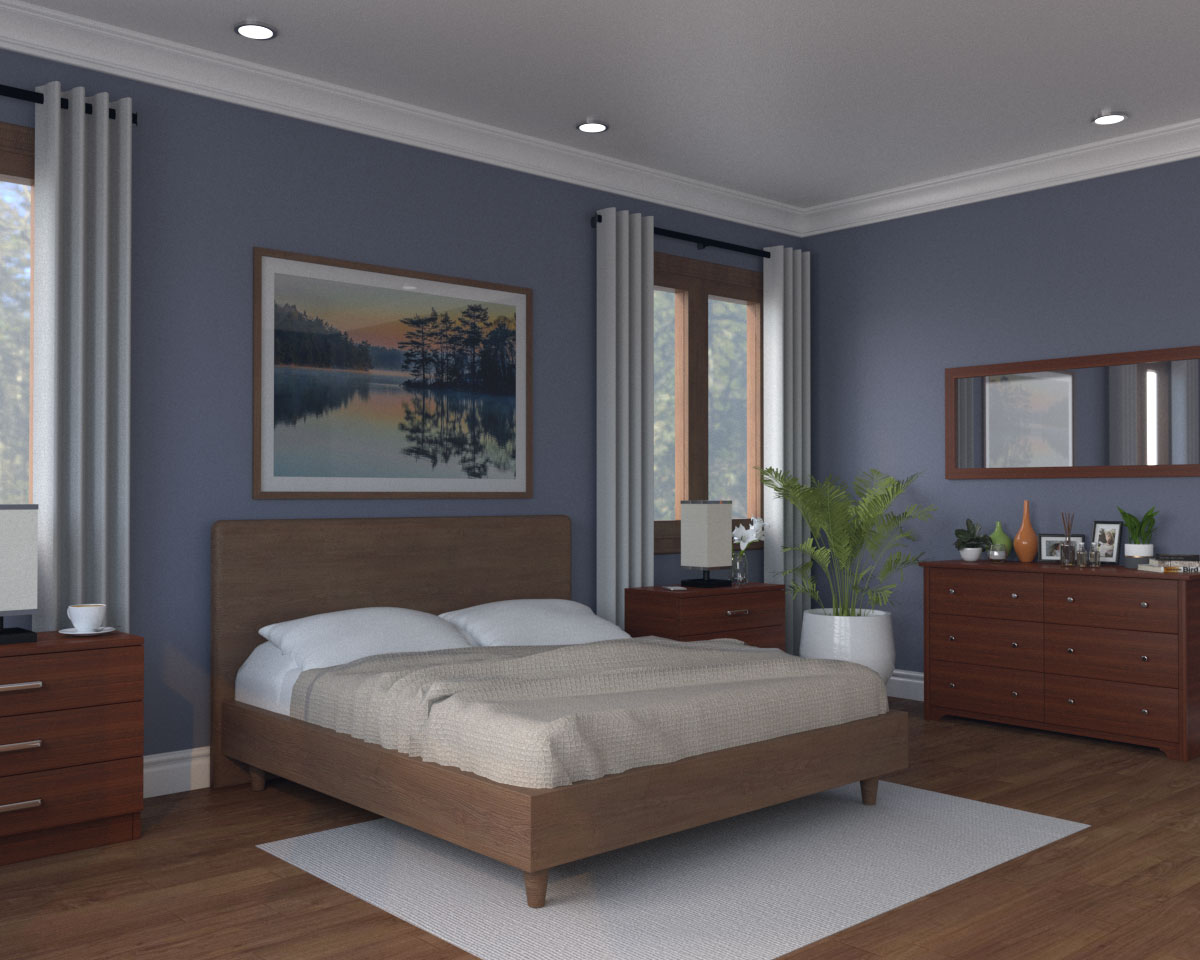
Classic & Calm: The Power of Neutrals
Neutrals are never boring when done right. They provide a sophisticated backdrop that lets your dark brown furniture be the star, creating a serene and timeless atmosphere.
- Soft Whites & Creams: These are the ultimate brighteners. A warm white (like Benjamin Moore’s White Dove or Sherwin-Williams’ Alabaster) provides a crisp contrast without feeling stark. Creamy whites add a layer of softness and warmth, creating a truly inviting space. They make small rooms feel larger and bring a fresh, clean aesthetic.
- Warm Greiges & Taupes: The beauty of greige (grey + beige) and taupe is their versatility. Colors like Benjamin Moore’s Revere Pewter or Sherwin-Williams’ Accessible Beige offer a nuanced neutral that’s warmer than pure grey but cooler than pure beige. They provide sophisticated depth and prevent a room from feeling sterile, working exceptionally well with both reddish and ashy dark browns.
- Deep Greys (Charcoal, Slate): For a dramatic and modern look, don’t shy away from deeper greys like Benjamin Moore’s Kendall Charcoal or Sherwin-Williams’ Peppercorn. These colors create a moody, enveloping feel that makes dark brown furniture pop with elegance. This approach works best in larger rooms with ample natural light, or when you want to create a cozy, den-like atmosphere.
Cool & Collected: Blues, Greens, and Lavenders
Cool tones are excellent for creating a tranquil, refreshing, and balanced environment, especially when paired with warm dark brown furniture.
- Serene Blues: From dusty blues to soft sky blues, these colors evoke calmness. Benjamin Moore’s Palladian Blue or Sherwin-Williams’ Atmospheric can transform a bedroom into a peaceful retreat. Blues naturally complement the warmth of most dark browns, creating a balanced and sophisticated contrast.
- Restful Greens: Sage green, seafoam, and muted olive are incredibly soothing. Sherwin-Williams’ Sea Salt or Benjamin Moore’s Sage Mountain are fantastic choices. Greens connect us to nature and provide a refreshing backdrop that feels organic and harmonious with dark wood, regardless of its undertone.
- Subtle Lavenders & Purples: Very muted, greyed-out lavenders or lilacs can introduce a touch of unexpected sophistication and romance without being overpowering. Think Farrow & Ball’s Great White (which has a hint of lavender) or a very light, desaturated purple. This pairing adds a unique, luxurious feel.
Warm & Inviting: Golden Tones and Earthy Hues
If you crave warmth and coziness, these colors will wrap your bedroom in an inviting embrace, enhancing the inherent warmth of your dark brown furniture.
- Muted Golds & Mustards: Not bright primary yellow, but sophisticated, desaturated gold or mustard hues can bring a subtle richness. Imagine a soft buttery gold or a mellow ochre. These colors can make a room feel sunny and welcoming, particularly with reddish or golden dark browns.
- Earthy Terracottas & Rusts: Used sparingly and in muted tones, these can create a bohemian or global-inspired look. Think of a very light, dusty terracotta or a soft, faded brick red. These are best as an accent or in rooms with specific natural textures like linen and jute, paired with dark brown furniture that has a rustic or traditional feel.
- Rich Mochas & Coffee Creams: For a truly monochromatic, deeply cozy feel, consider lighter shades within the brown family. Think a café au lait or a creamy cappuccino color. These create a seamless, enveloping atmosphere, perfect for a luxurious, warm bedroom. The key is to choose a shade significantly lighter than your furniture to maintain contrast and avoid overwhelming the space.
Bold & Dramatic: Jewel Tones (Careful Application)
For the adventurous, jewel tones can create an incredibly luxurious and high-end look. These are often best as an accent wall or in very spacious, well-lit bedrooms.
- Deep Teal: A rich, sophisticated blend of blue and green. It pairs stunningly with dark brown, creating a regal, opulent feel.
- Emerald Green: A vibrant, deep green that brings a touch of nature and luxury. It can make dark wood feel even richer.
Strategic Color Pairing: Achieving Your Desired Bedroom Vibe
Your paint color isn’t just a backdrop; it’s a mood-setter. Let’s align your desired atmosphere with the perfect paint choice.
Creating a Bright & Airy Retreat
If your dark brown furniture feels a bit heavy, or your room is on the smaller side, aiming for bright and airy is a smart move. Choose light, reflective colors that bounce light around the room.
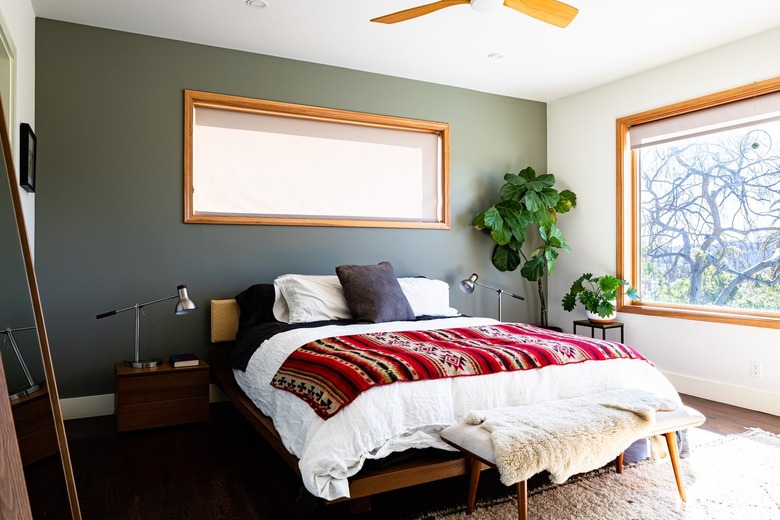
- Best Choices: Soft whites (like off-white, ivory), very light greiges, pale sky blues, or subtle mint greens.
- Why It Works: These colors provide a stark yet harmonious contrast with the dark brown, making the furniture stand out while keeping the walls feeling open and expansive.
Cultivating a Cozy & Intimate Sanctuary
For those who want their bedroom to feel like a warm hug, deeper and more enveloping colors are the answer. This is where you can lean into the inherent warmth of dark brown.
- Best Choices: Warm greiges, medium taupes, muted deep greens (sage, olive), rich but desaturated blues (dusty blue, slate blue), or even a deep charcoal grey.
- Why It Works: These colors create a sense of enclosure and comfort, enhancing the coziness of the dark furniture without making the room feel claustrophobic.
Crafting a Sophisticated & Modern Aesthetic
If your dark brown furniture is sleek and contemporary, your paint choice should underscore that modern elegance.
- Best Choices: Crisp whites, cool grays (light to charcoal), deep navy, profound teals, or even a statement accent wall in a deep plum.
- Why It Works: These colors provide a sharp, clean contrast or a dramatic, luxurious backdrop that highlights the modern lines and finishes of the furniture.
Evoking a Rustic & Earthy Feel
For rustic dark brown furniture with natural textures and a robust feel, embrace colors that connect with the outdoors.
- Best Choices: Sage greens, earthy olive tones, warm creams, soft terracotta (very muted), or even a sandy beige.
- Why It Works: These natural, organic hues complement the unpretentious beauty of rustic wood, creating a grounding and harmonious environment.
The Unexpected Pop: Accent Walls Done Right
Sometimes, all you need is a single wall to make a statement. An accent wall is a fantastic way to introduce a bolder color without overwhelming the entire space, especially with dark brown furniture.
- Consider: A deep teal behind your headboard, an emerald green, a rich navy, or even a deep brick red if your brown furniture leans rustic.
- Remember: Keep the other three walls a lighter, complementary neutral to maintain balance.
Here’s a quick guide to pairing your desired vibe with the right paint color family:
| Desired Vibe | Best Paint Color Families | Why It Works | Pro Tip |
|---|---|---|---|
| Bright & Airy | Soft Whites, Light Greiges, Pale Blues, Mint Greens | Reflective colors create contrast, make small rooms feel larger, and uplift dark furniture. | Choose whites with warm undertones to avoid starkness. |
| Cozy & Intimate | Warm Greiges, Medium Taupes, Muted Deep Greens, Desaturated Blues, Charcoal | Enveloping hues provide a sense of comfort and depth, enhancing the warmth of dark wood. | Ensure good lighting to prevent the room from feeling too dark. |
| Sophisticated & Modern | Crisp Whites, Cool Greys, Deep Navy, Teal, Plum | Sharp contrasts or rich, saturated tones highlight contemporary lines and create an upscale feel. | Use matte or eggshell finishes for a modern, refined look. |
| Rustic & Earthy | Sage Greens, Olive Tones, Warm Creams, Soft Terracotta, Sandy Beiges | Natural, organic colors complement distressed wood and create a grounded, harmonious space. | Incorporate natural textures like linen and wool for added depth. |
Beyond the Walls: Considering Other Elements
Your bedroom isn’t just walls and furniture. Every element plays a role in the overall aesthetic and how your chosen paint color interacts with your dark brown pieces.

Lighting is Everything: Natural vs. Artificial Light
This is a big one. The way light hits your walls will dramatically change how a paint color appears throughout the day and night.
- Natural Light: North-facing rooms tend to have cooler, softer light, which can make colors appear more muted. South-facing rooms get abundant, warm light, making colors appear brighter and truer. East-facing rooms get warm morning light, while west-facing rooms get warm afternoon light.
- Artificial Light: Incandescent bulbs cast a warm, yellow glow; fluorescents are cooler and bluer; LEDs vary widely depending on their Kelvin temperature. Always consider your primary light source when choosing a color. A paint swatch that looks perfect in daylight might be completely different under your bedside lamp.
Room Size & Layout: Maximizing Space with Color
Color has a powerful psychological effect on perceived space.
- Small Rooms: Generally, lighter, more reflective colors are recommended to make a small room feel more expansive. However, a deep, saturated color can paradoxically make a small room feel incredibly cozy and intentional, like a jewel box. It’s a bold move, but it can work.
- Large Rooms: You have more freedom here. Lighter colors can keep a large room feeling airy, while medium to darker tones can help define zones and prevent it from feeling too vast or cavernous.
Texture & Accessories: Layering for Depth
Don’t forget the power of textiles and decor. These elements can bridge the gap between your dark furniture and wall color, adding layers of interest.
- Rugs: A patterned rug with colors that tie into both your walls and furniture can anchor the room.
- Bedding: Crisp white, soft grey, or even a bold jewel-toned duvet can soften or energize the space.
- Curtains: Fabric choices, from sheer linen to heavy velvet, will impact light and mood.
- Artwork & Decor: These are opportunities to introduce pops of color, metallic accents, or natural elements that complement your chosen scheme.
Flooring & Ceilings: The Unsung Heroes
These large surfaces often get overlooked but play a critical role.
- Flooring: Whether it’s light carpet, dark hardwood, or a medium-toned laminate, your floor provides a significant color block that needs to be considered.
- Ceilings: A bright white ceiling can lift a room, especially with darker walls and furniture. A very subtle tint, just a shade lighter than your walls, can create a seamless, enveloping effect.
Avoiding Common Pitfalls: What NOT to Do
Even with all this guidance, it’s easy to make a misstep. Here are some common traps to avoid.
Over-Darkening a Small Room
While a dark, cozy room can be beautiful, a small room with dark brown furniture and overly dark walls can feel oppressive and claustrophobic. If you love deep colors, consider an accent wall or ensure ample artificial and natural lighting.
Mismatching Undertones
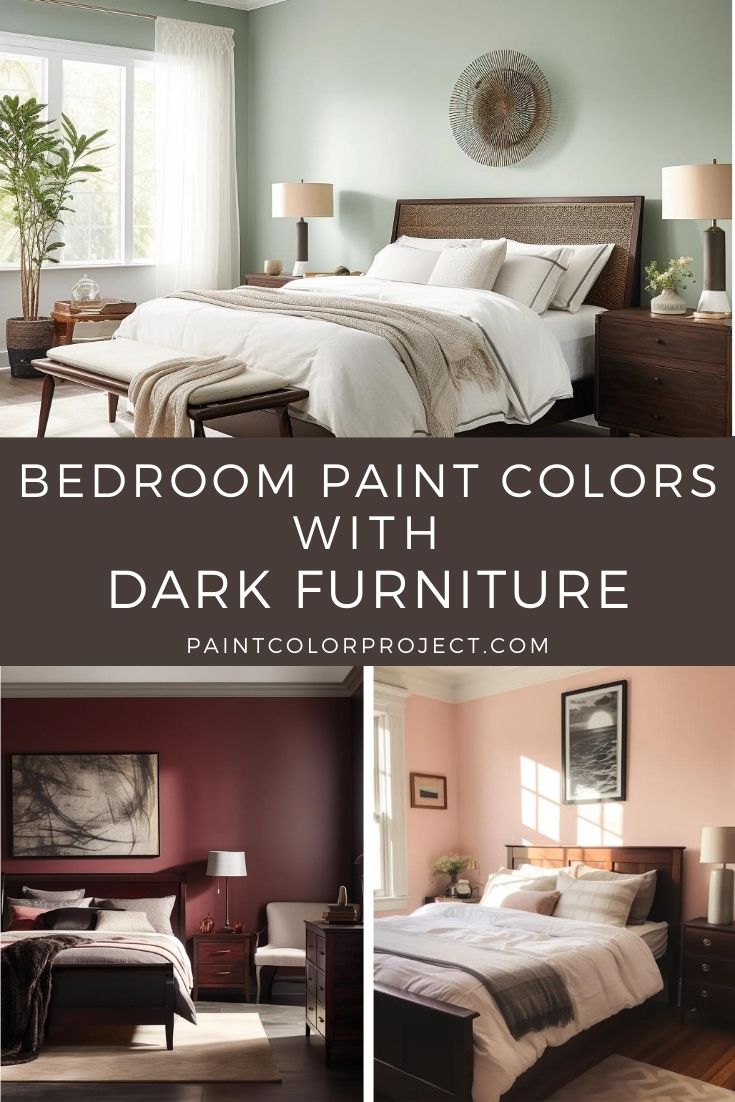
Putting a cool blue-grey with a very warm, reddish-brown furniture piece (without intention) can sometimes create an unsettling clash. Be mindful of the undertones in both your furniture and your paint. If you want contrast, ensure it’s intentional and balanced.
Ignoring Sheen Levels
Paint sheen (flat, eggshell, satin, semi-gloss) impacts how light reflects and how durable the paint is. For bedrooms, eggshell or satin are popular choices as they offer a soft glow and are more washable than flat. A flat finish absorbs light, making colors appear richer, but it’s less durable. Semi-gloss is typically too shiny for bedroom walls but great for trim.
Rushing the Decision: Test, Test, Test!
Never pick a color from a small swatch in the store. Buy sample pots and paint large swatches (at least 1×1 foot) on different walls in your bedroom. Observe them at different times of day – morning, afternoon, and evening – and under both natural and artificial light. This is the single most important step to avoid paint regret.
To help visualize, here’s a table comparing different dark brown furniture styles with ideal paint color recommendations:
| Furniture Style | Best Paint Color Category | Specific Examples | Effect Created |
|---|---|---|---|
| Modern Espresso (Sleek, Minimal) | Crisp Whites, Cool Grays, Deep Blues, Teal | Sherwin-Williams Pure White, Benjamin Moore Gray Owl, Farrow & Ball Hague Blue | Sharp contrast, contemporary sophistication, clean lines emphasized. |
| Traditional Mahogany/Cherry (Rich, Ornate) | Warm Neutrals, Muted Greens, Dusty Blues, Creamy Yellows | Benjamin Moore Lenox Tan, Sherwin-Williams Sea Salt, Farrow & Ball Pavillion Gray | Timeless elegance, balanced warmth, classic appeal. |
| Rustic Walnut/Oak (Distressed, Natural) | Earthy Greens, Warm Off-Whites, Terracottas (muted), Sandy Beiges | Benjamin Moore Sage Mountain, Sherwin-Williams Alabaster, Farrow & Ball India Yellow (very soft) | Grounded, organic, cozy cabin feel, natural harmony. |
| Transitional Dark Brown (Versatile) | Greiges, Taupes, Medium Blues, Soft Greens | Benjamin Moore Revere Pewter, Sherwin-Williams Accessible Beige, Valspar Carolina Inn Club Aqua | Flexible, balanced, adaptable to various decor styles. |
The Final Stroke: Your Bedroom Paint Journey
Choosing the perfect paint color for a bedroom with dark brown furniture is an exciting journey of discovery. It’s about more than just picking a pretty shade; it’s about understanding the nuances of your furniture, the light in your room, and the mood you want to create.
By considering undertones, furniture style, and the overall desired vibe, you can confidently select a color that not only complements your dark brown pieces but elevates your entire bedroom into a beautifully curated space. So, grab those swatches, observe them in your own home, and trust your instincts. Your dream bedroom is just a few brushstrokes away.

Frequently Asked Questions
What is the safest paint color for a bedroom with dark brown furniture?
The safest and most versatile paint colors are warm off-whites (like Alabaster or White Dove), light greiges (like Revere Pewter or Accessible Beige), and muted sage greens. These colors offer a clean, balanced backdrop that brightens the room while allowing the dark brown furniture to stand out elegantly without clashing.
Can I use dark paint colors with dark brown furniture?
Yes, absolutely! Dark paint colors like deep charcoal, navy blue, or rich teal can create a dramatic, sophisticated, and cozy atmosphere. This approach works best in larger rooms with good natural light, or when you specifically want a moody, intimate sanctuary. Ensure you balance the darkness with ample lighting and lighter textiles.
How do I make a small bedroom with dark brown furniture feel larger?
To make a small bedroom feel larger, opt for light, reflective wall colors such as crisp whites, very pale blues, or soft mint greens. These colors bounce light around the room, making the walls recede and the space feel more expansive. Keep bedding and accessories light as well to maintain an airy feel.
Should my paint color match the undertone of my dark brown furniture?
Not necessarily match, but definitely consider! If your dark brown furniture has warm (red or golden) undertones, you can either complement it with cool tones (blues, greens) for contrast and balance, or enhance the warmth with soft golden neutrals or muted earthy reds. If your furniture has cool (ashy or grey) undertones, cool paints will create a harmonious, serene look, while warmer neutrals can add softness.
What colors should I avoid with dark brown bedroom furniture?
Generally, it’s best to avoid bright, primary yellows, oranges, or reds unless used as very small, intentional accents, as they can clash or make the room feel too stimulating. Also, be cautious with overly cool, stark grays that lack any warmth, as they can make a room with dark brown furniture feel cold or unwelcoming. Always test swatches!
How does lighting affect paint colors with dark furniture?
Lighting profoundly impacts how a paint color appears. Natural light (north, south, east, west-facing rooms) changes a color’s perception throughout the day. Artificial lighting (incandescent, LED, fluorescent) can introduce warm or cool casts. Always view paint samples in your bedroom at different times and under various lighting conditions to ensure the color looks as intended.
Is white always the best option for dark brown furniture?
White is a classic and reliable option that creates a crisp, clean contrast with dark brown furniture, making the room feel bright and spacious. However, it’s not the *only* best option. Many other colors—from serene blues and greens to sophisticated greiges and even dramatic charcoals—can create stunning and equally effective looks, depending on your desired aesthetic and the room’s characteristics.