How Much Does It Really Cost to Paint a Room in Canada? (And What US Homeowners Can Expect)
Diving into a room refresh? Painting is often the most impactful way to transform a space without a full renovation. But before you pick out that perfect shade, the big question looms: “How much is this actually going to cost me?” If you’re pondering painting a room in Canada, you’re looking for clear answers. And if you’re a homeowner in the US, don’t tune out! While specific dollar amounts might shift with currency exchange, the core factors, considerations, and smart strategies for a successful painting project are universal. Let’s break down the real costs, whether you’re tackling it yourself or bringing in the pros.
Quick Answer: Average Cost to Paint a Room in Canada
- Professional Painting: For a standard-sized room (like a 10×12 ft bedroom), expect to pay anywhere from CAD $300 to $850+. This typically includes labor, basic prep, and mid-range paint. Larger rooms, intricate details, or premium paints will push this higher.
- DIY Painting: If you’re rolling up your sleeves, your costs will be primarily for materials (paint, brushes, rollers, tape). For the same standard room, expect to spend CAD $100 to $350+. Your “cost” here is largely your time and effort.
For our US readers, these Canadian figures provide a solid benchmark. Factors like labor rates, paint costs, and regional variations exist in both countries, but the general principles and cost categories remain strikingly similar. Convert CAD to USD for a ballpark, but always get local quotes for precise figures in your area. The insights below will empower you to understand any painting estimate, regardless of where you live in North America.
Breaking Down the Numbers: What Influences Painting Costs?
The price tag for painting a room isn’t a single, fixed number. It’s a dynamic sum influenced by several key factors. Understanding these variables is your first step to budgeting effectively and avoiding surprises.

1. Room Size and Layout: It’s More Than Just Square Footage
It sounds obvious, but a bigger room needs more paint and takes longer to cover. However, it’s not just about the floor area. The complexity of the room’s layout significantly impacts the final cost.
- Standard vs. Large Rooms: A typical 10×12 ft bedroom is simpler and quicker than a spacious 20×20 ft living room. Larger walls mean more material and labor.
- Ceiling Height: Standard 8-foot ceilings are easy to reach. Taller ceilings (9 feet or more) require ladders, scaffolding, and extra care, adding to labor time and safety considerations.
- Complex Layouts: Rooms with numerous windows, doorways, built-in shelves, intricate trim, or unique architectural features (like vaulted ceilings or alcoves) demand more meticulous cutting-in, taping, and protection. This translates directly to more labor hours and a higher cost.
2. Labor Costs: The Biggest Variable
This is where professional painting costs truly differentiate themselves from DIY. Labor typically accounts for 70-85% of a professional painting estimate. Why such a wide range?
- Hourly Rates: In Canada, professional painters often charge between CAD $40 to $75 per hour per painter. In the US, you can expect similar rates, often slightly higher in USD. This rate can vary based on experience and region.
- Project-Based vs. Hourly: Many painters prefer to provide a flat project fee for an entire room or house, rather than an hourly rate. This gives you cost certainty. However, for smaller jobs or extensive prep, an hourly rate might be quoted.
- Geographic Location: A painter in downtown Toronto or Vancouver will likely charge more than one in a smaller town in Manitoba or rural Alberta, reflecting the higher cost of living and business expenses. The same applies across the US, with major metropolitan areas typically having higher labor costs.
- Painter’s Experience & Reputation: Highly experienced, reputable painters with strong portfolios and excellent reviews can command higher rates – and for good reason. They often deliver superior quality, efficiency, and problem-solving skills.
3. Paint Quality and Type: Where Your Dollars Go
The paint itself is a critical cost factor, influencing both the aesthetic outcome and the longevity of your project. Don’t skimp here if you want professional results that last.
- Budget-Friendly vs. Premium Paints: A gallon of basic interior paint in Canada might start around CAD $30-$40, while a premium brand (like Benjamin Moore Aura or Sherwin-Williams Emerald) can easily run CAD $60-$80+ per gallon. Premium paints often offer better coverage (meaning fewer coats), superior durability, and richer, truer colors. For US homeowners, expect similar price points in USD.
- Different Finishes:
- Flat/Matte: Excellent for hiding imperfections, often used on ceilings or low-traffic areas. Least durable.
- Eggshell/Satin: Most popular for walls, offers a subtle sheen, good durability, and is washable.
- Semi-Gloss/Gloss: Highly durable and washable, ideal for trim, doors, and high-moisture areas like bathrooms and kitchens.
- Specialty Paints: Certain situations call for specialized paints, which come at a higher cost. Examples include low-VOC or zero-VOC (for healthier indoor air quality), mildew-resistant paints (for bathrooms), or primer-and-paint-in-one products.
4. Scope of Work & Prep: The Unseen Hours
Many homeowners underestimate the time and effort that goes into preparing a room for painting. Professionals include this crucial step in their quotes, and it’s a significant component of the overall cost.
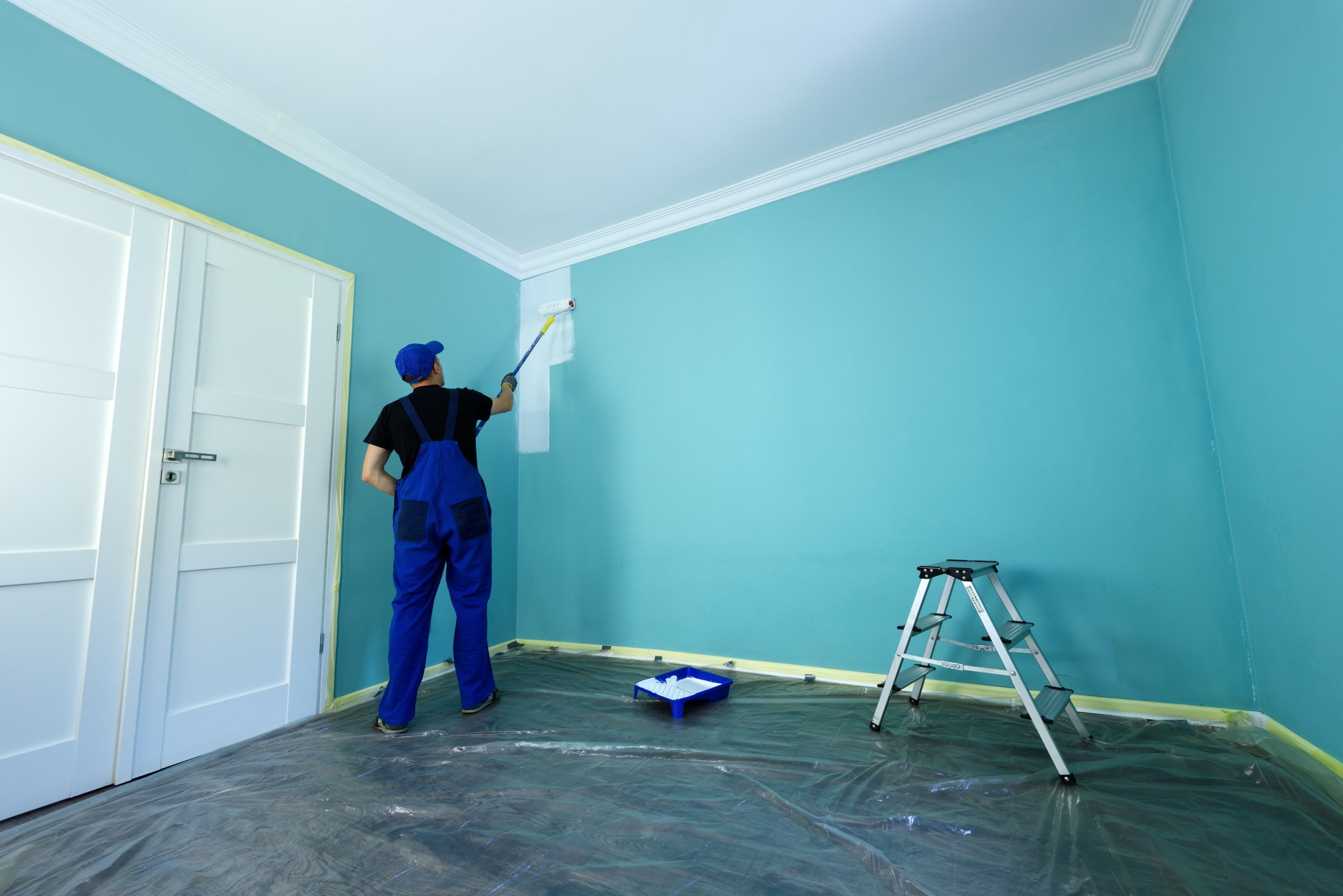
- Wall Preparation: This includes patching nail holes, repairing cracks or dents, sanding rough spots, cleaning surfaces, and sometimes stripping old wallpaper. The worse the condition of your walls, the more extensive (and costly) the prep work.
- Trim, Doors, and Ceilings: Painting just the walls is one thing. Adding baseboards, crown molding, door frames, doors themselves, and ceilings significantly increases labor time due to the precision required for cutting-in and masking. Each of these elements can add CAD $50-$150+ per item or lineal foot to a room’s cost.
- Furniture Moving & Protection: If you can’t clear out the room entirely, painters will need to move and cover furniture, lay down drop cloths, and protect floors. This adds time, which adds to the bill.
- Number of Coats Needed: A drastic color change (e.g., dark to light), painting over very porous surfaces, or using lower-quality paint will necessitate more coats for full coverage. Each additional coat means more paint and more labor.
5. Time of Year and Seasonality
Believe it or not, when you decide to paint can also impact the price. Spring and summer are often peak seasons for painters, as weather conditions are ideal for exterior work and homeowners are undertaking renos. This higher demand can sometimes lead to slightly higher prices or longer wait times. If you have flexibility, consider painting during the fall or winter (for interior projects) when painters might have more availability and potentially offer more competitive rates.
Professional vs. DIY: A Cost Comparison
The age-old dilemma: hire a pro or do it yourself? Both paths have their merits, and your choice will significantly impact your final expenditure.
The DIY Route: Saving Money, Spending Sweat
Taking on a painting project yourself can be incredibly rewarding, both for your wallet and your sense of accomplishment. But it’s not without its hidden costs.
- Pros: Significant savings on labor costs, complete control over the process, a sense of personal achievement.
- Cons: Requires significant time and effort, potential for mistakes (drips, uneven coats, missed spots), need to purchase tools, physical demands, can be disruptive to your home life for longer.
- Estimated DIY Costs (for a standard 10×12 ft room in CAD): Your costs are primarily materials.
- Paint (1-2 gallons): $60 – $160
- Brushes and rollers: $20 – $50
- Painter’s tape: $10 – $25
- Drop cloths/plastic sheeting: $10 – $30
- Primer (if needed): $20 – $40
- Sanding sponges, patching compound: $10 – $20
- Total DIY Cost: CAD $130 – $325+
- What You’ll Need: High-quality brushes (angled for cutting in), roller frames and covers, paint trays, painter’s tape (frog tape is excellent), drop cloths, a stir stick, paint can opener, patching compound, putty knife, sandpaper/sanding sponge, a step ladder, and cleaning supplies.
Hiring a Professional: Convenience and Quality
For many, the investment in a professional painter is well worth it, especially when time is tight or the job is complex.

- Pros: Professional finish (straight lines, even coats), faster completion time, no physical strain on you, often includes cleanup and minor repairs, insurance coverage in case of accidents, warranty on their work.
- Cons: Higher upfront cost, less control over scheduling, need to vet contractors carefully.
- What’s Included in a Pro Quote (typically):
- All labor for prep, painting, and cleanup.
- All necessary tools and equipment (brushes, rollers, ladders, drop cloths).
- High-quality paint (usually mid-grade, unless specified otherwise).
- Minor wall repairs (nail holes, small cracks).
- Masking and protecting furniture, floors, and fixtures.
- When to Splurge on a Pro: If you have high ceilings, intricate trim work, multiple rooms to paint, limited time, or simply want a flawless finish without the hassle, hiring a professional is a smart choice.
Table: DIY vs. Professional Painting Cost Breakdown (for a Standard 10×12 ft Room in Canada)
| Item | DIY Cost (CAD) | Professional Cost (CAD) | Notes |
|---|---|---|---|
| Paint (1-2 gallons) | $60 – $160 | $60 – $160 (or included in labor) | Varies by quality; pros often buy at discount. |
| Tools & Supplies (brushes, rollers, tape, drop cloths) | $50 – $100 | Included in Labor Cost | DIY incurs one-time purchase of equipment. |
| Wall Preparation (patching, cleaning, sanding) | $10 – $30 (materials) | $50 – $150 (labor & materials) | Pro includes skilled labor for repairs. |
| Labor (estimated 8-16 hours) | $0 (your time is the cost) | $280 – $720 | Based on CAD $40-$75/hr x 7-12 hours per room. |
| Total Estimated Cost | CAD $120 – $290 | CAD $390 – $1030 | Ranges depend on room condition, paint, and location. |
Note: For US homeowners, use these cost structures as a guide, converting CAD to USD, and factor in your local labor rates and material prices. The relative differences between DIY and professional costs remain consistent.
Average Room Painting Costs by Room Type (Canadian Estimates)
While a general range is helpful, costs can vary significantly depending on the specific room you’re tackling. Here’s a breakdown of what you might expect for professional painting services in Canada, based on typical room sizes and complexities. Remember, these are averages and your specific quote may differ.
Table: Estimated Professional Painting Costs by Room Type (Canada)
| Room Type | Typical Size | Average Cost Range (CAD) | Key Factors Affecting Cost |
|---|---|---|---|
| Small Bathroom | 5′ x 8′ (40 sq ft) | $180 – $450 | Many fixtures to cut around, high humidity often requires specific paint, typically includes ceiling. |
| Powder Room | 5′ x 5′ (25 sq ft) | $150 – $350 | Smallest rooms, but still complex due to toilet, sink, mirror. |
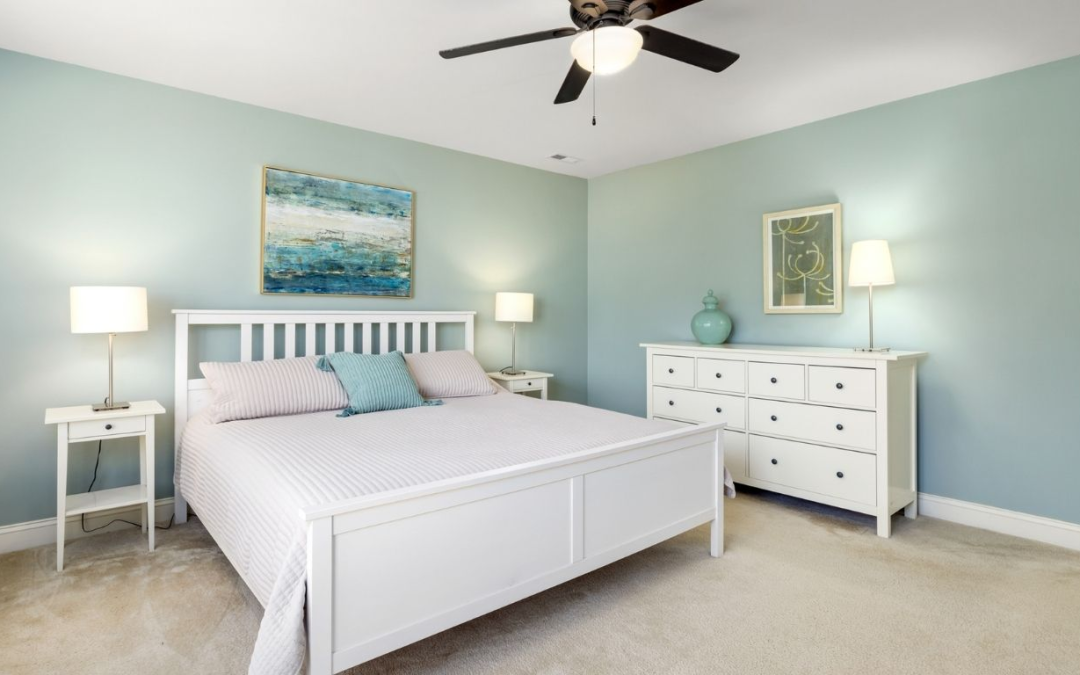
| Standard Bedroom | 10′ x 12′ (120 sq ft) | $300 – $850 | Most common, relatively straightforward, usually includes walls, ceiling, trim, and a door. |
| Master Bedroom | 12′ x 15′ or larger (180+ sq ft) | $500 – $1,200+ | Larger square footage, potentially higher ceilings, more windows, possibly an ensuite door. |
| Living Room/Family Room | 15′ x 20′ (300 sq ft) | $600 – $1,500+ | Large walls, often high ceilings, more windows/doors, potentially a fireplace, more furniture to move. |
| Kitchen | 10′ x 10′ (100 sq ft) | $400 – $1,000+ | Numerous cabinets, backsplashes, appliances to work around; often requires durable, washable paint. |
| Hallway/Entryway | Varies greatly | $200 – $700+ | Can be long and narrow, multiple doors to paint, high-traffic areas needing durable paint. |
Again, for US homeowners, these figures illustrate the relative cost differences between room types. Expect comparable pricing structures, adjusting for currency and local market conditions.
How to Get an Accurate Painting Quote (and What to Ask)
Whether you’re in Canada or the US, getting a precise quote for your painting project requires a bit of effort on your part. Don’t just accept the first number you hear. Here’s how to ensure you get a fair and accurate estimate:
- Get Multiple Quotes: Always contact at least three different professional painters. This allows you to compare pricing, scope of work, and get a feel for different contractors.
- Be Specific About Your Needs: Clearly articulate what you want painted (walls only, walls and ceiling, walls, ceiling, and trim?), the colors you’ve chosen, and the desired finish. Show them the exact areas.
- Prepare the Room: While painters will move furniture, clearing out as much as possible beforehand can sometimes save you a bit on labor. Inform them what furniture needs moving.
- Highlight Wall Condition: Point out any significant cracks, holes, or water damage that will require extra prep work. Being upfront avoids surprises later.
- Understand the Scope of Work: Ensure the quote details exactly what’s included: surface preparation (sanding, patching), number of coats, type and brand of paint, protection for floors and furniture, and cleanup.
- Questions to Ask Potential Painters:
- Are you licensed and insured (WSIB in Canada, or equivalent liability insurance in the US)? This protects you from accidents on your property.
- Do you offer a warranty on your work? For how long?
- Can you provide references or a portfolio of previous work?
- What type of paint do you typically use, and why?
- How long do you expect the project to take?
- What’s your payment schedule? (Avoid paying the full amount upfront.)
- How do you handle unforeseen issues or additional work?
- Red Flags to Watch Out For: Be wary of extremely low bids (they often cut corners), demands for full payment upfront, or painters who can’t provide proof of insurance or references.
Smart Strategies to Save Money on Your Painting Project
Even if you hire a pro, there are ways to keep costs down without compromising on quality or results. These tips are applicable whether you’re in Canada, the US, or anywhere in between.
- Do Your Own Prep Work: This is where you can save significantly on labor costs. Patching nail holes, cleaning walls, removing switch plates, and masking trim yourself can shave hours off a professional’s time.
- Buy Paint During Sales: Major paint brands and hardware stores frequently have sales. If you know your colors, buying your own paint when it’s discounted can save you money. Be sure to discuss this with your painter first, as they might have contractor discounts that beat your sale price.
- Limit Color Changes or Accent Walls: Each new color or accent wall requires extra masking, cutting-in, and cleanup, increasing labor and potentially paint costs. Stick to one or two colors per room for maximum efficiency.
- Choose a Mid-Range Paint: While premium paints offer superior coverage and durability, a good quality mid-range paint (often around CAD/USD $40-$50 a gallon) provides excellent value without breaking the bank. Avoid the cheapest paints, as they often require more coats and won’t hold up as well.
- Consider Off-Peak Seasons: As mentioned, scheduling your interior painting project during the fall or winter (if feasible) might give you more negotiation power or better availability with painters.
- Consolidate Projects: If you have several rooms or areas that need painting, getting them all done at once might result in a better overall rate from a painter, as they can be more efficient with setup and travel time.
Understanding Paint Types and Finishes
Choosing the right paint isn’t just about color; it’s about the finish, or sheen, which impacts durability, washability, and how the light interacts with your walls. This guide is universally applicable for any North American homeowner.

- Flat/Matte:
- Appearance: Non-reflective, absorbs light, very little sheen.
- Best for: Ceilings, low-traffic areas like formal dining rooms or guest bedrooms. Excellent for hiding imperfections on walls.
- Durability: Least durable, difficult to clean without marring the finish.
- Eggshell/Satin:
- Appearance: Soft, subtle sheen, like an eggshell. Satin has a slightly higher sheen than eggshell.
- Best for: Most popular choice for walls in living rooms, bedrooms, and hallways.
- Durability: More durable and washable than flat, good for moderate traffic areas.
- Semi-Gloss/Gloss:
- Appearance: Noticeable shine, reflects light. Gloss is the highest sheen.
- Best for: Trim, doors, cabinets, high-traffic areas, kitchens, and bathrooms due to its durability and moisture resistance.
- Durability: Highly durable, extremely washable, and resistant to moisture and stains. However, it can highlight wall imperfections.
- Low-VOC/Zero-VOC Paints:
- Appearance: Available in all sheens.
- Best for: Homes with children, pets, or individuals with sensitivities; anyone concerned about indoor air quality.
- Durability: Modern formulations offer comparable durability to traditional paints.
- Note: VOCs (Volatile Organic Compounds) are chemicals released into the air as paint dries. Low-VOC options significantly reduce these emissions.
Ready to Transform Your Space?
Painting a room, whether you’re in Canada or the US, is a fantastic way to revitalize your home. By understanding the factors that influence costs, considering the DIY vs. professional debate, and asking the right questions, you’ll be well-equipped to budget effectively and achieve a beautiful result. Don’t let the numbers intimidate you. With a little planning, your dream room is just a few brushstrokes away!
Frequently Asked Questions
Is it cheaper to paint a room myself or hire a professional in Canada?
Generally, painting a room yourself (DIY) is significantly cheaper upfront, costing CAD $100-$350 for materials. Hiring a professional in Canada for a standard room can range from CAD $300-$850+, as it includes labor, tools, and often higher-quality paint. The DIY route saves money but costs you time and effort, while professionals offer convenience, speed, and a high-quality finish.
How long does it take a professional to paint one room?
For a standard-sized room (e.g., 10×12 ft bedroom), a professional painter typically takes 1-2 days. This includes prep work (masking, minor repairs), priming (if needed), applying two coats of paint, and cleanup. Larger rooms, extensive repairs, high ceilings, or complex details can extend the timeline.
What’s typically included in a professional painting quote?
A comprehensive professional painting quote usually includes all labor for preparation (patching, sanding, cleaning), masking and protecting surfaces, applying primer (if necessary), two coats of quality paint, and thorough cleanup. It should also cover all tools and equipment needed, and often a warranty on the work. Always clarify the exact scope before agreeing.
How much paint do I need for a standard room?
For a standard 10×12 ft room with 8-foot ceilings, you’ll typically need 1-2 gallons of paint for two coats on the walls. This estimate doesn’t include ceilings or trim. To calculate precisely, measure the total square footage of the walls (length x height for each wall, then sum them) and divide by the paint’s coverage rate (usually 350-400 sq ft per gallon, but check the can).
Does painting a room increase home value?
Yes, a fresh coat of paint, especially in neutral, appealing colors, can significantly increase your home’s perceived value and curb appeal, making it more attractive to potential buyers. It’s one of the most cost-effective home improvement projects for boosting resale value, both in Canada and the US.
Are Canadian painting costs similar to US painting costs?
While the specific dollar amounts will differ due to currency exchange rates (CAD vs. USD) and regional economic variations, the underlying factors and cost structures for painting services are remarkably similar across Canada and the United States. Labor rates, paint quality, and the complexity of the job drive costs in both countries. Canadian estimates can serve as a strong guide for US homeowners, but always seek local quotes for precise figures.
What’s the best time of year to paint a room in Canada?
For interior painting, the time of year is less critical than for exterior work, as indoor conditions are controlled. However, many people prefer painting in the spring or summer due to warmer temperatures allowing for open windows and better ventilation, which helps with paint drying and odor dissipation. Fall and winter can sometimes offer more competitive rates from painters who are less busy with outdoor projects.