The Ultimate Guide to Green Bedroom Paint Colors for a Serene Sanctuary
Feeling overwhelmed by the sheer number of green paint swatches? Want to transform your bedroom into a tranquil retreat that rivals a walk in nature? You’re in the right place. Choosing the perfect green for your sleep space can be a game-changer, fostering calm, promoting relaxation, and inviting a breath of fresh air indoors.
But it’s not just about picking “a green.” It’s about understanding the subtle nuances of undertones, the impact of light, and how different shades can evoke wildly different moods. Forget generic lists; this is your definitive, human-first guide to finding the green that truly speaks to your soul and helps you create the serene bedroom sanctuary you deserve.
Why Green is Your Bedroom’s Best Friend: The Science of Serenity
It’s no accident that green frequently tops the list for relaxing bedroom colors. From ancient cultures to modern psychology, green has always been associated with life, growth, and tranquility. But what’s the real magic behind this incredible hue?
The Psychology of Green: Calm, Renewal, and Rest
Think about stepping into a lush forest or gazing across a verdant meadow. What do you feel? Likely, a sense of peace, renewal, and calm. This isn’t just anecdotal; it’s backed by color psychology. Green is centrally located on the color spectrum, making it incredibly balanced and harmonious. It requires minimal adjustment from the eye, which helps reduce strain and mental fatigue. In a bedroom, this translates to:
- Stress Reduction: Studies show exposure to green can lower heart rate and blood pressure.
- Improved Sleep Quality: A calmer mind is more conducive to restorative sleep.
- Enhanced Well-being: Connecting with nature’s dominant color brings a sense of health and vitality.
Connecting with Nature Indoors: Biophilic Design Principles
Our innate connection to nature, known as biophilia, drives our desire to surround ourselves with natural elements. Green paint is one of the most accessible ways to incorporate biophilic design into your bedroom. It mimics the natural world, creating a comforting, organic backdrop that feels inherently good to be in. When your walls reflect the outside world, you bring its calming, restorative properties directly into your personal haven.
How Green Promotes Better Sleep and Reduces Stress
Beyond general calm, green’s unique properties make it exceptional for sleep. Unlike stimulating reds or energetic yellows, green promotes a sense of equilibrium. It’s not overly cold like some blues can be, nor too warm to feel oppressive. The right shade of green can literally lower your stress levels, making it easier to unwind, quiet your racing thoughts, and drift off to sleep. It’s like a visual lullaby for your brain.
Finding Your Perfect Green: Key Considerations Before You Paint
Ready to dive into swatches? Hold on just a second. Picking the perfect green isn’t just about what looks good on a chip. It’s about how it will look in *your room, with your light, and your furniture. Here’s what to think about:
Room Size & Natural Light: Light vs. Dark Greens
This is crucial. A small, dimly lit bedroom might feel overwhelmed by a deep forest green, potentially making it feel smaller. However, a deep green can also create a wonderfully cocooning, intimate, and sophisticated mood in a small space if balanced with lighter textiles and ample artificial lighting. Conversely, a large, sun-drenched room can handle almost any shade, but a pale mint might feel washed out. Consider:
- North-Facing Rooms: Tend to have cooler, duller light. Warm greens with yellow undertones (like olive or moss) can bring warmth.
- South-Facing Rooms: Bathed in warm, bright light. Cooler greens (sage, blue-greens) can provide balance.
- East-Facing Rooms: Get morning sun. Greens will look truest in the morning, appearing softer later in the day.
- West-Facing Rooms: Receive warm afternoon/evening light. Greens will be vibrant in the afternoon, potentially cooler in the morning.
Understanding Undertones: Warm (Yellow-Green) vs. Cool (Blue-Green)
This is where many people get tripped up. No green is purely green; it always has an undertone. Understanding them is key to a successful bedroom palette:

- Warm Greens (Yellow-Green, Earthy): These greens have a noticeable yellow or brown tint. Think olive, moss, sage with gold hints. They feel cozy, organic, inviting, and naturally grounded. Ideal for creating a warm, earthy retreat, especially in cooler rooms.
- Cool Greens (Blue-Green, Gray-Green): These greens have blue or gray undertones. Think seafoam, celadon, or deep forest green with blue notes. They feel crisp, refreshing, serene, and sophisticated. Excellent for creating a spa-like, tranquil oasis, especially in sunnier rooms.
Existing Decor & Furniture: Creating a Cohesive Palette
Your paint color doesn’t live in isolation. Take stock of your current furniture, flooring, and any artwork you plan to keep. If your furniture is warm-toned wood, a warm green might be harmonious. If you have cool gray linens, a gray-green or blue-green might be a better fit. Bring paint swatches home and test them against your existing pieces to ensure they play well together.
Paint Finishes Matter: Sheen for Bedrooms (Matte, Eggshell, Satin)
The finish you choose affects both the look and durability of your paint:
- Matte/Flat: The least reflective finish. Ideal for bedrooms as it hides imperfections beautifully and creates a soft, velvety look that absorbs light. Perfect for a cozy, serene vibe. Less durable for scrubbing, so best for low-traffic areas.
- Eggshell: Slightly more sheen than matte, offering a subtle glow. More durable and easier to clean than flat, making it a popular choice for bedrooms where some durability is desired without too much shine.
- Satin: A soft, pearl-like sheen. More durable and washable than eggshell, often used for trim but can be good for accent walls in bedrooms if you want a subtle luminosity. Can highlight wall imperfections more than flatter finishes.
Top Green Paint Colors for Bedrooms: Shades for Every Style
Now for the fun part! While specific colors vary by brand, these categories and popular examples will help you narrow down your choices and find a green that resonates with your personal style and desired mood.
Soft & Muted Greens: The Sage, Olive, and Gray-Green Spectrum
These greens are the undisputed champions of bedroom tranquility. They’re subdued, sophisticated, and incredibly versatile, bringing a subtle connection to nature without being overwhelming. Perfect for creating a calm, restorative atmosphere in almost any style of bedroom, from minimalist to modern farmhouse.
- Sherwin-Williams Evergreen Fog SW 9130: A beautiful gray-green with a hint of blue. It’s sophisticated, calming, and can act as a neutral. Works well in modern and traditional spaces.
- Benjamin Moore October Mist 1495: A gentle, earthy green that strikes a perfect balance between gray and green. It’s warm, inviting, and incredibly versatile, pairing beautifully with natural textures.
- Farrow & Ball Sage Green Light: A soft, sophisticated sage with subtle gray undertones. It’s timeless, elegant, and creates a wonderfully peaceful backdrop.
- Behr Back to Nature S340-4: A restorative, light sage green that brings the essence of the outdoors in. It’s subtle yet impactful, creating a truly serene environment.
Deep & Dramatic Greens: Forest, Emerald, and Hunter Greens
For those who crave intimacy, luxury, and a touch of drama, deep greens are the answer. These rich, saturated hues create a wonderfully cocooning effect, making a bedroom feel like a sophisticated, hushed sanctuary. They are particularly stunning in rooms with good natural light or when paired with ample ambient lighting to prevent them from feeling too cavernous.
- Benjamin Moore Salamander 2050-10: A deeply saturated, near-black green that is incredibly chic and moody. Perfect for creating a dramatic, luxurious bedroom.
- Farrow & Ball Bancha No.298: A rich, deep olive green that is strong yet earthy. It creates a bold statement while remaining grounded and comforting.
- Sherwin-Williams Forest Green SW 7725: A classic, true forest green that evokes the depth of nature. It’s commanding and elegant, ideal for a refined, inviting space.
Fresh & Vibrant Greens: Mint, Celadon, and Apple Greens
If you prefer a lighter, more refreshing feel, these greens are delightful. They bring a cheerful energy to a bedroom while still maintaining green’s inherent calm. Often with blue or yellow undertones, they can make a room feel airy, crisp, and revitalized – perfect for morning risers!
- Benjamin Moore Palladian Blue HC-144: A soft, ethereal blue-green that feels like a breath of fresh air. It’s light, airy, and incredibly soothing, perfect for a spa-like bedroom.
- Sherwin-Williams Liveable Green SW 6176: A light, cheerful green with a yellow undertone. It’s fresh and inviting, great for brightening a space without being overly bold.
- Behr Celadon Green M390-3: A delicate, sophisticated green with gray-blue undertones. It’s subtle, calming, and pairs beautifully with whites and natural wood.
Earthy & Organic Greens: Moss, Khaki, and Army Greens
These greens lean heavily into nature’s more rugged, grounded side. With strong brown or yellow undertones, they create a sense of stability, warmth, and organic authenticity. They are fantastic for bohemian, rustic, or global-inspired bedrooms, bringing a connection to ancient forests and sun-baked landscapes.
- Benjamin Moore Retreat AF-40: A warm, natural green that feels incredibly grounding. It’s soft yet distinct, perfect for creating an organic, inviting atmosphere.
- Sherwin-Williams Coastal Green SW 9046: A muted, warm green that evokes weathered landscapes. It’s understated and serene, ideal for a relaxed, natural aesthetic.
- Behr Amazon Jungle N500-7: A rich, deep mossy green that brings a touch of the wild indoors. It’s robust and comforting, creating a wonderfully enveloping feel.
Green Paint Color Comparison Table
Here’s a quick overview of some popular green shades to help you visualize their differences and potential impact in your bedroom:
| Shade Name (Example) | Brand | Undertone | Mood/Vibe | Best For |
|---|---|---|---|---|
| Evergreen Fog SW 9130 | Sherwin-Williams | Gray-Green, Hint of Blue | Sophisticated, Calming, Neutral | Modern, Traditional, Versatile |
| October Mist 1495 | Benjamin Moore | Earthy, Gray-Green | Warm, Inviting, Grounded | Natural, Farmhouse, Cozy Spaces |
| Salamander 2050-10 | Benjamin Moore | Deep Green, Near-Black | Dramatic, Luxurious, Intimate | Bold statements, Well-lit rooms, Accent walls |
| Palladian Blue HC-144 | Benjamin Moore | Blue-Green, Ethereal | Light, Airy, Spa-like, Refreshing | Coastal, Transitional, Bright rooms |
| Retreat AF-40 | Benjamin Moore | Warm, Organic Green | Grounding, Natural, Comforting | Bohemian, Rustic, Earthy styles |
| Liveable Green SW 6176 | Sherwin-Williams | Light, Yellow-Green | Cheerful, Fresh, Inviting | Smaller rooms, Cheerful aesthetic |
Pairing Perfection: Complementary Colors and Decor for Green Bedrooms
Once you’ve chosen your green, the next step is to make it sing! Thoughtful pairings with other colors, textures, and materials can elevate your bedroom from simply painted to perfectly curated.

Neutrals that Nurture: Cream, Beige, White, and Gray
Greens naturally pair beautifully with a variety of neutrals, allowing the green to be the star while providing balance and calm.
- Warm Whites & Creams: Think ivory, off-white, or ecru. These bring a soft, inviting contrast to most greens, preventing a room from feeling stark. They enhance the natural warmth of earthy greens and soften cooler greens.
- Beige & Tan: These grounded neutrals create a seamless transition, especially with warmer greens like olive or moss. They reinforce the earthy, organic vibe.
- Soft Grays: Cooler greens (especially those with gray undertones like Evergreen Fog or October Mist) look incredibly sophisticated with cool grays. Light grays keep the space airy, while charcoal can add depth and drama.
Accent Hues that Pop: Pinks, Terracottas, Golds, and Blues
Don’t be afraid to introduce subtle pops of color through bedding, throw pillows, or artwork. These accents can add personality and depth:
- Blush Pink & Terracotta: These warm, soft hues create a beautiful, harmonious contrast with most greens. Imagine a sage green wall with blush pink linen bedding – utterly chic and inviting. Terracotta accents bring an earthy, bohemian touch.
- Muted Golds & Brass: Metallic accents in gold or brass add a touch of glamour and warmth. They sparkle against deep greens like Salamander or Forest Green and provide a sophisticated counterpoint to softer greens.
- Deep Blues (Navy, Teal): For a moodier, more saturated palette, deep blues pair wonderfully with greens. This creates a rich, jewel-toned effect that feels luxurious and deeply relaxing. Think an emerald green wall with a navy velvet headboard.
- Rich Browns: Natural wood tones in furniture or decor provide a grounding, organic complement to all shades of green.
Textures & Materials: Wood, Linen, Metallics, and Plants
Texture is just as important as color in a green bedroom. Incorporate natural materials to enhance the biophilic feel:
- Natural Woods: Light oak, walnut, or even painted distressed wood furniture can elevate your green scheme.
- Soft Textiles: Linen bedding, wool throws, velvet pillows – these add comfort and visual interest.
- Metallics: Gold, brass, or even matte black light fixtures and hardware can provide elegant punctuation.
- Living Plants: Real plants are the ultimate accessory for a green bedroom, reinforcing the connection to nature and improving air quality.
Beyond the Brush: Expert Tips for Painting Your Green Bedroom
Choosing the color is just the first step. For a truly professional and satisfying result, here are some expert tips to guide your painting project.
The Critical Step of Sampling (Swatches!)
Please, please, please do not skip this! Paint chips are deceptive. The only way to truly see how a green will look in your room is to paint large swatches (at least 2’x2′) on your walls. Paint them on different walls to see how they look in various lighting conditions throughout the day and night. Live with them for a few days. Observe them with your existing furniture and lighting. This step will save you from costly mistakes and ensure you love your final choice.
Prepping Your Walls for a Flawless Finish
A beautiful paint job is 80% prep. Don’t cut corners here:
- Clean Walls: Wash your walls with a sugar soap solution or mild detergent to remove grime and dust. Rinse thoroughly and let dry completely.
- Repair Imperfections: Fill any nail holes or cracks with spackle, sand smooth, and wipe away dust.
- Tape and Drop Cloths: Use high-quality painter’s tape on trim, baseboards, and ceilings. Cover your floors and furniture with drop cloths.
- Prime: If you’re going from a dark color to light, or if your walls are porous or stained, use a good quality primer. This ensures even color absorption and better adhesion.
Lighting Your Green Space: Natural vs. Artificial Light’s Impact
We’ve already touched on natural light, but artificial lighting is equally important in a bedroom. The warmth or coolness of your light bulbs can drastically alter how your green walls appear. Opt for bulbs with a “warm white” (2700K-3000K) or “neutral white” (3500K-4000K) color temperature for a cozy, inviting glow that won’t make your greens look too stark or yellowed. Avoid cool white or daylight bulbs (5000K+) unless you specifically want a crisp, modern aesthetic that might make some greens appear more blue.
DIY vs. Professional: When to Hire Help
Painting a bedroom can be a rewarding DIY project, but know your limits. Consider hiring a professional if:
- Your room has very high ceilings or intricate trim.
- You have physical limitations that make painting difficult.
- You’re short on time or patience.
- You want a truly flawless finish with no visible brush strokes or drips.
A professional painter will ensure meticulous prep, precise application, and a stunning end result that truly highlights your chosen green.
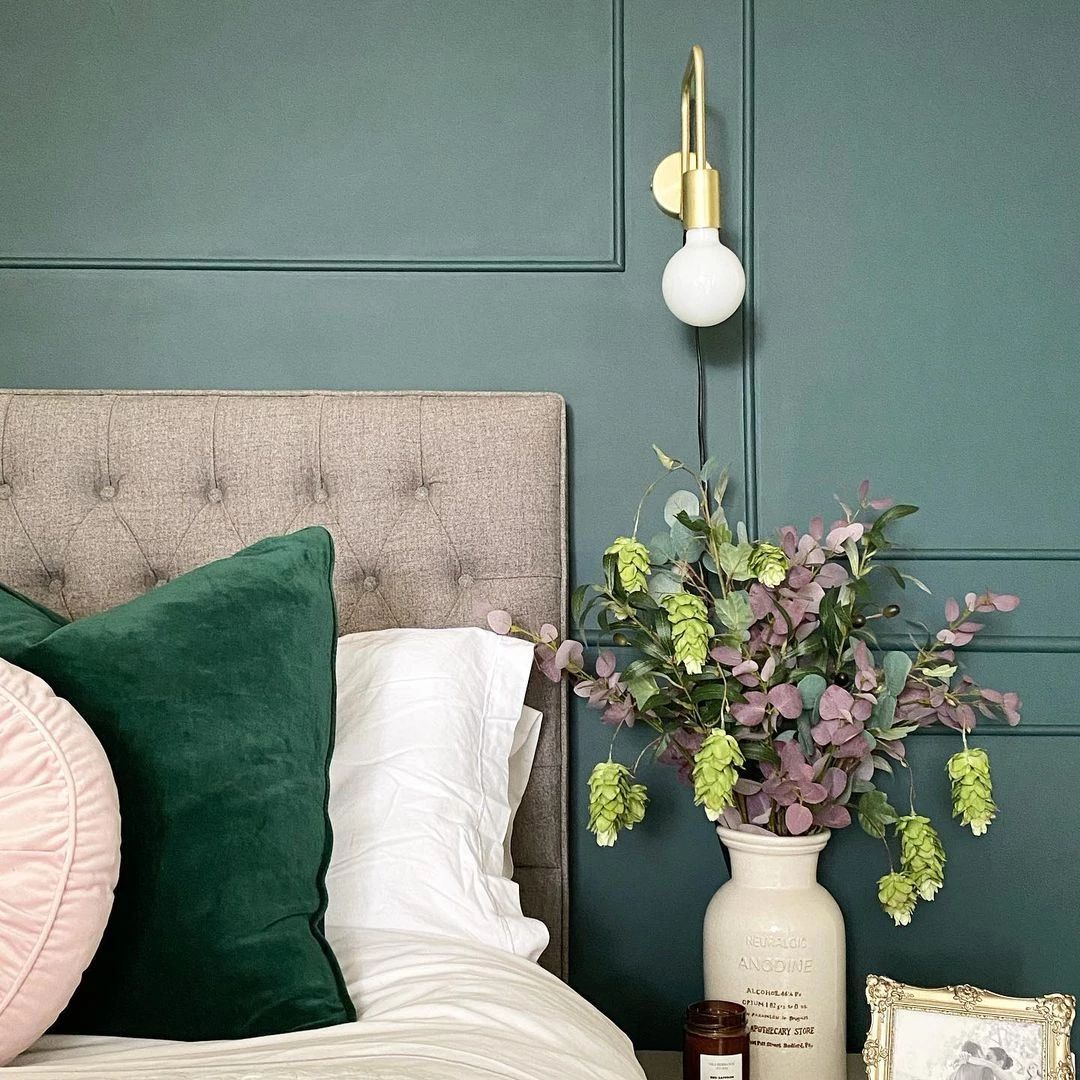
Ready to transform your bedroom into a green haven? With these insights and tips, you’re equipped to choose a shade that not only looks beautiful but actively contributes to a more restful and restorative sleep environment. Happy painting!
”
}
{ “content”: “
The Ultimate Guide to Green Bedroom Paint Colors for a Serene Sanctuary
Feeling overwhelmed by the sheer number of green paint swatches? Want to transform your bedroom into a tranquil retreat that rivals a walk in nature? You’re in the right place.
But it’s not just about picking “a green.” It’s about understanding the subtle nuances of undertones, the impact of light, and how different shades can evoke wildly different moods. Forget generic lists; this is your definitive, human-first guide to finding the green that truly speaks to your soul and helps you create the serene bedroom sanctuary you deserve.
Why Green is Your Bedroom’s Best Friend: The Science of Serenity
It’s no accident that green frequently tops the list for relaxing bedroom colors. From ancient cultures to modern psychology, green has always been associated with life, growth, and tranquility. But what’s the real magic behind this incredible hue?
The Psychology of Green: Calm, Renewal, and Rest
Think about stepping into a lush forest or gazing across a verdant meadow. What do you feel? Likely, a sense of peace, renewal, and calm. This isn’t just anecdotal; it’s backed by color psychology. Green is centrally located on the color spectrum, making it incredibly balanced and harmonious. It requires minimal adjustment from the eye, which helps reduce strain and mental fatigue. In a bedroom, this translates to:
- Stress Reduction: Studies show exposure to green can lower heart rate and blood pressure.
- Improved Sleep Quality: A calmer mind is more conducive to restorative sleep.
- Enhanced Well-being: Connecting with nature’s dominant color brings a sense of health and vitality.
Connecting with Nature Indoors: Biophilic Design Principles
Our innate connection to nature, known as biophilia, drives our desire to surround ourselves with natural elements. Green paint is one of the most accessible ways to incorporate biophilic design into your bedroom. It mimics the natural world, creating a comforting, organic backdrop that feels inherently good to be in. When your walls reflect the outside world, you bring its calming, restorative properties directly into your personal haven.
How Green Promotes Better Sleep and Reduces Stress
Beyond general calm, green’s unique properties make it exceptional for sleep. Unlike stimulating reds or energetic yellows, green promotes a sense of equilibrium. It’s not overly cold like some blues can be, nor too warm to feel oppressive. The right shade of green can literally lower your stress levels, making it easier to unwind, quiet your racing thoughts, and drift off to sleep. It’s like a visual lullaby for your brain.
Finding Your Perfect Green: Key Considerations Before You Paint
Ready to dive into swatches? Hold on just a second. Picking the perfect green isn’t just about what looks good on a chip. It’s about how it will look in your room, with your light, and your* furniture. Here’s what to think about:
Room Size & Natural Light: Light vs. Dark Greens
This is crucial. A small, dimly lit bedroom might feel overwhelmed by a deep forest green, potentially making it feel smaller. However, a deep green can also create a wonderfully cocooning, intimate, and sophisticated mood in a small space if balanced with lighter textiles and ample artificial lighting. Conversely, a large, sun-drenched room can handle almost any shade, but a pale mint might feel washed out. Consider:
:max_bytes(150000):strip_icc()/OutlineInteriors_credit_MargaretRajic-b0a6f1831bce442e80f142412938f48e.jpg "20 Green Bedroom Ideas From Interior Designers")
- North-Facing Rooms: Tend to have cooler, duller light. Warm greens with yellow undertones (like olive or moss) can bring warmth.
- South-Facing Rooms: Bathed in warm, bright light. Cooler greens (sage, blue-greens) can provide balance.
- East-Facing Rooms: Get morning sun. Greens will look truest in the morning, appearing softer later in the day.
- West-Facing Rooms: Receive warm afternoon/evening light. Greens will be vibrant in the afternoon, potentially cooler in the morning.
Understanding Undertones: Warm (Yellow-Green) vs. Cool (Blue-Green)
This is where many people get tripped up. No green is purely green; it always has an undertone. Understanding them is key to a successful bedroom palette:
- Warm Greens (Yellow-Green, Earthy): These greens have a noticeable yellow or brown tint. Think olive, moss, sage with gold hints. They feel cozy, organic, inviting, and naturally grounded. Ideal for creating a warm, earthy retreat, especially in cooler rooms.
- Cool Greens (Blue-Green, Gray-Green): These greens have blue or gray undertones. Think seafoam, celadon, or deep forest green with blue notes. They feel crisp, refreshing, serene, and sophisticated. Excellent for creating a spa-like, tranquil oasis, especially in sunnier rooms.
Existing Decor & Furniture: Creating a Cohesive Palette
Your paint color doesn’t live in isolation. Take stock of your current furniture, flooring, and any artwork you plan to keep. If your furniture is warm-toned wood, a warm green might be harmonious. If you have cool gray linens, a gray-green or blue-green might be a better fit. Bring paint swatches home and test them against your existing pieces to ensure they play well together.
Paint Finishes Matter: Sheen for Bedrooms (Matte, Eggshell, Satin)
The finish you choose affects both the look and durability of your paint:
- Matte/Flat: The least reflective finish. Ideal for bedrooms as it hides imperfections beautifully and creates a soft, velvety look that absorbs light. Perfect for a cozy, serene vibe. Less durable for scrubbing, so best for low-traffic areas.
- Eggshell: Slightly more sheen than matte, offering a subtle glow. More durable and easier to clean than flat, making it a popular choice for bedrooms where some durability is desired without too much shine.
- Satin: A soft, pearl-like sheen. More durable and washable than eggshell, often used for trim but can be good for accent walls in bedrooms if you want a subtle luminosity. Can highlight wall imperfections more than flatter finishes.
Top Green Paint Colors for Bedrooms: Shades for Every Style
Now for the fun part! While specific colors vary by brand, these categories and popular examples will help you narrow down your choices and find a green that resonates with your personal style and desired mood.
Soft & Muted Greens: The Sage, Olive, and Gray-Green Spectrum
These greens are the undisputed champions of bedroom tranquility. They’re subdued, sophisticated, and incredibly versatile, bringing a subtle connection to nature without being overwhelming. Perfect for creating a calm, restorative atmosphere in almost any style of bedroom, from minimalist to modern farmhouse.
- Sherwin-Williams Evergreen Fog SW 9130: A beautiful gray-green with a hint of blue. It’s sophisticated, calming, and can act as a neutral. Works well in modern and traditional spaces.
- Benjamin Moore October Mist 1495: A gentle, earthy green that strikes a perfect balance between gray and green. It’s warm, inviting, and incredibly versatile, pairing beautifully with natural textures.
- Farrow & Ball Sage Green Light: A soft, sophisticated sage with subtle gray undertones. It’s timeless, elegant, and creates a wonderfully peaceful backdrop.
- Behr Back to Nature S340-4: A restorative, light sage green that brings the essence of the outdoors in. It’s subtle yet impactful, creating a truly serene environment.
Deep & Dramatic Greens: Forest, Emerald, and Hunter Greens
For those who crave intimacy, luxury, and a touch of drama, deep greens are the answer. These rich, saturated hues create a wonderfully cocooning effect, making a bedroom feel like a sophisticated, hushed sanctuary. They are particularly stunning in rooms with good natural light or when paired with ample ambient lighting to prevent them from feeling too cavernous.
- Benjamin Moore Salamander 2050-10: A deeply saturated, near-black green that is incredibly chic and moody. Perfect for creating a dramatic, luxurious bedroom.
- Farrow & Ball Bancha No.298: A rich, deep olive green that is strong yet earthy. It creates a bold statement while remaining grounded and comforting.
- Sherwin-Williams Forest Green SW 7725: A classic, true forest green that evokes the depth of nature. It’s commanding and elegant, ideal for a refined, inviting space.
Fresh & Vibrant Greens: Mint, Celadon, and Apple Greens
If you prefer a lighter, more refreshing feel, these greens are delightful. They bring a cheerful energy to a bedroom while still maintaining green’s inherent calm. Often with blue or yellow undertones, they can make a room feel airy, crisp, and revitalized – perfect for morning risers!
- Benjamin Moore Palladian Blue HC-144: A soft, ethereal blue-green that feels like a breath of fresh air. It’s light, airy, and incredibly soothing, perfect for a spa-like bedroom.
- Sherwin-Williams Liveable Green SW 6176: A light, cheerful green with a yellow undertone. It’s fresh and inviting, great for brightening a space without being overly bold.
- Behr Celadon Green M390-3: A delicate, sophisticated green with gray-blue undertones. It’s subtle, calming, and pairs beautifully with whites and natural wood.
Earthy & Organic Greens: Moss, Khaki, and Army Greens
These greens lean heavily into nature’s more rugged, grounded side. With strong brown or yellow undertones, they create a sense of stability, warmth, and organic authenticity. They are fantastic for bohemian, rustic, or global-inspired bedrooms, bringing a connection to ancient forests and sun-baked landscapes.
- Benjamin Moore Retreat AF-40: A warm, natural green that feels incredibly grounding. It’s soft yet distinct, perfect for creating an organic, inviting atmosphere.
- Sherwin-Williams Coastal Green SW 9046: A muted, warm green that evokes weathered landscapes. It’s understated and serene, ideal for a relaxed, natural aesthetic.
- Behr Amazon Jungle N500-7: A rich, deep mossy green that brings a touch of the wild indoors. It’s robust and comforting, creating a wonderfully enveloping feel.
Green Paint Color Comparison Table
Here’s a quick overview of some popular green shades to help you visualize their differences and potential impact in your bedroom:
:max_bytes(150000):strip_icc()/Rebecca-Shehorn_Photography_Miranda-Schroeder-106-682x1024-573989c0cb65408ab166d269215534db-7f12a1befcbc4b649bfc3229f2701ec9.jpg "35 Gorgeous Green Bedrooms That Prove The Hue Is A Classic")
| Shade Name (Example) | Brand | Undertone | Mood/Vibe | Best For |
|---|---|---|---|---|
| Evergreen Fog SW 9130 | Sherwin-Williams | Gray-Green, Hint of Blue | Sophisticated, Calming, Neutral | Modern, Traditional, Versatile |
| October Mist 1495 | Benjamin Moore | Earthy, Gray-Green | Warm, Inviting, Grounded | Natural, Farmhouse, Cozy Spaces |
| Salamander 2050-10 | Benjamin Moore | Deep Green, Near-Black | Dramatic, Luxurious, Intimate | Bold statements, Well-lit rooms, Accent walls |
| Palladian Blue HC-144 | Benjamin Moore | Blue-Green, Ethereal | Light, Airy, Spa-like, Refreshing | Coastal, Transitional, Bright rooms |
| Retreat AF-40 | Benjamin Moore | Warm, Organic Green | Grounding, Natural, Comforting | Bohemian, Rustic, Earthy styles |
| Liveable Green SW 6176 | Sherwin-Williams | Light, Yellow-Green | Cheerful, Fresh, Inviting | Smaller rooms, Cheerful aesthetic |
Pairing Perfection: Complementary Colors and Decor for Green Bedrooms
Once you’ve chosen your green, the next step is to make it sing! Thoughtful pairings with other colors, textures, and materials can elevate your bedroom from simply painted to perfectly curated.
Neutrals that Nurture: Cream, Beige, White, and Gray
Greens naturally pair beautifully with a variety of neutrals, allowing the green to be the star while providing balance and calm.
- Warm Whites & Creams: Think ivory, off-white, or ecru. These bring a soft, inviting contrast to most greens, preventing a room from feeling stark. They enhance the natural warmth of earthy greens and soften cooler greens.
- Beige & Tan: These grounded neutrals create a seamless transition, especially with warmer greens like olive or moss. They reinforce the earthy, organic vibe.
- Soft Grays: Cooler greens (especially those with gray undertones like Evergreen Fog or October Mist) look incredibly sophisticated with cool grays. Light grays keep the space airy, while charcoal can add depth and drama.
Accent Hues that Pop: Pinks, Terracottas, Golds, and Blues
Don’t be afraid to introduce subtle pops of color through bedding, throw pillows, or artwork. These accents can add personality and depth:
- Blush Pink & Terracotta: These warm, soft hues create a beautiful, harmonious contrast with most greens. Imagine a sage green wall with blush pink linen bedding – utterly chic and inviting. Terracotta accents bring an earthy, bohemian touch.
- Muted Golds & Brass: Metallic accents in gold or brass add a touch of glamour and warmth. They sparkle against deep greens like Salamander or Forest Green and provide a sophisticated counterpoint to softer greens.
- Deep Blues (Navy, Teal): For a moodier, more saturated palette, deep blues pair wonderfully with greens. This creates a rich, jewel-toned effect that feels luxurious and deeply relaxing. Think an emerald green wall with a navy velvet headboard.
- Rich Browns: Natural wood tones in furniture or decor provide a grounding, organic complement to all shades of green.
Textures & Materials: Wood, Linen, Metallics, and Plants
Texture is just as important as color in a green bedroom. Incorporate natural materials to enhance the biophilic feel:
- Natural Woods: Light oak, walnut, or even painted distressed wood furniture can elevate your green scheme.
- Soft Textiles: Linen bedding, wool throws, velvet pillows – these add comfort and visual interest.
- Metallics: Gold, brass, or even matte black light fixtures and hardware can provide elegant punctuation.
- Living Plants: Real plants are the ultimate accessory for a green bedroom, reinforcing the connection to nature and improving air quality.
Beyond the Brush: Expert Tips for Painting Your Green Bedroom
Choosing the color is just the first step. For a truly professional and satisfying result, here are some expert tips to guide your painting project.
The Critical Step of Sampling (Swatches!)
Please, please, please do not skip this! Paint chips are deceptive. The only way to truly see how a green will look in your room is to paint large swatches (at least 2’x2′) on your walls. Paint them on different walls to see how they look in various lighting conditions throughout the day and night. Live with them for a few days. Observe them with your existing furniture and lighting. This step will save you from costly mistakes and ensure you love your final choice.
Prepping Your Walls for a Flawless Finish
A beautiful paint job is 80% prep. Don’t cut corners here:
- Clean Walls: Wash your walls with a sugar soap solution or mild detergent to remove grime and dust. Rinse thoroughly and let dry completely.
- Repair Imperfections: Fill any nail holes or cracks with spackle, sand smooth, and wipe away dust.
- Tape and Drop Cloths: Use high-quality painter’s tape on trim, baseboards, and ceilings. Cover your floors and furniture with drop cloths.
- Prime: If you’re going from a dark color to light, or if your walls are porous or stained, use a good quality primer. This ensures even color absorption and better adhesion.
Lighting Your Green Space: Natural vs. Artificial Light’s Impact
We’ve already touched on natural light, but artificial lighting is equally important in a bedroom. The warmth or coolness of your light bulbs can drastically alter how your green walls appear. Opt for bulbs with a “warm white” (2700K-3000K) or “neutral white” (3500K-4000K) color temperature for a cozy, inviting glow that won’t make your greens look too stark or yellowed. Avoid cool white or daylight bulbs (5000K+) unless you specifically want a crisp, modern aesthetic that might make some greens appear more blue.
DIY vs. Professional: When to Hire Help
Painting a bedroom can be a rewarding DIY project, but know your limits. Consider hiring a professional if:
- Your room has very high ceilings or intricate trim.
- You have physical limitations that make painting difficult.
- You’re short on time or patience.
- You want a truly flawless finish with no visible brush strokes or drips.
A professional painter will ensure meticulous prep, precise application, and a stunning end result that truly highlights your chosen green.
Ready to transform your bedroom into a green haven? With these insights and tips, you’re equipped to choose a shade that not only looks beautiful but actively contributes to a more restful and restorative sleep environment. Happy painting!