What Is A Good Color For Bedrooms? Your Ultimate Guide to Creating a Dream Sanctuary
Ever walked into a room and immediately felt a shift in your mood? That’s the power of color. And nowhere is this power more crucial than in your bedroom – your personal sanctuary, your escape, the place where you unwind and recharge. Choosing the right bedroom color isn’t just about aesthetics; it’s about curating an environment that supports your well-being, improves your sleep, and genuinely makes you feel at home.
Forget the endless scrolling through Pinterest or feeling overwhelmed by paint swatches. I’m here to cut through the noise and give you the definitive guide to picking a bedroom color that doesn’t just look good, but feels good. We’ll dive into the psychology, practical considerations, and designer secrets to help you transform your sleeping space into the restful haven you deserve.
The Science of Sleep & Serenity: Why Bedroom Colors Matter
It might sound a bit ‘woo-woo,’ but there’s solid science behind why certain colors work better in a bedroom. Our brains are hardwired to react to different hues, triggering emotions, energy levels, and even physiological responses. This isn’t just about what you ‘like’; it’s about what your body and mind need to truly relax.
Color Psychology 101: How Hues Impact Your Mood
Think about it: a vibrant red might make you feel energetic and passionate, while a soft blue brings a sense of calm. This isn’t random. Color psychology studies how different shades affect human behavior and mood. In the context of a bedroom, we’re generally aiming for colors that promote:
- Tranquility and Calm: Essential for winding down.
- Comfort and Coziness: Making the space feel inviting.
- Rest and Sleep: Facilitating melatonin production and relaxation.
- Privacy and Intimacy: A sense of refuge from the outside world.
Conversely, colors that evoke high energy, alertness, or agitation are generally best avoided in a sleep space. It’s all about setting the stage for what you want to achieve in that room.
The Direct Link to Sleep Quality
Your bedroom isn’t just where you sleep; it’s where you prepare for sleep. The colors around you can impact your circadian rhythm and the production of sleep-inducing hormones like melatonin. Studies have shown that cooler, softer tones can lower heart rate and blood pressure, making it easier to drift off. High-contrast or overly stimulating colors can do the opposite, keeping your mind active when it should be winding down. Choosing a thoughtful color palette is a direct investment in your sleep health and overall well-being.
The BEST Bedroom Colors for Rest, Relaxation & Rejuvenation
So, let’s get to the good stuff. While personal preference plays a huge role, some colors are universally acknowledged by designers and sleep experts alike as ideal for bedrooms. These hues create a foundation for peace and quiet, helping you truly unwind.
Blues: The Unrivaled Calming Champion
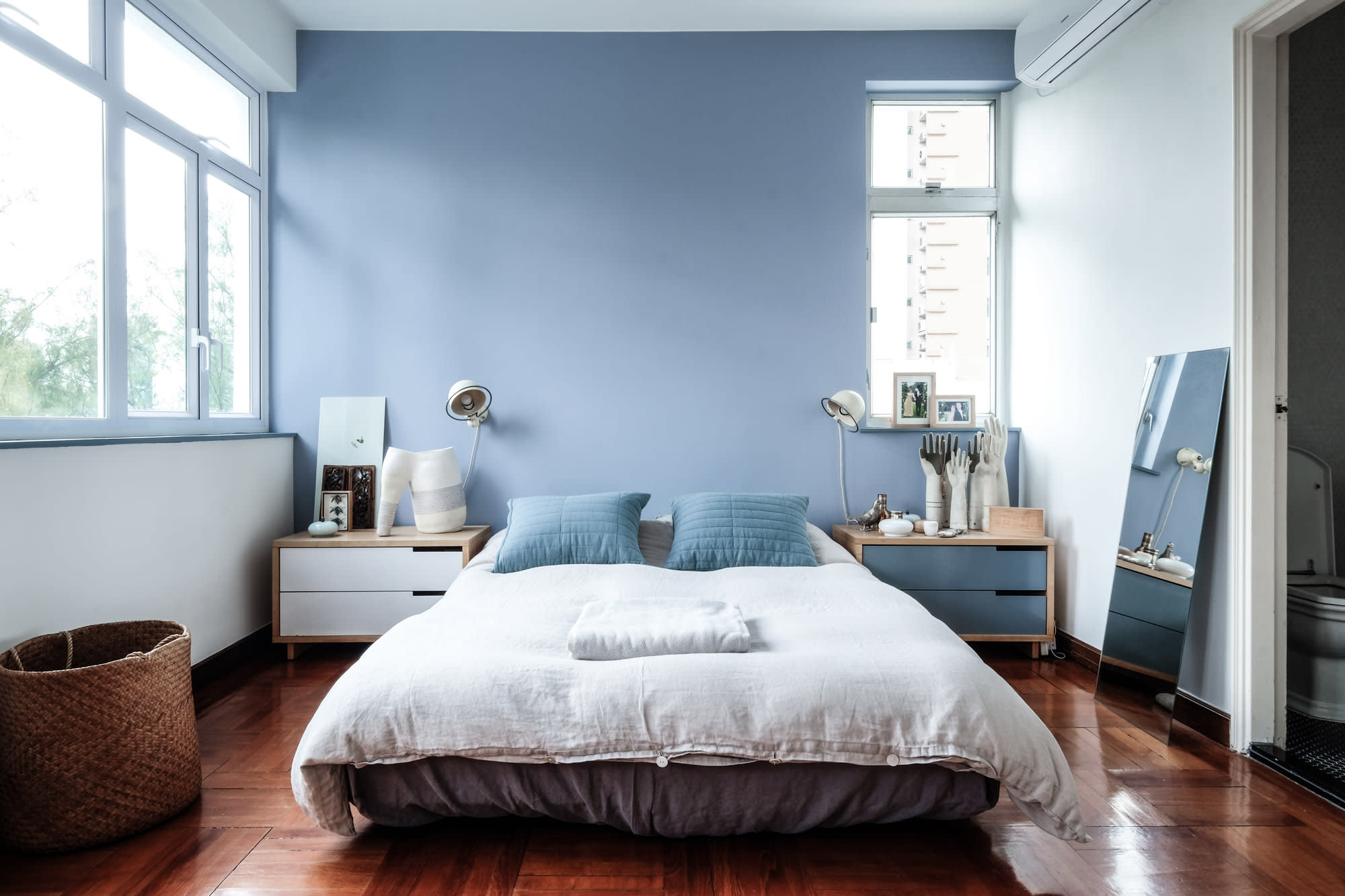
If there’s one color that consistently tops the list for bedrooms, it’s blue. From the serene depths of the ocean to the endless expanse of the sky, blue is inherently calming. It’s associated with peace, stability, and contemplation. Light to medium blues are particularly effective, as they promote a feeling of spaciousness and tranquility.
- Psychological Impact: Reduces anxiety, lowers heart rate, creates a sense of order.
- Best For: Almost everyone, especially those seeking a truly restful and serene environment.
- Variations: Soft sky blue, dusty blue, muted teal, slate blue, cerulean.
Greens: Nature’s Soothing Embrace
Green is the color of nature, growth, and harmony. It brings the outdoors in, creating a refreshing and balanced atmosphere. Similar to blue, softer, muted greens are excellent for bedrooms. Think sage, mint, or a gentle olive. It’s a color that feels both invigorating and soothing at the same time.
- Psychological Impact: Reduces stress, promotes balance, fosters feelings of renewal and health.
- Best For: Those who love nature, want a fresh yet calming space, or struggle with stress.
- Variations: Sage green, moss green, mint green, seafoam, forest green (used sparingly).
Soft Neutrals (Whites, Beiges, Greys): The Versatile Foundation
Neutrals are the unsung heroes of bedroom design. They provide a clean, versatile canvas that promotes clarity and simplicity. While some might worry they’re ‘boring,’ the right neutral can be incredibly sophisticated and calming. The key is to choose warm undertones to avoid a stark, clinical feel.
- Warm Whites: Creamy, off-whites that offer a soft glow. They make a room feel expansive and clean without being cold.
- Beiges & Taupes: Earthy and comforting, these colors create a cocoon-like warmth. They pair beautifully with natural textures.
- Light Greys: Modern and chic, light greys can be incredibly soothing. Look for greys with blue or green undertones for extra tranquility, or warm greys for coziness.
- Psychological Impact: Clarity, peace, simplicity, sophistication, versatility.
- Best For: Minimalists, those who want a serene backdrop for art/furniture, or anyone aiming for a timeless look.
- Variations: Cream, ivory, greige, sand, stone, dove grey.
Gentle Pinks & Lavenders: A Touch of Softness
When used in soft, muted tones, pinks and lavenders can be wonderfully soothing. Think blush pink, not bubblegum. These colors evoke a sense of tenderness, comfort, and sometimes even romance. Lavender, a close cousin to blue, is particularly renowned for its calming properties and association with relaxation.
- Psychological Impact: Nurturing, gentle, comforting, romantic (pinks); relaxing, spiritual, stress-reducing (lavender).
- Best For: Creating a soft, inviting, and intimate space.
- Variations: Blush, rose quartz, dusty rose, lilac, periwinkle.
Earth Tones: Grounding & Warmth
Beyond beige, a wider palette of earth tones can create a wonderfully grounded and cozy bedroom. Think soft terracotta, muted olive, deep rust, or even a rich, warm brown. These colors connect us to the natural world and can make a large room feel more intimate. The key is moderation and ensuring they don’t make the room feel too dark or heavy.
:strip_icc()/WhalesTail-3473099bd2224e18adc7553f9cd5b09d.jpg "25 Calming Bedroom Paint Colors for a Restful Retreat")
- Psychological Impact: Grounding, stability, warmth, comfort, connection to nature.
- Best For: Creating a rustic, bohemian, or cozy, cabin-like feel.
- Variations: Terracotta (muted), burnt orange (accent), deep olive, warm browns (chocolate, chestnut).
Here’s a quick summary of the top contenders for your bedroom wall color:
| Color Family | Mood & Psychological Effect | Best For | Key Considerations |
|---|---|---|---|
| Blues (Soft to Medium) | Calming, serene, stable, reduces anxiety, promotes sleep. | Ultimate relaxation, stress reduction, creating a peaceful retreat. | Can feel cool; pair with warm lighting/textures. Avoid overly vibrant shades. |
| Greens (Muted, Earthy) | Harmonious, refreshing, balanced, stress-reducing, connection to nature. | Naturalistic feel, promoting well-being and tranquility. | Stick to muted tones; bright greens can be stimulating. |
| Neutrals (Warm Whites, Beiges, Light Greys, Taupes) | Clean, simple, sophisticated, versatile, spacious, calming. | Timeless design, small rooms, layering textures, minimalist aesthetics. | Choose warm undertones to avoid coldness. Play with texture. |
| Soft Pinks & Lavenders | Nurturing, comforting, gentle, relaxing, romantic. | Creating a soft, intimate, and serene feminine or gender-neutral space. | Muted and desaturated tones are key. Avoid bright or bubblegum shades. |
| Earth Tones (Muted Terracotta, Deep Olive, Warm Browns) | Grounding, stable, cozy, natural, safe. | Bohemian, rustic, or deeply cozy and intimate spaces. | Can make a room feel smaller; balance with ample light and reflective surfaces. |
Colors to Approach with Caution (or Avoid Entirely) in the Bedroom
Just as some colors invite rest, others are notorious for disrupting it. While there are always exceptions and creative ways to incorporate any color, these hues generally work against the primary goal of a bedroom: relaxation and sleep.
Reds & Oranges: Energy, Not Rest
Red is a powerful, stimulating color associated with passion, energy, and intensity. It can raise heart rate and blood pressure, making it difficult to calm down before sleep. Similarly, vibrant oranges are warm, enthusiastic, and highly energetic. While great for a dining room or living area where you want to foster conversation, they are generally not ideal for a bedroom.
- Why to Be Cautious: Too stimulating, can increase alertness and agitation, may disrupt sleep cycles.
- Exception: Muted, deep terracotta or burnt orange as an accent, not a primary wall color, can evoke warmth without overstimulation.
Vibrant Yellows: Overstimulation Alert
Yellow is the color of sunshine, happiness, and optimism. It’s uplifting and cheerful – fantastic for kitchens or playrooms. However, bright yellows can be too stimulating for a bedroom, potentially leading to anxiety and restlessness. Your brain might interpret a sunny yellow wall as perpetual daylight, hindering melatonin production.
- Why to Be Cautious: Highly stimulating, can cause agitation or restlessness, not conducive to winding down.
- Exception: Very pale, buttery yellows or warm creams can be soothing, particularly in rooms lacking natural light.
Dark Purples & Browns: Overwhelming or Gloomy
While light lavender can be calming, very deep, rich purples can sometimes feel heavy or even overwhelming, particularly in a small space. They can lean towards melodrama rather than peacefulness. Similarly, very dark browns, without enough contrasting elements or natural light, can make a room feel gloomy or claustrophobic, rather than cozy. The goal is depth, not darkness.
- Why to Be Cautious: Can feel heavy, overwhelming, or gloomy if not expertly balanced with light and other colors.
- Exception: A sophisticated deep plum or chocolate brown used on an accent wall in a well-lit, larger room can be elegant, but requires careful execution.
Here’s a summary of colors that require a thoughtful approach in the bedroom:
| Color Family | Primary Psychological Effect | Why to Use with Caution in Bedrooms | Alternatives or Exceptions |
|---|---|---|---|
| Bright Reds & Oranges | Energy, passion, excitement, stimulation, appetite. | Too stimulating for rest, can increase heart rate and agitation. | Muted terracotta or burnt orange as small accents; not dominant wall colors. |
| Vibrant Yellows | Happiness, cheerfulness, alertness, optimism. | Overstimulating, can prevent relaxation and make the room feel restless. | Very pale, buttery creams or warm off-whites. |
| Dark Purples (Deep Plum, Aubergine) | Luxury, drama, creativity, sometimes melancholy. | Can feel heavy, overwhelming, or overly dramatic, reducing tranquility. | Light lavenders or muted violets are much more calming. |
| Very Dark Browns | Stability, richness, earthiness, but can also be gloomy. | Can make rooms feel small, heavy, or somber without adequate light. | Warm taupes, greiges, or lighter brown tones. Use rich browns as accents. |
| Bright, Saturated Hues (e.g., Electric Blue, Lime Green) | High energy, modern, bold, playful. | Overly stimulating and can be visually fatiguing over time. | Stick to muted, desaturated versions of these colors for better sleep. |
Beyond the Hue: Factors Influencing Your Perfect Bedroom Color Choice
Choosing a color isn’t just about picking a shade you like; it’s about how that shade interacts with the unique characteristics of your bedroom. A color that looks stunning in a picture might fall flat in your space without considering these vital elements.
Natural Light: The Ultimate Game Changer
This is arguably the most critical factor. Natural light fundamentally alters how a color appears. A north-facing room, which receives cool, indirect light throughout the day, might make cool colors feel icy. In such a room, you might opt for warmer undertones in your blues, greens, or grays, or embrace warm whites to counteract the chill.
- North-Facing Rooms: Cooler, softer light. Opt for warmer tones (creamy whites, soft yellows, warm greys) to add coziness.
- South-Facing Rooms: Bright, warm light all day. Can handle cooler tones (blues, cool greys) or deep, saturated colors without feeling dark.
- East-Facing Rooms: Warm morning light, cooler in the afternoon. Embrace colors that feel fresh in the morning and calm later (soft blues, greens, muted lavenders).
- West-Facing Rooms: Cooler morning light, intense warm afternoon/evening light. Colors that balance both conditions work best – consider a balanced neutral or a mid-tone blue-grey.
Room Size & Ceiling Height: Maximizing Space & Airiness
Color can play tricks on the eye. If you have a small bedroom, lighter, cooler colors like soft blues, greens, or crisp whites will make the room feel more expansive and airy. Darker colors, while cozy, can make a small room feel even smaller and more enclosed. If you have high ceilings, painting the ceiling a slightly darker shade than the walls can make the room feel more intimate and less cavernous.
Existing Furniture & Decor: Creating a Harmonious Palette
Unless you’re planning a complete overhaul, your paint color needs to harmonize with what’s already in the room. Look at your bedding, curtains, area rug, and furniture. Do they have warm or cool undertones? Are they neutral or bold? Use existing elements as a starting point to build a cohesive color scheme.
- Warm Woods: Cherry, oak, or mahogany furniture pairs well with warm neutrals, greens, or even certain blues.
- Cool Metals/Modern Furniture: Chrome, black, or sleek white furniture often complements cool greys, blues, or crisp whites.
- Existing Art/Textiles: Pull a subtle color from a favorite piece of art or a patterned rug to inspire your wall color.
Personal Style & Preferences: Your Sanctuary, Your Rules
Ultimately, this is your bedroom, and it needs to reflect you. While color psychology offers excellent guidelines, if a certain ‘calming’ color just doesn’t resonate with you, don’t force it. Do you gravitate towards rustic, modern, bohemian, or traditional styles? Your color choice should support that aesthetic. A ‘good’ color for bedrooms is also one that makes *you happy and comfortable.
Sheen & Finish: The Subtle Difference
The finish of your paint (its sheen) dramatically impacts how the color looks and feels. This isn’t just about durability; it’s about light reflection.
- Flat/Matte: Absorbs light, creating a velvety, sophisticated, and forgiving finish. Best for hiding imperfections and creating a soft look. Ideal for ceilings and low-traffic areas.
- Eggshell/Satin: Offers a subtle sheen, making it more durable and washable than flat. A popular choice for bedrooms, balancing visual softness with practicality.
- Semi-Gloss/Gloss: Highly reflective and very durable. Best for trim, doors, and furniture, as the high sheen can be too distracting on large wall areas in a bedroom.
How to Choose Your Perfect Bedroom Color: A Step-by-Step Guide
Don’t just grab the first pretty swatch you see. Follow this practical process to ensure you land on a color you’ll love for years to come.
Step 1: Define Your Desired Mood
Before you even look at a single paint chip, close your eyes and imagine how you want your bedroom to feel. Do you want it to be a:
- Serene Oasis? (Think blues, greens, cool neutrals)
- Cozy Cocoon? (Consider warm neutrals, soft earth tones, muted pinks)
- Fresh & Bright Space? (Look at warm whites, very pale blues/greens)
- Sophisticated Retreat? (Explore deep, muted tones, rich greys, or elegant neutrals)
This clarity will narrow down your options significantly.
Step 2: Gather Inspiration (Beyond Pinterest)
Yes, Pinterest and Instagram are great, but also look around you. What colors are in your favorite clothing? What colors in nature do you find calming? Visit paint stores, grab swatches, and don’t be afraid to pull inspiration from textiles, artwork, or even a beautiful sunset photo. Focus on undertones – is it a warm blue or a cool blue? This is crucial.
Step 3: Test, Test, Test (The Power of Swatches)
This step is non-negotiable. Those tiny paint chips look vastly different on a large wall. Buy several sample pots of your top contenders (usually 3-5). Paint large swatches (at least 2×2 feet) on multiple walls in your bedroom. Why multiple walls? Because the light hits each wall differently.
- Paint two coats of each sample.
- Don’t forget to paint a swatch on the ceiling if you’re considering a color there.
- Observe the colors at different times of day: morning, afternoon, and evening (under artificial light).
- See how the colors interact with your existing furniture, flooring, and natural light.
Step 4: Consider the “Fifth Wall” (Ceilings!)
The ceiling is often overlooked but can dramatically impact the feel of a room. A crisp white ceiling can make a room feel taller and brighter. Painting it a very light tint of your wall color (e.g., 25% strength) can create a cohesive, cocoon-like effect, especially in smaller rooms or those with very tall ceilings. A darker ceiling can add drama and intimacy, but often best reserved for larger rooms with plenty of light.
Step 5: Live with It (Even for a Day)
Once your swatches are up, live with them for at least 24-48 hours. See how they make you feel as you wake up, get ready, and wind down for bed. The color you initially loved on a chip might reveal unexpected undertones or feel overwhelming once it’s on the wall. Trust your gut feeling during this observation period.
Expert Tips for a Harmonious Bedroom Color Scheme
Beyond just the wall color, think about the entire room as a canvas. A successful bedroom color scheme is about layers and balance.
The 60-30-10 Rule in Action
This is a classic interior design principle. Assign 60% of the room to your dominant color (usually walls), 30% to a secondary color (furniture, curtains, rugs), and 10% to an accent color (pillows, art, decorative objects). This creates balance and visual interest without overwhelming the senses.
Layering Tones for Depth
Don’t be afraid to use different shades and tints of your chosen wall color throughout the room. If your walls are a soft sage green, incorporate deeper forest green accents or lighter mint green textiles. This adds depth and sophistication, making the room feel thoughtfully designed rather than monochromatic.
Incorporating Texture
When working with a calming, often muted, color palette, texture becomes your best friend. Linen bedding, a chunky knit throw, a jute rug, velvet pillows, or even a textured wallpaper on an accent wall can add immense visual interest and warmth without introducing jarring colors. Texture makes a neutral room feel rich and inviting, not bland.
Creating Your Bedroom Oasis: The Final Brushstrokes
Choosing a good color for your bedroom isn’t just about paint; it’s about crafting an environment that serves as a true sanctuary. By understanding the psychology of color, considering the unique aspects of your space, and following a methodical testing process, you’ll select a hue that not only looks beautiful but actively contributes to your peace of mind and quality of sleep. So go ahead, trust your intuition, embrace the process, and create the bedroom of your dreams – one perfect color at a time.
:strip_icc()/JetStream814-e85aa25624124da2a51aa16be0d25c8d.jpg "25 Calming Bedroom Paint Colors for a Restful Retreat")
”
}
{ “content”: “
What Is A Good Color For Bedrooms? Your Ultimate Guide to Creating a Dream Sanctuary
Ever walked into a room and immediately felt a shift in your mood? That’s the power of color. And nowhere is this power more crucial than in your bedroom – your personal sanctuary, your escape, the place where you unwind and recharge. Choosing the right bedroom color isn’t just about aesthetics; it’s about curating an environment that supports your well-being, improves your sleep, and genuinely makes you feel at home.
Forget the endless scrolling through Pinterest or feeling overwhelmed by paint swatches. I’m here to cut through the noise and give you the definitive guide to picking a bedroom color that doesn’t just look good, but feels good. We’ll dive into the psychology, practical considerations, and designer secrets to help you transform your sleeping space into the restful haven you deserve.
The Science of Sleep & Serenity: Why Bedroom Colors Matter
It might sound a bit ‘woo-woo,’ but there’s solid science behind why certain colors work better in a bedroom. Our brains are hardwired to react to different hues, triggering emotions, energy levels, and even physiological responses. This isn’t just about what you ‘like’; it’s about what your body and mind need to truly relax.
Color Psychology 101: How Hues Impact Your Mood
Think about it: a vibrant red might make you feel energetic and passionate, while a soft blue brings a sense of calm. This isn’t random. Color psychology studies how different shades affect human behavior and mood. In the context of a bedroom, we’re generally aiming for colors that promote:
- Tranquility and Calm: Essential for winding down.
- Comfort and Coziness: Making the space feel inviting.
- Rest and Sleep: Facilitating melatonin production and relaxation.
- Privacy and Intimacy: A sense of refuge from the outside world.
Conversely, colors that evoke high energy, alertness, or agitation are generally best avoided in a sleep space. It’s all about setting the stage for what you want to achieve in that room.
The Direct Link to Sleep Quality
Your bedroom isn’t just where you sleep; it’s where you prepare for sleep. The colors around you can impact your circadian rhythm and the production of sleep-inducing hormones like melatonin. Studies have shown that cooler, softer tones can lower heart rate and blood pressure, making it easier to drift off. High-contrast or overly stimulating colors can do the opposite, keeping your mind active when it should be winding down. Choosing a thoughtful color palette is a direct investment in your sleep health and overall well-being.
The BEST Bedroom Colors for Rest, Relaxation & Rejuvenation
So, let’s get to the good stuff. While personal preference plays a huge role, some colors are universally acknowledged by designers and sleep experts alike as ideal for bedrooms. These hues create a foundation for peace and quiet, helping you truly unwind.
Blues: The Unrivaled Calming Champion
If there’s one color that consistently tops the list for bedrooms, it’s blue. From the serene depths of the ocean to the endless expanse of the sky, blue is inherently calming. It’s associated with peace, stability, and contemplation. Light to medium blues are particularly effective, as they promote a feeling of spaciousness and tranquility.
- Psychological Impact: Reduces anxiety, lowers heart rate, creates a sense of order.
- Best For: Almost everyone, especially those seeking a truly restful and serene environment.
- Variations: Soft sky blue, dusty blue, muted teal, slate blue, cerulean.
Greens: Nature’s Soothing Embrace
Green is the color of nature, growth, and harmony. It brings the outdoors in, creating a refreshing and balanced atmosphere. Similar to blue, softer, muted greens are excellent for bedrooms. Think sage, mint, or a gentle olive. It’s a color that feels both invigorating and soothing at the same time.
- Psychological Impact: Reduces stress, promotes balance, fosters feelings of renewal and health.
- Best For: Those who love nature, want a fresh yet calming space, or struggle with stress.
- Variations: Sage green, moss green, mint green, seafoam, forest green (used sparingly).
Soft Neutrals (Whites, Beiges, Greys): The Versatile Foundation
Neutrals are the unsung heroes of bedroom design. They provide a clean, versatile canvas that promotes clarity and simplicity. While some might worry they’re ‘boring,’ the right neutral can be incredibly sophisticated and calming. The key is to choose warm undertones to avoid a stark, clinical feel.
- Warm Whites: Creamy, off-whites that offer a soft glow. They make a room feel expansive and clean without being cold.
- Beiges & Taupes: Earthy and comforting, these colors create a cocoon-like warmth. They pair beautifully with natural textures.
- Light Greys: Modern and chic, light greys can be incredibly soothing. Look for greys with blue or green undertones for extra tranquility, or warm greys for coziness.
- Psychological Impact: Clarity, peace, simplicity, sophistication, versatility.
- Best For: Minimalists, those who want a serene backdrop for art/furniture, or anyone aiming for a timeless look.
- Variations: Cream, ivory, greige, sand, stone, dove grey.
Gentle Pinks & Lavenders: A Touch of Softness
When used in soft, muted tones, pinks and lavenders can be wonderfully soothing. Think blush pink, not bubblegum. These colors evoke a sense of tenderness, comfort, and sometimes even romance. Lavender, a close cousin to blue, is particularly renowned for its calming properties and association with relaxation.
- Psychological Impact: Nurturing, gentle, comforting, romantic (pinks); relaxing, spiritual, stress-reducing (lavender).
- Best For: Creating a soft, inviting, and intimate space.
- Variations: Blush, rose quartz, dusty rose, lilac, periwinkle.
Earth Tones: Grounding & Warmth
Beyond beige, a wider palette of earth tones can create a wonderfully grounded and cozy bedroom. Think soft terracotta, muted olive, deep rust, or even a rich, warm brown. These colors connect us to the natural world and can make a large room feel more intimate. The key is moderation and ensuring they don’t make the room feel too dark or heavy.
:max_bytes(150000):strip_icc()/SPR-best-bedroom-paint-colors-4587561-hero-dee444c6b57c4394be3aa48a74e84d06.jpg "46 Best Bedroom Paint Colors in Every Shade")
- Psychological Impact: Grounding, stability, warmth, comfort, connection to nature.
- Best For: Creating a rustic, bohemian, or cozy, cabin-like feel.
- Variations: Terracotta (muted), burnt orange (accent), deep olive, warm browns (chocolate, chestnut).
Here’s a quick summary of the top contenders for your bedroom wall color:
| Color Family | Mood & Psychological Effect | Best For | Key Considerations |
|---|---|---|---|
| Blues (Soft to Medium) | Calming, serene, stable, reduces anxiety, promotes sleep. | Ultimate relaxation, stress reduction, creating a peaceful retreat. | Can feel cool; pair with warm lighting/textures. Avoid overly vibrant shades. |
| Greens (Muted, Earthy) | Harmonious, refreshing, balanced, stress-reducing, connection to nature. | Naturalistic feel, promoting well-being and tranquility. | Stick to muted tones; bright greens can be stimulating. |
| Neutrals (Warm Whites, Beiges, Light Greys, Taupes) | Clean, simple, sophisticated, versatile, spacious, calming. | Timeless design, small rooms, layering textures, minimalist aesthetics. | Choose warm undertones to avoid coldness. Play with texture. |
| Soft Pinks & Lavenders | Nurturing, comforting, gentle, relaxing, romantic. | Creating a soft, intimate, and serene feminine or gender-neutral space. | Muted and desaturated tones are key. Avoid bright or bubblegum shades. |
| Earth Tones (Muted Terracotta, Deep Olive, Warm Browns) | Grounding, stable, cozy, natural, safe. | Bohemian, rustic, or deeply cozy and intimate spaces. | Can make a room feel smaller; balance with ample light and reflective surfaces. |
Colors to Approach with Caution (or Avoid Entirely) in the Bedroom
Just as some colors invite rest, others are notorious for disrupting it. While there are always exceptions and creative ways to incorporate any color, these hues generally work against the primary goal of a bedroom: relaxation and sleep.
Reds & Oranges: Energy, Not Rest
Red is a powerful, stimulating color associated with passion, energy, and intensity. It can raise heart rate and blood pressure, making it difficult to calm down before sleep. Similarly, vibrant oranges are warm, enthusiastic, and highly energetic. While great for a dining room or living area where you want to foster conversation, they are generally not ideal for a bedroom.
- Why to Be Cautious: Too stimulating, can increase alertness and agitation, may disrupt sleep cycles.
- Exception: Muted, deep terracotta or burnt orange as an accent, not a primary wall color, can evoke warmth without overstimulation.
Vibrant Yellows: Overstimulation Alert
Yellow is the color of sunshine, happiness, and optimism. It’s uplifting and cheerful – fantastic for kitchens or playrooms. However, bright yellows can be too stimulating for a bedroom, potentially leading to anxiety and restlessness. Your brain might interpret a sunny yellow wall as perpetual daylight, hindering melatonin production.
- Why to Be Cautious: Highly stimulating, can cause agitation or restlessness, not conducive to winding down.
- Exception: Very pale, buttery yellows or warm creams can be soothing, particularly in rooms lacking natural light.
Dark Purples & Browns: Overwhelming or Gloomy
While light lavender can be calming, very deep, rich purples can sometimes feel heavy or even overwhelming, particularly in a small space. They can lean towards melodrama rather than peacefulness. Similarly, very dark browns, without enough contrasting elements or natural light, can make a room feel gloomy or claustrophobic, rather than cozy. The goal is depth, not darkness.
- Why to Be Cautious: Can feel heavy, overwhelming, or gloomy if not expertly balanced with light and other colors.
- Exception: A sophisticated deep plum or chocolate brown used on an accent wall in a well-lit, larger room can be elegant, but requires careful execution.
Here’s a summary of colors that require a thoughtful approach in the bedroom:
| Color Family | Primary Psychological Effect | Why to Use with Caution in Bedrooms | Alternatives or Exceptions |
|---|---|---|---|
| Bright Reds & Oranges | Energy, passion, excitement, stimulation, appetite. | Too stimulating for rest, can increase heart rate and agitation. | Muted terracotta or burnt orange as small accents; not dominant wall colors. |
| Vibrant Yellows | Happiness, cheerfulness, alertness, optimism. | Overstimulating, can prevent relaxation and make the room feel restless. | Very pale, buttery creams or warm off-whites. |
| Dark Purples (Deep Plum, Aubergine) | Luxury, drama, creativity, sometimes melancholy. | Can feel heavy, overwhelming, or overly dramatic, reducing tranquility. | Light lavenders or muted violets are much more calming. |
| Very Dark Browns | Stability, richness, earthiness, but can also be gloomy. | Can make rooms feel small, heavy, or somber without adequate light. | Warm taupes, greiges, or lighter brown tones. Use rich browns as accents. |
| Bright, Saturated Hues (e.g., Electric Blue, Lime Green) | High energy, modern, bold, playful. | Overly stimulating and can be visually fatiguing over time. | Stick to muted, desaturated versions of these colors for better sleep. |
Beyond the Hue: Factors Influencing Your Perfect Bedroom Color Choice
Choosing a color isn’t just about picking a shade you like; it’s about how that shade interacts with the unique characteristics of your bedroom. A color that looks stunning in a picture might fall flat in your space without considering these vital elements.
Natural Light: The Ultimate Game Changer
This is arguably the most critical factor. Natural light fundamentally alters how a color appears. A north-facing room, which receives cool, indirect light throughout the day, might make cool colors feel icy. In such a room, you might opt for warmer undertones in your blues, greens, or grays, or embrace warm whites to counteract the chill.
- North-Facing Rooms: Cooler, softer light. Opt for warmer tones (creamy whites, soft yellows, warm greys) to add coziness.
- South-Facing Rooms: Bright, warm light all day. Can handle cooler tones (blues, cool greys) or deep, saturated colors without feeling dark.
- East-Facing Rooms: Warm morning light, cooler in the afternoon. Embrace colors that feel fresh in the morning and calm later (soft blues, greens, muted lavenders).
- West-Facing Rooms: Cooler morning light, intense warm afternoon/evening light. Colors that balance both conditions work best – consider a balanced neutral or a mid-tone blue-grey.
Room Size & Ceiling Height: Maximizing Space & Airiness
Color can play tricks on the eye. If you have a small bedroom, lighter, cooler colors like soft blues, greens, or crisp whites will make the room feel more expansive and airy. Darker colors, while cozy, can make a small room feel even smaller and more enclosed. If you have high ceilings, painting the ceiling a slightly darker shade than the walls can make the room feel more intimate and less cavernous.
Existing Furniture & Decor: Creating a Harmonious Palette
Unless you’re planning a complete overhaul, your paint color needs to harmonize with what’s already in the room. Look at your bedding, curtains, area rug, and furniture. Do they have warm or cool undertones? Are they neutral or bold? Use existing elements as a starting point to build a cohesive color scheme.
- Warm Woods: Cherry, oak, or mahogany furniture pairs well with warm neutrals, greens, or even certain blues.
- Cool Metals/Modern Furniture: Chrome, black, or sleek white furniture often complements cool greys, blues, or crisp whites.
- Existing Art/Textiles: Pull a subtle color from a favorite piece of art or a patterned rug to inspire your wall color.
Personal Style & Preferences: Your Sanctuary, Your Rules
Ultimately, this is your bedroom, and it needs to reflect you. While color psychology offers excellent guidelines, if a certain ‘calming’ color just doesn’t resonate with you, don’t force it. Do you gravitate towards rustic, modern, bohemian, or traditional styles? Your color choice should support that aesthetic. A ‘good’ color for bedrooms is also one that makes you* happy and comfortable.
Sheen & Finish: The Subtle Difference
The finish of your paint (its sheen) dramatically impacts how the color looks and feels. This isn’t just about durability; it’s about light reflection.
:max_bytes(150000):strip_icc()/Haywoodmade-7_11_23-9-9862376265fd401f87ace8fc1c5f45b0.jpg "18 Bedroom Paint Colors That Will Turn Your Space Into a Haven")
- Flat/Matte: Absorbs light, creating a velvety, sophisticated, and forgiving finish. Best for hiding imperfections and creating a soft look. Ideal for ceilings and low-traffic areas.
- Eggshell/Satin: Offers a subtle sheen, making it more durable and washable than flat. A popular choice for bedrooms, balancing visual softness with practicality.
- Semi-Gloss/Gloss: Highly reflective and very durable. Best for trim, doors, and furniture, as the high sheen can be too distracting on large wall areas in a bedroom.
How to Choose Your Perfect Bedroom Color: A Step-by-Step Guide
Don’t just grab the first pretty swatch you see. Follow this practical process to ensure you land on a color you’ll love for years to come.
Step 1: Define Your Desired Mood
Before you even look at a single paint chip, close your eyes and imagine how you want your bedroom to feel. Do you want it to be a:
- Serene Oasis? (Think blues, greens, cool neutrals)
- Cozy Cocoon? (Consider warm neutrals, soft earth tones, muted pinks)
- Fresh & Bright Space? (Look at warm whites, very pale blues/greens)
- Sophisticated Retreat? (Explore deep, muted tones, rich greys, or elegant neutrals)
This clarity will narrow down your options significantly.
Step 2: Gather Inspiration (Beyond Pinterest)
Yes, Pinterest and Instagram are great, but also look around you. What colors are in your favorite clothing? What colors in nature do you find calming? Visit paint stores, grab swatches, and don’t be afraid to pull inspiration from textiles, artwork, or even a beautiful sunset photo. Focus on undertones – is it a warm blue or a cool blue? This is crucial.
Step 3: Test, Test, Test (The Power of Swatches)
This step is non-negotiable. Those tiny paint chips look vastly different on a large wall. Buy several sample pots of your top contenders (usually 3-5). Paint large swatches (at least 2×2 feet) on multiple walls in your bedroom. Why multiple walls? Because the light hits each wall differently.
- Paint two coats of each sample.
- Don’t forget to paint a swatch on the ceiling if you’re considering a color there.
- Observe the colors at different times of day: morning, afternoon, and evening (under artificial light).
- See how the colors interact with your existing furniture, flooring, and natural light.
Step 4: Consider the “Fifth Wall” (Ceilings!)
The ceiling is often overlooked but can dramatically impact the feel of a room. A crisp white ceiling can make a room feel taller and brighter. Painting it a very light tint of your wall color (e.g., 25% strength) can create a cohesive, cocoon-like effect, especially in smaller rooms or those with very tall ceilings. A darker ceiling can add drama and intimacy, but often best reserved for larger rooms with plenty of light.
Step 5: Live with It (Even for a Day)
Once your swatches are up, live with them for at least 24-48 hours. See how they make you feel as you wake up, get ready, and wind down for bed. The color you initially loved on a chip might reveal unexpected undertones or feel overwhelming once it’s on the wall. Trust your gut feeling during this observation period.
Expert Tips for a Harmonious Bedroom Color Scheme
Beyond just the wall color, think about the entire room as a canvas. A successful bedroom color scheme is about layers and balance.
The 60-30-10 Rule in Action
This is a classic interior design principle. Assign 60% of the room to your dominant color (usually walls), 30% to a secondary color (furniture, curtains, rugs), and 10% to an accent color (pillows, art, decorative objects). This creates balance and visual interest without overwhelming the senses.
Layering Tones for Depth
Don’t be afraid to use different shades and tints of your chosen wall color throughout the room. If your walls are a soft sage green, incorporate deeper forest green accents or lighter mint green textiles. This adds depth and sophistication, making the room feel thoughtfully designed rather than monochromatic.
Incorporating Texture
When working with a calming, often muted, color palette, texture becomes your best friend. Linen bedding, a chunky knit throw, a jute rug, velvet pillows, or even a textured wallpaper on an accent wall can add immense visual interest and warmth without introducing jarring colors. Texture makes a neutral room feel rich and inviting, not bland.
Creating Your Bedroom Oasis: The Final Brushstrokes
Choosing a good color for your bedroom isn’t just about paint; it’s about crafting an environment that serves as a true sanctuary. By understanding the psychology of color, considering the unique aspects of your space, and following a methodical testing process, you’ll select a hue that not only looks beautiful but actively contributes to your peace of mind and quality of sleep. So go ahead, trust your intuition, embrace the process, and create the bedroom of your dreams – one perfect color at a time.