How to Paint a Bedroom For Beginners: Your Ultimate Step-by-Step Guide to a Fresh New Space
Feeling like your bedroom needs a refresh? That tired wall color staring back at you making mornings a little less bright? I get it. The thought of painting a whole room, especially if you’ve never done it before, can feel like a massive, messy undertaking. Visions of spilled paint, crooked lines, and endless cleanup might be swirling in your head. But what if I told you it doesn’t have to be that way?
Painting your bedroom yourself is one of the most rewarding and impactful DIY projects you can tackle. It’s a chance to transform your personal sanctuary, express your style, and save a significant chunk of change compared to hiring a professional. And here’s the best part: it’s absolutely doable for beginners. You don’t need to be a pro to get pro-level results. You just need a clear, step-by-step guide – and that’s exactly what I’m here to give you.
Forget the intimidation. I’m going to walk you through every single step, from picking the perfect calming color to the final cleanup, ensuring you have all the knowledge and confidence to paint your bedroom like a seasoned DIYer. Let’s create that fresh, beautiful space you’ve been dreaming of!
Why Paint Your Bedroom Yourself? The Beginner’s Advantage
So, why roll up your sleeves and get hands-on with a paint roller? Beyond the obvious cost savings, painting your bedroom yourself offers a unique set of benefits:

- Complete Customization: You get to choose every detail – the exact shade, the finish, the accent wall. It’s your vision, brought to life by your hands.
- Immense Satisfaction: There’s an incredible sense of accomplishment that comes with stepping back and admiring a freshly painted room, knowing you did it yourself.
- Learn Valuable Skills: This isn’t just about painting; it’s about learning practical home improvement skills that will serve you well for years to come.
- Control the Timeline: Work at your own pace. Fit it into your schedule without the pressure of a contractor’s deadline.
It truly is easier than you think, especially when you break it down into manageable steps. Let’s dive in!
First Things First: Choosing Your Perfect Bedroom Color & Sheen
Before you even think about brushes and rollers, the most exciting (and sometimes daunting) part is choosing your paint. For a bedroom, this decision is extra important, as it directly impacts your mood, relaxation, and sleep quality.
Beyond the Swatch: Picking a Color That Speaks to You (and Your Sleep)
Your bedroom is your refuge. The color scheme should reflect that. Here’s what to consider:
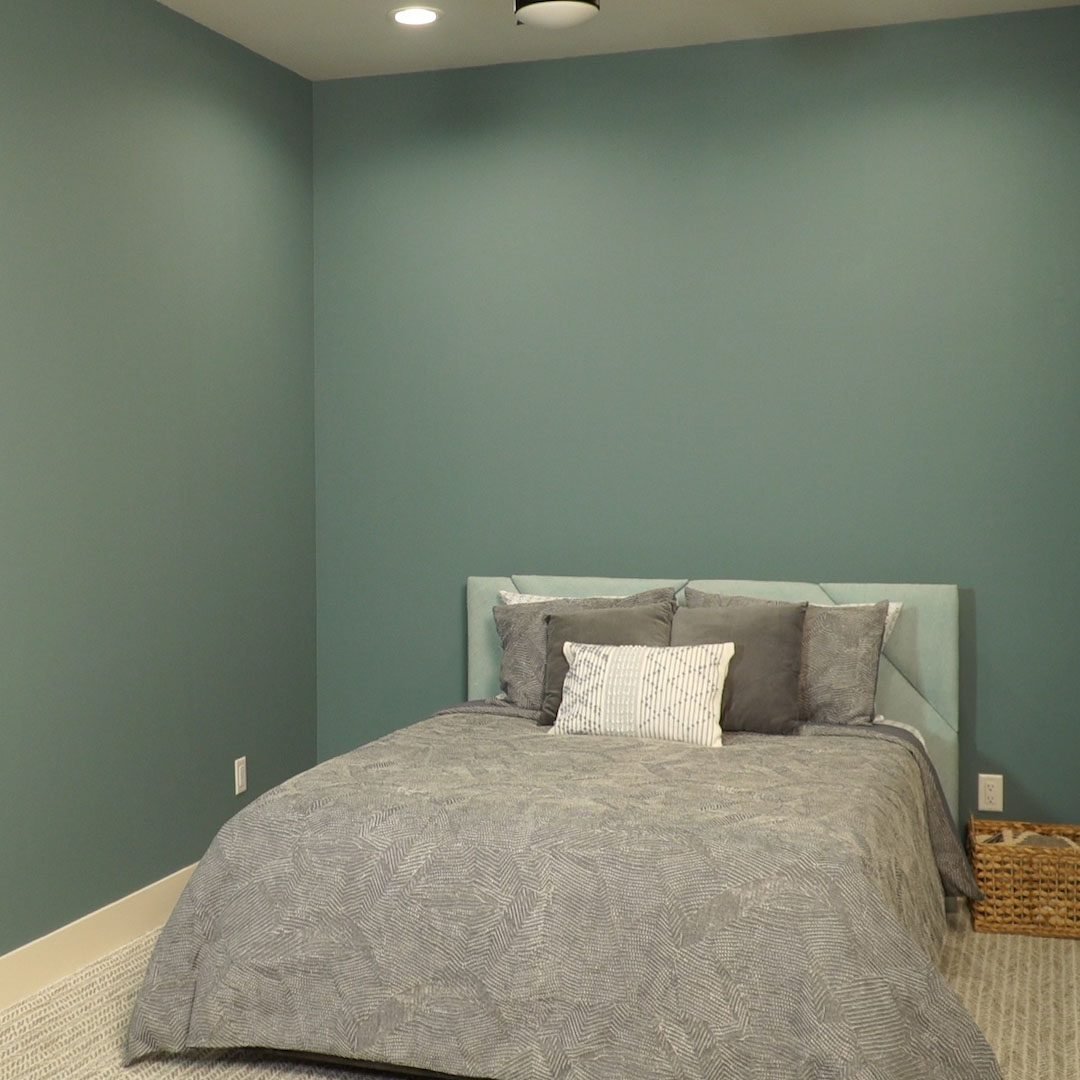
- Mood Setter: Are you aiming for a tranquil retreat? Consider cool, muted tones like soft blues, greens, or calming grays. Want something a bit cozier? Warm neutrals like creamy whites, beige, or even soft terracotta can work. Bold and dramatic? Deep navy, charcoal, or forest green can create an intimate, sophisticated vibe.
- Light & Space: Lighter colors tend to make a small bedroom feel larger and brighter, reflecting more natural light. Darker colors absorb light and can make a large room feel more intimate and cozy. Pay attention to how natural light enters your bedroom throughout the day – a color might look completely different in morning sun versus evening lamplight.
- Existing Decor: Don’t forget your furniture, bedding, and existing artwork. Your new wall color should complement these elements, not clash with them. Take fabric swatches or photos of your key pieces when you’re looking at paint samples.
- Test, Test, Test: This is crucial! Buy sample pots of your top 2-3 choices. Paint large swatches (at least 2’x2′) on different walls in your bedroom. Live with them for a few days, observing them in different lighting conditions before making a final decision.
The Right Finish Matters: Paint Sheen for Bedrooms
Once you’ve settled on a color, you need to pick a paint sheen, also known as the finish. This refers to how shiny the dried paint will be, and it affects durability, cleanability, and overall look. For bedrooms, most people lean towards lower sheens for a soft, inviting feel.

| Paint Sheen | Appearance | Durability/Cleanability | Best For Bedrooms | Beginner Tip |
|---|---|---|---|---|
| Flat/Matte | No-sheen, velvety finish. Hides imperfections well. | Least durable, harder to clean without marking. | Ideal for ceilings and low-traffic walls where a soft, non-reflective look is desired. Excellent for hiding wall flaws. | Forgiving for minor wall imperfections. |
| Eggshell | Subtle, low-sheen finish, like an eggshell. | More durable and easier to wipe clean than flat. | The most popular choice for bedroom walls. Offers a soft look with practical durability. | Great balance for most beginner painters. |
| Satin | Slightly higher sheen than eggshell, often described as pearl-like. | Very durable and highly washable. | Good for high-traffic bedrooms, kids’ rooms, or on trim and doors for contrast. | Reflects more light, so wall imperfections are more noticeable. |
| Semi-Gloss | Noticeable shine. | Very durable, excellent for cleaning. | Best for trim, doors, and window frames in a bedroom, not typically for main walls. | Highlights every flaw; best left for experienced trim painters or small surfaces. |
For your bedroom walls, I strongly recommend either flat/matte (especially for ceilings) or eggshell. They provide that soft, inviting look without drawing attention to every tiny imperfection. Save the satin and semi-gloss for trim and doors if you want a subtle contrast.
Gearing Up: Essential Tools & Supplies for Your Bedroom Painting Project
Think of your tools as your paint squad. Having the right ones makes the job infinitely easier, cleaner, and more efficient. Don’t skimp here; quality tools will yield better results and save you headaches in the long run.
| Tool/Supply | Purpose | Beginner’s Pro Tip |
|---|---|---|
| Drop Cloths (Canvas or Plastic) | Protects floors and furniture from paint drips. | Canvas drop cloths are more durable, less slippery, and reusable. Plastic is cheaper for quick jobs but tears easily. Get enough to cover ALL floor space. |
| Painter’s Tape (Blue or Green) | Creates crisp lines and protects trim, windows, and ceiling edges. | Invest in good quality tape (e.g., FrogTape or 3M Delicate Surfaces). The cheaper stuff can bleed or leave sticky residue. |
| Angled Sash Brush (1.5-2.5 inches) | For ‘cutting in’ around trim, corners, and ceilings. | A good quality angled brush is your best friend for clean lines. Don’t use a cheap flat brush for this critical task. |
| Paint Roller Frame & Covers (Nap) | Applies paint quickly and evenly to large wall surfaces. | For smooth walls, use a 3/8-inch nap roller cover. For textured walls, go with 1/2-inch. Buy extra covers! |
| Roller Extension Pole | Reach ceilings and high walls without a ladder, reducing back strain. | Absolutely essential! Saves time, effort, and ensures even coverage from floor to ceiling. |
| Paint Tray & Liners | Holds paint for your roller. | Always use liners! Makes cleanup a breeze. Buy a pack. |
| 5-Gallon Bucket & Grate (Optional, but recommended) | Holds more paint, allows for continuous rolling without constant refills. | If you’re painting more than one room or a larger bedroom, this is a game-changer for efficiency. |
| Utility Knife or Scraper | For opening paint cans, removing old caulk or stubborn tape. | Always handy for various small tasks. |
| Screwdriver & Pliers | Removing outlet/switch plates, small nail removal. | Have a basic set on hand. |
| Spackling Compound & Putty Knife | Filling nail holes and small dents. | Even if your walls look perfect, you’ll likely find a few imperfections once you start. |
| Sandpaper (Fine-grit, 120-220) | Smoothing patched areas and rough spots. | A smooth surface is key for a flawless finish. |
| Cleaning Supplies (TSP Substitute, sponges, rags) | Prepping walls for paint, general cleanup. | Paint sticks best to a clean, dust-free surface. Don’t skip this. |
| Primer (if needed) | Preps raw surfaces, blocks stains, aids adhesion, color blocking. | Not always necessary, but a lifesaver for significant color changes or stain coverage. |
| Painter’s Rags/Wipes | For quick cleanups of drips and spills. | Keep them handy! Wiping a drip immediately is far easier than scraping dried paint. |
Grab these items before you start, and you’ll be set up for success.
Prep Like a Pro: The Foundation for a Flawless Finish
Here’s a secret: painting is 90% prep and 10% actual painting. Seriously. Skimp on the prep, and your beautiful new paint job will look sloppy and won’t last. Do it right, and you’ll be amazed at the professional results you can achieve.
Clear the Space: Furniture, Decor, and Outlets
Your goal here is an empty, accessible room. Don’t underestimate this step!
- Empty the Room: Remove all small items, artwork, curtains, curtain rods, and anything hanging on the walls. Put them in another room or a central, protected area.
- Move Furniture: Ideally, move all furniture out of the room. If that’s not possible, push everything to the center of the room, away from the walls.
- Cover Up: Drape your canvas drop cloths over all furniture that remains in the room, making sure they touch the floor. Lay more drop cloths on the entire floor area you’ll be painting. Overlap them slightly to prevent gaps.
- Remove Outlet & Switch Plates: Unscrew all light switch and electrical outlet covers. Place the screws in a small plastic bag or container so you don’t lose them.
- Loosen Light Fixtures (Optional): If you have ceiling light fixtures, you can carefully loosen them and let them hang a bit to paint behind them, or just tape around them as best you can. Always turn off power at the breaker first!
Repair & Clean: Smooth Canvases Make Happy Walls
This is where you make your walls beautiful again.
- Fill Holes & Cracks: Use your spackling compound and putty knife to fill any nail holes, dings, or small cracks. Apply a small amount, smooth it flush with the wall, and let it dry completely. For deeper holes, you might need two thin applications.
- Sand Smooth: Once the spackle is dry (it usually turns white), lightly sand the patched areas with fine-grit sandpaper until they are perfectly smooth and flush with the surrounding wall. Gently feather out the edges.
- Clean the Walls: This step is vital! Dust, grime, and oils from hands can prevent paint from adhering properly. Mix a small amount of TSP substitute (or mild detergent) with water. Use a clean sponge or rag to wipe down all walls, starting from the top and working your way down. Pay extra attention to greasy spots or high-traffic areas. Rinse with clean water and let the walls dry completely. This can take a few hours, so plan accordingly.
Tape It Up: The Art of Protecting Edges
Crisp lines make a painting job look professional. This is where painter’s tape shines.
- Tape Off Trim: Carefully apply painter’s tape along the top edge of your baseboards, window frames, door frames, and any other trim you don’t want to get paint on. Press down firmly with your fingers or a putty knife to ensure a good seal and prevent paint bleed.
- Tape Off Ceilings: If you’re not painting the ceiling the same color as the walls, tape along the ceiling line where it meets the walls.
- Cover Electrical Boxes: Tape over the exposed electrical box openings where the switch plates were, to prevent paint from getting inside.
Prime Time (or Not): When to Use Primer
Primer isn’t always necessary, but it’s a critical step in certain situations. It acts as a bonding agent, helps cover old colors, and blocks stains.
- You NEED Primer If:
- You’re painting over a very dark color with a much lighter one.
- You’re painting bare drywall or newly patched areas.
- There are significant stains (water, smoke, grease) on the walls.
- You’re using a specialty paint, like an oil-based paint over latex.
- You Can Skip Primer If:
- You’re painting over a similar color and the existing paint is in good condition.
- You’re using a “paint-and-primer-in-one” product (though these are often best for slight color changes, not dramatic ones).
If in doubt, a coat of primer won’t hurt and can greatly improve your final result. Apply primer just like you would paint, letting it dry completely according to manufacturer instructions.
Let’s Get Painting! Your Step-by-Step Application Guide
The moment you’ve been waiting for! With all that meticulous prep work done, the actual painting can be surprisingly fast and satisfying. Here’s the most effective order to paint your bedroom:
The Ceiling First: Tackling the Top
Always start with the ceiling. This way, any drips or splatters will fall onto the unpainted walls or covered floor, making cleanup easier.
- Cut In the Ceiling: Using your angled sash brush, carefully paint a narrow strip (about 2-3 inches wide) around the perimeter of the ceiling where it meets the walls. This is called ‘cutting in.’ Use smooth, steady strokes.
- Roll the Ceiling: Attach a clean roller cover to your roller frame and extension pole. Pour paint into your paint tray or 5-gallon bucket with a grate. Load the roller by dipping it into the paint and rolling it back and forth on the ramp/grate to remove excess. Roll the ceiling in small sections (about 4×4 feet) using a ‘W’ or ‘M’ pattern, overlapping each stroke slightly to ensure even coverage. Work quickly to maintain a wet edge.
- Apply Second Coat (if needed): Allow the first coat to dry completely (check paint can for times, usually 2-4 hours) before applying a second coat.
Mastering the Walls: Cutting In & Rolling
Now for the main event – your bedroom walls!

- Cut In the Walls: With your angled sash brush, cut in along the ceiling line (if you didn’t tape it off, this is where a steady hand comes in!), around doors, windows, and along the baseboards. Also, cut in around the electrical boxes. Aim for a straight, clean line. Don’t overload your brush; wipe excess on the edge of the paint can.
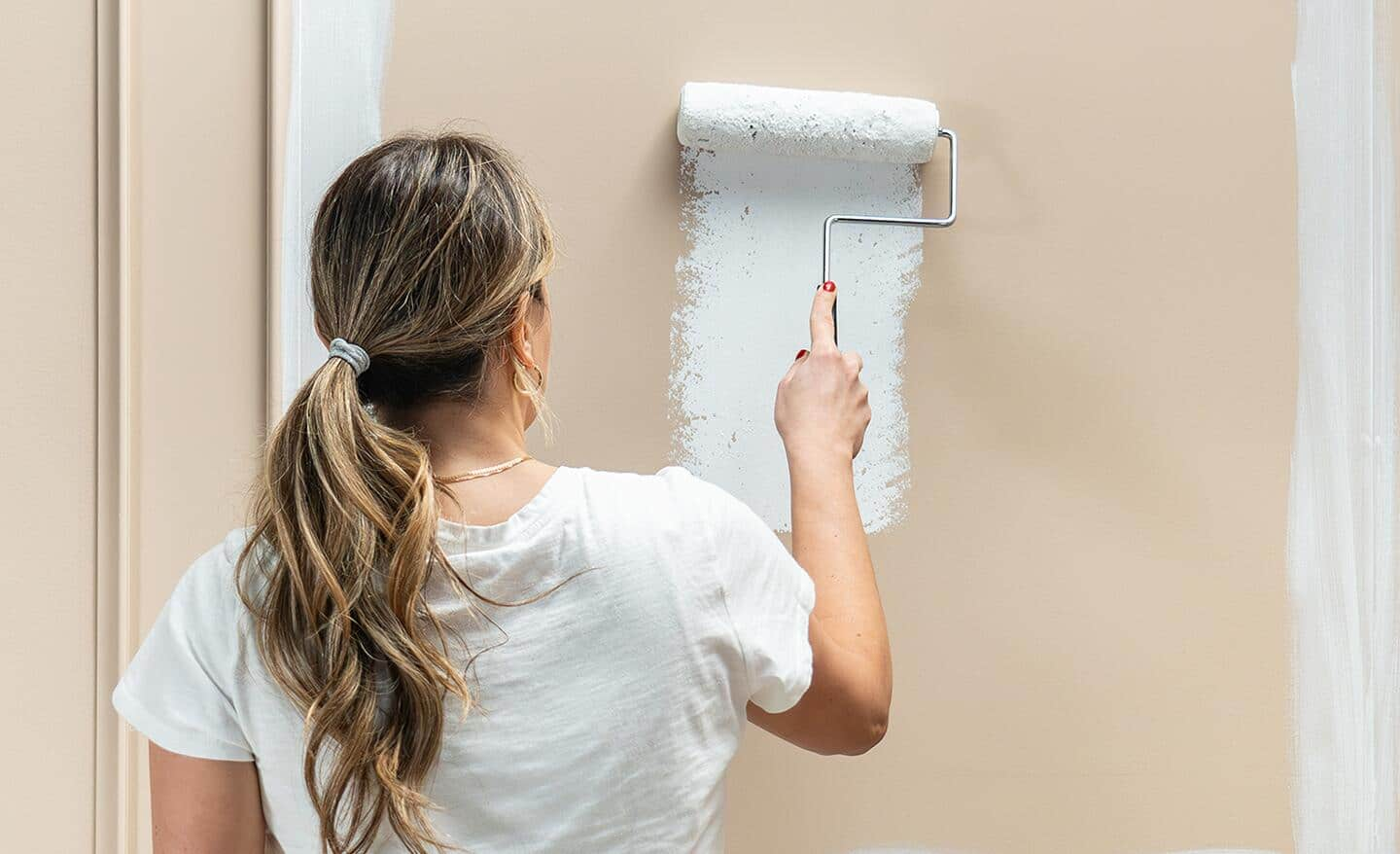
- Roll the Walls: Using your roller and extension pole, load the roller with paint. Just like the ceiling, work in small sections using a ‘W’ or ‘M’ pattern. Roll from the ceiling down to the baseboard, then back up. Don’t press too hard; let the roller do the work. Overlap each pass by about half the roller’s width to eliminate roller marks.
- Maintain a Wet Edge: This is key to avoiding lap lines (visible lines where dried paint meets wet paint). Always work from one wall to the next, keeping the edge of your painted area wet. If you stop for a break, finish the wall you’re on, or at least a corner, before taking a pause.
- Apply Second Coat: After the first coat has dried completely (again, check your paint can!), apply a second coat using the same cutting-in and rolling technique. Two thin coats almost always look better and are more durable than one thick coat.
Trim, Doors, and Windows: The Finer Details
Once your walls are fully dry (give them at least 24 hours, even if they feel dry to the touch), you can paint the trim, doors, and window frames. This is usually done with a higher sheen paint (like satin or semi-gloss) for durability and contrast.
- Clean & Prep Trim: Ensure trim is clean and free of dust. If necessary, lightly sand any rough spots and wipe clean.
- Tape Off Walls: Now, you’ll apply painter’s tape to the freshly painted walls, right against the edge of the trim. This protects your new wall color.
- Paint Trim: Use your angled sash brush. Dip the brush about a third of the way into the paint, tap off excess, and apply smooth, even strokes along the trim. Work in small sections.
- Paint Doors/Windows: For doors, paint recessed panels first, then horizontal stiles, then vertical stiles. For windows, paint the inner frame first, then the outer frame, working from top to bottom.
- Apply Second Coat: Allow the first coat to dry completely before applying a second coat.
Common Beginner Mistakes and How to Avoid Them
Even with a great guide, it’s easy to make small errors. Knowing what to look out for can save you a lot of frustration:
- Skipping Prep Work: As I stressed, this is the biggest mistake! Not cleaning, patching, or taping properly leads to peeling paint, messy lines, and a less-than-professional finish. Take your time with prep.
- Overloading Your Brush/Roller: Too much paint means drips, runs, and uneven coverage. Load brushes about a third of the way, and roll off excess on a paint tray or grate.
- Not Using Enough Paint: Conversely, too little paint leads to streaking and transparent spots. Load your tools adequately and apply consistent pressure.
- Not Using an Extension Pole: This causes back strain, uneven rolling, and missed spots, especially near the ceiling. It’s a small investment for a huge payoff.
- Rushing the Drying Time: Painting a second coat or removing tape too soon can pull up paint or create smudges. Always adhere to the manufacturer’s recommended drying times.
- Poor Lighting: Painting in a dimly lit room makes it hard to see drips, missed spots, and uneven coverage. Use strong temporary work lights if natural light is insufficient.
- Removing Tape Too Late: If you wait until the paint is fully cured (days later), the tape can pull off dried paint, leaving ragged edges. The sweet spot is usually when the paint is dry to the touch but not fully cured – often within an hour or two of the last coat. Pull the tape at a 45-degree angle slowly.
Clean Up & Reveal: Enjoy Your New Bedroom!
You’re almost there! Proper cleanup ensures your tools last and your new bedroom shines.
- Remove Painter’s Tape: As mentioned, ideally remove tape when the paint is dry to the touch but still slightly flexible (usually within 1-2 hours of the last coat). Pull at a 45-degree angle slowly, away from the freshly painted surface. If the paint is completely dry, use a utility knife to lightly score the edge of the tape before pulling to prevent paint from tearing.
- Clean Tools:
- Brushes: Scrape off excess paint, then wash thoroughly with warm, soapy water (for latex paint) until the water runs clear. Hang them to dry or store them flat.
- Rollers: Scrape off as much paint as possible. For latex paint, rinse thoroughly under running water until clean. Squeeze out excess water and stand them upright to dry.
- Paint Trays/Buckets: If using liners, simply discard them. Clean reusable trays/buckets with soap and water.
- Store Leftover Paint: Seal paint cans tightly. If you hear air, tap the lid with a rubber mallet. Store cans upside down for a better seal in a cool, dry place. Label them with the room and date.
- Dispose of Waste: Roll up drop cloths. Properly dispose of paint-soaked rags and plastic according to local regulations.
- Return Furniture: Once all paint is completely dry and cured (this can take 24-72 hours, depending on humidity and paint type), you can carefully move furniture back into place and rehang your decor.
Painting Your Bedroom: A Quick Cost & Time Estimate for Beginners
Curious what you’re getting yourself into? Here’s a general idea for a standard 10×12 foot bedroom:
- Cost:
- Paint: Expect to spend $30-$60 per gallon for good quality latex paint. A 10×12 bedroom typically needs 2 gallons for two coats of walls, plus maybe a quart for trim and a gallon for primer if needed. (~$100-$200)
- Supplies: Brushes, rollers, tape, drop cloths, spackle, sandpaper, cleaning supplies. (~$50-$100)
- Total Estimated Cost: $150 – $300 (significantly less than professional painters who might charge $500-$1000+ for the same room).
- Time:
- Prep Work (Clearing, Repairing, Cleaning, Taping): 4-8 hours (don’t rush this!).
- Priming (if needed): 2-3 hours (including drying time).
- First Coat (Walls & Ceiling): 3-5 hours.
- Second Coat (Walls & Ceiling): 3-5 hours (after drying).
- Trim/Doors: 2-4 hours.
- Cleanup: 1-2 hours.
- Total Estimated Time: 15-27 hours. This is spread over 2-3 days, allowing for drying times.
Remember, these are estimates. Your actual time and cost may vary depending on the size of your room, existing wall condition, and how quickly you work.
Final Thoughts: You Did It!
Painting your bedroom as a beginner might seem like a monumental task, but by breaking it down into these manageable steps, you’ve equipped yourself with the knowledge to succeed. From choosing the perfect calming hue to the satisfying final cleanup, you’re now ready to transform your space. Embrace the process, be patient with yourself, and enjoy the incredible satisfaction of creating a beautiful, personalized bedroom with your own two hands. Happy painting!
”