The Definitive Guide: Best Paint Colors for Rooms with No Windows (And How to Make Them Shine!)
Staring at a windowless room can feel like a design dead end. No natural light, often a feeling of claustrophobia, and the immediate question: “What color do I even paint this box?” Trust me, I get it. But here’s the secret: a room without windows isn’t a design limitation; it’s a unique opportunity to create a space that feels intentional, cozy, and even expansive, purely through the power of paint and strategic lighting.
Forget the gloom and the dark corners. By understanding how artificial light interacts with specific hues and finishes, you can transform that enclosed space into a jewel box, a calming retreat, or a vibrant, energetic hub. This isn’t just about slapping on a light color; it’s about crafting an atmosphere. So, let’s dive into the best paint colors and the essential strategies to make your windowless room not just livable, but truly shine.
The Core Challenge: Understanding Windowless Spaces
Before we pick up a brush, let’s acknowledge the elephant in the room: the absence of natural light. Sunlight, with its ever-changing warmth and direction, is a designer’s most versatile tool. It casts shadows, highlights textures, and makes colors dance throughout the day. Without it, your room relies entirely on artificial sources, which means you’re in control – and that’s a good thing!
Why natural light matters: It offers visual clarity, boosts mood, and makes colors appear true to their swatch. Without it, colors can look dull, muddy, or entirely different from what you expected. This is why testing paint samples in your specific windowless room with *your artificial lighting is non-negotiable.
The psychological impact of its absence: For many, a windowless room can evoke feelings of confinement or melancholy. Our goal with paint is to counteract this, creating a sense of openness, comfort, or even luxurious intimacy. It’s about designing for how you want to feel* in that space.
How artificial light becomes your best friend: In a windowless room, artificial lighting isn’t just functional; it’s foundational. It dictates how paint colors appear, influences mood, and sculpts the perceived size of the space. Think of your light fixtures as your new ‘windows’ – they’re your primary source of illumination and ambiance, and they work hand-in-hand with your chosen paint color to define the room’s character.
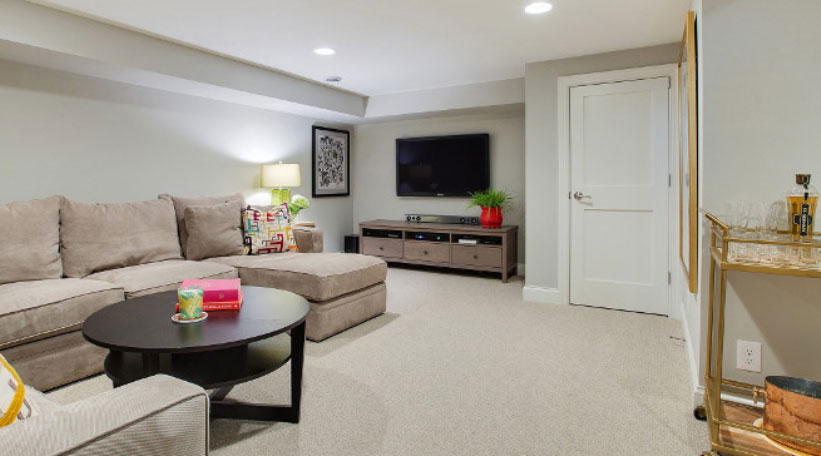
Top Paint Color Strategies for Windowless Rooms
There are two primary approaches to painting a room with no windows, and both can be incredibly successful depending on your desired outcome and the room’s function.
Strategy 1: Embrace the Light (and Fake It!) – Reflective & Bright
This is the most common and often intuitive approach: choose colors that help mimic the effects of natural light. These hues aim to make the room feel larger, airier, and more open by reflecting the artificial light you introduce.
Warm Whites & Off-Whites
These are your go-to for maximizing brightness. They aren’t stark hospital whites but rather inviting shades with subtle yellow, beige, or gray undertones that prevent them from feeling cold or sterile.
- Why they work: They are highly reflective, bouncing artificial light around the room, making it feel more expansive and brighter. They create an illusion of airiness and cleanliness.
- Best for: General spaces, small rooms, minimalist aesthetics, bathrooms, hallways, or any area where you want a clean, fresh, and open feel.
- Specific examples (often with warm undertones):
- Benjamin Moore White Dove OC-17: A perennial favorite, this soft, warm white has a touch of gray, making it incredibly versatile without feeling stark.
- Sherwin-Williams Alabaster SW 7008: A very popular creamy, warm white that feels soft and inviting. It’s a fantastic choice for creating a cozy, light-filled atmosphere.
- Benjamin Moore Swiss Coffee OC-45: A slightly richer off-white with creamy, almost yellow undertones, perfect for warmth without being overtly yellow.
- Sherwin-Williams Creamy SW 7012: As the name suggests, a beautiful warm, creamy off-white that adds a lovely softness.
Light Grays (Warm Undertones)
If pure white feels too stark, a light gray with warm undertones offers sophistication and depth while still maintaining brightness. Avoid grays with strong blue undertones, which can feel cold without natural light.
- Why they work: They provide a sophisticated neutral backdrop, offering more visual interest than white but still reflecting light effectively. The warm undertones prevent the room from feeling flat or dingy.
- Best for: Modern spaces, home offices, basements, or rooms where you want a refined, calming, yet bright ambiance.
- Specific examples:
- Sherwin-Williams Agreeable Gray SW 7029: A ‘greige’ (gray + beige) that leans warm, making it incredibly popular and versatile. It shifts beautifully in artificial light.
- Benjamin Moore Revere Pewter HC-172: Another excellent greige, slightly deeper than Agreeable Gray, with warm undertones that prevent it from feeling cold.
Pale Pastels (Subtle Hues)
Don’t be afraid of color! Pale, desaturated pastels can introduce a gentle hue without overwhelming the space, adding personality and cheerfulness.
- Why they work: They add a touch of inviting color without sacrificing reflectivity. They can evoke specific moods – calm with pale blues/greens, cheerful with soft yellows, romantic with muted lavenders/pinks.
- Best for: Children’s rooms, creative spaces, powder rooms, or any room where you want to infuse a soft, uplifting atmosphere.
- Specific examples:
- Very pale sky blues: Think a whisper of blue, not a bold statement. These can evoke a sense of open sky.
- Soft sage greens or mint: Earthy and calming, promoting relaxation.
- Gentle buttercreams or pale yellows: Naturally warm and uplifting, mimicking sunlight. (Sherwin-Williams likes yellow-tinted paints for reflection).
- Muted lavenders or dusky pinks: Create a soothing, slightly sophisticated, and inviting ambiance.
Strategy 2: Go Bold and Embrace the Cozy – Deep & Dramatic
This is the less obvious, but often most stunning, approach. Instead of fighting the lack of light, you embrace it, turning the windowless room into an intentional, intimate, and luxurious haven. Think of it as creating a jewel box, a sophisticated den, or a truly enveloping space.
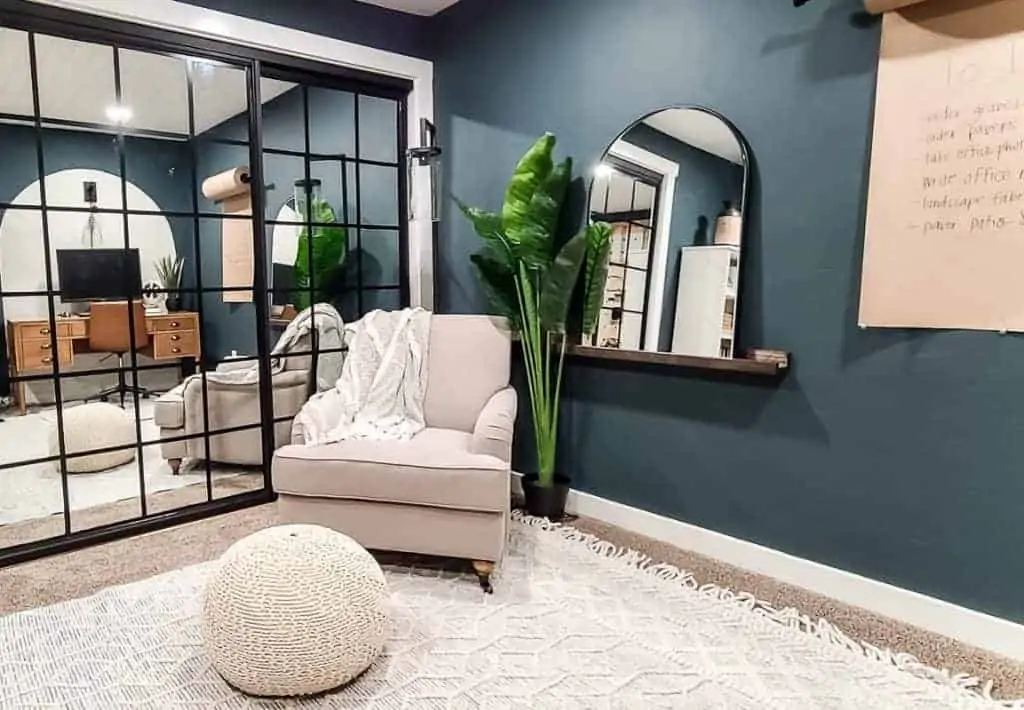
- Why this works: Dark, saturated colors absorb light, yes, but when paired with thoughtful lighting, they create a dramatic, cozy, and sophisticated atmosphere. It removes the pressure to make the room ‘bright’ and instead leans into its unique qualities. It can make a small room feel intentional and luxurious rather than cramped.
- Considerations: This strategy absolutely requires excellent, layered artificial lighting to prevent the room from feeling like a cave. You’ll need ambient, task, and accent lighting to define areas and add warmth. It’s not for every room; consider the room’s function and your personal aesthetic.
- Examples:
- Deep Blues (Navy, Teal): Evoke a sense of calm, sophistication, and depth. Excellent for offices or cozy dens.
- Rich Greens (Emerald, Forest Green): Grounding and luxurious, bringing a touch of nature indoors.
- Charcoal Grays or Black: Ultra-modern and dramatic, incredibly chic when done right.
- Deep Terracotta or Plum: Warm, earthy, and enveloping, creating a rich, welcoming vibe.
The Power of Undertones: Making or Breaking Your Room
This is where many DIY painters go wrong, especially in windowless rooms. Undertones are the subtle colors beneath the dominant hue that reveal themselves depending on the light. They are crucial in a windowless room because without natural light to balance them out, a wrong undertone can make your chosen color look drastically different – and often less appealing – than you intended.
What are undertones? Think of a gray paint. It might have a blue undertone, a green undertone, or a purple undertone. A white paint might have a yellow, pink, or gray undertone. These subtle hints will become more pronounced in a windowless room with artificial light.
Importance in windowless rooms: Without the full spectrum of natural light, artificial light can emphasize certain undertones. Cool undertones (blue, purple) can make a windowless room feel cold, sterile, or even dingy. Warm undertones (yellow, red, orange) tend to make the room feel cozier and more inviting.
How to identify undertones:
- Compare it: Hold your paint swatch next to a pure, true color (e.g., a pure white, a true gray, or a primary color). The subtle leanings of your swatch will become more apparent.
- Look at the darkest shade: Often, the darkest shade on a paint strip will reveal the underlying pigment, making it easier to spot the undertone.
- Swatching is key: The best way is to paint large swatches directly on your walls (or on large poster boards) and observe them over several days with all your planned artificial lighting on.
Pro Tip: If in doubt, lean towards warm undertones for most windowless rooms you want to feel inviting. If you’re going for a bold, dramatic look, cool undertones can work, but you’ll need to balance them with plenty of warm-toned lighting.
Beyond Color: Crucial Factors for Windowless Room Success
Paint color is just one piece of the puzzle. To truly transform a windowless space, you need to consider how other elements interact with your chosen hue.
The Right Sheen Matters
Paint sheen, or finish, dramatically impacts how light reflects off your walls. In a windowless room, this is a secret weapon.
- Flat/Matte: Absorbs light, creating a rich, velvety depth of color. Good for hiding imperfections, but not ideal for maximizing light reflection. Best for very dark, dramatic rooms where you want the color to feel deep and immersive.
- Eggshell/Satin: These are your sweet spot for most windowless rooms. They offer a subtle glow and are moderately reflective, bouncing light around without being overly glossy. They’re also more durable and washable than flat finishes.
- Semi-Gloss/High-Gloss: Highly reflective, almost mirror-like. Can make a room feel larger and brighter, but also highlights every wall imperfection. Best used on trim, doors, or ceilings for a subtle pop of reflectivity. Can be overwhelming on all walls in a small space.
Recommendation: Opt for eggshell or satin on walls to balance reflectivity with a soft appearance. Use semi-gloss on trim and doors to add another layer of light bounce and definition.
Artificial Lighting: Your True North
I cannot stress this enough: lighting is paramount in a windowless room. It replaces the sun, so you need to be intentional and layered in your approach.
- Layers of light:
- Ambient (General) Lighting: Provides overall illumination. Think flush mounts, recessed lighting, or a central ceiling fixture. This is your base layer.
- Task Lighting: Illuminates specific work areas. Desk lamps, vanity lights, reading lamps. Crucial for function.
- Accent Lighting: Highlights architectural features, artwork, or adds mood. Picture lights, wall sconces, uplights. This adds depth and interest.
- Color temperature (warm vs. cool bulbs): This is critical. Without natural light, cool-toned bulbs (5000K-6500K, daylight) can make a room feel harsh and sterile. Opt for warm-toned bulbs (2700K-3000K, soft white/warm white) to create an inviting, cozy atmosphere that brings out the best in your paint colors. Dimmers are also your best friend for flexibility.
- Importance of sufficient wattage: Don’t under-light your room. A well-lit windowless room needs more lumens than a room with natural light. Consider LED bulbs for energy efficiency and brightness.
Strategic Decor and Reflective Surfaces
Once your paint is chosen and your lighting is sorted, other design elements can amplify the effect.
- Mirrors (large, strategically placed): The oldest trick in the book. A large mirror can mimic a window, reflecting light and creating an illusion of depth and space. Place it opposite your main light source if possible.
- Metallic accents: Gold, silver, chrome, or brass decor (frames, lamps, vases) will catch and reflect light, adding sparkle and dimension.
- Glossy furniture: Furniture with a lacquered or polished finish can act like small mirrors, subtly bouncing light around.
- Light-colored textiles: Opt for light-colored rugs, upholstery, and accessories. These will absorb less light and contribute to the overall brightness and airiness.
Room-Specific Recommendations for Windowless Spaces
The best paint color often depends on the room’s function and the mood you want to evoke.
Windowless Bathrooms & Powder Rooms
These are perhaps the most common windowless rooms. Here, cleanliness and hygiene are key, but you also want a pleasant, inviting space.

- Bright, clean whites or off-whites: To make the small space feel sanitary and open. Think Benjamin Moore White Dove or Sherwin-Williams Alabaster.
- Spa-like blues or greens: Very pale, desaturated shades can create a calming, refreshing oasis.
- Bold drama: A powder room is an excellent place to experiment with a deep navy, charcoal, or rich emerald for a sophisticated, jewel-box effect. Just ensure ample vanity lighting.
Windowless Home Offices
Productivity, focus, and minimizing distractions are often the goals here.
- Calming neutrals: Light grays (like Sherwin-Williams Agreeable Gray) or warm off-whites promote concentration without feeling stark.
- Stimulating soft colors: A very pale sage green or a gentle blue can inspire creativity and reduce stress.
- Intentional dark tones: A deep forest green or a charcoal gray can create a sophisticated, masculine, and focused environment, perfect for deep work. Pair with excellent task lighting.
Windowless Hallways & Entryways
These spaces often feel like tunnels. Your goal is to create flow and a welcoming first impression.
- Light and bright: Warm whites, very light grays, or pale beige are ideal. They prevent the hallway from feeling like a dark corridor and enhance the sense of continuity into other rooms.
- High sheen: Consider an eggshell or satin finish to maximize light reflection in these often narrow spaces.
Windowless Bedrooms (or Basements)
These rooms are all about rest, comfort, and creating a sanctuary.
- Warm, enveloping colors: Soft, creamy off-whites, light taupes, or very gentle muted pastels (like a dusty rose or pale lavender) create a serene and cozy atmosphere.
- Deep, cozy hues: Don’t shy away from a deep blue or rich green if you want to create a truly enveloping, cave-like sleep sanctuary. Just be mindful of lighting for waking hours. In a basement, this can define a distinct ‘zone’.
The Golden Rule: Always Test Your Paint Colors!
I simply cannot emphasize this enough: DO NOT choose a paint color based solely on a small swatch or an online image. Paint color is a chameleon, and it will look different in your specific windowless room than anywhere else.
Why swatching is non-negotiable:
- Artificial light effect: Your light bulbs (and their color temperature) will profoundly impact how a color appears.
- Undertone revelation: What looks like a perfect neutral on a card might pull a surprising undertone on your wall.
- Existing elements: Your flooring, furniture, and fixed elements will interact with the paint color.
How to test effectively:

- Buy samples: Get sample pots of 3-5 colors you’re considering.
- Paint large swatches: Apply two coats of each color onto large sections (at least 2’x2′) of the walls. Better yet, paint them on large poster boards you can move around.
- Observe at different times: Look at the swatches throughout the day and night with all your planned artificial lighting (on and off) to see how the color truly behaves.
- Consider existing elements: Hold swatches next to your flooring, furniture, and any permanent fixtures.
Comparative Table: Best Paint Colors for Windowless Rooms
| Color Family | Mood Created | Reflectivity | Best Sheen | Best For Room Type | Pros | Cons |
|---|---|---|---|---|---|---|
| Warm Whites & Off-Whites | Open, Clean, Airy, Cozy | High | Eggshell / Satin | Bathrooms, Hallways, Small Rooms, Minimalist Spaces | Maximizes light, feels expansive, versatile, timeless | Can feel stark if too cool, shows dirt easily, lacks bold personality |
| Light Grays (Warm Undertones) | Sophisticated, Calm, Modern, Serene | Medium-High | Eggshell / Satin | Offices, Basements, Contemporary Living Areas | Offers depth over white, neutral base, hides imperfections better | Can look flat or cold if wrong undertone, needs careful lighting |
| Pale Pastels (Warm/Muted) | Uplifting, Playful, Relaxing, Soft | Medium | Eggshell | Children’s Rooms, Powder Rooms, Creative Studios | Adds personality without overwhelming, gentle color therapy | Can look saccharine if too bright, may appear dull without enough light |
| Deep & Dramatic Hues | Cozy, Intimate, Luxurious, Sophisticated | Low | Matte / Eggshell | Bedrooms, Dens, Home Theaters, Powder Rooms | Creates intentional mood, unique, bold design statement | Requires significant artificial lighting, can feel oppressive if poorly executed, makes room appear smaller |
Conclusion: Transforming Your Windowless Space
A room without windows is not a design problem; it’s a design opportunity. By understanding the interplay of color, undertones, sheen, and crucially, artificial lighting, you can turn a challenging space into your favorite room in the house. Whether you lean into brightness with a warm off-white or embrace the drama with a deep, moody hue, the key is intentionality.
Remember to prioritize warmth, test your colors rigorously, and invest in layered lighting. With these strategies, you won’t just be painting a wall; you’ll be crafting an experience, making your windowless room feel not just complete, but truly magnificent.
Frequently Asked Questions
What is the single best paint color for a room with no windows?
There isn’t one ‘single best’ color, as it depends on the desired mood and room function. However, warm whites and off-whites (like Benjamin Moore White Dove or Sherwin-Williams Alabaster) are universally excellent choices. They maximize light reflection, make a room feel more expansive, and create a clean, inviting atmosphere. The key is to choose one with warm undertones to avoid a stark or cold feel.
Should I use light or dark colors in a windowless room?
You can use both successfully! Light colors (warm whites, light grays, pale pastels) are best for making the room feel brighter, larger, and more open by reflecting artificial light. Dark, saturated colors (navy, charcoal, emerald) can also work beautifully if you embrace the lack of windows to create a cozy, intimate, and luxurious ‘jewel box’ effect. The crucial factor for dark colors is having excellent, layered artificial lighting to prevent it from feeling like a cave.
How important is artificial lighting when painting a windowless room?
Artificial lighting is paramount and non-negotiable in a windowless room. It dictates how your chosen paint color will appear, influences the mood, and affects the perceived size of the space. You need layered lighting (ambient, task, accent) and it’s highly recommended to use warm-toned bulbs (2700K-3000K) to create a welcoming atmosphere and bring out the best in your paint colors.
What kind of paint sheen is best for a room without windows?
For most windowless rooms, an eggshell or satin finish on the walls is ideal. These sheens offer a subtle glow and are moderately reflective, bouncing light around without being overly glossy. They also tend to be more durable than flat finishes. For trim and doors, a semi-gloss can add extra reflectivity and definition.
Can I use bold or dark colors in a small windowless bathroom?
Absolutely! A small windowless bathroom or powder room is often the perfect place to experiment with a bold or dark color. Since it’s a transient space, you can create a dramatic, sophisticated ‘jewel box’ effect. Just be sure to pair it with ample, warm-toned vanity and overhead lighting to ensure functionality and prevent it from feeling too gloomy.
Why do you recommend testing paint samples directly on the wall?
Testing paint samples directly on your walls (or large poster boards) in the actual room is critical because paint colors are chameleons. The artificial lighting in *your* windowless room, its unique undertones, and any existing elements (flooring, furniture) will drastically change how a color appears compared to a small swatch or online image. Always observe the swatches at different times of day with your planned lighting.