How Often Should You Paint Interior Walls? The Definitive Room-by-Room Guide
Ah, the age-old question that plagues every homeowner: “How often should I paint these walls?” It feels like you just finished, and suddenly those pristine surfaces are showing their age. You’re not alone. It’s a common dilemma, and frankly, there’s no single, one-size-fits-all answer. Why? Because your home isn’t a museum; it’s a living, breathing space that gets, well, lived in.
From the daily chaos of a bustling kitchen to the serene calm of a rarely-used guest room, each space experiences different levels of wear and tear. So, if you’re wondering whether it’s time to pick up a brush or call in the pros, you’ve come to the right place. We’re going to break down the real factors at play, giving you a clear, room-by-room roadmap to keeping your interiors looking their best.
The Quick Answer: General Guidelines for Interior Paint Lifespan
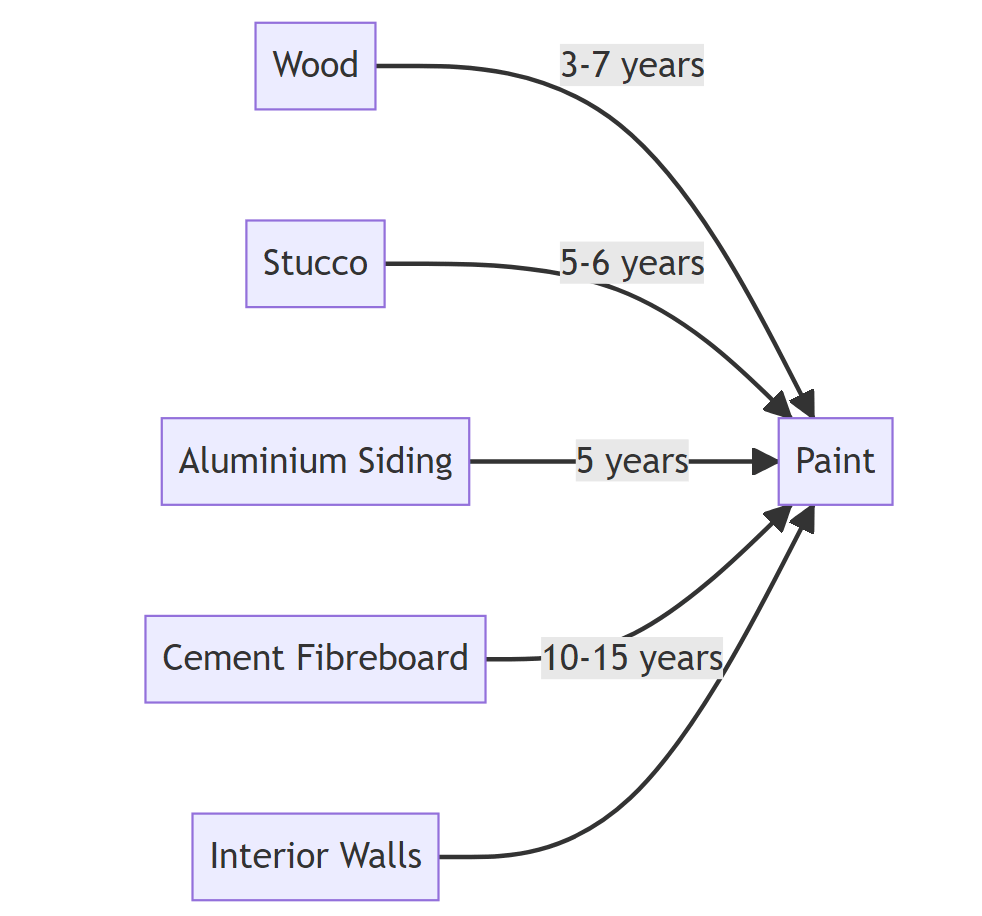
Let’s cut to the chase. While the specific answer depends on a multitude of factors (which we’ll dive into shortly), a good general rule of thumb for interior walls is to consider repainting every 3 to 10 years. That’s a pretty wide range, right? It just goes to show how much your lifestyle, the quality of your previous paint job, and the specific use of each room can influence the timeline.
Think of it like this: your car needs oil changes more frequently than it needs new tires. Similarly, your bathroom walls will likely demand attention sooner than your seldom-used formal dining room. The key variables we’re looking at are traffic levels, moisture exposure, paint quality, and simply your personal aesthetic preferences.
Room-by-Room Breakdown: Specific Painting Schedules
To give you a more precise idea, let’s go through your home, room by room, and discuss what typically influences their painting frequency.

| Room Type | Recommended Painting Frequency | Key Reasons for Frequency |
|---|---|---|
| Kitchens | Every 2-4 years | Grease, food splatters, high humidity, frequent cleaning, wear from daily use. |
| Bathrooms | Every 2-4 years | High humidity, steam, potential for mildew, water splashes, frequent cleaning. |
| Hallways & Entryways | Every 2-4 years | High traffic, scuffs, dirt, constant contact from hands/items, fading from natural light. |
| Children’s Bedrooms/Playrooms | Every 2-3 years | High potential for marks, scuffs, creative expressions, rapid changes in style/preference. |
| Laundry Rooms | Every 3-5 years | Humidity, potential for chemical splatters, some traffic. |
| Living Rooms & Dining Rooms | Every 4-6 years | Moderate traffic, general wear, fading from light, decor changes, entertaining. |
| Master Bedrooms | Every 5-7 years | Low to moderate traffic, less wear, more about personal preference, style updates. |
| Guest Bedrooms | Every 7-10+ years | Minimal use, low wear and tear, updates typically driven by major decor changes. |
| Home Offices | Every 5-8 years | Moderate use but typically lower impact, fading, aesthetic updates. |
| Closets & Pantries | Every 10+ years (as needed) | Very low traffic, usually only painted if damaged or during major renovations. |
High-Traffic & High-Moisture Zones (Every 2-4 Years)
These are the workhorses of your home. They see the most action, the most spills, the most humidity, and the most little hands (or paws!).
- Kitchens: Think about all the cooking, cleaning, and eating that happens here. Grease, food splatters, steam from boiling water – it all takes a toll. Plus, kitchens are often focal points for entertaining, so keeping them fresh is key.
- Bathrooms: The enemy here is moisture. Steam from showers can lead to peeling paint, mildew growth, and general degradation. Proper ventilation helps, but a fresh coat every few years helps protect your walls from this constant assault.
- Hallways & Entryways: These are your home’s highways. Every person, pet, and piece of furniture passing through leaves its mark. Scuffs, dings, handprints – they accumulate quickly.
- Kids’ Bedrooms/Playrooms: If you have children, you know. Markers, crayons, sticky fingers, bumps from toys, and general rambunctiousness mean these rooms need more frequent refreshes, both for aesthetics and hygiene.
- Laundry Rooms: Another zone prone to humidity, along with potential for detergent splatters and general wear from appliances.
Moderate-Traffic Areas (Every 4-6 Years)
These rooms are used regularly but don’t face the same constant assault as the high-traffic zones.
- Living Rooms: While you spend a lot of time here, interaction with the walls is generally less direct. Fading from sunlight, general dust, and perhaps a few scuffs from rearranging furniture are the main culprits. It’s also a prime spot for updating to match new decor trends.
- Dining Rooms: Similar to living rooms, dining areas see moderate use. The need for repainting often aligns with wanting to update the ambiance or hide the occasional scuff from chairs.
- Master Bedrooms: Your personal sanctuary. While you’re in here daily, direct contact with the walls is minimal. Repainting often comes down to personal preference, wanting a refresh, or simply keeping up with your evolving style.
Low-Traffic & Seldom-Used Spaces (Every 5-10+ Years)
These rooms can often go a decade or more without needing a fresh coat, assuming they’re well-maintained and don’t suffer specific damage.
- Guest Bedrooms: If they’re primarily used for occasional overnight visitors, these walls experience very little wear.
- Home Offices: A quiet, controlled environment usually means less wear and tear. Unless it’s a high-energy creative space, you can stretch the timeline.
- Closets/Pantries: These interior spaces rarely see direct contact or harsh conditions. Repainting usually only happens during a major renovation or if specific damage occurs.
Beyond the Calendar: Key Signs Your Walls Need Repainting
While the calendar provides a good starting point, your walls often tell you when they need attention, regardless of how many years have passed. Listen to them!
Visible Wear and Tear
These are the most obvious indicators that your paint is past its prime:
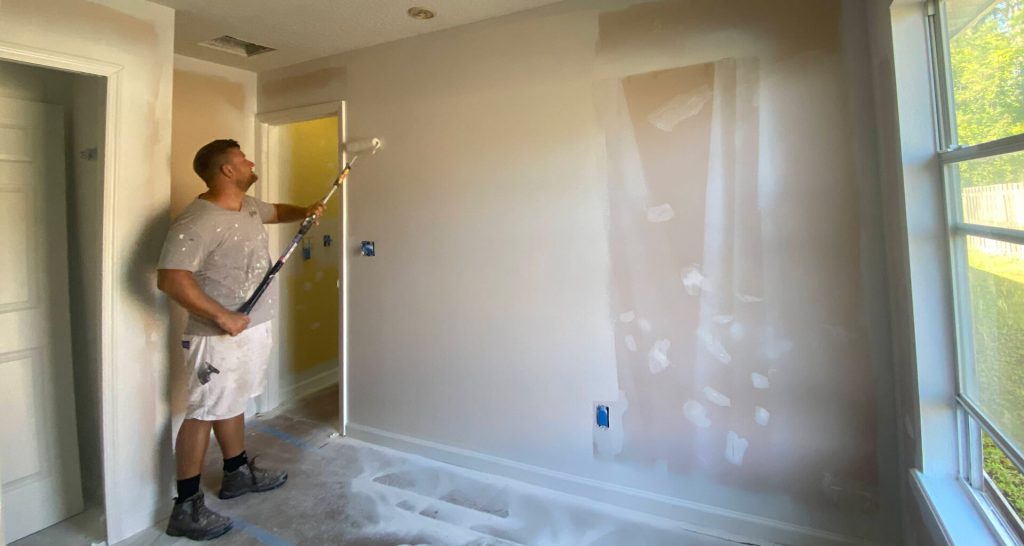
- Scuffs, Scratches, Chips, and Dings: The cumulative effect of everyday life. Furniture moving, kids playing, pets rubbing – it all adds up. If touch-ups no longer blend seamlessly, it’s time for a full repaint.
- Fading or Discolored Spots: Sunlight exposure, especially on walls facing large windows, can cause paint colors to fade unevenly. Smoke, cooking fumes, or even constant exposure to certain cleaning agents can also cause discoloration.
- Cracks or Peeling Paint: This is a clear sign that the paint adhesion has failed. It could be due to moisture issues, poor surface prep, or simply the paint reaching the end of its lifespan. Peeling paint isn’t just unsightly; it can indicate underlying issues that need addressing.
Aesthetic & Functional Reasons
Sometimes, your walls aren’t necessarily damaged, but they’re no longer serving their purpose or reflecting your current style.
- Outdated Color Scheme: Design trends evolve. What felt fresh and modern five years ago might now make your home feel dated. A new coat of paint is one of the most affordable and impactful ways to update your home’s aesthetic.
- Preparing to Sell Your Home: A fresh, neutral coat of paint is a highly effective way to increase your home’s appeal to potential buyers. It makes spaces look cleaner, brighter, and well-maintained, often leading to a higher sale price. It’s one of the highest ROI improvements you can make.
- Poor Indoor Air Quality: Older paints, especially those applied decades ago, might be contributing to poor indoor air quality through continued off-gassing. Repainting with modern low-VOC (Volatile Organic Compound) paints can significantly improve the air you breathe. Also, if there’s mold or mildew (especially in bathrooms), repainting is part of the solution after addressing the moisture source.
- Stains That Won’t Clean: If you’ve tried scrubbing, and that stubborn coffee splatter, crayon mark, or mystery stain just won’t budge, it’s a clear sign that cleaning isn’t enough anymore.
What Impacts Paint Longevity? Factors That Speed Up (or Slow Down) the Need to Repaint
The lifespan of your paint isn’t just about time; it’s about a combination of choices and circumstances.
The Quality of Your Paint
This is perhaps the biggest factor. You truly get what you pay for when it comes to paint. Cheaper paints often have less pigment, fewer binders, and lower-quality resins, leading to:
- Less Durability: More prone to scuffing, chipping, and scratching.
- Poor Washability: Harder to clean without damaging the finish or removing color.
- Faster Fading: Pigments break down more quickly, especially in sunlight.
- More Coats Needed: Requiring more paint to achieve adequate coverage, sometimes negating initial cost savings.
Premium paints, while a higher upfront cost, contain better ingredients that offer superior coverage, durability, and color retention, extending the time between repaints significantly.
| Paint Quality Level | Initial Cost | Durability/Lifespan | Washability | Color Retention | Recommended Use |
|---|---|---|---|---|---|
| Economy/Contractor Grade | Low | Low (1-3 years in high traffic) | Poor | Fair | Rentals, quick flips, low-use utility spaces. |
| Mid-Grade/Standard | Medium | Good (3-5 years in high traffic) | Good | Good | Most residential interiors, moderate traffic. |
| Premium/High-End | High | Excellent (5-10+ years in high traffic) | Excellent | Excellent | High-traffic areas, luxury homes, long-term durability desired. |
The Finish or Sheen You Choose
Paint sheen refers to how much light the paint reflects. The shinier the finish, the more durable and washable it tends to be.
- Flat/Matte: Offers a non-reflective, soft look, great for hiding imperfections. However, it’s the least durable and hardest to clean, making it unsuitable for high-traffic or high-moisture areas.
- Eggshell/Satin: These are the most popular choices for interior walls. They offer a subtle sheen, good durability, and are much easier to clean than flat paints, making them ideal for living rooms, bedrooms, and dining rooms.
- Semi-Gloss/High-Gloss: Highly durable and extremely easy to clean. Best for trim, doors, cabinets, and in high-moisture areas like kitchens and bathrooms where frequent cleaning is a must.
| Sheen Type | Appearance | Durability/Cleanability | Recommended Rooms | Best Use Case |
|---|---|---|---|---|
| Flat/Matte | Non-reflective, soft | Lowest durability, hard to clean | Ceilings, low-traffic bedrooms, formal dining rooms | Hiding imperfections, creating subtle ambiance |
| Eggshell | Subtle, low sheen (like an eggshell) | Good durability, moderately washable | Living rooms, dining rooms, master bedrooms | Most common wall paint, balance of look & function |
| Satin | Smooth, velvety finish with more luster than eggshell | Very durable, highly washable | Kids’ rooms, kitchens, hallways, bathrooms | Areas needing frequent cleaning and high durability |
| Semi-Gloss | High luster, noticeable shine | Excellent durability, very easy to clean | Trim, doors, cabinets, kitchens, bathrooms, laundry rooms | Maximum protection and washability for accents and high-moisture areas |
| High-Gloss | Mirror-like, highly reflective | Ultimate durability, easiest to clean | Furniture, specialty accents, very high-traffic commercial spaces | Dramatic effect, extreme protection, highlights imperfections |
Proper Wall Preparation
The saying “fail to prepare, prepare to fail” couldn’t be truer for painting. A flawless, long-lasting paint job starts with proper prep. This means:
- Cleaning: Removing all dirt, dust, and grease.
- Patching: Filling holes and cracks.
- Sanding: Smoothing rough surfaces and feathered patches.
- Priming: Especially important for new drywall, dark-to-light color changes, or stain blocking. Primer creates a uniform surface for the paint to adhere to, extending its life and improving its finish.
Skimping on prep means your beautiful new paint job will likely chip, peel, or fade prematurely.
Household Activity & Traffic Levels
This is common sense, but often overlooked. A home with rambunctious kids and pets will see more wear and tear on its walls than a quiet empty-nester household. High-traffic areas like hallways, entryways, and kids’ rooms will always demand more frequent attention.
Environmental Factors
- Humidity: High humidity, especially in bathrooms and kitchens, can lead to paint blistering, peeling, and mildew growth. Good ventilation is crucial.
- Sunlight Exposure (UV Fading): Walls exposed to direct sunlight will fade faster than those in darker areas. This is why you might notice a difference behind a framed picture or furniture that’s been moved.
Color Choice
While not a direct factor in durability, darker colors tend to show scuffs, dust, and imperfections more readily than lighter or more neutral shades. They also tend to fade more noticeably in direct sunlight. If you’re opting for a dramatic dark wall, be prepared for potentially more frequent touch-ups or repaints to maintain its pristine look.
Maximize Your Paint’s Lifespan: Practical Tips to Make It Last
Want to squeeze every last drop of life out of your paint job? Here’s how:
- Choose the Right Paint & Finish: As discussed, investing in quality paint and selecting the appropriate sheen for each room (e.g., satin or semi-gloss for high-traffic/high-moisture areas) is your first line of defense.
- Proper Wall Prep is Crucial: Don’t skip cleaning, patching, and priming. A well-prepared surface allows the paint to adhere correctly and perform as intended.
- Clean Walls Regularly (Gently!): Dust and dirt accumulate. A gentle wipe-down with a soft cloth or a damp sponge (using mild soap and water for washable finishes) can prevent grime buildup and keep colors looking vibrant. Avoid abrasive cleaners or harsh scrubbing that can damage the paint film.
- Address Minor Scuffs/Marks Promptly: Don’t let a small scuff turn into a large, embedded stain. Gently clean minor marks as soon as you notice them.
- Consider Touch-Ups: For small, isolated imperfections, a careful touch-up can extend the life of your paint job. Keep a small amount of your original paint (labeled with room and date) for this purpose. Be aware that touch-ups can be noticeable if the paint has faded or the application isn’t seamless.
- Control Humidity: In bathrooms and kitchens, use exhaust fans during and after showers/cooking. This reduces moisture, which is a major culprit for peeling paint and mildew.
DIY vs. Professional Painters: Weighing Your Options
Deciding whether to tackle the painting yourself or hire a pro often comes down to a balance of cost, time, and desired quality.
- DIY Pros: Significant cost savings on labor, sense of accomplishment, control over the timeline.
- DIY Cons: Time-consuming (especially for multiple rooms), requires specific tools and skills (prep, cutting in, rolling technique), potential for imperfect results, physical effort.
- Professional Pros: Flawless finish, speed, experience with proper prep and application, access to high-quality tools, saves you time and effort, can often identify and fix underlying wall issues.
- Professional Cons: Higher upfront cost.
When to DIY: Smaller rooms, low-traffic areas, simple color changes, if you have the time and enjoy the process, or if you have previous painting experience.
When to Hire a Pro: High-traffic areas (where durability and a perfect finish matter), complex jobs (high ceilings, intricate trim, multiple colors), if you’re short on time, or if you want a guaranteed flawless, long-lasting result (especially important before selling your home).
The Hidden Benefits of a Fresh Coat: More Than Just Aesthetics
Repainting your interior walls isn’t just about making things look pretty. There are several significant, often overlooked, benefits:
- Protection Against Wear and Tear: Paint acts as a protective barrier for your walls, shielding them from moisture, dirt, and everyday impacts. A fresh coat reinforces this barrier, extending the life of your drywall and plaster.
- Improved Indoor Air Quality: As mentioned, modern paints, especially low-VOC and zero-VOC formulations, emit fewer harmful chemicals into your home’s air. If your current paint is old or was applied before these standards were common, a repaint can dramatically improve your indoor air quality. It also helps seal off old layers that might be harboring allergens or odors.
- Increased Property Value and Resale Appeal: A fresh, clean, and well-maintained interior signals to potential buyers that a home has been cared for. It creates a positive first impression, making rooms feel larger, brighter, and more inviting, which can translate into a quicker sale and a better price.
- Boosted Mood and Refreshed Living Space: Never underestimate the psychological impact of a clean, vibrant living environment. A new color scheme can completely transform the feel of a room, creating a sense of calm, energy, or sophistication. It’s an easy way to refresh your outlook on your home without a full renovation.
Conclusion
So, how often should you paint your interior walls? The answer truly lies in your home’s unique story. It’s a blend of how much life happens within those walls, the quality of the paint you choose, and your personal desire for a fresh, updated look. By understanding the factors at play and listening to what your walls (and your family) are telling you, you can make an informed decision that keeps your home looking its best and feeling great for years to come. Don’t just paint by the calendar; paint when it makes sense for your home and your lifestyle.

Frequently Asked Questions
How long does interior paint typically last before it needs repainting?
Generally, interior paint can last anywhere from 3 to 10 years, depending heavily on the room’s traffic, moisture levels, the quality of the paint used, and the paint’s finish or sheen. High-traffic or high-moisture areas need more frequent repainting, while low-traffic rooms can go longer.
Do all rooms need to be painted at the same frequency?
No, absolutely not. Rooms with higher traffic and moisture, like kitchens, bathrooms, hallways, and children’s rooms, typically need repainting every 2-4 years. Moderate-traffic areas like living rooms and master bedrooms might last 4-7 years, while low-traffic guest rooms or home offices could go 7-10+ years.
What are the key signs that my interior walls need a fresh coat of paint?
Beyond a set timeframe, look for visible signs such as scuffs, scratches, chips, or dings. Other indicators include fading or discolored spots (especially from sunlight), peeling or cracking paint, stubborn stains that won’t clean, or simply an outdated color scheme that no longer suits your style or home’s aesthetic.
Does the type of paint or finish affect how often I need to repaint?
Yes, significantly. Higher quality paints with better binders and pigments offer superior durability, washability, and color retention, extending their lifespan. Similarly, shinier finishes like satin, semi-gloss, or high-gloss are more durable and easier to clean than flat or matte finishes, making them ideal for areas that need more protection and frequent wiping.
Can repainting increase my home’s value?
Absolutely. A fresh, clean coat of paint is one of the most cost-effective ways to boost your home’s appeal and perceived value. It makes spaces feel brighter, larger, and well-maintained, which is highly attractive to potential buyers and can often lead to a quicker sale and a better return on investment.
Is it okay to just touch up small areas instead of repainting an entire wall?
For very minor scuffs or imperfections, touch-ups can be effective. However, it’s crucial to use the exact same paint (same color, brand, sheen, and batch if possible) as the original, as paint can fade over time, making touch-ups noticeable. If the wall has significant wear or fading, a full repaint usually provides a more uniform and satisfying result.
How does natural light affect how often walls need to be painted?
Walls that receive significant direct sunlight, especially from large windows, are more prone to fading. Ultraviolet (UV) rays can break down the pigments in paint, causing colors to dull or change over time. Rooms with strong natural light might therefore require repainting more frequently to maintain their vibrant appearance.