The Ultimate Guide to Light Blue Paint For Rooms: Find Your Perfect Shade & Transform Your Home
Ever walked into a room and felt an instant sense of calm, freshness, and expansive peace? Chances are, you were greeted by the serene embrace of light blue walls. Light blue paint isn’t just a color; it’s an experience, a subtle yet powerful statement that transforms ordinary spaces into inviting sanctuaries. But here’s the kicker: with countless shades, undertones, and brands, finding the *perfect light blue can feel less like a joyful pursuit and more like navigating a serene, yet confusing, ocean.
You’re not alone. Many homeowners dream of that perfect airy feel, only to get lost in a sea of samples that look different in the store than they do on their walls. That’s where I come in. As an expert in color strategy and interior design, I’m here to cut through the confusion and arm you with everything you need to know. No more guessing games, no more paint paralysis. By the end of this guide, you’ll feel confident in selecting a light blue that not only looks stunning but also elevates the mood and style of your home.
Ready to dive into the cool, refreshing world of light blue paint? Let’s get started.
Why Light Blue is the Undisputed Champion of Wall Colors
Light blue isn’t just popular; it’s perennially cherished for a reason. It offers a unique blend of aesthetic appeal and psychological benefits that few other colors can match.
The Psychology of Serenity: Mood & Atmosphere
Think about the sky on a clear day or the tranquil waters of a tropical beach. What do they evoke? Calm, peace, openness. That’s the inherent power of light blue. Psychologically, light blue is known to:
- Promote Relaxation: It lowers stress, creating an environment conducive to unwinding.
- Enhance Focus: Its non-distracting nature can make it ideal for home offices or study areas.
- Create a Sense of Space: Lighter colors recede, making rooms feel larger and more open, which is a blessing for smaller spaces.
- Offer Versatility: It acts as a neutral canvas, allowing other decor elements to shine.
- Boost Freshness: It imparts a clean, crisp, and airy feel, perfect for reinvigorating any room.
Beyond the Nursery: Versatility for Every Room
While often associated with nurseries, light blue has long outgrown this single association. Its incredible adaptability means it can thrive in virtually any room:
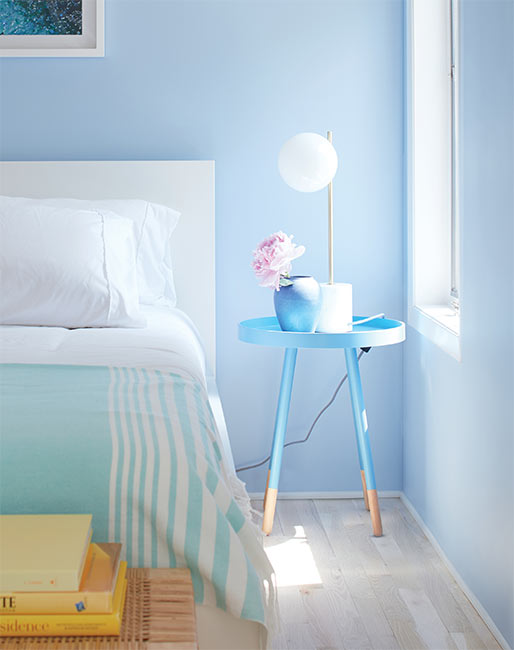
- Bedrooms: Creates a peaceful, sleep-inducing retreat.
- Living Rooms: Establishes a welcoming, sophisticated, and relaxed gathering space.
- Bathrooms: Evokes a spa-like, pristine, and refreshing ambiance.
- Kitchens: Offers a clean, crisp backdrop that pairs beautifully with various cabinet colors.
- Home Offices: Fosters concentration and reduces visual clutter.
- Entryways: Sets a calming, inviting tone from the moment you step inside.
How to Choose the Perfect Light Blue Paint: A Step-by-Step Approach
This is where the rubber meets the road. Don’t just pick a shade because you saw it on Instagram. Follow this expert framework to ensure your light blue is truly your light blue.
Step 1: Understand Undertones (The Game Changer)
This is arguably the most critical step. Every color, especially blue, has subtle underlying hues that dictate how it appears in different lights and next to other colors. Ignoring undertones is like buying a puzzle piece that almost fits. Light blues primarily lean into two camps:
- Cool Undertones (Gray or Purple): These blues feel crisp, icy, and sometimes a bit formal. Think of a clear winter sky. They pair beautifully with cool grays, crisp whites, and silver metallics.
- Warm Undertones (Green or Aqua): These blues feel softer, more inviting, and often evoke coastal vibes. Think of shallow ocean water. They work well with creamy whites, warm wood tones, and gold metallics.
Pro Tip: To identify undertones, place your paint chip next to a pure blue, pure gray, pure green, or pure purple sample. The subtle leaning will become much more apparent.
Step 2: Consider Your Room’s Lighting & Direction
Light is a magical, ever-changing element that dramatically affects how paint colors appear. A light blue can look completely different at dawn, midday, or dusk, and vary wildly between rooms facing different directions.
- North-Facing Rooms: Receive cooler, indirect light. A light blue with slightly warmer (green) undertones can counteract the coolness and prevent the room from feeling too icy.
- South-Facing Rooms: Bathed in warm, abundant light. Most light blues will sing here. You can lean into cooler blues for a crisp feel or warmer ones for extra brightness.
- East-Facing Rooms: Get bright, warm morning light, then cooler light in the afternoon. A balanced light blue that isn’t too extreme in its undertones works best to look good throughout the day.
- West-Facing Rooms: Experience cooler morning light and intense, warm afternoon light. A slightly cooler light blue can balance the warmth of the afternoon sun, preventing it from looking too saccharine.
- Artificial Lighting: Pay attention to your light bulbs! LED lights with a higher Kelvin (cool white) will make blues appear truer or even cooler, while lower Kelvin (warm white) can bring out more of the green or gray.
Step 3: Define Your Desired Mood & Style
What feeling do you want the room to evoke? This will help narrow down your light blue choices.
- Serene & Tranquil: Look for softer, desaturated blues with gray or slight green undertones.
- Crisp & Modern: Opt for cleaner, purer light blues, or those with very subtle gray undertones.
- Coastal & Airy: Embrace light blues with noticeable green or aqua undertones.
- Sophisticated & Elegant: Consider light blues that lean towards slate or dusty shades.
Step 4: Test, Test, Test (The Non-Negotiable Step)
I cannot stress this enough: DO NOT SKIP SAMPLES. Paint chips are a starting point, but they rarely tell the full story. Here’s how to test like a pro:
:strip_icc()/Glidden_OceanCruise_RGB-d29324a196c7437dad276894a529965d.jpg "29 Best Blue Paint Colors for Perfectly-Hued Walls")
- Purchase Samples: Get sample pots or peel-and-stick samples of your top 2-3 choices.
- Paint Large Swatches: Apply two coats of each sample to a large piece of poster board (or directly on different walls if you don’t mind).
- Observe Throughout the Day: Move the samples around the room. Watch how the colors change in morning light, afternoon light, and evening artificial light.
- Consider Adjacent Colors: How does the blue look next to your trim, flooring, and existing furniture?
Our Top Picks: The Best Light Blue Paint Colors Across Brands
Alright, it’s time for the good stuff! Based on years of experience and client feedback, these are some of the most beloved and versatile light blue paint colors that consistently deliver stunning results. We’re going beyond just one brand to give you a truly comprehensive selection.
For a Serene Sanctuary
These shades are perfect for bedrooms, bathrooms, or any space where you crave ultimate relaxation and peace.
- Benjamin Moore Palladian Blue (HC-144): A timeless favorite. Palladian Blue is a gentle, sophisticated blend of blue, green, and gray. Its complexity makes it shift beautifully with the light, often reading as a soft blue-green. It’s incredibly soothing and versatile.
- Sherwin-Williams Sea Salt (SW 6204): If you’re looking for a blue that leans into the green and gray, Sea Salt is your answer. It’s a chameleon color, offering a light, airy, and calming atmosphere that’s perfect for coastal-inspired spaces or anywhere you want a soft, natural feel.
For a Crisp, Modern Feel
If your style is clean lines, contemporary furnishings, and a fresh aesthetic, these blues offer that precise, refreshing touch.
- Farrow & Ball Lulworth Blue (No. 89): A vibrant yet soft mid-blue that has a wonderful freshness to it. It’s clean, clear, and very uplifting without being overly bright, making it perfect for a modern living room or a cheerful kitchen.
- Benjamin Moore Arctic Gray (1577): Don’t let the “gray” in the name fool you entirely. This is a very cool, sophisticated light blue with strong gray undertones. It creates a crisp, almost ethereal backdrop, especially beautiful in rooms with ample natural light or paired with stark white trim.
For a Touch of Coastal Charm
Bring the beach house vibe home with these effortlessly breezy and refreshing light blues.
- Sherwin-Williams Tradewind (SW 6218): A beautiful, light blue with a soft green undertone that evokes clear skies and gentle ocean breezes. It’s vibrant enough to feel lively but soft enough to be incredibly relaxing. Fantastic for living areas, bathrooms, or bedrooms.
- Behr Light French Gray (PPU18-12): While it has “gray” in the name, this is a beautiful, muted light blue-gray that brings a sophisticated coastal feel. It’s soft, subtle, and exceptionally versatile, making it a favorite for those who want a serene color that isn’t too overtly blue.
Here’s a quick reference table for our top picks:
| Paint Color | Brand | Primary Undertone | Best For | Mood Evoked |
|---|---|---|---|---|
| Palladian Blue (HC-144) | Benjamin Moore | Green-Gray | Bedrooms, Living Rooms, Bathrooms | Serene, Spa-like, Sophisticated |
| Sea Salt (SW 6204) | Sherwin-Williams | Green-Gray | Bathrooms, Bedrooms, Coastal Living | Calm, Airy, Natural |
| Lulworth Blue (No. 89) | Farrow & Ball | Clean Blue | Modern Living, Kitchens, Children’s Rooms | Crisp, Uplifting, Cheerful |
| Arctic Gray (1577) | Benjamin Moore | Cool Gray | Modern Spaces, High Ceilings, Offices | Sophisticated, Ethereal, Clean |
| Tradewind (SW 6218) | Sherwin-Williams | Green | Living Rooms, Bathrooms, Entryways | Breezy, Coastal, Refreshing |
| Light French Gray (PPU18-12) | Behr | Gray-Blue | Versatile, Bedrooms, Bathrooms, Living Rooms | Subtle, Sophisticated, Muted Coastal |
Pairing Power: What Colors Go Best with Light Blue Walls?
Once your walls are bathed in beautiful light blue, the next step is to choose complementary colors for your furniture, textiles, and decor. The good news? Light blue is incredibly forgiving and pairs well with a wide spectrum of shades.

Neutrals (White, Cream, Gray, Tan): The Classics
You can never go wrong with these foundational pairings. They enhance the freshness of light blue without competing with it.
- Crisp White: For a classic, clean, and airy look, especially for trim, ceilings, and crisp linens.
- Cream & Off-White: Softens the look of cooler blues and harmonizes beautifully with warmer, green-undertone blues, adding a touch of warmth and sophistication.
- Light Gray: Creates a chic, modern, and understated palette. Look for grays with similar cool or warm undertones to your blue.
- Tan & Beige: Brings in natural warmth, perfect for a coastal or relaxed farmhouse aesthetic. Think jute rugs, linen furniture, and natural wood accents.
Complementary & Analogous Hues (Green, Yellow, Coral, Navy): Adding Depth
To infuse personality and visual interest, introduce colors from different parts of the color wheel.
- Soft Greens (Mint, Sage, Seafoam): Analogous to blue, these create a harmonious, nature-inspired palette. Excellent for a serene, spa-like feel.
- Sunny Yellow or Gold: A surprising yet delightful pairing. A pop of yellow or gold (think throw pillows, artwork, or decorative objects) adds warmth and cheer, creating a vibrant, energetic contrast.
- Coral or Peach: These warm, cheerful hues offer a beautiful, unexpected pop against light blue, perfect for a playful or romantic touch.
- Navy Blue: Using a darker shade of blue, like navy, provides depth and sophistication. Think navy cushions, throws, or even an accent wall in a multi-blue scheme.
Metallics & Textures: Elevating the Look
Don’t forget the power of finishes and textures to complete your light blue room.
- Silver & Chrome: Enhance the cool, crispness of blue, perfect for modern or minimalist styles.
- Gold & Brass: Add warmth, luxury, and a touch of vintage charm, especially effective with blues that have green or gray undertones.
- Natural Woods: Light to medium woods bring warmth and an organic feel.
- Woven Textures: Rattan, jute, linen, and chunky knits add tactile interest and an inviting coziness.
Essential Tips for Painting with Light Blue
Choosing the color is half the battle; proper application ensures your vision comes to life flawlessly.
Primer is Your Friend
Especially if you’re painting over a darker color or going for a very pure light blue, a good quality primer is crucial. It creates a uniform base, ensures truer color rendition, and can reduce the number of paint coats needed.
Choosing the Right Sheen (Flat, Eggshell, Satin, Semi-Gloss)
The finish of your paint profoundly impacts the final look and durability.
:max_bytes(150000):strip_icc()/0Y7A5605-b3a8a4ee1d7149b2998a7d61d64fd0e6.jpg "30 Light Blue Paint Colors")
- Flat/Matte: Offers a sophisticated, velvety finish that hides imperfections well. Ideal for low-traffic areas like bedrooms and ceilings.
- Eggshell: The most popular choice for general living spaces. It has a slight sheen, is more durable than flat, and offers a good balance of aesthetics and practicality.
- Satin: A bit more lustrous than eggshell, satin is very durable and easy to clean, making it great for high-traffic areas, kitchens, and bathrooms.
- Semi-Gloss: Highly reflective and very durable, often used for trim, doors, and cabinets. It can make imperfections more noticeable, so ensure your surface is smooth.
For most walls, eggshell or satin are the go-to choices for light blue, balancing subtle sheen with durability. For a truly high-end, contemporary look, a matte finish can be stunning in a bedroom.
Sample, Sample, Sample (Reiteration)
Yes, I’m saying it again! This step is so important, it bears repeating. There’s no substitute for seeing the actual paint on your actual walls in your actual lighting conditions.
Light Blue Paint & Room Transformations: Before & After Insights
Imagine this: A cramped, dimly lit spare room suddenly feels twice its size, bathed in the soft glow of a light blue with subtle gray undertones. Or a busy, cluttered living room transforms into a serene haven where conversation flows easily, thanks to an airy light blue-green. That’s the power of this color.
- Small Rooms: Light blue paint has an incredible ability to make small rooms feel significantly larger and more open. It literally pushes the walls back visually.
- Dark Rooms: While it won’t magically add sunlight, a bright, clear light blue can reflect what little light there is, making a dark room feel less oppressive and more inviting.
- Dated Spaces: A fresh coat of light blue can instantly modernize and refresh a space that feels tired or stuck in another era.
- High-Stress Areas: In a home office or a busy kitchen, a calming light blue can reduce visual noise and promote a more relaxed, focused atmosphere.
The transformation isn’t just aesthetic; it’s experiential. Light blue paint doesn’t just change the look of a room; it changes how you feel* in it.
Common Mistakes to Avoid When Painting with Light Blue
Even with the best intentions, it’s easy to stumble. Here are the pitfalls to sidestep:
- Ignoring Undertones: Choosing a cool blue for a north-facing room that already gets cold light can make the room feel icy and unwelcoming.
- Skipping Samples: The biggest mistake! What looks perfect on a tiny chip can be drastically different on an entire wall.
- Not Considering Lighting: Forgetting that natural and artificial light will shift the color throughout the day.
- Forgetting the Trim: Your trim color (white, off-white, or even a darker color) will significantly impact how your light blue walls appear. Always consider them together.
- Underestimating Paint Quality: Cheap paint often means more coats, poor coverage, and a less durable finish. Invest in good quality paint for a professional, lasting result.
- Overdoing it with “Baby Blue”: While lovely in specific contexts, a pure, saturated baby blue can feel juvenile in adult spaces. Opt for more sophisticated, desaturated, or nuanced shades with gray or green undertones for broader appeal.
Choosing the right light blue paint for your rooms is an art and a science, but it doesn’t have to be overwhelming. By understanding undertones, analyzing your lighting, defining your desired mood, and crucially, testing your samples, you’re well on your way to creating a space that feels effortlessly serene, stylish, and uniquely yours.

Remember, your home is your canvas. A beautiful light blue wall isn’t just paint; it’s the backdrop to countless memories, moments of peace, and expressions of your personal style. Go ahead, choose your shade with confidence, and enjoy the transformative power of this timeless color.
Happy painting!
Frequently Asked Questions
What mood does light blue paint create in a room?
Light blue paint is renowned for creating a calm, serene, and relaxing atmosphere. It evokes feelings of peace, freshness, and openness, often associated with clear skies and tranquil waters. It can also make a room feel more spacious and airy.
Is light blue paint suitable for any room in the house?
Absolutely! While often stereotyped for nurseries, light blue is incredibly versatile. It’s excellent for bedrooms to promote sleep, living rooms for a relaxed gathering space, bathrooms for a spa-like feel, and even kitchens or home offices to create a clean, focused environment. The key is selecting the right undertone and shade for the specific room’s lighting and purpose.
How do I choose the right undertone for light blue paint?
Light blue paints typically have cool (gray or purple) or warm (green or aqua) undertones. To choose, consider your existing decor and room lighting. Cool undertones make rooms feel crisp and modern, while warm undertones feel softer and more inviting. Test paint samples next to pure colors like gray, green, or white to help discern the underlying hue.
What colors pair best with light blue walls?
Light blue is highly versatile. For classic looks, pair it with crisp whites, creamy off-whites, light grays, or natural tans. For more depth and personality, consider soft greens (like mint or sage), sunny yellows, corals, or even deep navy blue accents. Metallics like silver, gold, and natural wood tones also complement it beautifully.
Should I use a primer before painting with light blue?
Yes, using a primer is highly recommended, especially when painting light blue. A good quality primer ensures a uniform, clean base for your light blue, helping the color appear truer to its swatch and often reducing the number of coats needed for optimal coverage and finish. It’s particularly important if you’re painting over a darker existing color.
What’s the best paint sheen for light blue walls?
For most light blue walls, eggshell or satin finishes are ideal. Eggshell offers a subtle sheen, good durability, and hides minor imperfections well, making it perfect for living rooms and bedrooms. Satin is slightly more lustrous and durable, suitable for higher-traffic areas like kitchens and bathrooms. Flat/matte can create a sophisticated look in low-traffic areas like bedrooms, while semi-gloss is typically reserved for trim and doors.