How to Paint a Bedroom Door Like a Pro (Even if You’re a Beginner)
Your bedroom door isn’t just a barrier; it’s a silent guardian, a canvas, and a crucial element of your room’s aesthetic. But let’s be honest, that dull, chipped, or outdated door can drag down the whole vibe of your sanctuary. Imagine, for a moment, a fresh, vibrant, or elegantly subtle door inviting you into a space that truly reflects you. Sounds good, right?
Many people shy away from painting doors, imagining messy drips, uneven finishes, or a nightmare of sanding. I get it. The truth is, painting a bedroom door is one of the most impactful, yet surprisingly straightforward, DIY projects you can tackle. With the right strategy, tools, and a bit of patience, you can achieve a professional, durable finish that dramatically upgrades your space without breaking the bank.
This isn’t just a list of steps; it’s your definitive guide to transforming your bedroom door from drab to fab, designed for real people who want real results. Ready to ditch the fear and embrace the brush? Let’s dive in.
Should You Remove Your Bedroom Door, or Paint it In Place?
This is the age-old question, and honestly, there’s no single ‘right’ answer. It depends on your patience, your desired finish, and your working conditions. Both methods have their merits and drawbacks.
Painting Your Door While It’s Still Hung (The Quick Way)
Opting to paint your door right where it is can save you time and effort, especially if you’re dealing with multiple doors or have limited workspace. It’s generally faster, as you avoid the hassle of removal and reinstallation.
- Pros: Faster setup, no heavy lifting, less chance of damaging the door during transport.
- Cons: Increased risk of drips on hinges and floor, harder to get a perfectly even coat on all edges, potential for paint to seep under tape onto hardware or trim if not careful.
- When to choose this method: If you’re on a tight schedule, only need a quick refresh, or are confident in your taping and brush control.
Removing Your Door for a Flawless Finish (The Pro Way)
While it requires more effort upfront, removing the door often yields a superior, factory-smooth finish. You can lay the door flat on sawhorses, which eliminates drips and allows for easier, more consistent application.
- Pros: Easier to achieve a smooth, even finish with minimal drips, access to all edges, easier to paint hardware separately, less risk of painting trim or floor.
- Cons: More labor-intensive, requires space for sawhorses and drying, potential for damage during removal/reinstallation.
- When to choose this method: If you’re aiming for the absolute best finish, have ample space, and aren’t in a rush.
For this guide, I’ll walk you through the steps assuming you remove the door, as this method provides the best results. However, many of the painting techniques apply universally, regardless of whether your door is hung or laid flat.
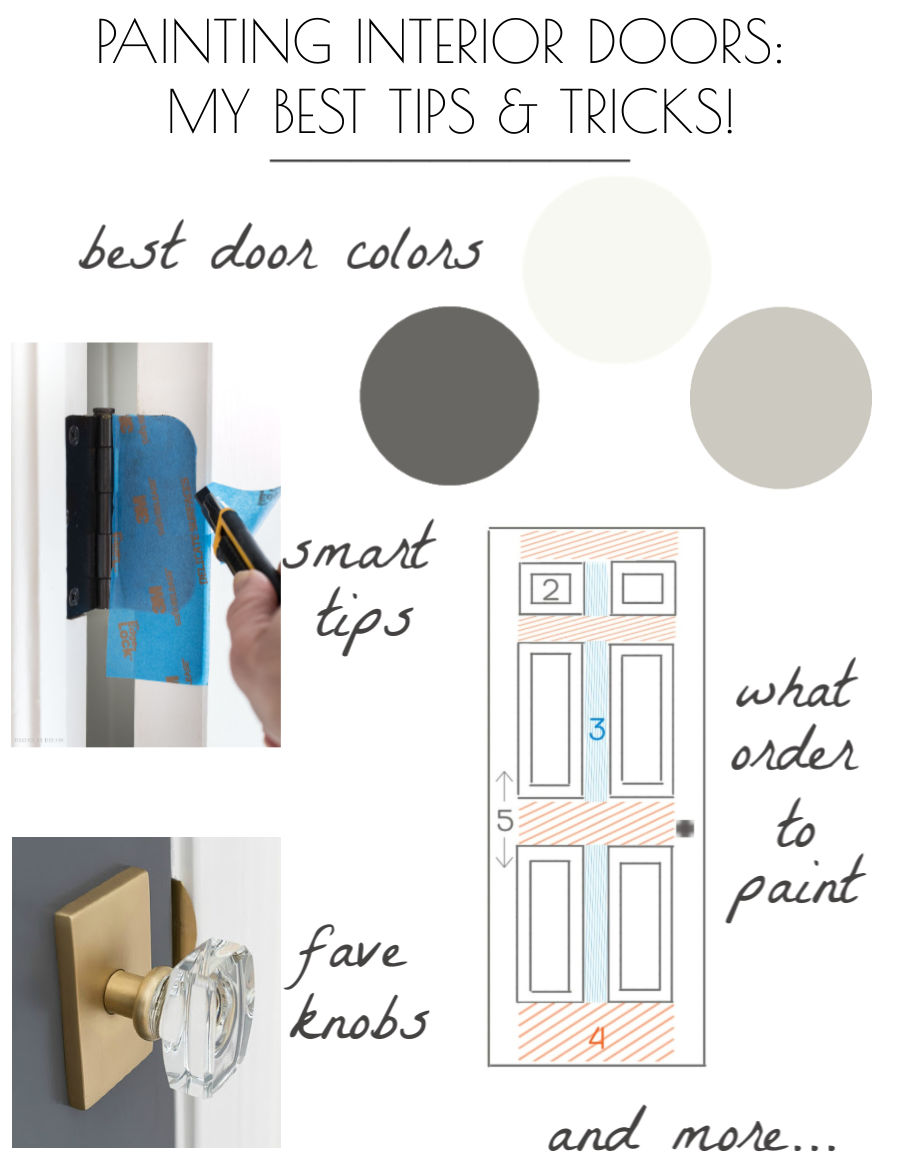
The Essential Tools & Supplies You’ll Need
Before you even think about opening a paint can, gathering your supplies is paramount. Using the right tools will make the process smoother, faster, and lead to a much more professional finish. Don’t skimp here; quality tools are an investment in your sanity and your results!
| Tool/Supply | Purpose | Pro Tip |
|---|---|---|
| Screwdriver (Phillips/Flathead) | For removing door hardware (knobs, hinges). | Keep all hardware pieces organized in a baggie or container. |
| Drop Cloths or Old Sheets | Protecting your floor and workspace from paint drips. | Canvas drop cloths are more durable and less slippery than plastic. |
| Painter’s Tape (Blue or Green) | Taping off areas you don’t want painted (e.g., hinges if left on, surrounding trim). | Use good quality tape for crisp lines and clean removal. |
| Sawhorses (2) | To elevate the door for easier painting, especially if removed. | Ensure they are sturdy and level. Pad contact points to prevent scratches. |
| Sanding Sponges or Fine-Grit Sandpaper (120-220 grit) | Prepping the surface for adhesion and smoothing between coats. | Use a sanding block for flat areas, sponges for contoured parts of paneled doors. |
| Vacuum or Tack Cloth | Removing sanding dust – crucial for a smooth finish. | Tack cloths are sticky; use them last for a lint-free surface. |
| Angled Sash Brush (1.5-2 inches) | Cutting in, painting panel details, edges. | Look for brushes with synthetic bristles for latex/hybrid paints. |
| Small Foam Roller or Microfiber Roller (4-6 inches) | Applying paint to flat surfaces (less texture than nappy rollers). | High-density foam rollers deliver the smoothest finish. |
| Paint Tray & Liners | Holding paint for easy roller access. | Liners make cleanup a breeze! |
| Paint Stir Stick | Ensuring paint is thoroughly mixed. | Always stir paint before and periodically during use. |
| Primer (Optional, but Recommended) | Improves adhesion, blocks stains, provides an even base for topcoat. | Use a high-quality bonding primer, especially over glossy or oil-based finishes. |
| Interior Paint (Chosen Type & Sheen) | Your chosen color and finish for the door. | Buy a little extra for touch-ups. |
| Mild Cleaner (e.g., TSP Substitute or Sugar Soap) | Cleaning the door surface to remove grime and oils. | Ensure the door is completely dry before sanding. |
Choosing the Right Paint for Your Bedroom Door
This isn’t just about picking a pretty color; it’s about selecting a paint that can withstand the daily abuse a door takes – hands touching, shoes scuffing, pets scratching. The right paint ensures durability and a beautiful finish for years to come.
Paint Type Matters: Latex vs. Oil-Based vs. Hybrids
- Latex (Water-Based): This is the most common and generally recommended choice for interior doors today.
- Pros: Easy cleanup with water, low VOCs (less odor), faster drying times, good flexibility (less prone to cracking), maintains color well.
- Cons: Historically less durable than oil-based, but modern formulations (like acrylic-latex) have significantly improved.
- Oil-Based (Alkyd): Once the gold standard for durability and a super-smooth finish, it’s becoming less common due to environmental and health concerns.
- Pros: Extremely durable, smooth, hard finish, great adhesion.
- Cons: Strong odors (high VOCs), requires mineral spirits for cleanup, yellows over time (especially whites), slower drying and curing times.
- Hybrid Alkyd (Waterborne Alkyd): The best of both worlds! These paints offer the durability and smooth finish of an oil-based paint with the easy cleanup and low VOCs of a water-based paint.
- Pros: Excellent durability, hard finish, easy water cleanup, low odor, non-yellowing.
- Cons: Can be a bit pricier than standard latex.
For a bedroom door, I highly recommend a high-quality acrylic-latex enamel or a waterborne alkyd hybrid. They provide the necessary durability and a beautiful finish without the headaches of oil-based paints.
Picking the Perfect Sheen: From Matte to High-Gloss
The sheen refers to how shiny the paint is. For doors, you want something that’s easy to clean and can handle traffic.
- Matte/Flat: Absorbs light, no shine.
- Not recommended for doors. While it hides imperfections well, it’s very difficult to clean and scuffs easily.
- Eggshell/Satin: A slight sheen, soft glow.
- Satin is a fantastic choice for bedroom doors. It’s more durable than flat, offers a subtle elegance, and is easy to wipe clean without being overly reflective.
- Semi-Gloss: Noticeable shine, more reflective.
- A very popular and practical choice for doors and trim. It’s highly durable, very easy to clean, and reflects light beautifully. It can highlight imperfections if your door isn’t perfectly smooth, but typically provides a ‘crisp’ professional look.
- High-Gloss: Very shiny, highly reflective.
- Extremely durable and easy to clean, but will show every single imperfection on the door’s surface. Usually reserved for specific design statements.
My go-to recommendation for bedroom doors is a satin or semi-gloss finish. They strike the perfect balance between durability, cleanability, and aesthetic appeal.
Primer: Your Secret Weapon for Durability & Even Color
Many modern paints claim to be ‘paint and primer in one,’ and while they’re great for walls, for a high-traffic item like a door, a dedicated primer is often a smart move. Primer does several crucial jobs:
- Improves Adhesion: It gives the new paint something to really grip onto, preventing chipping and peeling. This is especially important if you’re painting over a glossy finish or oil-based paint.
- Blocks Stains: If your door has old stains (water, grease, marker), a good stain-blocking primer will seal them in so they don’t bleed through your new paint.
- Promotes Even Color: It creates a uniform base color, which is vital when going from a dark door to a light color (or vice versa) or when painting over wood with varied grain.
- Seals Porous Surfaces: If you’re painting a new, unfinished wood or MDF door, primer seals the pores, preventing the topcoat from soaking in unevenly.
When do you absolutely need primer?
- Painting over existing oil-based paint with latex.
- Painting bare wood or MDF.
- Making a drastic color change (e.g., dark to light).
- If the existing paint is chipping or peeling (after sanding it smooth).
- If your door has stains you want to hide.
If your door is in good condition and you’re simply refreshing the same color with a similar paint type, you *might get away without it. But for truly professional, long-lasting results, a coat of quality bonding primer is always recommended.
| Paint Type/Sheen | Pros for Doors | Cons for Doors | Best Use Case |
|---|---|---|---|
| Acrylic-Latex Enamel | Easy cleanup, low odor, good flexibility, fast drying, durable. | May require more coats than oil for full coverage over dark colors. | Most interior doors, general refresh. |
| Waterborne Alkyd Hybrid | Oil-like durability and smooth finish, water cleanup, low VOC. | Higher cost than standard latex. | Premium finish, high-traffic doors, desire for superior durability. |
| Oil-Based (Alkyd) | Extremely durable, very hard, smooth finish. | Strong odor, mineral spirit cleanup, yellows over time, slow dry/cure. | Painting over existing oil-based paint without a primer. |
| Satin Sheen | Subtle elegance, good durability, easy to clean, hides minor imperfections. | Less reflective than semi-gloss, may appear flatter in certain light. | Bedroom doors where a softer look is desired. |
| Semi-Gloss Sheen | Very durable, highly washable, classic ‘trim’ look, reflects light well. | Can highlight surface imperfections more than satin. | Most interior doors, matches existing trim, high-traffic areas. |
Step-by-Step Guide: How to Paint a Bedroom Door
Okay, you’ve chosen your weapon (paint!) and assembled your army (tools). Now, let’s get down to business. Remember, patience and proper technique are your best friends here. Don’t rush!
Step 1: Prep Your Workspace & Door (Crucial for Success!)
This is where most DIY painting projects go wrong. A little extra time spent prepping will save you hours of heartache later. Seriously, don’t skip this!
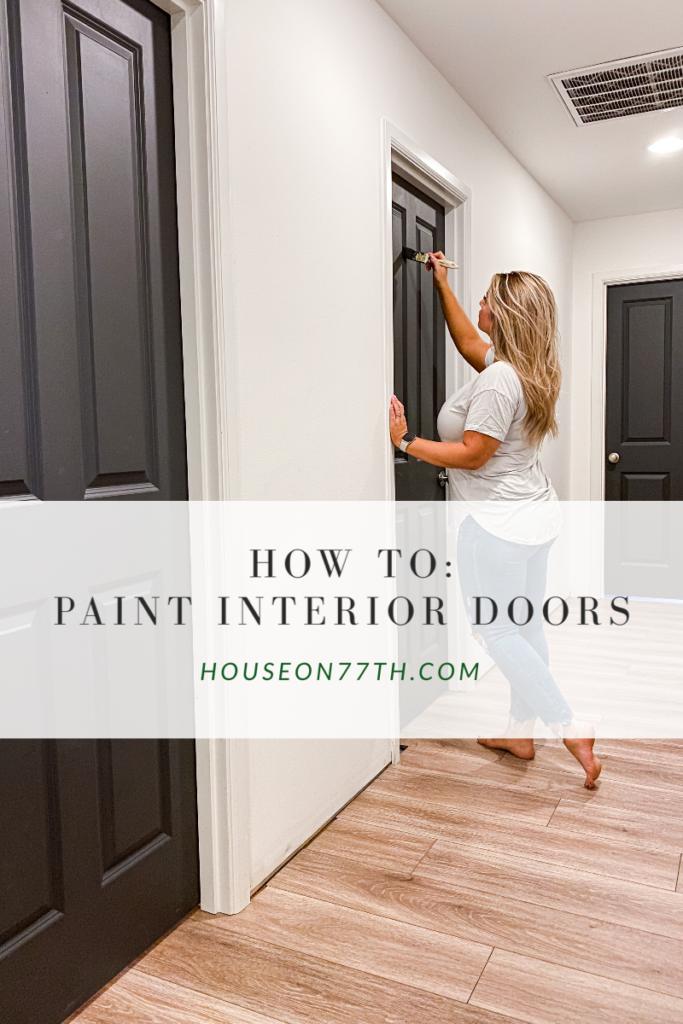
- Remove the Door (Optional, but Recommended): If you’ve decided to remove it, carefully take out the hinge pins (you might need a flathead screwdriver and hammer). Lay the door flat across two sturdy sawhorses in a well-ventilated area.
- Remove Hardware: Take off the doorknob, latch plate, and any other hardware (hooks, kick plates). Store these pieces in a labeled baggie so you don’t lose anything. If you’re painting the door in place and can’t remove hardware, tape it off meticulously with painter’s tape, ensuring no gaps.
- Clean the Door: Doors accumulate grime, fingerprints, and oils over time. Use a mild all-purpose cleaner or a TSP substitute (follow instructions carefully) to thoroughly clean both sides of the door. Rinse with a damp cloth and allow it to dry completely. Any residue will prevent paint from adhering properly.
- Inspect and Repair: Fill any nail holes, dents, or deep scratches with wood filler. Let it dry completely, then sand smooth.
- Sand the Surface: This is vital for adhesion. Lightly sand the entire door with 120-220 grit sandpaper or a sanding sponge. You don’t need to sand off all the old paint, just enough to ‘scuff’ the surface and create a dull, even texture. For glossy finishes, this step is non-negotiable.
- Clean Off Dust: Use a vacuum with a brush attachment or a damp cloth (let dry) to remove all sanding dust. Follow up with a tack cloth to pick up any remaining fine particles. This step is critical; paint won’t adhere to dust!
- Protect Your Area: If painting the door in place, lay down drop cloths on the floor and tape off any surrounding trim that will not be painted. If the door is removed, ensure your sawhorses and the floor beneath are protected.
Step 2: Prime Time! (If Needed)
If you’ve decided primer is necessary (and I often recommend it!), now’s the time. Choose a high-quality bonding primer suitable for your topcoat.
- Apply Primer: Stir your primer thoroughly. Use your angled brush to get into any recessed panels, edges, and tight corners first. Then, use your small foam roller to apply a thin, even coat to all flat surfaces. Avoid applying too much primer, as it can sag or leave texture.
- Let it Dry: Follow the manufacturer’s drying time instructions for the primer, usually 1-4 hours. Do not rush this step.
- Light Sanding (Optional but Recommended): Once dry, lightly sand the primed surface with 220-grit sandpaper or a fine sanding sponge. This will knock down any raised grain or minor imperfections, leaving an incredibly smooth base for your paint. Clean off all dust with a tack cloth.
Step 3: Master the Painting Technique (No Brush Marks Here!)
This is where the magic happens! Stir your chosen paint thoroughly. Pour a small amount into your paint tray.
For Paneled Doors (The Most Common Bedroom Door Type):
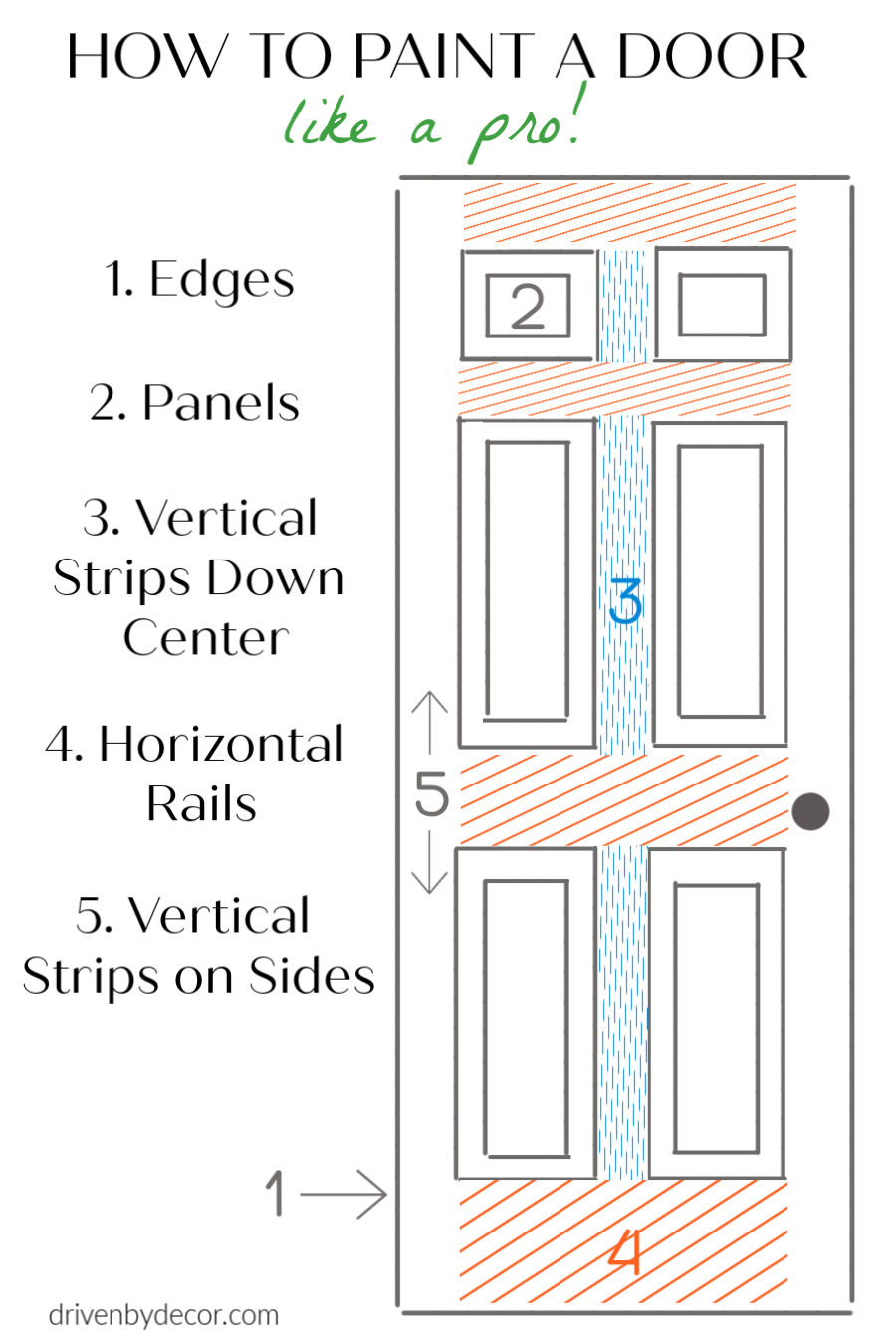
The trick to painting a paneled door is to work systematically, from the inside out, always finishing with long, even strokes in the direction of the wood grain (even if it’s not real wood, it creates a natural finish).
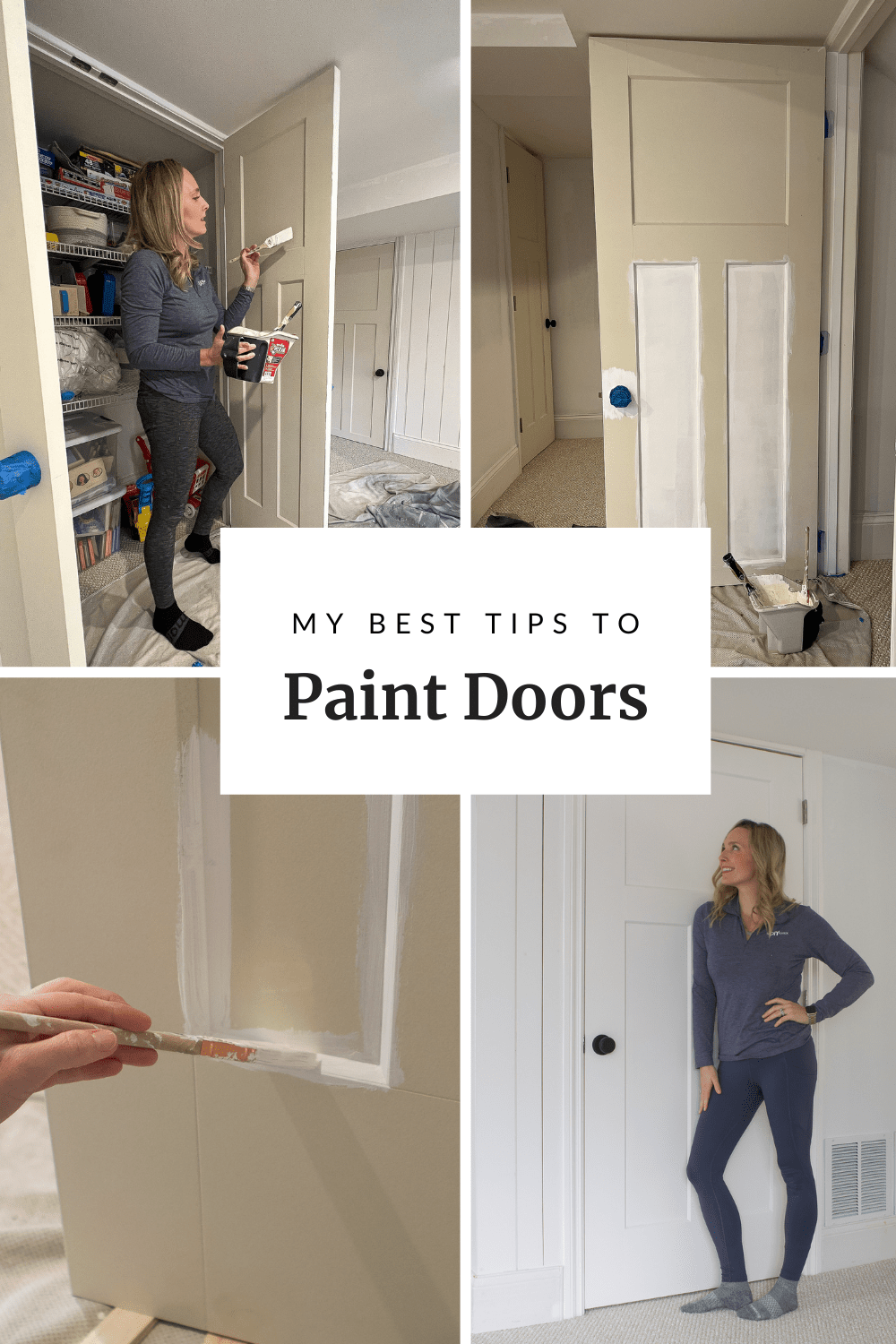
- Inside Panels First: Start with the recessed panels. Use your angled brush to paint the inside edges (the ‘stiles’ and ‘rails’ within the panel). Then, use the brush or a small foam roller to fill in the flat part of the panel. Smooth out any brush marks immediately.
- Cross Rails: Next, paint the horizontal sections (the ‘rails’) of the door, moving from top to bottom.
- Vertical Stiles: Finally, paint the long vertical sections (the ‘stiles’) of the door. Use long, continuous strokes from top to bottom.
- Door Edges: Paint the top and bottom edges of the door. If the door is removed, paint the latch side edge first, then the hinge side.
For Flush Doors (Flat Surface Doors):
These are simpler. The key is to work in manageable sections, maintaining a wet edge to avoid lap marks.
- Edges First: Use your angled brush to paint the top, bottom, and side edges of the door.
- Roll Flat Surfaces: Using your foam roller, apply paint in vertical sections, overlapping slightly. Work quickly and maintain a ‘wet edge’ – don’t let the paint dry before you blend the next section into it. Finish with light, full-length strokes to smooth out any roller marks.
General Tips for Both Door Types:
- Thin Coats are Best: It’s always better to apply two thin coats than one thick, drippy coat.
- Load Your Roller/Brush Properly: Don’t overload. Dip about 1/3 of your brush bristles into the paint, or roll your roller in the tray until it’s evenly coated but not dripping.
- Feather Your Edges: When transitioning from a brushed area to a rolled area, or between sections, ‘feather’ your strokes lightly to blend them.
- Watch for Drips: Immediately wipe away any drips or runs with your brush or a clean rag.
Step 4: Sand Lightly & Apply Second Coat
Once your first coat of paint is completely dry (check manufacturer’s instructions, typically 4-8 hours for latex), it’s time for the second coat.
- Light Sanding: Lightly sand the entire painted surface with 220-grit or even 320-grit sandpaper or a very fine sanding sponge. This helps create a smooth surface by knocking down any tiny imperfections or dust nibs. It also improves adhesion for the next coat.
- Clean Off Dust: Again, use a tack cloth to thoroughly remove all sanding dust.
- Apply Second Coat: Apply your second coat of paint using the exact same technique as the first. Focus on achieving full, even coverage. Most doors will look fantastic with two coats, but if you’re going from a very dark to very light color, a third thin coat might be necessary for perfect opacity.
- Allow to Dry: Let this coat dry completely.
Step 5: The Final Touches & Curing
You’re almost there! Your door is looking incredible, but there’s one final, crucial step.
- Reinstall Hardware: Once the final coat is dry to the touch (usually 24 hours), carefully reattach your doorknob, hinges, and any other hardware. Be gentle to avoid scratching your freshly painted surface.
- Rehang the Door: If you removed it, carefully rehang the door, ensuring the hinge pins are fully inserted.
- Mind the Curing Time: While the paint may feel dry to the touch in hours, it typically takes several days to several weeks for paint to fully ‘cure’ and reach its maximum hardness and durability. During this time, be extra gentle with your door. Avoid harsh cleaning, and try not to let anything bump or scuff it aggressively. Use door stoppers if needed to prevent slamming.
Common Bedroom Door Painting Mistakes (And How to Avoid Them)
Even experienced DIYers can make mistakes. Knowing what to watch out for can save you a lot of grief.
- Not Prepping Properly: This is the mistake. Skipping cleaning, sanding, or dusting means your paint won’t adhere well and will chip or peel prematurely. Solution: Dedicate ample time to prep; it’s the foundation of a good finish.
- Applying Too Much Paint: Thick coats lead to drips, sags, and an uneven, textured finish. Solution: Apply multiple thin coats, allowing each to dry completely.
- Ignoring Dry Times: Painting a second coat before the first is truly dry can lead to peeling, uneven color, and a longer overall cure time. Solution: Always follow the manufacturer’s recommended drying times, especially for primers and between coats.
- Using the Wrong Tools: Cheap brushes leave streaks, and nappy rollers create orange-peel texture. Solution: Invest in quality angled brushes and high-density foam rollers for the smoothest finish.
- Painting Hardware: Painting over hinges and doorknobs looks sloppy and can interfere with their function. Solution: Always remove or meticulously tape off all hardware.
- Not Sanding Between Coats: This subtle step is what separates a good DIY job from a professional one. It removes minor imperfections and creates a better bond. Solution: Always do a light sand with fine-grit paper and a tack cloth wipe down between coats.
Troubleshooting & Advanced Tips
Sometimes things don’t go exactly as planned, or you just want that extra edge. Here are some solutions and pro tips:
- Dealing with Drips or Sags: If you notice a drip while the paint is still wet, gently smooth it out with your brush. If it’s dried, you’ll need to lightly sand the drip down with fine-grit sandpaper, clean the dust, and then touch up or reapply the paint to that area.
- Achieving a Super Smooth Finish: For an ultra-smooth, almost sprayed-on look, consider using a paint conditioner (like Floetrol for latex paints). Add a small amount to your paint (following product instructions) to extend its open time and allow it to level out better, reducing brush and roller marks.
- When to Call a Pro: If your door has significant damage (large holes, warped panels), or if you’re painting a complex historical door that requires specialized techniques, don’t hesitate to consult a professional painter or carpenter. Sometimes, the peace of mind and superior result are worth the investment.
- Painting Both Sides at Once: If your door is removed and on sawhorses, you can paint both sides consecutively. Paint one side, let it dry just* enough to be dry to the touch (but not cured), then carefully flip it over (using protection like blocks under the edges) and paint the second side. This can save time but requires careful handling.
How Long Does Painting a Bedroom Door Take & What Does It Cost?
It’s natural to wonder about the time commitment and budget for a project like this. Here’s a realistic breakdown:
Time Estimate:
Painting a single bedroom door (removed, with primer and two coats of paint) generally takes about 4-8 hours of active work, spread over 1-3 days due to drying times.
- Prep (removal, cleaning, sanding, dusting, hardware removal): 1-2 hours
- Priming (application, dry time, light sand): 2-4 hours
- First Coat (application, dry time, light sand): 2-4 hours
- Second Coat (application, dry time): 1-2 hours
- Reinstalling Hardware/Rehanging Door: 0.5-1 hour
Remember, this is active time. You’ll have periods of waiting for paint to dry, so plan other activities around those windows.
Cost Estimate:
The cost to paint a single bedroom door is surprisingly affordable, especially if you already own some basic tools.
- Paint: A quart of high-quality interior enamel paint (which is more than enough for a door) can range from $20 – $40.
- Primer: If needed, a quart of good bonding primer is typically $15 – $30.
- Brushes & Rollers: A good angled brush and foam roller set will cost around $10 – $25 (these are reusable if cleaned properly).
- Sandpaper/Sanding Sponges: $5 – $10.
- Drop Cloths/Tape/Cleaner: $10 – $20 (assuming you need a few items).
Total Estimated Cost: $60 – $125 for all new supplies, assuming you need everything. If you have some items already, your cost could be as low as $30-$50 for just the paint and primer.
See? It’s a small investment for a big impact! A freshly painted door can truly elevate the look and feel of your entire bedroom.
Congratulations! You’ve successfully navigated the world of bedroom door painting. From choosing the right paint to mastering the brush, you now have all the knowledge and confidence to tackle this project like a seasoned pro. Your bedroom door is more than just an entry point; it’s an opportunity to infuse your space with personality and polish.
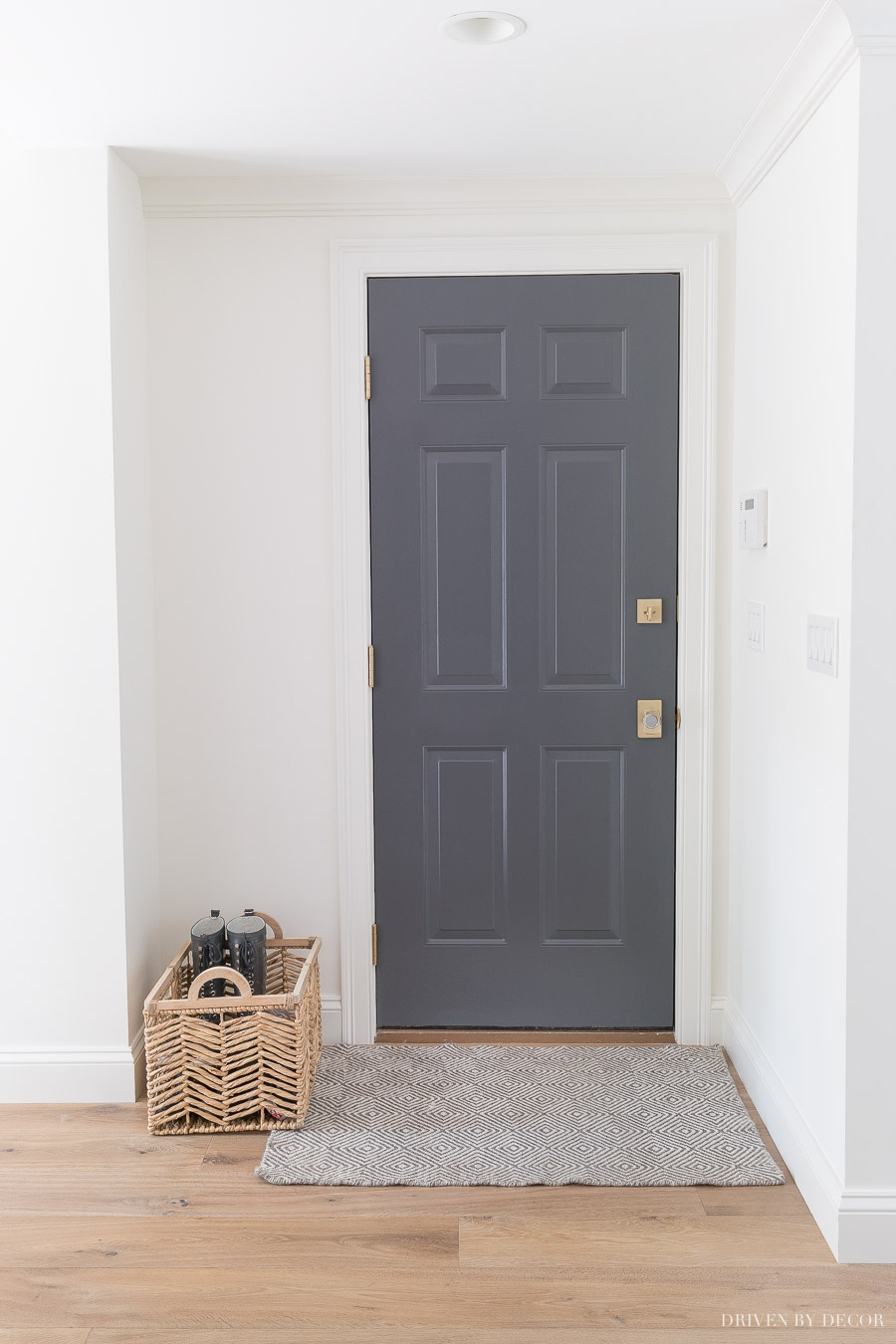
So, go ahead, grab your brush, and transform that tired old door into a stunning statement piece. You’ll be amazed at the difference it makes, and you’ll have the satisfaction of knowing you did it yourself. Happy painting!
Frequently Asked Questions
What is the best type of paint for a bedroom door?
For bedroom doors, a high-quality acrylic-latex enamel or a waterborne alkyd hybrid paint is highly recommended. These provide excellent durability, are easy to clean, and offer a smooth finish with low odor and easy water cleanup. Avoid flat or matte paints as they scuff easily and are hard to clean.
Should I remove my bedroom door to paint it, or paint it while it’s hung?
Removing the door and laying it flat on sawhorses is generally recommended for the most professional, drip-free finish. It allows for easier access to all edges and a more consistent application. However, if you’re careful with taping and brushwork, painting it while hung is a faster alternative.
Do I need to prime my bedroom door before painting?
Primer is highly recommended for best results. It improves paint adhesion, blocks stains, helps achieve an even color, and seals porous surfaces. You especially need primer if you’re painting over oil-based paint with latex, painting bare wood, or making a drastic color change (dark to light).
What paint sheen is best for a bedroom door?
Satin or semi-gloss finishes are ideal for bedroom doors. Satin offers a subtle elegance and is easy to clean, while semi-gloss is highly durable, very washable, and reflects light beautifully. Both can withstand the traffic a door receives better than a flat or eggshell finish.
How do I prevent brush marks when painting a door?
To minimize brush marks, use a high-quality angled sash brush for details and a high-density foam roller for flat surfaces. Apply thin, even coats, always finishing with long, smooth strokes in the direction of the grain. Using a paint conditioner (like Floetrol for latex paints) can also help the paint level out for a smoother finish.
How long does paint take to dry and cure on a door?
Paint is usually dry to the touch within 4-8 hours, allowing you to apply subsequent coats or reattach hardware. However, paint typically takes 7-30 days to fully ‘cure’ and reach maximum hardness. During the curing period, handle the door gently to avoid scuffs and damage.
What’s the best way to clean my door before painting?
Thoroughly clean your door with a mild all-purpose cleaner or a TSP substitute to remove grime, grease, and oils. Rinse with a damp cloth and allow it to dry completely. This crucial step ensures proper paint adhesion and prevents peeling.