The Definitive Guide to Gray Paint for Bedroom Walls: Finding Your Perfect Shade of Serenity
Staring at a blank bedroom wall, dreaming of a refresh? You’re not alone. When it comes to transforming a bedroom into a sanctuary, the right paint color can make all the difference. And if you’ve been leaning towards gray, you’re onto something truly special. Gray is more than just a neutral; it’s a sophisticated statement, a versatile chameleon, and the secret to creating a bedroom that feels both chic and utterly tranquil.
But here’s the kicker: not all grays are created equal. From the palest whisper to the deepest charcoal, with countless undertones in between, choosing the *right* gray for your bedroom walls can feel overwhelming. Will it feel cold? Will it be too dark? Will it actually promote relaxation?
Let’s cut through the confusion. I’m here to guide you through the nuanced world of gray paint, helping you understand its power, decode its secrets, and confidently select a shade that transforms your bedroom into the serene retreat you deserve. Get ready to discover your perfect gray.
Why Gray is the Ultimate Bedroom Wall Color
There’s a reason designers and homeowners alike continually return to gray for bedrooms. It’s not just a trend; it’s a timeless choice with inherent qualities that make it uniquely suited for the sleep space.
The Psychology of Gray in the Sleep Space
Your bedroom should be a haven, a place where the day’s stresses melt away. Gray, when chosen thoughtfully, excels at fostering this environment. It’s associated with:
- Calm and Serenity: Unlike bolder colors that can stimulate, gray provides a visual pause. It’s stable, quiet, and promotes a sense of peace that’s crucial for winding down.
- Sophistication and Elegance: Gray instantly elevates a room. It feels modern, clean, and effortlessly chic, creating a refined backdrop for your furnishings.
- Balance and Grounding: Gray acts as an anchor, creating a sense of balance. It’s neither too warm nor too cool, allowing other elements in the room to shine without competing.
Unmatched Versatility: A Chameleon of Colors
This is where gray truly shines. It’s incredibly adaptable. Whether your style is minimalist, farmhouse, industrial, traditional, or bohemian, there’s a gray that will complement it perfectly. It pairs beautifully with almost any accent color you can imagine – from vibrant yellows and deep blues to soft pinks and natural greens. Gray doesn’t demand attention; it supports it, making it easy to change your decor theme over time without repainting.
Timeless Appeal That Never Goes Out of Style
Unlike colors that cycle in and out of fashion, gray has an enduring appeal. It’s classic, sophisticated, and always feels current. Investing in gray walls means you’re creating a foundation that will look good for years to come, giving you longevity and peace of mind.
Decoding Gray: Understanding Undertones is Key
Here’s the secret sauce to choosing gray: it’s all about the undertones. This is the subtle hint of color you see beneath the main gray hue, and it’s what dictates whether a gray feels warm or cool, moody or bright. Ignoring undertones is the quickest way to end up with a gray that feels “off” – too cold, too muddy, or just not right for your space.
Blue Undertones: Cool & Serene
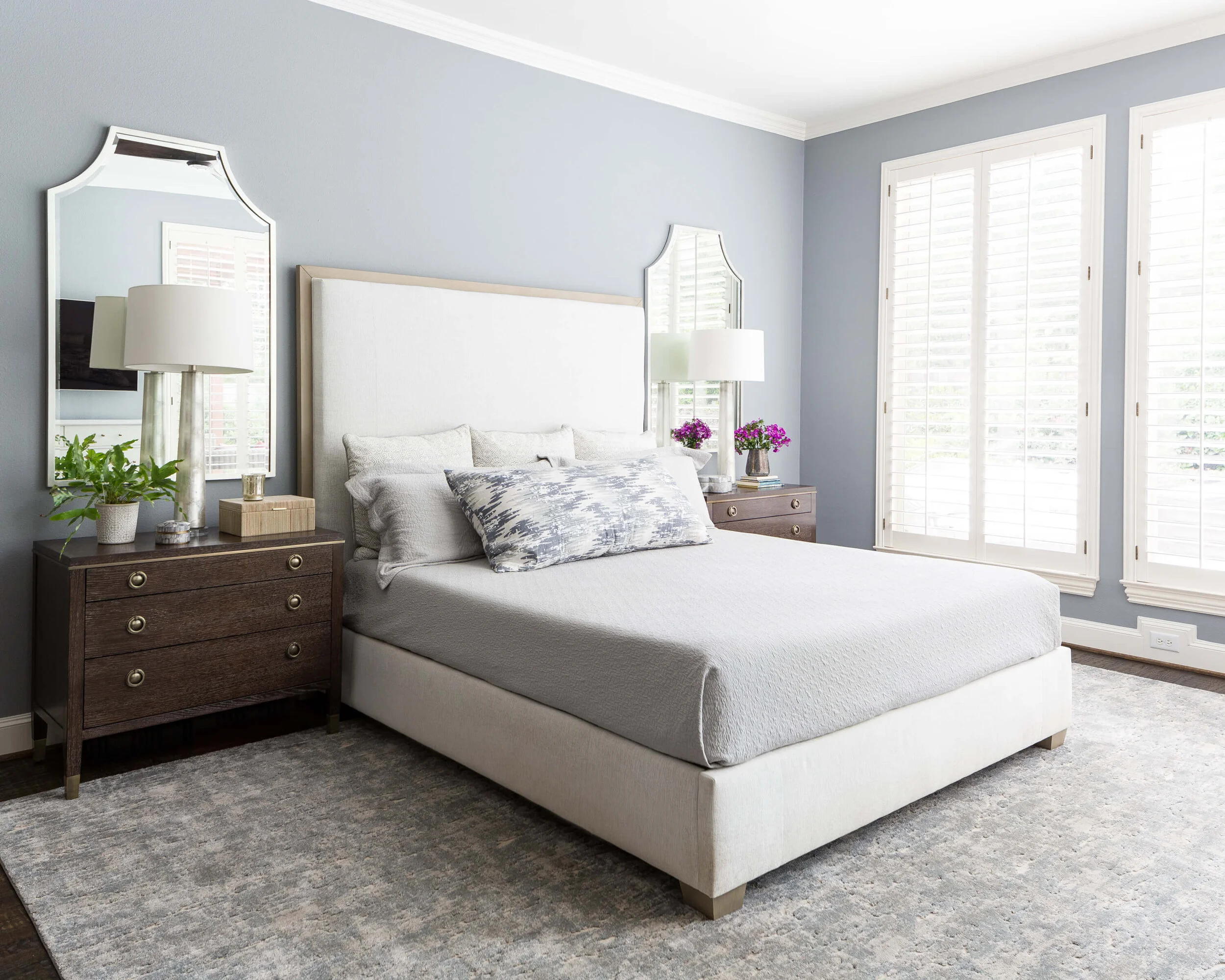
These grays often look like a cloudy sky or the deep ocean. They are inherently cool, crisp, and can evoke a sense of calm and spaciousness. Think of slate grays or grays with a noticeable icy tint. They work beautifully in bright, sunny rooms or when you want to create a tranquil, almost spa-like atmosphere.
Green Undertones: Organic & Grounding
Grays with green undertones are often described as earthy or natural. They bring a subtle connection to nature indoors and can feel very grounding and sophisticated. These grays can range from muted sage-grays to more olive-tinged charcoal. Be careful with overly strong green undertones, as some can appear institutional or “khaki” in certain lights, as some Redditors have noted.
Violet/Purple Undertones: Sophisticated & Restful
Often overlooked, grays with a hint of purple or violet can be incredibly luxurious and restful. They offer a unique blend of cool sophistication with a touch of warmth. These grays can feel velvety and soft, creating a cozy and elegant bedroom environment. Think of shades like lavender-gray or dusty plum-gray.
Beige/Brown (Greige) Undertones: Warm & Inviting
Ah, greige! This is the bridge between gray and beige, offering the best of both worlds. Greiges have warm, earthy undertones that prevent them from feeling cold. They are incredibly popular because they create a cozy, inviting atmosphere while still maintaining the sophistication of gray. If you’re worried about a gray bedroom feeling too stark, greige is your answer.

The Impact of Undertones on Room Feel
This table summarizes how different undertones can influence the mood and perception of your bedroom:
| Undertone | Common Perception | Ideal Bedroom Mood | Best Paired With |
|---|---|---|---|
| Blue | Cool, Crisp, Spacious, Icy | Serene, Spa-like, Minimalist | White, light woods, silver metals, cool blues/greens |
| Green | Earthy, Organic, Grounding, Natural | Calm, Balanced, Sophisticated Natural | Warm woods, brass, deep greens, terracotta, creams |
| Violet/Purple | Luxurious, Soft, Elegant, Romantic | Cozy, Opulent, Restful | Dark woods, gold, rich jewel tones, blush pinks |
| Beige (Greige) | Warm, Inviting, Cozy, Soft | Comforting, Relaxing, Versatile | Natural fibers, dark woods, brass, warm whites, muted colors |
Choosing Your Gray: Factors Beyond the Swatch
Now that you’re a connoisseur of undertones, let’s talk about the practical considerations that will truly define your gray bedroom.
Natural Light: The Game Changer
Light is everything when it comes to paint color. The same gray can look drastically different in two different rooms based on the natural light it receives.
- North-Facing Rooms: These rooms typically receive cooler, indirect light throughout the day, which can make colors appear more muted or even colder. To counteract this, opt for grays with warm undertones (greige, green, or even subtle purple). This will prevent the room from feeling too icy or stark.
- South-Facing Rooms: Blessed with abundant, warm light all day, south-facing rooms can handle cooler grays (blue, true gray) without feeling cold. The warm light will balance out the cool tones, making them appear perfectly balanced and fresh.
- East/West-Facing Rooms: These rooms experience dramatic shifts in light. East-facing rooms get bright, warm morning light and cooler afternoon light. West-facing rooms get cool morning light and intense, warm afternoon light. For these, a balanced greige or a true neutral gray often works best, as it can adapt to both warm and cool light shifts without clashing.
Room Size and Ceiling Height: Expanding or Cozying Up
- Small Bedrooms: Lighter grays can make a small room feel larger and more open. Opt for grays with a high Light Reflectance Value (LRV) to maximize perceived space and brightness.
- Large Bedrooms: You have more freedom! Darker, moody grays can create a wonderfully cozy and intimate atmosphere in a spacious room without making it feel claustrophobic.
- Low Ceilings: Consider painting the ceiling a very light gray or even white to visually lift the ceiling.
Existing Decor & Furniture: Harmonizing Your Space
Your gray walls shouldn’t exist in a vacuum. Take stock of your current furniture, bedding, and artwork. Are they warm-toned (oak furniture, gold accents) or cool-toned (white lacquer, silver)?
- If you have a lot of warm elements, a cool gray can provide a beautiful contrast and sophistication.
- If your decor is predominantly cool, a warm gray (greige) can introduce needed softness and prevent the room from feeling sterile.
Bring paint swatches home and place them next to your existing pieces to see how they interact.
Desired Mood: From Breezy to Moody
What feeling do you want your bedroom to evoke? This is a crucial question.
:max_bytes(150000):strip_icc()/Gibbs-Ave-134-9b2a24f2bc9448d7800258c65c193aa2.jpeg "40 Blue-Gray Paint Colors to Inspire Your Next Reno")
- Breezy & Airy: Opt for very light grays, often with blue or subtle greige undertones.
- Calm & Relaxing: Mid-tone grays with balanced blue, green, or violet undertones are excellent.
- Cozy & Inviting: Greiges and warm grays will envelop you in comfort.
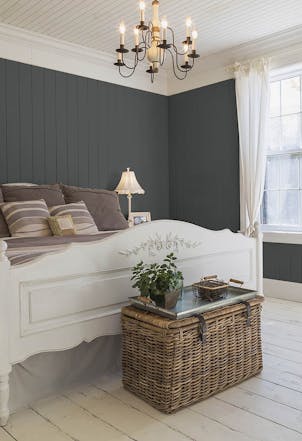
- Moody & Dramatic: Deep charcoals, slate grays, or even grays with rich green/blue undertones create a sophisticated, dramatic effect.
Popular Gray Paint Shades for Bedrooms (And Why They Work)
While testing swatches in your specific space is non-negotiable, knowing some tried-and-true gray shades can give you a fantastic starting point. Here are some of the most beloved grays, often recommended by designers, and why they’re perfect for bedrooms:
Light & Airy Grays
These grays are fantastic for making rooms feel open, bright, and serene. They act almost as a sophisticated off-white.
- Benjamin Moore Classic Gray OC-23: A soft, light gray with subtle warm (greige) undertones. It’s incredibly versatile, reading as a true gray in some lights and a very light greige in others. Perfect for creating a serene, elegant, and understated bedroom.
- Benjamin Moore Balboa Mist OC-27: Another fantastic greige, a touch warmer and slightly deeper than Classic Gray. It’s a wonderful choice for creating a cozy, inviting bedroom that still feels fresh and bright.
- Sherwin-Williams Light French Gray SW 0055: A beautiful, cool-leaning true gray with very subtle blue undertones. It offers a sophisticated, calming presence without feeling cold, especially in well-lit rooms.
Mid-Tone Comfort Grays
These grays strike a perfect balance, offering more presence than light grays but without going full dark. They are ideal for creating a comforting, enveloping atmosphere.
- Sherwin-Williams Agreeable Gray SW 7029: Often cited as one of the best-selling grays, and for good reason. It’s a true greige with a perfect balance of warm and cool, making it incredibly versatile. It creates a warm, inviting, and sophisticated backdrop for any bedroom style.
- Sherwin-Williams Repose Gray SW 7015: A slightly cooler greige than Agreeable Gray, with subtle green or purple undertones depending on the light. It’s a sophisticated, calming mid-tone that avoids feeling sterile.
- Benjamin Moore Revere Pewter HC-172: A highly popular and slightly deeper greige with noticeable warm, greenish-gray undertones. It creates a wonderfully cozy and classic feel, especially in rooms with natural wood tones.
Dark & Moody Grays
For those daring enough to embrace the drama, dark grays can create incredibly luxurious, intimate, and moody bedroom retreats. They are fantastic for encouraging deep sleep.
- Benjamin Moore Kendall Charcoal HC-166: A rich, deep charcoal gray with slight green undertones. It’s sophisticated, grounded, and creates a wonderfully cozy and dramatic backdrop, especially when paired with crisp whites and warm metals.
- Benjamin Moore Chelsea Gray HC-168: A classic, deep, rich gray that leans slightly warm without being a true greige. It’s elegant, versatile, and can feel incredibly enveloping and luxurious in a bedroom.
- Sherwin-Williams Peppercorn SW 7674: A very deep, almost black-gray with subtle cool undertones. It’s fantastic for creating a high-contrast, modern, and dramatically moody bedroom.
Here’s a quick summary of popular grays, their undertones, and ideal uses for bedrooms:
| Paint Color & Brand | Undertone | Ideal Bedroom Use | Notable Qualities |
|---|---|---|---|
| BM Classic Gray OC-23 | Greige (subtle warm) | Light, airy, serene, elegant | Reads as true gray or faint greige, highly adaptable. |
| BM Balboa Mist OC-27 | Greige (warm) | Cozy, inviting, bright, sophisticated | Warm and soft, perfect for creating a gentle ambiance. |
| SW Agreeable Gray SW 7029 | Greige (balanced warm/cool) | Versatile, comforting, popular choice for any style | A chameleon color that works in most lighting. |
| SW Repose Gray SW 7015 | Greige (cooler green/purple) | Calm, sophisticated, modern, serene | Slightly cooler than Agreeable, a great modern neutral. |
| BM Revere Pewter HC-172 | Greige (warm greenish-gray) | Cozy, classic, rich, grounding | A timeless choice, pairs beautifully with traditional decor. |
| BM Kendall Charcoal HC-166 | Deep Charcoal (slight green) | Dramatic, cozy, intimate, luxurious | Excellent for creating a moody, sophisticated retreat. |
| SW Peppercorn SW 7674 | Very Deep Gray (cool) | Bold, modern, dramatic, high-contrast | Approaches black, ideal for a striking contemporary look. |
Pairing Gray Walls: Colors and Textures That Shine
The beauty of gray is how it allows other elements in your bedroom to truly pop. Think of your gray walls as the ultimate backdrop.
Complementary Color Schemes
To keep your gray bedroom from feeling flat, strategically introduce complementary colors:
- With Cool Grays (blue, true grays): Introduce warmth through textiles and decor. Think mustard yellow, coral, soft blush pinks, or earthy rust tones.
- With Warm Grays (greiges, green grays): Balance with cooler accents like dusty blues, soft greens, crisp whites, or deep charcoals to add depth.
- Monochromatic Magic: Don’t be afraid to layer different shades of gray (from light to dark) within the room for a sophisticated, layered look.
Material Mix-Up: Wood, Metals, Textiles
Texture is key to making a gray bedroom feel inviting:
- Wood: Both light and dark woods complement gray beautifully. Light oak or birch keeps things airy, while dark walnut or mahogany adds warmth and richness.
- Metals: Silver and chrome amplify cool grays for a modern look. Brass and gold add warmth and a touch of luxury to any gray.
- Textiles: Layering is your friend! Think chunky knit throws, velvet pillows, linen bedding, or a plush area rug. These soft elements break up the wall expanse and add coziness.
Incorporating Neutrals: Whites, Creams, and Blacks
These classic pairings are fail-safe with gray:
- Crisp White: For trim, bedding, or accents, white creates a clean, fresh contrast against any gray, making the room feel tailored and bright.
- Soft Creams/Off-Whites: These introduce a softer contrast than stark white, perfect for warmer grays or greiges, adding gentle warmth and vintage charm.
- Bold Black: Used sparingly (e.g., picture frames, lamp bases, a throw pillow), black adds definition and a modern edge to a gray scheme.
The Power of Artwork and Greenery
Don’t underestimate the impact of finishing touches. Vibrant artwork can inject personality and a pop of color against a neutral gray wall. Similarly, indoor plants bring life, freshness, and organic texture, making the space feel more vibrant and alive.
Common Mistakes to Avoid When Painting Your Bedroom Gray
Even with the best intentions, it’s easy to stumble. Here are some pitfalls to sidestep for a successful gray bedroom transformation:
Forgetting to Sample (Paint Large Swatches!)
This is arguably the most critical step. A tiny paint chip looks completely different on a large wall, especially when surrounded by your existing decor. Buy several sample pots of your top contenders. Paint large (at least 2’x2′) swatches on different walls in your bedroom. Observe them throughout the day and night to see how the light changes their appearance. Do not skip this step!

Ignoring Lighting (Natural and Artificial)
As discussed, natural light profoundly impacts color. But don’t forget your artificial lighting! Warm-toned bulbs (2700K-3000K) will warm up a cool gray, while cooler bulbs (4000K+) can make warm grays feel less yellow. Test your samples with both natural and artificial light sources.
Overlooking Undertones (The “Cold” or “Muddy” Trap)
This is where many go wrong. A gray that looks perfect in a photo might have strong blue undertones that make your north-facing room feel like an icebox, or green undertones that turn it muddy in low light. Always identify the undertones and consider how they’ll react with your room’s conditions. If a gray feels ‘cold’, it likely has strong blue or violet undertones that aren’t balanced by your room’s light or furnishings.
Skipping Prep Work (It’s Crucial!)
A beautiful paint job is 90% preparation. Don’t rush or skip cleaning the walls, patching holes, sanding, and taping. Dirty or uneven walls will show through even the most expensive paint. Proper prep ensures a smooth, professional finish.
Underestimating Sheen (Flat vs. Eggshell vs. Satin)
The paint’s finish (sheen) dramatically affects how light reflects and how durable the surface is:
- Flat/Matte: Offers the least sheen, absorbing light for a rich, velvety, sophisticated look. It hides imperfections well but is less durable and harder to clean. Ideal for low-traffic bedroom walls.
- Eggshell: A subtle, low-luster finish that’s more durable and washable than flat, but still soft. A popular choice for bedrooms.
- Satin: Has a noticeable sheen, more durable and easier to clean than eggshell. Often used for trim, but can be used on walls if you prefer a slightly brighter, more reflective finish.
For bedrooms, flat or eggshell is usually preferred for its soft, inviting appearance that doesn’t reflect too much light, contributing to a restful atmosphere.
Application Tips for a Flawless Gray Finish
Once you’ve chosen your perfect gray, a smooth application is the final step to bedroom bliss.
Surface Preparation is Key
I can’t stress this enough. Clean your walls thoroughly with a mild detergent and water, rinse, and let dry completely. Fill any holes or cracks with spackle, sand smooth, and wipe away dust. Tape off trim, baseboards, and ceilings with high-quality painter’s tape for crisp lines.
Choosing the Right Tools
- Paint Brushes: High-quality angled brushes (2-3 inches) are best for cutting in around edges, trim, and corners.
- Paint Rollers: A medium nap roller cover (3/8-inch to 1/2-inch) is ideal for smooth to lightly textured walls, providing good coverage without too much splatter.
- Paint Tray: Essential for loading your roller.
- Drop Cloths: Protect your floors and furniture.
The Art of Rolling and Cutting In
Start by “cutting in” – using your brush to paint a 2-3 inch wide strip along all edges, corners, and around windows/doors. Once your cut-in lines are done, use your roller for the main wall surfaces. Roll in a ‘W’ or ‘M’ pattern, overlapping each section to ensure even coverage. Apply two thin coats rather than one thick one for a smoother, more durable finish. Allow adequate drying time between coats as per the paint manufacturer’s instructions.
Conclusion: Your Gray Bedroom Awaits
Choosing gray paint for your bedroom walls is a decision that promises sophistication, versatility, and serenity. By understanding the nuances of undertones, considering your room’s unique light and features, and avoiding common missteps, you can confidently select a shade that perfectly aligns with your vision for a tranquil retreat.
So, take a deep breath, grab those samples, and trust your instincts. Your dream gray bedroom isn’t just a possibility; it’s waiting to welcome you home to ultimate comfort and style. Happy painting!