The Definitive Guide to Choosing the Best Pale Blue Paint for Your Bedroom
Struggling to find that perfect serene pale blue for your bedroom? You’re not alone. The quest for the ideal shade can feel overwhelming, with countless swatches blurring into one another. You want a color that calms, inspires, and makes your personal sanctuary truly feel like *yours.
Forget the endless scrolling and confusing paint chip names. As an interior color strategist, I’m going to cut through the noise and equip you with the knowledge and specific recommendations to confidently choose the pale blue paint that will transform your bedroom into the peaceful haven you deserve.
Why Pale Blue is Your Bedroom’s Best Friend (and Your Sleep’s Ally)
Before we dive into specific shades, let’s talk about why pale blue is such a powerhouse for bedrooms. It’s more than just a pretty color; it’s a strategic choice for wellness.
The Psychology of Blue: Calm, Serene, Restorative
Science and design psychology consistently show that blue hues, particularly pale ones, have a profound impact on our mood and physiology. They are associated with:
- Tranquility: Reminiscent of clear skies and calm waters, blue naturally lowers stress levels.
- Relaxation: It can help reduce heart rate and blood pressure, preparing your body for rest.
- Openness: Light blues can make a room feel more expansive and airy, counteracting feelings of claustrophobia.
nThis makes pale blue an ideal choice for a bedroom, a space dedicated to winding down and recharging.
Creating a Sanctuary: Beyond Just a Pretty Color
Your bedroom isn’t just a place to sleep; it’s your personal sanctuary. Pale blue provides a versatile backdrop that supports various design aesthetics, from modern minimalism to coastal chic or classic traditional. It’s a color that fosters a sense of cleanliness, order, and quiet elegance, allowing other elements of your decor—like textures, artwork, or furniture—to truly shine without competing.
Navigating the Nuances: Understanding Pale Blue Undertones
Here’s where many people get tripped up. A pale blue isn’t just “blue.” Every shade carries subtle undertones that dramatically change its appearance in a room. Understanding these is the secret to choosing a color you’ll truly love.
The Green Undertone: Earthy & Tranquil
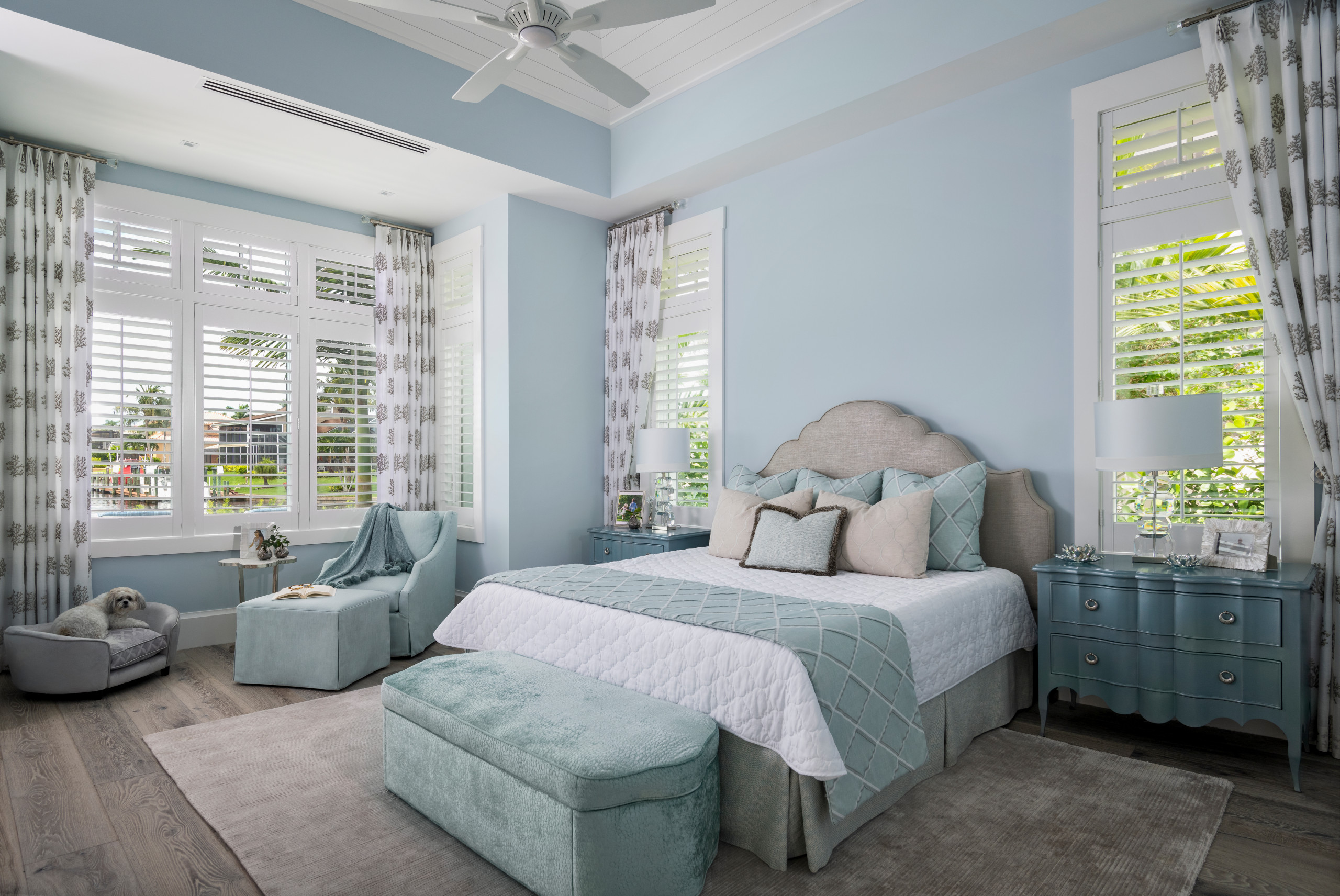
When pale blue leans green, you get a shade that feels more organic, reminiscent of sea glass or a tranquil lagoon. These blues are incredibly soothing and often perceived as ‘spa-like’. They bring a natural, refreshing quality to a room and tend to be less cool than pure blues, offering a gentle warmth.
Example: Think of Benjamin Moore‘s Palladian Blue HC-144 or Sherwin-Williams’ Sea Salt SW 6204. They dance between blue, green, and gray, creating a wonderfully complex and calming effect.
The Gray Undertone: Sophisticated & Muted
A pale blue with a noticeable gray undertone will appear more sophisticated, muted, and less juvenile. It loses some of the traditional ‘baby blue’ sweetness and gains a timeless elegance. These shades are fantastic for creating a calm, grown-up space that still feels light and airy. They often appear to shift beautifully with varying light conditions.
Example: Benjamin Moore’s Quiet Moments 1563 or Sherwin-Williams’ Upward SW 6239 are prime examples of blue-grays that offer serene sophistication.
The Purple Undertone: Subtle Warmth & Depth
A pale blue with a hint of purple or violet can add a surprising layer of depth and warmth. These are less common but can be incredibly beautiful, creating a somewhat romantic or whimsical feel. The purple undertone prevents the blue from feeling too stark or cold, adding a softness that’s particularly lovely in a bedroom.
Example: While harder to find in a truly ‘pale’ blue, some blues might hint at lavender in certain lights, offering a unique softness.
:max_bytes(150000):strip_icc()/AJ_1150_0298copy-91ea6327686844c0a0261f46697d42e5.jpg "30 Light Blue Paint Colors")
The Pure Blue Undertone: Crisp & Clear
These are the closest to what we’d call a ‘true’ pale blue – bright, clear, and refreshing, with minimal interference from green or gray. They can feel very crisp, clean, and classic. If you want a straightforward, airy blue that reminds you of a clear sky, these are your go-to. Be mindful that in certain lights, they can feel cooler than blues with warmer undertones.
Example: Benjamin Moore’s Ocean Air 2123-50 or Farrow & Ball’s Parma Gray No. 27 lean towards this pure, clear aesthetic.
Your Bedroom’s Blueprint: Factors to Consider Before You Paint
Choosing the perfect pale blue isn’t just about picking a pretty swatch. It’s about how that swatch interacts with your unique space. Here’s what to meticulously consider:
Lighting is Everything: Natural vs. Artificial Light
The direction your bedroom windows face plays a colossal role in how any paint color, especially pale blue, appears. Natural light changes throughout the day, altering the color’s perception.
- North-Facing Rooms: These rooms receive cool, indirect light throughout the day. Pale blues here might appear even cooler or grayer. To counteract this, consider blues with a subtle green or purple undertone to add warmth.
- South-Facing Rooms: Bathed in warm, bright light all day, these rooms can handle cooler, purer pale blues without them feeling stark. The warm light will balance any coolness in the paint.
- East-Facing Rooms: Get bright, warm morning light, which then transitions to cooler, shadier light in the afternoon. A pale blue here will appear fresh in the morning and potentially more muted or gray in the evening.
- West-Facing Rooms: Receive warm, intense light in the afternoon and evening. This dramatic lighting can make pale blues appear brighter and sometimes even shift their undertones.
Don’t forget artificial lighting! Warm-toned bulbs (2700K-3000K) can warm up cool blues, while cool-toned bulbs (4000K+) will emphasize their coolness.
Room Size & Ceiling Height: Maximizing Space
Pale blues are fantastic for making rooms feel larger and more open. Their light-reflecting qualities push walls back visually. For smaller bedrooms, a very pale, airy blue can create a sense of expansiveness. If you have low ceilings, consider painting the ceiling a slightly lighter shade of your wall color (or a pale, pure white) to draw the eye upward.
Existing Decor & Furniture: Creating Cohesion
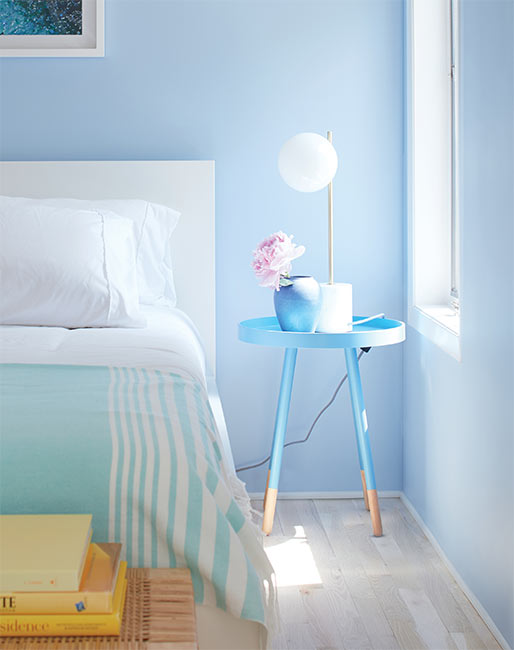
Your paint color needs to harmonize with what’s already in the room. Take stock of your furniture (wood tones, upholstery colors), bedding, artwork, and flooring. If you have warm wood tones (cherry, oak), a blue with a hint of green or gray will often complement beautifully. If your furniture is cooler (grays, whites, dark metals), a purer or slightly grayed pale blue might be ideal.
Desired Mood: From Breezy Coastal to Muted Modern
What feeling do you want your bedroom to evoke? This is critical for narrowing down your pale blue options.
- Breezy & Coastal: Look for blues with noticeable green undertones, reminiscent of ocean or sea glass.
- Sophisticated & Modern: Opt for pale blues with strong gray undertones; they’re chic and understated.
- Pure & Refreshing: Choose clear, crisp pale blues for an airy, straightforward vibe.
- Soft & Romantic: Blues with a subtle purple whisper can add a touch of gentle romance.
Paint Sheen Matters: Flat, Eggshell, Satin for Bedrooms
The finish you choose affects how light reflects off the walls and how durable the paint is. For bedrooms:
- Flat/Matte: Offers a sophisticated, velvety look that hides imperfections well. Ideal for low-traffic areas like bedrooms where durability isn’t the primary concern.
- Eggshell: Slightly more durable than flat, with a subtle sheen. It’s a great balance of beauty and practicality for bedrooms.
- Satin: Has a noticeable sheen and is more washable. While good for high-traffic areas, it might be too glossy for some bedrooms, but can be effective in modern spaces or for trim.
Most designers recommend eggshell or flat/matte for bedroom walls to enhance that soft, serene ambiance.
Top Pale Blue Paint Picks for the Bedroom: A Curated Selection
Now that you understand the intricacies, let’s explore some of the most beloved and effective pale blue paint colors from leading brands that interior designers swear by for bedrooms. We’ve handpicked these for their versatility, calming qualities, and beautiful undertones.
Benjamin Moore’s Best Pale Blues
Benjamin Moore is renowned for its sophisticated color palette. Here are a few pale blue gems for your bedroom:
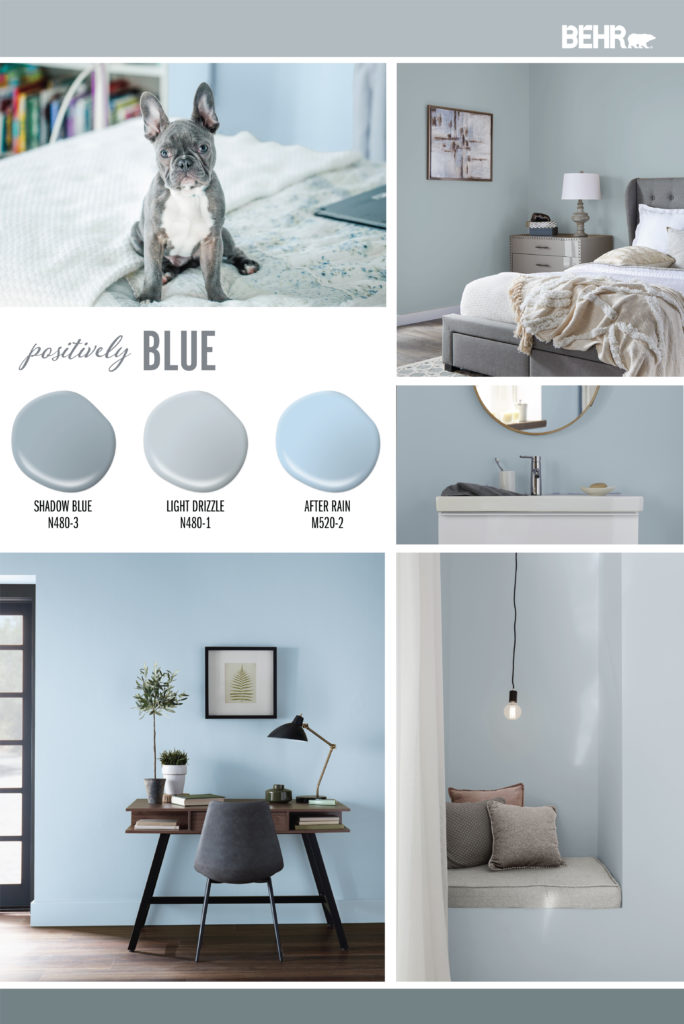
- Benjamin Moore Palladian Blue HC-144: An iconic, sophisticated blue-green-gray. It’s incredibly versatile, often described as a ‘spa blue.’ It rarely looks too cool and truly creates a tranquil oasis, making it a perennial favorite for bedrooms.
- Benjamin Moore Woodlawn Blue HC-147: A slightly bluer, yet still balanced, blue-green. It’s a bit more vibrant than Palladian Blue but retains that soothing, natural quality. Perfect for a coastal-inspired bedroom or one craving a fresh, clear atmosphere.
- Benjamin Moore Ocean Air 2123-50: A very light, crisp, and pure pale blue with just a hint of gray to keep it from feeling too childish. It truly evokes the feeling of a clear, expansive sky, making a room feel open and breathable. Excellent for rooms that get plenty of warm light.
- Benjamin Moore Quiet Moments 1563: A muted blue-green-gray that lives up to its name. It’s softer and more subdued than Palladian Blue, leaning a bit more into the gray. This is an excellent choice for a truly minimalist or contemporary bedroom seeking profound calm.
Sherwin-Williams’ Serene Shades
Sherwin-Williams offers a fantastic range of popular blues, many with subtle undertones that are perfect for creating a peaceful sleep environment.
- Sherwin-Williams Sea Salt SW 6204: Perhaps their most famous blue-green-gray. It’s a chameleonic color that can look more blue, more green, or more gray depending on the light. It’s incredibly organic and soothing, ideal for a relaxed, spa-like bedroom.
- Sherwin-Williams Rainwashed SW 6211: A beautiful blue-green that’s slightly more saturated and vibrant than Sea Salt, yet still very soft and serene. It brings a fresh, uplifting energy while remaining calming. Think of it as a clear, tropical lagoon.
- Sherwin-Williams Upward SW 6239: Sherwin-Williams’ 2024 Color of the Year, described as a breezy, blissful blue. It’s a very light, airy blue with a soft gray undertone, embodying calmness and clarity. This is a wonderfully modern pale blue that feels fresh and inviting.
- Sherwin-Williams Niebla Azul SW 9137: A serene, dusty blue that offers a touch more depth than some other pale blues, without losing its lightness. Its subtle gray helps it feel sophisticated and welcoming, perfect for a cozy yet expansive bedroom.
Farrow & Ball’s Elegant Blues
Known for their sophisticated, deeply pigmented paints, Farrow & Ball offer pale blues with a unique depth and traditional charm.
- Farrow & Ball Light Blue No. 22: Despite its name, this color has significant green and gray undertones that make it incredibly soft and atmospheric. It changes beautifully with the light, appearing silvery-gray in some moments and a gentle blue-green in others. Truly elegant and timeless.
- Farrow & Ball Skylight No. 205: A very pale, ethereal blue that is almost white but has enough pigment to add a whisper of color. It’s a wonderfully fresh and airy choice for bedrooms where you want just a hint of cool color without overwhelming the space.
- Farrow & Ball Parma Gray No. 27: Don’t let the ‘Gray’ fool you; this is a clear, cool, and crisp pale blue. It has a beautiful clarity that feels very clean and classic. Ideal for those who love a straightforward, refreshing blue without complex undertones.
Honorable Mentions from Other Brands
- Clare Paint’s Good Jeans: A versatile mid-tone blue that often reads as a pale blue in well-lit rooms. It’s a relaxed, classic blue with subtle gray undertones, making it incredibly approachable.
- Behr’s Whispering Turquoise MQ3-29: A lovely, light turquoise that brings a refreshing, slightly more vibrant blue-green energy. Great for a bedroom wanting a bit more personality while maintaining tranquility.
- Valspar’s Coastal Villa 5003-7A: A beautiful pale blue with green-gray undertones, reminiscent of a serene beach house. It’s soft, calming, and highly livable.
Side-by-Side Comparison: The Best Pale Blues at a Glance
To help you visualize and compare these top picks, here’s a detailed table outlining their key characteristics. Remember, LRV (Light Reflectance Value) indicates how much light a color reflects – higher numbers mean lighter colors.
| Brand | Color Name | Key Undertones | Approx. LRV | Ideal Mood/Use |
|---|---|---|---|---|
| Benjamin Moore | Palladian Blue HC-144 | Green, Gray | 60 | Spa-like, tranquil, sophisticated |
| Benjamin Moore | Woodlawn Blue HC-147 | Green, Blue | 59 | Fresh, clear, coastal |
| Benjamin Moore | Ocean Air 2123-50 | Pure Blue, hint of Gray | 70 | Open, airy, crisp, expansive |
| Sherwin-Williams | Sea Salt SW 6204 | Green, Gray, Blue | 64 | Organic, soothing, chameleonic |
| Sherwin-Williams | Rainwashed SW 6211 | Blue, Green | 59 | Refreshing, clear, uplifting |
| Sherwin-Williams | Upward SW 6239 | Blue, Soft Gray | 57 | Modern, fresh, serene, blissful |
| Farrow & Ball | Light Blue No. 22 | Green, Gray | 57 | Elegant, atmospheric, traditional |
| Farrow & Ball | Parma Gray No. 27 | Pure Blue, Cool Gray | 54 | Crisp, classic, clean, formal |
Bringing Your Pale Blue Bedroom to Life: Design Tips & Tricks
Painting your walls is just the beginning. The magic happens when you thoughtfully integrate your pale blue with the rest of your bedroom’s design. Here’s how to create a cohesive and captivating space:
Complementary Colors: Whites, Grays, Naturals, and Pops of Color
Pale blue is a fantastic neutral base that pairs beautifully with a wide array of colors:
- Crisp Whites: For trim, ceilings, and bedding, bright whites (like Benjamin Moore Chantilly Lace OC-65 or Sherwin-Williams Extra White SW 7006) create a fresh, clean contrast. Softer off-whites provide a gentler transition.
- Warm Grays & Greiges: These provide a sophisticated, grounding counterpoint. Think of charcoal gray bedding or a light greige rug.
- Natural Woods & Textures: Medium to light wood tones (maple, white oak) and natural fibers like linen, jute, or rattan add warmth and organic appeal, preventing the room from feeling too cool.
- Metallics: Silver, brushed nickel, or chrome enhance the cool elegance. Gold or brass adds a luxurious, warm touch.
- Pops of Color: Don’t be afraid to introduce subtle accents. Coral, soft peach, blush pink, or even a touch of emerald green (especially with blue-greens) can add personality and warmth through pillows, throws, or artwork.
Furniture & Textiles: Enhancing the Serenity
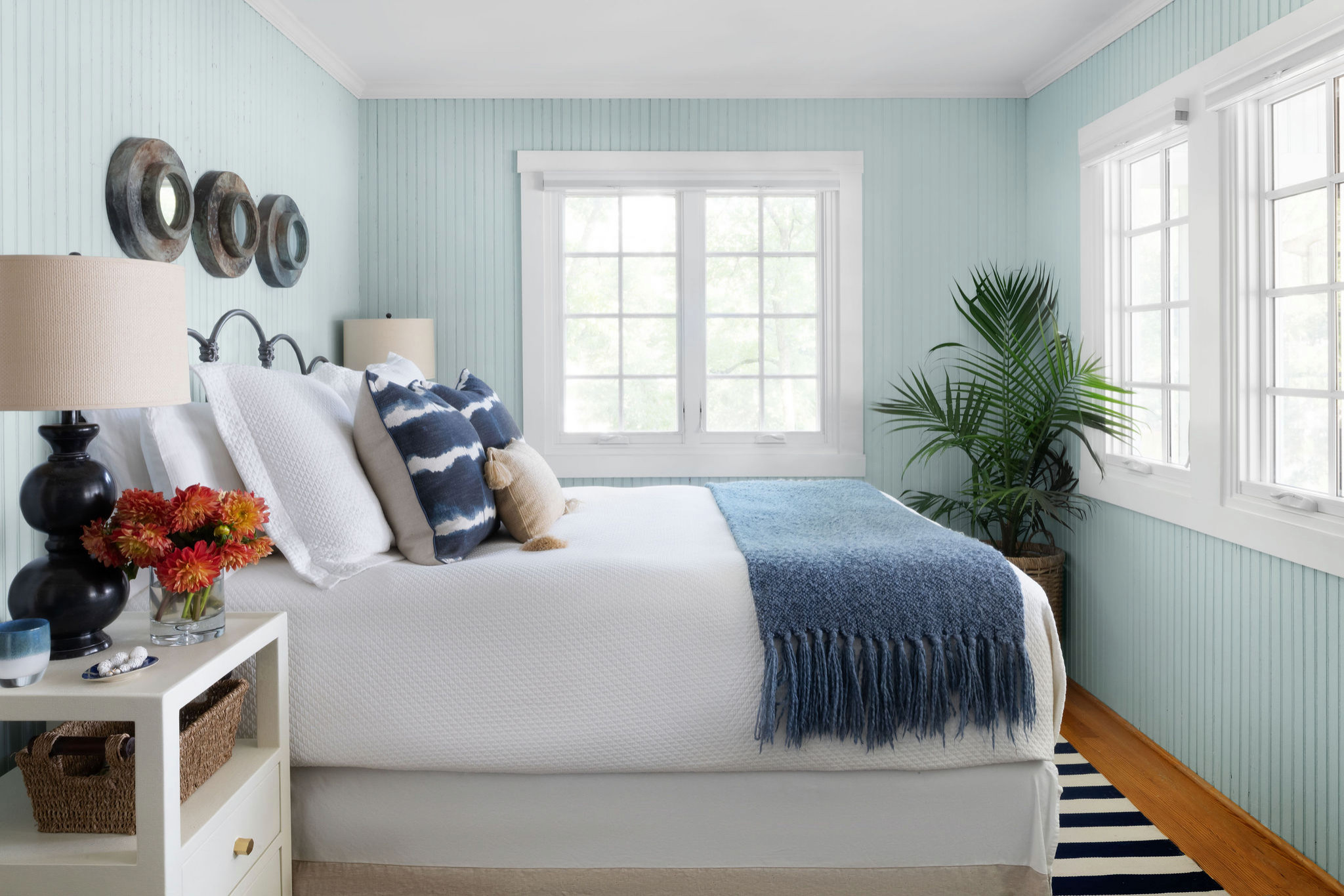
When selecting furniture, consider pieces with clean lines to complement the calm aesthetic. Light-colored upholstery or natural wood finishes work wonderfully. For textiles, prioritize softness and texture. Layer linen bedding, a chunky knit throw, or a plush rug to add comfort and visual interest without overwhelming the serene blue backdrop.
Lighting: Setting the Ambiance
Beyond natural light, strategic artificial lighting is crucial. Use multiple light sources:
- Overhead: A dimmer switch on your main ceiling fixture allows you to adjust brightness.
- Task Lighting: Bedside lamps provide focused light for reading.
- Accent Lighting: A small floor lamp or sconce can create soft, ambient glows in corners.
Choose bulbs with a warm color temperature (2700K-3000K) to create a cozy, inviting atmosphere that complements the calming nature of pale blue.
The Power of Samples: Don’t Skip This Step!
I cannot stress this enough: ALWAYS buy paint samples! Paint large swatches (at least 2’x2′) on different walls of your bedroom, including one near a window and one on an interior wall. Observe them throughout the day and night. See how they look in morning light, afternoon sun, and under your artificial lighting. This is the only way to truly understand how a color will behave in your* unique space.
Common Mistakes to Avoid When Choosing Pale Blue
Even with all this knowledge, it’s easy to make missteps. Be aware of these common pitfalls:
- Not Testing Samples (the biggest mistake!): As mentioned, a tiny paint chip looks drastically different on a large wall. Always sample before committing to gallons.
- Ignoring Undertones: Choosing a pale blue purely based on its main hue without considering its subtle green, gray, or purple notes can lead to a color that feels ‘off’ or doesn’t harmonize with your existing decor.
- Forgetting Lighting Conditions: A beautiful pale blue in a brightly lit showroom can look stark and cold in a north-facing bedroom. Always test in your specific room’s light.
- Overlooking Paint Sheen: A glossy pale blue will reflect light differently and can feel very different from a matte finish. Most bedrooms benefit from a lower sheen like eggshell or flat.
- Getting Overwhelmed: There are thousands of options. Use the framework provided here (undertones, lighting, mood) to narrow down your choices to a manageable few before sampling.
Your Pale Blue Dream Bedroom Awaits
Choosing the best pale blue paint for your bedroom is a journey, not a sprint. By understanding the psychology of blue, recognizing vital undertones, and meticulously considering your room’s unique characteristics, you’re now equipped to make an informed, confident decision.
Embrace the process: gather your samples, observe them in your space, and trust your intuition. The perfect pale blue is out there, ready to transform your bedroom into the calm, restorative sanctuary you’ve been dreaming of. Sweet dreams start with the right color on your walls.