Your Ultimate Guide to Popular Bedroom Paint Colors 2026: Trends, Tips, & Tranquility
Dreaming of a bedroom that feels fresh, on-trend, and utterly your own? If you’re anything like me, the idea of transforming your sleep sanctuary with a lick of paint is both exciting and a little daunting. Especially when you’re looking ahead to 2026, trying to figure out what’s *actually going to feel good and look current, not just for a season, but for years to come.
Good news: you’ve landed in the right place. Forget generic forecasts and vague predictions. We’re diving deep into the definitive bedroom paint colors for 2026, blending expert insights with the real-world desire for spaces that genuinely promote rest, well-being, and style. We’ll explore the major players’ Colors of the Year, broader design currents, and crucial tips to help you pick the perfect shade for your* bedroom. So, let’s get those brushes ready!
Why does 2026 matter for bedroom colors? We’re seeing a significant shift away from anything overly stark, cold, or overtly ‘loud.’ The next year is all about creating deeper connections—to nature, to comfort, and to our inner selves. Think nuanced, restorative, and sophisticated palettes that feel like a warm hug, not a jolt of caffeine.
The Big Reveal: 2026 Colors of the Year (COTY) for Your Bedroom
Every year, the biggest paint brands unveil their highly anticipated Color of the Year (COTY), a single shade that often sets the tone for interior design trends. But for a bedroom, it’s not just about what’s fashionable; it’s about what fosters peace and relaxation. Let’s look at the key COTY announcements influencing 2026, and how they translate into your most personal space.
Benjamin Moore’s Silhouette AF-655: The Sophisticated Embrace
Benjamin Moore’s 2026 Color of the Year, Silhouette AF-655, is a rich, deep hue that defies easy categorization. Imagine a sophisticated blend of espresso and charcoal, a color that offers profound depth without feeling heavy. For a bedroom, Silhouette AF-655 is a game-changer for creating a truly intimate, cocoon-like atmosphere. It’s not just a dark color; it’s a canvas for drama and elegance.
How it works in bedrooms:
- Creates a cozy retreat: Perfect for a statement wall behind the bed, or even all four walls in a spacious room, it envelops you.
- Grounding effect: Its deep tone provides a sense of stability and calm, ideal for winding down.
- Versatile pairing: Combines beautifully with warm whites, creamy beiges, soft gold accents, and natural wood tones. Think linen bedding, velvet textures, and subtle metallics to amplify its luxurious feel.
Valspar’s Warm Eucalyptus: Nature’s Calming Whisper
Valspar’s Warm Eucalyptus is precisely what it sounds like: a gentle, naturally restorative green with a muted, earthy undertone. This isn’t a vibrant, in-your-face green, but rather a soft, almost grey-green that evokes the serene feeling of a tranquil forest or a spa-like retreat. It’s about bringing the outside in, without overwhelming the senses.
How it works in bedrooms:
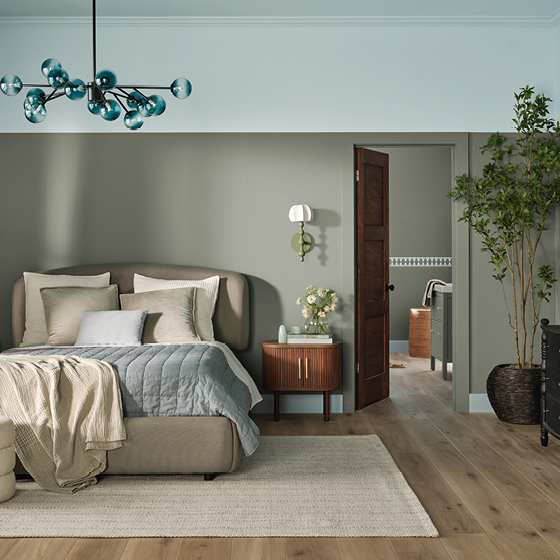
- Promotes tranquility: Greens are inherently calming, and Warm Eucalyptus takes this to a new level with its subdued nature.
- Biophilic design: Connects you to nature, promoting a sense of well-being and reducing stress.
- Excellent neutral base: Acts almost like a neutral, pairing well with off-whites, light woods, terracotta, and soft blues or yellows for subtle contrast.
Sherwin-Williams’ Colormix Forecast (Specific Hues): Beyond a Single Shade
Sherwin-Williams often presents a comprehensive Colormix Forecast rather than a single COTY, offering a broader palette of complementary colors. For 2026, their ‘Anthology: Volume Two’ forecast includes a section called ‘Frosted Tints,’ highlighting cool, analogous tones. For bedrooms, these are particularly interesting.
Look for shades within this collection that lean towards:
- Whisper Blues: Not baby blue, but a more sophisticated, slightly desaturated blue that feels like a clear sky just before dawn. Perfect for fostering serenity and clear-headedness.
- Muted Lavenders: A soft, dusty lavender or periwinkle that brings a touch of romance and creativity, without being overtly feminine or juvenile.
- Icy Greens: Similar to Valspar’s approach, but with a cooler, crisper edge. Think pale celadon or seafoam that is fresh and airy.
These shades are excellent for creating light, ethereal bedrooms that still feel cozy and inviting. They work beautifully with white bedding, natural fibers, and minimal decor.
HGTV Home by Sherwin-Williams (Specific Hues): Accessible Elegance
The HGTV Home by Sherwin-Williams collection for 2026 focuses on creating cohesive, stylish palettes. While not a single COTY, their collection often features accessible, homeowner-friendly hues that are perfect for bedrooms. Keep an eye out for these types of colors:
- Neutral Ground: A soft, creamy off-white that redefines what a neutral can be. It’s warm, inviting, and a perfect canvas for any decor style, especially in bedrooms where pure white might feel too stark.
- Lemon Chiffon: A very pale, almost ethereal yellow that brings a touch of sunshine and optimism without being loud. Excellent for brightening smaller bedrooms or north-facing rooms.
- Still Water: A deep, tranquil blue-green, reminiscent of calm ocean depths. It shares the calming qualities of other blues and greens but with a bit more saturation and richness, ideal for a focal wall or a moody, sophisticated vibe.
Other Notable Mentions: Expanding Your Palette
Beyond the major brands, other paint companies also offer exciting picks that align with 2026 bedroom trends:
- Dunn-Edwards’ Midnight Garden: As the name suggests, this is a deep, rich green that leans into the dramatic biophilic trend. Imagine sleeping in a luxurious, secret garden. It’s perfect for creating a bold, elegant statement.
- Graham & Brown’s Divine Damson: A luxurious, deep plum-purple that brings warmth, sophistication, and a hint of opulence. Used sparingly or on a single wall, it can create a truly indulgent bedroom experience.
- Behr’s Hidden Gem: Often a muted, sophisticated jewel tone, this type of color brings subtle richness. Look for a deep, dusty teal or emerald that adds depth and personality without being overwhelming, connecting to themes of sanctuary and precious spaces.
Beyond the Hype: Core Color Trends Dominating 2026 Bedrooms
While Colors of the Year grab headlines, broader trends also shape our choices. For 2026, the underlying current is all about creating spaces that soothe, rejuvenate, and feel genuinely personal. These overarching themes guide the specific color choices designers and homeowners are making.
Serene Earth Tones & Neutrals Redefined
Forget boring beiges and cold greys. The earth tones of 2026 are nuanced, sophisticated, and anything but bland. We’re seeing a movement towards warm beiges with a hint of pink or peach, sophisticated greys with strong warm undertones (think greige), and rich, grounded shades like mushroom, clay, and muted terracotta hints.
Why they’re popular for bedrooms: These colors create a natural, grounding effect. They’re incredibly versatile, acting as a perfect backdrop for layered textures and natural materials like wood, linen, and wool. They feel organic, calming, and effortlessly elegant, promoting a sense of stability and comfort crucial for a good night’s sleep.
:max_bytes(150000):strip_icc()/gallery-39-c82dbdc4919047bd92f68addfd08e7db.jpg "7 Bedroom Paint Color Trends You'll See Everywhere in 2026")
Muted Blues & Greens: The Biophilic Connection
The desire to reconnect with nature continues to influence our color choices. For 2026 bedrooms, this translates into whisper greens, muted sages, and a spectrum of tranquil blues. These aren’t bold, primary colors. Instead, they are desaturated, soft, and evocative of natural landscapes – a misty forest, a calm lake, or a clear sky.
Link to nature, calm, sleep: Biophilic design, which incorporates elements of nature into interiors, is paramount. These colors inherently reduce stress and promote relaxation, making them ideal for a bedroom. They suggest openness and freshness, yet their muted quality prevents them from feeling stimulating.
Warm, Dusky Pastels: Softness with Depth
If you love pastels but worry they might feel childish or overly sweet, 2026 brings a sophisticated twist. We’re talking about dusky powder pinks, muted lavenders with grey undertones, and pale peaches that have a subtle, earthy richness. These aren’t bright, sugary hues; they possess a certain ‘grubbiness’ (in the best possible way) that makes them feel aged, soft, and lived-in.
Their role in creating cozy spaces: These colors are perfect for creating cozy, romantic, or gently whimsical bedrooms. They add warmth and a touch of softness without sacrificing sophistication. They pair beautifully with cream, gold, and other warm neutrals, making a bedroom feel like a comforting embrace.
Rich, Deep Accents: Strategic Drama
While the overall trend for bedrooms leans towards softer, more muted full-room colors, there’s still a place for drama, but it’s used strategically. Think darker, moody blues (like navy or deep indigo), forest greens, or even charcoals used as an accent wall, behind shelving, or to highlight architectural features.
For accent walls or statement pieces: These colors are best employed to create a focal point or add depth to a larger room. They can provide a beautiful contrast to lighter bedding and furniture, making other elements pop. The key is balance – a little goes a long way in a sleep space, preventing it from feeling overwhelming.
Why These Colors? The Psychology of 2026 Bedroom Hues
Color is more than just aesthetics; it profoundly impacts our mood, energy, and even our sleep quality. The trends we see for 2026 aren’t random; they’re deeply rooted in our collective psychological needs and desires for our homes.
Promoting Rest & Relaxation
The overwhelming preference for soft, muted tones in 2026 bedrooms directly responds to our need for better sleep. Colors like tranquil blues, whisper greens, and warm neutrals have been scientifically shown to reduce heart rate, lower blood pressure, and create a calm mental state conducive to falling asleep faster and sleeping more soundly. These shades act as a visual lullaby, signaling to our brains that it’s time to unwind.
:max_bytes(150000):strip_icc()/RojoMarronSW9182-f7bbca38b9f64b64a233574ba2384150.jpg "These Will Be the Most Popular Paint Colors of 2026")
Creating a Sanctuary
In a world that often feels chaotic and overstimulating, our bedrooms have become more than just a place to sleep – they are our last refuge, our personal sanctuary. The 2026 color palette reflects this desire for a haven. Deep, enveloping colors like Benjamin Moore’s Silhouette, or soft, earthy tones, help to create a sense of enclosure and protection, making the room feel like a safe, comforting cocoon where you can truly escape and recharge.
Biophilia & Nature Connection
The rising popularity of greens (like Valspar’s Warm Eucalyptus) and nature-inspired blues highlights our innate human need to connect with the natural world – a concept known as biophilia. Bringing these colors into the bedroom can reduce stress, enhance mood, and foster a sense of vitality and peace. It’s about creating an environment that feels organic and harmonious, even if you’re in the middle of a bustling city.
Personal Expression & Mood
Ultimately, your bedroom should reflect you. While trends provide guidance, the psychological impact of color is also deeply personal. The 2026 trends offer a versatile enough palette to allow for individual expression. Whether you lean towards the dramatic sophistication of a deep charcoal, the serene calm of a soft green, or the cozy warmth of a dusky pastel, these colors empower you to create a mood that perfectly aligns with your vision of a perfect bedroom.
Navigating Your Choices: Practical Tips for Your 2026 Bedroom Refresh
So, you’ve got a handle on the trending colors. Now, how do you translate that inspiration into a real-life bedroom you’ll love? It’s not just about picking a pretty swatch; it’s about understanding how paint behaves in your unique space.
Consider Your Light
This is probably the single most important factor. Paint colors look drastically different depending on the light they receive:
- Natural Light:
- North-facing rooms: Receive cooler, dimmer light. Warm colors (pinks, yellows, warm greys) prevent it from feeling too cold.
- South-facing rooms: Get bright, warm light all day. Most colors look good here, but cool colors can balance the warmth.
- East-facing rooms: Bright in the morning, cooler in the afternoon. Consider colors that look good in both lights.
- West-facing rooms: Cooler in the morning, warm and intense in the afternoon.
- Artificial Light: LED lights vary in color temperature (warm white, cool white). Test your paint samples with your actual lightbulbs to see the true effect.
Room Size & Ceiling Height
- Small bedrooms: Lighter, softer shades (like Warm Eucalyptus or Neutral Ground) can make a room feel more expansive. However, a deep, enveloping color like Silhouette can paradoxically make a small room feel intentional, cozy, and luxurious, rather than cramped.
- Large bedrooms: You have more freedom! Darker, richer tones can add intimacy and reduce the feeling of cavernousness.
- Ceiling height: Painting the ceiling a lighter shade than the walls (or even white) can make walls appear taller. Painting it the same color as the walls can create a seamless, enveloping effect, particularly effective with darker, moodier shades.
Existing Decor & Furniture
Your new paint color needs to play nicely with what’s already in the room. Take stock of your bedding, curtains, rugs, and furniture. Are they warm-toned woods or cool-toned metals? Does your duvet have a pattern that will clash or complement? Use these elements as a starting point to guide your color choice, ensuring harmony rather than chaos.
The Power of Undertones
This is where paint colors can get tricky. Every color has an undertone – a subtle hue that peeks through (blue, green, yellow, red, violet). A seemingly ‘grey’ paint might have a blue undertone that makes your room feel cold, or a green undertone that makes it feel earthy. This is why samples are absolutely crucial. Paint large swatches on different walls and observe them at various times of day. This is the only way to truly see how the undertones interact with your lighting.
Paint Finish Matters
The sheen of your paint affects how light reflects off it and how durable it is. For bedrooms:
:max_bytes(150000):strip_icc()/HGTV-Home-Sherwin-Williams-bedroom-cc5dfa07a2fa411f8a1965198425dcd4.jpg "3 Paint Colors That Will Dominate 2026, According to HGTV ...")
- Matte/Flat: Best for hiding imperfections and providing a sophisticated, velvety look. Absorbs light, creating a deep, rich color. Less durable and harder to clean.
- Eggshell/Satin: Most popular for bedrooms. Offers a soft, subtle sheen, good durability, and easier to clean than flat. Reflects a bit more light, making colors appear slightly brighter.
- Semi-Gloss/High-Gloss: Highly durable and reflective, but can highlight imperfections. Generally not recommended for entire bedroom walls, but great for trim, doors, or furniture.
Don’t Forget the Fifth Wall
The ceiling is often overlooked, but it’s a huge surface! While white is a common default, consider painting your ceiling:
- A very light, diluted version of your wall color for a subtle, cohesive feel.
- A contrasting light shade (e.g., a warm white with a deep wall color) to lift the room.
- The same color as your walls, especially with darker, rich tones, to create a truly immersive, cozy ‘box’ effect.
Colors to Rethink for 2026 Bedrooms (Learning from the ‘Avoid’ Lists)
While personal preference always reigns supreme, design experts are pointing towards certain colors that might feel dated or counterproductive for a bedroom in 2026. This isn’t about rigid rules, but about understanding prevailing aesthetics and the desire for restorative spaces.
Overly Saturated & Bright Hues
Think back to those vivid, energetic colors: bright reds, shocking pinks, electric blues, or neon greens. While they have their place in other areas of the home, for a bedroom in 2026, designers are largely advising caution. These highly stimulating colors can:
- Disrupt sleep: They tend to increase heart rate and alertness, making it harder to unwind.
- Feel aggressive: A bedroom should be a haven, not a high-energy zone.
If you love a vibrant color, consider using it as a small accent – a throw pillow, a piece of art – rather than a dominant wall color.
Stark, Cool-Toned Whites
While white is classic, the ultra-cool, almost clinical whites of past decades are less favored for bedrooms in 2026. These whites can feel:
- Uninviting and sterile: Lacking the warmth and softness desired for a cozy sleep space.
- Too bright: Especially under strong artificial light, they can feel harsh.
Instead, gravitate towards warm whites with creamy, beige, or grey undertones (like HGTV Home’s Neutral Ground). These whites offer brightness without sacrificing warmth and comfort, perfectly aligning with the 2026 trend for inviting neutrals.
Dated Greens/Browns
There’s a clear distinction between the rich, muted, sophisticated greens and earth tones trending in 2026 (like Warm Eucalyptus or Midnight Garden) and the avocado greens or muddy browns that might evoke a more retro, less refined aesthetic. If your green or brown feels:
- Too artificial or synthetic: Lacking the organic depth of natural hues.
- Overly muted without sophistication: Appearing dull rather than serene.
It might be time to update. The 2026 versions of these colors are softer, more complex, and deeply connected to nature, rather than an outdated color palette.

2026 Bedroom Color Trends at a Glance: Key Brands & Hues
To help you visualize and compare, here’s a summary of the prominent colors and their intended vibe for your bedroom.
| Paint Brand | 2026 Key Color/Collection | Bedroom Vibe | Why It Works for Bedrooms |
|---|---|---|---|
| Benjamin Moore | Silhouette AF-655 (Deep Espresso/Charcoal) | Sophisticated, Intimate, Luxurious | Creates a dramatic, cocooning effect; perfect for deep rest. |
| Valspar | Warm Eucalyptus (Muted Green) | Calm, Natural, Spa-like | Connects to nature; inherently soothing and stress-reducing. |
| Sherwin-Williams | Frosted Tints (Whisper Blues, Muted Lavenders) | Ethereal, Serene, Light | Promotes clarity and peacefulness; feels airy and delicate. |
| HGTV Home by Sherwin-Williams | Neutral Ground (Creamy Off-White), Still Water (Deep Blue-Green) | Versatile, Inviting, Grounded | Warm neutrals create a flexible base; deep blue-green is grounding. |
| Dunn-Edwards | Midnight Garden (Deep Green) | Lush, Dramatic, Biophilic | Creates a bold, natural retreat, fostering a sense of enclosure. |
| Graham & Brown | Divine Damson (Rich Plum-Purple) | Opulent, Warm, Indulgent | Adds a touch of luxury and warmth for a romantic or sophisticated space. |
Final Strokes: Making Your 2026 Bedroom Dream a Reality
Choosing the right paint color for your bedroom in 2026 is an exciting journey of discovery. The overarching theme is clear: create a space that nurtures your soul, promotes rest, and reflects a deep connection to comfort and nature. Whether you opt for the deep embrace of a sophisticated charcoal, the serene whisper of a muted green, or the comforting warmth of a redefined neutral, trust your instincts.
Remember, samples are your best friend. Live with them, see them in different lights, and ensure the color resonates with the mood you want to create. Your bedroom is your most personal space, and the perfect paint color can elevate it from merely a room to a true sanctuary. Here’s to painting your way to a more beautiful, tranquil 2026!
Frequently Asked Questions
What’s the difference between a ‘Color of the Year’ and general ‘color trends’?
A ‘Color of the Year’ is a single, specific shade selected by a major paint brand or design authority to represent the overarching mood and direction for the coming year. General ‘color trends,’ however, are broader palettes or aesthetic movements (e.g., earth tones, muted pastels) that emerge from various influences, including COTYs, fashion, global events, and lifestyle shifts. COTYs are often a catalyst, while trends are the wider ripple effect.
How do I test paint colors in my bedroom effectively?
The most effective way is to paint large swatches (at least 2’x2′) directly onto your bedroom walls, or on large white poster boards you can move around. Observe these swatches at different times of day (morning, afternoon, evening) and under both natural and artificial lighting. Pay close attention to how the color changes and how its undertones reveal themselves. Don’t just look at small chips!
Are dark colors suitable for small bedrooms in 2026?
Yes, absolutely! While it’s a common misconception that dark colors make small rooms feel smaller, they can actually create a sophisticated, cozy, and intimate ‘jewel box’ effect. For 2026, rich, deep hues like Benjamin Moore’s Silhouette or Dunn-Edwards’ Midnight Garden can transform a small bedroom into a luxurious, enveloping sanctuary rather than making it feel cramped. The key is to ensure good lighting and balance with lighter bedding or accents.
What paint finish is best for a bedroom?
For bedrooms, eggshell or satin finishes are generally recommended. They offer a subtle, soft sheen that looks elegant, provides good durability, and is easier to clean than a flat or matte finish. Flat or matte finishes are excellent for hiding wall imperfections and creating a deep, velvety color, but they are less washable. High-gloss finishes are usually too reflective for an entire bedroom wall but can be great for trim or accent furniture.
How often should I repaint my bedroom to stay on trend?
While trends shift annually, you certainly don’t need to repaint every year! Most bedrooms benefit from repainting every 3-5 years, both for aesthetic freshness and practical maintenance. Focusing on classic, trend-aligned choices like the serene, muted, and earthy tones popular in 2026 will ensure your bedroom remains stylish and comfortable for several years without feeling dated.
Can I combine popular 2026 colors in one bedroom?
Yes, you can! Thoughtful combination is key. For example, you could use a calming Valspar Warm Eucalyptus on three walls and a deeper accent like Benjamin Moore’s Silhouette on the wall behind your headboard. Or, pair a warm neutral (like HGTV Home’s Neutral Ground) with subtle accents in muted blue or dusty lavender. Look for colors with complementary undertones or within the same ‘mood’ family (e.g., all earthy and muted) to ensure harmony.
What role does lighting play in choosing a bedroom paint color?
Lighting is paramount. Natural light (from windows) and artificial light (lamps, overhead fixtures) significantly alter how a paint color appears. North-facing rooms receive cooler light, making colors appear more subdued. South-facing rooms get bright, warm light, which can intensify colors. Similarly, the color temperature of your light bulbs (warm vs. cool LEDs) will dramatically impact the paint’s perceived hue. Always test swatches in your room’s specific lighting conditions.