Green Colors to Paint Bedrooms: Your Definitive Guide to a Serene Sanctuary
Staring at a wall of green paint swatches, feeling overwhelmed? You’re not alone. Choosing the perfect green for your bedroom can feel like a high-stakes decision because it directly impacts your personal sanctuary – the place where you unwind, recharge, and dream. You want a color that calms, inspires, and truly feels like you.
This isn’t just about picking a pretty color; it’s about crafting an environment. And green, with its deep roots in nature, is uniquely positioned to deliver exactly that. But with so many shades – from whispering sages to dramatic forest hues – how do you find the one that will transform your bedroom into a peaceful oasis?
Forget the guesswork. This guide cuts through the noise, offering actionable insights, expert tips, and specific green hues to help you confidently choose the *perfect* shade for your sleep haven. We’ll explore the psychology, practical considerations, and best-in-class greens so you can finally dip that brush with certainty.
Why Green is the Ultimate Bedroom Color (Beyond Just Pretty)
There’s a reason green feels so intrinsically right for a bedroom. It’s more than just a trend; it’s a timeless connection to the natural world, bringing a sense of balance and harmony indoors.
The Psychology of Green: Calm, Nature, and Rest
Psychologically, green is associated with growth, renewal, health, and tranquility. It’s the color of nature, evoking the restorative feeling of being outdoors. In a bedroom, this translates directly to a sense of peace and groundedness. Unlike more stimulating colors, green encourages relaxation and reduces feelings of anxiety, making it an ideal choice for a space dedicated to rest.
How Green Impacts Sleep and Well-being
Research suggests that exposure to green can lower stress levels and promote a sense of well-being. Imagine drifting off to sleep enveloped in a color that subconsciously reminds you of a peaceful forest or a calm meadow. This natural connection can positively influence your sleep quality, helping you to fall asleep faster and achieve deeper, more restorative rest. It’s a subtle yet powerful ingredient for a healthy sleep environment.

Versatility: A Green for Every Style
From minimalist to maximalist, modern to traditional, green is incredibly versatile. A soft sage can create a minimalist, airy feel, while a deep emerald can evoke luxury and drama. Earthy olive tones ground a rustic or bohemian aesthetic, and vibrant mint greens inject a playful, fresh energy. No matter your personal style, there’s a green that will not only complement but elevate your bedroom’s aesthetic.
Your Green Bedroom Paint Selector: Factors to Consider Before You Dip the Brush
Before you even look at a single paint chip, understanding your room’s unique characteristics is crucial. These factors will guide you toward the perfect green.
Natural Light: North, South, East, West – How Light Changes Everything
- North-Facing Rooms: These rooms tend to have cooler, blue-gray light throughout the day. To counteract this, opt for warmer greens with yellow undertones (think olive, moss, or a warm sage) to prevent the room from feeling too cold or stark.
- South-Facing Rooms: Bathed in warm, bright light, these rooms are versatile. You can go for cooler greens with blue undertones (like teal-greens or cooler sages) to balance the warmth, or lean into it with rich, deep greens that will glow.
- East-Facing Rooms: Get beautiful, warm morning light that turns cooler in the afternoon. A balanced green, neither too warm nor too cool, often works best, adapting well to the shifting light.
- West-Facing Rooms: Receive strong, warm afternoon and evening light. Like south-facing rooms, they can handle a variety of greens. Cooler greens will feel refreshing as the afternoon sun streams in, while warm greens will feel incredibly cozy in the evening.
Expert Tip: Always observe your paint samples in your bedroom at different times of day to see how the light transforms the color.
Room Size and Ceiling Height: Making Your Space Feel Right
- Small Rooms: Lighter greens (soft sage, mint, celadon) can make a small room feel more expansive and airy. However, don’t shy away from darker greens entirely! A rich, deep green can create an incredibly moody, intimate, and sophisticated jewel-box effect in a smaller space, especially when paired with ample lighting and reflective surfaces.
- Large Rooms: Larger rooms can beautifully accommodate deeper, more saturated greens (forest, emerald, hunter green) without feeling overwhelming. These shades can make a grand room feel cozier and more defined.
- Low Ceilings: To visually lift a low ceiling, consider painting the ceiling a lighter shade of green than the walls, or even a very light, almost white-green.
Existing Decor & Furniture: Harmonizing Your Palette
Your green choice should complement your existing elements. Consider:
- Wood Tones: Warm greens (olive, moss) pair beautifully with rich, dark woods, while cooler greens (sage, blue-greens) can offer a striking contrast to light or blond woods.
- Metal Finishes: Brass and gold warm up cool greens. Silver and chrome bring a modern edge to warmer greens. Black iron provides a grounding contrast.
- Upholstery & Textiles: Look at the dominant colors in your bedding, rugs, and curtains. Do you want your green to blend harmoniously or provide a deliberate contrast?
Desired Mood & Vibe: What Do You Want to Feel?
- Calming & Tranquil: Soft sages, muted moss greens, gentle celadons.
- Luxurious & Dramatic: Deep emeralds, rich forest greens, dark teal-greens.
- Cozy & Grounded: Earthy olives, warm hunter greens.
- Fresh & Uplifting: Mint greens, bright limey greens (used sparingly as accents).
- Serene & Spa-like: Muted blue-greens, subtle seafoam shades.
Paint Finish Matters: Flat, Eggshell, Satin – The Practicalities
The finish dramatically alters how your green appears and performs:
- Flat/Matte: Offers a sophisticated, velvety look that absorbs light. It hides imperfections well but is less durable and harder to clean, making it ideal for low-traffic bedrooms. Many designers prefer flat finishes for a modern, serene aesthetic.
- Eggshell/Satin: Offers a subtle sheen, reflecting a little light. It’s more durable and easier to clean than flat, making it a popular choice for bedrooms, balancing aesthetics with practicality.
- Semi-Gloss/High-Gloss: Highly durable and reflective, but can show imperfections. Generally not recommended for entire bedroom walls, but excellent for trim, doors, or accent pieces.
For most bedrooms, an eggshell or satin finish is a safe, practical, and beautiful choice. For a truly luxurious, deep aesthetic with a modern feel, a matte finish can be stunning, especially with darker greens.

The Best Green Colors for Bedrooms: From Whispers to Wonders (With Specific Brand Examples)
Now, let’s talk about specific greens that repeatedly prove themselves to be bedroom superstars. Remember, these are jumping-off points; always test them in your space!
Soft & Serene Greens: The “Sage” Family
These are the workhorses of tranquil bedrooms. Sage greens are muted, often with gray or earthy undertones, making them incredibly sophisticated and calming. They create an airy, spacious feel without being stark.
- Benjamin Moore October Mist 1495: A beautiful, gently saturated sage that truly lives up to its name, evoking the feeling of a misty autumn morning. It’s warm, organic, and incredibly soothing. Pairs well with natural wood tones and creamy whites.
- Sherwin-Williams Evergreen Fog SW 9130: Voted Sherwin-Williams’ Color of the Year, this gray-green is chameleon-like. It shifts beautifully with the light, appearing more green in some lights and more gray in others. It’s sophisticated, calming, and highly versatile.
- Farrow & Ball Mizzle No. 266: A delicate, blue-based gray-green that brings a feeling of gentle mist and tranquility. It’s perfect for creating a truly understated, serene atmosphere.
Deep & Dramatic Greens: Forest, Hunter, & Emerald
For a bold statement, unparalleled coziness, and a touch of luxury, look to the darker greens. These shades create an intimate, cocoon-like feeling perfect for a sleep sanctuary.
- Farrow & Ball Sap Green No. W56: A rich, true green that evokes lush foliage. It’s vibrant yet earthy, adding depth and a feeling of groundedness. It’s less yellow than some deeper greens, giving it a classic, elegant appeal.
- Benjamin Moore Backwoods AF-340: A deep, murky forest green that leans almost black in certain lights. It’s incredibly sophisticated and moody, creating a dramatic backdrop perfect for a luxurious, cozy bedroom.
- Sherwin-Williams Forestwood SW 7731: A deep, classic hunter green that brings the feeling of a dense forest indoors. It’s strong and grounding, working beautifully with traditional or rustic decor.
Warm & Earthy Greens: Olive & Moss
These greens carry strong yellow or brown undertones, bringing a grounded, organic warmth to a space. They feel inviting, comfortable, and truly connected to nature.
- Benjamin Moore Spanish Olive 1509: A beautiful, complex olive green that is warm and inviting. It has a slightly muted quality that prevents it from being too bright, making it perfect for a cozy, sophisticated bedroom.
- Farrow & Ball Calke Green No. 34: A deep, traditional mid-green with a hint of yellow. It feels reassuring and established, ideal for creating a classic, comforting bedroom scheme.
- Sherwin-Williams Garden Sage SW 7736: A slightly more vibrant mossy green that still maintains an earthy, organic feel. It’s fresh without being overwhelming and pairs well with lighter wood tones.
Fresh & Uplifting Greens: Mint & Celadon
If you crave brightness, a sense of cleanliness, and a touch of retro charm, mint and celadon are your go-to greens. They often have blue or gray undertones, making them feel crisp and airy.
- Sherwin-Williams Liveable Green SW 6176: A soft, light green that is truly liveable. It’s fresh, airy, and has just enough saturation to feel like a color without overwhelming the space. Great for a bright, cheerful bedroom.
- Benjamin Moore Soft Fern 2144-40: A delicate, almost pastel green that leans towards celadon. It’s light, ethereal, and brings a gentle, spring-like freshness to a bedroom, perfect for a subtle touch of color.
- Farrow & Ball Vert de Terre No. 234: A lovely, calm green with a subtle hint of blue. It feels fresh and light, creating a soothing and understated atmosphere.
Sophisticated Blue-Greens: Teal & Deep Sea
These greens lean heavily into blue, creating a cool, sophisticated, and often spa-like ambiance. They can range from muted to deeply saturated, offering a luxurious feel.
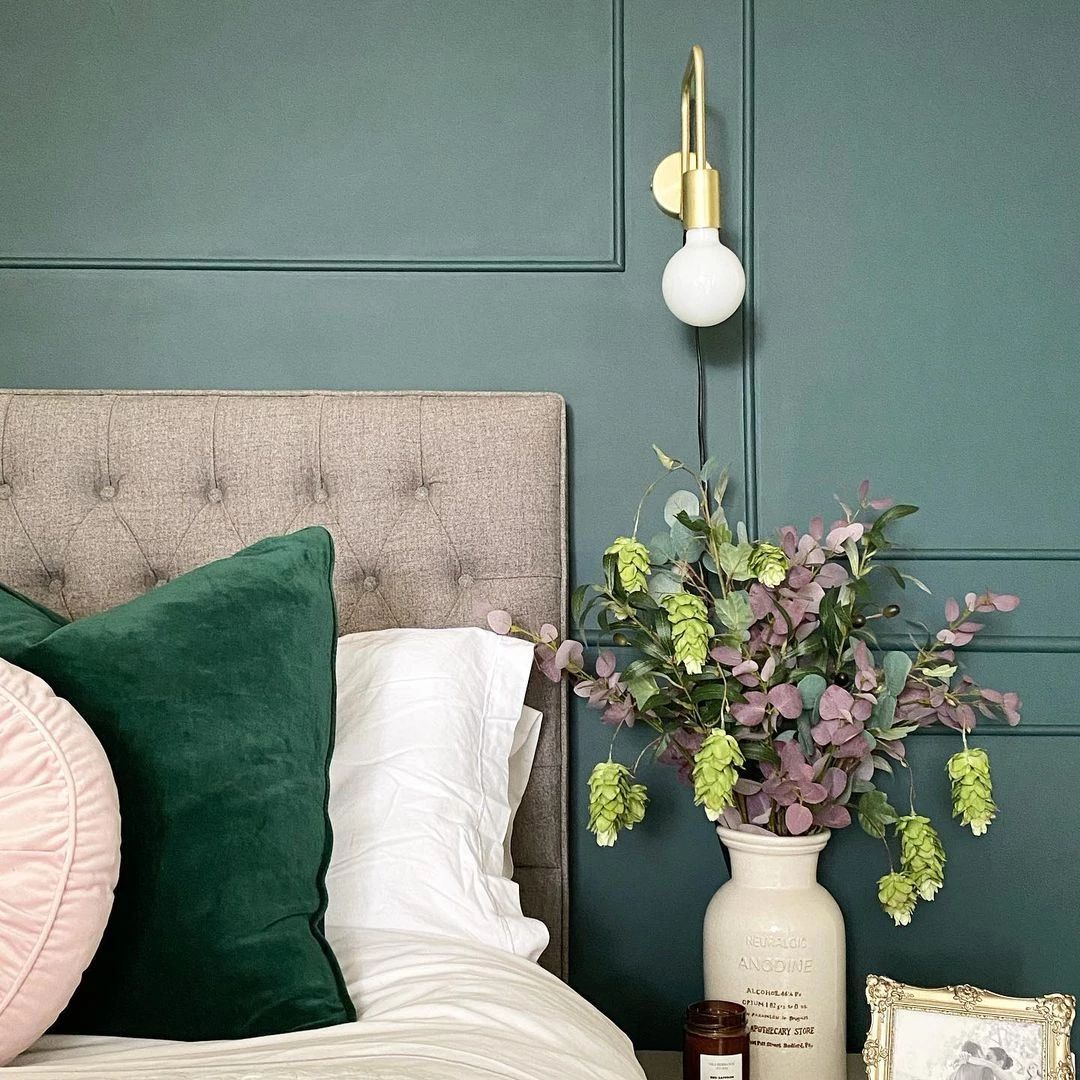
- Sherwin-Williams Cascade Green 0066: A stunning, deep teal-green that is both calming and impactful. It brings a sense of depth and luxury, reminiscent of deep ocean waters. Pairs beautifully with rich textures and metallic accents.
- Benjamin Moore Aegean Teal 2136-40: A slightly more vibrant, yet still serene, blue-green. It’s comforting and balanced, creating a sophisticated and welcoming bedroom.
- Farrow & Ball Arsenic No. 214: Don’t let the name fool you! This is a wonderfully energetic mid-green with significant blue undertones. It’s vibrant and invigorating, perfect for a bolder, more contemporary bedroom that still feels connected to nature.
Green Shade Selector Matrix: Find Your Perfect Match
This table summarizes the characteristics of different green families to help you narrow down your choice based on your specific needs.
| Green Family | Mood Evoked | Light Condition Suitability | Room Size Suitability | Complementary Colors | Best For (Style) |
|---|---|---|---|---|---|
| Soft & Serene (Sage, Muted Olive) | Calm, Tranquil, Airy, Sophisticated | Versatile; good for North-facing (warmer sages) or South-facing (cooler sages). | Excellent for small to medium rooms; can open up space. | Cream, off-white, light gray, blush pink, natural wood, gold. | Minimalist, Modern Farmhouse, Scandinavian, Boho, Transitional. |
| Deep & Dramatic (Forest, Emerald, Hunter) | Cozy, Luxurious, Intimate, Moody | Best in rooms with ample natural light to prevent feeling cave-like. | Larger rooms or small rooms aiming for a “jewel box” effect. | Gold, brass, deep navy, rich browns, crisp white, black, burgundy. | Traditional, Art Deco, Maximalist, Modern Glam, Masculine. |
| Warm & Earthy (Olive, Moss) | Grounded, Organic, Inviting, Rustic | Excellent for North-facing rooms that need warmth; beautiful in all light. | Medium to large rooms. Can feel rich in smaller rooms. | Terracotta, rust, deep orange, cream, tan, natural linen, distressed wood. | Bohemian, Mediterranean, Rustic, Craftsman, Eclectic. |
| Fresh & Uplifting (Mint, Celadon) | Clean, Bright, Airy, Playful | Ideal for any light condition, especially East-facing rooms for morning brightness. | Excellent for small rooms to maximize light and space. | White, light gray, pastel pink, light blue, silver, light wood. | Coastal, Shabby Chic, Modern, Children’s rooms, Vintage. |
| Sophisticated Blue-Greens (Teal, Deep Sea) | Elegant, Serene, Luxurious, Spa-like | Best in well-lit rooms; can feel dramatic in low light. | Medium to large rooms, or small rooms seeking a rich, enveloping feel. | Gold, brass, cream, dark wood, charcoal gray, coral. | Contemporary, Coastal Chic, Traditional with a twist, Modern Luxury. |
Common Green Bedroom Painting Questions & How to Avoid Mistakes
Navigating the world of paint can be tricky, but a few key practices will save you time, money, and regret.
How to Sample Green Paint Effectively (This is CRITICAL)
This is where many people go wrong. Do NOT just rely on tiny paint chips. You need large samples!
- Buy Sample Pots: Get small sample pots of your top 2-3 green contenders.
- Paint Large Swatches: Paint two coats of each color on large foam boards (at least 12×12 inches) or directly on different walls in your bedroom. Make sure you paint on at least two walls that get different light.
- Observe for Days: Live with these samples for a few days. See how they look in morning light, afternoon sun, and artificial evening light. Notice the undertones – does that beautiful sage look sickly yellow or muddy gray at certain times?
- Consider Your Furnishings: Place your samples next to your bedding, curtains, and main furniture pieces to ensure harmony.
What Colors Pair Best with Green? (Neutrals, Metallics, Accents)
Green is a fantastic neutral itself, making it incredibly versatile to pair with other colors:
- Classic Neutrals: Creamy whites, soft off-whites, warm beiges, and various shades of gray provide a sophisticated, grounding backdrop that allows green to shine.
- Metallic Accents: Gold and brass bring warmth and luxury, especially with deep or earthy greens. Silver and chrome offer a modern, crisp contrast.
- Wood Tones: All wood tones complement green, from light oak to rich mahogany.
- Earthy Tones: Terracotta, rust, and warm browns create a rich, organic palette, particularly with olive and forest greens.
- Blush & Pinks: Soft blush pinks and bolder coral tones create a beautiful, often surprising, contrast with many greens, especially sages and mints.
- Deep Blues & Navy: A classic pairing, especially with more vibrant or blue-leaning greens, evoking a natural, sophisticated feel.
Can I Paint a Small Bedroom Dark Green? (Yes, with caveats)
Absolutely, but strategically! The common wisdom is that dark colors shrink a room, but they can also make a small space feel incredibly intimate, sophisticated, and cocoon-like. Here’s how to make it work:
- Embrace the Mood: Don’t fight it. Lean into the cozy, dramatic vibe.
- Ample Lighting: Crucial for dark rooms. Incorporate layered lighting – overhead, task lighting (bedside lamps), and ambient lighting (accent lamps).
- Reflective Surfaces: Large mirrors, metallic accents (gold, brass), and glass surfaces will bounce light around, preventing the room from feeling too oppressive.
- Lighter Accents: Use crisp white bedding, light artwork, or pale curtains to provide contrast and visual breaks.
- Consider the Ceiling: Painting the ceiling a lighter shade (or even the same dark green for a truly immersive effect) will impact the overall feel.
The Importance of Primer for True Green Color
Never skip primer, especially when going from a darker color to a lighter green, or vice-versa, or if your walls are unevenly colored. Primer creates a uniform surface, ensuring your chosen green color appears true to the swatch and isn’t influenced by the underlying wall color. It also helps with adhesion and durability.
:max_bytes(150000):strip_icc()/OutlineInteriors_credit_MargaretRajic-b0a6f1831bce442e80f142412938f48e.jpg "20 Green Bedroom Ideas From Interior Designers")
Bringing Your Green Bedroom to Life: Decorating Tips
Once your walls are painted, the real fun begins: decorating to enhance your chosen green.
Layering Textures for Depth
Green, being a natural color, thrives when paired with natural textures. Think:
- Linens and Cottons: For bedding and curtains, providing a soft, breathable feel.
- Wood and Rattan: For furniture, mirrors, and decorative accents.
- Wool and Jute: For rugs, adding warmth and grounding the space.
- Velvet: For pillows or an accent chair, to add a touch of luxury, especially with deeper greens.
Layering these textures prevents a green room from feeling flat and adds visual interest.
Lighting Considerations (Warm vs. Cool Bulbs)
The temperature of your light bulbs can dramatically alter how your green walls appear. For most bedrooms, warm white (2700K-3000K) bulbs are ideal. They cast a softer, cozier glow that enhances the warmth of your greens and promotes relaxation. Cooler bulbs (4000K+) can make greens appear stark or sickly.
Incorporating Natural Elements
Reinforce green’s natural connection by bringing in actual elements from nature:
- Live Plants: Snake plants, peace lilies, or hanging ivy add literal green and improve air quality.
- Botanical Prints: Artwork featuring leaves, flowers, or landscapes.
- Wood Accents: Unfinished wood shelves, a driftwood piece, or a carved wooden bowl.
- Stone or Ceramic: Vases, planters, or decorative objects.
Conclusion
Choosing the perfect green for your bedroom is a journey, not just a decision. By considering the interplay of light, room size, desired mood, and specific undertones, you can confidently select a shade that transforms your space into a true sanctuary. Whether you lean towards a whisper-soft sage, a grounding olive, or a dramatic forest green, embrace the power of this incredibly versatile color.
:max_bytes(150000):strip_icc()/Rebecca-Shehorn_Photography_Miranda-Schroeder-106-682x1024-573989c0cb65408ab166d269215534db-7f12a1befcbc4b649bfc3229f2701ec9.jpg "35 Gorgeous Green Bedrooms That Prove The Hue Is A Classic")
Your bedroom is more than just a room; it’s where you start and end your day. Make it a place that reflects tranquility, promotes rest, and inspires joy. Now, armed with this guide, you’re ready to pick up that brush and create the green bedroom of your dreams. Happy painting!
Frequently Asked Questions
What is the most calming shade of green for a bedroom?
Soft, muted greens like sage, muted olive, and celadon are generally considered the most calming. These shades often have gray or earthy undertones that reduce their intensity, creating a serene and understated atmosphere perfect for relaxation and sleep. Benjamin Moore’s ‘October Mist’ or Sherwin-Williams’ ‘Evergreen Fog’ are excellent examples.
Can I paint a small bedroom dark green without it feeling too dark?
Yes, absolutely! While dark colors can make a room feel smaller, they can also create an incredibly intimate, sophisticated, and cozy ‘jewel box’ effect in a small bedroom. To make it work, ensure you have ample layered lighting (overhead, task, ambient), incorporate reflective surfaces like mirrors and metallics, and use lighter accent colors in bedding or decor to provide contrast and visual breaks. Embrace the moody vibe rather than fighting it.
How does natural light affect my choice of green paint for a bedroom?
Natural light significantly impacts how a green paint color appears. North-facing rooms with cooler light benefit from warmer greens (yellow undertones) like olive to prevent the room from feeling cold. South-facing rooms with abundant warm light can handle cooler greens (blue undertones) like teal or a balanced sage. East and West-facing rooms experience shifting light, so a versatile, balanced green or one that you’ve tested at different times of day is best.
What colors pair well with green in a bedroom?
Green is incredibly versatile. It pairs beautifully with classic neutrals like creamy whites, soft off-whites, warm beiges, and various grays. For warmth and luxury, incorporate gold and brass metallics. Earthy tones like terracotta and rust create an organic palette. Unexpected pairings like blush pinks or deep navy blues can add sophistication and interest. Natural wood tones always complement green effortlessly.
What paint finish is best for green bedroom walls?
For most bedrooms, an eggshell or satin finish is ideal. These finishes offer a subtle sheen, are more durable, and easier to clean than flat paints, striking a good balance between aesthetics and practicality. If you’re aiming for a luxurious, modern, and deep aesthetic, especially with darker greens, a flat or matte finish can be stunning as it absorbs light and hides imperfections beautifully, though it’s less resistant to scuffs.
Should I use a primer before painting my bedroom green?
Yes, always use a primer. Primer creates a uniform, neutral base for your paint, which is crucial for the green color to appear true to its swatch, especially if you’re painting over a drastically different color or have uneven wall surfaces. Primer also improves paint adhesion, durability, and can help you achieve full color coverage with fewer topcoats.