Unlocking Your Sanctuary: The Best Wall Colors for Bedrooms with Dark Furniture
Dark furniture in a bedroom? It’s a statement. It’s elegant, often timeless, and undeniably commands attention. But the wrong wall color can turn that sophisticated statement into a visual void, a heavy burden, or worse, a bland afterthought. You’re not just picking paint; you’re crafting a mood, an atmosphere, a personal sanctuary. And you want it to feel just right. You want balance, depth, and that coveted ‘designer look,’ not a dark cave or an overwhelmingly bright box. This guide is your definitive resource, cutting through the noise to give you clear, actionable advice on pairing wall colors with your beautiful dark bedroom furniture.
I get it. Standing in front of a wall of paint swatches can feel like deciphering an ancient scroll. Especially when you’re trying to marry that perfect shade with the rich, grounding presence of dark wood or upholstered pieces. That’s why I’ve broken it down for you, focusing on the ‘why’ behind the ‘what’ so you can choose with confidence and create a bedroom that truly sings.
The Core Challenge: Balancing Dark Furniture’s Dominance
Dark furniture, whether it’s a grand espresso bed frame, a sleek black dresser, or a deep cherry armoire, brings a certain gravitas to a room. It adds weight, sophistication, and a focal point. But its very dominance presents a challenge: how do you prevent it from making the room feel heavy, small, or somber? The answer lies in thoughtful color pairing.
Your wall color needs to perform a delicate dance with your dark furniture. It needs to either provide a harmonious contrast, a soft complement, or a bold embrace that feels intentional, not accidental. It’s about creating visual breathing room, enhancing the furniture’s beauty, and ultimately, shaping the emotional experience of your bedroom. Forget generic advice; we’re diving into specific strategies that work.

Your Quick-Start Guide: Top Wall Color Families for Dark Furniture
Let’s cut to the chase. While personal preference always reigns supreme, certain color families are simply more effective when paired with dark furniture. Here are the categories that consistently deliver stunning results:
1. Serene & Spacious: Light Neutrals & Whites
This is your go-to for creating an airy, crisp, and expansive feel. Light neutrals and whites are masters at reflecting light, instantly making a room feel larger and brighter, which is a powerful antidote to the visual weight of dark furniture. They provide a stark, elegant contrast that allows your furniture to truly pop without overwhelming the space.
- Why they work: They maximize natural light, create visual breathing room, and offer a clean, contemporary backdrop. The contrast ensures your dark furniture looks intentional and sophisticated, not heavy.
- When to use: Ideal for smaller bedrooms, those seeking a modern or minimalist aesthetic, or anyone wanting to create a bright, uplifting sanctuary.
Specific Examples to Explore:
- Crisp Whites: For a gallery-like, utterly clean look. Think Benjamin Moore’s Chantilly Lace OC-65 or Sherwin Williams’ Pure White SW 7005. These have minimal undertones, making them incredibly versatile.
- Warm Off-Whites: If you want softness without going stark. Benjamin Moore’s Swiss Coffee OC-45 or Sherwin Williams’ Alabaster SW 7008 provide a creamy, inviting glow.
- Light Greys: For a sophisticated, subtle touch that still feels bright. Sherwin Williams’ Agreeable Gray SW 7029 (a popular greige that leans grey) or Benjamin Moore’s Revere Pewter HC-172 (a true greige) are fantastic choices, offering warmth without heaviness.
2. Calming & Cool: Blues & Greens
When you picture a serene retreat, chances are you’re envisioning soothing blues and greens. These colors are inherently linked to nature – the sky, the ocean, lush foliage – and bring a profound sense of peace and tranquility to a bedroom. They offer a beautiful natural harmony and elegant contrast with dark furniture, often complementing the warmer undertones found in many dark woods.
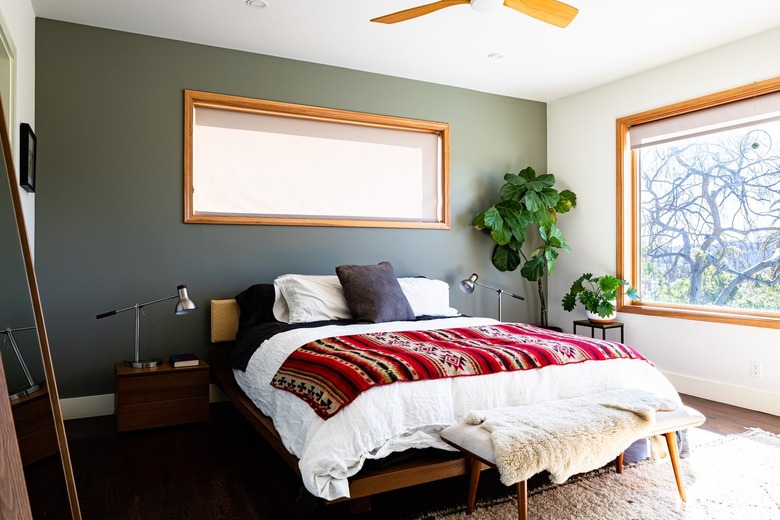
- Why they work: They promote relaxation and sleep, create a spa-like ambiance, and offer a sophisticated contrast that feels both fresh and grounded. Cool tones can also visually recede, making the room feel more expansive.
- When to use: Perfect for creating a truly restful sleep environment, a coastal-inspired escape, or a traditional bedroom with a modern twist.
Specific Examples to Explore:
- Soft Blues: For ultimate serenity. Benjamin Moore’s Pale Smoke 1584 (a beautiful greenish-grey-blue) or Sherwin Williams’ Sea Salt SW 6204 (a popular light, muted blue-green-grey) are fantastic. For a slightly deeper, more sophisticated blue, consider Benjamin Moore’s Healing Aloe 1562.
- Muted Greens: Connecting you to nature. Sherwin Williams’ Evergreen Fog SW 9130 (a beautiful, calming sage green) or Benjamin Moore’s October Mist 1495 (a soft, silvery green) pair exceptionally well.
- Grey-Blues/Greens: The best of both worlds, offering sophistication and calm. Farrow & Ball’s Light Blue No.22 or Benjamin Moore’s Smoke 2122-40 are understated yet impactful.
3. Sophisticated & Moody: Deeper Hues (Used Strategically)
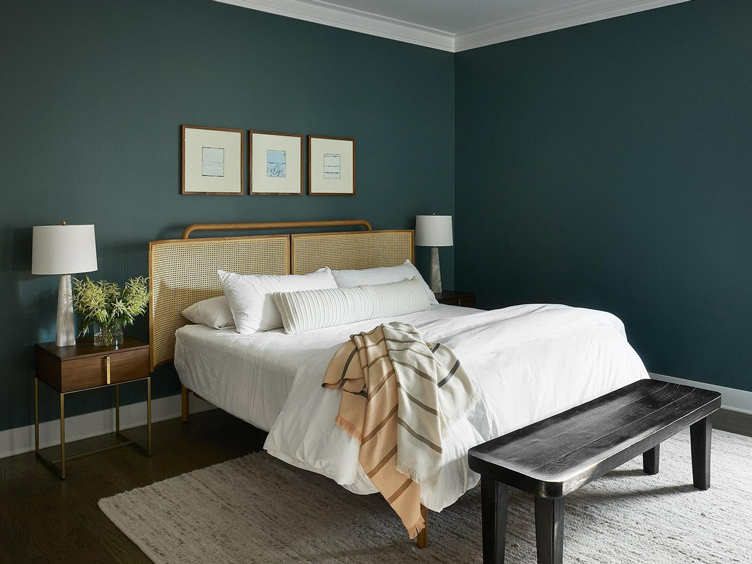
Don’t be afraid to embrace the dark side! When done right, deeper wall colors can transform a bedroom with dark furniture into a truly luxurious, cozy, and intensely sophisticated haven. This approach leans into the drama, creating a rich, enveloping atmosphere rather than trying to fight the dark furniture’s presence. It’s about creating a bold, cohesive statement.
- Why they work: They create a sense of intimacy and coziness, enhance feelings of luxury, and allow dark furniture to blend rather than starkly contrast, offering a seamless, high-end look.
- When to use: Best for larger bedrooms or those where you want to create a dramatic, boutique hotel feel. Excellent for master suites where grandeur is desired. Use with ample lighting to prevent it from feeling too heavy.
Specific Examples to Explore:
- Deep Navy: Timeless and elegant. Benjamin Moore’s Hale Navy HC-154 or Sherwin Williams’ Naval SW 6244 are classics that pair beautifully with dark wood and gold accents.
- Charcoal Greys: Modern, chic, and grounding. Benjamin Moore’s Kendall Charcoal HC-166 or Sherwin Williams’ Peppercorn SW 7674 offer depth and sophistication.
- Rich Teal/Emerald: For a touch of opulence. Sherwin Williams’ Hunter Green SW 6207 or Benjamin Moore’s Newburyport Blue HC-155 (which has strong green undertones) can be surprisingly luxurious.
4. Warm & Inviting: Soft Earth Tones & Greiges
If your dark furniture has warm undertones (think rich browns, cherry, mahogany), or you simply crave a grounding, comforting atmosphere, soft earth tones and greiges are your allies. These colors bring a natural warmth without being overwhelming, creating a cozy and harmonious environment. They provide a gentle, sophisticated blend that feels balanced and lived-in.
- Why they work: They create a comforting and grounding ambiance, complement warm wood tones beautifully, and offer a soft alternative to stark whites while still feeling light.
- When to use: Ideal for transitional styles, traditional homes, or anyone wanting a cozy, cocoon-like feeling that isn’t too dark.
Specific Examples to Explore:
- Greiges: The ultimate chameleon color, balancing warm and cool. Benjamin Moore’s Edgecomb Gray HC-173 or Sherwin Williams’ Accessible Beige SW 7036 are perennial favorites that adapt well to different lighting conditions.
- Light Taupes: For a slightly deeper, warmer neutral. Behr’s Smoky White N360-1 (which is more of a light taupe) or Valspar’s Gentle Rain 4004-1A offer subtle warmth.
- Muted Clay Tones: Used sparingly for a unique touch. A very desaturated, soft terracotta or blush can add unexpected warmth and sophistication, especially with black or very dark brown furniture. Think Farrow & Ball’s Pink Ground No.202 if you dare for a very soft, earthy blush.
The Science of Selection: Understanding Undertones & Light
Choosing paint isn’t just about picking a color you like; it’s about understanding how that color will behave in your specific space. Two critical factors are your furniture’s undertones and the room’s lighting.
Matching Your Dark Furniture’s Undertones
Dark furniture isn’t just “dark.” It has subtle undertones that can dramatically influence how a paint color looks next to it. Ignore these, and you risk a clash.
- Identify the Undertone: Look closely at your dark furniture in natural light. Does it lean red (like cherry or mahogany), orange (some oaks or walnuts), yellow, purple (some very dark woods), or even green/grey (some newer ebony finishes)? Compare it to a pure white piece of paper to help isolate the underlying hue.
- Complement or Contrast:
- Complementary: If your dark furniture has warm undertones (red, orange, yellow), you can either complement it with warm wall colors (like greiges, warm off-whites, or soft earth tones) for a cohesive, inviting feel.
- Contrasting: Alternatively, you can create a beautiful contrast by using cool wall colors (blues, greens, cool greys) with warm-toned dark furniture. This creates visual interest and sophistication. For example, a deep red cherry dresser looks stunning against a muted sage green wall.
- Neutral Furniture: If your dark furniture is truly neutral (like a black lacquer or a very deep charcoal grey), you have more freedom. Any of the above color families will work, depending on the mood you want to create.
The Impact of Natural & Artificial Light
Light is a designer’s best friend and biggest trickster. A paint color can look wildly different from the swatch to your wall, and this is almost always due to light.

- Natural Light Direction:
- North-facing rooms: Receive cooler, softer light. Colors tend to appear muted or even slightly greyed out. Warm colors can help balance this, while cool colors might feel even icier.
- South-facing rooms: Bathed in bright, warm light throughout the day. Almost any color looks good here, but very warm colors can become intense. Cool colors will feel crisper.
- East-facing rooms: Get warm, bright light in the morning, which turns cooler in the afternoon. Consider how you use the room most.
- West-facing rooms: Cooler in the morning, with intense, warm light in the afternoon/evening. Colors will shift dramatically.
- Artificial Lighting: Your light bulbs also matter. Warm LED bulbs (2700K-3000K) can make cool colors appear warmer and yellow-toned. Cool LED bulbs (4000K+) can make warm colors appear dull and bring out blue undertones. Test your paint samples under your room’s actual lighting conditions – both day and night, with your preferred bulbs.
Beyond the Paint Can: Practical Steps to Choosing Your Perfect Shade
Theoretical knowledge is great, but now it’s time to put it into practice. Don’t skip these crucial steps!
1. Sample, Sample, Sample!
I cannot stress this enough. Never choose a paint color based solely on a small chip. Paint samples are your best friend. Get large peel-and-stick samples or actual paint pots to apply swatches directly to your wall. Or, even better, paint large pieces of poster board and move them around the room.
- Observe throughout the day: Watch how the color changes with natural light from morning to evening, and then under your artificial lights at night.
- Place next to furniture: Always place your samples directly next to your dark furniture, as well as your existing flooring and trim, to see how they interact.
- Live with it: Give it a few days. The color you love at 10 AM might look different at 7 PM.
2. Consider Your Room’s Size & Ceiling Height
Paint colors can play tricks on your perception of space.
- Lighter colors for small spaces: As mentioned, lighter colors reflect light, making a room feel more open and expansive. This is especially vital in smaller bedrooms where dark furniture can feel claustrophobic.
- Embrace the dark in large rooms: If you have a generous bedroom, you have more freedom to experiment with deeper, moodier shades. These can create an inviting, enveloping feel without shrinking the space.
- Ceiling height: If you have low ceilings, consider painting them a lighter shade than your walls, or even the same color as the walls for a seamless, elongating effect (especially with lighter walls). For very high ceilings, a darker ceiling can bring down the perceived height and create intimacy.
3. Don’t Forget Flooring, Trim, and Linens
Your wall color is just one piece of the puzzle. For a truly cohesive and polished look, consider the other elements in your bedroom.

- Flooring: Whether you have light carpet, dark wood floors, or something in between, ensure your wall color harmonizes with it. A very light wall color might make dark floors feel even darker if there isn’t enough other visual interest.
- Trim: Most homes have white trim. This provides a crisp outline for your wall color. If your trim is off-white or wood-toned, take that into account.
- Linens & Accessories: These are powerful tools to tie your entire color scheme together. Use accent pillows, throws, curtains, and artwork to echo colors from your walls or to introduce complementary hues that bridge the gap between your dark furniture and lighter walls. For example, if you have dark furniture and light grey walls, introduce bedding with deep blues or greens to add depth.
Expert Insights: Color Pairings for Specific Dark Furniture Styles
Your dark furniture’s style also offers clues about the best wall color companions.
Modern & Minimalist Dark Furniture
Think clean lines, sleek finishes (black lacquer, dark walnut, espresso). These pieces thrive on simplicity and striking contrast.
- Suggested pairings: Crisp whites (Sherwin Williams High Reflective White SW 7757), very light cool greys (Benjamin Moore Classic Gray OC-23), or incredibly soft blues (Farrow & Ball Skylight No.205). The aim is to enhance the starkness and clean aesthetic of the furniture.
- Accent option: Consider a single accent wall in a deep charcoal or even black for a bold, gallery-like effect, balanced by three lighter walls.
Traditional & Classic Dark Wood Furniture
Ornate details, rich mahogany, cherry, or dark oak. These pieces often evoke a sense of heritage and warmth.
- Suggested pairings: Warm off-whites (Benjamin Moore White Dove OC-17), inviting greiges (Sherwin Williams Worldly Gray SW 7043), muted blues (Benjamin Moore Atmospheric AF-500), or serene sage greens (Behr Back to Nature S340-4). These colors provide a sophisticated backdrop that respects the furniture’s classic appeal.
- Tip: Introduce rich textures in bedding and curtains to enhance the luxurious feel.
Industrial or Masculine Dark Furniture
Rough-hewn dark wood, metal accents, simple robust shapes. This style benefits from colors that feel grounded and strong.
- Suggested pairings: Deep charcoals (Sherwin Williams Iron Ore SW 7069), concrete greys (Benjamin Moore Gray Owl OC-52), or moody navys (Farrow & Ball Hague Blue No.30). You can even use a daring, almost-black like Tricorn Black SW 6258 on an accent wall to amplify the drama.
- Texture is key: Exposed brick wallpaper, distressed finishes, or natural fiber rugs can complement these wall colors and furniture.
Our Top Recommended Paint Colors for Dark Furniture (with Brand Names)
To make your decision even easier, here’s a summarized table of some highly successful and popular paint color pairings. Remember, always test samples in your own space!
| Color Family | Mood/Effect | Best With Dark Furniture | Specific Paint Recommendations (Brand) |
|---|---|---|---|
| Crisp Whites | Modern, Clean, Spacious, Airy | Black, Espresso, Dark Walnut; enhances contrast and brightness. | Benjamin Moore Chantilly Lace OC-65, Sherwin Williams Pure White SW 7005, Behr Ultra Pure White |
| Warm Off-Whites / Creamy Neutrals | Soft, Inviting, Cozy, Classic | Dark Cherry, Mahogany, Warm Walnut; softens contrast, adds warmth. | Benjamin Moore White Dove OC-17, Sherwin Williams Alabaster SW 7008, Valspar Swiss Coffee 7002-16 |
| Light Greys / Greiges | Sophisticated, Balanced, Versatile, Modern Traditional | All dark furniture types; provides a sophisticated, subtle backdrop. | Sherwin Williams Agreeable Gray SW 7029, Benjamin Moore Revere Pewter HC-172, Sherwin Williams Repose Gray SW 7015 |
| Soft Blues / Blue-Greens | Calm, Serene, Spa-like, Elegant Contrast | Warm dark woods (cherry, mahogany), Black furniture; creates tranquility. | Sherwin Williams Sea Salt SW 6204, Benjamin Moore Pale Smoke 1584, Farrow & Ball Light Blue No.22 |
| Muted Greens / Sage Tones | Grounding, Natural, Peaceful, Organic | Espresso, Black, Dark Walnut; brings organic balance. | Sherwin Williams Evergreen Fog SW 9130, Benjamin Moore October Mist 1495, Behr Back to Nature S340-4 |
| Deep Navys / Charcoals | Dramatic, Luxurious, Enveloping, Cozy (use with good light) | Black, Espresso, Dark Walnut; creates a cohesive, high-end look. | Benjamin Moore Hale Navy HC-154, Sherwin Williams Kendall Charcoal HC-166, Farrow & Ball Hague Blue No.30 |
Choosing the best wall color for a bedroom with dark furniture is about understanding balance, light, and the mood you want to create. It’s not just a matter of aesthetics; it’s about crafting a space that truly feels like your haven. By understanding your furniture’s undertones, playing with light, and confidently sampling colors, you can transform your bedroom into a beautifully harmonious and deeply personal sanctuary. Don’t rush the process, trust your instincts, and enjoy creating the bedroom of your dreams.