Master Bedroom Paint Ideas: Your Ultimate Guide to Stunning Accent Walls
Your master bedroom isn’t just a place to sleep; it’s your personal sanctuary, your retreat from the world. It’s where you start and end your days, and it deserves to feel like a haven. If your bedroom feels a little… *flat, a little uninspired, then let me tell you, you’re not alone. The solution might be simpler, and far more transformative, than you think: a well-chosen accent wall.
An accent wall is more than just a splash of color; it’s a strategic design element that can infuse your master bedroom with drama, serenity, or vibrant personality. It creates a focal point, adds depth, and elevates the entire aesthetic without requiring a complete overhaul. Forget generic bedrooms; we’re about to dive deep into making yours truly magnificent.
Why an Accent Wall is a Game-Changer for Your Master Bedroom
Before we grab our paint swatches, let’s understand the magic behind an accent wall. It’s not just about a pretty color; it’s about intentional design that impacts how you feel in your most personal space.
Defining Your Personal Retreat
Think about what you want your master bedroom to evoke: calm, romance, energy, or perhaps a blend of all three? An accent wall acts as an immediate mood-setter. It grounds the room, provides a sense of enclosure, and allows you to express your individual style in a bold, yet controlled, way. It’s the visual anchor that says, “This is your space, designed just for you.”
The Power of Strategic Contrast
One solid color on all four walls can often make a room feel boxy or monotonous. An accent wall breaks that monotony, injecting dynamic contrast. This contrast adds incredible depth and dimension, making the room feel more expansive and interesting. It guides the eye, highlights architectural features, and prevents the space from feeling bland. It’s the difference between a nice room and a wow* room.
Choosing Your Canvas: Which Wall Should Be the Accent?
This is often the first big decision, and it’s crucial. The right wall will naturally draw the eye and complement the room’s layout. The wrong one can feel awkward or out of place. Here’s how to choose wisely:
The Bed Wall: A Classic Choice
This is, hands down, the most popular and often the most effective choice. Painting the wall behind your headboard immediately establishes your bed as the undisputed focal point of the room. It frames your sleeping area, giving it a sense of importance and creating a luxurious backdrop. It’s a natural fit because the bed is usually the largest piece of furniture and the primary visual anchor in a master bedroom.
:max_bytes(150000):strip_icc()/rs-shop-every-room-bedroom-real-simple-home-2024-d10bf2ace8e0448d927b9c34ce5158a9.jpg "19 Accent Wall Ideas to DIY Your Dream Bedroom")
The Window Wall: Framing Natural Light
If your master bedroom boasts a stunning view or a particularly grand window, making that wall your accent can draw attention to the natural light and the world outside. However, be cautious: a very dark accent color here can sometimes absorb too much light, making the room feel dimmer. Conversely, a lighter, vibrant shade can enhance the brightness. Consider how the light changes throughout the day.
The Entry Wall: A Welcoming Statement
If your bedroom has a strong entry point, painting the wall you first see upon entering can create an impactful first impression. This works well in larger rooms or those with unique architectural elements near the doorway. It sets the tone for the entire space and can help define areas within an open-concept master suite.
The TV/Fireplace Wall: Enhancing Existing Features
Do you have a built-in fireplace or a prominent media console? An accent wall here can help integrate these features into the overall design, making them feel less like separate objects and more like intentional parts of your decor. A darker color, for example, can make a TV screen recede when not in use, creating a more cohesive look.
Practical Considerations: Lighting, Outlets, and Artwork
Before you commit, take a practical look:
- Natural Light: How does the light hit this wall throughout the day?
- Artificial Light: Where are your lamps, sconces, or ceiling fixtures positioned?
- Outlets & Switches: Will the accent color draw undue attention to these?
- Artwork & Mirrors: Do you plan to hang substantial pieces? The accent wall should complement, not compete with, your chosen art.
Decoding Color: Psychology & Palettes for Your Master Retreat
Color is powerful. In your master bedroom, it can dictate mood, energy, and even your quality of rest. Let’s delve into how different hues interact with your psyche, and then craft some stunning palettes.
The Science of Serenity: Color Psychology in the Bedroom
Understanding the emotional impact of colors is key to choosing the perfect accent. Here’s a quick guide:
| Color Family | Emotional Impact (Master Bedroom) | Best For… |
|---|---|---|
| Blues | Calming, peaceful, serene, aids sleep, reduces stress. | A tranquil, relaxing retreat. |
| Greens | Harmonious, refreshing, balancing, promotes well-being. | A natural, restful, and grounded space. |
| Neutrals (Greys, Beiges, Tans) | Sophisticated, stable, versatile, provides a clean backdrop. | A modern, timeless, and adaptable design. |
| Warm Whites/Creams | Cozy, inviting, soft, clean, comforting. | A light, airy, and warm minimalist feel. |
| Darks (Navy, Charcoal, Black) | Dramatic, intimate, luxurious, sophisticated, provides depth. | A high-end, cozy, and private sanctuary. |
| Jewel Tones (Emerald, Plum, Teal) | Rich, opulent, elegant, adds personality and flair. | A vibrant, luxurious, and unique statement. |
Crafting Your Master Palette: Accent Wall + Main Walls
The key to a successful accent wall is harmony. Your accent color needs to talk to the other three walls, not shout over them. Generally, the main walls should be a few shades lighter or a complementary neutral to allow the accent wall to truly pop.
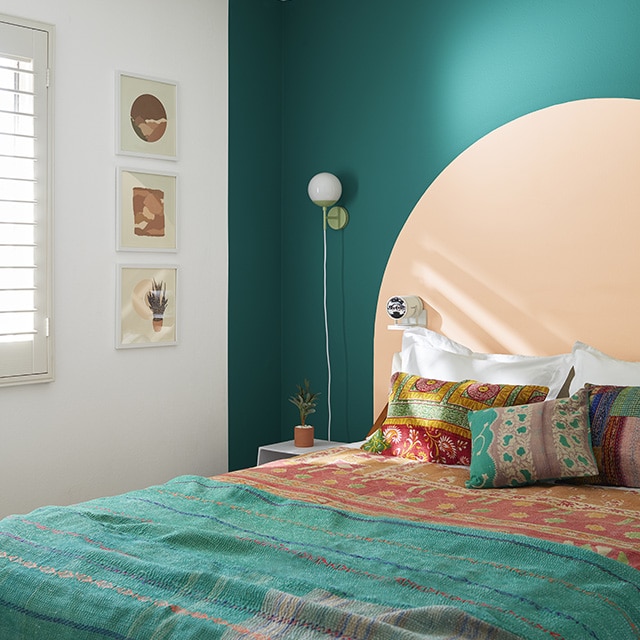
Bold & Dramatic Accents: Deep Hues That Command Attention
Want to make a statement? Bold colors add instant sophistication and a cozy, intimate feel, especially in larger rooms.
- Deep Navy Blue: This classic hue offers sophistication and calm. Pair it with crisp white trim and soft grey main walls for a coastal, serene, or modern look. Think elegant, timeless, and deeply restful.
- Charcoal Grey: A versatile, moody choice that brings depth and a contemporary edge. It looks stunning with lighter grey, warm white, or even a soft blush on the surrounding walls. Ideal for a sleek, minimalist, or industrial-chic master bedroom.
- Emerald Green: A jewel tone that brings nature indoors, evoking luxury and tranquility. Combine with warm white, light sage, or even a very pale gold for a decadent, organic feel.
- Deep Plum/Aubergine: For those who dare, this rich, regal color is incredibly luxurious and romantic. Pair with warm beige, soft grey, or a muted lavender for a truly opulent and unique master bedroom.
Calm & Soothing Accents: Gentle Tones for Tranquility
If your goal is ultimate relaxation, these softer shades will create a serene backdrop for sweet dreams.
- Dusty Blue: A muted, understated blue that’s incredibly calming without feeling cold. Excellent with off-white, cream, or a pale taupe on the other walls. Perfect for a shabby chic, Scandinavian, or tranquil modern aesthetic.
- Sage Green: The epitome of natural serenity, sage is earthy and grounding. Pair with warm whites, creamy beiges, or even a very light wood tone. Creates a spa-like, organic, and incredibly restful atmosphere.
- Warm Greige: A beautiful blend of grey and beige, offering warmth without being too dark. This makes a sophisticated, subtle accent. Best complemented by crisp whites, lighter greiges, or soft creams. For a contemporary, inviting, and timeless feel.
- Soft Terracotta: Unexpected and warm, a muted terracotta can bring an earthy, desert-inspired warmth to your room. Pair with crisp whites, natural linen tones, or very light warm greys. Creates a cozy, bohemian, or Mediterranean-inspired vibe.
Vibrant & Energetic Accents: A Pop of Personality
For those who love a bit of zest, these colors can bring a lively, yet still appropriate, energy to the master bedroom.
- Rich Teal: A captivating blend of blue and green, teal can be both energetic and soothing. It pops beautifully against warm whites, light greys, or even a very pale coral. For a vibrant, sophisticated, and somewhat bohemian or global-inspired room.
- Burnt Orange/Rust: Earthy yet energetic, these shades bring warmth and a touch of retro charm. Excellent with muted greens, deep creams, or natural wood tones. Creates a cozy, inviting, and unique space.
- Mustard Yellow (Muted): Use sparingly and choose a muted, deep mustard rather than a bright primary yellow. It can bring warmth and a sunny disposition. Pair with charcoal grey, deep navy, or creamy off-whites for a sophisticated, mid-century modern, or eclectic look.
The Beauty of Neutrals: Subtle Sophistication
An accent wall doesn’t always have to be a bold color. Using a darker or richer neutral can add depth and elegance without overpowering the space.
- Darker Greige/Taupe: Creates subtle contrast and sophisticated layering.
- Off-Black/Deep Slate: Incredibly chic and intimate, especially in a well-lit room or paired with bright whites.
Beyond Paint: Texture, Pattern, and Finishes
An accent wall isn’t just about the color; it’s about the entire tactile and visual experience. Incorporating texture and pattern can take your design from great to extraordinary.
Elevating with Texture: Beyond Flat Color
Even if you’re using a single paint color, the finish can add subtle texture. But why stop there? Consider these painted textural techniques:
- Matte Finish: Absorbs light, giving colors a rich, velvety depth. Ideal for a sophisticated, understated look.
- Eggshell/Satin Finish: Offers a slight sheen, making colors appear brighter and more durable. Practical for high-traffic areas, but still suitable for a bedroom.
- Lime Wash/Chalk Paint Effect: Creates a soft, mottled, watercolor-like appearance that’s incredibly chic and organic.
- Board and Batten / Shiplap Effect with Paint: By painting strips of wood or MDF in the accent color and attaching them to the wall, you can create architectural interest that looks custom and adds dimension.
- Faux Finishes: Think subtle Venetian plaster effects or color washing for a soft, layered look (though these can be tricky to DIY).
The Art of Pattern: Geometric & Organic Designs
If you’re feeling adventurous, paint can create stunning patterns:

- Painted Stripes: Vertical stripes draw the eye up, making ceilings feel higher. Horizontal stripes can make a room feel wider. Play with varying widths and shades.
- Geometric Designs: Chevrons, hexagons, or abstract blocks can create a dynamic, modern focal point. Use painter’s tape to achieve crisp lines.
- Stenciling: A simpler way to introduce intricate patterns, from floral motifs to damask.
- Hand-Painted Murals: For the truly artistic, a custom mural can be an incredible personal statement.
Choosing Your Sheen: The Impact on Light and Durability
Paint sheen isn’t just about aesthetics; it affects how light reflects, how durable the paint is, and how easy it is to clean. For a master bedroom accent wall, you have a few excellent options:
| Sheen Type | Characteristics | Best For Accent Walls | Considerations |
|---|---|---|---|
| Flat/Matte | Non-reflective, velvety, hides imperfections well. | Sophisticated, cozy, traditional, modern minimalist. Enhances deep colors. | Least durable, harder to clean, can scuff easily. |
| Eggshell | Slight sheen (like an eggshell), more durable than flat, hides imperfections. | Versatile, balanced, good for most styles. Offers subtle glow. | Good durability and cleanability, a popular choice. |
| Satin | Smooth, silky luster, very durable, easy to clean. | Modern, luxurious, reflects light nicely. Great for vibrant colors. | Shows imperfections more than flatter sheens. |
| Semi-Gloss | High sheen, very durable, highly reflective, very easy to clean. | Architectural trim, doors, or for a very dramatic, high-impact feature wall. | Highlights every imperfection; can be too reflective for large walls. |
Designing for Your Space: Small vs. Large Master Bedrooms
Room size significantly impacts accent wall choices. What works in a sprawling suite might overwhelm a cozy nook.
Maximizing Impact in Small Bedrooms
Don’t shy away from an accent wall in a smaller room! It can actually make the space feel larger and more intentional. The trick is smart selection:
- Lighter Accents: While deep colors can work, lighter, vibrant shades or even textural neutrals can add interest without closing in the space.
- Horizontal Lines: If adding a painted pattern, horizontal stripes can visually widen a narrow room.
- Strategic Placement: The wall behind the bed is almost always the best bet, as it’s a natural focal point that doesn’t demand extra space.
- Mirror, Mirror: Hang a large mirror on an adjacent wall to reflect the accent color, doubling its perceived impact and brightening the room.
Grand Statements in Large Bedrooms
Larger master bedrooms offer more freedom to experiment with bolder, darker, and more complex designs.
- Darker Hues: Deep blues, charcoals, or emeralds truly shine, creating intimacy and luxury in expansive spaces.
- Expansive Patterns: Geometric murals or large-scale stenciled designs can fill a large wall beautifully without feeling busy.
- Multiple Accents (Carefully!): In very large, open master suites, you might consider two accent walls that are perpendicular or incorporate a subtle accent within a niche. However, this requires careful planning to avoid visual clutter.
The Devil’s in the Details: Integrating Your Accent Wall
An accent wall is never an isolated element. Its success lies in how seamlessly it integrates with the rest of your bedroom’s decor. Think of it as the lead singer, and everything else as the perfectly harmonized band.
Lighting it Up: Enhancing Your Focal Point
Good lighting can make your accent wall truly sing. Consider:
- Sconces: Wall-mounted lights flanking the bed on your accent wall add a sophisticated, hotel-like feel and highlight the color.
- Recessed Lighting: Strategically placed cans above the accent wall can wash it with light, drawing attention to its texture or color.
- Table Lamps: Choose lamps with bases or shades that complement the accent color or the main wall color.
- Dimmers: Essential for a master bedroom, allowing you to control the mood and impact of your accent wall throughout the day and night.
Curating Decor: Artwork, Mirrors, and Shelving
Less is often more on an accent wall. You’ve already made a statement with color or texture, so choose complementary pieces wisely.
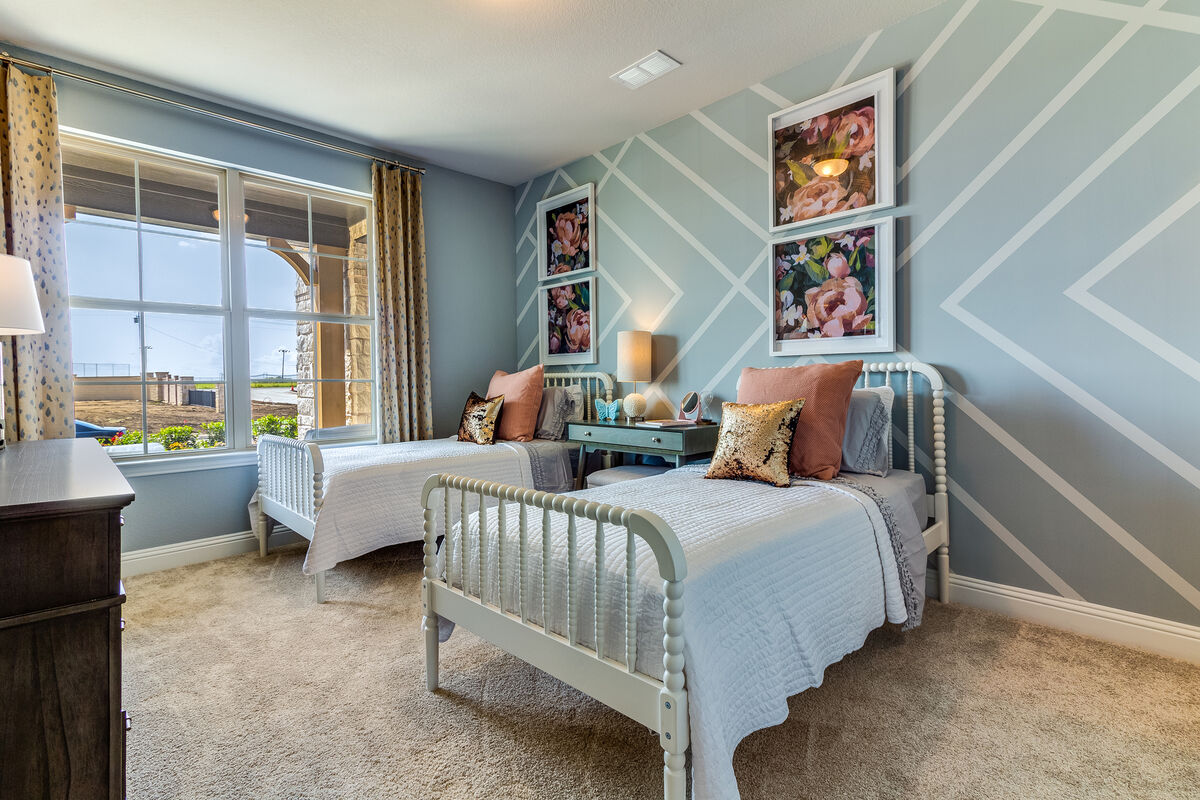
- Artwork: Opt for pieces with frames or matting that tie into the accent color, or art that contrasts beautifully. Avoid too many small pieces that can look cluttered. A single, large, striking piece often works best.
- Mirrors: A large, decorative mirror can reflect light and add sparkle without competing with the wall’s color.
- Floating Shelves: If used, keep them minimal and style with just a few carefully chosen items that enhance, rather than detract from, the wall’s appeal.
Textile Harmony: Bedding, Rugs, and Drapes
This is where you bring the whole room together. Pulling colors and textures from your accent wall into your soft furnishings creates a cohesive, polished look.
- Bedding: Incorporate throw pillows or a blanket in a shade that’s either a lighter version of your accent color, a complementary hue, or a neutral that grounds the entire palette.
- Rugs: A rug that echoes a secondary color from your chosen palette or a contrasting neutral can define the sleeping area and add warmth.
- Drapes/Curtains: Choose drapes in a color that matches your main wall color for a seamless look, or a complementary shade that draws the eye to the window without competing with the accent wall.
Common Pitfalls to Avoid When Designing Your Accent Wall
Even with the best intentions, it’s easy to make mistakes. Here are some common traps to steer clear of:
Overwhelming the Room
Don’t choose too many accent walls, or a color that’s too bright for the room’s size or natural light. The goal is to enhance, not overpower. One well-executed accent wall is far better than two or three half-hearted attempts.
Ignoring Existing Decor
Your new accent wall needs to play nicely with your existing furniture, flooring, and other decorative items. If you have a bright red rug, a deep emerald accent wall might clash unless you’re intentionally going for a highly eclectic look. Hold up swatches, bring home samples, and visualize everything together.
Poor Color Harmony
A vibrant accent color paired with a clashing main wall color can create an unsettling effect. Remember the rule of threes: choose one dominant color (your main walls), one accent color (your accent wall), and one or two complementary colors (your decor, textiles). Ensure they all work together.
Forgetting the Finish
A beautiful dark color painted in a high-gloss finish on a wall with imperfections can look jarring. Consider the texture of your wall and the desired mood when selecting your sheen. A flat or eggshell finish usually works best for bedrooms, providing a softer, more inviting look.
Ready to Transform Your Master Bedroom?
An accent wall is more than just a painting project; it’s an opportunity to infuse your master bedroom with personality, purpose, and unparalleled style. By thoughtfully selecting the right wall, harmonizing colors, considering textures, and integrating your decor, you can create a sanctuary that truly reflects you.
:max_bytes(150000):strip_icc()/SPR-bedroom-accent-wall-ideas-7099564-6d9b6deeb2bd466cbb965459bf99ad5c.jpg "25 Bedroom Accent Wall Ideas to Try at Home")
Take your time, gather inspiration, and trust your instincts. Your master bedroom retreat awaits, ready to be transformed into the dreamiest space in your home. Now go, grab those paint swatches, and start envisioning the possibilities!
Frequently Asked Questions
Which wall should be the accent wall in a master bedroom?
The wall behind your headboard is the most popular and effective choice, as it naturally establishes the bed as the room’s focal point. Other good options include a wall with a prominent window (to frame natural light), the entry wall (for a welcoming statement), or a wall with a built-in feature like a fireplace or TV.
What paint finishes are best for a bedroom accent wall?
For master bedrooms, flat or matte finishes are excellent for deep colors, offering a rich, velvety look that hides imperfections. Eggshell is a versatile, slightly more durable option with a subtle sheen. Satin provides a silky luster and is easy to clean, ideal for a modern, luxurious feel. Avoid semi-gloss for large walls as it highlights imperfections and can be too reflective.
Should the accent wall color be lighter or darker than the other walls?
Typically, the accent wall color is a few shades darker or a bolder, richer hue than the other three main walls. This contrast allows the accent wall to stand out and create depth. However, a lighter, vibrant accent color can also work, especially in smaller rooms or to highlight natural light, as long as it still creates a distinct focal point.
How do I choose a color that complements my existing bedroom decor?
Start by identifying the dominant colors in your current decor (bedding, furniture, artwork). Look for an accent color that either harmonizes with these existing shades (e.g., a darker tone of a present color) or provides a pleasing contrast. Bring home paint swatches and large samples to see how they look against your furniture and in different lighting conditions before committing.
Can I have an accent wall in a small master bedroom?
Absolutely! An accent wall can actually make a small room feel more intentional and interesting. Opt for lighter, vibrant accent colors or even a darker, sophisticated hue if the room has ample natural light. Placing it behind the bed is usually best, and consider using horizontal patterns or a large mirror on an adjacent wall to visually expand the space.
What are some timeless accent wall color combinations?
Timeless combinations include deep navy with crisp white or soft grey, charcoal grey with lighter greys or warm whites, and sage green with creamy off-whites or light taupes. These palettes offer sophistication, versatility, and enduring appeal, creating a serene and elegant master bedroom.
How can I incorporate texture into my accent wall without wallpaper?
You can achieve texture with paint through various techniques: using a matte finish for a velvety look, applying a lime wash or chalk paint for a mottled effect, or creating architectural interest with painted board and batten or shiplap effects. Geometric patterns painted with different sheens can also add subtle textural contrast.