Unlock the Light: Choosing the Perfect Paint Color for Rooms with Little Natural Light
Ever walked into a room and felt like you needed a flashlight just to navigate? You’re not alone. Rooms with limited natural light often feel dim, uninviting, and can even impact your mood. The good news? The right paint color isn’t just a cosmetic fix; it’s a powerful tool that can radically transform a low-light space, making it feel brighter, larger, or even wonderfully cozy and intimate. Forget battling the darkness; let’s learn how to make your low-light room shine, or perhaps, embrace its beautiful mystery.
Choosing paint for a room that lacks natural illumination is an art and a science. It’s not about simply picking the lightest shade on the swatch. It’s about understanding how light (or the lack thereof) interacts with color, how undertones play a crucial role, and ultimately, what feeling you want to evoke. We’re going to dive deep, cutting through the noise to give you actionable strategies and specific color ideas that truly work.
First, Understand Your Room: What Kind of “Low Light” Do You Have?
Before you even think about paint swatches, consider the type and quality of light (or lack thereof) your room receives. This often dictates the existing undertones that will influence your paint choice. Not all dark rooms are created equal.
North-Facing Rooms: Cool, Consistent Light
These rooms typically receive indirect, cooler light throughout the day. The natural light has a bluish or grayish cast, which can make colors appear duller or colder. If you’re not careful, cool-toned paints here can feel icy and unwelcoming. Warmth is often key.
East-Facing Rooms: Morning Glow, Afternoon Shadows
East-facing rooms get beautiful, warm, golden light in the mornings. However, by afternoon, they often dip into shadow. The challenge here is choosing a color that looks good in both the intense morning light and the cooler, dimmer afternoon. Colors that are too saturated can appear overly bright in the morning sun and then turn flat later in the day.
:max_bytes(150000):strip_icc()/paint-colors-for-dark-rooms-yellow-getty-0323-2000-4f775737f9b24feeabf06161269e2ae2.jpg "The Best Paint Colors for Dark Rooms")
West-Facing Rooms: Afternoon Warmth, Evening Dimness
Conversely, west-facing rooms receive intense, warm, golden light in the afternoon and evening. This can make colors appear more saturated and vibrant. Early in the day, however, these rooms can be quite dim. You need a color that can handle both the bright, warm afternoon sun and the cooler, shadow-filled morning hours.
Internal Rooms/Windowless Spaces: No Direct Light Source
These are the ultimate low-light challenge: bathrooms, hallways, basements, or interior offices with no windows. Here, you’re entirely dependent on artificial lighting. The lack of natural light means colors won’t shift much with the sun, but they will be profoundly affected by the type of bulbs you choose. This gives you more control, but also makes the choice of artificial light absolutely critical.
The Science Behind the Shade: LRV and Undertones
To truly master paint selection for low-light rooms, you need to speak the language of color science. Two terms are paramount: Light Reflectance Value (LRV) and undertones.
What is Light Reflectance Value (LRV) and Why It Matters
Every paint color has an LRV, a number typically found on the back of a paint swatch or on a brand’s website. It indicates how much light a color reflects and absorbs. The scale runs from 0 (absolute black, absorbing all light) to 100 (pure white, reflecting all light). For a low-light room, LRV is your secret weapon:
- High LRV (60+): These colors reflect a significant amount of light, making them ideal for brightening a room. Think of them as bouncing light around, helping to make a space feel more expansive and airy.
- Low LRV (under 30): These colors absorb light, which is why they are often chosen for creating dramatic, moody, or cozy spaces. While they won’t brighten a room, they can give it depth and character.
Knowing a paint’s LRV helps you predict its performance in a dimly lit space. Don’t guess; look it up!
Decoding Undertones: Warm vs. Cool in Low Light
Undertones are the subtle colors beneath the dominant hue that emerge in different lighting conditions. This is where many people go wrong. A “neutral” grey can have blue, green, or even purple undertones. A “white” can have yellow, pink, or grey undertones.
- Warm Undertones (red, yellow, orange): These colors tend to feel welcoming, cozy, and can counteract the coolness of low natural light. They inject a much-needed sense of warmth.
- Cool Undertones (blue, green, purple): While cooling, certain muted cool tones can feel fresh and expansive. However, in low light, they risk feeling sterile or perpetually shadowed if not chosen carefully.
In low-light rooms, cool undertones often become exaggerated and can make a room feel colder or flatter. Conversely, warm undertones can feel rich and inviting. Always test paint samples on all walls of the room to see how the undertones reveal themselves throughout the day and with your artificial lighting.
Strategy 1: Brighten & Expand – Colors to Make Your Room Feel Lighter and Larger
If your goal is to make a low-light room feel more spacious, airy, and reflective, this strategy is for you. We’re leveraging colors with higher LRVs and strategic undertones to visually lift the space.
The Power of Reflective Whites
Forget stark, pure white. In a low-light room, this can look flat and institutional. Instead, opt for whites with warm, creamy, or slightly grey undertones. These aren’t just ‘white’; they’re nuanced, complex shades that reflect light beautifully without feeling cold.
- Creamy Whites: Whites with subtle yellow or beige undertones create a soft, inviting glow. They counteract any coolness from natural light and make a room feel cozy. Think: Benjamin Moore’s Swiss Coffee (OC-45) or Sherwin-Williams’ Alabaster (SW 7008).
- Off-Whites with Greige/Warm Grey Undertones: These are incredibly versatile. The grey keeps them from feeling too yellow, while the warmth prevents them from appearing sterile. They offer a sophisticated backdrop. Examples: Benjamin Moore’s White Dove (OC-17) or Sherwin-Williams’ Accessible Beige (SW 7036) (a very light greige).
Gentle Greys and Greiges
Grey can be tricky in low-light, as blue undertones can become overwhelming. The key is to select greys with definite warm undertones – beige, green, or even purple. Greiges (a blend of grey and beige) are particularly popular for their ability to bring warmth and sophistication.
- Warm Greys: Look for greys that feel soft and inviting, not stark. They provide a neutral backdrop that still offers substance. Example: Benjamin Moore’s Revere Pewter (HC-172), a classic greige known for its chameleon-like ability to adapt to light.
- Greige: The ultimate compromise between warm and cool, greige often performs wonderfully in varying light conditions. It’s grounded and elegant.
Soft Pastels and Muted Hues
If you want a hint of color without overwhelming the space, muted pastels are fantastic. They offer a gentle wash of color while maintaining a high LRV to reflect light.
- Pale Yellows: A soft, buttery yellow can mimic sunshine, instantly making a room feel brighter and more cheerful. Avoid anything too saturated, which can feel jarring. Think: Sherwin-Williams’ Napery (SW 6393).
- Soft Sage Greens: A muted, earthy green can bring the outdoors in, creating a calming, fresh atmosphere. Ensure it has a hint of grey or warmth to avoid feeling muddy. Example: Farrow & Ball’s Vert de Terre No. 234.
- Dusty Pinks/Lavenders: Surprisingly, very pale, dusty pinks or lavenders can be incredibly elegant and reflect light beautifully, adding a touch of warmth and softness. They create a sophisticated, ethereal feel.
The Magic of Light Blue and Green
While often considered cool, certain shades of light blue and green can work wonders in low-light rooms, especially those with warmer undertones. They create a sense of expansiveness and calm.
- Sky Blues: A very pale, almost ethereal blue can make walls recede, giving the illusion of a larger, airier space. It needs to be very muted to avoid feeling chilly.
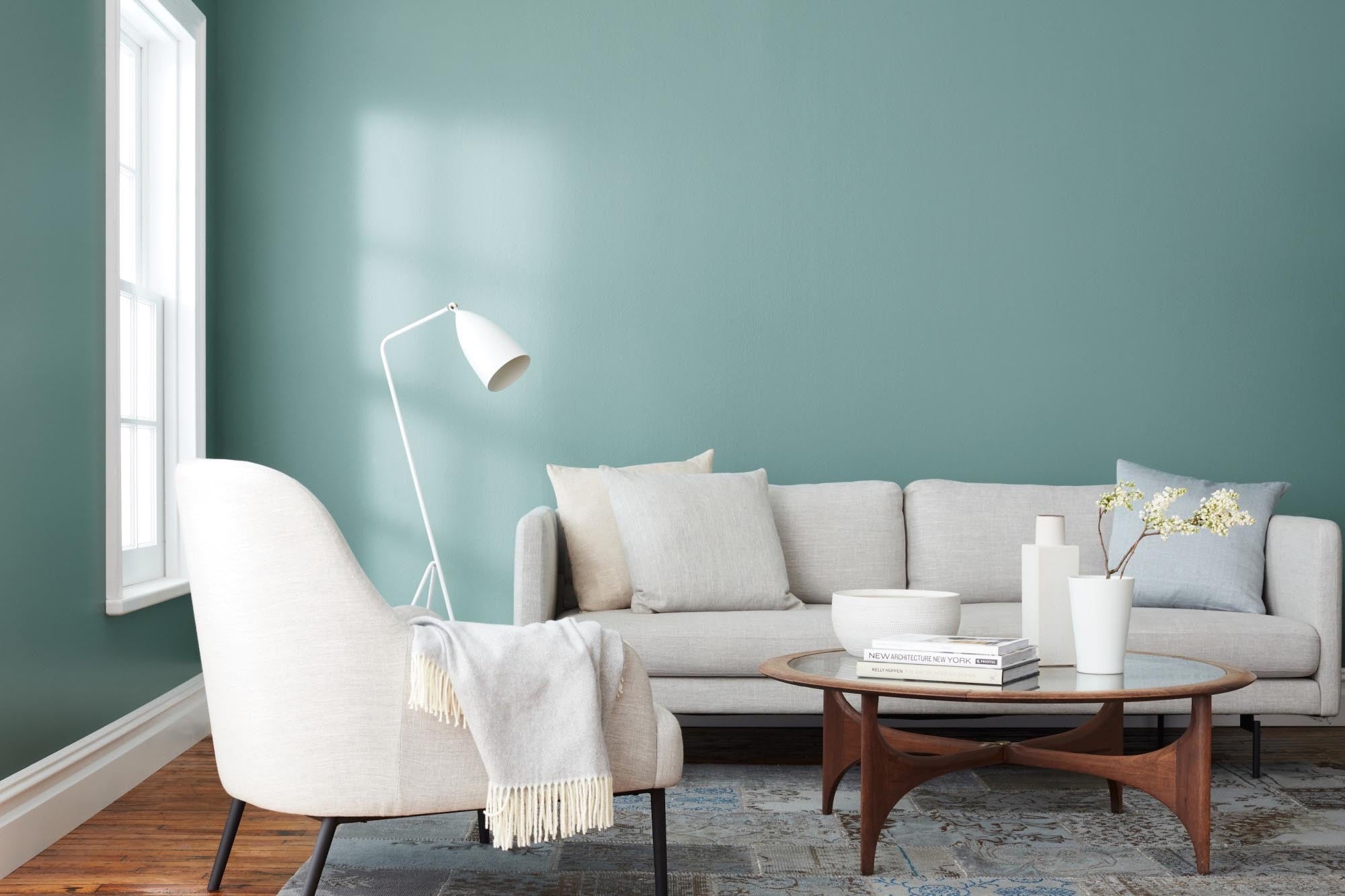
- Seafoam Greens: These blue-greens are incredibly refreshing and can make a room feel crisp and light. They work well in bathrooms or bedrooms where a tranquil vibe is desired.
| Color Category | Key Characteristics | Typical LRV Range | Effect in Low Light | Ideal Room Types |
|---|---|---|---|---|
| Creamy Whites / Off-Whites | Warm yellow/beige undertones. Soft, inviting. | 75-90 | Reflects light, adds warmth, prevents starkness, feels airy. | Living Rooms, Bedrooms, Dining Rooms, Hallways |
| Warm Greys / Greiges | Blend of grey & beige, subtle green/brown undertones. Versatile neutral. | 50-70 | Sophisticated neutral, prevents coldness, adds depth without darkness. | Offices, Living Rooms, Basements, Hallways |
| Pale Yellows / Buttery Creams | Yellow/golden undertones. Mimics natural sunlight. | 65-80 | Instantly brightens and cheers, adds a sunny disposition. | Kitchens, Children’s Rooms, Playrooms, Living Rooms |
| Soft Sage Greens / Seafoam | Earthy, muted green with grey/blue undertones. Nature-inspired. | 55-70 | Calming, fresh, can feel expansive, brings the outdoors in. | Bedrooms, Bathrooms, Studies, Sunrooms (even with little light) |
| Dusty Pinks / Muted Lavenders | Soft red/purple undertones. Ethereal, gentle. | 60-75 | Adds warmth and softness, creates an elegant, serene atmosphere. | Bedrooms, Powder Rooms, Dressing Areas |
Strategy 2: Embrace the Mood – Colors to Create Cozy, Dramatic, and Intimate Spaces
Sometimes, trying to make a dark room light is a losing battle. Why not lean into its inherent coziness? This strategy involves using darker, richer hues to create a deliberate sense of intimacy, drama, or sophistication. This is particularly effective in rooms meant for relaxation, study, or formal entertaining.
Deep, Rich Jewel Tones
These colors are vibrant and luxurious, perfect for creating a sophisticated, enveloping feel. They thrive when thoughtfully paired with contrasting lighter elements.
- Emerald Green: A deep, rich green can feel like a library or a chic lounge. It’s grounding and luxurious, especially when paired with natural wood tones and metallic accents.
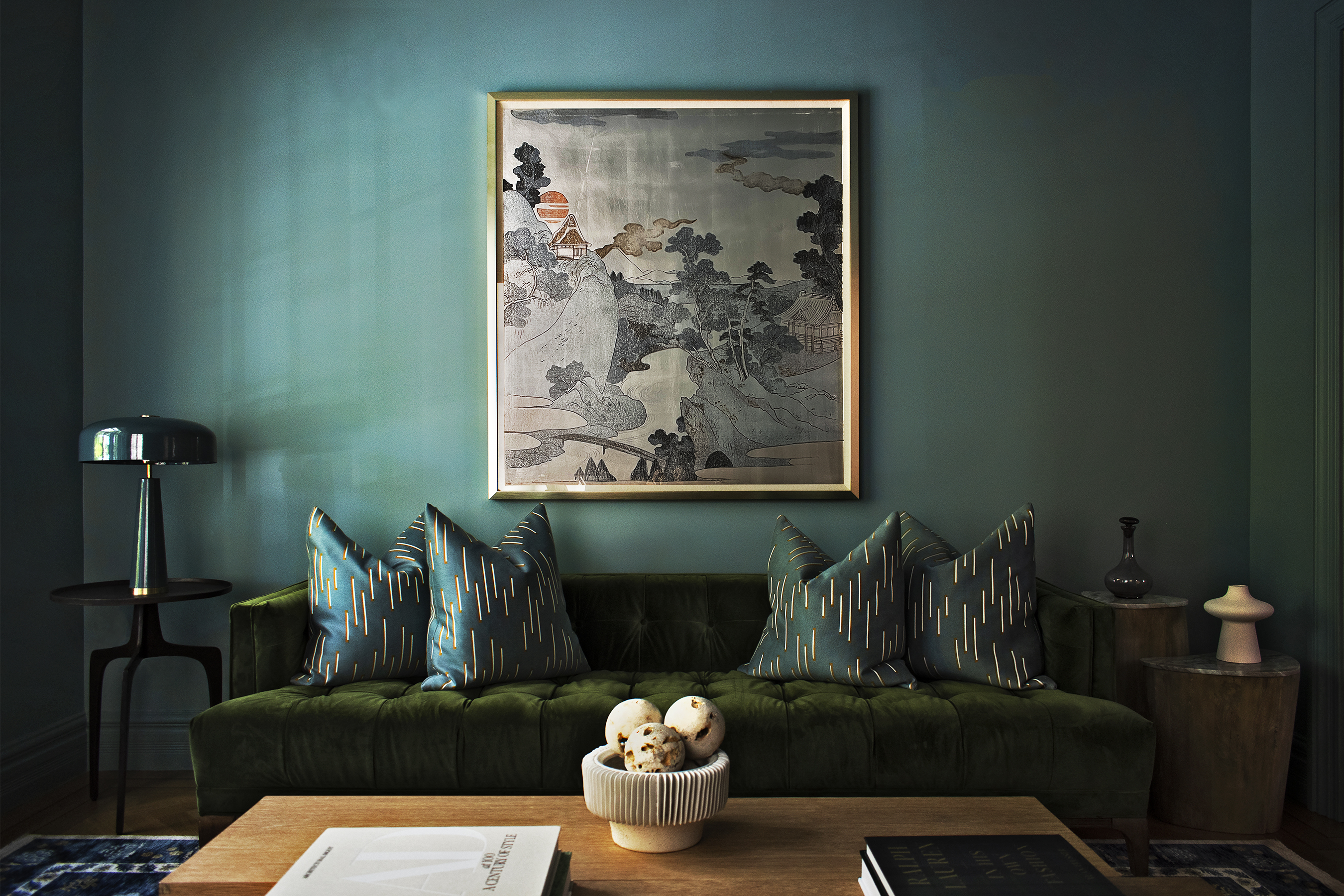
- Sapphire Blue / Teal: A rich, deep blue can be incredibly soothing and elegant. Teals (blue-greens) add a touch more vibrancy and personality. These colors can make a room feel like a comforting cocoon.
- Amethyst Purple / Deep Plum: For a truly bold statement, a deep purple can create a regal and intimate atmosphere. It pairs beautifully with golds and warm neutrals.
Sophisticated Darks
Moving beyond jewel tones, consider timeless dark neutrals that offer depth and character without being overwhelming. The trick is to ensure they have warm undertones to prevent them from feeling stark.
- Charcoal Grey: A deep, warm charcoal can be incredibly chic and modern. It provides a striking backdrop for art and lighter furnishings. Look for greys with brown or green undertones.
- Navy Blue: A classic choice, navy evokes tradition and comfort. It’s surprisingly versatile and pairs well with almost any other color. It provides depth without making the room feel oppressive.
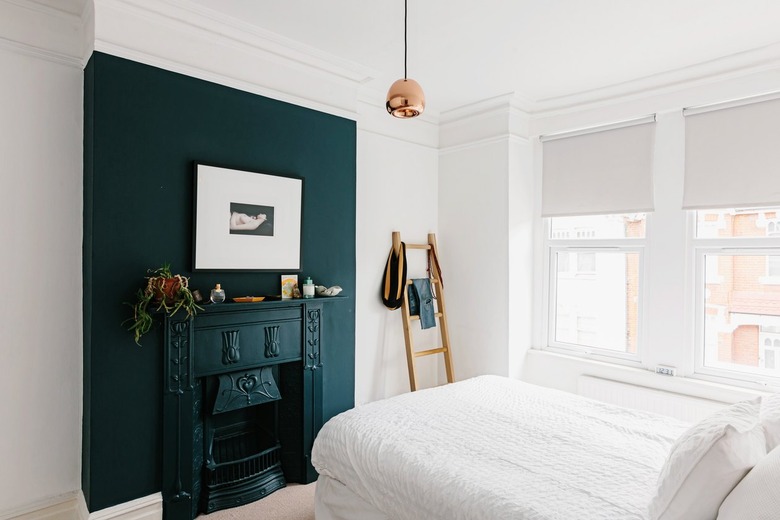
- Deep Forest Green: Similar to emerald but often more muted, a deep forest green can feel incredibly grounding and serene. It’s like being in a beautiful, calm natural space.
Warm Earth Tones
These colors are naturally comforting and bring an organic, grounding feel to a room. They can make a low-light space feel like a warm embrace.
- Terracotta / Rust: Rich, earthy reds and oranges add incredible warmth and character. They are especially inviting in rooms where you want to feel snug, like a den or a cozy reading nook.
- Ochre / Deep Mustard: A sophisticated deep yellow can be surprisingly grounding and luxurious. It’s less about brightness and more about creating a warm, historic feel.
- Deep Sage / Olive Green: These muted, natural greens are perfect for a calm, organic aesthetic. They are darker than their pastel counterparts but still offer a connection to nature.
| Color Category | Key Characteristics | Typical LRV Range | Effect in Low Light | Ideal Room Types |
|---|---|---|---|---|
| Deep Jewel Tones | Saturated blues, greens, purples. Luxurious, rich, bold. | 8-25 | Creates drama, intimacy, sophistication; a jewel-box effect. | Dining Rooms, Libraries, Powder Rooms, Master Bedrooms |
| Sophisticated Darks | Charcoal, Navy, Deep Forest Green, warm undertones. Elegant, grounding. | 5-20 | Enveloping, cozy, provides a strong backdrop for decor, modern appeal. | Dens, Studies, Media Rooms, Entryways, Basements |
| Warm Earth Tones | Terracotta, Ochre, Deep Sage. Organic, comforting. | 15-35 | Infuses warmth, creates a natural, grounded, and inviting atmosphere. | Bedrooms, Living Rooms, Kitchens (rustic feel), Sunrooms |
Beyond Paint: Enhancing Low-Light Rooms with Strategic Design
Paint is just one piece of the puzzle. To truly maximize the potential of a low-light room, you need to consider the broader design elements that work in conjunction with your chosen wall color.
The Critical Role of Artificial Lighting
In rooms with little natural light, artificial lighting isn’t an accessory; it’s essential. Think in layers:
- Ambient Lighting: General illumination from overhead fixtures (recessed lights, ceiling mounts, chandeliers). This provides overall brightness.
- Task Lighting: Focused light for specific activities (desk lamps, reading lamps, under-cabinet lighting).
- Accent Lighting: Highlights architectural features or artwork (track lighting, picture lights, wall sconces). This adds depth and interest.
- Warm vs. Cool Bulbs: Crucially, choose light bulbs with a warmer color temperature (2700K-3000K). Cooler, bluer lights (above 4000K) can make your chosen paint color look stark, cold, or even sickly in a room already lacking natural warmth.
- Dimmers: Essential for flexibility, allowing you to adjust the mood and intensity of light throughout the day or evening.
Mirrors and Reflective Surfaces
Mirrors are the ultimate light-amplifiers. Place them strategically across from any window (even a small one) or a light source to bounce light around the room. Consider:
- Large Wall Mirrors: Make a huge impact.
- Mirrored Furniture: Adds sparkle and reflects light.
- Glass & Metallic Accents: Vases, frames, and decor with reflective qualities will subtly diffuse light.
Strategic Furniture and Decor Choices
What you put in the room can also influence its perceived brightness.
:max_bytes(150000):strip_icc()/paint-colors-for-dark-rooms-lead-getty-0323-2000-21bdcb155b1f4bc99a3c15e08710e943.jpg "The Best Paint Colors for Dark Rooms")
- Light-Colored Furniture: Sofas, chairs, or rugs in lighter fabrics can prevent the room from feeling heavy.
- Declutter: A cluttered room, regardless of paint color, will always feel heavier and smaller. Keep it minimal and airy.
- Artwork: Choose artwork with lighter backgrounds or vibrant colors to add visual interest without absorbing light.
Maximizing What Little Natural Light You Have
Even a sliver of natural light can be maximized:
- Window Treatments: Opt for sheer curtains or blinds that can be fully pulled back during the day. Avoid heavy, dark drapes that block what little light you have.
- Keep Windows Clean: It sounds simple, but grimy windows drastically reduce light penetration.
- Trim & Doors: Painting trim and doors a crisp, slightly warmer white can create contrast and make the wall color pop, defining the space.
Common Pitfalls to Avoid When Painting Low-Light Rooms
Even with the best intentions, it’s easy to make mistakes. Here’s what to watch out for:
Choosing Pure White (The “Hospital” Effect)
While the instinct is to go as light as possible, pure, stark white often falls flat in a low-light room. Without ample natural light to give it warmth and dimension, it can look cold, uninviting, and sterile, like a hospital room. Always opt for whites with warm undertones.
Ignoring Undertones (The “Unexpected Color” Surprise)
This is perhaps the biggest mistake. A seemingly neutral grey can turn blue, purple, or even green on your walls in low light. Always, always, always sample your paint colors. Paint large swatches (at least 2’x2′) on multiple walls and observe them at different times of day and night, with both natural and artificial light. Undertones are magnified in dimmer settings.
Forgetting Paint Sheen (Matte vs. Eggshell vs. Satin)
The sheen of your paint affects how much light it reflects. Generally:
- Matte/Flat: Absorbs the most light, creating a very rich, deep color. Great for embracing moodiness but can make a room feel darker if that’s not your goal.
- Eggshell/Satin: Offers a subtle sheen that helps bounce light around. A fantastic choice for low-light rooms that you want to brighten, as they add a touch of luminosity without being glossy.
- Semi-Gloss/Gloss: Highly reflective. Often too much for entire walls in a low-light room, but excellent for trim, doors, or accent pieces to add sparkle.
For brightening, aim for eggshell or satin. For embracing the dark, matte can be beautiful.
Skipping Samples (The Rule)
You wouldn’t buy a car without a test drive, right? Paint is no different. The tiny swatch in the store will look completely different on your wall. Colors react uniquely to the specific light conditions of your room, existing furnishings, and even your flooring. Invest in sample pots and paint large swatches on your walls. Live with them for a few days before making a final decision.
Choosing the right paint color for a room with little natural light can feel daunting, but armed with knowledge about LRV, undertones, and strategic design, you’re now equipped to make a confident choice. Whether you decide to brighten and expand your space with luminous whites and soft pastels, or embrace its inherent coziness with deep jewel tones and sophisticated darks, remember that the goal is to create a space that feels intentional, inviting, and truly yours. Don’t be afraid to experiment, trust your instincts, and most importantly, enjoy the transformation!