Grey Paint Colors for Bedroom Walls: The Definitive Guide to Your Dream Retreat
Staring at a blank bedroom wall, or worse, one with a paint job that feels… ‘meh’? You’re not alone. Many people dream of a bedroom that feels like a serene sanctuary, a place to truly unwind. And if you’ve landed here, chances are you’ve already considered grey. Good choice! Grey has reigned supreme in interior design for years, and for good reason: it’s sophisticated, versatile, and instantly elevates a space.
But here’s the kicker: not all greys are created equal, especially when it comes to the most intimate room in your home. A grey that looks stunning in a bright, open living room can fall flat or feel cold in a bedroom. The quest for the perfect grey bedroom wall color can feel overwhelming, like sifting through a hundred shades that all look vaguely similar on a swatch, but wildly different on your walls.
I get it. Choosing paint is a commitment. That’s why I’m here to cut through the noise. This isn’t just a list of pretty grey names; it’s your ultimate guide to understanding grey, mastering its nuances, and confidently selecting the shade that will transform your bedroom into the peaceful, stylish haven you deserve.
Why Grey is the Ultimate Bedroom Neutral (and How to Make it Work for YOU)
Think about it: what do you want your bedroom to evoke? Calm? Coziness? Modern elegance? Grey, in its myriad forms, can deliver all of this and more. Unlike stark white, which can feel clinical, or bold colors that can be overstimulating, grey provides a grounding backdrop that promotes relaxation and allows other elements of your decor to shine.
It’s the chameleon of colors, able to shift its personality based on its undertones, the light it receives, and the colors it’s paired with. But this versatility is also where the challenge lies. The ‘perfect’ grey for your bedroom isn’t a universal answer; it’s a personalized choice that considers your room’s unique conditions and your desired aesthetic.
The Secret Language of Grey: Understanding Undertones
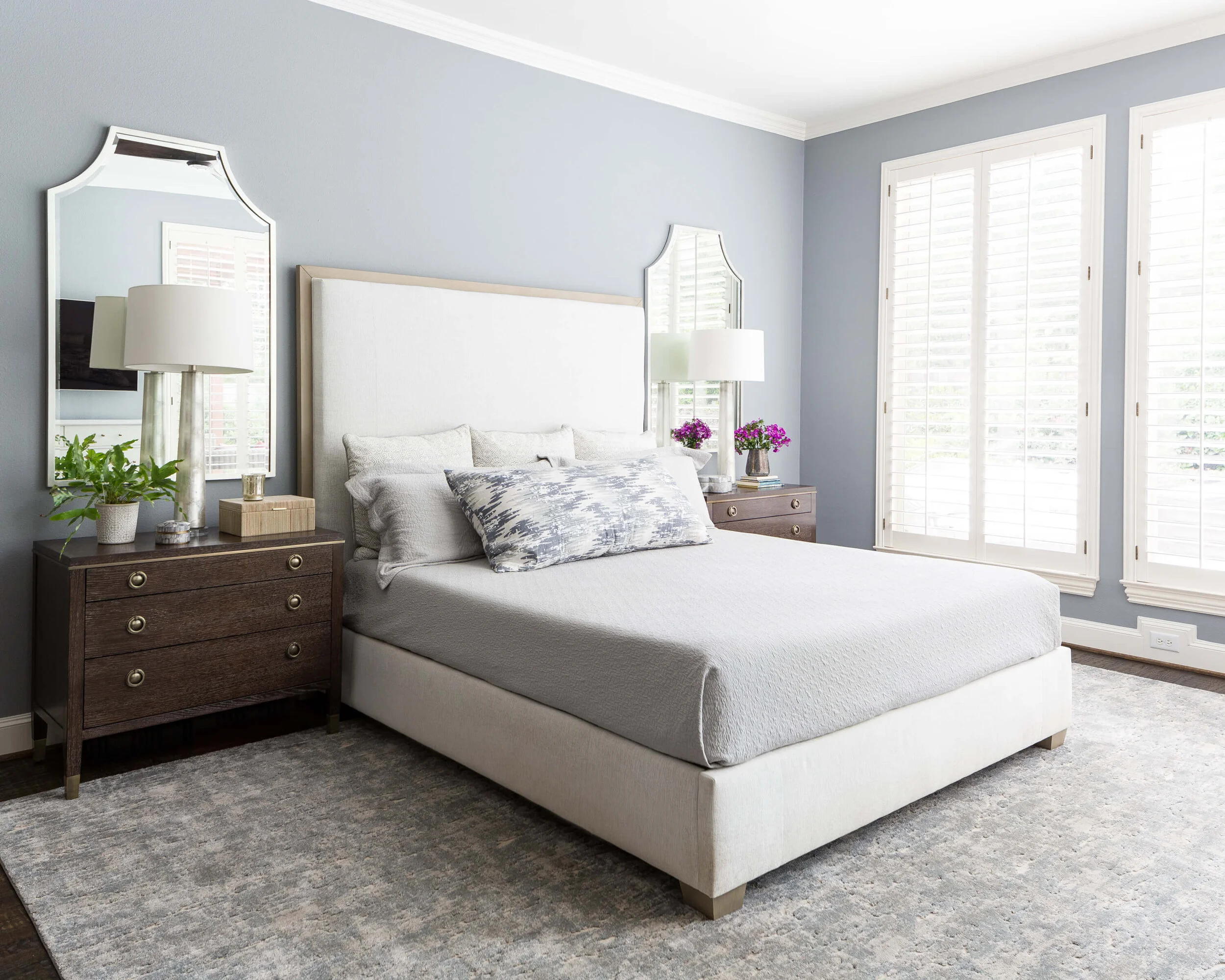
This is arguably the most critical piece of the puzzle. Every grey has an undertone, even if it’s subtle. Ignore this, and you risk your dream ‘cool grey’ turning into a baby blue or your ‘warm grey’ looking sickly yellow. Understanding these hidden hues is your superpower in paint selection.
Cool Greys: Serene and Crisp
These greys have discernible blue, purple, or green undertones. They often feel:
- Serene and calming: Perfect for a tranquil retreat.
- Crisp and modern: Ideal for contemporary or minimalist spaces.
- Spacious: Can make a room feel larger due to their receding nature.
Be mindful: in rooms with little natural light or northern exposure, cool greys can sometimes lean towards sterile or even depressing if not balanced with warmer elements.
Warm Greys (Greige): Cozy and Inviting
The darlings of modern farmhouse and transitional styles, ‘greige’ is the portmanteau for grey-beige. These greys have yellow, brown, or red undertones. They are beloved for being:
- Cozy and inviting: They bring warmth without feeling overwhelmingly beige.
- Sophisticated: A classic choice that never goes out of style.
- Flexible: Pair beautifully with both warm and cool decor elements.
Warm greys are excellent for creating a snug atmosphere, especially in rooms that tend to feel a bit chilly.
:max_bytes(150000):strip_icc()/Gibbs-Ave-134-9b2a24f2bc9448d7800258c65c193aa2.jpeg "40 Blue-Gray Paint Colors to Inspire Your Next Reno")
True Greys: The Elusive Neutral
These are pure greys, without obvious color undertones. They are often created by mixing black and white. While they sound ideal, in practice, they can sometimes appear a bit flat or industrial, particularly in a bedroom where warmth and character are often desired. Most popular greys lean slightly warm or cool.
Here’s a quick overview of common undertones and their typical impact:
| Undertone | Common Perception | Best For… | Potential Pitfall |
|---|---|---|---|
| Blue/Green (Cool) | Calm, crisp, airy, modern | Contemporary bedrooms, rooms with warm natural light (south/west facing) | Can feel cold or sterile in north-facing or dimly lit rooms |
| Purple (Cool) | Sophisticated, moody, elegant | Luxurious bedrooms, adding depth, paired with rich textures | Can look too ‘grape’ or overwhelming if not carefully chosen |
| Yellow/Brown (Warm/Greige) | Cozy, inviting, earthy, classic | Bedrooms needing warmth, north-facing rooms, traditional or transitional styles | Can sometimes appear too beige or dingy if too yellow |
| Red/Pink (Warm) | Subtly warm, sophisticated, nuanced | Adding unexpected warmth, complementing blush or terracotta accents | Can be tricky to detect, sometimes making grey appear ‘muddy’ or brownish |
Light Reflectance Value (LRV): Your Best Friend in Bedroom Paint Selection
LRV is a measurement that indicates how much light a paint color reflects. It ranges from 0 (absolute black, absorbing all light) to 100 (absolute white, reflecting all light). For bedrooms, understanding LRV is crucial because it dictates how light or dark, airy or cozy, your room will feel.
- High LRV Greys (60-80+): These are your light, airy greys. They reflect a lot of light, making a room feel larger, brighter, and more open. Excellent for smaller bedrooms or those with limited natural light. Think ‘whisper’ or ‘cloud’ greys.
- Mid-Range LRV Greys (40-59): These provide a balanced feel – not too light, not too dark. They offer good depth without overwhelming the space. They are often the most versatile choices.
- Low LRV Greys (0-39): These are your deep, moody, dramatic greys. They absorb more light, creating a sense of intimacy and coziness. Fantastic for larger bedrooms where you want to create a cocoon-like retreat or add a touch of drama.
When selecting your grey, don’t just look at the color; look at its LRV. It’s usually listed on the paint swatch or the company’s website. It’s a huge clue as to how the color will behave in your bedroom.
Decoding Your Bedroom’s Light: The Game-Changer for Grey
Natural light is the most powerful influencer on how a paint color appears. A grey can look entirely different from morning to evening, and from one room to another, simply because of the sun’s direction and intensity. Pay close attention to how light enters your bedroom throughout the day.
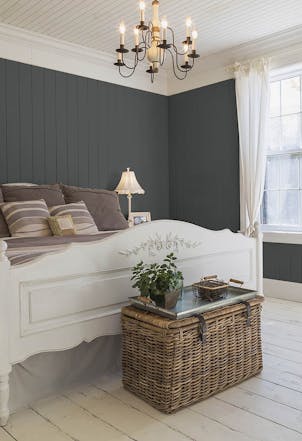
- North-Facing Rooms: These rooms receive cool, indirect light throughout the day, which can make colors appear duller or bring out blue/green undertones in grey. To counteract this, opt for warm greys (greiges) with yellow or brown undertones to add a much-needed cozy glow.
- South-Facing Rooms: Blessed with abundant, bright, and warm light all day. These rooms are the most flexible. You can go with cooler greys to temper the warmth, or embrace the warmth with a rich, deep greige.
- East-Facing Rooms: Enjoy warm, bright morning light, which then shifts to cooler, duller light in the afternoon. If you wake up and get ready in this room, a slightly warmer grey might feel more inviting in the morning. If it’s primarily an evening retreat, a neutral-to-cool grey could work.
- West-Facing Rooms: Receive cooler light in the morning and intense, warm, often orange-tinged light in the afternoon and evening. This dramatic shift means a grey could look very different depending on the time of day. A balanced, true grey or a mild greige often works well here, as they can adapt to the changing light without becoming too yellow or too blue.
Here’s a breakdown to help you match your room’s orientation with ideal grey undertones:
| Room Orientation | Light Quality | Recommended Grey Undertones | Effect |
|---|---|---|---|
| North | Cool, indirect, low light | Warm (yellow, brown, red), Greige | Adds warmth, prevents sterility, cozy feel |
| South | Bright, warm, intense light | Cool (blue, green), Neutral, or Rich Warm | Balances warmth, feels fresh, can handle depth |
| East | Warm morning, cool afternoon | Balanced Greige, Soft Warm Greys | Inviting mornings, maintains pleasantness in afternoons |
| West | Cool morning, strong warm afternoon | True Neutral Grey, Mild Greige, Cooler Greys (if afternoon warmth is intense) | Adapts to changing light, prevents overwhelming warmth in evenings |
The Top Grey Paint Colors for Bedrooms (and What Makes Them Special)
Okay, with the foundational knowledge in hand, let’s talk about some specific, tried-and-true grey paint colors that designers and homeowners adore for bedrooms. Remember, these are starting points – always sample!
The Classic Greiges: Warmth Without the Beige
- Benjamin Moore Revere Pewter (HC-172): This is the undisputed king of greiges. It’s a beautifully balanced warm grey with subtle green/beige undertones. It manages to feel both cozy and sophisticated. Works wonderfully in almost any light, but especially good in north-facing rooms that need warmth. LRV: 55.52.
- Sherwin-Williams Agreeable Gray (SW 7029): Another highly popular greige, often described as the perfect blend of warm and cool. Its slight taupe undertones make it incredibly versatile and truly agreeable. It’s a fantastic choice for a bedroom that transitions seamlessly from day to night. LRV: 60.
- Benjamin Moore Edgecomb Gray (HC-173): Lighter and softer than Revere Pewter, Edgecomb Gray is a delicate, creamy greige with a clean, inviting feel. It’s ideal for creating a bright yet cozy bedroom, especially when paired with crisp white trim. LRV: 63.88.
Soft, Light Greys: Airy and Expansive
- Benjamin Moore Classic Gray (OC-23): Don’t let the name fool you; this is a very light grey with a touch of warmth. It’s often mistaken for off-white, making it perfect if you want a subtle hint of color that keeps a room feeling incredibly bright and airy. It has a slight greige lean, preventing it from feeling cold. LRV: 73.67.
- Sherwin-Williams Repose Gray (SW 7015): A truly versatile light grey with subtle warm undertones (brown/green) that prevent it from feeling too cool. It’s fantastic for bedrooms where you want a neutral backdrop that still has depth. It can shift between looking slightly warm or cool depending on the light. LRV: 58.
- Benjamin Moore Silver Satin (OC-26): A delicate, pale grey that has a touch of warmth to it. It’s bright and clean, perfect for a chic, minimalist bedroom that still feels inviting. It has very subtle violet undertones that can peek through in certain lights. LRV: 76.5.
Cool, Sophisticated Greys: Crisp and Modern Serenity
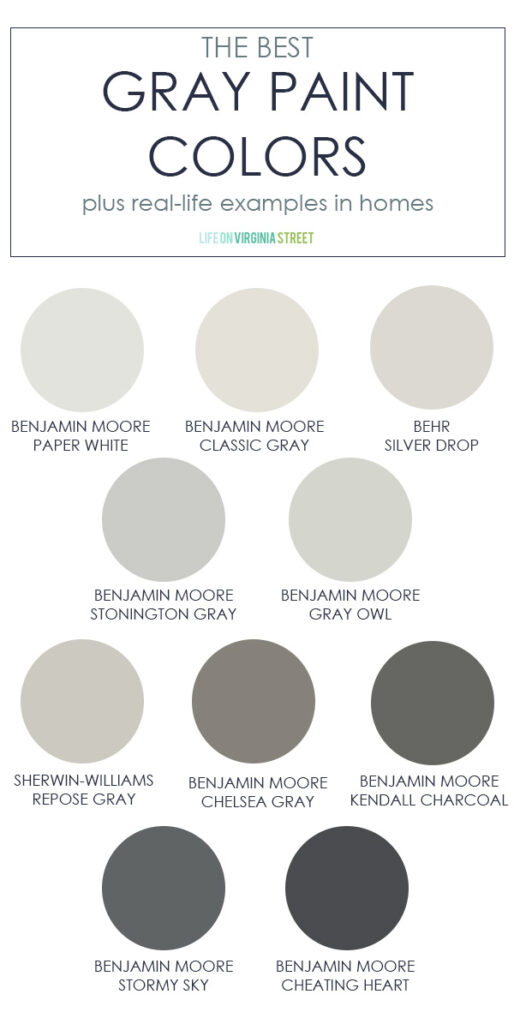
- Benjamin Moore Stonington Gray (HC-170): A beautiful, crisp medium grey with distinct blue undertones. It’s sophisticated and calming, ideal for creating a serene, spa-like bedroom environment. Works wonderfully with natural wood tones and crisp whites. LRV: 59.76.
- Benjamin Moore Gray Owl (OC-52): A light, versatile grey with subtle green/blue undertones. It’s brighter than Stonington Gray and less likely to feel overly cool. It can often read as a soft, chameleon-like grey that changes beautifully with the light, making it popular for those wanting a fresh, airy feel. LRV: 64.51.
- Sherwin-Williams Light French Gray (SW 0055): A classic, pure cool grey with slight blue undertones. It’s a reliable choice for a clean, sophisticated look that isn’t too dark. It provides a striking contrast with white trim and can feel very contemporary. LRV: 53.
Deep, Moody Greys: Dramatic and Luxurious
- Benjamin Moore Kendall Charcoal (HC-166): A rich, deep charcoal grey with subtle green undertones that gives it a wonderfully earthy, sophisticated feel. It’s perfect for creating a cozy, enveloping bedroom that feels luxurious and intimate. Pair with lighter bedding and metallic accents for maximum impact. LRV: 29.56.
- Sherwin-Williams Peppercorn (SW 7674): A dark, true charcoal grey with a hint of warmth that prevents it from feeling stark. It’s intense and grounding, ideal for a dramatic feature wall or an entire room where you want to embrace a moody, elegant vibe. LRV: 10.
- Benjamin Moore Chelsea Gray (HC-168): A sophisticated, deep grey that leans slightly warm with subtle green/brown undertones. It offers significant depth and gravitas, creating a cozy and grounded feel without being overwhelmingly dark. Works beautifully with both traditional and modern decor. LRV: 28.1.
Here’s a comparison table of these popular grey bedroom paints:
| Paint Name (Brand) | LRV | Primary Undertone | Key Characteristics | Ideal Pairing Suggestions |
|---|---|---|---|---|
| Revere Pewter (BM) | 55.52 | Green/Beige (Greige) | Highly versatile, warm, sophisticated, balanced | Creamy whites, warm wood tones, deep blues, soft greens |
| Agreeable Gray (SW) | 60 | Taupe/Greige | Soft, balanced warm grey, very adaptable | Crisp whites, light woods, blush pinks, cool blues |
| Edgecomb Gray (BM) | 63.88 | Creamy Greige | Light, airy, soft, inviting warmth | Crisp whites, natural textures (linen, jute), muted pastels |
| Classic Gray (BM) | 73.67 | Slightly Warm Greige | Very light, almost off-white, luminous | Bright whites, clean lines, minimalist decor, pops of any color |
| Repose Gray (SW) | 58 | Brown/Green (Greige) | Balanced light-medium grey, adaptable, popular | White or creamy trim, warm wood furniture, muted blues/greens |
| Silver Satin (BM) | 76.5 | Slightly Violet/Warm | Pale, delicate, clean, chic, bright | White trim, glass, chrome, soft pinks, light wood |
| Stonington Gray (BM) | 59.76 | Blue | Crisp, serene, sophisticated, true cool grey | White trim, navy blue, emerald green, dark wood, brass |
| Gray Owl (BM) | 64.51 | Green/Blue | Airy, light, refreshing, soft cool grey | White trim, muted greens, light blues, light wood, silver accents |
| Light French Gray (SW) | 53 | Blue | Classic cool grey, clean, modern, medium tone | Bright white trim, black accents, vibrant art, deep reds |
| Kendall Charcoal (BM) | 29.56 | Green/Brown | Deep, earthy, sophisticated, moody, cozy | Creamy whites, rich woods, brass, deep jewel tones (emerald, sapphire) |
| Peppercorn (SW) | 10 | Slightly Warm (True Charcoal) | Very dark, dramatic, grounding, elegant | Crisp whites, natural textures, light grey, metallic silver, vivid art |
| Chelsea Gray (BM) | 28.1 | Green/Brown | Rich, deep, balanced, cozy yet refined | Off-whites, linen, leather, gold accents, deep plums, warm blues |
Creating Cohesion: What to Pair with Your Grey Bedroom Walls
Choosing the wall color is just the beginning. The magic of a grey bedroom truly unfolds when you consider the other elements in the room. Grey is a fantastic canvas, allowing you to play with various styles and moods.
Complementary Colors: Adding Personality
- Crisp Whites & Creamy Off-Whites: An undeniable classic. Crisp whites provide a clean contrast, while creamy off-whites soften the look and add a subtle warmth.
- Blues: From soft sky blue to deep navy, blue creates a serene and calming atmosphere, often enhancing the cool undertones of grey or providing a beautiful contrast to warm greys.
- Greens: Sage, olive, or emerald greens bring nature indoors, creating a fresh and tranquil feel. They pair beautifully with almost any grey, especially those with green undertones.
- Blush Pinks & Dusty Rose: For a soft, romantic, and slightly feminine touch. These colors add warmth and sophistication, especially to cooler greys.
- Warm Yellows & Mustards: Use sparingly for pops of joy and energy. A sunny yellow throw pillow or a piece of mustard artwork can instantly brighten a grey room.
- Deep Jewel Tones: Emerald, ruby, sapphire, or amethyst can add a touch of luxury and drama, especially with darker greys.
Textiles & Textures: Layering for Depth
Grey bedrooms benefit immensely from a variety of textures. Without them, a grey space can feel flat. Think about incorporating:

- Soft Linens: For bedding, curtains – adds an organic, relaxed feel.
- Cozy Knits & Wool: Throw blankets, rugs, upholstered headboards for warmth and tactile comfort.
- Plush Velvets: Cushions, curtains, an accent chair for luxury and depth.
- Natural Woods: Furniture, picture frames – brings warmth and grounding to the space.
- Shimmering Metallics: Gold, brass, silver, chrome in light fixtures, hardware, or decorative objects add a touch of glamour.
- Rough Woven Textures: Jute rugs, woven baskets for an earthy, bohemian touch.
Furniture Styles: Grey’s Adaptability
Whether your style is modern, farmhouse, traditional, or eclectic, grey walls can accommodate it. The key is to select furniture that either harmonizes with the grey’s undertone or provides a pleasing contrast:
- Modern: Clean lines, minimalist pieces, metal or light wood furniture.
- Traditional: Dark wood furniture, upholstered headboards, classic silhouettes.
- Rustic/Farmhouse: Distressed wood, wrought iron, natural fibers.
Trim & Ceiling: The Supporting Cast
- Crisp White Trim: A classic choice that offers a clean contrast and makes the grey pop.
- Off-White Trim: Softens the contrast and adds a subtle warmth, especially good with warmer greys.
- Matching Wall Color (Slightly Lighter Ceiling): For a cocoon-like, enveloping feel. If painting the ceiling grey, go a shade or two lighter than the walls to prevent it from feeling too heavy.
Avoiding the “Dull” or “Depressing” Grey Bedroom Trap
The fear of a ‘dull’ grey bedroom is real, but it’s entirely avoidable with thoughtful design. Here’s how to ensure your grey sanctuary feels inviting and vibrant:
- Inject Color: Grey loves a pop of color. Don’t be afraid to introduce vibrant hues through bedding, throw pillows, artwork, or decorative objects. Even a single accent can make a huge difference.
- Embrace Texture: As mentioned, layers of texture are non-negotiable. Think chunky knits, plush rugs, silky curtains, and natural wood furniture.
- Warm Woods and Metals: Incorporate furniture with warm wood tones (oak, walnut) and metallic accents (brass, gold, copper) to prevent the space from feeling cold.
- Strategic Lighting: Don’t rely on just one overhead light. Use a mix of ambient (ceiling light), task (reading lamps), and accent (picture lights, bedside table lamps) lighting to create warmth and depth. Choose bulbs with a warmer color temperature (around 2700K-3000K).
- Add Greenery: Houseplants instantly bring life, color, and a sense of calm to any room.
- Reflective Surfaces: Mirrors, glass tables, or glossy finishes can help bounce light around the room, making it feel brighter and more dynamic.
Your Grey Bedroom Checklist: Before You Buy That Gallon!
You’ve done the research, you understand undertones and LRV, and you’ve got a few contenders. Now, it’s time for the critical final steps:
- Get Samples, Big Samples: Don’t rely on tiny paint chips. Buy sample pots and paint large swatches (at least 2’x2′) directly on your wall or on large poster boards.
- Observe Throughout the Day: Live with the samples for at least 24-48 hours. Watch how the colors change in natural daylight, under artificial light, and at different times of day (morning, noon, evening).
- Consider Existing Elements: How do the samples look next to your flooring, existing furniture, headboard, or any art you plan to keep? Ensure they harmonize.
- Test Adjacent Rooms: If your bedroom opens into another space, ensure the chosen grey flows well with the colors in those rooms, too.
- Don’t Rush: This is an investment in your sleep and well-being. Take your time.
Choosing the perfect grey for your bedroom walls can transform it into a serene, stylish, and deeply personal sanctuary. By understanding undertones, harnessing the power of light, and carefully considering complementary elements, you’re not just picking a paint color; you’re crafting an experience. Go forth, sample with confidence, and create the grey bedroom of your dreams!
Frequently Asked Questions
What’s the difference between cool grey and warm grey?
Cool greys have blue, green, or purple undertones, making a room feel serene, crisp, and modern. Warm greys, often called greige, have yellow, brown, or red undertones, creating a cozier, more inviting, and sophisticated atmosphere. The choice depends on the desired mood and the room’s natural light.
Can grey make a small bedroom feel smaller?
Not necessarily. Light greys with high LRV (Light Reflectance Value) can make a small bedroom feel larger and airier by reflecting more light. However, very dark greys (low LRV) can make a small room feel more intimate and cozy, which can be a desired effect, but might visually reduce its perceived size if not balanced with ample lighting and lighter furnishings.
What trim color works best with grey bedroom walls?
Crisp white trim (e.g., Benjamin Moore Chantilly Lace or Sherwin-Williams Extra White) is a classic choice that provides a clean, modern contrast and makes the grey wall color pop. For a softer look, especially with warmer greys, an off-white or creamy white trim (e.g., Benjamin Moore White Dove) can add subtle warmth and reduce harsh contrasts.
How does lighting affect grey paint colors?
Lighting significantly impacts how grey paint appears. North-facing rooms with cool light tend to enhance blue/green undertones, making greys appear cooler. South-facing rooms with warm, bright light can make greys appear lighter and potentially bring out any warm undertones. East-facing rooms have warm morning light, while west-facing rooms have warm afternoon light, causing the grey to shift throughout the day. Always test samples in your room under different lighting conditions.
Is grey still a popular color for bedrooms?
Yes, grey remains a highly popular choice for bedrooms due to its versatility, sophistication, and ability to create a calming backdrop. While trends evolve, grey’s timeless appeal as a neutral allows it to adapt to various design styles, from minimalist to luxurious. The key is choosing the right undertone and depth for your specific space.
How can I add warmth to a cool grey bedroom?
To warm up a cool grey bedroom, incorporate elements with warm tones. This includes warm wood furniture, brass or gold metallic accents, soft lighting with warmer color temperature bulbs, textured textiles like chunky knit throws or velvet cushions, and pops of warm accent colors such as blush pink, mustard yellow, or deep terracotta in bedding or artwork.
Should my ceiling be the same color as my grey walls?
While traditionally ceilings are white, painting your ceiling a lighter shade of your grey wall color can create a ‘cocooning’ effect, making the bedroom feel more intimate and cozy. If you want to maintain a sense of height and brightness, a crisp white or a very light off-white ceiling is still the best choice.