Master the Art: Best Paint Colors for Rooms with Low Natural Light (And How to Choose Them)
Ever walked into a room and felt like you needed a flashlight just to navigate? We’ve all been there. That low-light room – whether it’s north-facing, an interior space, or simply overshadowed by trees – can feel like a decorating challenge. You might think your only option is stark white, but I’m here to tell you that’s far from the truth. Choosing the right paint color for a dim room isn’t just about brightening it; it’s about understanding light, enhancing mood, and making that space feel like a welcoming haven, not a forgotten corner.
As an expert in color strategy, I’ve seen countless homeowners struggle with this exact dilemma. The good news? With a bit of strategic thinking and the right paint palette, you can transform even the darkest dungeon into a delightful dwelling. Forget the generic advice; we’re going to dive deep into how light works (or doesn’t work) in your space and arm you with the principles and specific colors to make an informed, confident choice.
Understanding Your Light Challenge: It’s Not Just “Dark”
Before you even think about swatches, let’s play detective. Your room’s “low light” isn’t a monolith; it has different characteristics depending on its orientation and external factors. Understanding this nuance is key to picking a color that truly sings.
North-Facing Rooms: The Cool, Consistent Glow
North-facing rooms receive the least direct sunlight. The light they do get is often cool, consistent, and somewhat bluish-gray. This can make colors appear duller, flatter, and even colder than they would in a brighter room. Think of it as painting under a perpetually overcast sky. You’ll want colors that counteract this coolness or embrace it with specific warm undertones.
East-Facing Rooms: Morning Radiance, Afternoon Dim
These rooms are morning stars! They get beautiful, bright, warm, golden light in the early hours. But by afternoon, that light disappears, leaving the room feeling dim and often cool. The challenge here is finding a color that looks good in both the morning glow and the afternoon shadow. Colors that are too cool might feel icy in the afternoon, while overly warm colors might feel too intense in the morning.
West-Facing Rooms: Afternoon Drama, Evening Hues
West-facing rooms are the opposite of east-facing. They receive intense, warm, and often dramatic light in the late afternoon and evening. This can make colors appear much warmer than anticipated. The rest of the day, however, these rooms can feel quite dim and uninspired. You’ll want colors that can handle that powerful afternoon warmth without becoming oversaturated, yet still feel inviting during the cooler parts of the day.
Internal Rooms & Obstruction: The Constant Dim
This category includes hallways, bathrooms without windows, or rooms blocked by large trees or adjacent buildings. These spaces lack any direct natural light and rely entirely on borrowed or artificial illumination. Here, the goal is often to create a sense of openness and warmth using colors that truly reflect any light available, or to lean into the coziness with a deeper, intentional palette. Undertones are paramount in these spaces.
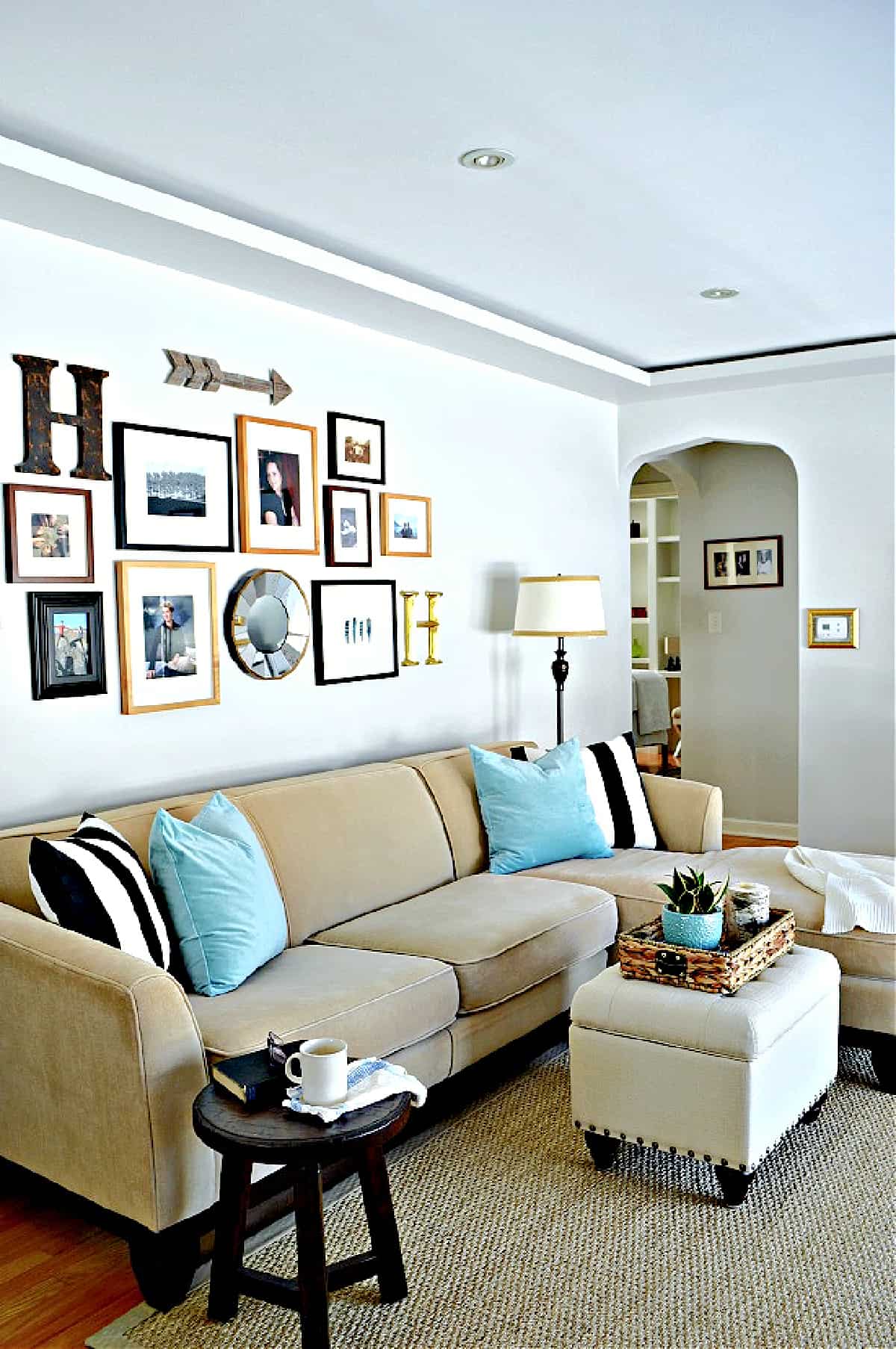
The Science of Shine: Light Reflectance Value (LRV) Explained
You’ll hear painters and designers talk about LRV, and it’s not just industry jargon. Light Reflectance Value (LRV) is a measurement (on a scale of 0 to 100) that indicates how much visible and usable light a color reflects. A true black has an LRV of 0, absorbing all light. A pure white has an LRV of 100, reflecting almost all light. In simple terms: the higher the LRV, the more light a paint color reflects.
For rooms with low natural light, you generally want to look for colors with an LRV of 50 or higher. This doesn’t mean you must choose white; many soft pastels, light neutrals, and even some muted medium tones can have high LRVs. However, it’s not just about the number. A color’s undertones (the subtle hints of other colors within it) and its saturation play a huge role in how it *feels* in a low-light environment.
Expert Insight: A paint color with a high LRV in a low-light room won’t magically create light, but it will make the most of what little light is available, bouncing it around the space to make it feel brighter and airier. Conversely, a low LRV color will absorb light, making the room feel dimmer, which can be intentional for a moody vibe.
The Core Palette: Top Paint Colors to Brighten Low-Light Rooms
When the goal is to make a dim room feel lighter and more expansive, these are the color families I turn to. Remember, the key is their undertones and their ability to reflect light without feeling stark.
Warm Whites: The Gentle Illuminators
Not all whites are created equal, especially in dim light. Cool whites (with blue or gray undertones) can look dingy or sterile in low light. Instead, opt for warm whites with subtle yellow, greige, or creamy undertones. These whites offer softness and glow without feeling cold.
- Creamy Whites: Think of a rich vanilla bean or a softened butter. They bring immediate warmth and a touch of sophistication.
- Off-Whites with Greige Undertones: These are versatile, offering a sophisticated neutral that adapts well to changing light. They avoid the starkness of pure white while still reflecting light beautifully.
- Soft Yellow-Tinged Whites: A hint of yellow makes the white feel sunny and inviting, like a gentle ray of light permanently infused into your walls.
Soft Grays: The Modern Neutrals
Gray can be tricky. A cool gray in a north-facing room can feel depressing. However, warm grays (often called “greige” for their blend of gray and beige) are fantastic for low-light rooms. They provide depth and sophistication without absorbing too much light.
- Greige: The ultimate chameleon. Its blend of warm beige and cool gray allows it to adapt to various light conditions, always feeling balanced and never stark.
- Warm Stone Grays: These grays have subtle brown or taupe undertones, making them incredibly grounding and cozy, even in a dim space.
- Pale Silver Grays: If you want a hint of cool without feeling cold, look for very light grays with a touch of silver that can subtly reflect ambient light.
Pale Blues & Greens: Nature’s Refreshers
Often overlooked for dim rooms, the right pale blue or green can be transformative. The trick is to choose shades that lean towards warm undertones or have enough saturation to hold their own without disappearing or looking muddy.
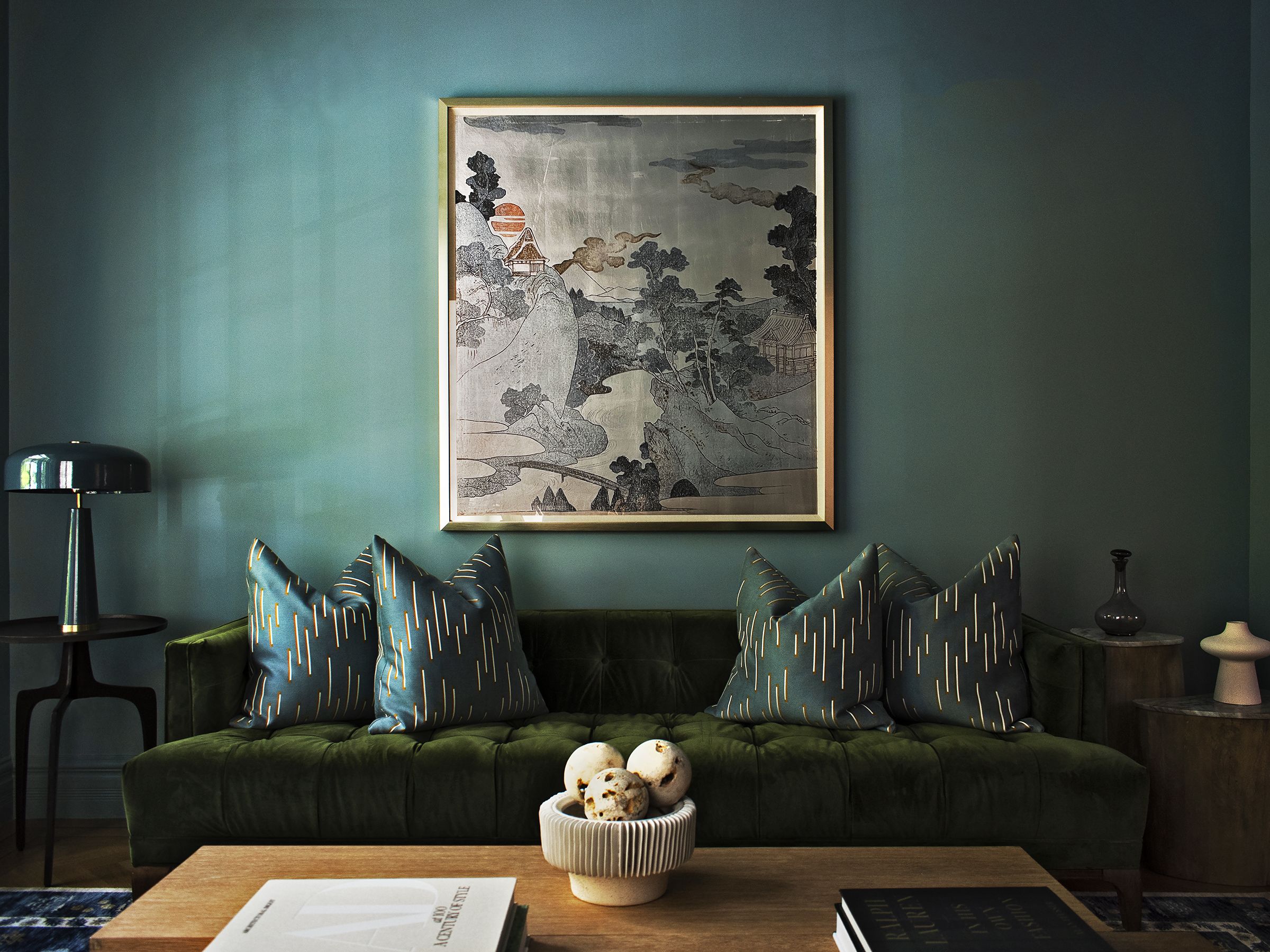
- Sky Blue: A very pale, delicate blue can mimic the feeling of open sky, making a room feel airier and more expansive. Look for ones with a hint of gray or green to prevent them from feeling too chilly.
- Seafoam Green: A soft, muted green-blue that evokes tranquility. Its freshness can enliven a dim space without being overpowering.
- Sage Green: Earthy and calming, sage green has enough depth to prevent it from fading in low light, while still feeling natural and serene.
Gentle Yellows & Beiges: The Sunny Embrace
Nothing says sunshine quite like yellow. But in a low-light room, you need to be careful not to pick anything too saturated, or it can look garish. Think pale, buttery, or creamy yellows and warm, sandy beiges.
- Pale Butter Yellow: A soft, inviting yellow that adds a cheerful warmth, especially effective in east or north-facing rooms that lack natural morning light.
- Sandy Beiges: These are not the golden browns of the early 2000s! Modern sandy beiges are delicate, warm, and have a subtle richness that makes a room feel grounded and cozy without being heavy.
Dusty Pinks & Lavenders: Unexpected Warmth
These colors might surprise you, but when chosen correctly, they can bring a soft, diffused glow to a dim space, especially those with cool natural light.
- Blush Pink: A very muted, desaturated pink (think a delicate rose petal) can cast a surprisingly warm and flattering light, often appearing more like a warm neutral than an obvious pink.
- Soft Lilac/Lavender: Similar to blush, a pale, dusty lavender can feel sophisticated and subtly warm, particularly in north-facing rooms where its undertones can counteract the coolness.
Beyond Bright: Embracing the Mood in Low-Light Spaces
Sometimes, the goal isn’t to fight the dimness, but to lean into it. Instead of trying to make a perpetually dim room feel bright and airy (which can sometimes look forced and flat), why not embrace its inherent coziness or dramatic potential? This is where moody, saturated colors come into play.
Transforming a low-light room into a cozy den, a sophisticated library, or a dramatic dining space can be incredibly rewarding. The trick is to be intentional and commit to the chosen mood.
Deep, Rich Hues: Creating Intentional Coziness
When you opt for dark colors in a dim room, they create an enveloping, intimate atmosphere. This works best in rooms where you want a sense of retreat, warmth, or drama.
- Charcoal Gray: A deep, soft charcoal can be incredibly sophisticated. It creates a cocoon-like feeling, especially effective in bedrooms, studies, or media rooms.
- Deep Forest Green: Evoking nature and tranquility, a rich forest or emerald green can add a luxurious, calming depth. Pair it with warm lighting and natural wood for an opulent feel.
- Navy Blue: Classic and elegant, navy blue can make a room feel grounding and serene. It works beautifully in spaces designed for relaxation or contemplation.
- Warm Browns & Terracottas: These earthy tones can bring a rustic, inviting warmth. They feel organic and provide a comforting backdrop.
Jewel Tones: A Touch of Drama
For a dose of glamour and personality, jewel tones can shine in low-light conditions. They absorb light but also reflect a rich, intense color that feels luxurious.
- Emerald Green: A vibrant, deep green that feels incredibly rich.
- Sapphire Blue: A regal, deep blue that adds sophistication.
- Amethyst Purple: A rich, deep purple that can be surprisingly calming and opulent.
The key to making dark colors work in a dim room is to contrast them with lighter elements in your decor (white trim, light furniture, metallic accents) and to implement strategic lighting (which we’ll cover soon!).
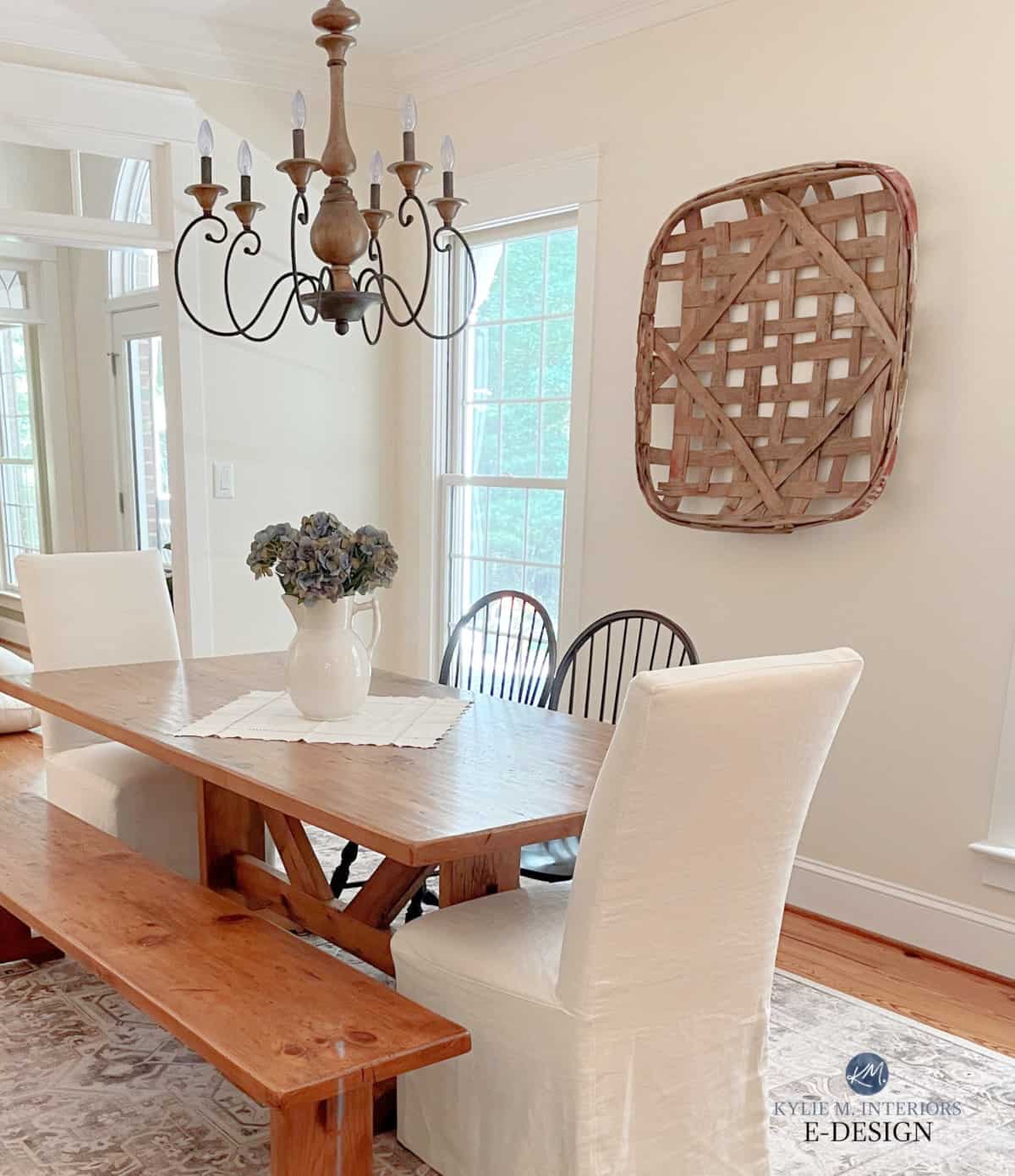
The Finish Line: Why Paint Sheen Matters (A Lot!)
Don’t overlook the paint finish (or sheen) – it’s a game-changer for low-light rooms. The glossier the finish, the more light it reflects. However, gloss also highlights imperfections, so it’s a balancing act.
| Sheen Type | Light Reflection | Durability/Washability | Ideal Use in Low-Light Rooms |
|---|---|---|---|
| Matte/Flat | Least reflective (absorbs light) | Least durable, harder to clean | For deep, moody colors where you want to absorb light and hide imperfections, or ceilings. |
| Eggshell/Satin | Moderate reflection (soft glow) | Good durability, easy to clean | Excellent for most low-light rooms. Balances light reflection with a soft, forgiving finish. |
| Semi-Gloss | High reflection (noticeable shine) | Very durable, highly washable | Trim, doors, cabinetry. Can be overwhelming on walls in a low-light room, emphasizing imperfections. |
| High-Gloss | Highest reflection (mirror-like) | Extremely durable, very washable | Accent walls, furniture. Use sparingly on walls in low-light rooms; often too much glare. |
For most walls in low-light rooms, eggshell or satin finishes are your best bet. They offer a lovely soft sheen that reflects light without being too shiny, and they’re much more forgiving on imperfections than glossier options. If you’re going for a very deep, moody color and want to truly absorb light for a velvety feel, a matte finish can work, but be mindful of its lower durability.
The Ultimate Selection Guide: How to Choose YOUR Perfect Shade
Ready to pick a winner? Follow this step-by-step process for a confident color choice.
Step 1: Analyze Your Room’s Existing Light
We’ve already covered this, but it’s crucial. What direction does your room face? Are there obstructions? Does the light change dramatically throughout the day? Pay attention to how colors look at different times – morning, noon, and evening.
Step 2: Define Your Desired Mood & Function
This is where your personal style comes in. Do you want the room to feel:
- Bright and airy? Stick to higher LRV colors and warm neutrals.
- Cozy and enveloping? Consider deeper, richer hues with warm undertones.
- Sophisticated and dramatic? Explore jewel tones or deep charcoals.
Also, consider the room’s purpose: A cozy bedroom might thrive with a deeper color, while a workspace likely needs something more uplifting.
Step 3: Understand Undertones (The Hidden Key)
This is arguably the most important step for low-light rooms. A “gray” paint can have blue, green, purple, or brown undertones. In dim light, these undertones become much more apparent and can drastically change how the color feels.
:max_bytes(150000):strip_icc()/paint-colors-for-dark-rooms-yellow-getty-0323-2000-4f775737f9b24feeabf06161269e2ae2.jpg "The Best Paint Colors for Dark Rooms")
- Warm Undertones:
- Cool Undertones: (blue, green, purple) can make a room feel colder or even dingy if not carefully selected.
When looking at paint chips, compare them against a pure white. What subtle tint do you see? If you’re struggling, ask a paint store associate for help identifying undertones.
Step 4: Sample, Sample, Sample!
I cannot stress this enough. Paint chips are tiny and misleading. Buy sample pots of your top 2-3 choices. Paint large swatches (at least 1’x1′) on different walls in the room. Observe them throughout the day and evening, under both natural and artificial light. How does the color shift? Does it feel too cool, too warm, too bright, or too dull? This step will save you from costly repainting mistakes.
Step 5: Consider Adjacent Spaces
How does the color connect to the rooms next to it? You don’t want jarring transitions. Aim for a harmonious flow, especially if sightlines extend from the dim room into brighter areas.
Elevating Your Space: Beyond Paint
Paint is a powerful tool, but it’s just one part of the equation. To truly maximize the potential of a low-light room, consider these supplementary strategies:
Strategic Lighting: Layers are Your Friend
Artificial lighting is crucial. Don’t rely on just one overhead fixture. Implement layered lighting:
- Ambient Lighting: General illumination (ceiling fixtures, recessed lights).
- Task Lighting: For specific activities (desk lamps, reading lights).
- Accent Lighting: To highlight features or create mood (picture lights, wall sconces, floor lamps).
Use warm-toned LED bulbs (2700K-3000K) to mimic natural daylight and enhance the warmth of your chosen paint color.
Mirrors & Reflective Surfaces: Double the Light
This is an old trick for a reason: it works! Place large mirrors strategically to bounce any available light around the room. Position them opposite windows or light sources. Metallic accents (frames, furniture, decor) also help reflect light and add sparkle.
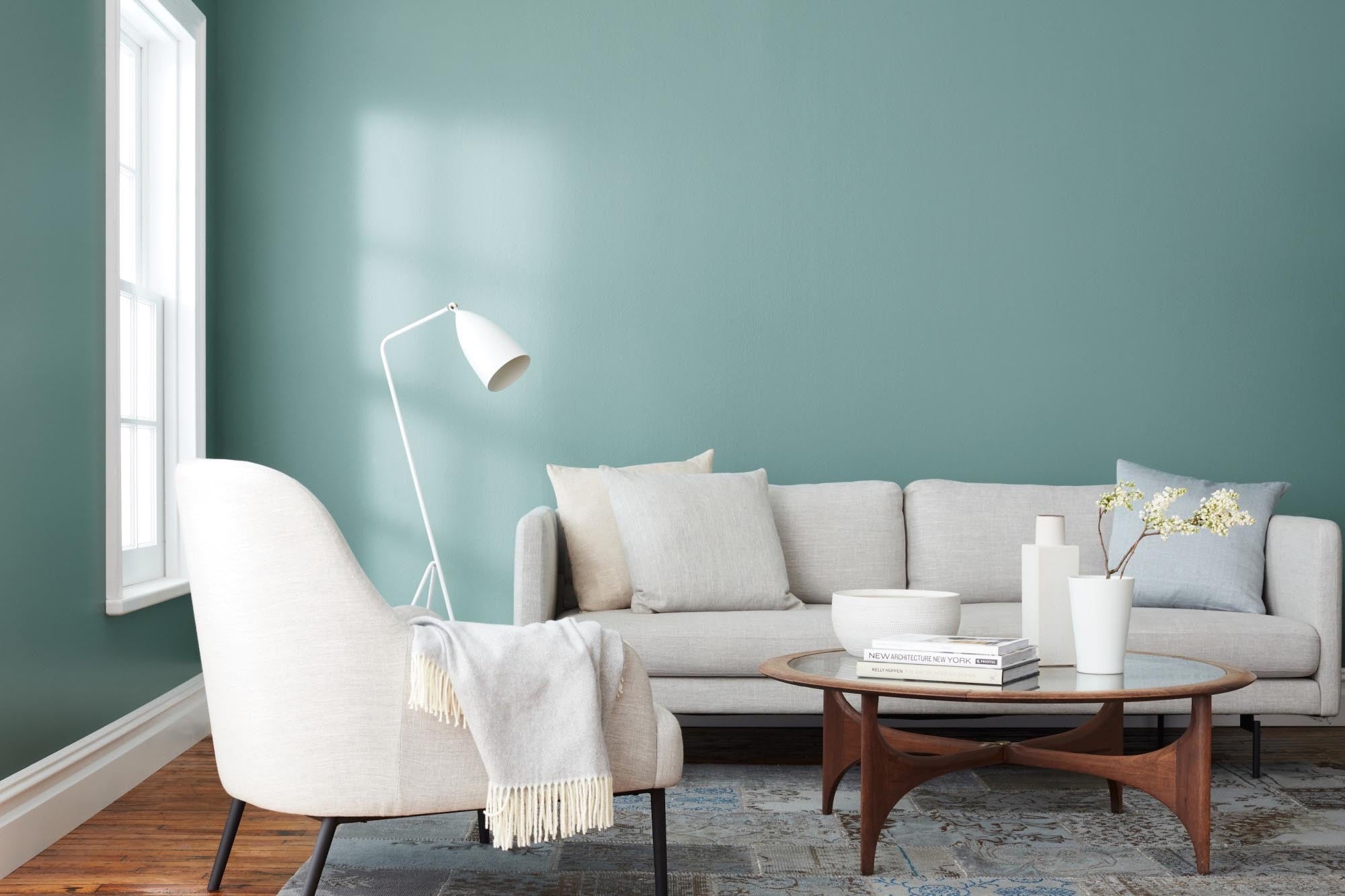
Furniture & Decor Choices: Lighten Up!
- Opt for lighter furniture: Bulky, dark furniture can absorb light and make a dim room feel heavier.
- Sheer window treatments: If privacy allows, use sheer curtains or blinds to filter light without blocking it entirely.
- Declutter: A cluttered room feels smaller and absorbs light. Keep things minimal and intentional.
- Add greenery: Plants bring life and a natural touch, preventing the room from feeling sterile, especially if you’ve used a brighter palette.
Common Pitfalls to Avoid When Painting a Dim Room
Even with the best intentions, it’s easy to make mistakes that undermine your efforts in a low-light space.
- Choosing “Pure White”: While seemingly logical, pure white can look cold, stark, or even dingy in a dim room because there’s not enough light to make it truly reflective. It often ends up looking like primer.
- Ignoring Undertones: This is the biggest culprit. A gray with a blue undertone can feel icy; a beige with a green undertone can look sickly. Always assess undertones, especially with samples.
- Picking Too Many Cool Colors: A room starved of natural warmth doesn’t need more cool tones unless they are heavily balanced with other warm elements or are very pale.
- Going Too Dark Without a Plan: While moody rooms are great, just slapping a dark color on the walls without considering lighting, decor, and the room’s function can make it feel like a cave, not a sanctuary.
- Relying Solely on Natural Light Samples: Always look at your paint samples under artificial light too. Most dim rooms rely heavily on it, and a color can look completely different.
- Forgetting the Ceiling: A dark ceiling can make a low-light room feel oppressive. Painting it a lighter shade (often a warm white or a lighter version of your wall color) can lift the space.
Conclusion: Your Low-Light Room, Transformed
Don’t let a lack of natural light dictate your home’s aesthetic. You now have the strategies and specific color knowledge to tackle any dim space with confidence. Whether you aim for a bright and airy feel or an intentionally cozy and moody vibe, the right paint color, combined with smart lighting and decor choices, can transform that challenging room into one of your favorite spaces. Go forth, sample those colors, and watch your rooms glow!
Frequently Asked Questions
What is the best paint color for a room with very little natural light?
The ‘best’ color depends on your desired mood, but generally, warm whites (with yellow or greige undertones), soft greiges, or pale blues/greens with warm undertones are excellent. They reflect light and prevent the room from feeling cold or dingy. Always consider the paint’s Light Reflectance Value (LRV) – aim for 50 or higher for brightening.
Should I use white paint in a low-light room?
Yes, but be strategic! Pure, stark white can often look flat or even dingy in a low-light room due to the lack of light to make it ‘pop’. Instead, opt for warm whites with creamy, yellow, or greige undertones. These whites offer softness, warmth, and excellent light reflection without feeling sterile.
What paint finish is best for reflecting light in a dark room?
Generally, the glossier the finish, the more light it reflects. Satin or eggshell finishes are highly recommended for walls in low-light rooms because they offer a good balance of light reflection (a soft glow) and durability, while being forgiving on wall imperfections. Semi-gloss is great for trim, but can be too shiny and highlight flaws on large wall surfaces.
Can I use dark colors in a room with low natural light?
Absolutely! If you embrace the lack of light, dark colors can create an incredibly cozy, sophisticated, and dramatic atmosphere. Think deep forest greens, rich navies, or charcoal grays. The key is to be intentional, using warm-toned artificial lighting and contrasting with lighter decor elements to prevent the room from feeling like a cave.
How do I make a north-facing room feel warmer with paint?
North-facing rooms receive cool, indirect light. To counteract this, choose paint colors with warm undertones. Excellent choices include warm whites (e.g., creamy or those with a hint of yellow/peach), greige (gray-beige), or soft, muted yellows. Even pale blues or greens can work if they have a slightly warmer, desaturated quality to them.
What is LRV, and why is it important for low-light rooms?
LRV stands for Light Reflectance Value, a percentage (0-100) indicating how much light a paint color reflects. For low-light rooms, an LRV of 50 or higher is generally recommended for colors meant to brighten a space, as they will bounce more available light around. However, for a moody, cozy feel, colors with lower LRVs are intentionally chosen to absorb light and create depth.
Besides paint, what else can I do to brighten a dim room?
Layered lighting (ambient, task, accent) with warm-toned bulbs is crucial. Strategically placed mirrors can bounce natural and artificial light around. Opt for lighter-colored furniture and decor, use sheer window treatments if possible, and keep the room decluttered to create a sense of openness and prevent light absorption.