Beyond Basic Beige: Finding Your Perfect Light Grey Bedroom Paint Color
Staring at paint swatches, feeling overwhelmed by the endless shades of ‘grey’? You’re not alone. Choosing the perfect light grey for your bedroom isn’t just about picking a nice color; it’s about crafting a sanctuary. You want a shade that feels calm, sophisticated, and utterly you, without veering into sterile or cold territory. But with so many subtle variations, how do you find the one?
This isn’t just another list of pretty greys. This is your definitive guide to understanding, selecting, and falling in love with a light grey paint color that transforms your bedroom into a haven of tranquility and style. Forget the guesswork; let’s get you sleeping in blissful grey.
Why Light Grey for Bedrooms? The Secret to Serenity
Before we dive into the nuances, let’s confirm why light grey is such a perennial favorite, especially for bedrooms. It’s more than just a trend; it’s a timeless choice with inherent benefits:
- Calming & Soothing: Unlike bolder colors that can stimulate, light grey promotes a sense of peace and relaxation, ideal for sleep and unwinding.
- Incredibly Versatile: Light grey acts as a sophisticated neutral backdrop, allowing you to play with different decor styles, bedding, and accent colors without clashing. It grows with your taste!
- Modern & Elegant: It instantly elevates a space, providing a clean, contemporary feel that still feels warm and inviting, not stark.
- Enhances Natural Light: Lighter greys reflect light beautifully, making a room feel brighter and more spacious, a huge bonus for smaller bedrooms or those with limited natural light.
- Complements Everything: From rich woods to crisp whites, vibrant metallics to soft pastels, light grey is a fantastic partner to virtually any material or color palette.
Ready to unlock this potential? Let’s decode the world of light grey.
Decoding Light Grey: Understanding Undertones & Nuances
Here’s the truth: no grey is ever *just grey. Every single one has a whisper of another color – an undertone – that dictates its personality. This is where most people get tripped up. Master undertones, and you master grey.
The Grey Spectrum: Warm vs. Cool
Think of light grey existing on a spectrum:
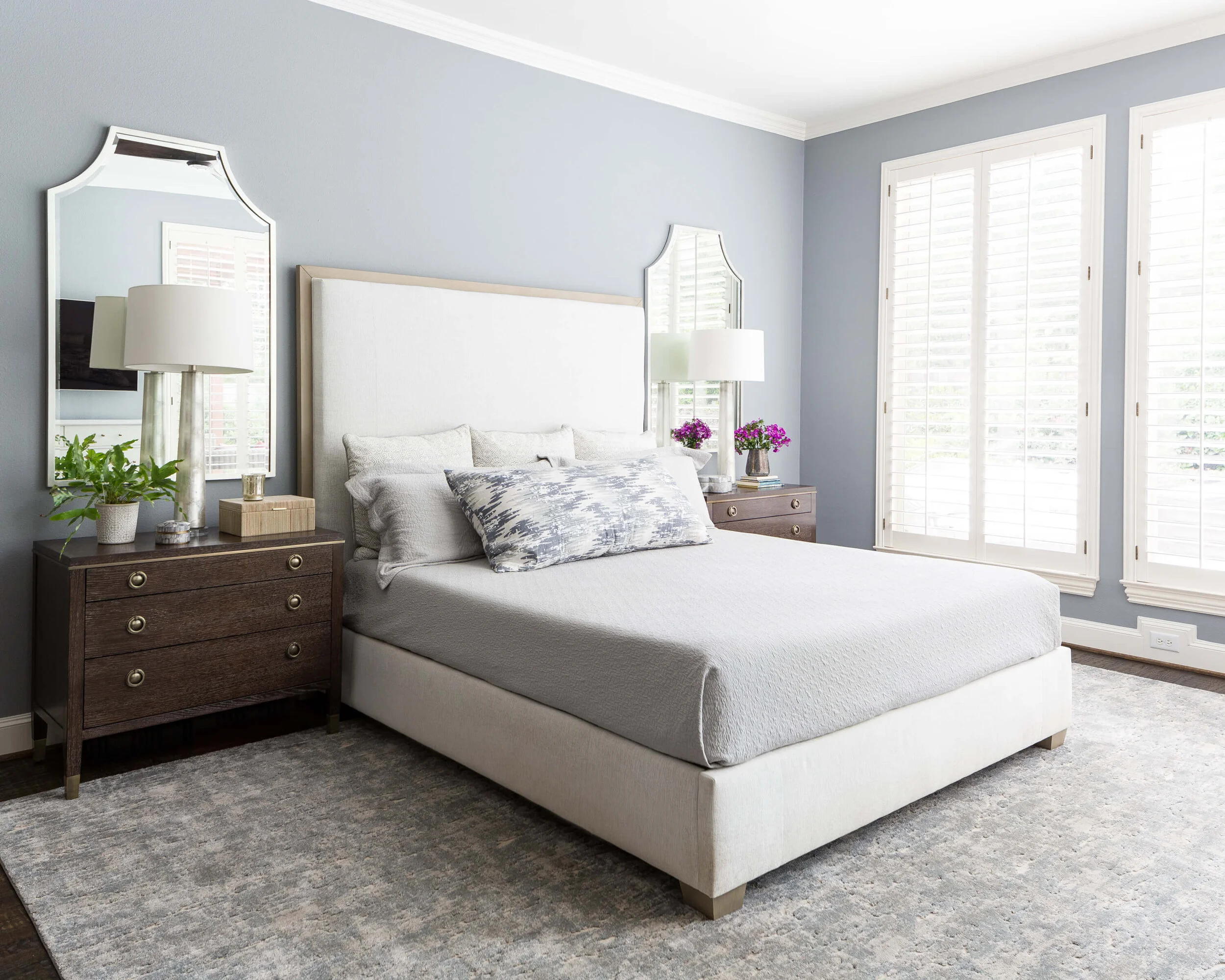
- Warm Greys: These have noticeable beige, brown, or yellow undertones. They feel soft, cozy, and inviting, preventing a room from feeling cold. Often referred to as ‘greige,’ they bridge the gap between grey and beige.
- Cool Greys: These lean towards blue, green, or even purple undertones. They create a crisp, serene, and more modern ambiance. They can make a room feel fresh and airy, but if not chosen carefully, can feel a bit chilly.
Your goal is to find the balance that feels right for your* bedroom’s vibe.
Unmasking Undertones: Blue, Green, Purple, Greige
Let’s break down the common culprits you’ll encounter:
- Blue Undertones: These greys are often described as ‘true greys’ or ‘steely greys.’ They bring a calming, sophisticated, and slightly formal feel. They pair beautifully with crisp whites, blues, and silvers. Be cautious in rooms with very little natural light, as they can sometimes appear too cool.
- Green Undertones: Green-greys are wonderfully organic and earthy. They feel natural, tranquil, and less stark than blue-greys. They’re fantastic for bringing a subtle connection to nature indoors and pair well with wood tones, creams, and other natural textures.
- Purple Undertones: These are rarer but exist! They add a touch of subtle sophistication and can be incredibly elegant. They often feel warmer than blue-greys but cooler than greiges. They’re beautiful with lavender, blush pinks, and rich jewel tones.
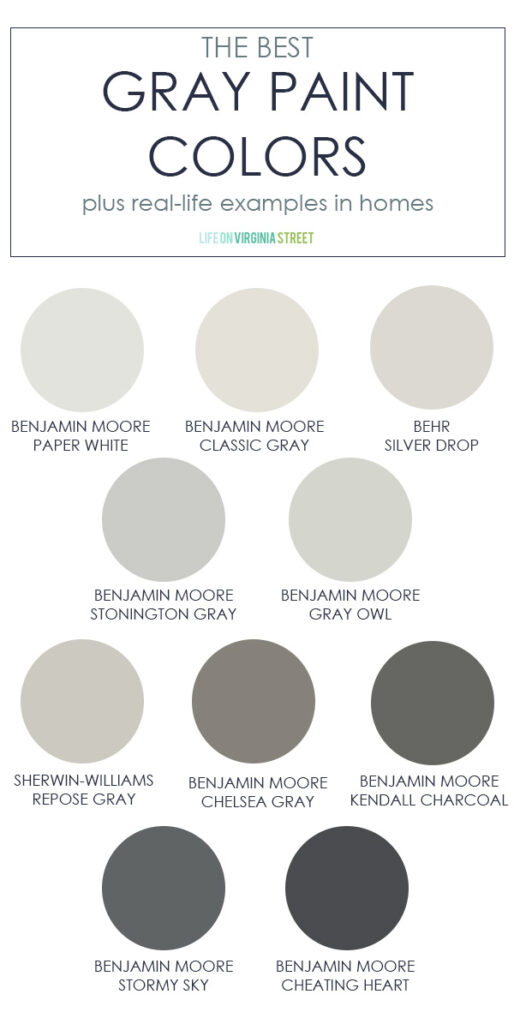
- Greige (Grey + Beige/Brown): The superstar of warm greys! Greige offers the best of both worlds – the sophistication of grey with the inherent warmth of beige. It’s incredibly versatile, rarely looks cold, and pairs well with almost anything. If you’re nervous about grey feeling too ‘cold,’ greige is often your safest and most satisfying bet.
Understanding these subtle shifts is your superpower when standing in front of dozens of swatches.
The Magic of LRV (Light Reflectance Value)
Beyond undertones, there’s a number that every paint company provides: LRV. This is a crucial tool for selecting light grey, especially for a bedroom.
What is LRV? It’s a scale from 0 (absolute black) to 100 (pure white) that measures how much light a paint color reflects. A higher LRV means more light reflection, making a room feel brighter and more open. A lower LRV means more light absorption, creating a cozier, more intimate feel.
For light grey bedroom paint, you’ll generally be looking for LRVs in the 50-75 range. Anything lower might start to feel a bit too dark for a ‘light grey’ experience, while anything higher could lean into ‘off-white’ territory.
:strip_icc()/AMADesigns_Wallington_byMariahTexidor_006-372b5a1f183940ce83502e677acdb4fd.jpg "12 Light Gray Paint Colors for the Perfect Neutral")
How it impacts your bedroom:
- Higher LRV (e.g., 65-75): Ideal for smaller bedrooms, rooms with limited natural light, or if you want an exceptionally bright, airy feel.
- Mid-Range LRV (e.g., 50-65): Offers a good balance of brightness and coziness, suitable for most bedrooms.
Don’t just look at the color; check that LRV!
The Art of Selection: Factors Beyond the Swatch
You can’t pick paint in a vacuum. Your bedroom’s unique characteristics will dramatically influence how a light grey color appears. This is why testing is non-negotiable (more on that later!).
Lighting is Everything: Natural vs. Artificial Light
The single most important factor affecting how paint looks is light. It literally changes the color throughout the day.
- Natural Light:
- North-facing rooms: Tend to have cooler, blue-grey light. Warm greys or greiges can help counteract this coolness and prevent the room from feeling drab. Cool greys here might feel too icy.
- South-facing rooms: Bathed in warm, yellow light all day. Most greys look fantastic here. Cool greys will be softened, and warm greys will feel extra inviting.
- East-facing rooms: Receive warm, bright light in the morning, which turns cooler and shadier in the afternoon. A balanced greige or a grey with a subtle green undertone can adapt well to these shifts.
- West-facing rooms: Get warm, intense light in the afternoon and evening. This intense light can bring out strong undertones, so be sure to test your swatches during this time.
- Artificial Light:
- Incandescent (older bulbs): Cast a warm, yellowish glow, which can make cool greys appear warmer or bring out yellow undertones in greiges.
- LED (newer bulbs): Come in various color temperatures (warm white, cool white, daylight). ‘Warm white’ LEDs (2700K-3000K) are generally recommended for bedrooms as they mimic incandescent light and create a cozy atmosphere. ‘Cool white’ or ‘daylight’ LEDs (4000K+) can make greys appear crisper, or even bluer, but might feel too stark for a bedroom.
Always observe your paint samples at different times of day and with your bedroom’s actual lighting conditions.
Room Size & Ceiling Height: Creating Space or Cozy Nooks
Light grey is a master illusionist when it comes to space:
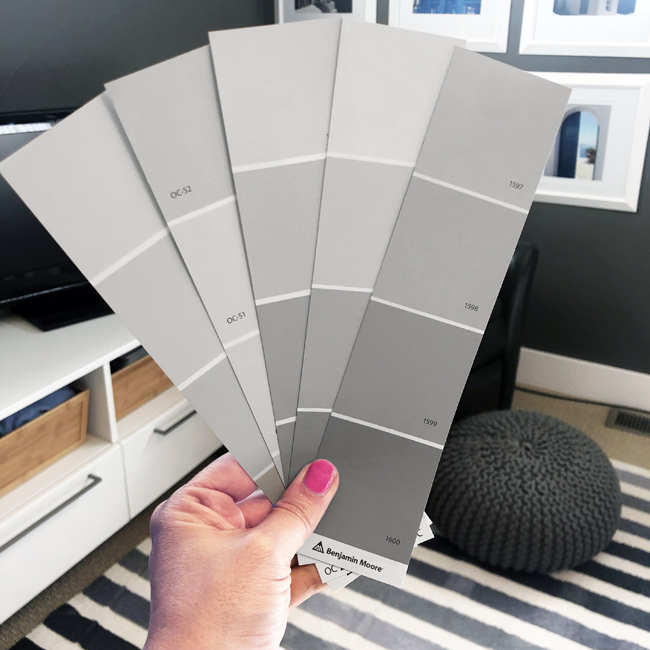
- To make a small room feel larger: Opt for a light grey with a higher LRV (65+) and cool undertones. These shades reflect more light, making walls recede and the room feel more expansive and airy.
- To create a cozy, intimate feel in a large room: A light grey with a mid-range LRV (50-65) and warmer, greige undertones can bring the walls in slightly, making the space feel more cocooning and less vast.
- Low Ceilings: Painting your ceiling a shade or two lighter than your walls (or even a crisp white) can draw the eye upwards, making the ceiling feel higher.
Existing Decor & Furnishings: Harmony is Key
Your bedroom doesn’t start from scratch. Consider what’s already there:
- Flooring: Are your floors warm wood, cool tile, or carpeted? A warm greige can complement warm wood floors beautifully, while a cool grey might pop against a dark, cool-toned carpet.
- Furniture: Dark wood furniture? Light upholstered pieces? A light grey can provide a sophisticated contrast or a seamless blend, depending on your goal.
- Bedding & Textiles: These are often the largest blocks of color after your walls. Bring swatches of your bedding into the room when testing paint. You want your chosen grey to enhance, not clash with, your textiles.
Top Designer-Approved Light Grey Paint Colors for Bedrooms (With Detailed Analysis)
Now, let’s talk specifics. These are some of the most beloved and versatile light grey paint colors from leading brands, chosen for their ability to create beautiful bedroom environments. Remember, these are starting points – always test!
Benjamin Moore’s Calming Greys
- Benjamin Moore Classic Gray (OC-23)
This is a soft, incredibly versatile light grey with subtle warm, greige undertones. It’s often described as a ‘chameleon’ color because it adapts beautifully to various lighting conditions, rarely looking cold. It has an LRV of 75, making it feel bright and airy without being stark. It’s perfect for creating a serene, inviting atmosphere. Pairs beautifully with natural wood tones, crisp whites, and muted blues. - Benjamin Moore Edgecomb Gray (HC-173)
A true ‘greige’ icon, Edgecomb Gray is a warm, creamy off-white with pronounced beige/yellow undertones. It feels incredibly cozy and inviting, making it a fantastic choice for a bedroom where warmth is key. Its LRV is 63, offering good light reflection while maintaining depth. It’s incredibly forgiving and rarely pulls unwanted cool tones. Excellent with rich textures, linen, and antique furniture. - Benjamin Moore Silver Satin (OC-26)
A delicate and luminous light grey, Silver Satin has subtle cool, slightly blue/purple undertones, but it’s very soft and sophisticated, not overtly chilly. With an LRV of 76, it’s one of the brightest light greys, perfect for making a room feel expansive and ethereal. It has a beautiful pearlescent quality in certain lights. Great for modern bedrooms with clean lines, glass, and polished chrome accents. - Benjamin Moore Gray Owl (OC-52)
Gray Owl is a popular, balanced light grey with distinct green undertones, which can sometimes appear blue depending on the light. It’s fresh, crisp, and clean. Its LRV of 65 makes it a versatile middle-ground, not too bright, not too dark. It evokes a spa-like tranquility and works wonderfully in bright, sunny rooms. Pairs well with whites, natural greens, and dark wood for contrast.
Sherwin-Williams’ Versatile Shades
- Sherwin-Williams Repose Gray (SW 7015)
Considered a ‘perfect’ greige by many, Repose Gray has distinct warm, taupe/greige undertones, leaning slightly towards cool in some lighting. It’s incredibly balanced and versatile, sitting at an LRV of 58. It’s a reliable choice that rarely disappoints, providing depth without feeling heavy. Works with almost any decor style and looks fantastic with creamy whites, charcoal, and soft blues. - Sherwin-Williams Agreeable Gray (SW 7029)
One of Sherwin-Williams’ most popular colors, Agreeable Gray is a beautiful, true greige with prominent warm, beige undertones. It has an LRV of 60, making it bright yet cozy. It’s famous for its ability to work in almost any space and with any style due to its exceptional balance and warmth. It truly lives up to its name, being ‘agreeable’ with everything. Excellent for creating a unified flow throughout a home, including the bedroom. - Sherwin-Williams Light French Gray (SW 0055)
This is a classic, crisp light grey with distinct cool, blue undertones. It’s a slightly darker light grey, with an LRV of 53, giving it more presence and depth than some of the brighter options. It reads as a sophisticated, true grey without being stark. Ideal for creating a tailored, serene bedroom. Pairs well with deep navies, whites, and silver accents.
Behr’s Modern Neutrals
- Behr Platinum (N520-2)
Behr Platinum is a clean, modern light grey with subtle cool, blue/green undertones. It’s a great choice if you want a true grey that feels refreshing and contemporary without being overly cold. Its LRV is 61, offering a good balance of brightness and calm. It provides a sophisticated backdrop for minimalist or modern bedrooms. - Behr Dolphin Fin (790C-3)
A highly popular choice, Dolphin Fin is a wonderfully balanced light greige with soft warm, beige/taupe undertones. It’s very adaptable and rarely looks blue or purple, making it a safe bet for a cozy bedroom. With an LRV of 59, it’s bright enough without feeling stark. It’s particularly good in rooms where you want a sense of warmth and understated elegance.
To help visualize these options, here’s a comparison table:
| Brand | Color Name | Code | Primary Undertone | LRV (Approx.) | Ideal Room Orientation | Best Paired With |
|---|---|---|---|---|---|---|
| Benjamin Moore | Classic Gray | OC-23 | Warm Greige | 75 | North, East, West | Natural Woods, Crisp Whites, Soft Blues |
| Benjamin Moore | Edgecomb Gray | HC-173 | Warm Greige (beige/yellow) | 63 | North, South, East, West | Rich Textures, Linen, Antique Furniture |
| Benjamin Moore | Silver Satin | OC-26 | Cool (subtle blue/purple) | 76 | South, West | Clean Whites, Glass, Chrome, Ethereal Decor |
| Benjamin Moore | Gray Owl | OC-52 | Cool (green/blue) | 65 | South, East, West | Whites, Natural Greens, Dark Wood |
| Sherwin-Williams | Repose Gray | SW 7015 | Warm Greige (taupe) | 58 | North, South, East, West | Creamy Whites, Charcoal, Soft Blues |
| Sherwin-Williams | Agreeable Gray | SW 7029 | Warm Greige (beige) | 60 | North, South, East, West | Nearly Anything; Exceptionally Versatile |
| Sherwin-Williams | Light French Gray | SW 0055 | Cool (blue) | 53 | South, East, West | Deep Navies, Crisp Whites, Silver Accents |
| Behr | Platinum | N520-2 | Cool (blue/green) | 61 | South, West | Modern Whites, Black Accents, Metallics |
| Behr | Dolphin Fin | 790C-3 | Warm Greige (beige/taupe) | 59 | North, South, East, West | Warm Woods, Earth Tones, Soft Pastels |
Bringing Your Light Grey Bedroom to Life: Finishing Touches
Choosing the right shade is a huge step, but how you apply it and what you pair it with can make all the difference in achieving that dream bedroom.
The Right Sheen: Flat, Eggshell, or Satin for Bedrooms?
Paint sheen (or finish) isn’t just about aesthetics; it impacts durability, cleanability, and how light interacts with the color. For bedrooms, specific sheens are generally preferred:
- Flat/Matte:
- Pros: Absorbs light, creating a rich, velvety, sophisticated look. Hides imperfections on walls exceptionally well. Best for a very soft, serene ambiance.
- Cons: Least durable and most difficult to clean. Not ideal for high-traffic areas or homes with children/pets.
- Best for Bedrooms: Excellent for ceilings and low-traffic adult bedrooms where a plush, non-reflective finish is desired.
- Eggshell:
- Pros: Offers a subtle, low-sheen glow that’s more durable and easier to clean than flat. Hides minor imperfections.
- Cons: Slightly more reflective than flat.
- Best for Bedrooms: The most popular and versatile choice for bedroom walls. It strikes a perfect balance between beauty and practicality.
- Satin:
- Pros: A slightly higher sheen than eggshell, offering good durability and easy cleanability. Resists moisture better.
- Cons: Can show wall imperfections more readily than flatter finishes. Can feel a bit too shiny for a very cozy bedroom.
- Best for Bedrooms: Good for high-traffic kids’ bedrooms, or for trim and doors. Generally, eggshell is preferred for adult bedroom walls for a softer look.
For most adult bedrooms, eggshell on walls and flat on ceilings is the winning combination.
Complementary Colors & Textures: Elevating Your Grey Palette
Light grey is your canvas. Here’s how to bring it to life:
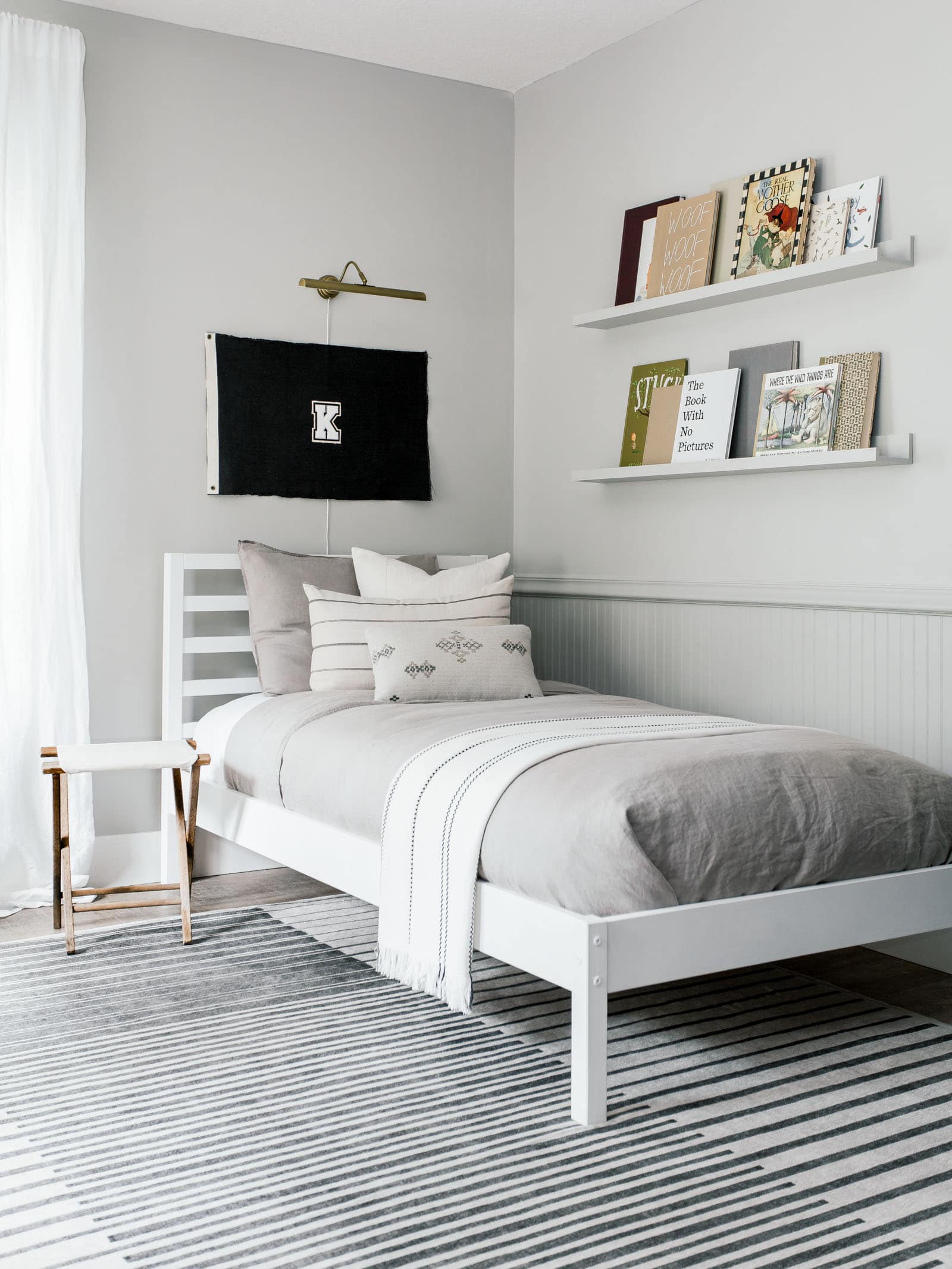
- Crisp Whites & Creams: The ultimate pairing. Use these for trim, bedding, and curtains to create a clean, fresh, and airy feel. Whites will highlight the grey, while creams will soften it.
- Soft Pastels: Blush pinks, muted blues, pale greens, and lavenders create a gentle, romantic, or soothing atmosphere. Use them in pillows, throws, or subtle artwork.
- Deep Jewel Tones: For a touch of drama and luxury, consider accents in emerald green, sapphire blue, or deep plum. These rich colors provide a beautiful contrast against light grey, especially for accent pillows or a statement armchair.
- Natural Materials: Wood (light or dark), woven rattan, linen, wool, and cotton add warmth, texture, and organic appeal. They prevent light grey from feeling sterile. Think wooden nightstands, a chunky knit throw, or linen curtains.
- Metallics: Silver, chrome, or brushed nickel enhance cool greys, providing a sleek, modern touch. Gold, brass, and copper add warmth and a touch of glamour, especially with warm greys or greiges.
- Black Accents: A touch of black, whether in picture frames, lamp bases, or furniture legs, adds sophistication and definition to a light grey room without overwhelming it.
Avoiding Common Pitfalls: Testing is Non-Negotiable
I cannot stress this enough: DO NOT paint your entire room based on a tiny paint chip!
- Get Samples: Narrow your choices down to 2-3 light greys you love. Buy sample pots.
- Paint Large Swatches: Paint generous 2’x2′ (or larger) squares on at least two different walls in your bedroom, perhaps one receiving more light and one less. Don’t forget to do two coats!
- Observe Over Time: Live with the samples for at least 24-48 hours. Watch them at different times of day – morning, afternoon, evening, with natural light and with your artificial lighting on. See how they react.
- Consider Your Furnishings: Hold your chosen bedding, a piece of artwork, or a furniture sample against the paint swatches.
- Make Your Decision: Only once you’re absolutely sure, commit to the color. This small investment of time and money will save you significant regret (and potentially, a repaint!).
Your Light Grey Bedroom: A Sanctuary of Style and Serenity
Choosing the perfect light grey paint for your bedroom might seem daunting at first, but by understanding undertones, considering your room’s unique conditions, and testing diligently, you’re well on your way to creating a truly exceptional space. This versatile, calming hue offers endless possibilities for crafting a room that reflects your personal style while promoting restful sleep and peaceful moments.
Embrace the nuances, trust your instincts, and enjoy the journey to your perfectly serene light grey bedroom. It’s more than just a color; it’s the backdrop to your best rest and beautiful dreams.
Frequently Asked Questions
What’s the difference between warm and cool light grey paint colors?
Warm light greys have beige, brown, or yellow undertones, making a room feel cozy and inviting (often called ‘greige’). Cool light greys have blue, green, or purple undertones, creating a crisp, serene, and modern ambiance. The choice depends on the desired mood and existing light in your bedroom.
How does lighting affect how light grey paint looks in a bedroom?
Lighting significantly alters paint perception. North-facing rooms (cool light) benefit from warm greys, while south-facing rooms (warm light) can handle most greys. East and west-facing rooms change dramatically throughout the day, requiring careful testing. Artificial light temperature (warm vs. cool LEDs) also plays a crucial role in how the grey’s undertones are perceived.
What are the best paint finishes for a bedroom?
For bedroom walls, an eggshell finish is highly recommended. It offers a soft, subtle sheen, is durable, and easier to clean than flat. Flat/matte finishes are ideal for ceilings to absorb light and hide imperfections, creating a velvety look. Satin is generally too shiny for walls but good for trim.
Can light grey make a small bedroom feel larger?
Yes, absolutely! Light grey paints, especially those with higher LRV (Light Reflectance Value) and cooler undertones, reflect more light. This makes walls recede and creates an illusion of greater space and airiness, making a small bedroom feel much larger.
What colors go well with light grey in a bedroom?
Light grey is incredibly versatile. It pairs beautifully with crisp whites and creams for a fresh look, soft pastels (blush, muted blue, pale green) for serenity, or deep jewel tones (emerald, sapphire) for luxurious accents. Natural materials like wood, linen, and wool, along with metallic accents (silver, gold), also complement light grey beautifully.
How do I test light grey paint colors properly before committing?
Always buy sample pots of your top 2-3 choices. Paint large 2’x2′ swatches on at least two different walls in your bedroom. Observe these swatches over 24-48 hours, at different times of day (morning, afternoon, evening) and under both natural and artificial light. Also, hold bedding or furniture samples against them to ensure harmony.
Is “greige” considered a light grey, and is it good for bedrooms?
Yes, ‘greige’ is a blend of grey and beige, making it a warm light grey. It’s an excellent choice for bedrooms because it offers the sophistication of grey with the inherent warmth of beige, preventing the room from feeling cold or sterile. Greige is highly versatile and creates a cozy, inviting atmosphere perfect for sleep.