How To Paint A Room Quickly And Easily: The Ultimate Pro Guide
Let’s be honest: the thought of painting a room can feel like staring down a marathon, especially if you’re picturing endless hours of taping, cutting in, and waiting. But what if I told you that with a few insider tricks and the right approach, you could transform your space much faster and with far less hassle than you ever imagined?
You want a fresh look, a new vibe, or just to get that dreaded task off your to-do list – and you want it done quickly and easily, without sacrificing a professional finish. Good news: you’re in the right place. As someone who’s spent countless hours mastering the art of the efficient paint job, I’m here to spill the beans on how to paint a room like a seasoned pro, dramatically cutting down your time and effort, all while ensuring a result you’ll love. Forget the stress; let’s get you painting smarter, not harder.
The Core Philosophy: “Slow Is Smooth, Smooth Is Fast” (Especially for Prep!)
This isn’t just a catchy phrase; it’s the golden rule of efficient painting. Most people think they save time by rushing through the preparation. Big mistake. Skimp on prep, and you’ll pay for it tenfold in sloppy lines, uneven finishes, and frustrating clean-up. A little deliberate slowness now translates to lightning-fast, flawless painting later. Trust me on this.
Step 1: Pre-Game Mastery – The Foundation of Speed
This is where you win or lose the time-saving battle. Dedicate ample time here, and the painting itself will fly by.
Clear the Arena: Empty the Room Like a Pro
Before any paint can even think about touching a wall, you need a clear workspace. This isn’t just about moving things; it’s about strategic relocation to maximize your efficiency.

- Centralize Furniture: Push all furniture to the center of the room. If it’s too big or heavy to move out, consolidating it buys you critical wall space.
- Remove Wall Hangings & Hardware: Take down *everything from your walls – pictures, shelves, curtain rods, light fixtures (if applicable), and even those tiny nail hooks. Label small hardware in Ziploc bags so you know where everything goes.
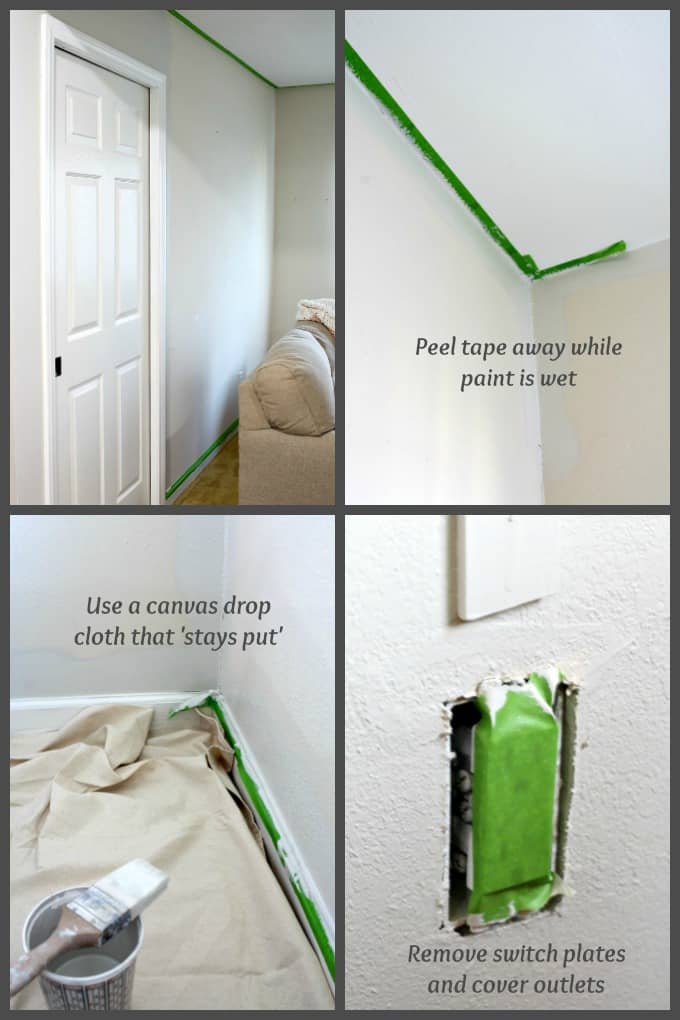
- Outlet Covers & Switch Plates: Unscrew all outlet covers and light switch plates. Don’t tape around them; remove them! It’s faster, cleaner, and looks 100 times more professional.
Protect Your Turf: Masking & Covering Hacks
Protecting what you don’t want painted is non-negotiable. But there are smart ways to do it.
- Drop Cloths Are Your Best Friend: Invest in good quality canvas drop cloths for floors and larger furniture. They absorb drips, stay put, and are reusable. Plastic sheeting is fine for furniture you’ve pushed to the center but can be slippery on floors and doesn’t absorb spills. Lay them down carefully, overlapping slightly to catch stray drips.
- Painter’s Tape Wisdom: Here’s a secret: for many straight lines, I advocate for cutting in freehand rather than taping. It’s often faster for experienced painters. However, if you’re new or have shaky hands, tape is a lifesaver.
- Quick Taping Method: Use high-quality painter’s tape (like FrogTape or 3M Delicate Surface) for trim, baseboards, and window frames. Press it down firmly with a 5-in-1 painter’s tool or a putty knife immediately after applying to create a tight seal and prevent bleed-through.
- Window & Door Protection: For windows, cover the glass with plastic sheeting and tape, or use a window film designed for painting. For doors, remove them if possible (especially if painting both sides), or tape around hinges and hardware.
Surface Perfection: Patch, Sand, & Clean
This is the often-skipped step that makes or breaks your finish. Don’t skip it!
- Patching Prowess: Use a lightweight spackle or joint compound to fill nail holes, small cracks, and minor dents. Apply with a putty knife, scraping off excess for a flush finish. For larger holes, you might need a patch kit.
- Light Sanding for Adhesion: Once your patches are dry, lightly sand them smooth with 120-grit or 180-grit sandpaper. You don’t need to sand the entire wall unless it’s glossy or extremely textured. A quick scuff sand over patched areas and any rough spots is sufficient.
- Cleanliness is Key: Dust and grime are paint’s worst enemies. Wipe down walls from top to bottom with a damp sponge or cloth. For greasy kitchen walls or heavily soiled areas, use a mild all-purpose cleaner like TSP (trisodium phosphate) substitute. Let the walls dry completely before moving on. This prevents paint from peeling or bubbling.
Step 2: Tool Time – Smart Choices for Speed & Ease
Your tools are an extension of you. Skimp here, and you’ll work harder, not smarter.
Paint Quality Matters: Don’t Skimp Here
This is perhaps the biggest secret to painting a room quickly and easily. High-quality paint isn’t just a luxury; it’s a time-saving investment.
- Superior Coverage: Premium paints often have higher pigment concentration, meaning they cover better in fewer coats. One good coat of quality paint can often do what two coats of cheap paint would.
- Built-in Primer: Many modern premium paints now include primer. If you’re painting over a similar color and the walls are in good condition, a paint+primer can save you an entire step.
- Durability & Washability: Better paints are more durable, easier to clean, and hold their color longer, meaning you won’t be repainting as soon.
Here’s a quick look at how paint types impact your project:
| Paint Factor | Impact on Speed & Ease | Pro Tip |
|---|---|---|
| Quality (Premium vs. Budget) | Premium offers better coverage (fewer coats), easier application, smoother finish. Budget paint often requires more coats and is harder to work with. | Always buy the best paint you can afford. It saves time, effort, and delivers superior results. |
| Sheen (Flat to Gloss) | Flatter sheens hide imperfections better (less prep needed), but are less durable. Glossier sheens are durable but show every flaw, requiring more meticulous prep. | For walls, eggshell or satin is a good balance of durability and forgiveness. Flat for ceilings. Semi-gloss for trim. |
| Coverage (Gallons per sq ft) | Higher coverage means fewer cans to buy and fewer trips to the store. | Read the paint can! A typical gallon covers 350-400 sq ft per coat. Measure your room to estimate accurately and avoid running out. |
| Dry Time & Recoat Time | Faster dry times mean you can apply the second coat sooner, speeding up the overall project. | Look for paints with 1-2 hour recoat times. Ensure good ventilation to speed up drying. |
Brushes & Rollers: Your Speed Arsenal
Don’t just grab the cheapest option. Your tools are key to a smooth, fast application.
- Angled Brushes for Cutting In: A high-quality 2-inch or 2.5-inch angled sash brush is indispensable for precise lines along ceilings, trim, and corners. The angled bristles make cutting in dramatically easier and faster. Don’t use a flat brush for this!
- Roller Covers: The Right Nap for the Job: The “nap” (pile length) of your roller cover matters.
- 1/4-inch or 3/8-inch nap: Best for smooth surfaces like drywall and plaster. Provides a smooth finish.
- 1/2-inch nap: Good all-purpose choice for slightly textured walls.
- 3/4-inch nap: For highly textured surfaces (stucco, popcorn ceilings).
- Roller Frame Quality: A sturdy roller frame (metal, not flimsy plastic) makes a huge difference. It won’t wobble, ensuring even pressure and faster coverage.
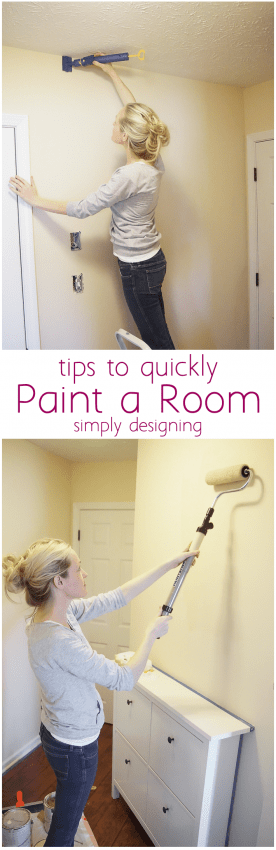
- Extension Pole: Non-Negotiable for Speed: Seriously, get one. A telescoping extension pole that attaches to your roller frame allows you to paint walls and ceilings from the floor, eliminating ladder climbing and saving immense amounts of time and energy. It’s a game-changer.
Essential Accessories for a Smooth Ride
- Paint Trays & Liners: Use durable plastic paint tray liners. They make cleanup almost instant – just let the excess paint dry, peel out the liner, and toss it.
- Paint Grid or 5-Gallon Bucket: If you’re painting a large room, pouring paint into a 5-gallon bucket with a paint grid (a metal screen that hangs in the bucket) is faster than using a small tray. You can load your roller more quickly and carry more paint.
- Caulk Gun & Paintable Caulk: If there are gaps between trim and walls, fill them before painting for a truly professional look.
- Plenty of Rags: Keep wet rags handy for immediate wipe-ups of drips and splatters.
- 5-in-1 Painter’s Tool: This versatile tool helps with opening cans, scraping, spreading spackle, and cleaning rollers.
- Painter’s Pyramid Stands: If painting trim separately, these elevate your pieces, allowing you to paint all sides without waiting for one to dry.
Step 3: Priming for Perfection (and Speed!)
To prime or not to prime? That is the question, and the answer can save you time.
When to Prime (and When You Can Skip It)
Primer provides a consistent base for your paint, improving adhesion and coverage. It’s not always necessary, but crucial in certain situations:
- Dramatic Color Changes: Going from dark to light (or vice-versa) almost always requires primer to prevent the old color from showing through.
- New Drywall or Unpainted Surfaces: These are porous and will absorb paint unevenly without primer.
- Stains: Water stains, smoke, or grease will bleed through paint without a stain-blocking primer.
- Glossy Surfaces: A special bonding primer is needed for very glossy finishes (like oil-based paint or super-slick trim) to give new paint something to grip.
- When You CAN Skip: If you’re painting over a similar color with a high-quality paint-and-primer-in-one product, and the walls are clean and in good condition, you might be able to skip a dedicated primer coat.
Efficient Priming Techniques
If you need to prime, treat it like a first coat of paint. Use the same cutting-in and rolling techniques you’ll use for the actual paint. For speed, consider a tinted primer if you’re going for a dark final color. Tinting the primer to a similar shade reduces the number of finish coats needed.
Step 4: The Art of Application – Painting Like a Pro, Fast
This is the fun part, where the transformation happens quickly if you follow these steps.
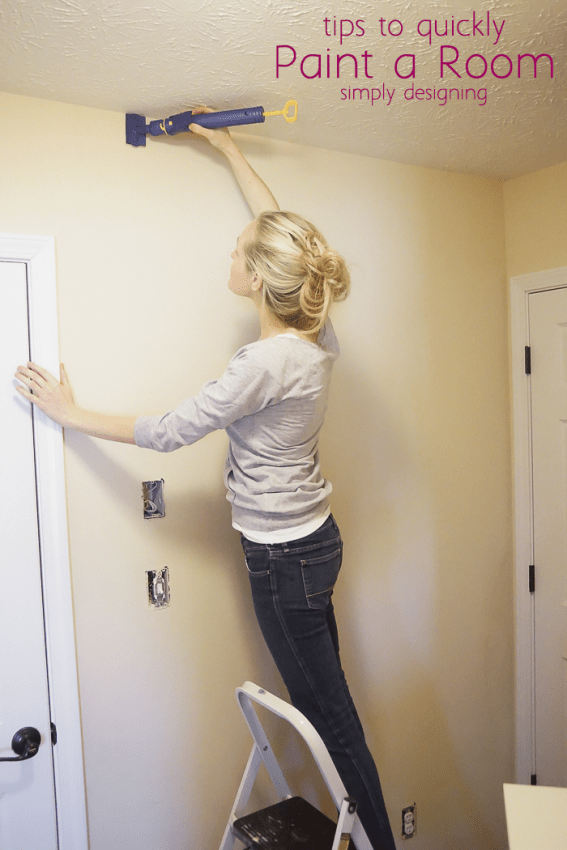
Cut In First, But Don’t Overdo It
Cutting in refers to using a brush to paint edges that a roller can’t reach. Do this before rolling the main wall surfaces.
- The Order: Start by cutting in the ceiling line first, then corners, and finally around doors and windows.
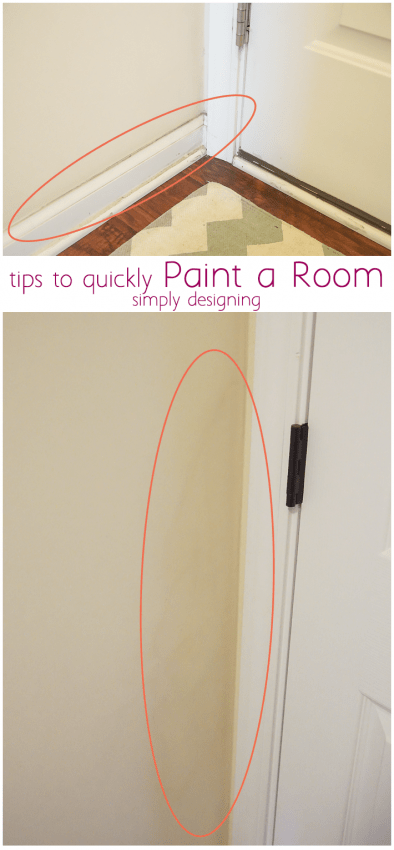
- The “2-Inch Strip” Rule: Don’t try to be too precise. Paint a strip about 2-3 inches wide along all edges. This gives your roller a bit of overlap space, preventing white lines where the roller can’t quite reach.
- Load Your Brush Smartly: Dip only about a third of the bristles into the paint. Tap off excess, don’t wipe. This prevents drips and gives you better control.
- Consistent Flow: Maintain a steady hand, applying even pressure. Go slow and smooth here, and you’ll save time on touch-ups later.
Roll Away: The “W” Method for Walls
This is the fastest, most efficient way to roll paint onto large surfaces.
- Load the Roller Properly: Don’t drench it. Roll it back and forth in the paint tray (or against the grid in a 5-gallon bucket) until it’s evenly saturated but not dripping.
- Work in Sections: Mentally divide your wall into 3×3 or 4×4 foot sections.
- The “W” Pattern: Start by rolling a “W” shape on the wall, then fill in the gaps without lifting the roller. Work from top to bottom, then bottom to top, slightly overlapping each stroke. This ensures even coverage and prevents roller marks.
- Maintain a Wet Edge: Always work quickly enough to maintain a “wet edge” – meaning your newly rolled section overlaps with paint that’s still wet. This prevents lap marks.
- Light & Even Pressure: Don’t press too hard; let the roller do the work. Excessive pressure can create uneven coverage and paint runs.
Ceiling and Trim: The Finishing Touches
The order matters for a clean, easy job.
- Ceiling First: Always paint your ceiling before your walls. That way, any drips on the walls can be covered when you paint them. Use the same cutting-in and rolling techniques.
- Walls Second: Once the ceiling is dry, move onto the walls.
- Trim Last: Baseboards, door frames, and window sills come last. This allows you to be less precious with your wall paint around the trim, knowing you’ll cover any mistakes with the trim paint. Use your angled brush for precise trim work.
Second Coats & Drying Times: The Patience Factor
Resist the urge to apply a second coat too soon.
- Read the Can: Always adhere to the manufacturer’s recommended recoat time, usually 2-4 hours. Applying a second coat too soon can pull up the first coat, create an uneven finish, or lead to bubbling.
- Ventilation is Your Friend: Open windows and use fans to improve air circulation. This helps paint dry faster and reduces fumes.
- Is a Third Coat Needed? Rarely, if you’ve used good paint and proper technique. If you’re going from a very dark to a very light color, or if the surface was previously unprimed, a third coat might be necessary for full opacity.
Step 5: Speedy Cleanup – Don’t Let it Drag You Down
The paint job isn’t truly done until cleanup is complete. Make it fast and painless.
Tray Liners & Roller Covers: The Easy Way Out
- The Plastic Bag Tray Hack: As mentioned, use a tray liner! It’s the ultimate cleanup shortcut. For an even quicker hack, line your paint tray with a plastic grocery bag (or two). When done, carefully remove the bag and dispose of it. Your tray is spotless.
- Storing Rollers/Brushes Overnight: If you need to pause for the night and continue painting the next day, you don’t need to wash your tools immediately. Wrap your brushes and rollers tightly in plastic wrap (like Saran Wrap) or aluminum foil, ensuring no air gets in. Then, place them in the refrigerator. They’ll stay fresh for 1-2 days.
- Washing Tools Effectively: For water-based paints, rinse brushes and rollers thoroughly under warm running water until the water runs clear. Use a wire brush for rollers and a brush comb for brushes to dislodge stubborn paint. Spin rollers dry or press brushes to remove excess water, then reshape them.
Dealing with Paint Spills & Splatters
- Immediate Wipe-Up: The best defense is a good offense. Wipe up drips and splatters on non-painted surfaces immediately with a damp rag.
- Dried Paint Cleanup: For dried latex paint on smooth surfaces, a plastic scraper or your 5-in-1 tool can often gently lift it. For stubborn spots, a little denatured alcohol or rubbing alcohol can help, but test in an inconspicuous area first.
Advanced Pro Tips for Next-Level Speed & Ease
Want to go even faster? These are the moves the pros make.
- Work with a Partner: One person cuts in, the other rolls. This can dramatically reduce painting time, especially in larger rooms. The key is communication and coordination.
- Consider a Paint Sprayer (with caution!): For very large, empty rooms or exterior projects, a paint sprayer is incredibly fast. However, they require extensive masking (far more than rolling) and clean-up is more involved. It’s a trade-off. For a single room, rolling is usually faster overall for a DIYer.
- Batch Your Tasks: Instead of completing one wall at a time, complete all of one task before moving to the next. For example, do all your prep (clearing, patching, sanding, cleaning) for the entire room. Then do all your taping. Then all your cutting in, then all your rolling. This creates an efficient workflow.
- The “Same Color” Hack: If you’re going for a minimalist or modern look, consider painting your walls and trim the same color (and possibly the same sheen, like eggshell). This eliminates all cutting-in around trim and speeds up the process immensely.
- Don’t Over-Saturate: Whether brushing or rolling, avoid loading too much paint. This leads to drips, runs, and a mess that slows you down. A properly loaded tool releases paint efficiently without waste.
- Use a Headlamp: For detailed work or cutting in around dark corners, a headlamp can illuminate your work surface, ensuring precision and preventing missed spots.
Common Mistakes to Avoid (That Slow You Down!)
Knowing what not to do is just as important as knowing what to* do.
- Skipping Prep Work: As emphasized, this is the number one time-waster. Sloppy prep means more time fixing mistakes later.
- Using Cheap Tools and Paint: You’ll get poor coverage, uneven finishes, and the tools will break or leave bristles behind. It’s a false economy.
- Over-Brushing or Over-Rolling: Don’t keep going over paint that’s already starting to dry. This creates drag marks and an uneven texture. Apply, smooth, and move on.
- Ignoring Drying Times: Rushing the recoat time is a recipe for disaster. Be patient; the paint needs to cure.
- Poor Lighting: Painting in dim light makes it easy to miss spots, drips, and uneven patches. Work in a well-lit environment.
Your Quick-Paint Checklist
Before you dive in, here’s a rapid-fire summary to keep you on track:
- Clear & Protect: Empty the room, remove fixtures, cover everything.
- Prep Surfaces: Patch holes, light sand, clean walls thoroughly.
- Gather Pro Tools: High-quality paint, angled brush, right-nap roller, extension pole, tray liners.
- Prime (If Needed): Tinted primer for big color changes or new surfaces.
- Cut In: Ceiling, then corners/edges, 2-3 inches wide.
- Roll Efficiently: Use the “W” pattern, maintain a wet edge, light pressure.
- Order of Operations: Ceiling, then walls, then trim.
- Patient Recoats: Respect drying times.
- Smart Cleanup: Use tray liners, wrap tools, wipe spills immediately.
Painting a room doesn’t have to be an overwhelming weekend-long ordeal. By adopting these pro strategies – focusing on smart preparation, investing in quality tools, and employing efficient application techniques – you’ll find yourself not just painting a room quickly and easily, but truly enjoying the process and loving the professional-grade results. Go ahead, grab your brush, and transform your space!
Frequently Asked Questions
What is the single best tip for painting a room quickly?
The single best tip is to dedicate ample time to thorough preparation. While it sounds counterintuitive, meticulous prep work – clearing the room, protecting surfaces, patching, and cleaning – eliminates mistakes and re-work during the painting phase, making the actual application much faster and smoother. Skipping prep is the biggest time-waster.
Do I really need to use an extension pole for painting walls?
Yes, absolutely! An extension pole is a game-changer for speed and ease. It allows you to roll paint onto walls and ceilings from a standing position, eliminating constant climbing up and down ladders. This saves immense amounts of time, energy, and reduces strain, making the entire process much faster and more comfortable.
How can I prevent paint from bleeding under painter’s tape?
To prevent paint bleed, use high-quality painter’s tape and press it down firmly with a 5-in-1 painter’s tool or a putty knife immediately after applying it. This creates a tight seal. For an extra layer of protection, you can paint a thin coat of the *base color (the color you’re taping over*) along the tape edge first, let it dry, then apply your new color. This seals the tape, and any bleed-through will be the original color, not the new one.
Is it faster to use a paint sprayer for a room?
For a single room, especially if it’s not completely empty, a paint sprayer is often *not* faster for a DIYer. While the application itself is quick, the extensive masking required (far more than with rollers) to protect everything from overspray, plus the more involved cleanup, typically adds significant time. Rollers are generally more efficient for standard room painting projects for most homeowners.
What’s the best order to paint a room (ceiling, walls, trim)?
The most efficient and clean order is usually: 1) Ceiling, 2) Walls, 3) Trim (baseboards, door frames, window sills). Painting the ceiling first allows any drips or splatters to be covered by the wall paint. Then, painting the walls lets you be less precise near the trim, as the trim paint will cover any overlap.
How can I speed up the drying time between paint coats?
To speed up drying time, ensure good ventilation. Open windows and doors, and use fans to circulate air through the room. Avoid painting in very humid conditions if possible. Also, avoid applying paint too thickly, as thicker coats take longer to dry.
What kind of paint roller nap should I use for smooth walls?
For smooth walls, use a roller cover with a short nap, typically 1/4-inch or 3/8-inch. This will provide a smooth, even finish and prevent excess texture from being left on the wall. Longer naps (1/2-inch or more) are designed for textured surfaces.