Ever found yourself staring at a blank bedroom wall, dreaming of a splash of color that could transform the entire space? Maybe you’ve scrolled through countless Pinterest boards, only to feel more overwhelmed than inspired by the sheer volume of choices. Choosing the best color for an accent wall in your bedroom isn’t just about picking a pretty shade; it’s about crafting an atmosphere, expressing your personality, and ultimately, enhancing your sleep and relaxation. If you’re tired of generic advice and ready for a truly actionable guide, you’ve landed in the right spot.
I get it. The fear of making a “bad choice” is real. Nobody wants to spend time and money on a color that feels off or clashes with their vibe. That’s why I’ve distilled years of design wisdom into this definitive resource, designed to arm you with the confidence and clarity to select an accent wall color that not only looks stunning but genuinely makes your bedroom your favorite sanctuary.
The Definitive Guide to Choosing the Best Accent Wall Color for Your Bedroom
Why an Accent Wall Is a Bedroom Game-Changer
Think of an accent wall as the artistic punctuation mark in your bedroom’s design sentence. It’s more than just a different paint color; it’s a strategic design element that can radically alter the perception and feel of your space. Here’s why it’s a tool every homeowner should consider:
- Creates an Instant Focal Point: Our eyes naturally gravitate towards contrast. A distinctively colored wall immediately draws attention, giving the room a clear point of interest. This is especially effective in bedrooms where the bed is often the central piece.
- Adds Depth and Dimension: A single accent wall can make a room feel larger or cozier by manipulating visual depth. Darker colors tend to recede, making a long, narrow room appear wider if painted on the shorter wall, or creating a cozy cocoon if painted on the wall behind the bed.
- Expresses Personality: Your bedroom should be a reflection of you. An accent wall offers an opportunity to inject a bold, subtle, or unique color that resonates with your personal style without overwhelming the entire space.
- Enhances Mood and Atmosphere: Colors have a profound psychological impact. In a bedroom, the right accent color can foster feelings of tranquility, romance, energy, or sophistication, directly contributing to how you feel when you wake up and wind down.
- Highlights Architectural Features: If your bedroom has an interesting alcove, a dramatic sloped ceiling, or a unique built-in, an accent color can draw attention to these features, making them truly shine.
Your Ultimate Decision-Making Framework: Finding YOUR Perfect Color
Let’s cut through the noise. Choosing the best accent wall color isn’t guesswork; it’s a process. This step-by-step framework will guide you from overwhelming options to your ideal shade.
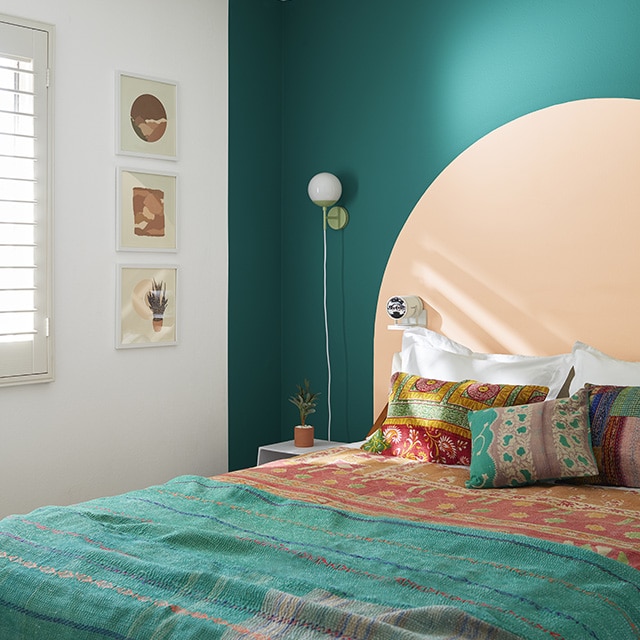
Step 1: Pinpoint Your Desired Mood & Vibe
Before you even look at a paint chip, decide how you want your bedroom to feel. This is the bedrock of your color choice.
- Relaxing & Serene: Think spa-like tranquility. Colors that evoke calm, peace, and quiet introspection. This is often a top priority for bedrooms.
- Bold & Dramatic: You want a statement. A strong, impactful color that adds a sense of grandeur, sophistication, or edgy personality.
- Cozy & Inviting: Envision a warm hug. Colors that make the room feel intimate, comforting, and welcoming, perfect for snuggling in.
- Sophisticated & Elegant: You’re aiming for timeless style and refined taste. Colors that feel luxurious, upscale, and effortlessly chic.
- Playful & Energetic: While less common for adult bedrooms, if you want a vibrant space to wake up in, certain colors can inject that zest. Use with caution to ensure it doesn’t hinder sleep.
Step 2: Consider Your Room’s Existing Elements
Your accent wall won’t live in a vacuum. It needs to harmonize with what’s already there.
- Furniture & Bedding: These are your room’s biggest players. Identify the dominant colors and undertones. Do you have a rich wooden bed frame? Crisp white bedding? A colorful rug? Your accent wall should complement these, either by picking up a subtle hue from a pattern or by offering a beautiful contrast. For example, a navy accent wall pairs wonderfully with light gray bedding and warm wood furniture.
- Flooring: Light carpets or wood floors can handle darker, bolder accent walls, while very dark flooring might benefit from a slightly lighter or brighter accent to prevent the room from feeling too cave-like.
- Natural Light: This is HUGE. A north-facing room with cool, indirect light will make colors appear cooler and sometimes darker. A south-facing room bathed in warm, direct sunlight will make colors appear warmer and brighter. Test samples on the actual wall and observe them throughout the day. A color that looks vibrant in a sunny room might appear dull in a darker one.
- Room Size: Generally, darker colors can make a small room feel cozier but also smaller. Lighter, airier colors can expand a small space. However, a deep, rich accent wall in a small bedroom can create an incredibly luxurious, jewel-box effect if done intentionally. Don’t shy away from dark in small spaces if drama is your goal!
- Existing Wall Colors: What color are your other three walls? Your accent color should either be a deeper, richer version of that color, a complementary shade that adds interest, or a striking contrast that still feels balanced. Cool undertones with cool, warm with warm.
Step 3: Choose the Right Wall
Not every wall is created equal when it comes to being an accent wall. The goal is to highlight a feature or create a focal point, not just randomly paint one wall differently.
- The Wall Your Bed Is On: This is the most common and often most effective choice. The bed is usually the natural focal point of a bedroom, and an accent wall behind it instantly elevates this centerpiece, creating a sense of grandeur and defining the sleep zone.
- A Wall with Architectural Interest: Do you have a wall with built-in shelving, a unique window, a fireplace, or a distinct alcove? Painting this wall differently can draw attention to these features, making them pop.
- The Wall You See First: Sometimes, the best accent wall is the one directly opposite the door, or the one you face when you first walk into the room. This immediately gives a strong impression and visual anchor.
- Avoid Walls with Too Many Doors/Windows: A wall broken up by multiple openings can make an accent color look disjointed or like a series of awkwardly framed patches. It dilutes the impact. The ideal accent wall is largely uninterrupted.
Step 4: Don’t Forget the Finish!
The paint finish (sheen) dramatically impacts how your accent color appears and performs. Don’t overlook this crucial detail.
:max_bytes(150000):strip_icc()/SPR-bedroom-accent-wall-ideas-7099564-6d9b6deeb2bd466cbb965459bf99ad5c.jpg "25 Bedroom Accent Wall Ideas to Try at Home")
- Matte/Flat: This finish absorbs light, creating a rich, velvety, and sophisticated look. It’s excellent for hiding wall imperfections and offers the deepest color saturation. It’s often favored for bedrooms for its soft, non-reflective quality, though it can be less durable and harder to clean.
- Eggshell/Satin: These offer a very subtle sheen, reflecting a small amount of light. They are more durable and easier to clean than flat paint, making them a popular choice for bedrooms. Eggshell is slightly less shiny than satin. They offer a good balance of durability and a soft aesthetic.
- Semi-Gloss/Gloss: These finishes are highly reflective and very durable, making them ideal for high-traffic areas, trim, and doors. However, their high sheen can be too intense and distracting for an entire bedroom wall, and they tend to highlight every imperfection. Generally, I’d advise against these for a bedroom accent wall, unless you’re specifically going for a highly modern, lacquer-like effect on a perfectly smooth surface.
Top Accent Wall Color Families for Bedrooms (With Mood & Pairing Guides)
Now that you understand the strategy, let’s explore the most effective color families for bedroom accent walls, categorized by the mood they evoke. I’ve even included a handy comparison table to help you visualize your options.
| Color Family | Key Colors | Mood & Vibe | Ideal Bedroom Style | Best Pairings |
|---|---|---|---|---|
| Serene & Calming Blues | Navy, Sky Blue, Teal, Dusty Blue | Tranquil, relaxing, sophisticated, airy | Coastal, Modern, Classic, Scandinavian | Whites, creams, grays, natural woods, metallics (gold, silver) |
| Earthy & Grounding Greens | Sage Green, Hunter Green, Olive Green, Forest Green | Natural, balanced, restorative, luxurious, organic | Boho, Rustic, Mid-Century Modern, Contemporary | Warm neutrals (beige, tan), deep browns, terracotta, blush pink, gold accents |
| Warm & Inviting Reds/Pinks | Terracotta, Blush Pink, Muted Coral, Burnt Orange | Cozy, comforting, romantic, energetic (use muted tones for bedrooms) | Boho, Mediterranean, Eclectic, Modern Minimalist (Blush) | Cream, off-white, natural wood, deep greens, navy, metallics (copper, gold) |
| Bold & Dramatic Grays/Blacks | Charcoal Gray, Deep Gray, Black | Modern, sophisticated, grounding, intimate, luxurious | Industrial, Modern, Urban Chic, Minimalist | Crisp whites, light grays, vibrant pops (mustard, emerald), light wood, metallic accents |
| Sophisticated & Luxurious Purples | Deep Plum, Eggplant, Lavender, Mauve | Regal, romantic, creative, calming (lighter shades) | Traditional, Eclectic, Glam, Modern Classic | Grays, creams, gold, deep greens, light wood |
| Neutral with a Twist | Greige, Warm White, Muted Taupe, Clay | Understated elegance, versatile, organic, calming | Minimalist, Scandinavian, Japandi, Boho, Transitional | Any color you want to introduce via decor, black, white, natural textures |
Serene & Calming Blues
Blue is almost universally recommended for bedrooms, and for good reason. It’s known to lower heart rate and blood pressure, promoting a sense of calm. From the deepest ocean hues to the lightest sky shades, blue offers incredible versatility.
- Navy: For a striking blend of sophistication and serenity, navy is unbeatable. It creates a bold focal point without being overpowering, offering a deep, luxurious backdrop. It pairs beautifully with crisp whites, warm woods, and metallic accents like brass or gold.
- Sky Blue: If you desire an airy, expansive feel, a soft sky blue or a dusty blue is perfect. It’s gentle, refreshing, and evokes the tranquility of a clear day, ideal for smaller rooms or those seeking a very light, serene atmosphere.
- Teal/Aqua: These shades introduce a hint of green, bringing an element of nature and a touch more vibrancy while retaining blue’s calming properties. Teal can feel luxurious and exotic, while aqua is refreshing and coastal-inspired.
Earthy & Grounding Greens
Green connects us to nature, offering a sense of balance, harmony, and renewal. It’s an incredibly soothing choice for a bedroom accent wall, promoting relaxation and well-being.
- Sage Green: This muted, grayish-green is a designer favorite for its tranquil and sophisticated vibe. It’s incredibly versatile, pairing well with natural materials, warm woods, and creamy neutrals, creating a spa-like retreat.
- Hunter Green/Forest Green: For a bolder, more luxurious statement, deep greens like hunter or forest green are fantastic. They create a cozy, den-like atmosphere, especially when combined with rich textures, dark wood furniture, and ambient lighting.
- Olive Green: A more sophisticated, understated green with warm, earthy undertones. Olive green brings an organic yet refined feel, working wonderfully in bohemian or vintage-inspired bedrooms.
Warm & Inviting Terracottas & Blushes
Don’t shy away from warm tones in the bedroom, especially when they’re muted and earthy. These colors can create an incredibly cozy and inviting atmosphere.
:strip_icc()/BEHR_23.04_COTY_BEDROOM_KM_004_CrackedPepper_WeatheredWhite-f83b17e33ae240cb8224c63d7f3b5d3b.jpg "10 Accent Wall Colors that Pop With a Coat of Paint")
- Terracotta: This rustic, earthy orange-brown hue brings warmth, groundedness, and a touch of Mediterranean or desert charm. It’s incredibly inviting and pairs beautifully with natural textures, cream, and deep greens.
- Blush Pink: Far from childish, a muted blush pink or rose hue can be incredibly sophisticated and romantic. It’s soft, gentle, and promotes a sense of comfort and tenderness, especially when paired with grays, whites, or metallics.
- Muted Coral: A softer, less intense version of coral can bring cheerfulness and warmth without being overly stimulating. It’s a delightful choice for those wanting a subtle pop of inviting color.
Bold & Dramatic Charcoals & Blacks
For those who dare to go dark, charcoal gray and even black can create intensely chic and dramatic bedroom accent walls. They cocoon the room, making it feel intimate and incredibly stylish.
- Charcoal Gray: A deep, rich gray is the epitome of modern sophistication. It acts as a perfect neutral backdrop for almost any other color, making brighter accents pop or allowing softer elements to shine. It creates a moody, elegant, and surprisingly serene space.
- Deep Black: This is the ultimate statement. A black accent wall, particularly in a matte finish, creates incredible depth and drama. It can make a room feel ultra-modern, luxurious, and almost gallery-like. It works best when balanced with plenty of light elements, textures, and thoughtful lighting to prevent it from feeling too oppressive.
Sophisticated & Luxurious Purples
Purple, especially in its deeper and softer variations, can be a regal and romantic choice for a bedroom accent wall. It’s often associated with creativity and luxury.
- Deep Plum/Eggplant: These rich, jewel-toned purples exude luxury and romance. They create a sumptuous, intimate atmosphere, perfect for a grand bedroom or one where you want to feel truly pampered. Pair them with golds, creams, or deep grays for a lavish look.
- Lavender/Mauve: On the softer side, lavender or a dusty mauve brings a sense of calm, femininity, and gentle charm. These lighter purples are known for their soothing qualities and can create a dreamy, tranquil space.
Neutral with a Twist: Greige, Warm Whites, & Muted Tones
Sometimes, an accent wall doesn’t need to be a vibrant burst of color to make an impact. Subtle, textured, or deeply toned neutrals can provide a sophisticated focal point.
- Greige: The perfect blend of gray and beige, greige offers a warm yet grounded neutral that can make a space feel incredibly sophisticated and versatile. It allows your bedding and artwork to truly shine.
- Warm White: An all-white room can feel stark, but a warm white accent wall, perhaps with a subtle texture (like limewash or Venetian plaster effect), can add depth and softness while maintaining a minimalist aesthetic. It’s about subtle contrast.
- Muted Taupe/Clay: These earthy, desaturated tones bring an organic, grounding presence. They’re perfect for creating a serene, natural environment that feels understated yet rich in character.
Beyond Paint: Texture and Pattern as Accent Elements
While paint is the most common and accessible way to create an accent wall, don’t limit your imagination! Texture and pattern can provide an equally compelling focal point, often adding another layer of sensory richness to your bedroom.
:strip_icc()/dazeydenandwww.dazeyden.com-a766d5000d7b43a089ee6fa2b8a19a6c.jpg "12 Best Accent Wall Colors")
- Wallpaper: The world of wallpaper has exploded with options. From subtle grasscloth textures to bold geometric patterns, lush botanicals, or even full-scale murals, wallpaper can completely transform a wall. It allows for intricate designs and rich textures that paint alone cannot achieve. Consider removable wallpaper for an easy, commitment-free change!
- Wood Panels: Adding wood elements brings warmth, natural texture, and architectural interest.
- Shiplap: Offers a classic farmhouse or coastal vibe.
- Board & Batten: Creates a more traditional or modern geometric look.
- Slat Walls: A very popular modern option, providing clean lines and interesting shadow play.
- Reclaimed Wood: For a rustic, earthy feel with unique character.
- Fabric Panels: Upholstering a wall or creating large fabric panels can add incredible softness, sound absorption, and a luxurious, custom feel. Think velvet, linen, or a patterned textile.
- Murals/Large-Scale Art: If you’re artistically inclined or know someone who is, a hand-painted mural can be a truly unique accent. Alternatively, a single, oversized piece of captivating artwork or a gallery wall can serve as the accent, allowing the wall color to be a complementary background.
Mistakes to Avoid When Choosing Your Accent Wall Color
Nobody wants to regret their design choices. Here are some common pitfalls to steer clear of as you embark on your accent wall journey:
- Choosing a Color in Isolation: Don’t pick a color you love in a store and assume it will work. It must be considered in context with your existing furniture, bedding, flooring, and other wall colors. Harmony is key.
- Ignoring Natural Light: As mentioned, light drastically changes how a color looks. A bright, sunny yellow might look vibrant in a well-lit showroom but overwhelming in a small, north-facing bedroom. Always test samples.
- Overlooking the Scale of the Room: While I encourage daring with dark colors even in small rooms if that’s your vibe, be mindful of how a color might visually alter the room’s proportions. A very dark color on all walls in a small room *can feel oppressive for some.
- Too Many Accent Walls: The clue is in the name: accent*. One accent wall is impactful. Two can be confusing. Three or four? That’s just a multi-colored room, not an accent. Stick to one dominant focal wall.
- Not Testing Samples (Crucial!): This is the biggest mistake you can make. Buy sample pots! Paint large swatches (at least 2’x2′) on your chosen wall. Observe them at different times of day and night, with both natural and artificial light. Live with them for a few days before making a final decision.
- Forgetting the Undertones: Colors aren’t just blue or green; they have subtle undertones (e.g., a blue with a hint of green, or a gray with a touch of purple). These undertones need to harmonize with your existing decor.
Ready to Transform Your Bedroom?
Choosing the best color for an accent wall in your bedroom is an exciting opportunity to infuse personality and create a truly restorative space. By following this framework, considering the mood you want to evoke, harmonizing with existing elements, and bravely testing your choices, you’ll select a color that not only looks incredible but feels intrinsically you.
No more bad choices. Just informed, inspired decisions that lead to a bedroom you’ll love waking up in and winding down in every single day. Go forth and create your dream sanctuary!
Frequently Asked Questions
Which wall should be the accent wall in a bedroom?
The most common and effective choice is the wall your bed is on, as it naturally creates a focal point around the room’s centerpiece. Alternatively, you can choose a wall with interesting architectural features (like a window or built-ins) or the wall you see first when entering the room. Avoid walls with too many doors or windows, as they can break up the visual impact.
Can I use a dark color for an accent wall in a small bedroom?
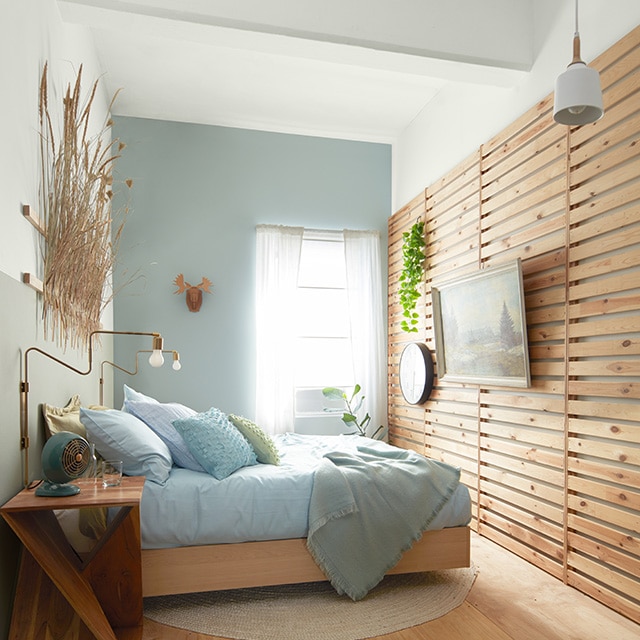
Absolutely! While traditional advice often suggests light colors for small spaces, a dark accent wall can create a surprisingly cozy, sophisticated, and luxurious ‘jewel-box’ effect. It adds depth and drama, especially when balanced with lighter bedding, furniture, and ample lighting. Don’t be afraid to go bold if that’s the mood you desire.
How do I choose a complementary color for the other walls?
To choose a complementary color for the non-accent walls, consider your accent color’s undertones. For a bold accent, choose a lighter, neutral shade from the same color family (e.g., a lighter gray with a charcoal accent) or a neutral that harmonizes well (like a warm white or soft greige). The goal is to create balance and cohesion, letting the accent wall be the star without clashing.
Should the accent wall be the same paint finish as the other walls?
You can use the same paint finish for consistency, or you can opt for a different finish to add subtle texture and depth. A popular choice for bedrooms is a flat or matte finish for accent walls, as it absorbs light beautifully, creating a rich, velvety look that enhances deep colors and helps hide minor imperfections. For the other walls, an eggshell or satin finish is often preferred for durability and ease of cleaning.
How many accent walls can a bedroom have?
Generally, a bedroom should only have one accent wall. The purpose of an accent wall is to create a single, clear focal point and add dimension. Having two or more accent walls can dilute the impact, make the room feel busy or disjointed, and lose the ‘accent’ quality, turning it into a multi-colored room instead.
How important is lighting when choosing an accent wall color?
Lighting is critically important! Natural and artificial light drastically affect how a paint color appears. A color might look vibrant in a brightly lit room but dull in a dimly lit one, or a color with cool undertones might look icy in a north-facing room. Always test large paint swatches on your chosen wall and observe them at different times of day and night under various lighting conditions before making your final decision.
What’s the difference between an accent wall and a feature wall?
The terms ‘accent wall’ and ‘feature wall’ are often used interchangeably and mean essentially the same thing. Both refer to a single wall in a room that is decorated differently from the others, typically with a distinct color, texture, or material, to create a focal point or visual interest. There is no significant design distinction between them.