Tired of your living room feeling… just okay? Does it lack that je ne sais quoi, that calming embrace you crave after a long day? If you’re nodding along, you’re not alone. Many homeowners dream of a living room that’s both stylish and a sanctuary, and often, the key lies in the right paint color.
Enter: light blue paint colors for the living room. This isn’t just another trend; it’s a timeless choice with incredible versatility and mood-enhancing power. But here’s the kicker: not all light blues are created equal. Dive into the world of light blue and you’ll quickly realize it’s a spectrum, not a single shade. From serene sky blues to sophisticated blue-grays, the nuances are everything.
Choosing the *perfect light blue for your living room requires a little insight, a dash of understanding about undertones, and a clear vision for your space. Don’t worry, I’m here to guide you through it. By the end of this, you’ll feel confident selecting a shade that transforms your living room into the serene, stylish haven you’ve always wanted.
Why Light Blue? The Psychology of Serenity in Your Living Room
There’s a reason light blue is so universally appealing, especially for central gathering spaces like the living room. It’s more than just a pretty color; it’s a psychological powerhouse.
- Calm & Serenity: Light blue is intrinsically linked to the sky and the ocean, conjuring feelings of tranquility, peace, and relaxation. In a living room, this translates to a soothing environment that helps you unwind.
- Spaciousness & Airiness: Lighter colors, especially cool tones like blue, tend to recede, making walls appear further away. This optical illusion makes a room feel larger and more open, which is fantastic for smaller living rooms or spaces where you want to maximize a sense of breadth.
- Natural Light Enhancement: Light blue has a remarkable ability to reflect light. This means your living room will feel brighter and more inviting, even on a cloudy day. It truly makes the most of whatever natural light you have.
- Versatility: Far from being limiting, light blue is a chameleon. It provides a beautiful, understated backdrop that allows your furniture, artwork, and decor to truly shine. It pairs effortlessly with a vast range of other colors and design styles.
Forget the myth that light blue is only for nurseries or bathrooms. Modern light blue shades are sophisticated, chic, and can anchor a living room with timeless elegance.
The Nuance is Key: Understanding Light Blue Undertones
This is where many people get tripped up. You see a beautiful light blue online, paint a swatch, and suddenly it looks completely different on your wall. The culprit? Undertones. These are the subtle hints of other colors that lie beneath the dominant shade and reveal themselves under different lighting conditions. Understanding them is critical to choosing the right light blue.
:max_bytes(150000):strip_icc()/0Y7A5605-b3a8a4ee1d7149b2998a7d61d64fd0e6.jpg "30 Light Blue Paint Colors")
Blue-Gray: The Sophisticated Neutral
These blues have a significant amount of gray mixed in, making them wonderfully muted and sophisticated. They are less overtly blue and often read as a soft, ethereal neutral. They can shift dramatically throughout the day, appearing more gray in some lights and more blue in others.
- Feel: Calm, sophisticated, grounded, modern.
- Best For: Modern, transitional, minimalist, or farmhouse living rooms where you want a serene backdrop without a strong color statement.
- Pair With: Warm woods, creamy whites, charcoal, deep greens, brass or black accents.
Blue-Green/Aqua: Coastal & Refreshing
Blues with noticeable green undertones evoke the feeling of calm ocean waters or sea glass. They are refreshing, often vibrant, and bring a natural, organic feel to a space. They can lean more blue or more green depending on the specific shade.
- Feel: Airy, refreshing, relaxed, coastal, natural.
- Best For: Coastal, bohemian, casual, or eclectic living rooms. Perfect if you want to bring a piece of the outdoors in.
- Pair With: Crisp whites, sandy beiges, coral, terracotta, light natural wood tones, wicker, linen.
Sky Blue/True Blue: Classic & Airy
These are the purest forms of light blue – clear, clean, and bright, much like a cloudless sky. They typically have minimal other undertones, making them straightforward and uplifting. They are excellent light reflectors.
- Feel: Uplifting, expansive, serene, classic, cheerful.
- Best For: Traditional, Scandinavian, or even playful living rooms that need a clear, bright color boost. Great for making smaller rooms feel larger.
- Pair With: Bright whites, soft yellows, silver, light grays, natural textures, contemporary furniture.
Periwinkle/Blue-Violet: Playful & Soft
Light blues with a whisper of violet or purple undertone are often called periwinkle. These shades are softer, sometimes a bit whimsical, and can add a unique, gentle warmth to a cool blue. They are often perceived as slightly more feminine or romantic.
- Feel: Whimsical, gentle, inviting, romantic.
- Best For: Shabby chic, romantic, eclectic, or a living room where you want a soft, unique touch that isn’t overtly purple.
- Pair With: Cream, lavender, sage green, gold accents, blush pink, dark stained woods for contrast.
Your Living Room’s Blueprint: Factors Influencing Your Light Blue Choice
Selecting a paint color isn’t just about what you like in a tiny swatch; it’s about how it lives and breathes in your* unique space. Your living room’s specific characteristics will heavily influence how any light blue appears.
Natural Light: The Ultimate Influencer
The direction your windows face is arguably the most critical factor in how a paint color looks. Light literally changes throughout the day, and different exposures bring different qualities of light:

- North-Facing Rooms: Receive cooler, softer light throughout the day. A light blue here can feel a bit cold. To counteract this, choose a light blue with warm undertones (green or violet) or pair it with warm accents.
- South-Facing Rooms: Bathed in warm, bright light all day. Most light blues will sing here, but pure sky blues might feel a bit too bright. Blue-grays or blue-greens work beautifully.
- East-Facing Rooms: Get bright, warm morning light, then cooler light in the afternoon. A balanced light blue or one with a touch of green can look beautiful as it transitions.
- West-Facing Rooms: Receive cooler morning light and intense, warm afternoon/evening light. A blue-gray can be stunning, as it will shift elegantly from cool to warm.
Artificial Lighting: Don’t Forget the Bulbs!
Even the best paint choice can be sabotaged by the wrong light bulbs. Consider the Color Temperature (measured in Kelvin, K) of your bulbs:
- Warm White (2700K-3000K): Creates a cozy, inviting glow. This is generally recommended for living rooms, as it will soften light blues and prevent them from looking too stark or icy.
- Cool White/Daylight (3500K-5000K+): Brighter, crisper light, closer to natural daylight. Can make cool blues appear even cooler, sometimes sterile. Use with caution in living rooms, perhaps in task lighting rather than ambient.
Room Size & Ceiling Height: Maximizing Space
Light blue is a secret weapon for manipulating perception of space:
- Small Rooms: Opt for the lightest, purest sky blues or blue-greens. Their light-reflecting qualities will make the room feel much larger and more open.
- Low Ceilings: Painting the ceiling a very pale version of your wall color (or a crisp white) can make the ceiling appear higher. A light blue on the walls creates an expansive feeling.
- Large Rooms: While light blue still works, you might consider a slightly more saturated light blue or one with a stronger gray undertone to add a touch more presence without overwhelming the space.
Existing Decor & Furniture: Harmony is Key
Your paint color needs to complement what’s already in the room. Take stock of:
- Upholstery: What color are your sofa and armchairs? If they’re neutral, you have more freedom. If they’re colored, ensure the blue doesn’t clash.
- Hardwood Tones: Warm oak, cool gray wash, dark walnut? Light blues generally pair well with all, but consider the contrast.
- Artwork & Rugs: Do these pieces have dominant colors? Your chosen blue should enhance, not compete with, these elements.
The “Flow” with Adjacent Rooms: Open Concept Considerations
If your living room opens directly into a dining room or kitchen, consider how the light blue will transition. Does it create a harmonious flow, or does it feel abrupt? Using a coordinating color or a different shade of light blue with the same undertone can maintain continuity.
Curated Palette: Popular Light Blue Paint Color Archetypes for Living Rooms
To help you navigate the sea of options, I’ve categorized popular light blue paint archetypes. Remember, these are broad categories, but they represent the most sought-after looks for living rooms. Use this as a starting point to find your perfect shade.
| Light Blue Archetype | Key Characteristics | Ideal Living Room Style | Best Lighting | Complementary Colors | Common Feel |
|---|---|---|---|---|---|
| Blue-Gray | Soft, muted, sophisticated; shifts between blue and gray depending on light. | Modern, Transitional, Farmhouse, Minimalist | North or East facing (to prevent feeling cold); balanced light | Warm whites, creams, charcoal, deep greens, natural wood tones | Calm, Sophisticated, Anchored |
| Blue-Green/Aqua | Refreshing, hints of green; evokes water and nature. | Coastal, Bohemian, Casual, Eclectic | South or West facing (to avoid feeling too warm); ample natural light | Crisp whites, sandy neutrals, coral, terracotta, light wood tones | Airy, Refreshing, Relaxed |
| Sky Blue/True Blue | Pure, clear blue; reminiscent of a bright, cloudless sky. | Traditional, Classic, Scandinavian, Playful | Any direction, but especially good for brightening darker rooms | White, bright yellow, silver, light grays, natural textures | Uplifting, Expansive, Serene |
| Periwinkle/Blue-Violet | Soft blue with a touch of violet; whimsical and inviting. | Romantic, Shabby Chic, Eclectic, Kids’ spaces (sophisticated) | South or East facing (to enhance warmth) | Cream, lilac, sage green, gold, blush pink | Whimsical, Gentle, Inviting |
While I won’t name specific brand colors (as undertones can be tricky to describe universally), I encourage you to use these archetypes as a guide when looking at swatches from your preferred paint brands. For example, when looking for a ‘blue-gray,’ seek out colors with names that hint at gray or those that appear quite muted.
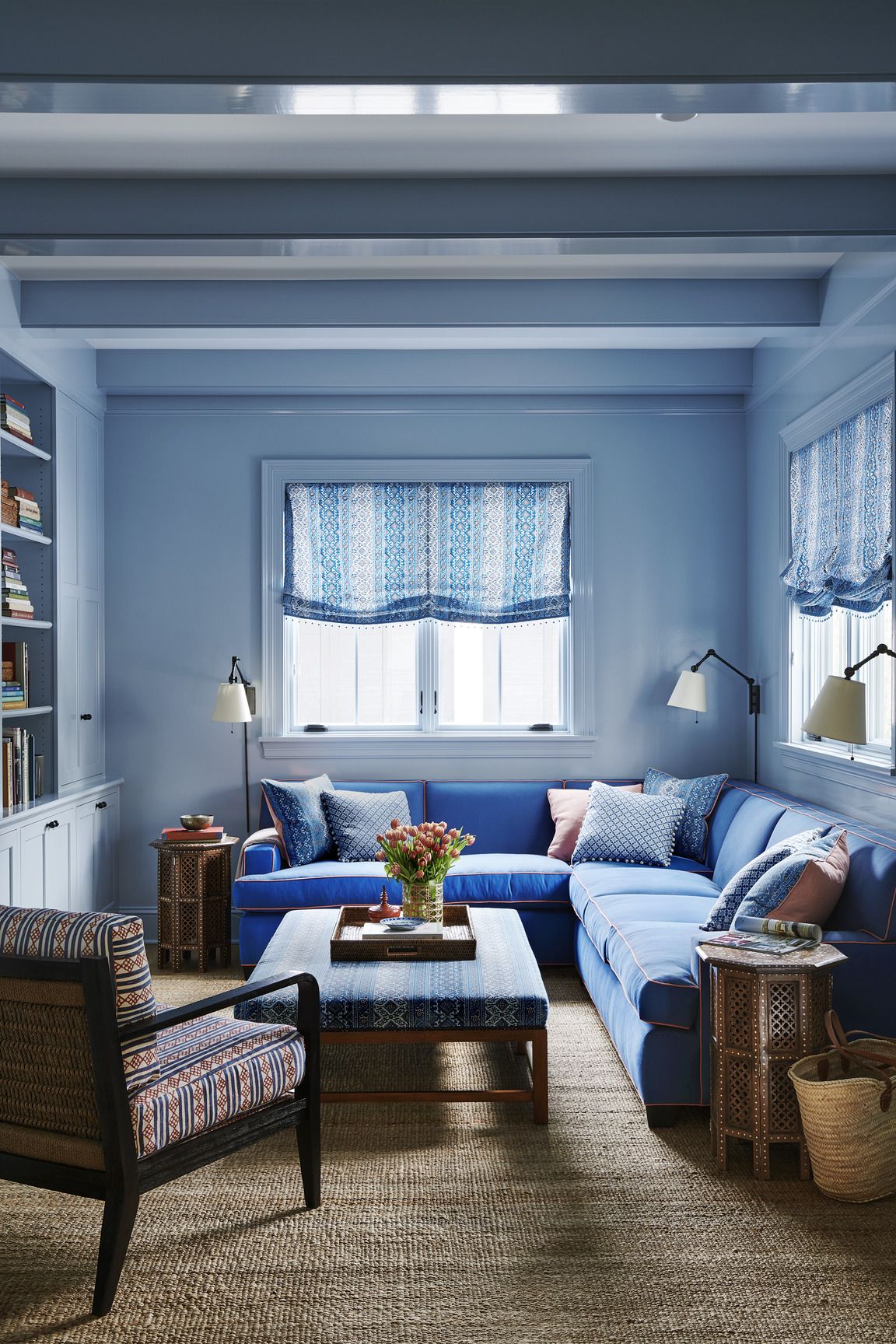
More Than Just Walls: Designing with Light Blue
Once your walls are bathed in a beautiful light blue, the real fun begins: decorating! Light blue is an incredibly forgiving canvas, allowing for a multitude of design directions.
Complementary Color Schemes
Think beyond just white. Light blue comes alive when paired with the right supporting cast of colors:
- Neutrals (Creams, Whites, Grays, Browns): The ultimate safe bet. Crisp whites provide contrast, creamy off-whites add softness, while grays and browns (especially in wood tones) ground the blue.
- Warm Accents (Coral, Mustard, Blush, Terracotta): These colors create a beautiful, lively contrast with cool blue. A pop of coral throw pillows or a mustard yellow accent chair can instantly warm up and energize a light blue room.
- Cool Contrasts (Navy, Deeper Greens): If you love a monochromatic or analogous scheme, deeper blues (like navy or slate) or rich greens (emerald, sage) can add depth and sophistication without straying from a cool palette.
- Metallics (Gold, Silver, Brass): Gold and brass bring warmth and luxury, while silver offers a sleek, modern touch. Don’t underestimate the power of hardware, lamp bases, or decorative objects.
Furniture & Textiles
The textures and colors of your furniture and soft furnishings play a huge role:
- Upholstery: A cream or white linen sofa looks stunning against light blue walls, as does a rich navy velvet. Gray upholstery is a timeless choice, and even a soft leather can add warmth.
- Rugs: A patterned rug with touches of blue and a warm accent color (like orange or yellow) can tie the whole room together. Natural fiber rugs (jute, sisal) add organic texture.
- Curtains: White sheers will maximize light and keep the airy feel. Creamy drapes can add softness, while patterned curtains can introduce another layer of design.
Wood Tones: The Natural Partner
Whether it’s your flooring, coffee table, or shelving, wood adds essential warmth and texture to a blue space:
- Light Woods (Maple, Ash, Light Oak): Enhance the airy, Scandinavian, or coastal vibe.
- Medium Woods (White Oak, Walnut): Provide a balanced warmth and sophistication.
- Dark Woods (Mahogany, Espresso): Create a striking, elegant contrast, grounding the lightness of the blue.
Incorporating Texture: A Touch You Can Feel
To prevent a light blue room from feeling flat, layer in textures:
- Fabrics: Linen, wool, velvet, chunky knits, faux fur.
- Natural Elements: Woven baskets, rattan furniture, plants (greenery always looks amazing against blue!), ceramic vases.
- Architectural Details: Crown molding, wainscoting, or a fireplace mantel painted in a crisp white will add depth.
Testing is Key: The Golden Rule of Paint Selection
I cannot stress this enough: DO NOT skip the sampling phase! A tiny paint chip viewed in a store will never accurately represent how a color looks on your entire wall. Here’s why and how to do it right:
:strip_icc()/Glidden_OceanCruise_RGB-d29324a196c7437dad276894a529965d.jpg "29 Best Blue Paint Colors for Perfectly-Hued Walls")
Why It’s Critical:
- Light Changes Everything: The light in your living room (natural and artificial) will dramatically alter a paint color’s appearance.
- Undertones Reveal Themselves: What looks like a pure blue in the store might pull green or gray once on your wall.
- Surrounding Colors: Existing furniture, flooring, and adjacent wall colors will influence your perception of the new paint.
How to Test Effectively:
- Buy Samples: Get sample pots of 2-3 light blue shades you’re considering.
- Paint Large Swatches: On different walls (especially those with different light exposures), paint large swatches – at least 2×2 feet. Don’t paint them too close together; leave some white space in between to avoid colors influencing each other.
- Live With It: Observe the swatches throughout several days and nights. See how they look in morning sun, midday bright light, cloudy afternoons, and under your artificial evening lighting.
- Evaluate with Decor: Hold up fabric swatches, artwork, or other decor items against the painted samples to see how they interact.
This step takes a little time, but it will save you from costly repainting and ensure you love your final choice.
Avoiding Common Light Blue Pitfalls
Even with the best intentions, a few common mistakes can dampen the light blue dream. Here’s how to sidestep them:
- Too Cold/Icy: If your blue feels unwelcoming, it might be too cool for your lighting or undertones. Add warmth with textiles (velvet, wool), wood elements, gold accents, and warmer light bulbs (2700K-3000K).
- Too Baby Blue: To ensure sophistication, avoid overly saturated, pure light blues without any complexity. Opt for shades with gray, green, or violet undertones to give it more depth. Pair with mature furniture and decor, not juvenile patterns.
- Overwhelm: While light blue is generally serene, too much of a vibrant shade can still feel overwhelming. Consider using it on just an accent wall, or ensuring the surrounding elements are very neutral and calming to balance it out.
- Ignoring Existing Finishes: If you have fixed elements like a brick fireplace or specific flooring, make sure your blue complements its undertones. A blue with cool undertones might clash with warm-toned orange brick, for example.
Final Thoughts: Embrace the Blue Horizon
Choosing a light blue paint color for your living room is a journey, not a sprint. It’s an opportunity to create a space that genuinely reflects calm, comfort, and your personal style. By understanding the nuances of undertones, considering your room’s unique lighting, and embracing thoughtful design pairings, you can unlock the full potential of this timeless hue.
Imagine stepping into a living room that feels like a breath of fresh air – expansive, soothing, and utterly inviting. That’s the power of the right light blue. Take your time, trust your instincts (and your samples!), and get ready to transform your living room into a truly extraordinary space. You’ll thank yourself for it every time you walk in.

Frequently Asked Questions
Is light blue paint a good choice for a living room?
Absolutely! Light blue paint is an excellent choice for a living room. It’s renowned for its calming and serene properties, making the space feel more peaceful and inviting. It can also make a living room appear larger and brighter, reflecting light beautifully and offering a versatile backdrop for various decor styles.
How do I prevent a light blue living room from feeling too cold or sterile?
To avoid a cold or sterile feel, infuse your light blue living room with warmth. Incorporate natural wood tones in furniture or flooring, add soft textiles like chunky knit throws and plush rugs, and use warm metallic accents such as gold or brass. Introduce complementary warm colors like coral, blush pink, or soft yellow in your decor. Ensure your lighting has a warmer temperature (around 2700K-3000K) to create an inviting glow.
What colors pair well with light blue walls in a living room?
Light blue is incredibly versatile. It pairs beautifully with classic neutrals like crisp whites, creamy off-whites, and various shades of gray and beige. For a bolder look, consider warm accents like coral, soft orange, mustard yellow, or terracotta. Deeper blues, greens (like sage or emerald), and even some blush pinks can also create harmonious and dynamic color schemes.
Does light blue make a living room look bigger?
Yes, light blue paint can certainly make a living room feel larger and more open. Lighter colors tend to recede, creating an illusion of expanded space. Its light-reflecting qualities also brighten the room, further contributing to an airy and spacious feel. This effect is especially noticeable in rooms with ample natural light.
How do undertones affect a light blue paint color?
Undertones are crucial! They are the subtle hints of other colors within the blue that become apparent under different lighting conditions. A blue with gray undertones will appear more sophisticated and muted, while a green undertone will make it feel more refreshing and coastal. Violet undertones lend a whimsical touch. Always sample paint on your walls to see how its undertones react to your specific lighting.
What’s the best way to test light blue paint colors before committing?
The golden rule is to always test paint samples directly on your living room walls before committing to a full paint job. Paint large swatches (at least 2×2 feet) on several walls, observing them throughout the day and night under both natural and artificial light. This helps you see how the color truly appears in your space, revealing its undertones and how it changes with varying light conditions.