How to Paint a Room Fast Like a Professional: The Ultimate Speed & Quality Guide
Let’s be honest: painting a room can feel like a monumental task. You want that crisp, clean, professional finish, but you also don’t want to spend your entire weekend, or worse, your entire week, battling brushes and rollers. The good news? You absolutely can achieve stunning, professional-looking results quickly. It’s not about cutting corners; it’s about working smarter, not harder.
I’m here to spill the industry secrets, the techniques the pros use to transform spaces efficiently without sacrificing an ounce of quality. Forget the common DIY frustrations – the drips, the streaks, the endless hours of masking. This guide will equip you with the mindset, the tools, and the methods to paint your room so fast and so flawlessly, your friends will wonder if you hired someone.
Ready to reclaim your weekends and still enjoy beautifully painted walls? Let’s dive in.
/learn-how-to-paint-a-room-like-a-pro-1822378-10-0490951aca854683b40d31d08fb70aa9.jpg "How to Paint a Room Like a Professional")
The Pro Mindset: Speed Doesn’t Mean Skipping Steps (It Means Optimizing Them)
When professionals talk about speed, they’re not talking about rushing. They’re talking about efficiency. Every action is purposeful, every tool is chosen for its job, and every step is optimized to contribute to a flawless finish in the shortest possible time. This is where many DIYers go wrong – they either rush and make mistakes, or they dawdle and stretch the project unnecessarily.
- Think like a project manager: Before a single drop of paint hits the wall, a pro has a plan. What’s the sequence? What tools are needed? What are the potential bottlenecks? This pre-visualization saves immense time.
- Quality tools are an investment: A cheap brush might save you a few dollars initially, but it’ll cost you hours in streaky paint, poor coverage, and frustrating rework. Professionals know that reliable, high-quality tools are their best allies for both speed and finish.
- Prep is paramount: This cannot be stressed enough. Skipping or rushing prep is the reason DIY paint jobs look amateurish and take longer. Proper prep ensures smooth paint application, excellent adhesion, and a finish that lasts – all of which contribute to speed by preventing callbacks or redo’s.
Phase 1: Meticulous Prep (The Foundation for Speed and a Flawless Finish)
This is where the magic (and the time-saving) truly begins. Don’t view prep as a chore; view it as the ultimate time-saver. A well-prepped room means your actual painting time is faster, smoother, and produces superior results.
Clear the Battlefield: Maximize Your Workspace
Get everything out of your way. Move all furniture to the center of the room, or better yet, out of the room entirely if possible. Remove all wall decor, curtains, and blinds. The fewer obstacles, the faster you’ll move.

Protect Your Assets: Floors, Trim, and Windows
This is crucial for speed and a clean finish. Nothing slows you down more than having to stop and clean up drips or smudges on surfaces you didn’t intend to paint.
- Drop cloths: Invest in canvas drop cloths. They absorb spills, stay in place, and are reusable. Plastic sheets are slippery, tear easily, and paint can sit wet on them, potentially spreading. Cover the entire floor, overlapping sections.
- Taping isn’t always best for speed: For many pros, taping is a last resort. It’s often slower than mastering a good cutting-in technique and carries the risk of paint bleed or pulling off existing paint when removed. However, for certain situations like intricate trim or protecting specific elements, high-quality painter’s tape (like FrogTape or 3M delicate surface tape) is invaluable.
- Pro Hack: Liquid Masking/Edge Guard vs. Tape: For windows with multiple panes, some pros use liquid masking products that you paint on, then peel off after the paint dries. For straight lines against trim, a steady hand and a quality angled brush are often faster and cleaner than tape. If you *must tape, apply it firmly and remove it when the paint is still slightly wet (but not tacky) to prevent tearing or jagged edges.
Wall Reconnaissance: Clean, Patch, Sand
Your walls are your canvas. Ensure they’re ready to accept paint beautifully.
- Dust and grime removal: Wipe down walls with a damp cloth or a mixture of water and a mild degreaser (like TSP substitute) to remove dust, grease, and dirt. Rinse thoroughly. This ensures paint adheres properly and prevents unsightly bumps.
- Filling holes and cracks: Use spackle or joint compound to fill any nail holes, dings, or cracks. Overfill slightly, then sand smooth once dry. For larger damage, use patching compound.
- Light sanding for adhesion: A quick pass over the entire wall with fine-grit sandpaper (180-220 grit) will create a smoother surface and provide “tooth” for the new paint to adhere to, especially if you’re painting over a glossy finish. Wipe off all sanding dust with a damp cloth or tack cloth.
Remove Hardware: Outlet Covers, Switch Plates, Light Fixtures
It’s always faster and gives a cleaner, more professional look to remove these items rather than trying to tape around them. Put screws back into the covers so you don’t lose them, or use a small container for all hardware.
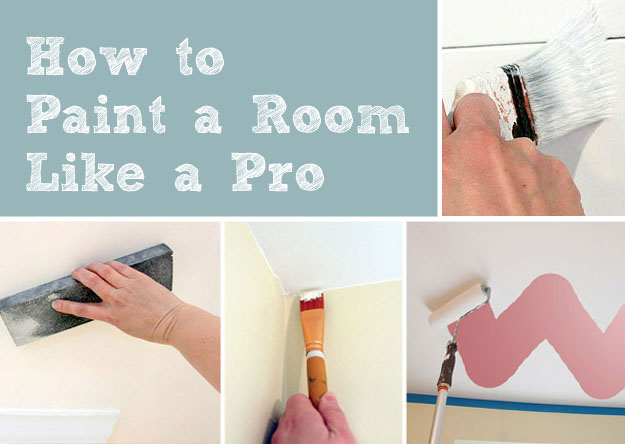
Phase 2: Assemble Your Arsenal (The Right Tools for the Job)
This is not the time to pinch pennies. Investing in quality tools is the single best way to ensure both speed and a professional finish. Cheap tools are inefficient, frustrating, and often produce inferior results that then take more* time to fix.
Paint Selection: High-Quality Paint + Primer (Fewer Coats, Better Coverage)
- Why premium paint saves time: High-quality paints contain more solids (pigment and binder), meaning better coverage in fewer coats. This is a huge time-saver. You might pay a bit more per gallon, but you’ll likely buy less paint and spend significantly less time applying it.
- Paint + Primer combos: For most repaint jobs, especially if you’re not drastically changing colors or painting over bare drywall, a good quality paint + primer in one can save you an entire step.
- Understanding sheen and its impact: Flat/matte hides imperfections best but is less washable. Eggshell/satin is a good balance for walls. Semi-gloss/gloss is durable and washable, ideal for trim and doors. Generally, the higher the sheen, the more visible wall imperfections become, demanding more meticulous prep.
Rollers: The Workhorse of Speed
- Nap size matters: Choose the right nap for your surface. For smooth walls, use a 3/8-inch nap roller. For lightly textured walls, a 1/2-inch nap is better. Longer naps hold more paint but can leave more texture.
- Extendable poles: Your back and your clock will thank you. A sturdy extension pole (2-4 feet is typical) allows you to reach high walls and ceilings without ladders, dramatically speeding up the rolling process and reducing fatigue.
Brushes: Precision for Professional Edges
- Angled sash brush for cutting in: A 2-2.5 inch angled sash brush is the pro’s choice for cutting in (painting edges). The angle allows for precise lines.
- Quality bristles: Natural bristles are for oil-based paints; synthetic (nylon/polyester) are for latex/water-based paints. Good quality brushes hold more paint, release it evenly, and leave fewer brush marks.
Trays & Buckets: Efficient Paint Delivery
- Roller trays with liners: Liners make cleanup a breeze, allowing you to quickly switch colors or take breaks without washing the tray.
- 5-gallon bucket with roller grid: For larger rooms, pouring paint into a 5-gallon bucket and using a roller grid is far more efficient than constantly refilling a small tray. It holds more paint, reduces spills, and allows for even roller loading.
Other Essentials: Don’t Forget the Details
- Painter’s tape (if needed): High-quality, clean release tape.
- Putty knife, spackle, sandpaper: For flawless wall prep.
- Wipes, rags, cleaning supplies: For immediate drip and spill cleanup.
- Plastic sheeting/masking paper: For covering furniture or light fixtures.
- Painter’s multi-tool: Handy for opening cans, cleaning rollers, scraping.
| Tool | Why It’s Fast/Professional | Pro Tip |
|---|---|---|
| High-Quality Paint + Primer | Superior coverage in fewer coats; saves a priming step. | Don’t skimp. Better paint means less time and a longer-lasting finish. |
| 3/8″ Nap Roller Cover | Smooth application, holds optimal amount of paint for even coverage. | Pre-dampen synthetic naps slightly before use for better paint absorption. |
| Roller Extension Pole (2-4 ft) | Reaches high areas without a ladder; drastically reduces fatigue and time. | Choose a sturdy, lightweight pole for better control and less strain. |
| 2-2.5″ Angled Sash Brush | Precise cutting-in, holds more paint than smaller brushes for fewer dips. | Load only the first 1/3 of the bristles for best control and less mess. |
| 5-Gallon Bucket with Roller Grid | Holds large volume of paint, allows for quick and even roller loading. | Always use a liner for easy cleanup; prevents paint drying in the bucket. |
| Canvas Drop Cloths | Absorbent, non-slip, reusable; superior protection to plastic. | Lay them flat and secure to prevent tripping hazards. |
| Painter’s Multi-Tool | Versatile for opening cans, cleaning rollers, scraping, spreading. | Keep it clean and accessible; it’s a true time-saver for small tasks. |
Phase 3: The Painting Dance (Techniques for Maximum Efficiency)
Now that you’re prepped and equipped, it’s time for the actual painting. This is where your efficient workflow really pays off.
The Painting Order: Ceiling First, Always
This is a non-negotiable professional rule:
:max_bytes(150000):strip_icc()/learn-how-to-paint-a-room-like-a-pro-1822378-09-bf19a37b3b3f41118274654027b9e082.jpg "How to Paint a Room Like a Professional")
- Ceiling: Start with the ceiling. If any drips or splatters occur, they’ll fall onto walls that haven’t been painted yet, making cleanup effortless or completely unnoticeable.
- Walls: After the ceiling is dry, move to the walls.
- Trim and Doors: These are generally last, allowing you to paint them precisely without worrying about getting paint on your freshly painted walls.
How to Paint the Ceiling Quickly:
Use your extension pole. Cut in the edges first (if not spraying), then roll the main expanse in overlapping sections. Maintain a wet edge to avoid lap marks.
Cutting In Like a Pro: Minimal Taping, Maximum Speed
This is the skill that separates the pros from the DIYers. Mastering freehand cutting in is significantly faster than taping.
- The “load and feather” technique: Dip about 1/3 of your angled brush into the paint. Wipe off excess on one side. Apply paint about an inch away from the edge you’re cutting, then gently guide the bristles towards the edge. As you get closer, lighten your pressure, letting the tip of the brush create a clean, crisp line (feathering).
- Holding the brush correctly: Hold the brush like a pencil, but with a firm grip. Your whole arm should move, not just your wrist, for smoother, longer strokes.
- Pro Hack: Cutting In with a Shield or Freehand: While a paint shield can help, the fastest and most professional method is freehand. Practice on an inconspicuous spot. The key is consistent brush loading and steady, controlled movements.
Rolling Walls: The “W” Method for Speed & Coverage
This technique ensures even coverage and minimizes lap marks.

- Loading the roller properly: Don’t drench the roller. Load it evenly by rolling it back and forth in the tray or on the grid in your 5-gallon bucket until it’s saturated but not dripping.
- Start with a “W”: Begin by painting a 3×3 foot “W” shape on the wall. Without lifting the roller, fill in the “W” by rolling horizontally and then vertically. This distributes paint quickly and evenly.
- The overlap technique: Always work in sections, maintaining a wet edge. Overlap each new section with the previous one by about half the width of your roller. This prevents harsh lines where paint dries too quickly.
- Maintain a wet edge: The most critical rule for a seamless finish. Never let the paint on the wall dry before you apply the next section. Work quickly and systematically. If you stop for a break, finish the wall section you’re on, or wrap your roller/brush tightly in plastic wrap to keep it from drying out.
Trim & Doors: The Finishing Touch
These are often the last elements painted for a reason.
- When to paint trim: Usually after walls. This allows you to cut in your walls right over the trim, and then precisely paint the trim over the wall color, ensuring crisp lines.
- Techniques for smooth trim: Use your angled sash brush. Apply paint in long, smooth, even strokes. Don’t overload the brush. For wider trim, a small foam roller can speed things up, followed by a brush for smoothing.
- Pro Hack: Speed painting doors (remove, spray, or quick roll/brush): For ultimate speed and a factory-smooth finish, pros often remove doors, take them outside, and spray them. If that’s not feasible, a combination of a small foam roller for the flat panels and an angled brush for the recessed areas and edges is very fast.
Second Coats: Timing is Everything
Don’t rush, but don’t dawdle. The paint can label will specify the recoat time (e.g., “recoat in 2-4 hours”). Stick to this. Applying a second coat too soon can pull up the first coat, creating a mess. Waiting too long can make the paint harder to work with, especially for rolling with a wet edge.
Advanced Speed Hacks & Pro Tips
These are the little things that add up to significant time savings for professionals.
- Batching Tasks: Instead of prepping one wall, painting it, then moving to the next, pros batch tasks. Do all the prep for the entire room. Then do all the cutting-in. Then do all the rolling. This reduces setup/cleanup time between different operations.
- Two-Person Team: If you have a willing helper, designate roles. One person cuts in all the edges while the other follows immediately behind, rolling the main wall sections. This maintains a wet edge effortlessly and is incredibly fast.
- Invest in a Paint Sprayer: For large, empty rooms or multiple rooms, a quality airless paint sprayer is the ultimate speed tool. It applies paint incredibly fast and leaves a glass-smooth finish. However, sprayers require extensive masking and practice to avoid overspray, so they’re not always faster for small, furnished rooms.
- The “Wet Edge” Principle: This bears repeating. Never let paint dry mid-wall or mid-section. If you need a break, finish the wall section, or tightly wrap your brushes and rollers in plastic wrap and put them in the fridge to prevent drying.
- Cleanup Efficiency: Don’t let paint dry on your tools. For short breaks (under 30 mins), wrap brushes/rollers tightly in plastic wrap. For longer breaks or overnight, clean them thoroughly. For brushes, rinse well under warm water (for latex), use a brush spinner, and reshape. For rollers, scrape off excess paint, rinse, and spin. Proper cleaning extends tool life and saves money, which is also a form of efficiency.
- Boxing Your Paint: If you’re using multiple cans of the same color, pour them all into a 5-gallon bucket and stir thoroughly. This ensures color consistency across the entire room and prevents subtle shade variations between cans.
Common Mistakes That Kill Your Speed (And Your Finish)
Avoid these pitfalls to keep your project on track and looking professional:
- Skipping prep: The number one killer of speed and quality. Imperfections show through, paint doesn’t adhere, and you end up doing more work later.
- Using cheap tools: Poor brushes leave streaks, cheap rollers shed lint, and flimsy drop cloths tear. You’ll spend more time fixing mistakes and getting frustrated.
- Overloading brushes/rollers: Too much paint leads to drips, splatters, and uneven application. Load just enough for control and even coverage.
- Not maintaining a wet edge: This results in unsightly lap marks where new paint overlaps dry paint. Work quickly and systematically.
- Rushing drying times: Applying a second coat before the first is dry can pull up the underlying paint, creating a textured mess. Patience here prevents costly rework.
- Not cleaning between coats (dust, debris): Dust particles or dried paint flakes can embed in your fresh paint. A quick wipe-down or light sanding and tack cloth pass between coats can prevent this.
Conclusion
Painting a room fast like a professional isn’t about some secret magic trick. It’s about combining intelligent planning, investing in the right tools, and executing with proven, efficient techniques. By adopting the pro mindset – prioritizing meticulous prep, using quality materials, and mastering application methods – you can dramatically reduce the time you spend painting, all while achieving a flawless finish that looks like it was done by an expert.
So, clear your space, gather your gear, and approach your next painting project with confidence. You’ve got the knowledge to make it fast, efficient, and truly professional. Go ahead, transform your space, and enjoy the satisfaction of a job well done!