The Ultimate Guide: How to Paint a Room Like a Professional (Every Pro Secret Revealed)
Ever gazed at a freshly painted room, admiring its crisp lines and flawlessly smooth walls, and wondered, “How do they *do that?” You’re not alone. Many DIY painters start with enthusiasm but end up with drips, uneven coats, or fuzzy edges that scream ‘amateur.’ But what if I told you that painting a room like a seasoned professional isn’t about some secret talent, but about mastering a series of deliberate, proven techniques?
As someone who’s battled my fair share of paint splotches and won, I’m here to share the exact blueprint pros follow. We’re going beyond basic brush strokes. We’re diving into the prep work that makes or breaks a job, the tools that truly matter, and the application methods that deliver that coveted, envy-inducing finish. Ready to ditch the frustration and embrace perfection? Let’s get started.
Why Paint Like a Pro? The Hidden Value of a Flawless Finish
You might think, “It’s just paint, who cares?” But the difference between a mediocre paint job and a professional one is palpable. It’s not just about looking good; it’s about lasting longer, performing better, and even adding tangible value to your home.
Beyond Aesthetics: Durability and Resale Value
A professional paint job stands up to daily life. It resists scuffs, cleans easier, and maintains its vibrancy for years. This isn’t just about pride; it’s about practicality. When done correctly, the paint adheres better, protecting your walls and reducing the frequency of repainting. And if you’re thinking about selling, a crisp, clean, professional paint job is one of the most cost-effective ways to boost your home’s appeal and perceived value. It tells potential buyers your home is well-maintained and ready for them to move right in.
The Pro’s Playbook: Planning for Perfection
Ask any pro painter what their secret is, and they’ll likely tell you it’s 80% preparation and 20% application. But before you even think about taping or rolling, the real pros start with meticulous planning. This isn’t just about picking a color; it’s about understanding your space, your materials, and your desired outcome.
Choosing the Right Paint: More Than Just Color
This is where many DIYers make their first mistake. They grab the cheapest gallon in their chosen hue. Professionals know that paint isn’t a one-size-fits-all product. The right paint type and sheen are crucial for durability, washability, and the overall look.
/learn-how-to-paint-a-room-like-a-pro-1822378-10-0490951aca854683b40d31d08fb70aa9.jpg "How to Paint a Room Like a Professional")
Paint Types & Their Best Uses
| Paint Type | Description & Best Use | Pro Tip |
|---|---|---|
| Latex (Water-Based) | Most common for interiors. Easy clean-up, low VOCs, quick drying. Ideal for walls, ceilings, and trim in most rooms. | Choose a high-quality acrylic-latex for enhanced durability and scrubbability. |
| Oil-Based (Alkyd) | Durable, hard finish. Slower drying, stronger odor, requires mineral spirits for cleanup. Best for high-traffic trim, doors, or cabinetry where extreme durability is needed. | Use sparingly due to fumes and cleanup. Opt for water-based alkyds for a similar look with easier maintenance. |
| Primer-Sealant | Essential for bare surfaces, stain blocking, or changing drastic colors. Improves paint adhesion. | Always prime bare drywall, patched areas, or if going from dark to light (or vice versa). |
Paint Sheens: Where to Use Them Like a Pro
| Sheen | Description & Characteristics | Ideal Use Cases |
|---|---|---|
| Flat/Matte | No shine, hides imperfections well, harder to clean. | Ceilings, low-traffic areas, rooms where you want to minimize wall imperfections. |
| Eggshell/Satin | Slight sheen, more durable and washable than flat. | Most common for walls in living rooms, bedrooms, dining rooms. Great balance of durability and aesthetic. |
| Semi-Gloss | Noticeable shine, very durable and easy to clean. Highlights imperfections. | Kitchens, bathrooms, trim, doors, cabinetry – areas that need frequent cleaning. |
| High-Gloss | Highest shine, extremely durable and washable. Shows every imperfection. | Furniture, specialty trim, high-impact doors. Not typically used for entire walls. |
Essential Pro-Grade Tools & Materials (Don’t Skimp Here!)
You wouldn’t expect a chef to create a gourmet meal with dull knives, right? The same applies to painting. Investing in quality tools isn’t an indulgence; it’s a necessity for achieving a professional finish and making the job easier.
Pro Tools vs. DIY Basics: The Performance Difference
| Tool/Material | DIYer Might Use… | A Pro Chooses… | Why It Matters |
|---|---|---|---|
| Brushes | Cheap synthetic brush | High-quality angled sash brush (Purdy, Wooster) | Better paint pickup/release, smoother finish, precise cutting-in. |
| Rollers | Thin, generic roller cover | Premium woven roller cover (e.g., lambswool for oil, microfiber for latex) | Even paint distribution, minimal lint, superior coverage, no stippling. |
| Paint Tape | Standard masking tape | Painter’s tape with EdgeLock (FrogTape, ScotchBlue Platinum) | Prevents bleed-through, cleaner lines, residue-free removal. |
| Drop Cloths | Old sheets or thin plastic sheeting | Canvas drop cloths with plastic backing | Absorbs drips, won’t slip, prevents paint from soaking through to floors. |
| Sanding | None, or rough sandpaper | Fine-grit sanding sponges (220-grit), pole sander | Smooths surfaces, improves adhesion, reduces imperfections. |
Other essential tools include a sturdy ladder or step stool, a 5-gallon bucket with a paint grid (for rolling), a paint pail with a magnetic brush holder (for cutting-in), spackling compound, putty knives, and a utility knife.
Color Theory & Sample Psychology: Testing Before Committing
Never pick a color from a tiny chip! Pros know that light, room orientation, and existing furnishings dramatically alter how a color appears. Always buy sample pots and paint large swatches (at least 2’x2′) on a few different walls in the room. Observe them at different times of day – morning, noon, and night – to see how the natural and artificial light affects them. This simple step can save you immense regret and the cost of repainting a whole room.
Masterful Preparation: The Unsung Hero of Pro Painting
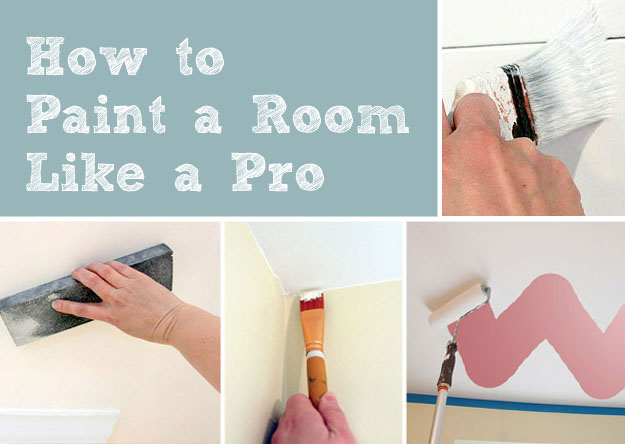
This is where the real magic happens, or doesn’t, if skipped. Professionals spend more time on prep than on painting because they understand it dictates the quality and longevity of the final result. Don’t rush this stage – it’s the foundation of your flawless finish.
Emptying & Protecting Your Space: The Pro’s Workflow
Before you even think about scuffing a wall, clear out as much as possible. Furniture should be moved to the center of the room and covered with canvas drop cloths. Remove all wall hangings, outlet covers, light switch plates, and light fixtures. Label screws and small parts with painter’s tape for easy reassembly. Lay down canvas drop cloths over all flooring. Plastic sheeting can work for covering furniture, but never use it on floors as it’s slippery and doesn’t absorb paint drips.
Wall Inspection & Repair: Filling Holes and Cracks Flawlessly
Walk around the room like a detective. Look for nail holes, cracks, dents, or peeling paint. Fill all holes and cracks with a good quality spackling compound. For larger holes, use drywall compound and mesh tape. Allow to dry completely, then sand smooth with fine-grit sandpaper (220-grit). Run your hand over the repaired area – it should feel perfectly flush with the wall.
Cleaning & Degreasing Surfaces: The Adhesion Advantage
Dust, grime, grease, and even old cigarette smoke residue will prevent paint from adhering properly, leading to peeling or an uneven finish. Clean all walls, baseboards, and trim thoroughly. A solution of warm water and a mild detergent (like TSP substitute) works wonders. Rinse thoroughly with clean water, wiping down with a clean, damp cloth. Allow everything to dry completely – ideally overnight – before moving to the next step.
Taping Like a Surgeon: Achieving Laser-Sharp Edges
This is a skill that separates the pros. Use high-quality painter’s tape designed for crisp lines. Apply it in short, manageable strips, pressing down firmly along the edge with a putty knife or your finger to ensure a tight seal. Tape off baseboards, trim, window frames, and the ceiling line if you’re not cutting in freehand. Don’t apply tape too far in advance; ideally, apply it the day you plan to paint.
Priming: When & Why Professionals Never Skip It
Priming isn’t always necessary, but professionals know when it’s crucial. It creates a uniform surface for paint adhesion, blocks stains, and ensures your true paint color shines through. Skipping primer when it’s needed is a rookie mistake that can cost you extra coats of paint and a patchy finish.

Primer Types and Their Applications
| Primer Type | Best For… | Why a Pro Uses It |
|---|---|---|
| Latex (Water-Based) Primer | New drywall, previously painted walls, minor color changes. | Excellent adhesion, low odor, quick drying, easy clean-up. |
| Oil-Based Primer | Stain blocking (water, smoke, pet stains), bare wood, glossy surfaces, heavy color changes. | Superior stain sealing, exceptional adhesion, creates a smooth base for topcoat. |
| Shellac-Based Primer | Severe stain blocking (smoke, fire, water), knotty wood, severe odors. | Dries incredibly fast, seals everything. The ultimate stain and odor blocker. |
The Art of Application: Brushing, Rolling, and Cutting-In Like a Veteran
With your planning complete and prep work flawless, it’s time for the actual painting. This is where your technique shines. Pros follow a specific order and method to ensure even coverage, crisp lines, and a smooth finish.
Proper Brush Technique: Loading, Cutting-In, and Feathering
Your brush is for detail work: cutting in, corners, and trim. It’s an extension of your hand.
- Loading the Brush: Dip about 1/3 to 1/2 of the bristles into the paint. Tap (don’t wipe) excess paint off both sides against the inside of your paint pail. You want the bristles loaded, but not dripping.
- Cutting-In: This is the skill of painting a straight line without tape where walls meet ceilings, trim, or other colors. Hold the brush like a pencil, with your index finger extended down the handle for control. Start about an inch away from the edge, then slowly draw the brush towards the line, letting the bristles splay slightly to create a clean, straight edge. Use long, steady strokes.
- Feathering: After cutting in an area, lightly feather out the wet paint into the main wall area. This creates a soft edge that will blend seamlessly with the roller application, preventing visible brush marks.
Roller Mastery: Even Coverage, No Lap Marks
Rollers are for speed and efficiency on large, flat surfaces. But there’s a technique to avoid common issues like lap marks (where wet paint overlaps drying paint, creating a thicker line).
- Loading the Roller: Use a 5-gallon bucket with a paint grid or a large roller tray. Submerge the roller sleeve fully into the paint, then roll it up and down the grid/tray until it’s evenly saturated but not dripping. The key is consistent loading.
- The ‘W’ or ‘M’ Technique: Don’t just roll up and down. Start by rolling a ‘W’ or ‘M’ shape on the wall, about 3-4 feet wide. Then, fill in the shape with vertical strokes, overlapping each pass by about 50%. This ensures even coverage and helps avoid roller marks.
- Maintain a Wet Edge: This is crucial. Always roll into previously applied wet paint. If you let an area dry before rolling into it, you’ll get lap marks. Work in manageable sections.
- Back-Rolling: After an entire wall section is covered, lightly roll over it one final time, from top to bottom, with an unloaded roller. This equalizes the paint, smooths out textures, and eliminates potential lap lines.
Edges, Corners, & Ceilings: Tackling Tricky Areas
Paint ceilings first, then walls, then trim. This order prevents drips onto already finished surfaces.
- Ceilings: Cut in around the perimeter of the ceiling. Then, using an extension pole with your roller, roll the ceiling from one end to the other, overlapping slightly. Maintain a wet edge and move quickly.
- Corners: Use your angled brush to cut into corners, ensuring you get paint deep into the crevice. Feather it out slightly.
- Trim (Baseboards, Door Frames): Once walls are fully dry, carefully tape off the walls if you’re not confident in your freehand cutting-in skills. Paint trim with your brush, using long, smooth strokes in the direction of the wood grain. For a super smooth finish, lightly sand between coats of trim paint.
The Golden Rule of Coats: Thin, Even, and Patient
Most rooms will require two coats of paint. Resist the urge to apply one thick coat; it will lead to drips, sags, and an uneven finish. Thin, even coats provide better adhesion, a smoother appearance, and greater durability. The first coat offers coverage, and the second coat provides depth and uniformity.
:max_bytes(150000):strip_icc()/learn-how-to-paint-a-room-like-a-pro-1822378-09-bf19a37b3b3f41118274654027b9e082.jpg "How to Paint a Room Like a Professional")
Drying Times & Recoating: Adhering to Manufacturer Specs
Patience is a professional virtue. Always follow the paint manufacturer’s recommended drying times between coats. Trying to rush a second coat onto wet or tacky paint can pull off the first coat, create an uneven texture, or lead to flashing (uneven sheen). Humidity and temperature can affect drying times, so allow extra time if painting in humid conditions.
The Pro’s Finishing Touches: Clean Up & Touch Ups
A professional doesn’t just paint well; they leave the space immaculate and ready for enjoyment. The cleanup and final inspection are just as important as the painting itself.
Peeling Tape Like a Whisper (Timing is Everything)
The best time to remove painter’s tape is when the paint is still slightly wet but not completely dry. This prevents the paint from curing to the tape, which can cause peeling or jagged lines when removed. Pull the tape at a 45-degree angle slowly and steadily. If the paint is already dry, score the edge of the tape with a utility knife before peeling to prevent it from pulling paint off the wall.
Cleaning Tools for Longevity: Protecting Your Investment
High-quality brushes and rollers aren’t cheap, but they’ll last for years if cared for properly. Immediately after use:
- Brushes: Scrape off excess paint. Wash thoroughly with warm soapy water (for latex) or mineral spirits (for oil-based) until the water runs clear. Shape the bristles and hang to dry.
- Rollers: Scrape off as much paint as possible. Wash with warm soapy water until clean. Squeeze out excess water and stand them on end to dry.
Storing Leftover Paint: Ready for Future Flaws
You’ll always want some leftover paint for touch-ups. Tightly seal the lid, then turn the can upside down for a few seconds to create an airtight seal. Store in a cool, dry place away from extreme temperatures. Label the can with the room, date, and paint color/sheen for easy reference.
Post-Paint Inspection: Catching What Others Miss
Once everything is dry, do a thorough walk-through. Look for any missed spots, drips, or areas needing a touch-up. Pros don’t just finish; they perfect*.
Common Pitfalls & How Professionals Avoid Them
Even with the best intentions, mistakes can happen. Here’s how pros anticipate and avoid common issues:
Drips, Sags, and Runs
- Pro Avoidance: This almost always means too much paint was applied at once. Pros load brushes and rollers properly, using thin, even coats and back-rolling to distribute paint evenly.
Uneven Sheen (Flashing)
- Pro Avoidance: Caused by inconsistent application, painting over semi-dry paint, or varying film thickness. Pros maintain a wet edge, work in sections, use consistent rolling patterns, and allow proper drying time between coats. Proper priming also helps create a uniform surface.
Paint Peeling or Blistering
- Pro Avoidance: Often due to poor surface preparation (dirty, dusty, or greasy walls), moisture issues, or painting in extreme temperatures. Pros meticulously clean and prepare surfaces, address any moisture problems, and paint within recommended temperature ranges.
Visible Brush Strokes or Roller Marks
- Pro Avoidance: Using cheap brushes/rollers, applying thick coats, or not feathering brush marks. Pros invest in quality tools, use thin coats, feather brush strokes, and use the ‘W’ technique followed by back-rolling for a smooth finish.
The Pro Mindset: Patience, Precision, and Practice
Painting a room like a professional isn’t just about the steps; it’s about the mindset. It requires patience to do the prep work thoroughly, precision in your application, and a willingness to practice and refine your skills. You’ve now got the playbook – the secrets professionals use every day to transform spaces with a flawless finish. Take your time, trust the process, and soon you’ll be admiring your handiwork, knowing you’ve painted a room not just well, but like a true pro.
Frequently Asked Questions
What’s the most important step in painting a room like a pro?
Without a doubt, proper preparation is the most critical step. Professionals spend up to 80% of their time on prep work, including cleaning, repairing, sanding, and taping. This ensures optimal paint adhesion, a smooth surface, and crisp lines, preventing common issues like peeling or an uneven finish.
Should I always prime my walls before painting?
Not always, but professionals know when it’s essential. You should always prime new drywall, bare wood, areas with heavy repairs, or if you’re making a drastic color change (especially from dark to light). Primer also helps seal stains, block odors, and ensures a uniform surface for the topcoat, improving adhesion and paint longevity.
How do professionals get such straight lines without paint bleeding under the tape?
Pros use high-quality painter’s tape designed with ‘EdgeLock’ technology. They apply it in shorter, manageable sections, pressing down firmly along the edge with a putty knife or finger to create a tight seal. A pro tip: remove the tape when the paint is still slightly wet but not tacky, pulling at a 45-degree angle. If the paint is dry, lightly score the edge with a utility knife before removal to prevent tearing.
What roller technique do pros use to avoid lap marks?
Professionals use the ‘W’ or ‘M’ pattern, followed by filling in the shape with consistent, slightly overlapping vertical strokes. The key is to maintain a ‘wet edge,’ meaning you always roll into previously applied wet paint before it dries. They also often ‘back-roll’ the entire wall lightly with an unloaded roller at the end to equalize the paint and minimize texture.
How many coats of paint do professionals usually apply?
Most professional paint jobs require two thin, even coats of paint. While some high-quality paints or specific color changes might manage with one, two coats ensure full coverage, consistent color depth, optimal durability, and a truly uniform finish. Professionals always adhere to the manufacturer’s recommended drying times between coats.
Is it worth buying expensive paint brushes and roller covers?
Absolutely. Professionals always invest in high-quality tools. Premium brushes offer better paint pickup and release, allowing for smoother application and more precise ‘cutting-in.’ Quality roller covers provide even paint distribution, reduce lint, and create a superior finish without excessive stippling. They make the job easier, faster, and the results significantly better.
What’s the biggest mistake DIYers make when painting a room?
The most common and impactful mistake is insufficient preparation. Rushing or skipping steps like cleaning, repairing wall imperfections, or properly priming leads to a poor foundation. This results in paint that doesn’t adhere well, uneven finishes, visible flaws, and a less durable, amateur-looking result, regardless of how well the paint is applied.