The Definitive Guide to Choosing the Best Chalk Paint Color for Your Bedroom Furniture
Transforming your bedroom furniture with chalk paint isn’t just a DIY project; it’s an act of crafting your personal sanctuary. When you’re staring at that dresser or nightstand, wondering which hue will breathe new life into it, the sheer number of options can feel overwhelming. What is the best chalk paint color for bedroom furniture? The truth is, there’s no single ‘best’ – but there’s absolutely a perfect ‘best for you‘.
I’m here to tell you, straight up, chalk paint is a game-changer for bedroom pieces. It offers a velvety, matte finish that feels incredibly soft and inviting, perfect for a room dedicated to rest. And the best part? Minimal prep work. No arduous sanding, no stripping – just clean, paint, and transform.
In this guide, we’re going beyond just listing colors. We’re going to dive deep into how color affects your mood, what factors you absolutely must consider, and I’ll even share my top picks and a detailed comparison to help you nail that perfect bedroom aesthetic. Let’s make your bedroom furniture truly yours.
Why Chalk Paint is Your Bedroom’s Best Friend (and Your Furniture’s Too!)
Before we even dip a brush, let’s talk about why chalk paint is such a fantastic choice for furniture in your most personal space.
The Magic of Chalk Paint: Benefits for Bedroom Furniture
- Effortless Transformation: Chalk paint adheres beautifully to almost any surface – wood, laminate, metal, even fabric – often without priming or heavy sanding. This means less sweat and more creativity for you.
- Velvety, Matte Finish: The signature chalky, matte look is inherently calming and sophisticated. It absorbs light rather than reflecting it, creating a soft, dreamy aesthetic ideal for a bedroom.
- Easy to Distress: If you love a shabby chic, farmhouse, or vintage look, chalk paint is incredibly forgiving for distressing. A little sanding on edges reveals the original finish, adding character and history.
- Versatility in Style: From crisp modern to rustic farmhouse, bohemian, or elegant traditional, chalk paint can adapt. It’s all in the color choice and your finishing technique.
- Low VOC Options: Many chalk paint brands are low in Volatile Organic Compounds, making them a healthier choice for indoor use, especially in a bedroom where you spend so much time.
Setting the Mood: How Color Influences Your Sleep Sanctuary
Your bedroom isn’t just a room; it’s a feeling. The colors you choose for your furniture play a huge role in dictating that feeling. Think about it:
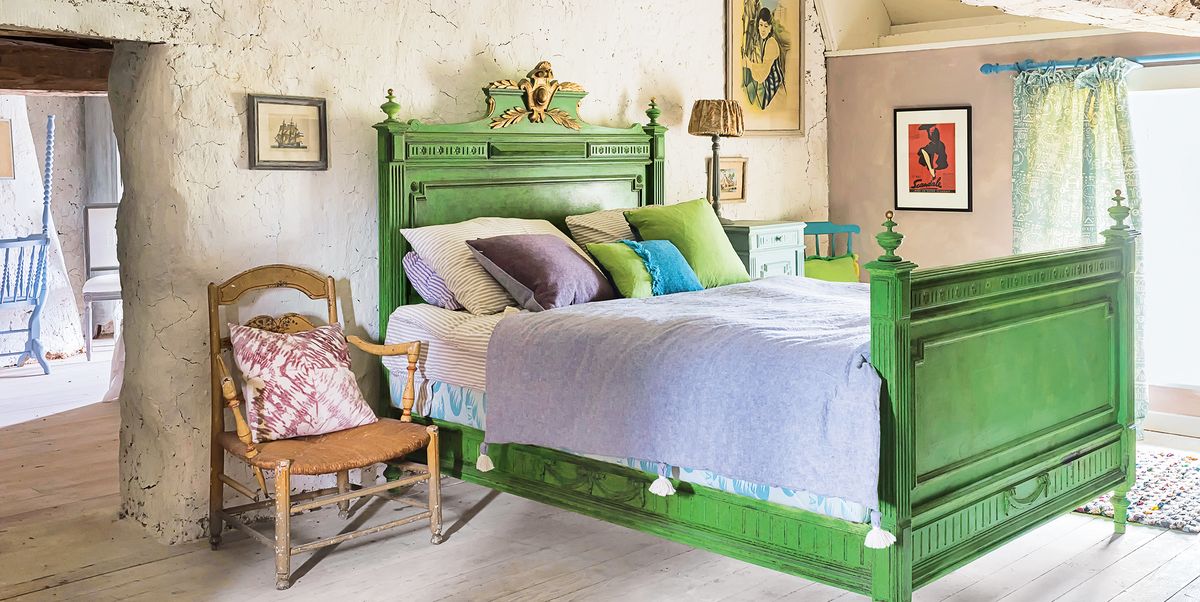
- Calm & Relaxation: Soft blues, greens, and muted neutrals are champions at promoting tranquility, ideal for unwinding after a long day.
- Warmth & Coziness: Gentle creams, blush pinks, or light grays with warm undertones can make a room feel more inviting and snug.
- Energy & Creativity: While less common for bedroom furniture, bolder colors can inject personality, but I generally recommend them for smaller accent pieces or a more eclectic style.
- Sophistication & Elegance: Deep grays, charcoal, or even certain muted blacks can lend a dramatic and refined air.
The goal is to create a harmonious environment that supports rest and rejuvenation. Your furniture, once painted, becomes a key player in this symphony of calm.
Decoding Your Bedroom Vibe: Factors to Consider Before You Paint
Choosing the ‘best’ color isn’t about what’s trending, it’s about what works for your space and your preferences. Let’s break down the critical elements.
Lighting (Natural vs. Artificial, Direction)
This is probably the most overlooked factor, but it’s paramount. A color can look entirely different under varying light conditions:
- North-facing rooms: Often receive cooler, indirect light. Warm colors (creams, blushes, warm grays) can help prevent the room from feeling too cold.
- South-facing rooms: Bathed in warm, bright light throughout the day. Almost any color will look great, but cool colors (blues, greens, cool grays) can help balance the warmth.
- East-facing rooms: Get bright, warm morning light, then cooler light in the afternoon. Consider how you use the room most.
- West-facing rooms: Enjoy warm, golden light in the afternoon and evening. Cooler tones can be refreshing here.
- Artificial Light: LED lights can be cool or warm, influencing how your paint color appears at night. Always test your chosen color on a swatch in the actual room, both day and night.
Room Size and Layout
- Small Bedrooms: Lighter, airier colors like whites, pale grays, or soft pastels can make a room feel larger and more open. Avoid overwhelming a small space with too many dark, heavy pieces.
- Large Bedrooms: You have more freedom! Darker, more saturated colors can create a cozy, intimate feel without making the room feel claustrophobic.
- Cluttered vs. Minimalist: If your room is already full of patterns and accessories, stick to simple, neutral furniture colors. For minimalist rooms, a bold color on one piece can be a fantastic focal point.
Existing Decor & Color Scheme (Walls, Bedding, Accessories)
Your furniture shouldn’t exist in a vacuum. It needs to harmonize with its surroundings:
- Wall Color: Is it a complementary color, a contrasting pop, or a subtle blend?
- Bedding: This is often the largest textile in the room. Choose a paint color that either matches a subtle tone in your bedding or provides a beautiful contrast.
- Flooring: Warm wood tones will play differently with colors than cool-toned carpets or tiles.
- Accent Colors: Pull a color from a piece of art, a throw pillow, or a rug to create a cohesive look.
Your Personal Style (Modern, Rustic, Bohemian, Traditional)
Ultimately, your bedroom should reflect you. What aesthetic are you drawn to?
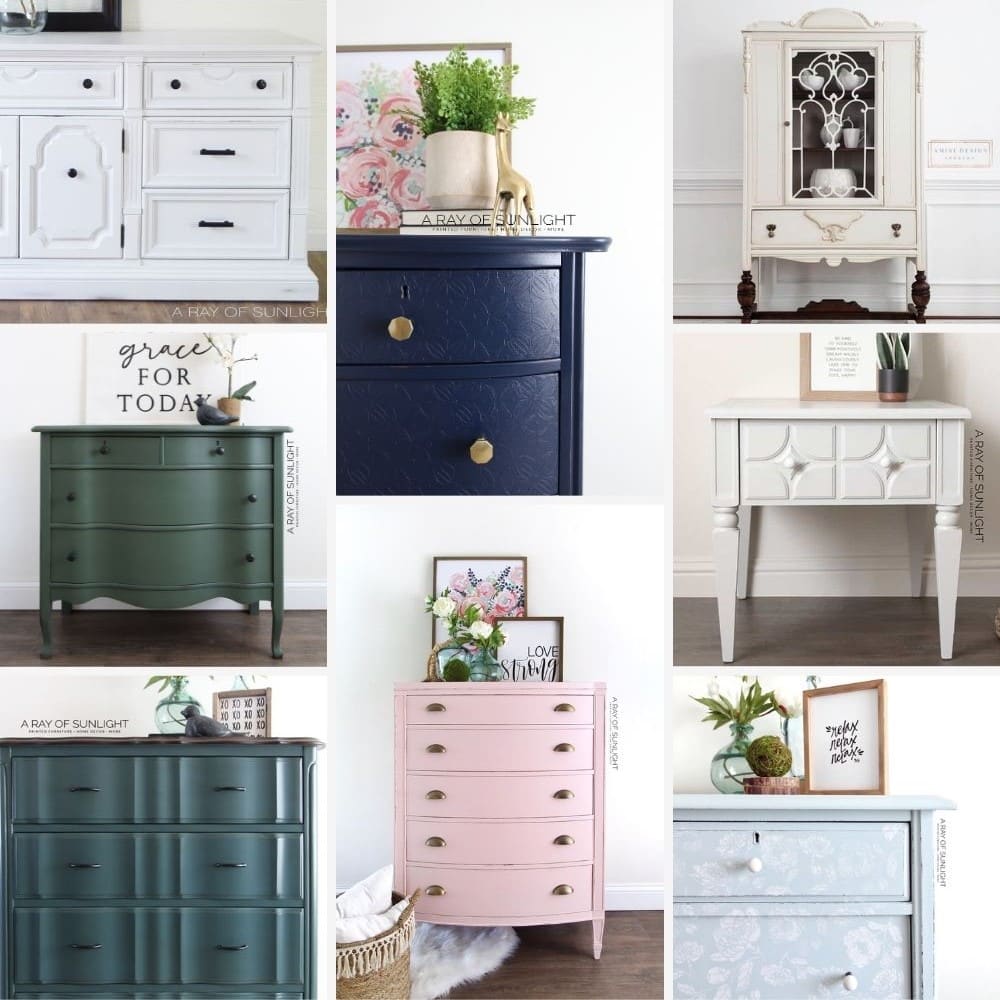
- Modern/Minimalist: Crisp whites, sleek grays, or even a sophisticated black.
- Farmhouse/Shabby Chic: Distressed whites, creams, light grays, or soft blues/greens.
- Bohemian/Eclectic: Muted jewel tones, warm terracotta, or soft pinks.
- Traditional/Classic: Creamy off-whites, elegant grays, or rich muted blues/greens.
The Furniture Piece Itself (Antique, Modern, Small, Large)
The piece’s inherent character matters. An antique dresser might sing in a distressed ‘Old White,’ while a sleek mid-century modern chest could look stunning in a deep ‘Graphite.’
- Large Pieces (Dressers, Armoires): Consider lighter or softer colors to prevent them from dominating a small room.
- Small Pieces (Nightstands, Accent Tables): These are great candidates for bolder colors if you want to add a pop without overwhelming the space.
- Intricate Details: Chalk paint enhances carved details beautifully. Lighter colors can highlight these features, while dark waxes can add depth.
Top Chalk Paint Color Categories for Bedroom Furniture
Let’s talk about the specific color families that typically shine on bedroom furniture. I’ll give you common brand examples to help you visualize.
Serene & Calming Neutrals: The Timeless Choice
These are your workhorses. Neutrals provide a backdrop of calm, making them ideal for creating a peaceful sleep environment. They’re incredibly versatile and allow other elements in the room (bedding, art) to take center stage.
- Whites & Off-Whites: From pure, crisp whites to creamy, warm off-whites, these expand space and create a fresh, airy feel. They are perfect for farmhouse, shabby chic, coastal, and minimalist aesthetics.
- Examples: Annie Sloan Pure White (clean, bright), Annie Sloan Old White (warm, soft, classic), Rustoleum Linen White (warm, slightly creamy), Jolie Palace White (elegant, soft white).
- Greys & Greiges: Grays can range from cool, steely tones to warm, brown-infused ‘greiges.’ They offer sophistication and can be either grounding or ethereal, depending on the shade.
- Examples: Annie Sloan Paris Grey (soft, elegant, hint of blue), Annie Sloan Chicago Grey (deeper, more industrial), Waverly Elephant (classic mid-tone gray).
Soft & Dreamy Hues: A Whisper of Color
If you want a bit more color than a neutral, but still crave tranquility, these soft pastels are your answer. They inject personality without sacrificing calm.
- Pale Blues: Evoke serenity, calm, and open skies. They’re known to reduce stress and help promote sleep.
- Examples: Annie Sloan Duck Egg Blue (muted, classic blue-green), Annie Sloan Louis Blue (light, airy, more overtly blue), Waverly Pool (gentle, light blue).
- Muted Greens: Connecting to nature, soft greens are refreshing, balanced, and harmonious. Think sage, mint, or soft olive.
- Examples: A custom mix with a touch of Annie Sloan Olive or Florence; many smaller brands offer lovely muted sages.
- Misty Lavenders/Blush Pinks: These can bring a subtle romance, softness, and feminine touch without being overtly bold.
- Examples: Annie Sloan Antoinette (pale, soft pink), various custom mixes for a true lavender.
Elegant & Sophisticated Shades: For a Touch of Drama
Ready to make a statement? Deeper, richer tones can add gravitas and luxury to your bedroom. These are fantastic for a refined, contemporary, or even masculine aesthetic.
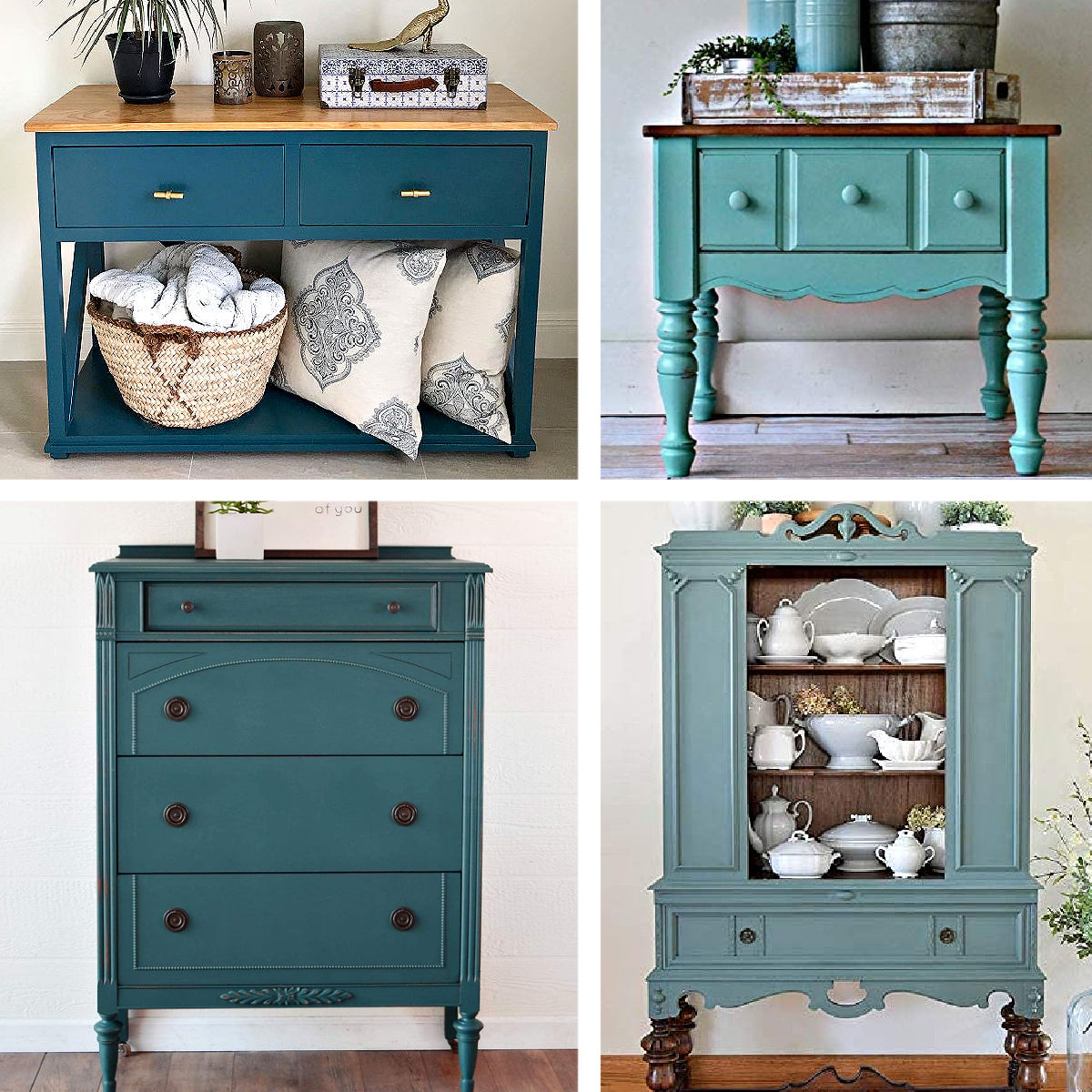
- Deep Greys & Charcoals: Grounding and modern, these colors provide a strong anchor for a room.
- Examples: Annie Sloan Graphite (deep, almost black charcoal), Dixie Belle Hurricane Gray (rich, stormy gray).
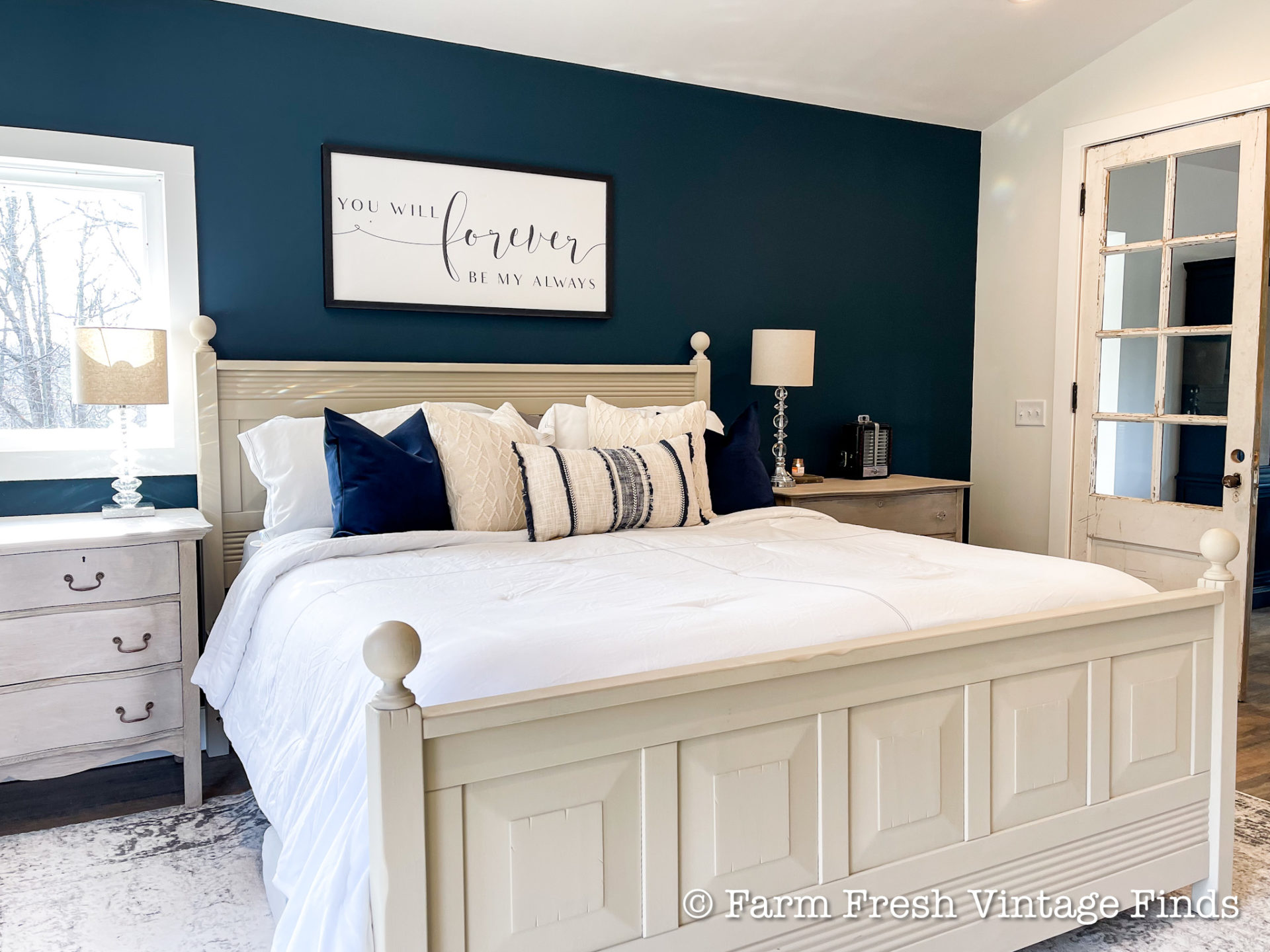
- Navy & Rich Blues: Classic, regal, and deep blues can be incredibly soothing yet sophisticated.
- Examples: Annie Sloan Napoleonic Blue (deep, warm navy), Annie Sloan Aubusson Blue (rich, dark teal-blue).
- Muted Olives/Forest Greens: Earthy and sophisticated, these bring a natural richness.
- Examples: Annie Sloan Olive (versatile muted green).
Warm & Inviting Tones: Cozy and Personal
If you want your bedroom to feel like a warm hug, consider these inviting hues. They’re excellent for creating a personalized, comforting retreat.
- Soft Terracottas & Rusts: Earthy and grounding, these colors bring warmth and a touch of the Mediterranean or desert chic.
- Examples: Custom mixes using warmer browns and reds, some brands offer specific terracotta shades.
- Dusty Pinks & Blushes: Beyond a simple ‘feminine’ label, these can be surprisingly sophisticated and wonderfully cozy.
- Examples: Annie Sloan Scandinavian Pink (soft, warm pink), custom light blush tones.
Bold & Statement-Making: Use with Intention!
I usually advise caution with very bold colors on large bedroom furniture pieces, as they can disrupt the serene atmosphere. However, for a small accent piece or a dramatic, intentional design, they can be stunning.
- Emerald Green, Dark Teal, Black, Deep Red: Use these for a single nightstand, a small chest, or a chair. They act as a focal point and bring significant personality.
- Examples: Jolie Noir (rich black), Annie Sloan Emperor’s Silk (bright, warm red).
Our Top Picks: Best Chalk Paint Colors for Bedroom Furniture
After considering all the factors, here are some of my go-to recommendations for chalk paint colors that consistently look stunning on bedroom furniture. Remember to swatch them in your space!
| Color Name | Brand Examples | Mood/Vibe | Best For | Pro Tip |
|---|---|---|---|---|
| Old White | Annie Sloan Original, Jolie Palace White, Rustoleum Linen White | Warm, comforting, timeless, elegant | Farmhouse, Shabby Chic, Traditional, Coastal, lightens dark rooms | A light distress and clear wax enhance its vintage appeal beautifully. |
| Duck Egg Blue | Annie Sloan Duck Egg Blue, Waverly Pool (similar tone) | Calm, serene, tranquil, soft, airy | Romantic, Coastal, French Country, kids’ rooms, promoting relaxation | Pairs wonderfully with creams, whites, and light wood tones. Consider a dark wax for a more aged look. |
| Paris Grey | Annie Sloan Paris Grey, similar soft grays from Dixie Belle or Jolie | Sophisticated, elegant, subtle, versatile | Modern, Transitional, French Country, pairing with bolder colors | Acts as a fantastic neutral that complements almost any accent color. Works well with both warm and cool palettes. |
| Graphite | Annie Sloan Graphite, Jolie Noir (if seeking darker) | Dramatic, modern, sophisticated, grounding, luxurious | Contemporary, Industrial, Masculine, statement pieces, balancing light rooms | Use a clear wax for a sleek finish or a black wax for even deeper intensity. Brass hardware looks incredible with this. |
| Antoinette / Soft Blush | Annie Sloan Antoinette, custom mixed soft pinks | Romantic, gentle, feminine, comforting, chic | Romantic, Eclectic, Feminine, pairing with creams and greens | Avoid overly saccharine pinks; aim for a dusty, muted tone. This color works beautifully with gold or rose gold hardware. |
Beyond Color: Finishing Touches for Your Chalk-Painted Furniture
Choosing the color is a huge step, but the final touches are what truly define your piece and integrate it into your bedroom.
Wax On, Wax Off: Sealing for Durability and Sheen
Chalk paint needs to be sealed to protect it and enhance its finish. Wax is the traditional choice, offering a durable, soft sheen.

- Clear Wax: The most common choice. It protects the paint and deepens the color slightly, giving it a subtle luster. Apply in thin coats, then buff.
- Dark Wax: Used over clear wax (or directly on light colors for a more dramatic effect) to create an aged, antique, or distressed look. It settles into crevices and details, adding depth.
- White Wax: Can be used to create a limed or whitewashed effect, especially beautiful on darker colors or wood.
- Black Wax: Deepens dark colors and can create a dramatic, smoky effect on lighter tones.
- Lacquer/Polyurethane: For high-traffic surfaces like dresser tops that need extra durability, a water-based polyurethane or lacquer can be applied over chalk paint. Always do a test patch first.
Distressing Techniques: Adding Character
If you love a vintage or worn look, chalk paint is perfect for distressing:
- Wet Distress: Use a damp cloth to gently rub away paint from edges or raised details shortly after painting, before the paint fully cures.
- Dry Distress: Once the paint is fully dry and waxed, use fine-grit sandpaper (180-220 grit) to lightly sand areas where natural wear would occur (edges, corners, carved details).
Hardware: The Jewelry of Your Furniture
Don’t underestimate the power of new knobs or pulls. They can completely change the character of your chalk-painted piece.
- Modern: Sleek brass bars, matte black pulls, or simple chrome knobs.
- Vintage/Farmhouse: Antique bronze cup pulls, glass knobs, or rustic iron handles.
- Bohemian: Ornate ceramic knobs, natural wood pulls, or even leather tabs.
DIY Tips for Flawless Chalk Painting in Your Bedroom
Ready to get started? Here are a few practical tips to ensure your project goes smoothly.
Prep Work: The Minimalist’s Dream
- Clean Thoroughly: Wipe down your furniture with a good degreaser (like TSP substitute or a mild dish soap solution) to remove all dirt, grease, and grime. Rinse well and let dry completely. This is the most crucial prep step for adhesion.
- Light Scuff (Optional): While chalk paint generally doesn’t require sanding, a quick, light scuff with 220-grit sandpaper can provide better ‘tooth’ for paint adhesion, especially on very glossy surfaces.
- Remove Hardware: Always remove knobs, pulls, and hinges before painting. It makes for a cleaner, more professional finish.
Application: Thin Coats Are Your Friends
- Stir, Don’t Shake: Gently stir your chalk paint. Shaking can create bubbles.
- Thin Coats: Apply chalk paint in thin, even coats. This prevents drips and allows for a smoother, more controlled finish. Two to three thin coats are always better than one thick, gloppy one.
- Brush or Roller: Use a good quality natural bristle brush for texture, or a foam roller for a smoother finish. Work in the direction of the wood grain where applicable.
- Dry Time: Allow adequate drying time between coats (usually 30 minutes to an hour, but check your specific paint’s instructions).
Drying & Curing: Patience is a Virtue
- Full Dry: Your paint will be dry to the touch relatively quickly, but it needs longer to fully dry and harden before waxing.
- Wax Application: Once the paint is fully dry (usually 24 hours), apply your wax in thin, even coats using a dedicated wax brush or lint-free cloth. Work in small sections.
- Buffing: After 15-20 minutes, buff off excess wax with a clean, lint-free cloth. This removes stickiness and brings out the sheen.
- Curing Time: Chalk paint and wax take time to fully ‘cure’ and reach maximum durability – typically 21-30 days. Be gentle with your freshly painted piece during this time. Avoid heavy use or placing items that might stick to the surface.
Choosing the best chalk paint color for your bedroom furniture is an exciting journey of self-expression. By understanding the interplay of light, mood, and personal style, you can transform ordinary pieces into cherished elements of your sleep sanctuary. So, grab your brush, pick a color that speaks to your soul, and create the bedroom of your dreams. Happy painting!
Frequently Asked Questions
What is the most popular chalk paint color for bedrooms?
While ‘popular’ can be subjective and trend-driven, timeless neutrals like warm off-whites (e.g., Annie Sloan Old White), soft greys (e.g., Annie Sloan Paris Grey), and calming pale blues (e.g., Annie Sloan Duck Egg Blue) consistently remain top choices for bedroom furniture due to their ability to create serene and versatile environments.
Do I need to sand furniture before using chalk paint in a bedroom?
One of chalk paint’s biggest advantages is its minimal prep. Generally, you do not need to sand extensively or prime before using chalk paint. A thorough cleaning to remove dirt and grease is usually sufficient. However, for extremely glossy surfaces or if you want extra adhesion, a light scuff sanding can be beneficial.
How do I choose between a cool or warm chalk paint color for my bedroom?
Consider your room’s natural light: north-facing rooms with cool light often benefit from warm colors (creams, blushes) to add coziness, while south-facing rooms with abundant warm light can be balanced by cool tones (blues, greens). Also, look at your existing textiles and decor; choose a paint color that complements their undertones for a cohesive look.
How long does chalk paint last on bedroom furniture?
When properly applied and sealed with wax or a topcoat, chalk paint is very durable. The protective finish helps it withstand everyday wear and tear. While the paint itself is robust, the topcoat will typically need occasional reapplication (wax every 1-3 years depending on use) to maintain its protection and luster, ensuring your furniture lasts for many years.
Can I use chalk paint on a metal bed frame?
Yes, chalk paint adheres exceptionally well to metal surfaces, making it a great option for transforming a metal bed frame. Ensure the frame is clean and rust-free before painting. You’ll still want to seal it with wax or a suitable topcoat for durability and protection against chipping.
What’s the best way to distress chalk-painted bedroom furniture?
There are two main methods: wet distressing and dry distressing. For wet distressing, use a damp cloth to gently rub off paint from edges or raised details shortly after painting, before it fully cures. For dry distressing, once the paint is dry and waxed, use fine-grit sandpaper (180-220 grit) to lightly sand areas that would naturally show wear, like corners and edges, for a vintage look.
Should I use clear wax or dark wax for chalk-painted bedroom furniture?
For most bedroom furniture, especially if you want a clean or bright look, clear wax is the best choice to protect the paint and deepen its original color. Dark wax is used to create an aged, antique, or ‘dirty’ effect, settling into details and giving a piece more depth and character. Often, a layer of clear wax is applied first, then dark wax is selectively added to control the aging effect.