Choosing the Perfect Paint Color for Interior Walls: Your Definitive Guide
You’re standing in front of a wall of paint swatches, paralyzed. Beige? Gray? A daring teal? Choosing a paint color for your interior walls can feel like an overwhelming task, an instant commitment that will define your home’s atmosphere for years to come. It’s more than just picking a pretty hue; it’s about crafting a feeling, enhancing light, and reflecting your personal style.
I get it. Most advice just throws popular colors at you, or worse, tells you to trust your gut. But what if your gut is saying, “Help me!”?
This isn’t another list of ’10 Most Popular Greys.’ This is your step-by-step roadmap to confident color selection. We’re going beyond trends to give you a framework that considers your space, your light, and your life. By the end of this guide, you won’t just pick a color; you’ll understand why it’s the right color for you.
Stop Guessing: The Ultimate 5-Step Framework to Pick Your Interior Wall Color
Forget starting with a paint chip. That’s putting the cart before the horse. The most successful interior design projects follow a thoughtful process. Here’s a professional’s framework to guide your decision-making, ensuring your chosen color feels intentional and beautiful.
Step 1: Understand Your Room’s Purpose & Desired Mood
Before you even glance at a color, think about what happens in the room. Is it a bustling kitchen, a tranquil bedroom, a vibrant playroom, or a sophisticated living area? The function of the room dictates the energy and mood you want to create.
Do you want to feel:
- Calm and serene? Think soft blues, greens, or muted neutrals.
- Energetic and stimulating? Consider warmer tones like yellows, oranges, or bold accents.
- Cozy and intimate? Deep jewel tones or warm, earthy hues can work wonders.
- Bright and expansive? Whites and light, cool neutrals are your allies.
Understanding the psychological impact of colors is a powerful tool in this step. Different color families inherently evoke different feelings and can influence how you perceive and interact with a space.
Table 1: Color Psychology & Room Mood
| Color Family | Mood/Effect | Best for Rooms Like… |
|---|---|---|
| Blues | Calming, Stable, Tranquil, Productive | Bedrooms, Bathrooms, Studies, Home Offices |
| Greens | Harmonious, Fresh, Restorative, Nature-inspired | Bedrooms, Bathrooms, Home Offices, Sunrooms |
| Neutrals (Whites, Grays, Beiges) | Versatile, Sophisticated, Spacious, Clean | Any room, especially living areas, hallways, kitchens |
| Yellows | Cheerful, Energetic, Optimistic, Inviting | Kitchens, Dining Rooms, Playrooms (in moderation), Entryways |
| Reds | Passionate, Dramatic, Stimulating, Energetic | Dining Rooms, Entryways, Accent walls (use sparingly) |
| Oranges | Enthusiastic, Creative, Warm, Invigorating | Playrooms, Creative Spaces, Dining Rooms (soft shades), Accent walls |
| Pinks | Gentle, Soothing, Romantic, Nurturing | Bedrooms, Nurseries, Powder Rooms, Dressing Rooms |
| Purples | Luxurious, Mysterious, Creative, Sophisticated | Bedrooms, Dining Rooms, Creative Studios, Powder Rooms |
Step 2: Evaluate Existing Elements (Furniture, Flooring, Lighting)
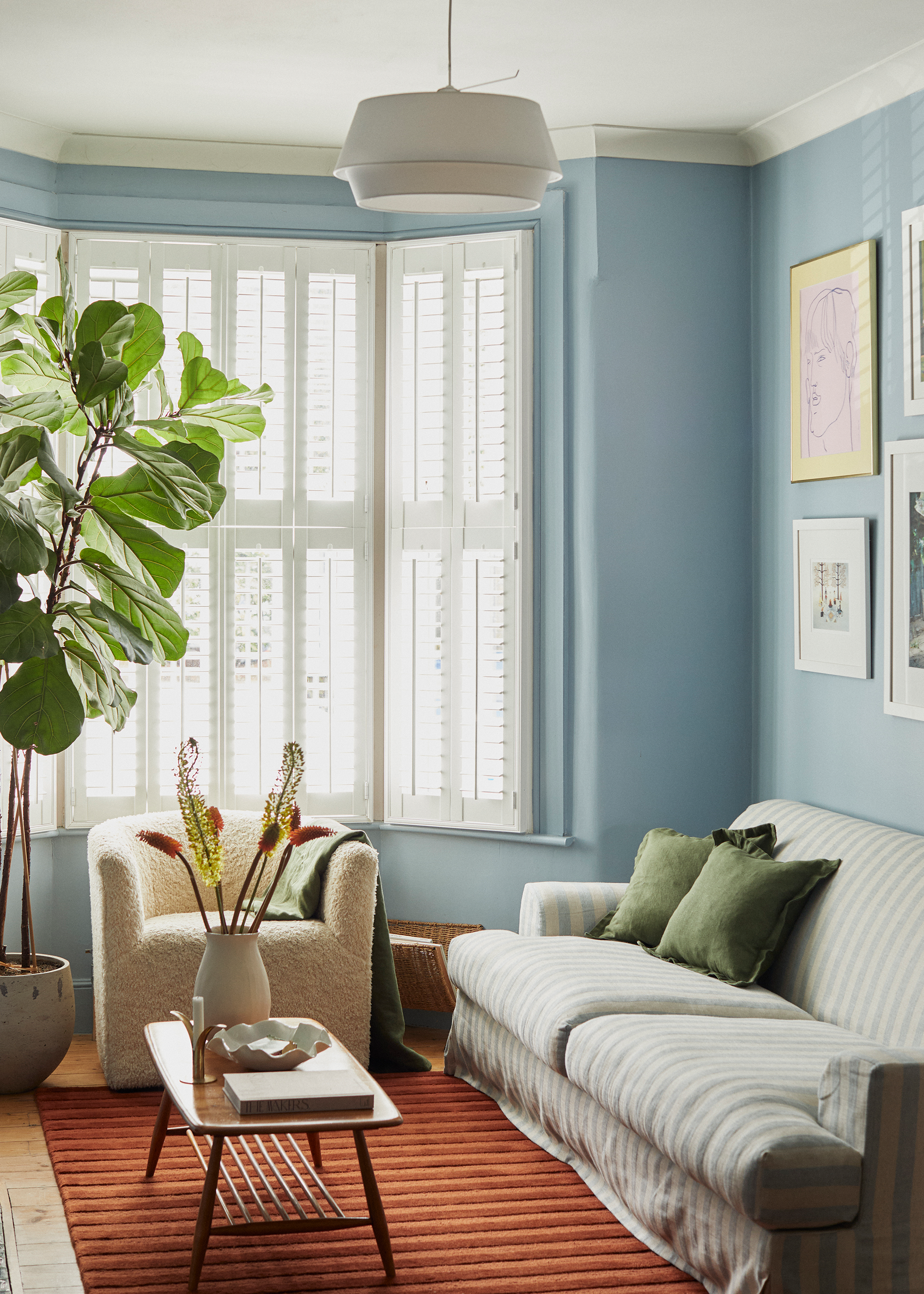
Unless you’re planning a complete gut renovation and furnishing from scratch, your walls won’t exist in a vacuum. Your paint color needs to harmonize with the elements already present in your room. Think of it as building a wardrobe: you choose new pieces to complement what you already love.
Fixed Elements First
Consider your unchangeable or expensive-to-change elements:
- Flooring: Are your floors warm-toned wood, cool-toned tile, or a neutral carpet?
- Large Furniture: What are the dominant colors and textures of your sofa, bed frame, or dining table?
- Cabinetry & Countertops: Especially crucial in kitchens and bathrooms.
- Architectural Features: Exposed brick, stone fireplaces, or unique trim work.
Your paint color should ideally act as a backdrop that enhances these features, rather than clashing with them.
The Power of Light: Natural vs. Artificial
This is perhaps the single most overlooked factor, and it’s a huge one. Light dramatically alters how a color appears. A sunny, south-facing room will make colors appear brighter and warmer, while a north-facing room with cooler light can make colors look muted or even grayed-out.
- Natural Light:
- North-facing rooms: Receive cooler, bluer light. Warm colors (reds, yellows, oranges) can counteract this and bring warmth. Cool colors (blues, greens) might appear even colder.
- South-facing rooms: Bathed in warm, yellow light. Almost any color will look good here. Cool colors can feel crisp; warm colors will glow.
- East-facing rooms: Bright and warm in the morning, cooler in the afternoon. Consider colors that look good in both lights, or embrace the morning warmth with greens and blues.
- West-facing rooms: Cooler in the morning, intense and warm in the afternoon/evening. Embrace the evening glow with warm neutrals or deep, cozy colors.
- Artificial Light:
- Incandescent/Warm LED: Enhances reds, oranges, and yellows. Can make cool colors appear duller.
- Cool White/Daylight LED: Enhances blues and greens. Can make warm colors appear harsher.
- Adjustable/Smart Lighting: The ultimate flexibility!
Always test your paint samples in the actual room, at different times of day and under both natural and artificial light sources.
Step 3: Explore Color Families & Their Nuances
Now that you know the mood and constraints of your room, it’s time to delve into color. But don’t just pick a primary color; think about its undertones and saturation. A “gray” isn’t just gray; it can have blue, green, purple, or even brown undertones that become visible in different lighting.
Warm, Cool, or Neutral?
- Warm Colors: Reds, oranges, yellows. These colors tend to advance, making a room feel cozier and more intimate. They can stimulate conversation and bring a sense of comfort and energy.
- Cool Colors: Blues, greens, purples. These colors tend to recede, making a room feel larger, calmer, and more expansive. They promote relaxation and can bring a sense of freshness.
- Neutrals: Whites, grays, beiges, greiges (gray + beige), taupes. These are your foundational colors. They are incredibly versatile, providing a sophisticated backdrop that allows furniture, art, and decor to pop. Neutrals can be warm or cool themselves, depending on their undertones.
Understanding Undertones is Key
This is where many people get tripped up. A seemingly neutral gray can suddenly look purple on your wall because of its undertone. Always compare potential colors to a pure version of that color (a pure grey, a pure white) and to colors with obvious undertones. This helps you identify what hidden hues might emerge.
Step 4: Don’t Skip the Sheen! Understanding Paint Finishes
The paint’s finish (also called sheen) is just as important as the color. It impacts durability, cleanability, and how light reflects off your walls, ultimately changing the perception of the color itself. A color in a flat finish will look significantly different than the exact same color in a semi-gloss.
Table 2: Interior Paint Finishes at a Glance
| Finish | Sheen Level | Durability/Cleanability | Light Reflection | Best For |
|---|---|---|---|---|
| Flat/Matte | Lowest | Least durable, hides imperfections well | Very low (absorbs light) | Ceilings, low-traffic areas, formal living rooms, master bedrooms |
| Eggshell | Low-to-Medium | More durable than flat, easily wiped clean | Soft sheen, gentle glow | Living rooms, dining rooms, bedrooms – most common choice for walls |
| Satin | Medium | Good durability, easy to clean, slight pearl-like sheen | Medium (subtle luster) | Kitchens, bathrooms, kids’ rooms, high-traffic areas, trim |
| Semi-Gloss | Medium-to-High | Very durable, highly washable, noticeable shine | Medium-high (clear shine) | Trim, doors, cabinets, high-traffic areas like hallways, utility rooms |
| High-Gloss | Highest | Most durable, mirror-like finish, extremely washable | High (reflective, mirror-like) | Furniture, accent pieces, doors (for dramatic effect), specialty projects |
Step 5: Test, Test, and Test Again: The Power of Samples
This is the most crucial step and one where many people cut corners. A tiny paint chip simply cannot give you an accurate representation of how a color will look on an entire wall. Why? Because of all the factors we just discussed: light, surrounding colors, and the sheer scale of the space.
:strip_icc()/BEHR_LIVINGROOM_KM_004_CottonKnit-8a73e4b0ebc54f74b6098bdf3696c5fc.jpg "50 Living Room Paint Colors")
How to Properly Test Paint Samples:
- Don’t just use a small swatch: Purchase sample pots of your top 2-3 contenders.
- Paint large swatches: Apply two coats of each sample in a 2×2 foot square directly onto your wall.
- Different walls: Paint samples on at least two different walls in the room, especially ones that receive different amounts of light.
- Observe throughout the day: Watch how the color changes from morning light to afternoon sun to evening artificial light.
- Observe with existing decor: Bring your furniture, textiles, and art into the space to see how they interact with the paint.
- Live with it: Give yourself a few days to truly live with the samples before making a final decision.
This process is non-negotiable if you want to avoid costly repainting and disappointment. Trust me, it’s worth the small investment of time and money.
Deciphering the Palette: Popular Interior Paint Color Categories
While our framework helps you choose, it’s also good to understand the major players in the paint color world. Most people gravitate towards certain categories, and knowing their characteristics can speed up your selection process.
The Ever-Popular Neutrals (And How to Make Them Shine)
Neutrals are the workhorses of interior design. They provide a calm, sophisticated foundation that allows other elements in the room to take center stage. But “neutral” doesn’t mean boring! The key is in understanding their nuances and how to layer them.
- Whites:
- Crisp Whites: Often have cool undertones (blue, gray) and create a clean, modern, gallery-like feel. Great for contemporary spaces or to enhance natural light.
- Warm Whites: Have subtle yellow, pink, or beige undertones. These feel softer, more inviting, and prevent a room from feeling stark. Excellent for creating coziness.
- Off-Whites: A step away from pure white, often with a hint of gray, beige, or cream. They offer depth and warmth without being overtly colored.
- Grays:
- Cool Grays: Strong blue or green undertones. Can feel serene, sophisticated, and modern. Best in rooms with warm elements to balance them out.
- Warm Grays (Greige): Have beige or brown undertones, making them incredibly versatile. They offer the sophistication of gray with the warmth of beige, working well with both warm and cool palettes.
- Charcoal Grays: Deep, dramatic grays that can create a cozy, enveloping feel in larger spaces or a bold accent.
- Beiges & Tans:
- Creamy Beiges: Often have yellow or pink undertones, feeling soft, inviting, and traditional.
- Sandy Tans: More brown or gray in their undertone, offering an earthy, natural feel.
Beyond Boring: Making Neutrals Shine
To keep neutrals from feeling flat, introduce:
- Texture: Linen, wool, wood, metal, plants – texture adds visual interest.
- Varying Sheens: Use a flat paint on walls but a semi-gloss on trim in the same color for subtle contrast.
- Accent Colors: Bring in pops of bolder color through art, pillows, or small decor items.
- Layered Neutrals: Combine different shades and undertones of white, gray, and beige for a rich, nuanced look.
Embracing Color: Beyond the Beige Box
While neutrals dominate, there’s a growing desire for more vibrant, personality-driven spaces. Don’t be afraid to embrace color! It can transform a room and evoke powerful emotions.
- Blues: From soft sky blue to deep navy, blues are inherently calming and often associated with stability and tranquility. Lighter blues can expand a space, while darker blues create drama and coziness.
- Greens: Nature’s neutral, greens are restorative, fresh, and versatile. Sage greens, olive tones, and deep forest greens bring the outdoors in and promote a sense of well-being.
- Earthy Tones: Think terracotta, ochre, rich browns, and muted reds. These colors provide warmth, depth, and a connection to natural elements. They can feel grounding and incredibly sophisticated.
- Subtle Pastels & Darks:
- Pastels: Lavender, dusty rose, mint green. These softer versions of bolder colors offer a touch of personality without overwhelming a space. They are often whimsical and inviting.
- Darks (Deep Teal, Emerald, Burgundy): For a truly dramatic and enveloping feel, consider deep, saturated colors. These work beautifully in dining rooms, bedrooms, or powder rooms where intimacy is desired. They also make art and metallic accents pop.
When to go Bolder: Consider accent walls to introduce a pop of color without committing to the whole room. Smaller rooms can actually feel more expansive and intentional with a dark, rich color, blurring the boundaries. Don’t limit bold colors to just one wall; sometimes an entire room in a deep hue can feel incredibly chic and cohesive.
Common Mistakes to Avoid When Choosing Paint Colors
Even with the best intentions, it’s easy to fall into common traps. Learning from these pitfalls can save you time, money, and a lot of frustration.
Table 3: Avoiding Paint Color Pitfalls
| Common Mistake | Why It’s a Problem | The Smart Solution |
|---|---|---|
| Choosing paint color first | Limits design flexibility; it’s harder to match furniture/fabrics to a specific paint color than vice-versa. | Select your main furniture, fabrics, and textiles first. Then, choose a paint color that harmonizes with them. |
| Not testing samples properly | Colors look drastically different on a tiny chip than on a large wall, and light changes their appearance. | Buy sample pots, paint large swatches on multiple walls, and observe them throughout different times of day. |
| Ignoring room lighting | Natural and artificial light sources can completely alter a color’s perceived hue and intensity. | Test colors in the actual room under its specific natural and artificial lighting conditions. Consider bulb temperature. |
| Forgetting paint sheen | The finish dramatically impacts durability, cleanability, and how light reflects, changing the color’s look. | Match the sheen to the room’s function and desired aesthetic (e.g., satin for kitchens, flat for ceilings). |
| Falling for fleeting trends | Trends can look dated quickly, leading to costly and frequent repainting. | Balance trending colors with timeless neutrals and your personal style for longevity. Use trends in easily changeable accents. |
| Too many colors in one space | Can create a cluttered, disjointed, and overwhelming feel. | Stick to a cohesive color palette of 2-3 main colors, using accent colors sparingly to create focal points. |
| Underestimating prep work | Poor surface preparation (cleaning, patching, priming) leads to an uneven finish, visible imperfections, and peeling paint. | Invest time in proper surface cleaning, patching holes, sanding rough spots, and priming, especially when changing drastic colors or sheens. |
Expert Tips for a Flawless Finish
Beyond the core framework, here are some pro tips to elevate your paint project and ensure your chosen colors sing:

- Consider the Flow Between Rooms: If rooms are visible from one another, aim for a cohesive flow. This doesn’t mean every room has to be the same color, but they should belong to the same overarching palette. Use varying shades of a single color, or complementary colors that share similar undertones.
- Trim Color Choices:
- Classic White: A timeless choice that provides crisp contrast, making walls pop.
- Matching Wall Color: Paint trim the same color as the walls (often in a different sheen) for a seamless, modern, and enveloping look. This can make a room feel larger.
- Darker Than Walls: For a bold, dramatic statement, particularly striking with lighter walls.
- Ceiling Color Matters: While white is standard, don’t be afraid to experiment.
- White: Makes a room feel taller and brighter.
- Tinted (lighter version of wall color): Creates a soft, continuous transition and can make a room feel more intimate.
- Matching Wall Color: For a truly immersive, cozy, or dramatic effect, especially in smaller rooms or bedrooms.
- Quality Over Cost: Don’t skimp on paint quality. Premium paints offer better coverage, durability, and a richer, truer color. They often have lower VOCs (Volatile Organic Compounds), contributing to better indoor air quality.
- Factor in Your Climate: In cooler climates, warm colors can make a home feel cozier. In warmer climates, cool colors can create a refreshing oasis.
Your Paint Color Journey Starts Now
Choosing the right paint color for your interior walls is a deeply personal journey. It’s about more than just aesthetics; it’s about creating a home that feels authentic to you and supports the way you live. By following this comprehensive framework, you’re not just picking a color; you’re making an informed, confident decision that will transform your space.
Take a deep breath. Trust the process. And get ready to fall in love with your walls all over again.
”
}
{ “content”: “
Choosing the Perfect Paint Color for Interior Walls: Your Definitive Guide
You’re standing in front of a wall of paint swatches, paralyzed. Beige? Gray? A daring teal? Choosing a paint color for your interior walls can feel like an overwhelming task, an instant commitment that will define your home’s atmosphere for years to come. It’s more than just picking a pretty hue; it’s about crafting a feeling, enhancing light, and reflecting your personal style.
I get it. Most advice just throws popular colors at you, or worse, tells you to trust your gut. But what if your gut is saying, “Help me!”?
This isn’t another list of ’10 Most Popular Greys.’ This is your step-by-step roadmap to confident color selection. We’re going beyond trends to give you a framework that considers your space, your light, and your life. By the end of this guide, you won’t just pick a color; you’ll understand why it’s the right color for you.
Stop Guessing: The Ultimate 5-Step Framework to Pick Your Interior Wall Color
Forget starting with a paint chip. That’s putting the cart before the horse. The most successful interior design projects follow a thoughtful process. Here’s a professional’s framework to guide your decision-making, ensuring your chosen color feels intentional and beautiful.
Step 1: Understand Your Room’s Purpose & Desired Mood
Before you even glance at a color, think about what happens in the room. Is it a bustling kitchen, a tranquil bedroom, a vibrant playroom, or a sophisticated living area? The function of the room dictates the energy and mood you want to create.
Do you want to feel:
:strip_icc()/Blanco1-f60f9c49d4a447b4bead853a7254b9d0.jpeg "The 10 Most Popular Paint Colors, According to Designers")
- Calm and serene? Think soft blues, greens, or muted neutrals.
- Energetic and stimulating? Consider warmer tones like yellows, oranges, or bold accents.
- Cozy and intimate? Deep jewel tones or warm, earthy hues can work wonders.
- Bright and expansive? Whites and light, cool neutrals are your allies.
Understanding the psychological impact of colors is a powerful tool in this step. Different color families inherently evoke different feelings and can influence how you perceive and interact with a space.
Table 1: Color Psychology & Room Mood
| Color Family | Mood/Effect | Best for Rooms Like… |
|---|---|---|
| Blues | Calming, Stable, Tranquil, Productive | Bedrooms, Bathrooms, Studies, Home Offices |
| Greens | Harmonious, Fresh, Restorative, Nature-inspired | Bedrooms, Bathrooms, Home Offices, Sunrooms |
| Neutrals (Whites, Grays, Beiges) | Versatile, Sophisticated, Spacious, Clean | Any room, especially living areas, hallways, kitchens |
| Yellows | Cheerful, Energetic, Optimistic, Inviting | Kitchens, Dining Rooms, Playrooms (in moderation), Entryways |
| Reds | Passionate, Dramatic, Stimulating, Energetic | Dining Rooms, Entryways, Accent walls (use sparingly) |
| Oranges | Enthusiastic, Creative, Warm, Invigorating | Playrooms, Creative Spaces, Dining Rooms (soft shades), Accent walls |
| Pinks | Gentle, Soothing, Romantic, Nurturing | Bedrooms, Nurseries, Powder Rooms, Dressing Rooms |
| Purples | Luxurious, Mysterious, Creative, Sophisticated | Bedrooms, Dining Rooms, Creative Studios, Powder Rooms |
Step 2: Evaluate Existing Elements (Furniture, Flooring, Lighting)
Unless you’re planning a complete gut renovation and furnishing from scratch, your walls won’t exist in a vacuum. Your paint color needs to harmonize with the elements already present in your room. Think of it as building a wardrobe: you choose new pieces to complement what you already love.
Fixed Elements First
Consider your unchangeable or expensive-to-change elements:
- Flooring: Are your floors warm-toned wood, cool-toned tile, or a neutral carpet?
- Large Furniture: What are the dominant colors and textures of your sofa, bed frame, or dining table?
- Cabinetry & Countertops: Especially crucial in kitchens and bathrooms.
- Architectural Features: Exposed brick, stone fireplaces, or unique trim work.
Your paint color should ideally act as a backdrop that enhances these features, rather than clashing with them.
The Power of Light: Natural vs. Artificial
This is perhaps the single most overlooked factor, and it’s a huge one. Light dramatically alters how a color appears. A sunny, south-facing room will make colors appear brighter and warmer, while a north-facing room with cooler light can make colors look muted or even grayed-out.
- Natural Light:
- North-facing rooms: Receive cooler, bluer light. Warm colors (reds, yellows, oranges) can counteract this and bring warmth. Cool colors (blues, greens) might appear even colder.
- South-facing rooms: Bathed in warm, yellow light. Almost any color will look good here. Cool colors can feel crisp; warm colors will glow.
- East-facing rooms: Bright and warm in the morning, cooler in the afternoon. Consider colors that look good in both lights, or embrace the morning warmth with greens and blues.
- West-facing rooms: Cooler in the morning, intense and warm in the afternoon/evening. Embrace the evening glow with warm neutrals or deep, cozy colors.
- Artificial Light:
- Incandescent/Warm LED: Enhances reds, oranges, and yellows. Can make cool colors appear duller.
- Cool White/Daylight LED: Enhances blues and greens. Can make warm colors appear harsher.
- Adjustable/Smart Lighting: The ultimate flexibility!
Always test your paint samples in the actual room, at different times of day and under both natural and artificial light sources.
Step 3: Explore Color Families & Their Nuances
Now that you know the mood and constraints of your room, it’s time to delve into color. But don’t just pick a primary color; think about its undertones and saturation. A “gray” isn’t just gray; it can have blue, green, purple, or even brown undertones that become visible in different lighting.
Warm, Cool, or Neutral?
- Warm Colors: Reds, oranges, yellows. These colors tend to advance, making a room feel cozier and more intimate. They can stimulate conversation and bring a sense of comfort and energy.
- Cool Colors: Blues, greens, purples. These colors tend to recede, making a room feel larger, calmer, and more expansive. They promote relaxation and can bring a sense of freshness.
- Neutrals: Whites, grays, beiges, greiges (gray + beige), taupes. These are your foundational colors. They are incredibly versatile, providing a sophisticated backdrop that allows furniture, art, and decor to pop. Neutrals can be warm or cool themselves, depending on their undertones.
Understanding Undertones is Key
This is where many people get tripped up. A seemingly neutral gray can suddenly look purple on your wall because of its undertone. Always compare potential colors to a pure version of that color (a pure grey, a pure white) and to colors with obvious undertones. This helps you identify what hidden hues might emerge.
Step 4: Don’t Skip the Sheen! Understanding Paint Finishes
The paint’s finish (also called sheen) is just as important as the color. It impacts durability, cleanability, and how light reflects off your walls, ultimately changing the perception of the color itself. A color in a flat finish will look significantly different than the exact same color in a semi-gloss.
Table 2: Interior Paint Finishes at a Glance
| Finish | Sheen Level | Durability/Cleanability | Light Reflection | Best For |
|---|---|---|---|---|
| Flat/Matte | Lowest | Least durable, hides imperfections well | Very low (absorbs light) | Ceilings, low-traffic areas, formal living rooms, master bedrooms |
| Eggshell | Low-to-Medium | More durable than flat, easily wiped clean | Soft sheen, gentle glow | Living rooms, dining rooms, bedrooms – most common choice for walls |
| Satin | Medium | Good durability, easy to clean, slight pearl-like sheen | Medium (subtle luster) | Kitchens, bathrooms, kids’ rooms, high-traffic areas, trim |
| Semi-Gloss | Medium-to-High | Very durable, highly washable, noticeable shine | Medium-high (clear shine) | Trim, doors, cabinets, high-traffic areas like hallways, utility rooms |
| High-Gloss | Highest | Most durable, mirror-like finish, extremely washable | High (reflective, mirror-like) | Furniture, accent pieces, doors (for dramatic effect), specialty projects |
Step 5: Test, Test, and Test Again: The Power of Samples
This is the most crucial step and one where many people cut corners. A tiny paint chip simply cannot give you an accurate representation of how a color will look on an entire wall. Why? Because of all the factors we just discussed: light, surrounding colors, and the sheer scale of the space.
How to Properly Test Paint Samples:
- Don’t just use a small swatch: Purchase sample pots of your top 2-3 contenders.
- Paint large swatches: Apply two coats of each sample in a 2×2 foot square directly onto your wall.
- Different walls: Paint samples on at least two different walls in the room, especially ones that receive different amounts of light.
- Observe throughout the day: Watch how the color changes from morning light to afternoon sun to evening artificial light.
- Observe with existing decor: Bring your furniture, textiles, and art into the space to see how they interact with the paint.
- Live with it: Give yourself a few days to truly live with the samples before making a final decision.
This process is non-negotiable if you want to avoid costly repainting and disappointment. Trust me, it’s worth the small investment of time and money.
Deciphering the Palette: Popular Interior Paint Color Categories
While our framework helps you choose, it’s also good to understand the major players in the paint color world. Most people gravitate towards certain categories, and knowing their characteristics can speed up your selection process.
The Ever-Popular Neutrals (And How to Make Them Shine)
Neutrals are the workhorses of interior design. They provide a calm, sophisticated foundation that allows other elements in the room to take center stage. But “neutral” doesn’t mean boring! The key is in understanding their nuances and how to layer them.
- Whites:
- Crisp Whites: Often have cool undertones (blue, gray) and create a clean, modern, gallery-like feel. Great for contemporary spaces or to enhance natural light.
- Warm Whites: Have subtle yellow, pink, or beige undertones. These feel softer, more inviting, and prevent a room from feeling stark. Excellent for creating coziness.
- Off-Whites: A step away from pure white, often with a hint of gray, beige, or cream. They offer depth and warmth without being overtly colored.
- Grays:
- Cool Grays: Strong blue or green undertones. Can feel serene, sophisticated, and modern. Best in rooms with warm elements to balance them out.
- Warm Grays (Greige): Have beige or brown undertones, making them incredibly versatile. They offer the sophistication of gray with the warmth of beige, working well with both warm and cool palettes.
- Charcoal Grays: Deep, dramatic grays that can create a cozy, enveloping feel in larger spaces or a bold accent.
- Beiges & Tans:
- Creamy Beiges: Often have yellow or pink undertones, feeling soft, inviting, and traditional.
- Sandy Tans: More brown or gray in their undertone, offering an earthy, natural feel.
Beyond Boring: Making Neutrals Shine
To keep neutrals from feeling flat, introduce:
- Texture: Linen, wool, wood, metal, plants – texture adds visual interest.
- Varying Sheens: Use a flat paint on walls but a semi-gloss on trim in the same color for subtle contrast.
- Accent Colors: Bring in pops of bolder color through art, pillows, or small decor items.
- Layered Neutrals: Combine different shades and undertones of white, gray, and beige for a rich, nuanced look.
Embracing Color: Beyond the Beige Box
While neutrals dominate, there’s a growing desire for more vibrant, personality-driven spaces. Don’t be afraid to embrace color! It can transform a room and evoke powerful emotions.
- Blues: From soft sky blue to deep navy, blues are inherently calming and often associated with stability and tranquility. Lighter blues can expand a space, while darker blues create drama and coziness.
- Greens: Nature’s neutral, greens are restorative, fresh, and versatile. Sage greens, olive tones, and deep forest greens bring the outdoors in and promote a sense of well-being.
- Earthy Tones: Think terracotta, ochre, rich browns, and muted reds. These colors provide warmth, depth, and a connection to natural elements. They can feel grounding and incredibly sophisticated.
- Subtle Pastels & Darks:
- Pastels: Lavender, dusty rose, mint green. These softer versions of bolder colors offer a touch of personality without overwhelming a space. They are often whimsical and inviting.
- Darks (Deep Teal, Emerald, Burgundy): For a truly dramatic and enveloping feel, consider deep, saturated colors. These work beautifully in dining rooms, bedrooms, or powder rooms where intimacy is desired. They also make art and metallic accents pop.
When to go Bolder: Consider accent walls to introduce a pop of color without committing to the whole room. Smaller rooms can actually feel more expansive and intentional with a dark, rich color, blurring the boundaries. Don’t limit bold colors to just one wall; sometimes an entire room in a deep hue can feel incredibly chic and cohesive.
Common Mistakes to Avoid When Choosing Paint Colors
Even with the best intentions, it’s easy to fall into common traps. Learning from these pitfalls can save you time, money, and a lot of frustration.
Table 3: Avoiding Paint Color Pitfalls
| Common Mistake | Why It’s a Problem | The Smart Solution |
|---|---|---|
| Choosing paint color first | Limits design flexibility; it’s harder to match furniture/fabrics to a specific paint color than vice-versa. | Select your main furniture, fabrics, and textiles first. Then, choose a paint color that harmonizes with them. |
| Not testing samples properly | Colors look drastically different on a tiny chip than on a large wall, and light changes their appearance. | Buy sample pots, paint large swatches on multiple walls, and observe them throughout different times of day. |
| Ignoring room lighting | Natural and artificial light sources can completely alter a color’s perceived hue and intensity. | Test colors in the actual room under its specific natural and artificial lighting conditions. Consider bulb temperature. |
| Forgetting paint sheen | The finish dramatically impacts durability, cleanability, and how light reflects, changing the color’s look. | Match the sheen to the room’s function and desired aesthetic (e.g., satin for kitchens, flat for ceilings). |
| Falling for fleeting trends | Trends can look dated quickly, leading to costly and frequent repainting. | Balance trending colors with timeless neutrals and your personal style for longevity. Use trends in easily changeable accents. |
| Too many colors in one space | Can create a cluttered, disjointed, and overwhelming feel. | Stick to a cohesive color palette of 2-3 main colors, using accent colors sparingly to create focal points. |
| Underestimating prep work | Poor surface preparation (cleaning, patching, priming) leads to an uneven finish, visible imperfections, and peeling paint. | Invest time in proper surface cleaning, patching holes, sanding rough spots, and priming, especially when changing drastic colors or sheens. |
Expert Tips for a Flawless Finish
Beyond the core framework, here are some pro tips to elevate your paint project and ensure your chosen colors sing:
- Consider the Flow Between Rooms: If rooms are visible from one another, aim for a cohesive flow. This doesn’t mean every room has to be the same color, but they should belong to the same overarching palette. Use varying shades of a single color, or complementary colors that share similar undertones.
- Trim Color Choices:
- Classic White: A timeless choice that provides crisp contrast, making walls pop.
- Matching Wall Color: Paint trim the same color as the walls (often in a different sheen) for a seamless, modern, and enveloping look. This can make a room feel larger.
- Darker Than Walls: For a bold, dramatic statement, particularly striking with lighter walls.
- Ceiling Color Matters: While white is standard, don’t be afraid to experiment.
- White: Makes a room feel taller and brighter.
- Tinted (lighter version of wall color): Creates a soft, continuous transition and can make a room feel more intimate.
- Matching Wall Color: For a truly immersive, cozy, or dramatic effect, especially in smaller rooms or bedrooms.
- Quality Over Cost: Don’t skimp on paint quality. Premium paints offer better coverage, durability, and a richer, truer color. They often have lower VOCs (Volatile Organic Compounds), contributing to better indoor air quality.
- Factor in Your Climate: In cooler climates, warm colors can make a home feel cozier. In warmer climates, cool colors can create a refreshing oasis.
Your Paint Color Journey Starts Now
Choosing the right paint color for your interior walls is a deeply personal journey. It’s about more than just aesthetics; it’s about creating a home that feels authentic to you and supports the way you live. By following this comprehensive framework, you’re not just picking a color; you’re making an informed, confident decision that will transform your space.
Take a deep breath. Trust the process. And get ready to fall in love with your walls all over again.