How to Paint a Room to Make It Look Wider: The Ultimate Guide to Visual Expansion
Ever walked into a room and felt like the walls were closing in? Maybe it’s a narrow hallway that feels endless, or a small bedroom that just can’t breathe. I get it. We all crave spaciousness, but not everyone has the luxury of knocking down walls. The good news? You don’t have to!
Painting isn’t just about slapping on a fresh coat of color. It’s an incredibly powerful tool for optical illusion, a strategic art that can literally reshape your perception of a space. With the right techniques and a thoughtful color palette, you can trick the eye, making a cramped room feel significantly wider, more open, and inviting. Forget general ‘bigger’ advice; we’re diving deep into making your room specifically feel *wider.
Ready to ditch that tunnel vision and embrace expansive living? Let’s get started.
Understanding the Psychology of Space and Color
Before we grab our brushes, it’s helpful to understand the science behind why certain colors and techniques work. Our brains interpret colors and light in fascinating ways, influencing our perception of distance, size, and even temperature.
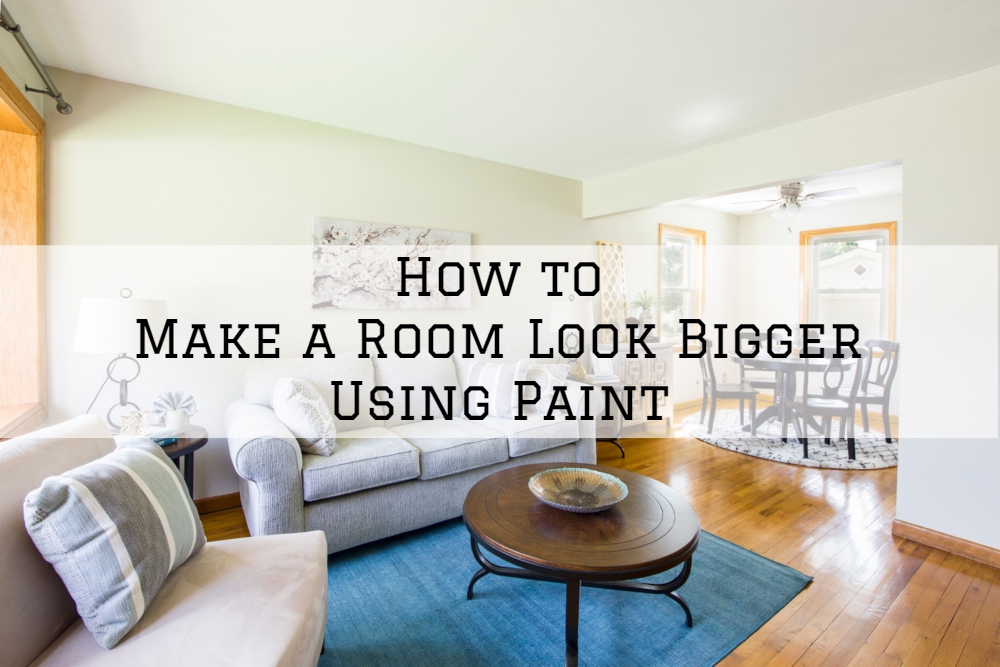
- Warm vs. Cool Colors: The Illusion of Advancing and Receding: This is fundamental. Warm colors (reds, oranges, yellows) tend to feel closer, more immediate, and can make a wall appear to advance towards you. Conversely, cool colors (blues, greens, purples) evoke a sense of calm and distance; they recede, making walls appear further away.
- Light vs. Dark: Reflectivity and Depth: Light colors reflect more light, making a room feel brighter and more open. They blur the boundaries, creating an expansive effect. Dark colors absorb light, making surfaces feel more defined and closer, often creating a cozy but potentially constricting atmosphere in small spaces.
To make a room look wider, our goal is to leverage these principles to push the walls visually outwards, creating an uninterrupted flow and a sense of boundless space.
The Fundamental Principle: Light Colors & Cool Hues
If you’re aiming for width, light, cool colors are your undisputed champions. They inherently recede, reflecting light and making walls feel more distant than they actually are. Think of it like looking at a misty horizon – the light, cool tones make everything seem to stretch further.
What does this mean for your paint choices?
- Crisp Whites & Off-Whites: These are the ultimate space expanders. They bounce light around like crazy, blurring corners and creating a seamless, airy feel. Look for whites with cool undertones (blue or gray) to enhance the receding effect.
- Pale Blues & Greens: These hues are naturally calming and recede beautifully. A soft sky blue, a delicate sage green, or a muted seafoam can transform a narrow room into a serene oasis that feels much wider.
- Light Grays: Modern and sophisticated, light grays with cool undertones (think silver or dove gray) are fantastic for expanding space without feeling clinical. They provide a neutral backdrop that still actively works to push walls back.
- Pastels: Soft lavenders, pale yellows, and subtle pinks (with cool or muted undertones) can also contribute to a sense of openness, provided they aren’t too saturated.
Remember, the natural and artificial light in your room will interact with these colors. Always test paint samples on different walls and observe them throughout the day to see how they truly behave.
Strategic Painting Techniques to Maximize Width
Now for the fun part: applying these principles with specific painting techniques. This is where you get to play visual tricks on your space, making it stretch in ways you never thought possible.
The “Accent Wall” Illusion (for Long, Narrow Rooms)
This is my go-to strategy for tackling long, narrow spaces that feel like hallways. The goal is to visually ‘shorten’ the long walls and make the narrow walls appear to expand. How do we do it?
Paint the shorter end walls a slightly darker, warmer, or more saturated color than the longer walls.
Here’s why it works:
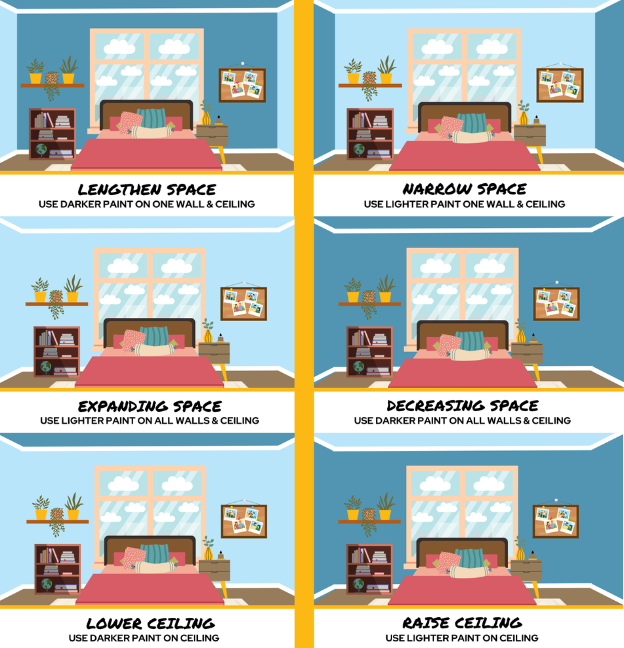
- The darker/warmer color on the short walls makes them appear to advance towards you, tricking your eye into thinking they are closer.
- This optical illusion simultaneously makes the longer, lighter walls seem further apart and more expansive.
Color Considerations for Accent Walls: You don’t need a drastically different color. Even going two shades darker on the same color strip, or introducing a soft, warm neutral (like a taupe or warm gray) on the short walls while keeping the long walls a cool white or pale blue, can create a dramatic effect. Avoid very dark, stark colors on accent walls unless the room gets abundant light, as this can make the short walls feel too dominant.
The Power of Monochromatic or Gradient Schemes
Creating a seamless flow of color can work wonders for making a room feel wider and more cohesive.
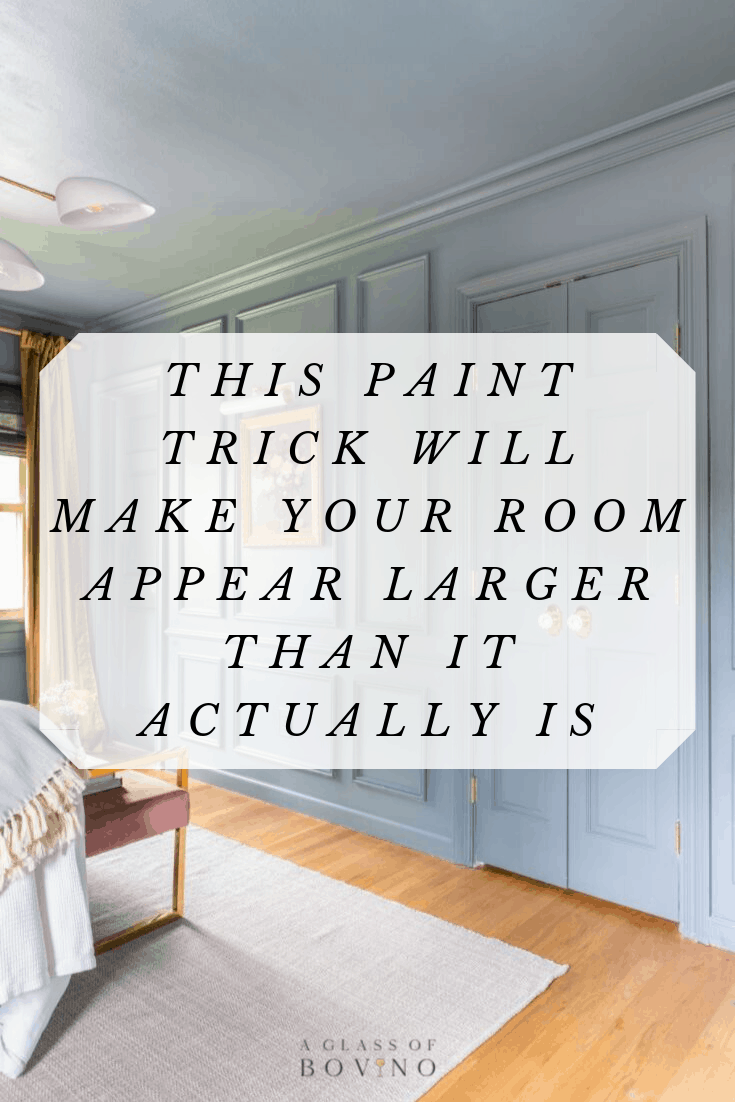
- Monochromatic Magic: Painting your walls and trim (baseboards, door frames) the exact same light, cool color significantly blurs the boundaries of the room. Without the stark contrast of white trim against a colored wall, your eye travels smoothly, making the walls feel like one continuous surface that extends further.
- The “Dark-to-Light” Rule (Vertical Gradient): This classic technique involves painting the darkest color near the floor, a medium shade on the walls, and the lightest shade on the ceiling (or even continuing the wall color slightly onto the ceiling). The Little Greene approach suggests keeping the darkest colors towards the floor, disappearing to white closer to the ceiling. This upward progression of lightness lifts the ceiling visually and helps the walls feel less constrained, contributing to a sense of overall openness, including width.
Ceiling Tricks: Lift the Roof, Expand the Walls
The ceiling is your fifth wall, and how you paint it dramatically impacts the perception of space. A low ceiling can make a room feel boxy and narrow, so lifting it visually can contribute to overall width.
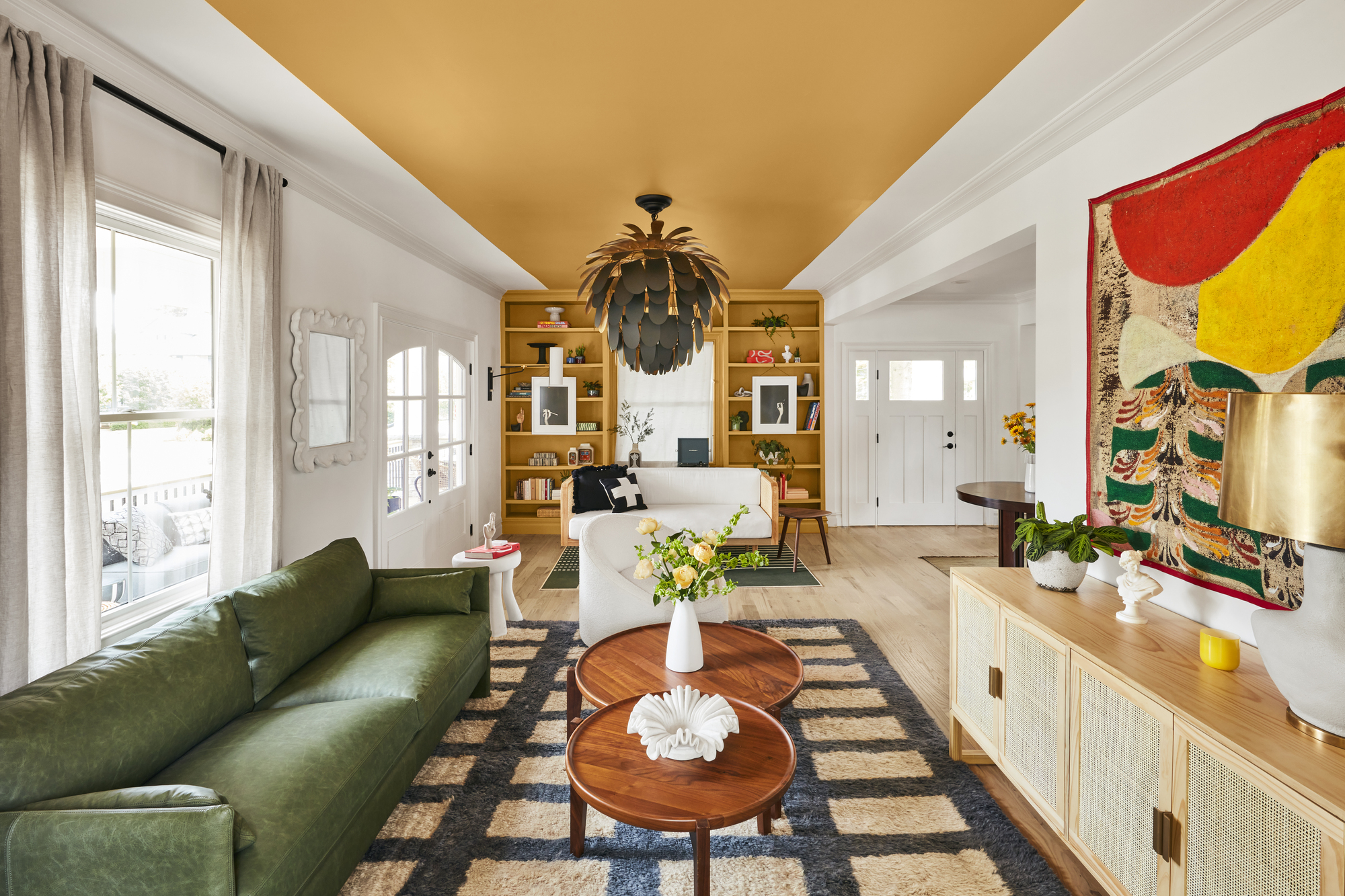
- Lighter Than Walls: Always paint your ceiling a lighter color than your walls, ideally a crisp white or an off-white that complements your wall color. This draws the eye upward, making the ceiling appear higher and the room feel more expansive.
- “Ceiling Continuation” (Washing): For an extra visual trick, carry your wall color a few inches (2-4 inches) onto the ceiling around the perimeter of the room. Then, paint the rest of the ceiling a lighter shade. This creates a subtle visual curve, softening the hard edge where the wall meets the ceiling, and subtly pushing the walls out.
Horizontal Stripes: The Classic Widening Trick
Just like stripes on clothing can flatter a figure, horizontal stripes can work miracles on a narrow room. They draw the eye horizontally, visually stretching the walls and making the room feel wider.
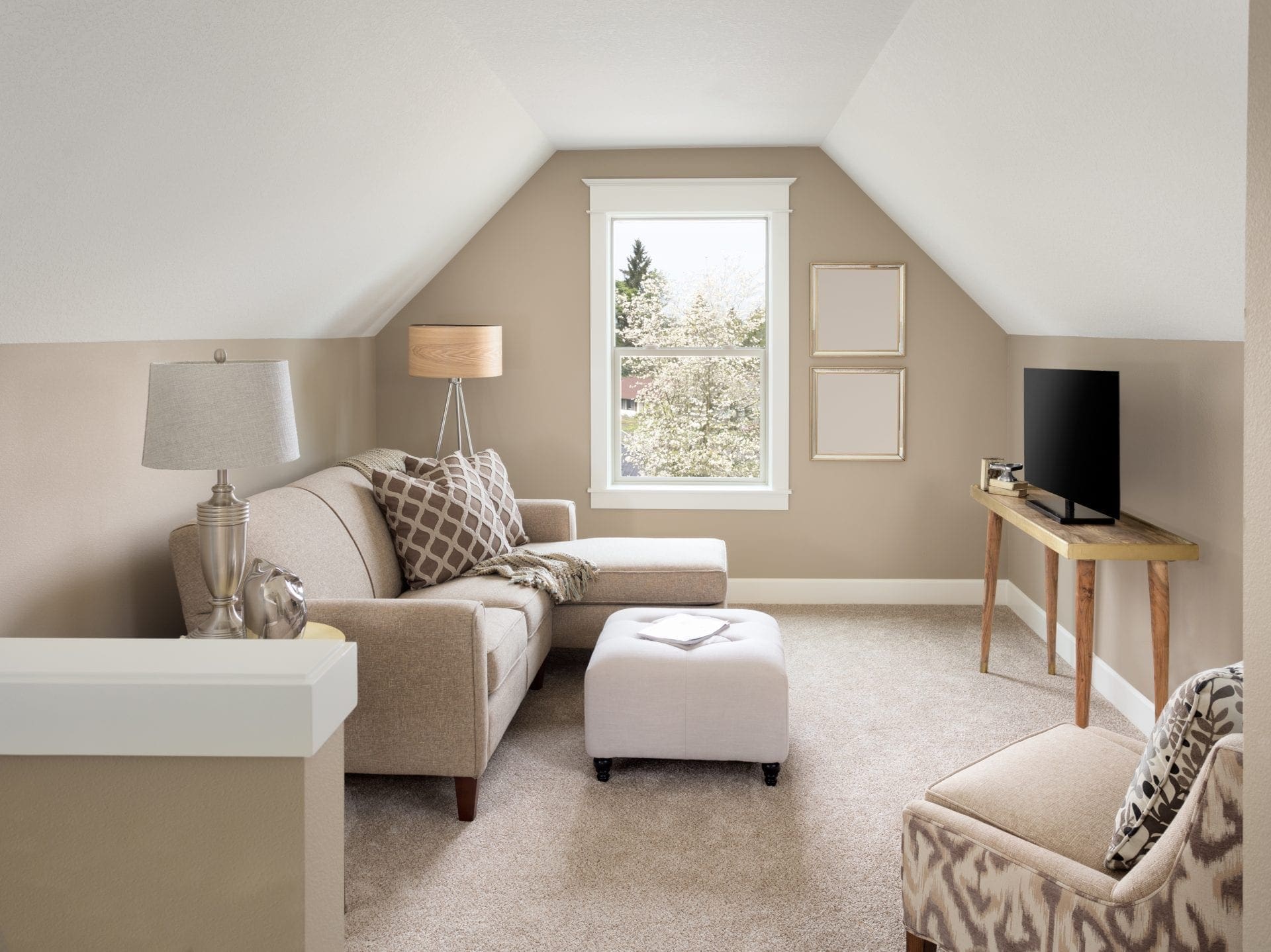
- Execution is Key: For maximum width, use two shades of the same light, cool color (e.g., a pale gray and a slightly lighter gray), or a very subtle contrast (e.g., off-white and a pale blue).
- Placement Matters: Don’t overdo it. A few well-placed horizontal stripes – perhaps across the longest walls at mid-height or just above baseboards – can be more effective than painting the entire room.
- Stripe Width: Wider stripes tend to look more sophisticated and expansive than thin, busy ones. Aim for stripes that are at least 6-12 inches high.
The Wall-to-Wall Color Strategy
Sometimes, simplicity is the most effective. Painting one entire long wall (or even two adjacent long walls) a consistent, light, reflective color can create a powerful sense of uninterrupted space. This works particularly well in rooms where you want to draw the eye to a specific feature on that wall or when you have a large window that can amplify the light reflection.
By eliminating visual breaks and keeping the color uniform, you create a seamless backdrop that makes the room feel more expansive.
Choosing the Right Paint Finish (Sheen) for Optical Illusions
Don’t underestimate the power of paint sheen! The finish you choose plays a significant role in how light is reflected and how spacious a room feels.
- Matte/Flat: Absorbs light. While it hides imperfections well, it can make a room feel slightly less expansive because it doesn’t reflect light back into the space. Best for ceilings or walls you want to recede subtly.
- Eggshell/Satin: These are my preferred choices for walls when aiming for width. They offer a soft, subtle sheen that reflects a good amount of light without being too glossy. This gentle reflectivity helps walls feel further away and brighter.
- Semi-Gloss/Gloss: Highly reflective. While a very high gloss could create an interesting effect on a single accent wall, using it on all walls in a small, narrow room might create too much glare and make the space feel busy, rather than wider. However, using a semi-gloss on trim (baseboards, door frames) in the same color as the walls can create a subtle play of light that adds depth without harsh contrast, contributing to that seamless, expansive look.
For most widening techniques, an eggshell or satin finish on the walls combined with a flat or matte finish on the ceiling (or a very light semi-gloss on same-color trim) will give you the best results.
Advanced Tips & Considerations
Paint is just one piece of the puzzle. Combine these painting strategies with smart design choices for maximum impact.
- Color Matching Furniture & Decor: Large pieces of furniture that contrast sharply with your wall color can break up the visual flow and make a room feel smaller. Try to choose furniture in tones that blend or complement your wall color to maintain a sense of continuity.
- Minimalism is Your Friend: Clutter eats space. Period. A streamlined room with fewer objects and clear sightlines will always feel more expansive than a crowded one, regardless of paint color.
- Mirror Placement: Strategic placement of a large mirror on a long wall can work wonders. Mirrors reflect light and the opposite wall, creating the illusion of a much deeper, wider space.
- Strategic Lighting: Don’t rely on a single overhead light. Use sconces or floor lamps to wash walls with light, especially the longer ones. Up-lighting can make ceilings feel higher, contributing to overall openness.
- Windows and Drapery: Keep window treatments light and airy. Heavy, dark drapes can block light and visually shrink a room. Install curtain rods wider than the window frame, so drapes can be pulled completely off the glass, maximizing natural light.
Practical Steps Before You Paint
Even the best paint strategy falls flat without proper preparation. Don’t skip these crucial steps!
- Clean Everything: Dust, dirt, and grime can prevent paint from adhering properly. Wash walls with a mild detergent and water solution, then rinse and let dry completely.
- Patch & Repair: Fill any holes or cracks with spackle, sand smooth, and wipe away dust. A smooth surface is essential for a professional finish.
- Prime (Especially for Color Changes or New Drywall): Primer creates a uniform surface for your paint, ensures better adhesion, and helps true up the color. It’s an extra step that saves headaches later.
- Test, Test, Test: Buy sample pots of your chosen colors. Paint large swatches (at least 2’x2′) on different walls. Live with them for a few days, observing them in various lighting conditions (daylight, night, artificial light). This is critical for seeing how the color truly interacts with your room.
- Gather Your Tools: You’ll need quality brushes, rollers, paint trays, painter’s tape (for clean lines), drop cloths, and a stir stick. Don’t skimp on good tools – they make a huge difference in the final result.
Common Mistakes to Avoid When Painting for Width
Steer clear of these common pitfalls to ensure your efforts yield the desired expansive effect:
- Using Too Many Dark Colors: While a strategic dark accent can work on a short wall, painting multiple walls or all walls in dark, saturated colors will make a narrow room feel even more constricted.
- Over-Contrasting Trim: Painting trim a stark white against a dark wall color breaks up the visual flow, making the room feel choppy and drawing attention to its boundaries. For width, blend, don’t contrast.
- Ignoring Natural Light: A paint color that looks amazing in a brightly lit showroom might feel oppressive in a north-facing room with minimal natural light. Always consider your room’s orientation and light sources.
- Clutter and Heavy Furnishings: No amount of clever paint will make a cluttered room feel wider. Embrace minimalism and lighter-weight furniture where possible.
- Misapplying Accent Walls: Putting a dark or warm accent color on a long wall will actually make the room feel shorter and more narrow. Reserve accent walls for the short* ends of a rectangular room to bring them in visually.
Optimal Color Palettes for a Wider Look
| Room Type | Effect Desired | Recommended Wall Color | Accent Wall (Optional) | Ceiling Color | Sheen (Walls/Ceiling) |
|---|---|---|---|---|---|
| Long, Narrow Room | Shorten long walls, push out narrow walls. | Pale Blue, Light Sage Green, Cool Off-White (on long walls) | Slightly darker/warmer shade of wall color OR a soft neutral (on short end walls) | Crisp White or lightest tint of wall color | Eggshell/Matte |
| Small Square Room | Create overall spaciousness and depth. | Light Gray, Pure White, Icy Blue | Not recommended for width; keep uniform. | Crisp White | Eggshell/Matte |
| Room with Low Ceilings | Lift ceiling, expand walls. | Light Taupe, Soft Greige, Warm Off-White | No specific accent; focus on vertical elements. | Bright White (potentially with 2-4 inch wall color wash) | Satin/Matte |
Painting Techniques & Their Impact on Room Perception
| Technique | Primary Effect | Best For | Considerations |
|---|---|---|---|
| Accent Shorter Walls | Makes long walls appear further apart, short walls closer. | Long, narrow rooms (hallways, rectangular bedrooms) | Use slightly darker/warmer tone; avoid harsh contrast. |
| Monochromatic Scheme (Walls & Trim) | Seamless flow, blurring boundaries. | Any small room, especially effective with light, cool colors. | Use same sheen or very subtle sheen difference for trim. |
| Light Ceiling (or Wall Color Wash) | Lifts the ceiling, contributing to overall openness. | Rooms with standard or low ceilings. | Crisp white is ideal; ensure clean line where ceiling meets wall. |
| Horizontal Stripes | Draws eye horizontally, visually stretching walls. | Narrow rooms or feature walls to emphasize width. | Use subtle contrast; wider stripes are more effective. |
| Glossy Finish (Specific Use) | Reflects light, adding depth and luminosity. | Trim, or a single feature wall in a very light color. | Avoid high gloss on all walls in small rooms; can be too reflective/busy. |
Transforming a narrow room into a visually wider, more expansive space is absolutely achievable with the right paint strategy. It’s not about magic, but about understanding how light and color manipulate our perception. By embracing light, cool colors, employing strategic accent walls, utilizing clever ceiling tricks, and paying attention to sheen, you can create an environment that feels far more generous than its actual dimensions.
So, take a deep breath, pick up that brush, and start painting your way to a wider, more open home. Your space will thank you.
”
}