How Much Does It Really Cost to Paint Interior Doors and Trim?
Ever glanced at your interior doors and wondered if they could use a fresh coat? Or perhaps your baseboards are scuffed, crying out for a little TLC? Giving your interior doors and trim a fresh coat of paint isn’t just about aesthetics; it’s about defining the character of your home, adding a touch of polish, and even boosting its perceived value. But before you dive in, the big question looms: how much will it actually cost?
You’re not alone in asking. The truth is, the price tag can vary widely depending on whether you tackle it yourself or bring in the pros, the condition of your surfaces, and the sheer amount of detail involved. But let’s cut to the chase so you can start planning.
Generally, you can expect to pay anywhere from $75 to $200 per interior door, and $1 to $5 per linear foot for trim when hiring a professional. A full project to paint all doors and trim in an average-sized home (say, 1,500-2,000 sq ft with 6-8 doors) could range from $1,000 to $4,000+. DIY, of course, will significantly reduce the labor cost, but you’ll still need to budget for materials and equipment.
Let’s break down these figures, explore the factors that influence them, and help you decide the best approach for your home and budget.

Quick Cost Snapshot: Interior Doors & Trim Painting
| Item | Average Cost Range (Professional) | Key Factors |
|---|---|---|
| Per Interior Door | $75 – $200 per door | Type (flush, paneled, louvered), condition, prep, paint type |
| Per Linear Foot of Trim | $1 – $5 per linear foot | Type (baseboard, crown, casing), complexity, condition, prep |
| Total Project (Average Home: 6-8 doors, 500-800 linear ft trim) | $1,000 – $4,000+ | Number of doors/linear feet, geographic location, paint quality, repairs needed |
| DIY Materials & Equipment (One-time investment) | $150 – $400 | Paint, primer, brushes, rollers, tape, sandpaper, drop cloths |
Breaking Down the Costs: Doors vs. Trim
It’s useful to understand how painters typically estimate these jobs. They often break it down by the piece (for doors) and by the linear foot (for trim), then factor in all the variables.
How Much to Paint Interior Doors?
Painting an interior door might seem straightforward, but it’s a meticulous task. Each door typically needs cleaning, light sanding, priming (if changing color drastically or painting raw wood), at least two coats of paint, and careful reinstallation of hardware. The average cost for a professional to paint one interior door (both sides, including the frame) ranges from $75 to $200.
Factors Affecting Door Painting Cost:
- Type of Door: This is huge. A simple flush door is quick. A six-panel door has intricate details. A louvered or French door? Prepare for a significant jump due to the sheer number of surfaces and angles.
- Door Material: Wood, MDF, metal, or fiberglass. Different materials might require specific primers or paint types, affecting material costs and application time.
- Condition & Prep Work: Is the door new and primed? Or does it have peeling paint, dents, or scratches that need sanding, patching, or even stripping? Significant prep work equals more labor hours.
- Number of Coats: Going from a dark color to a light one almost always requires extra coats, sometimes a dedicated primer, which adds time and material.
- Paint Type & Finish: Higher quality paints cost more per gallon but can offer better coverage and durability. Certain finishes (like high-gloss) require more careful application, increasing labor.
- Hardware Removal & Reinstallation: Most pros will remove door knobs, hinges, and strike plates for a cleaner finish. This is built into the labor cost.
Cost Table for Different Interior Door Types (Professional Painting)
| Door Type | Typical Cost Per Door (Includes Frame) | Description |
|---|---|---|
| Flush Door | $75 – $125 | Flat, smooth surface; easiest and quickest to paint. |
| Panel Door (e.g., 6-panel) | $120 – $180 | Features recessed or raised panels; requires more detailed brushwork. |
| French Door (with glass panes) | $150 – $300 | Numerous small panes of glass require extensive taping and precision. |
| Louvered Door | $200 – $400+ | Many slats make painting incredibly time-consuming; often requires spraying. |
| Bifold/Sliding Closet Door | $100 – $250 (per standard 30-36 inch opening) | Often paneled or louvered, but can be removed for easier painting. |
How Much to Paint Interior Trim?
Trim painting is often priced by the linear foot, reflecting the amount of surface area and the detail involved. This includes baseboards, crown molding, window casings, door frames, and any chair rails. Professional trim painting usually costs between $1 to $5 per linear foot.
Factors Affecting Trim Painting Cost:
- Type of Trim: Simple, flat baseboards are cheaper. Ornate crown molding or detailed window casings demand more time and precision, driving up costs.
- Complexity & Detail: The more grooves, curves, and intricate designs your trim has, the longer it will take to properly clean, prime, and paint without drips or uneven coverage.
- Linear Footage: The total length of trim to be painted is the primary driver of cost.
- Condition & Prep Work: Old trim might have nicks, gaps, or caulk issues requiring repair. New, unprimed trim will need more prep than previously painted trim in good condition.
- Number of Coats: As with doors, a significant color change or going from raw wood will necessitate more coats.
- Accessibility: Painting trim around tall windows or crown molding on high ceilings might require specialized equipment (ladders, scaffolding), increasing labor time and potentially cost.
Cost Table for Different Interior Trim Types (Professional Painting)
| Trim Type | Typical Cost Per Linear Foot | Description |
|---|---|---|
| Baseboards (Simple) | $1 – $2.50 | Flat or simple profile; relatively quick to paint. |
| Baseboards (Detailed/Ornate) | $2.50 – $4 | More intricate profiles require careful brushwork and potentially more prep. |
| Door/Window Casings | $2 – $4 | Framing around openings; often includes mitered corners and multiple surfaces. |
| Crown Molding (Standard Height) | $3 – $5 | Located at ceiling line; often complex profile and requires ladder work. |
| Chair Rails/Wainscoting | $2.50 – $4 | Mid-wall trim or paneling; can be intricate depending on design. |
DIY vs. Professional Painting: A Cost-Benefit Analysis
This is where most homeowners deliberate. Do you save money by doing it yourself, or pay for the convenience and expertise of a professional?

The DIY Route: Saving Money, Spending Time
If you have the time, patience, and a steady hand, painting doors and trim yourself can save you a significant amount on labor costs. You’ll only pay for materials and tools.
Pros of DIY:
- Lower Overall Cost: You eliminate professional labor fees, which can be 70-85% of the total project cost.
- Flexibility: Work on your own schedule, at your own pace.
- Personal Satisfaction: There’s a certain pride in completing a home improvement project yourself.
Cons of DIY:
- Time-Consuming: Prep work (cleaning, sanding, taping, caulking) is crucial and takes a lot of time. Painting multiple coats, allowing for drying time, and reassembling doors adds up.
- Skill Required: Achieving a smooth, drip-free, professional-looking finish on intricate trim and paneled doors isn’t as easy as it looks.
- Equipment Cost: While you save on labor, you’ll need to purchase brushes, rollers, trays, painter’s tape, drop cloths, sandpaper, caulk guns, and potentially a respirator.
- Potential for Mistakes: Drips, uneven coats, missed spots, or paint on walls/flooring can detract from the finish and require rework.
DIY Cost Breakdown: Materials & Equipment Needed
| Item | Estimated Cost | Notes |
|---|---|---|
| Paint (1-2 gallons) | $60 – $120+ | High-quality latex or oil-based enamel for durability. |
| Primer (1 gallon) | $30 – $50 | Essential for raw wood, changing dark colors, or ensuring adhesion. |
| Brushes & Rollers (variety pack) | $30 – $70 | Good quality brushes make a huge difference. Small rollers for smooth surfaces. |
| Painter’s Tape (2-3 rolls) | $15 – $30 | Crucial for crisp lines, especially between trim and walls/floors. |
| Drop Cloths/Plastic Sheeting | $15 – $40 | Protect floors and furniture. |
| Sandpaper/Sanding Sponges | $10 – $20 | For smoothing surfaces and promoting adhesion. |
| Caulk/Wood Filler & Gun | $15 – $30 | For filling gaps and imperfections before painting. |
| Cleaning Supplies | $10 – $20 | Degreaser, rags, buckets. |
| Miscellaneous (stir sticks, paint can opener, etc.) | $10 – $20 | Small, but necessary items. |
| TOTAL ESTIMATED DIY SUPPLIES | $195 – $430+ | This is a one-time investment for basic tools. |
Hiring a Professional: Convenience & Quality
For many, the investment in professional painters is well worth it, especially given the tedious nature of trim and door painting.
Pros of Hiring a Professional:
- Expertise & Quality Finish: Professionals have the tools, techniques, and experience to achieve a flawless, smooth, and durable finish.
- Speed & Efficiency: They can complete the job much faster than a DIYer, minimizing disruption to your home.
- No Hassle: No purchasing supplies, no extensive prep, no cleanup for you. They handle everything.
- Warranty: Many reputable painters offer warranties on their work.
Cons of Hiring a Professional:
- Higher Upfront Cost: Labor is the biggest expense, making the overall project cost significantly higher.
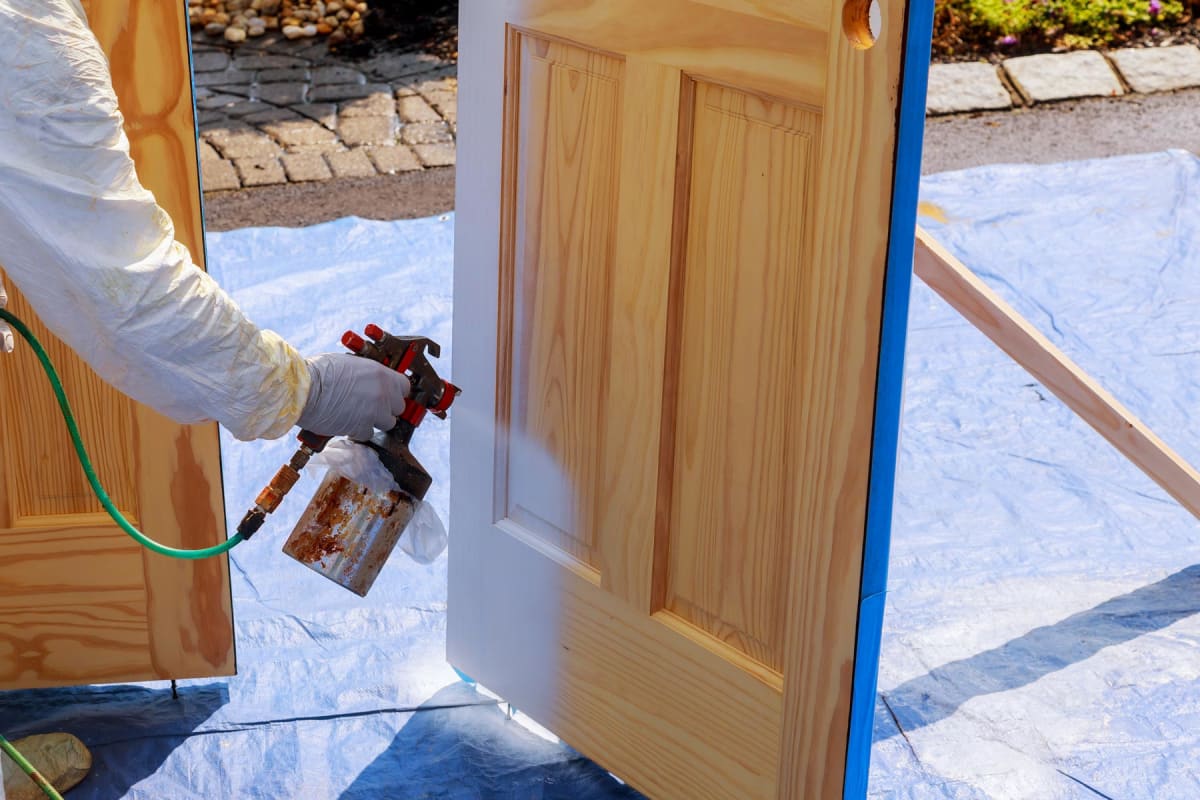
When you hire a pro, their price will typically include all materials (beyond the paint itself, which you might purchase separately or they’ll include in their quote), labor, and meticulous prep and cleanup. They often utilize specialized tools like paint sprayers for doors, which results in an incredibly smooth, factory-like finish that’s difficult to replicate by hand.
Painters might charge by the hour ($40-$80 per painter per hour) or provide a fixed project quote. For doors and trim, project-based pricing is more common and recommended, as it gives you a clear understanding of the total investment upfront.

What Influences the Total Project Cost Beyond Doors and Trim?
While we’ve focused on the specifics of doors and trim, several broader factors can influence your overall quote:
- Geographic Location: Labor costs vary significantly by region. Painters in metropolitan areas with higher costs of living (e.g., California, Northeast) will charge more than those in less expensive regions.
- Current Paint Condition: Is the existing paint chipped, peeling, or cracking? This means more extensive scraping, sanding, and filling, adding to labor. Going from a very dark color to a very light one also demands more coats and specific primers.
- Paint Quality & Brand: While your painter might have preferred brands, you can discuss options. Premium paints offer better coverage, durability, and a richer finish, but cost more per gallon.
- Additional Services: Are you bundling this project with painting walls, ceilings, or repairing drywall? Often, bundling services can lead to a slightly better overall rate.
- Seasonal Demand: Painting companies might have higher rates or less availability during peak seasons (e.g., spring and summer). Booking during slower times might offer slight savings.
Tips to Reduce Painting Costs (Without Sacrificing Quality)
Even if you hire a professional, there are ways to keep your budget in check:
- Do Your Own Prep Work: Offer to clean the doors and trim, remove hardware, and perform light sanding. Make sure to discuss this with your painter upfront, as they might prefer to do some prep themselves to ensure quality.
- Supply Your Own Paint: If you have a specific paint brand or color in mind, buying it yourself ensures you get exactly what you want and potentially saves on any markup.
- Choose a Simpler Color Scheme: Sticking to one or two colors for all doors and trim streamlines the process and reduces the need for extensive cleaning of equipment between colors.
- Bundle Services: If you need other interior painting done (walls, ceilings), ask for a combined quote. Painters often offer discounts for larger projects.
- Get Multiple Quotes: Always get at least three detailed quotes from different reputable painting companies. This helps you compare pricing, services included, and timelines.
- Consider Off-Peak Seasons: If your schedule allows, consider scheduling your painting project during the colder months (late fall, winter) when painters might have more availability and offer slightly lower rates.
Is It Worth It? The ROI of Painting Doors and Trim
Beyond the immediate aesthetic upgrade, painting your interior doors and trim offers several returns:
- Enhanced Aesthetic Appeal: Freshly painted trim and doors instantly brighten a room, making it feel cleaner, newer, and more cohesive. It’s often the ‘jewelry’ of a room.
- Increased Property Value: While hard to quantify precisely, well-maintained and freshly painted interiors contribute significantly to a home’s curb appeal and overall market value, especially for potential buyers.
- Protection & Durability: Paint protects wood from moisture, wear, and tear, prolonging the life of your doors and trim.
- Personal Enjoyment: Ultimately, your home should be a place you love. A fresh, crisp look for your doors and trim can dramatically improve your daily enjoyment of your living space.
Whether you choose to roll up your sleeves or call in the experts, updating your interior doors and trim is an investment that truly pays off in the look and feel of your home. By understanding the costs and factors involved, you can make an informed decision that aligns perfectly with your vision and budget.

Frequently Asked Questions
How long does it take to paint interior doors and trim?
For DIY, expect to spend 1-2 full days for prep and painting for a few doors and a room’s worth of trim. Professionals are much faster, potentially completing 6-8 doors and associated trim in 1-3 days, depending on the complexity and number of painters.
What kind of paint is best for interior doors and trim?
For durability and a smooth finish, semi-gloss or satin enamel paint (latex or oil-based) is generally recommended. Enamels are hard-wearing and easier to clean, which is essential for high-touch surfaces like doors and trim. Latex enamels offer easier cleanup and lower VOCs, while oil-based enamels provide excellent durability but require mineral spirits for cleanup and have a stronger odor.
Should I remove doors before painting them?
Yes, for the best results, it’s highly recommended to remove doors, take off all hardware (hinges, knobs), and lay them flat. This allows for easier, more even application, reduces drips, and ensures you get full coverage on all edges. Professionals almost always remove doors for a superior finish.
How many coats of paint do doors and trim usually need?
Typically, doors and trim require two coats of paint over a properly primed surface. If you’re drastically changing the color (e.g., from dark to light) or painting raw, unprimed wood, a coat of primer followed by two topcoats is usually necessary to achieve full, even coverage.
Is it cheaper to paint interior doors and trim myself or hire a painter?
Doing it yourself is almost always cheaper in terms of direct cash outlay, as you eliminate labor costs, which are the largest portion of a professional quote. However, you’ll invest significant time and effort, and the final quality might not match that of an experienced professional with specialized tools.
How do painters calculate the cost for trim?
Painters typically calculate trim costs by the linear foot. They measure the total length of all baseboards, crown molding, door casings, and window casings. They then multiply this total linear footage by their per-foot rate, which varies based on the trim’s complexity, its condition, and the amount of prep work required.
What’s the difference between painting a flush door and a paneled door?
A flush door has a completely flat, smooth surface, making it relatively quick and easy to paint with a roller and minimal brushwork. A paneled door (e.g., a six-panel door) features recessed or raised panels with intricate details and edges. These require significant detail work with a brush, taking much longer and demanding more skill to ensure a smooth, drip-free finish, thus increasing the labor cost.